Having an agent who represents you usually costs you nothing, because commission is customarily paid by the seller. What you gain is someone reading building financials, valuing apartments honestly, negotiating for you, and protecting you through the board process. For a purchase this size, real representation is worth far more than it costs.

The complete buyer's guide
How to buy an apartment in Manhattan.
To buy a Manhattan apartment, set your real budget, get pre-approved if you are financing, and decide between a condo and a co-op. Then tour, make an offer, sign a contract, and either close on a condo or complete a board package and interview for a co-op. A condo usually closes in about two to three months, a co-op in three to four.
How Michael guides you
Buying an apartment, step by step.
From the first conversation to the closing table, Michael runs a clear, relationship-based process. A typical purchase takes about three months to a year, and he is beside you for every step.
Initial consultation
Michael sits down with you to understand exactly what you are looking for: studio, one bedroom, two bedrooms or more, the neighborhoods you are weighing, and the must-haves like a doorman, laundry in the unit, outdoor space, or a short commute.
Financial qualification
If you are financing, Michael confirms your pre-approval and, if you need one, introduces a trusted mortgage banker.
A tailored search
He builds a search to your exact criteria, filtering by price, neighborhood, condo versus co-op, and amenities, so you only see apartments that genuinely fit.
Review and shortlist
Michael sends you a curated set of listings to review on your own time. Together you narrow them to the apartments worth seeing in person.
In-person tours
He accompanies you through your shortlist, reading each building and apartment with an insider's eye for value, light, layout, and how the building actually runs.
Offer and negotiation
When you find the one, Michael presents your offer and negotiates price and terms on your behalf, drawing on a decade of deals at every price point.
Contract and deposit
Once terms are agreed, your attorney reviews the contract and you sign, typically with a 10 percent deposit held in escrow.
Building application and board approval
This step is unique to Manhattan. Michael guides you through an application that can run hundreds of pages, with full financial disclosure, credit and background checks, reference letters, and an in-person board interview. It is where his board experience matters most.
Closing
After approval, you close and the apartment is yours. From the first meeting, the whole journey usually takes about three months to a year.
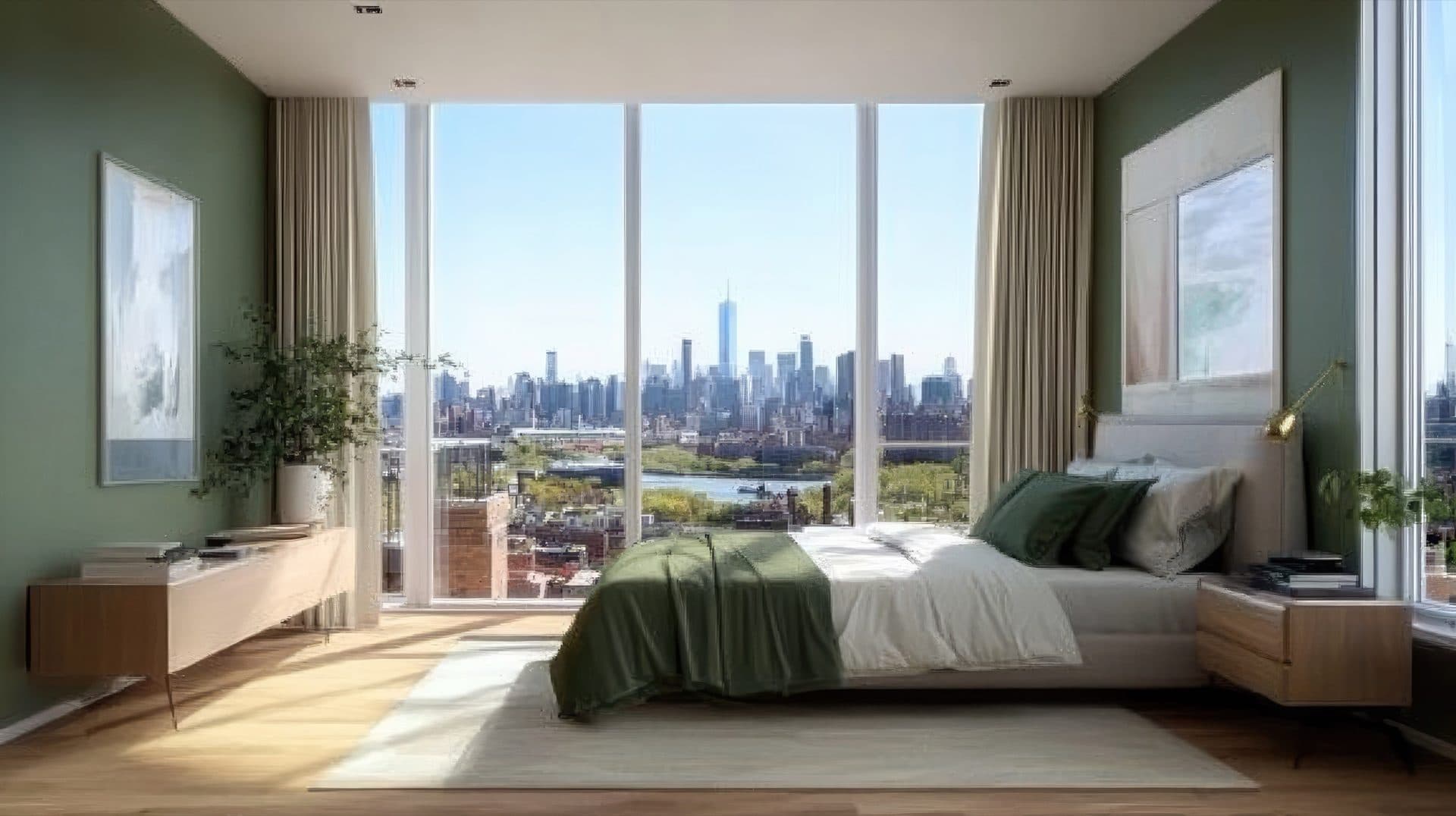
A light-filled Manhattan home
What is the first step to buying an apartment in NYC?
Understand your budget and get pre-approved if you are financing. Knowing your real price range, including closing costs and a co-op's reserve requirements, tells you which buildings are open to you. From there you decide condo or co-op and start touring with an agent who knows the specific buildings you are considering.
The buyers who buy well start with clarity about their numbers, not with open houses. Once you know what you can comfortably carry and which building rules you meet, the search narrows to homes you can actually win. Michael helps you set that foundation first.
Not sure where you land between the two main choices? Michael walks you through buying a condo versus buying a co-op against your finances and timeline, so the decision is made on real numbers rather than in the abstract.
How much money do I need to buy in Manhattan?
Beyond the down payment, budget approximately 4 to 6 percent of the purchase price for closing costs, and for a co-op expect the board to want 12 to 24 months of carrying costs in reserve after you close. On a financed condo, plan for mansion tax at $1 million and up, mortgage recording tax, and title insurance.
The down payment is only part of the picture. Co-ops require reserves the board wants to see after closing, and condos add taxes and title insurance a co-op avoids. Michael builds a clear, honest cost picture with you so there are no surprises at the closing table.
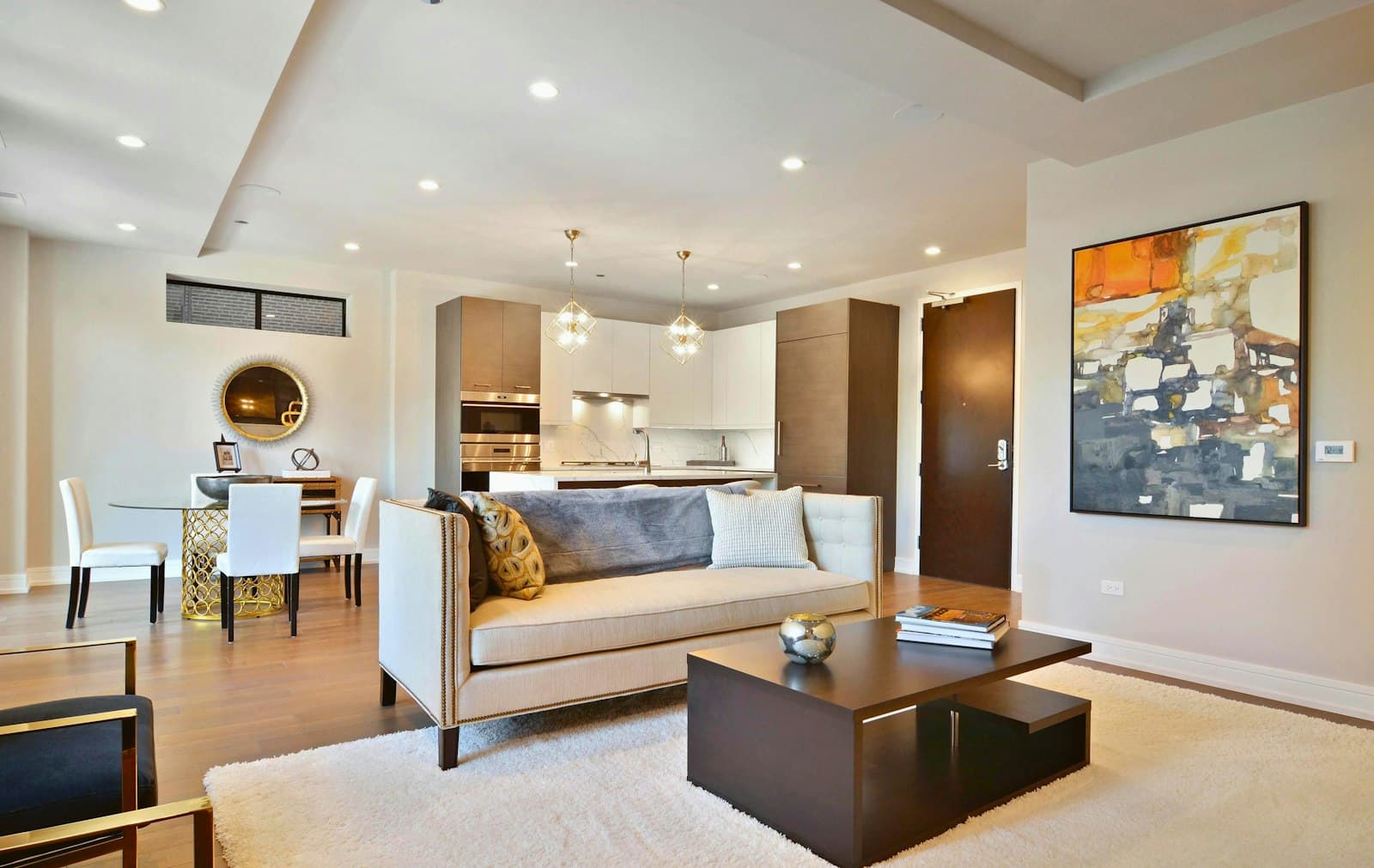
Renovated marble kitchen
The homes buyers ask about

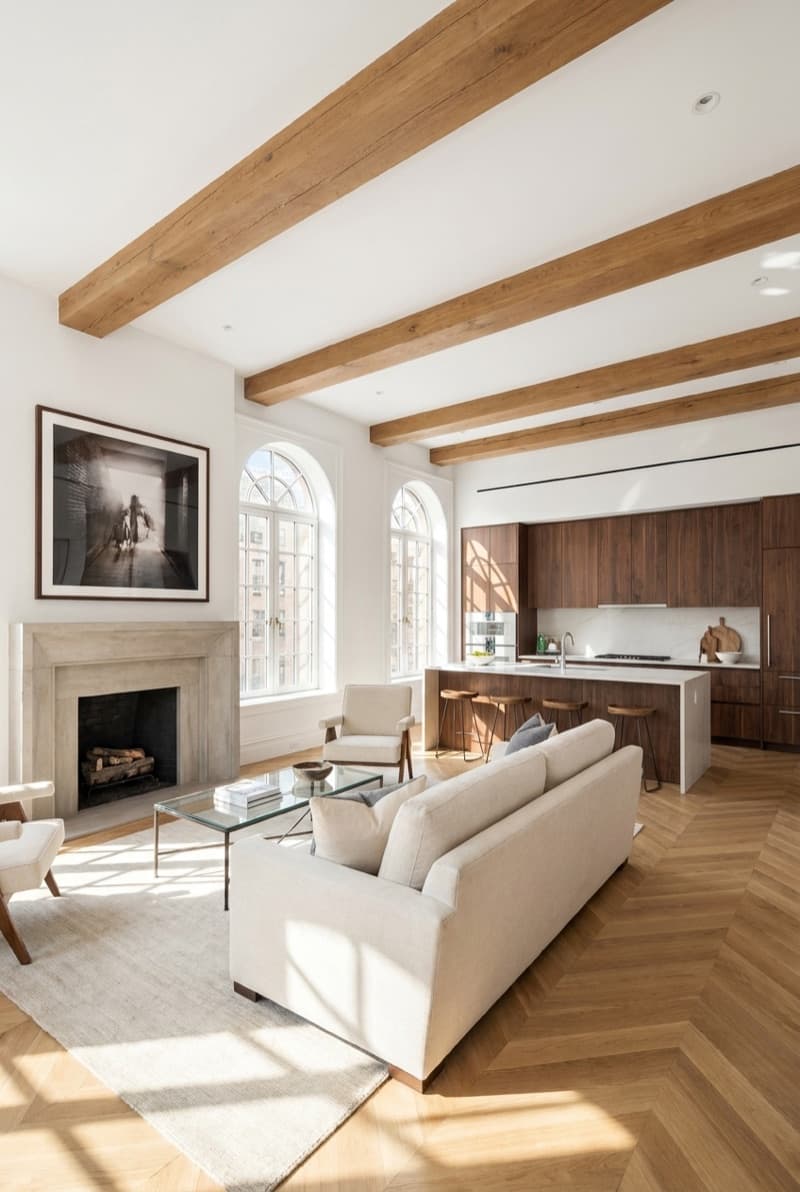

A pre-war classic seven
What are the full closing costs for a buyer?
For a financed condo, expect the mansion tax on purchases of $1 million or more, a mortgage recording tax near 1.9 percent, title insurance, lender fees, and attorney fees, together approximately 4 to 6 percent of the purchase price. A co-op skips the mortgage recording tax and title insurance, so a co-op buyer's costs are meaningfully lower.
The mansion tax begins at 1 percent on purchases of $1 million and climbs in steps with price, and it applies to the full purchase amount. Because rates and rules change, confirm current figures with your attorney before you budget. Michael will make sure you see the real number, not a rosy estimate.
How long does it take to buy an apartment in NYC?
A condo usually closes in about two to three months from accepted offer. A co-op typically runs three to four months because of the board package and interview. All-cash purchases move faster. The biggest variables are financing and, for co-ops, how quickly you assemble the package and when the board next meets.
Timing is mostly about preparation. Buyers who line up financing and, for co-ops, move quickly on the board package keep their closing on schedule. Michael runs that process tightly so your move happens when you need it to.

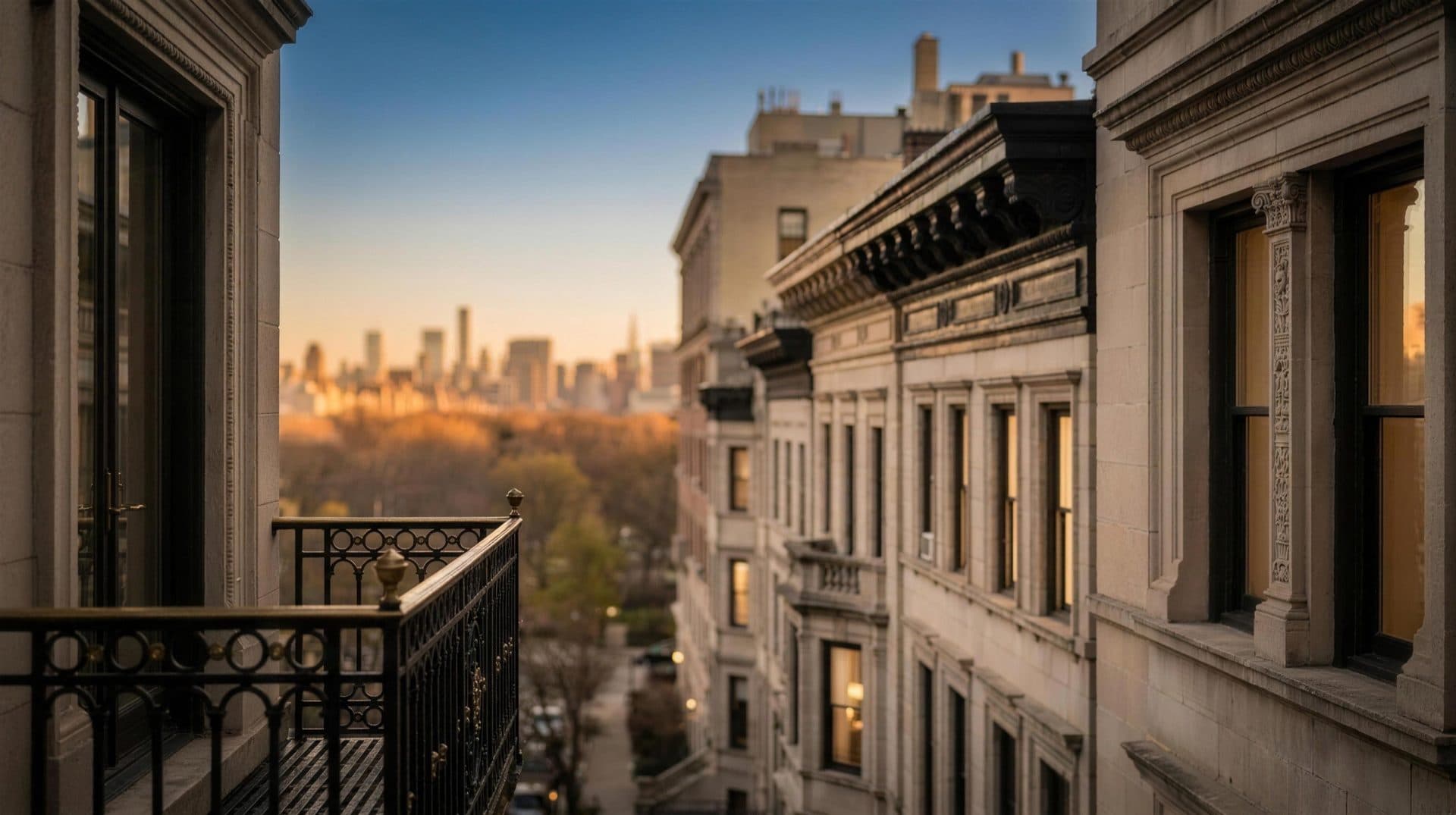
On the park
Know what you are looking at
The building types you will see in Manhattan.
Manhattan has its own vocabulary for apartments. Knowing what each term means helps you read a listing quickly and picture how you would actually live in the space.
Pre-war
Built before World War II and prized for high ceilings, hardwood floors, and larger rooms and windows. Concentrated uptown; doorman or non-doorman.
Post-war
Built roughly from the 1950s through the 1970s. Generally larger than pre-war, often full-service with a doorman, in white, red, or brown brick.
Loft
Large open spaces with high ceilings and big windows, predominantly in the downtown neighborhoods and seldom with a doorman.
Brownstone & townhouse
Usually four to six stories, either a single home or converted into a few apartments. Period charm — wood moldings, fireplaces, and outdoor space.
Walk-up
No more than six stories, with no elevator and no doorman. Originally multi-family; the higher the floor, the lower the price.
Studio & alcove studio
One or two rooms combining a living and sleeping area. An alcove (or L-shaped) studio adds a nook that can be walled off as a sleeping space.
Convertible & junior 4
A layout with an alcove or oversized living room that can be walled off to add a bedroom. A junior 4 is a one-bedroom with an alcove convertible to a second.
Duplex, triplex & mezzanine
Apartments spanning two or three floors. Where ceilings are very high, a mezzanine can be built above the living room for sleeping or storage.
“Buyers who win the right apartment are simply the ones who arrived prepared. Preparation is the part I run for you.”
— Michael J. Carroll
Inside the homes
What 'the right apartment' looks like.
Light, space, and a building that runs well — five rooms buyers come to Manhattan to find.
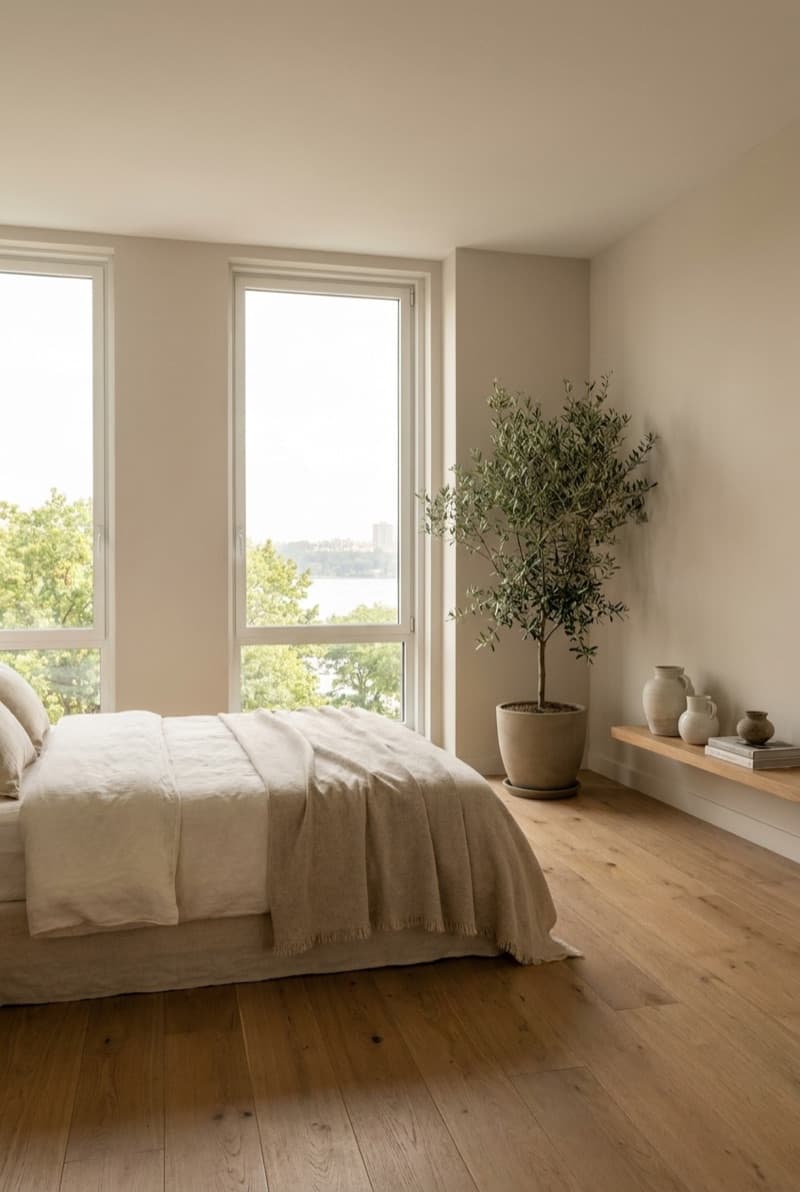
A light-filled two bedroom apartment near Riverside Park
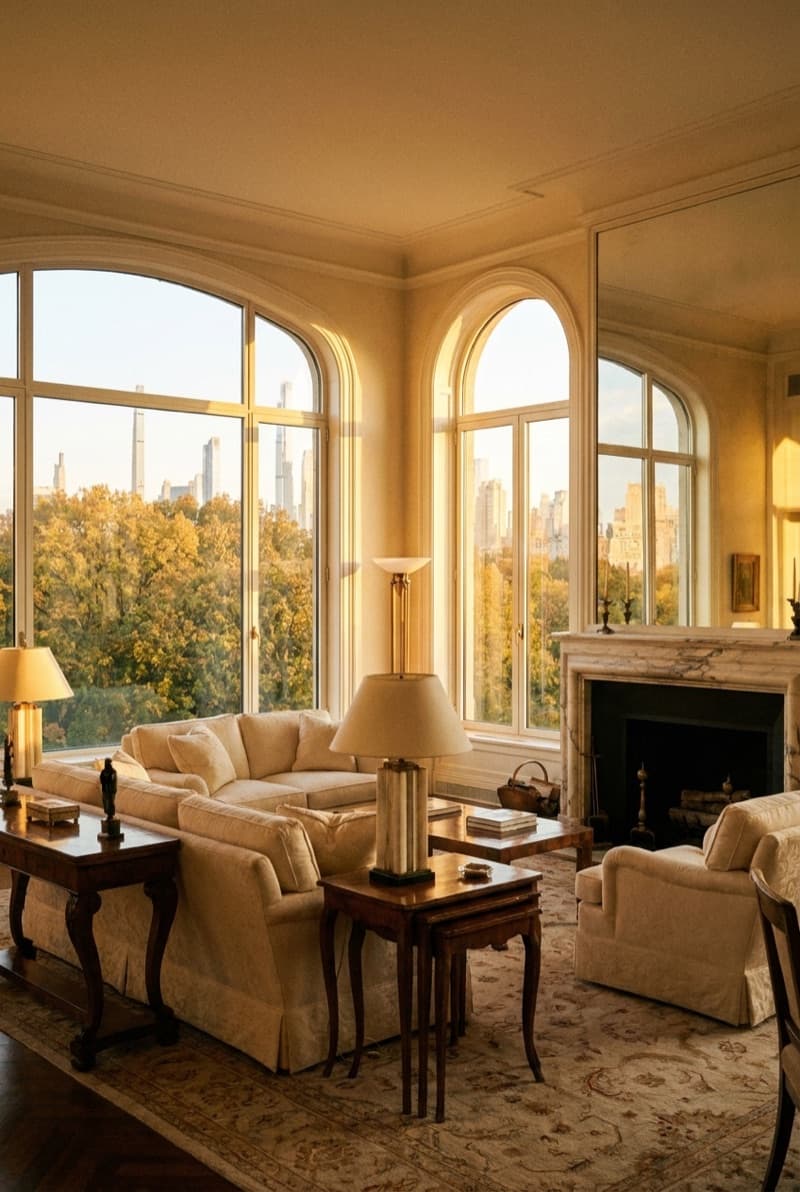
A Central Park West condominium with sweeping park views

Living and dining room of a pre-war classic seven co-op

A luxury Manhattan penthouse living room with floor-to-ceiling glass

A living room with a large window and abundant natural light

A refined navy and ivory primary bedroom with a tufted headboard

A chaise beside a sunlit living room window
Answers
Buying in NYC, answered
- Early 2026 brought rising prices, low inventory, and the fastest first-quarter pace in years, with condos leading and co-ops softer. A strong market rewards preparation and a knowledgeable agent more than it rewards waiting. The better question is whether the right apartment for you is available now, which is what Michael helps you answer.
- A condo is real property with no board approval, higher price, and full flexibility. A co-op is shares in a corporation, requires board approval and strong finances, usually costs less, and restricts subletting and entity purchases. Roughly three quarters of Manhattan apartments are co-ops, so the choice shapes most of what you will see.
- Read the building type as a signal for the process, not just the look. Most pre-war buildings are co-ops, so plan on a board package and an interview; post-war and new-construction buildings are more often condos, with a lighter approval step. Lofts and brownstones can carry their own paperwork, such as a certificate of occupancy question or a self-managed board, that your attorney should check early. Michael flags which of these applies before you fall for a listing.
- Buying makes sense when you plan to stay several years, your finances are stable, and ownership costs are in reach including reserves and closing costs. Renting keeps you flexible. If you intend to stay put for the long term, owning often wins over time. Michael will run the real numbers with you before you decide.

A private consultation
Start your search with Michael
Tell Michael what you are looking for and where you are in the process. He will help you set your budget, choose between a condo and a co-op, and find the right home.

What happens next
- 01
Michael reads your note personally
No team inbox. He sees the form himself.
- 02
You'll hear back, usually the same day
By phone or email — whichever you prefer.
- 03
A no-pressure first conversation
Whether you're ready this week or thinking it through.
10+
Years at BHS
Top 1%
Nationwide
$500K–$25M+
Transaction range
Tell Michael about your search
A few quick questions.
Your details stay between you and Michael. No spam. No list.