
The Upper West Side, Upper East Side and Greenwich Village come first, because that is where most of his transactions are. He also covers Midtown, Chelsea, SoHo, Tribeca and the Financial District, and within the Upper West Side he works West End Avenue, Riverside Drive, Lincoln Square and Central Park West building by building. If your search spans more than one of these, he compares specific buildings rather than telling you which neighborhood to want.

All of Manhattan
A Manhattan agent who knows it block by block.
Michael J. Carroll is a Manhattan real estate agent, longtime resident and sitting condo board president who helps clients buy and sell apartments in the city. He knows the available inventory, neighborhood by neighborhood, and is ready to guide you through the process from initial consultation to closing.
- ~75%Of Manhattan apartments are co-ops
- $1.2MMedian Manhattan apartment, early 2026
- $500K–$25M+Range of transactions handled

From the parks to the harbour
Which Manhattan neighborhoods does Michael cover?
All of them, with the deepest concentration on the Upper West Side and Upper East Side, where most of his business is done. He also works Lincoln Square, Central Park West, Riverside Drive, West End Avenue, Midtown, Chelsea, Greenwich Village, SoHo, Tribeca, and the Financial District. Because he works both sides of Central Park and downtown, he compares specific buildings across neighborhoods rather than pointing you at one.
Manhattan is not one market. A pre-war co-op on West End Avenue, a loft in Tribeca, and a new-development condo in Midtown are three different purchases with three different sets of rules. Michael has lived here for over three decades and works the whole island, so the comparison is a real one rather than a pitch for whichever corner an agent happens to know.
The city, captured
A walk through Manhattan.
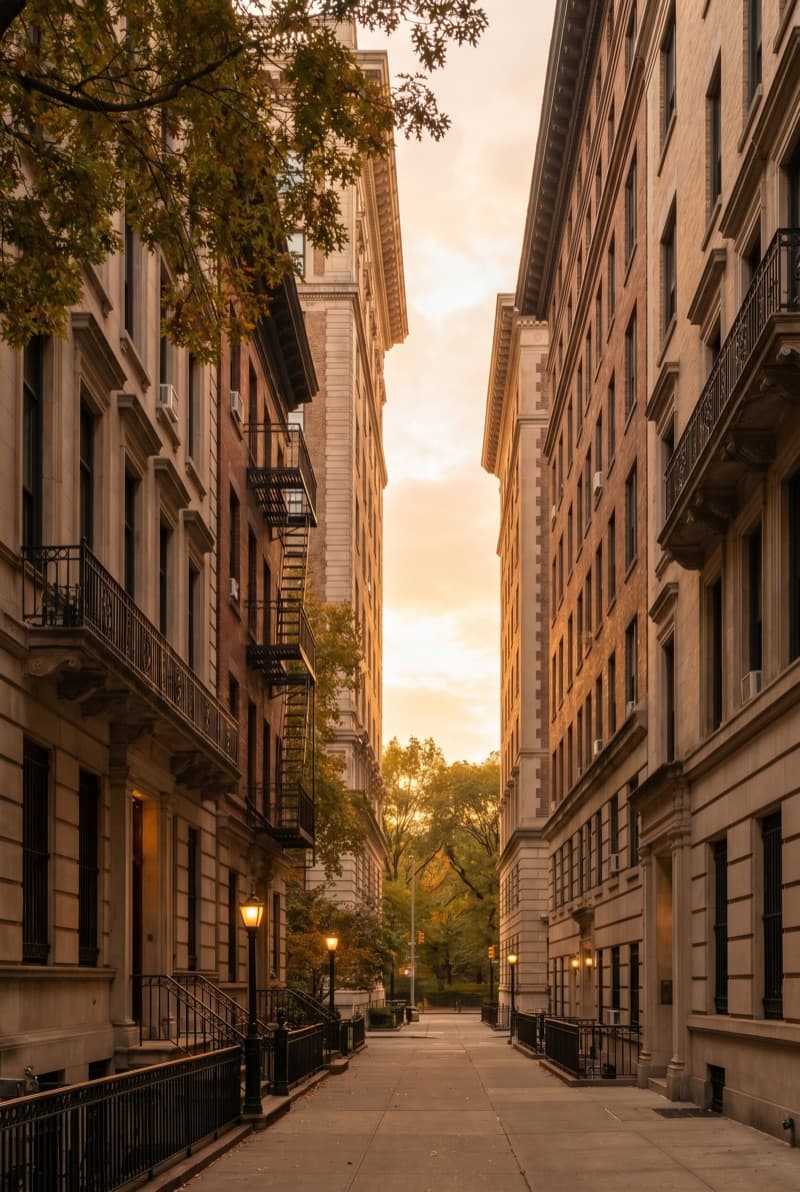
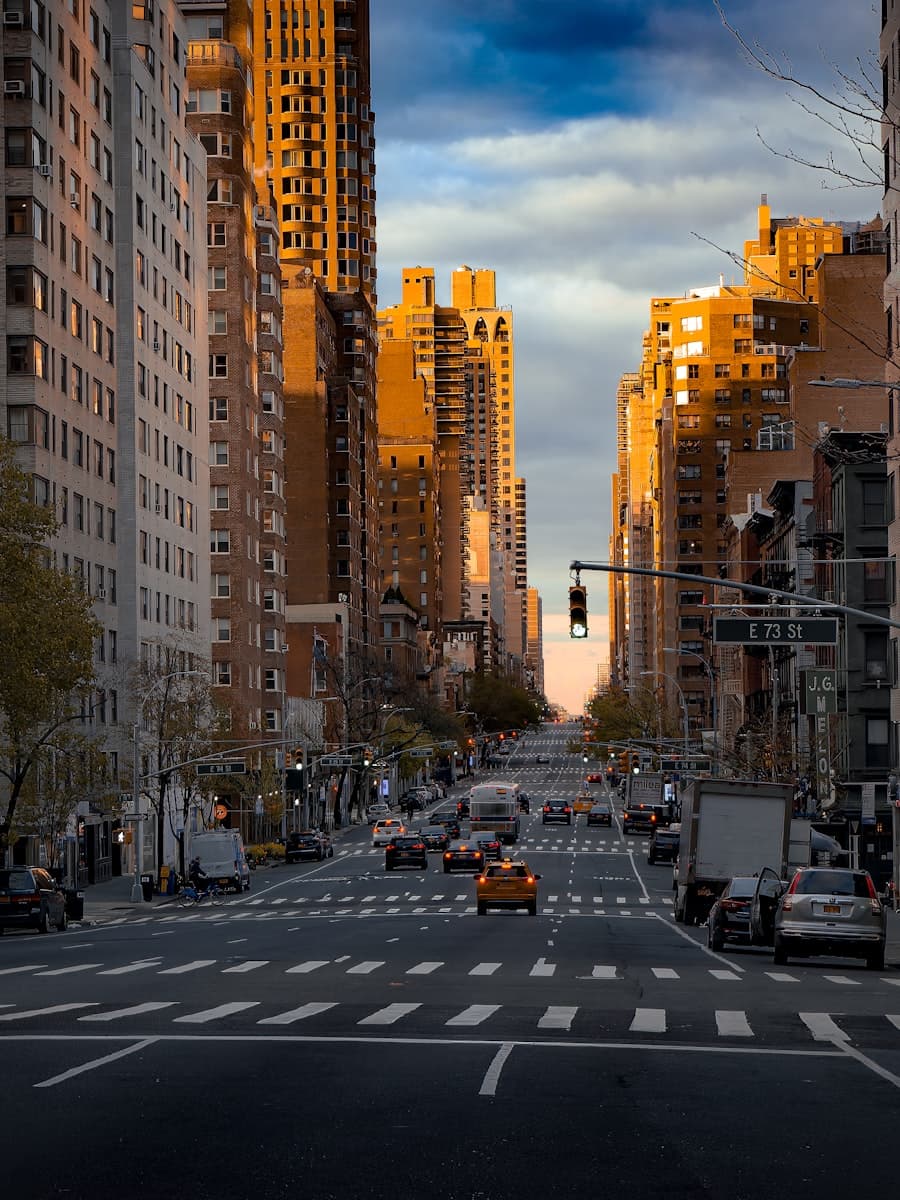
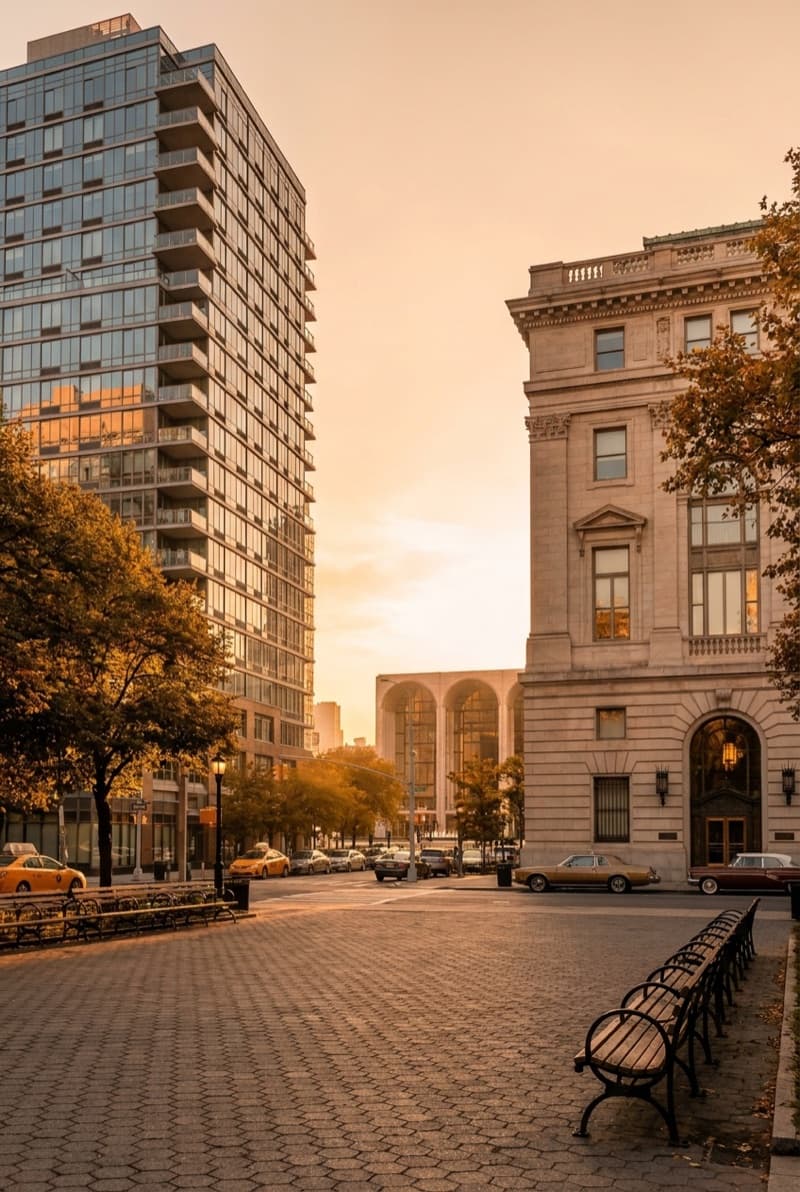
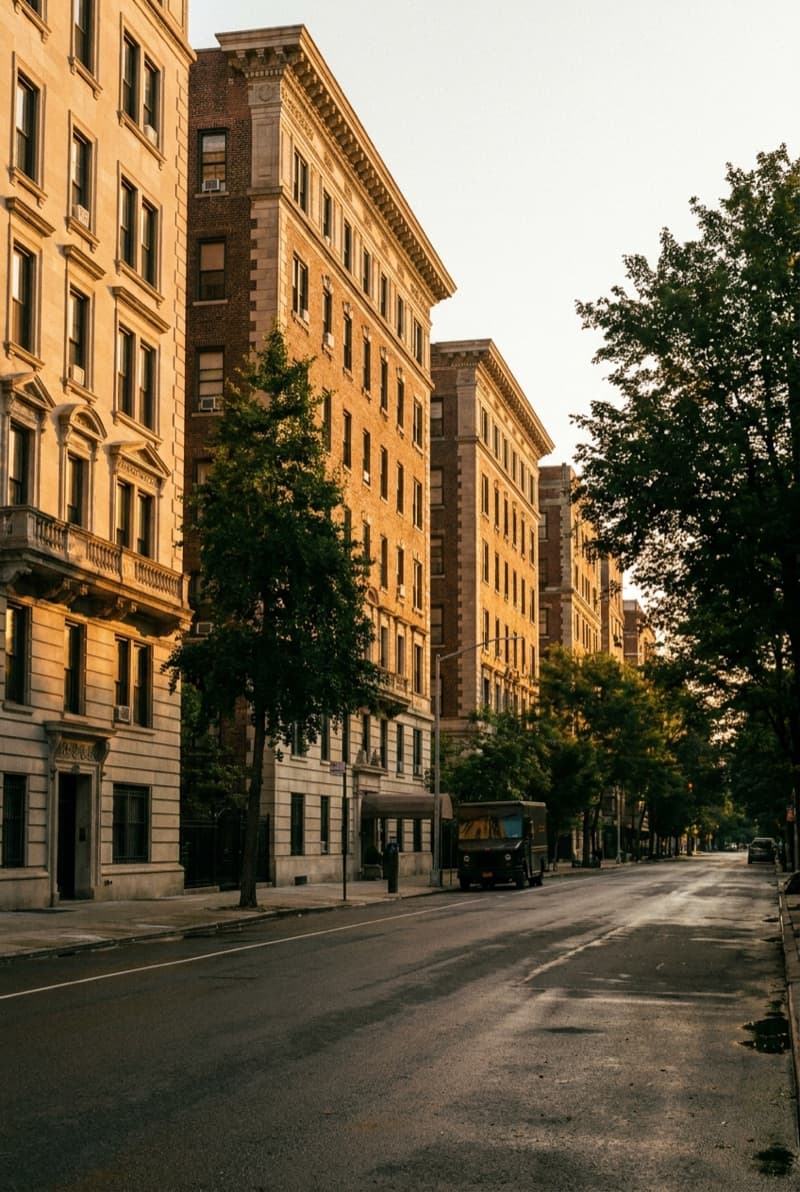
Pre-war facades, leafy crossings, river light, classic streets — the textures of the neighborhoods Michael works, captured in afternoon light.
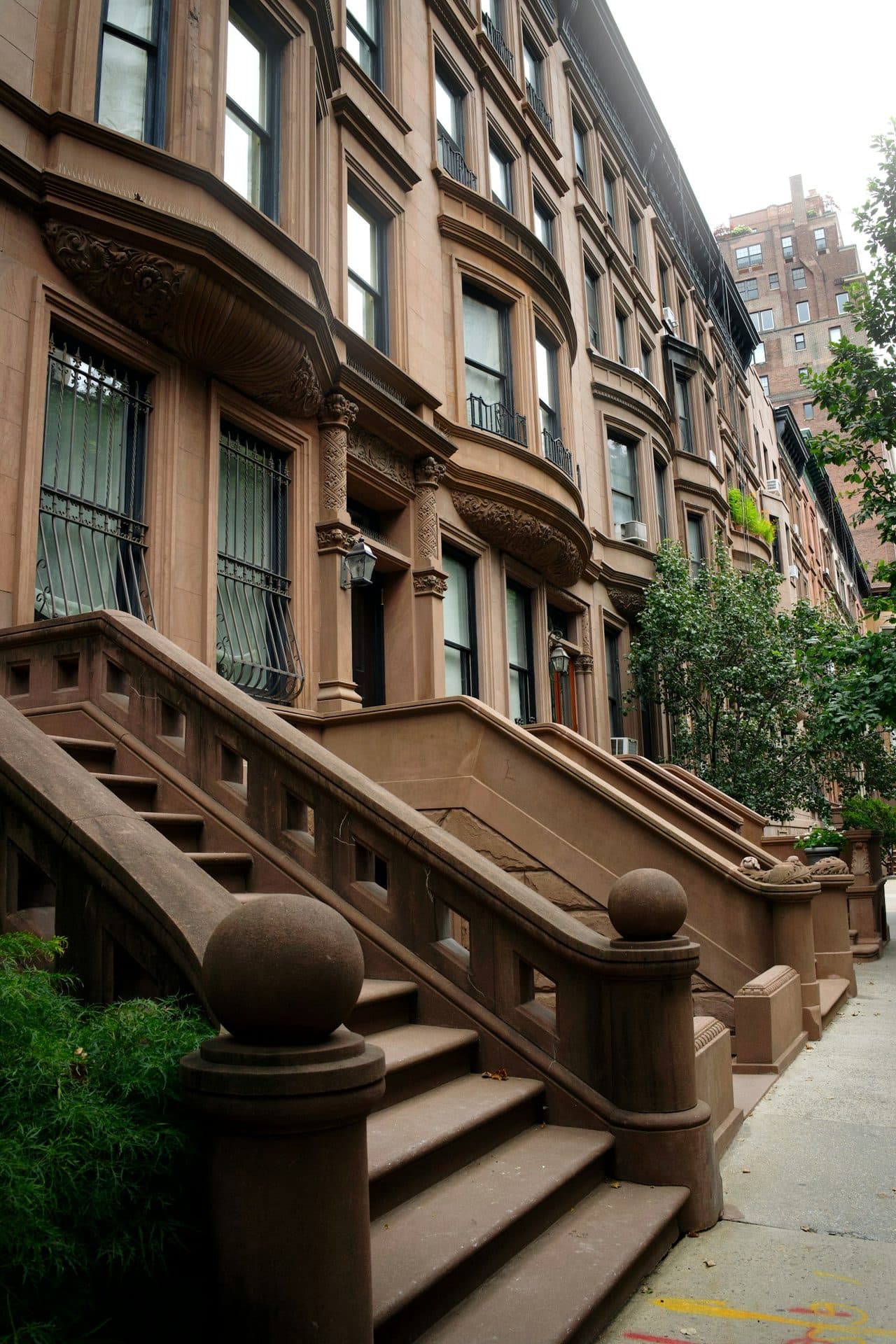
Brownstone row houses with ornate front stoops
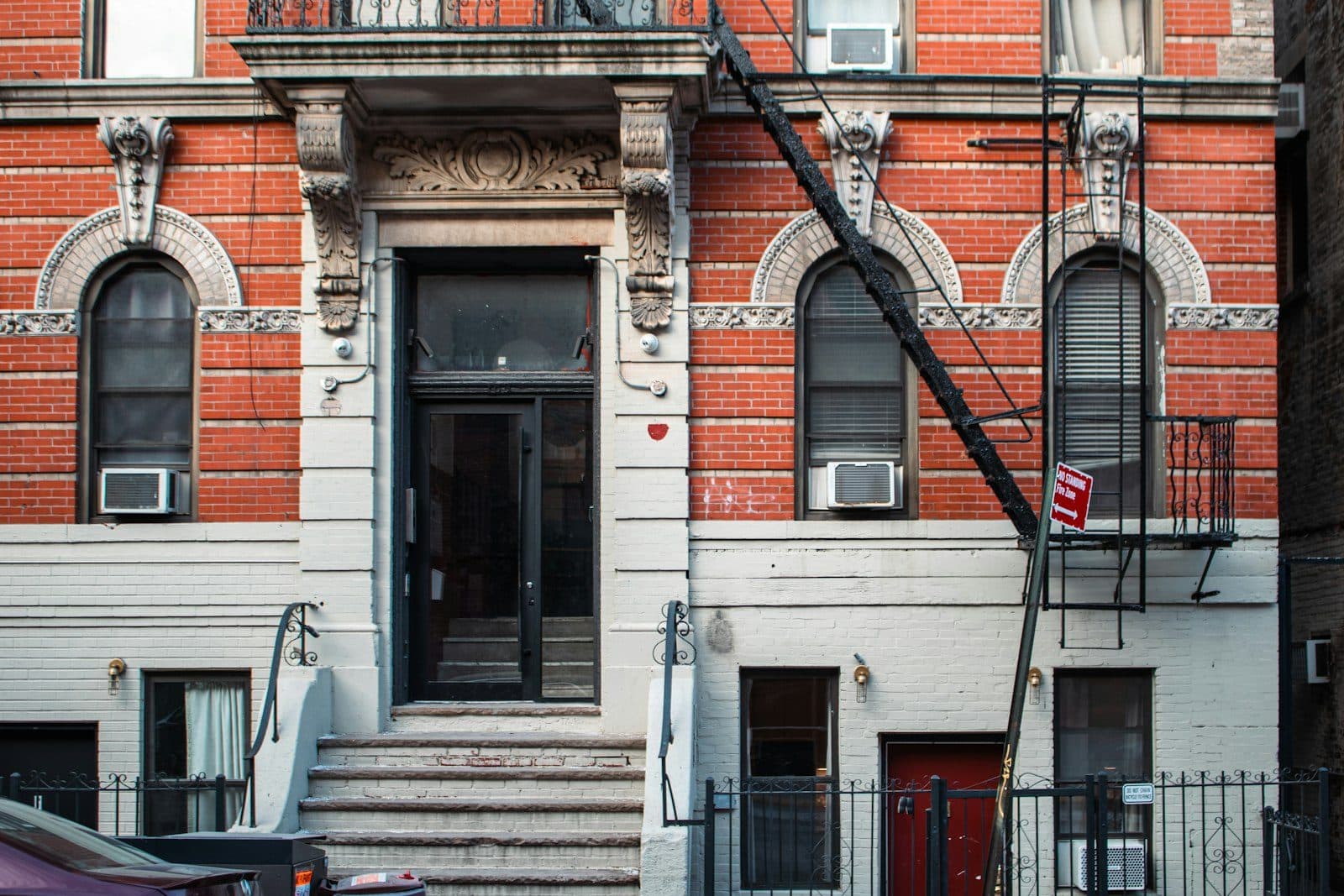
The entrance to a New York apartment building
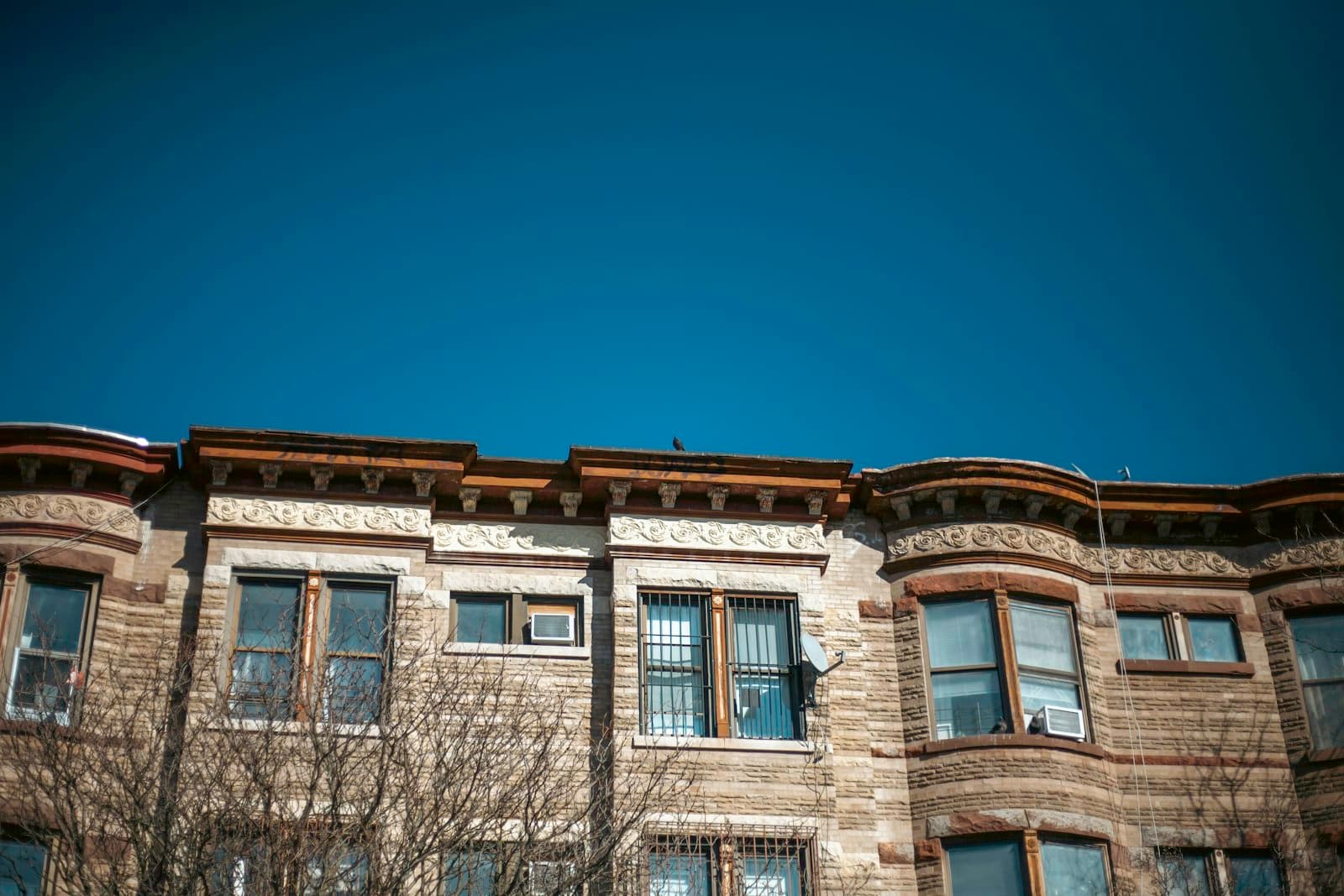
A pre-war apartment building with rows of windows behind a street tree
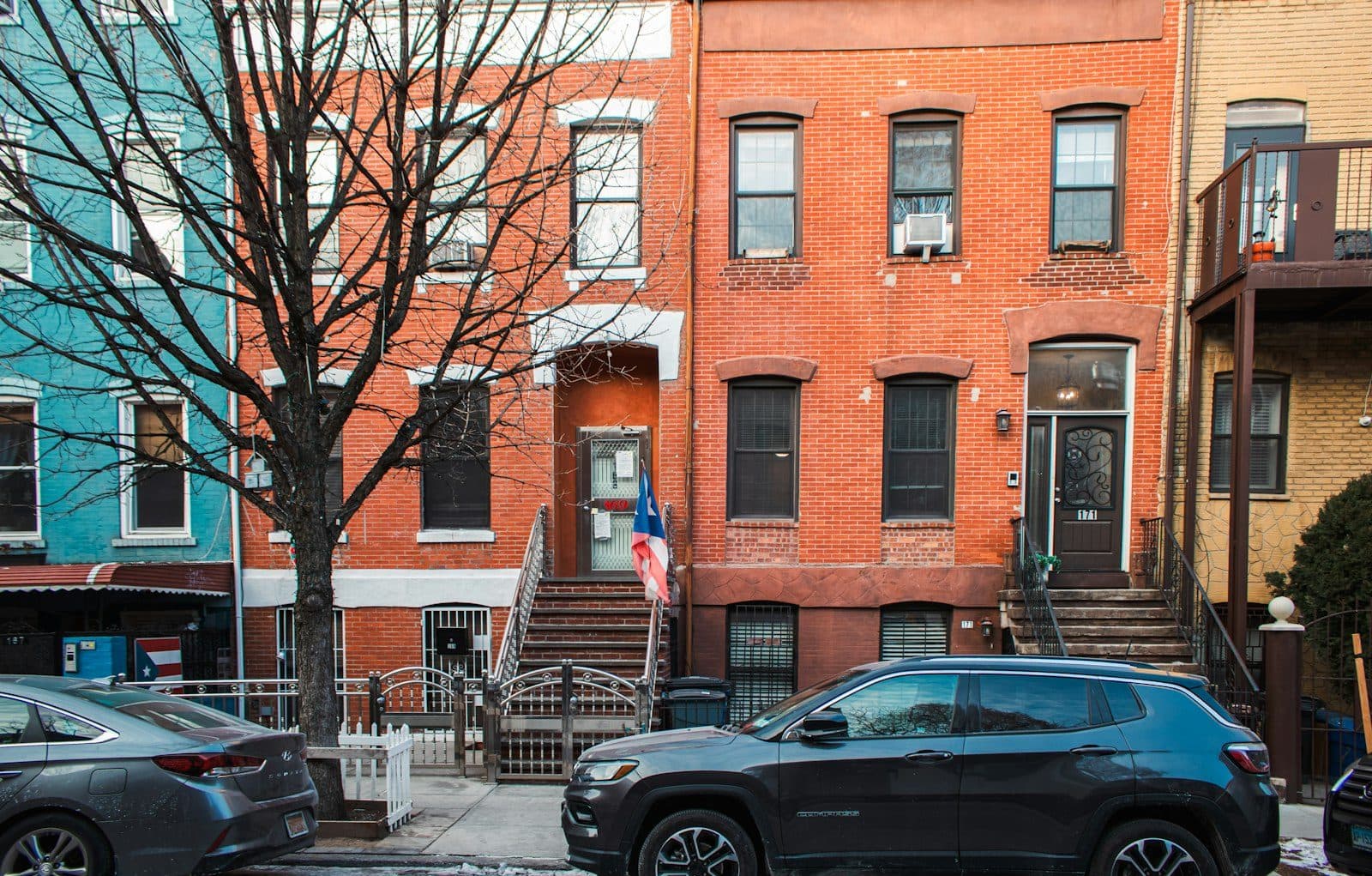
Row houses lining a quiet residential street
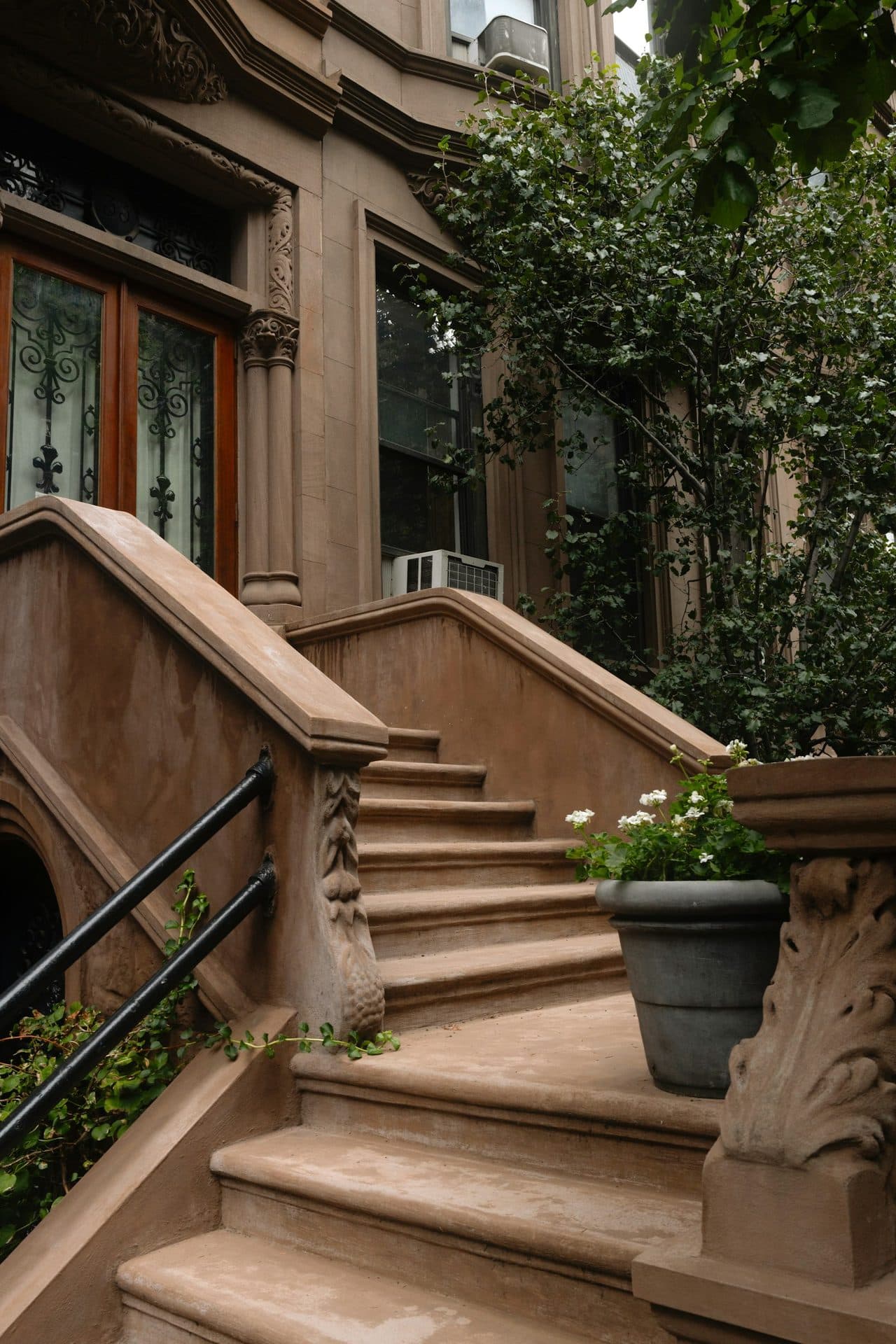
A brownstone stoop with potted plants and street trees
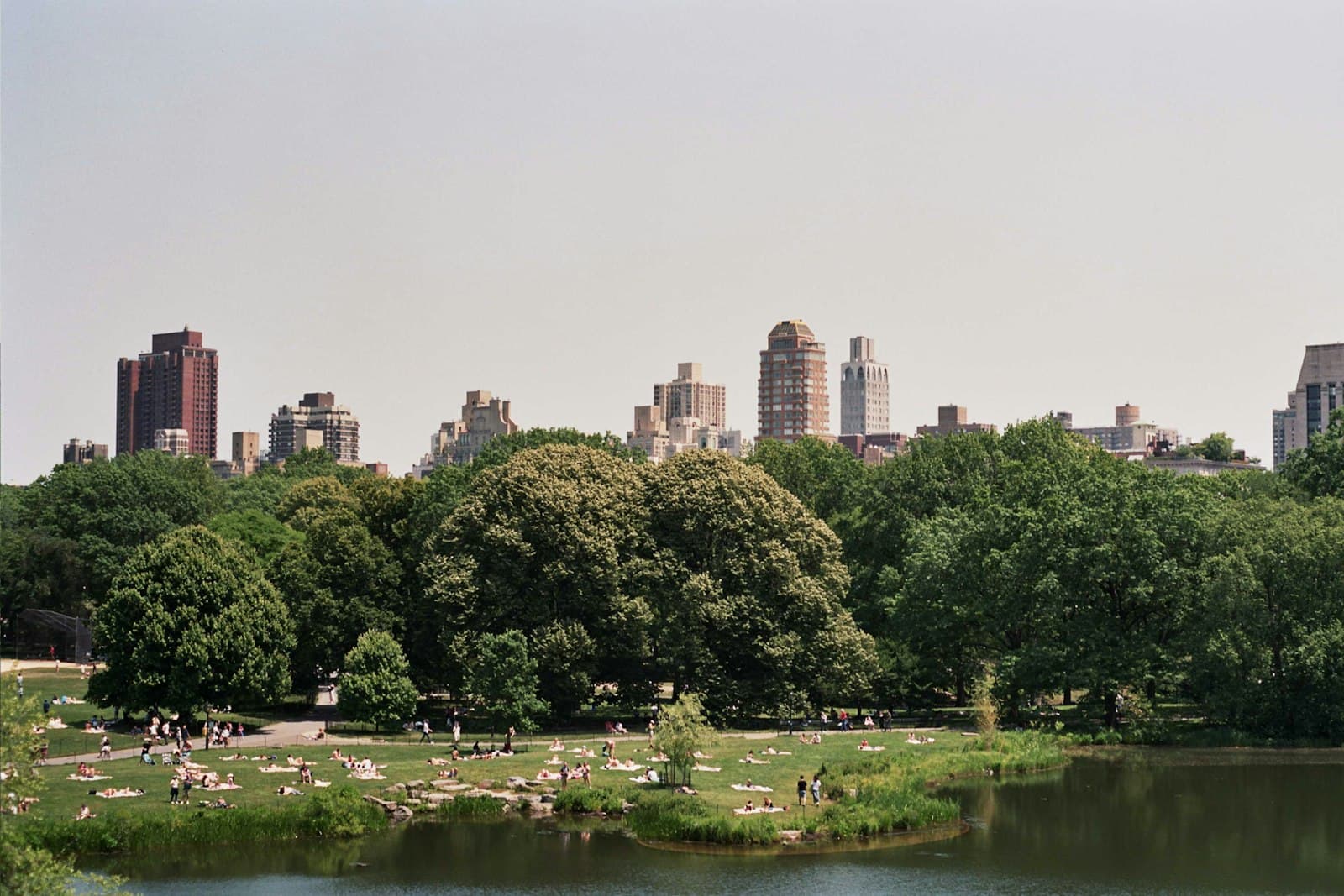
A park lake with the Manhattan skyline beyond
Pre-war homes

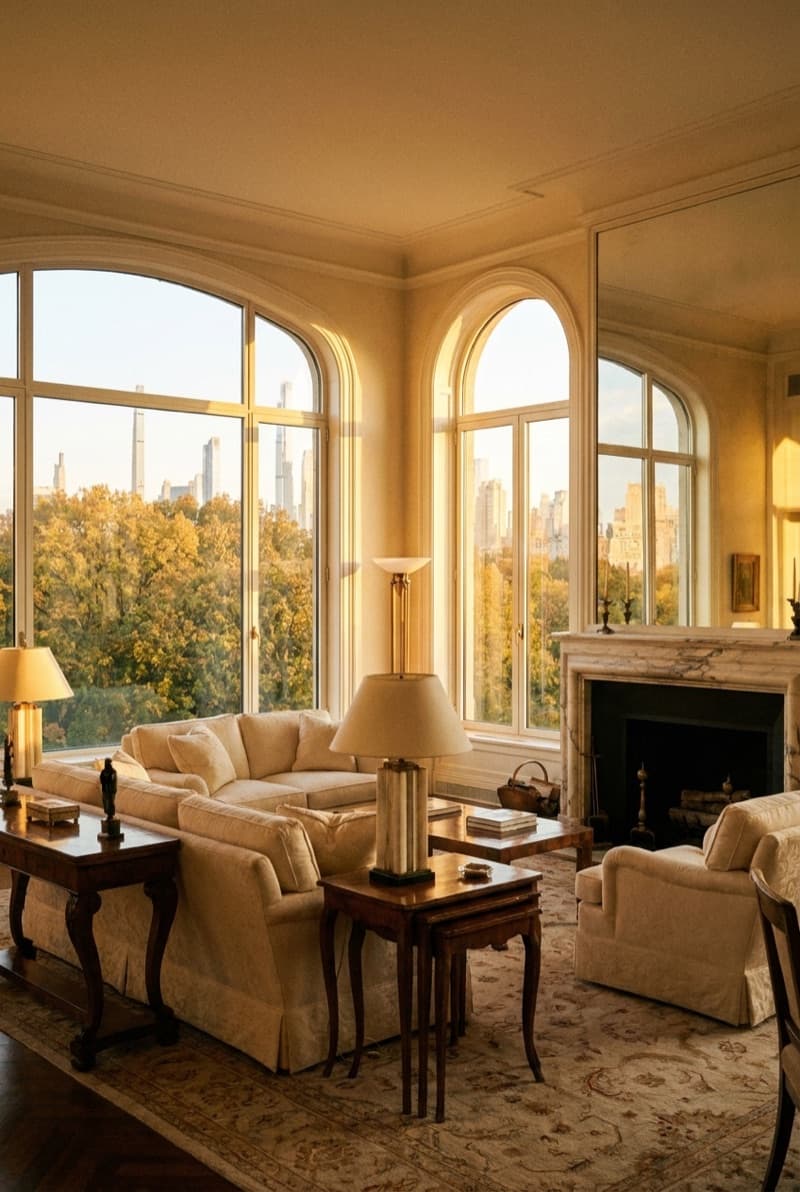
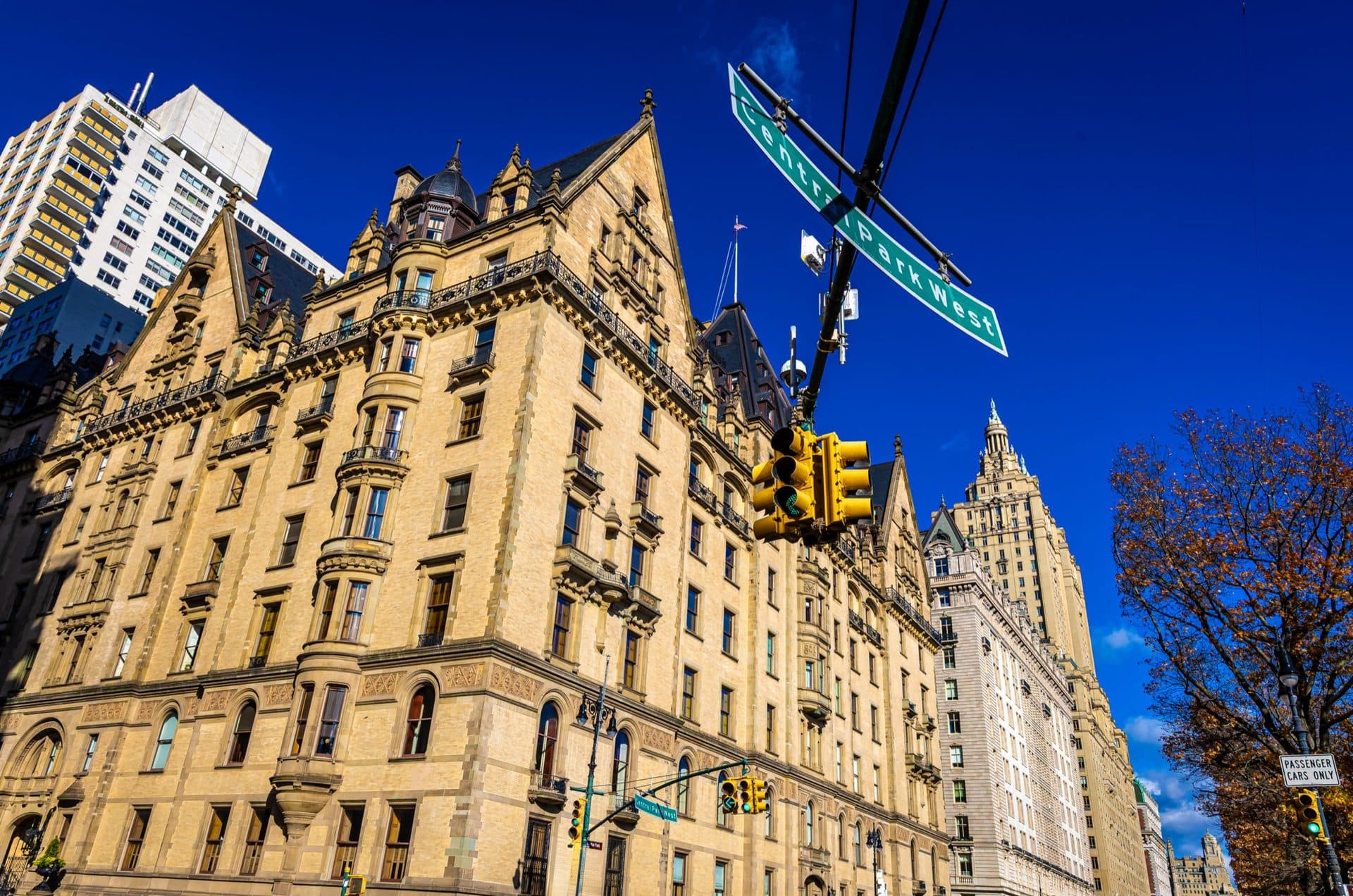
The Dakota · Central Park West
What kinds of apartments does Manhattan have?
Three broad kinds. Pre-war co-ops with generous layouts, classic six and seven rooms, and real dining rooms, concentrated uptown along Central Park West, West End Avenue, Riverside Drive, and Fifth and Park. Post-war co-ops and condos, often full-service with more amenities and fewer period details. And new-development condos, mostly Midtown and Downtown, which carry a premium for their flexibility. Roughly three quarters of the island's apartments are co-ops.
Not every beautiful building is well run, and not every good-on-paper building holds up under scrutiny. Michael reads the financials and knows how each board evaluates an application, because he sits among the boards that run them.
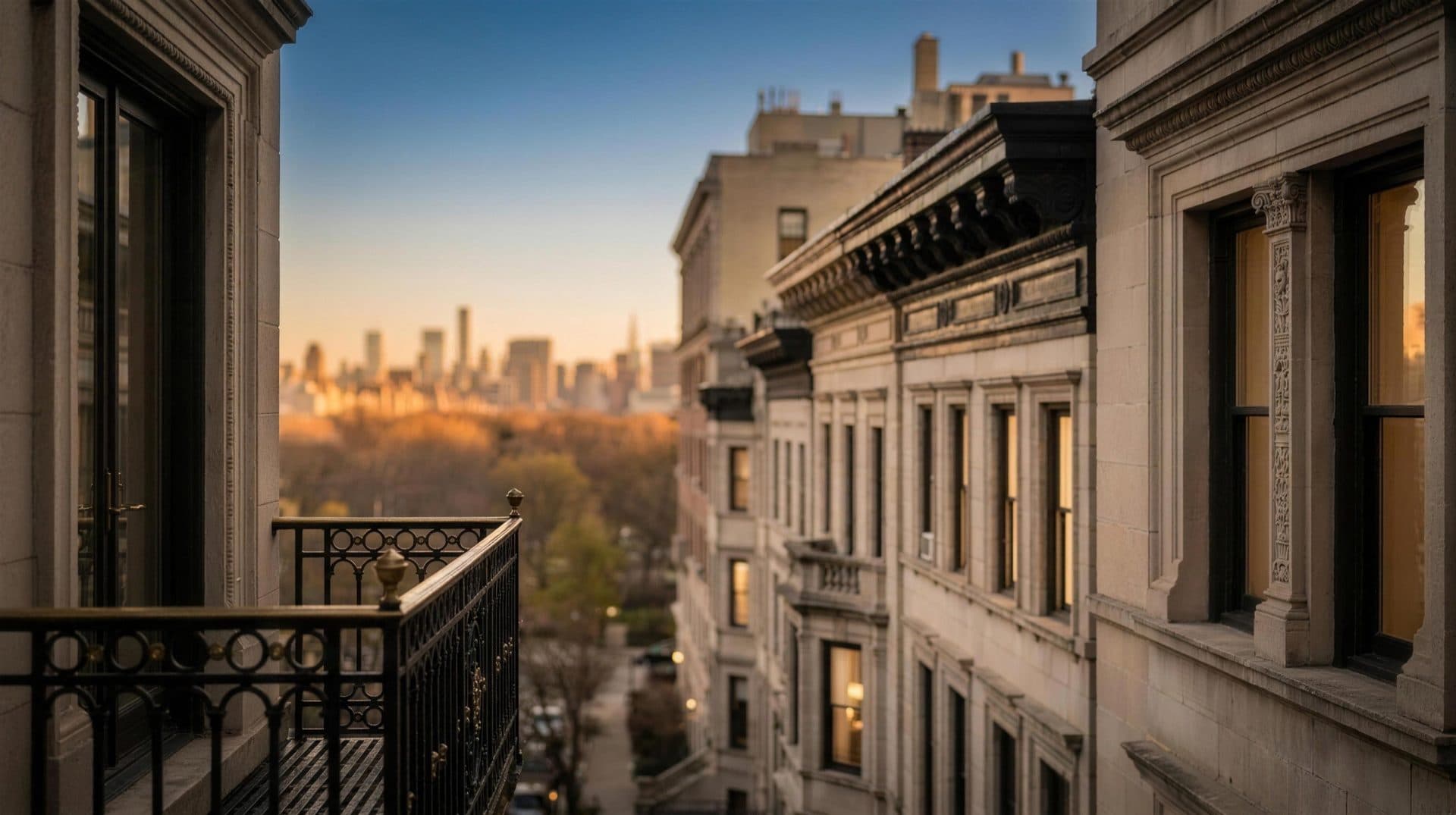
“Manhattan isn't a territory I sell. It's the city I've lived and worked in for over three decades.”
— Michael J. Carroll
The neighborhoods
Where Michael works.
The Manhattan neighborhoods and corridors Michael knows block by block, on both sides of Central Park and downtown.
Pictures of home
Manhattan, picture by picture.
Doorways, park bridges, brownstone stoops, the light at six o'clock — the small things Michael's clients fall in love with.

Central Park surrounded by the Manhattan skyline, seen from above

Manhattan skyline anchored by the Empire State Building at sunset

The Manhattan skyline glowing at golden hour
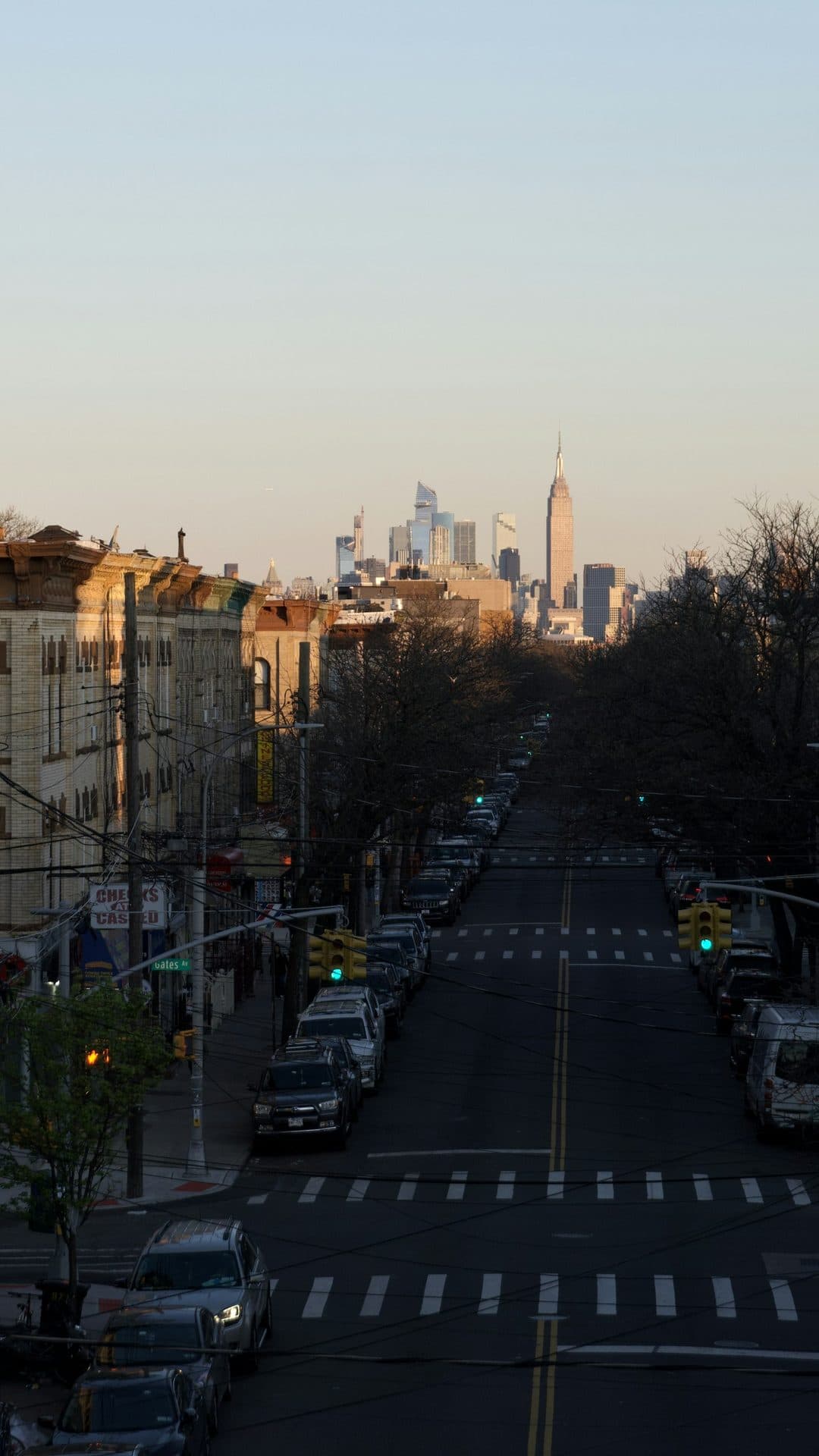
The city skyline seen down a tree-lined street at sunset
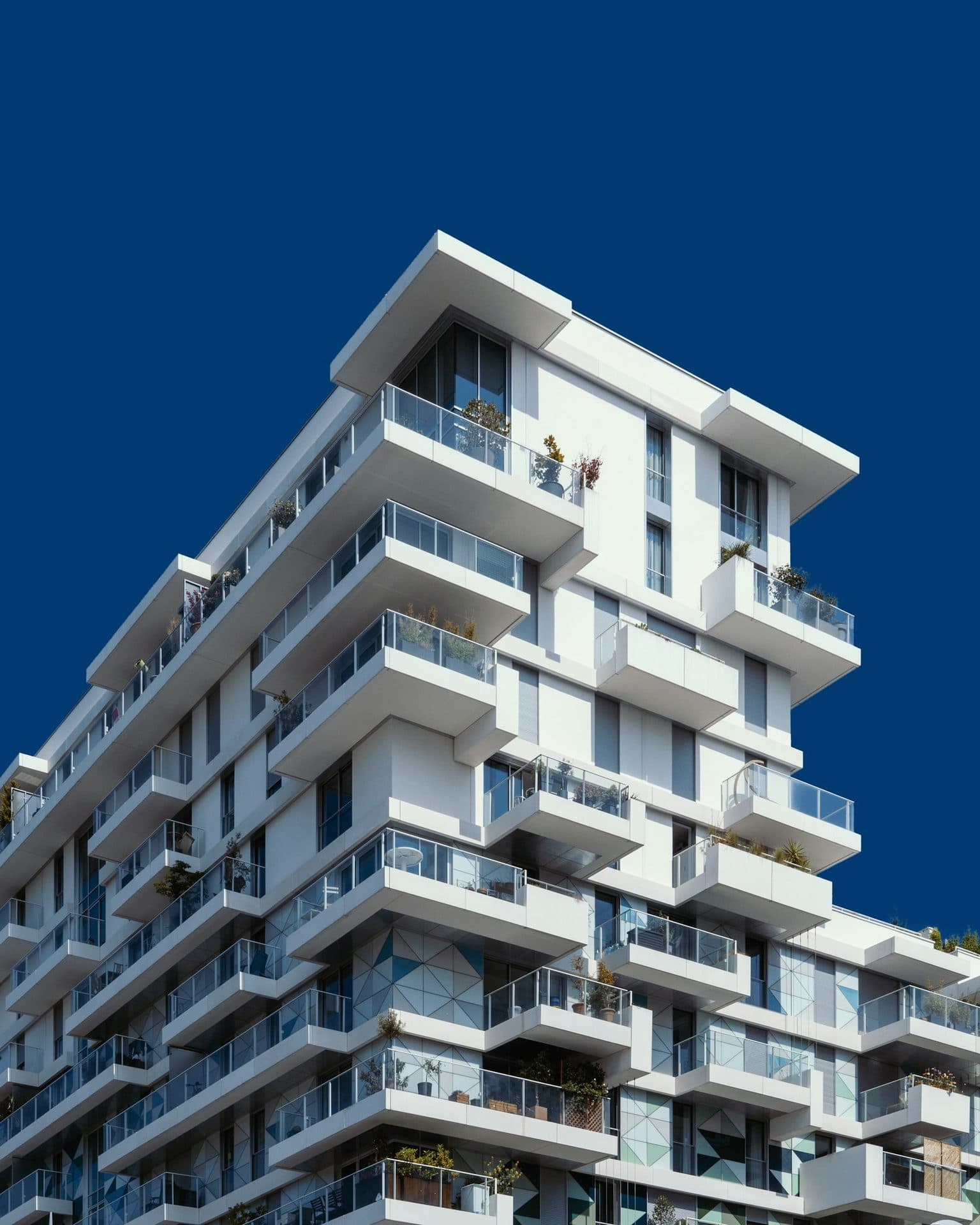
A modern Manhattan condominium with cascading balconies

The Manhattan skyline over the East River
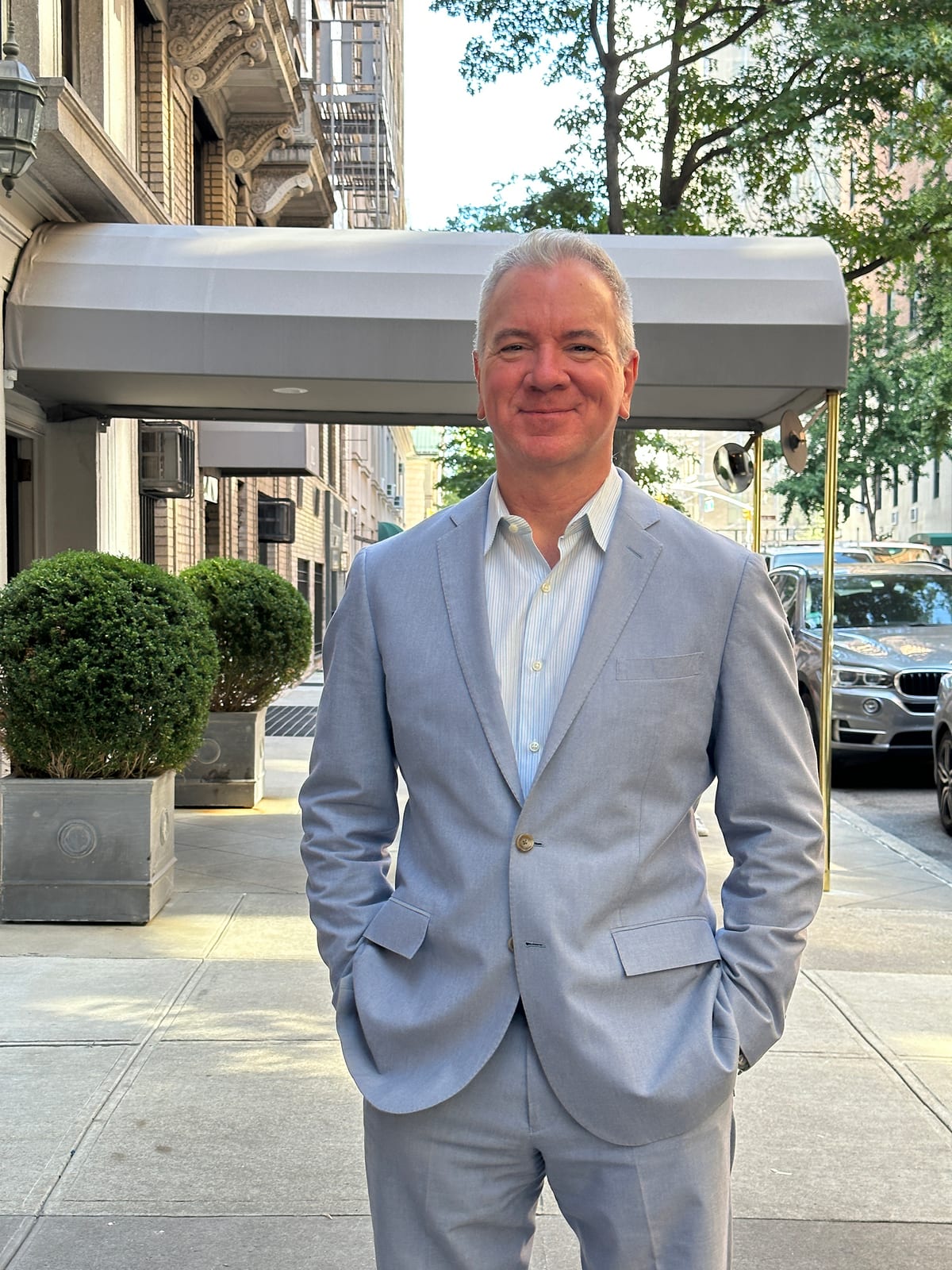
A neighbor first
The agent Manhattan actually calls.
Michael lives, walks, and works Manhattan. He is president of his condominium board and leads a working group of neighborhood co-op and condo board members. His practice runs almost entirely on referrals from clients he has helped.
Answers
Manhattan, answered
- Manhattan's median apartment price was about $1.2 million in early 2026, with condos near $1.75 million and co-ops near $850,000 (first quarter of 2026, Miller Samuel / Elliman). Studios and one bedrooms start well below that, and park-front homes run into the tens of millions. Price is driven by the building, the line, the floor, and the outlook more than by the neighborhood alone, so Michael gives you current numbers for the specific apartments you are weighing.
- A co-op sells you shares in a corporation that owns the building; a condo sells you real property. Co-ops make up roughly three quarters of Manhattan apartments, cost less for comparable space, and require board approval, strong financials, and usually primary-residence use. Condos cost more but allow foreign buyers, LLCs, trusts, pied-a-terre use, and easier subletting. Which you can buy often depends as much on the building's rules as on your budget.
- A condo typically closes in about two to three months from accepted offer. A co-op usually runs three to four months because of the board package and interview. All-cash purchases move faster. The largest variables are financing and, for co-ops, how quickly the package is assembled and when the board next meets.
- It usually costs you nothing, since the seller's side customarily pays the commission, and it changes what you see and what you pay. A buyer's agent reads the building's financials, tells you which boards are likely to approve you, and negotiates on your behalf. In a co-op market, knowing how a board evaluates a buyer before you fall for an apartment is the part that protects you.
- Budget approximately 4 to 6 percent of the purchase price for a financed condo, and roughly 1.5 to 2.5 percent for a co-op, which skips the mortgage recording tax and title insurance that condos require. The buyer's mansion tax applies to either at $1 million and up. Attorney fees vary by deal, and co-op buyers also see application, board-processing, move-in, and credit-check fees.
- Two things most agents cannot offer. First, he reads a building from the board's side: he is president of an Upper West Side condominium board and convenes neighborhood co-op and condo board members in a working group, so he knows what a package needs before it is submitted. Second, he came to real estate from twenty years in publishing, so the financials get read carefully and the explanation comes back in plain language. A practice that runs almost entirely on referrals is the result.
- Early 2026 brought rising prices, low inventory, and the fastest first-quarter pace in years, with condos leading and co-ops softer. That split can mean relative value in well-run co-ops. A strong market rewards preparation more than it rewards waiting, so the better question is whether the right apartment is available now — which is what Michael helps you answer.
A private consultation
Find your place in Manhattan
Tell Michael what you are looking for and which neighborhoods you are weighing, and he will help you find the right building — on either side of the park or downtown.

What happens next
- 01
Michael reads your note personally
No team inbox. He sees the form himself.
- 02
You'll hear back, usually the same day
By phone or email — whichever you prefer.
- 03
A no-pressure first conversation
Whether you're ready this week or thinking it through.
10+
Years at BHS
Top 1%
Nationwide
$500K–$25M+
Transaction range
Tell Michael about your search
A few quick questions.
Your details stay between you and Michael. No spam. No list.