Closing costs are the taxes and fees paid when an apartment changes hands, separate from the price itself. Buyers and sellers each have their own. They include transfer taxes, the mansion tax, attorney fees, title insurance and a mortgage recording tax on financed condos, and a flip tax on many co-ops.
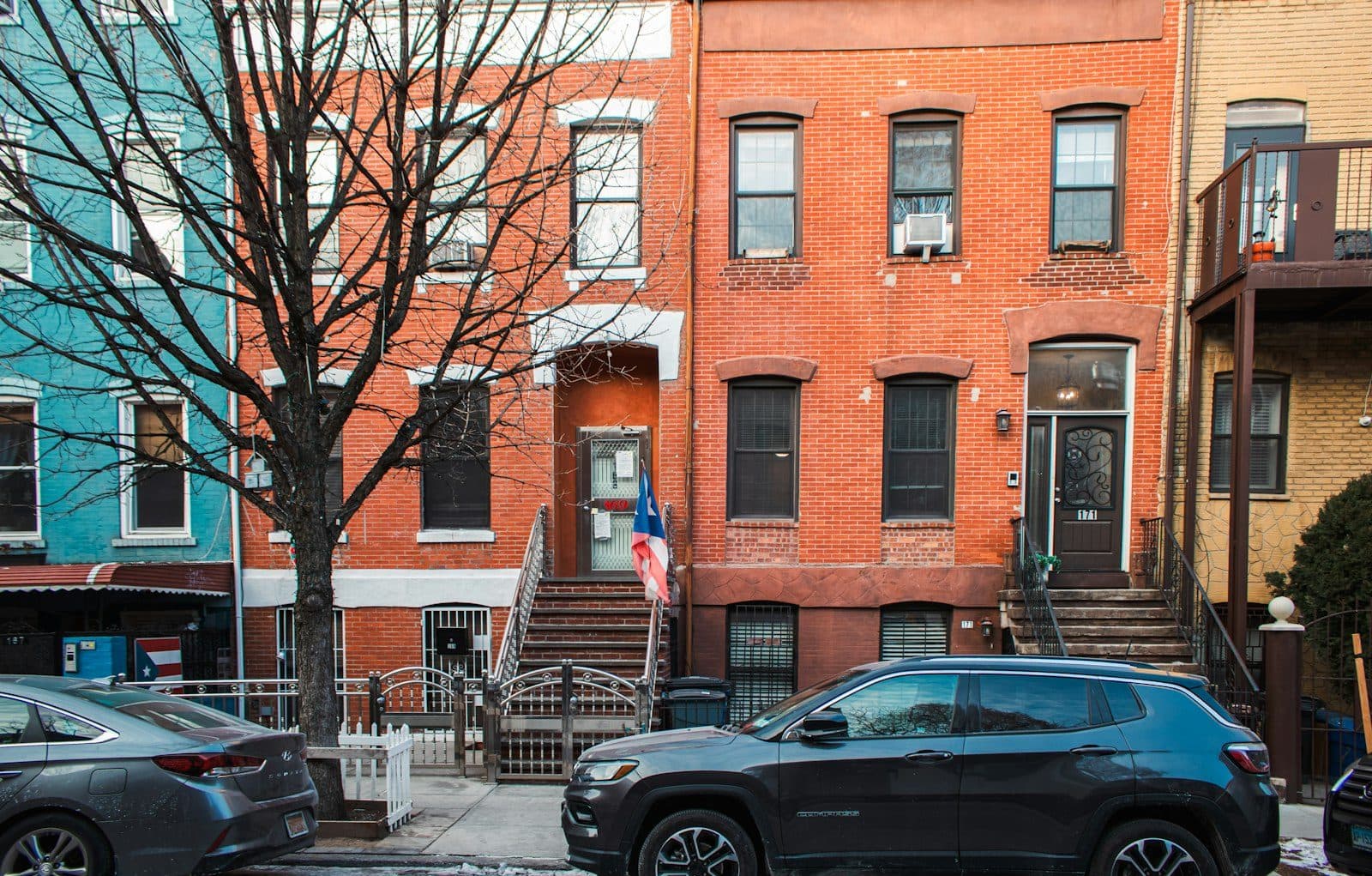
Costs, made clear
What NYC closing costs really are.
Closing costs are the taxes and fees beyond the price itself. NYC co-op buyers typically pay about 1.5 to 2.5 percent, financed condo buyers about 4 to 6 percent, and sellers roughly 8 to 10 percent. The big drivers are the mansion tax, mortgage recording tax, transfer taxes, and a co-op flip tax.
Condo towers, with their own line items
How much are buyer closing costs in NYC?
Financed condo buyers usually pay about 4 to 6 percent of the purchase price; co-op buyers about 1.5 to 2.5 percent, because co-ops have no mortgage recording tax or title insurance. The buyer's mansion tax applies to either on purchases of $1 million or more.
The single biggest swing between a condo and a co-op at closing is the mortgage recording tax and title insurance, which condos carry and co-ops do not. That gap is a real part of the condo versus co-op decision, not an afterthought.
The numbers
Buyer closing costs, condo vs co-op.
The seven line items that make up the gap between a condo and a co-op at closing. Confirm current rates with your attorney before you budget.
Line itemCondo (financed)Co-op
Mansion tax ($1M+)
1–3.9% (progressive)
1–3.9% (progressive)
Mortgage recording tax
~1.8–1.925% of loan
—
Title insurance
~0.4% of price
—
Application + board fees
$500–1,000
$1,000–2,500
Lender fees
$2,000–5,000
$2,000–5,000
Typical buyer total
≈ 4–6%
≈ 1.5–2.5%
What is the mansion tax, and who pays it?
The mansion tax is a one-time tax the buyer pays on residential purchases of $1 million or more. It is progressive, starting at 1 percent and rising in steps to 3.9 percent at $25 million and above, and it applies to the full purchase price. Because rules change, confirm the current schedule with your attorney.
Because it applies to the entire purchase price and steps up at each threshold, a single dollar over a bracket line can cost thousands. It is worth knowing exactly where the lines fall before you make an offer near one. Michael and your attorney will flag it.

Where the lines fall, matter

A light-filled co-op, lower to close
Why do co-ops cost less to close than condos?
Co-op buyers skip both the mortgage recording tax, roughly 1.8 to 1.925 percent of the loan, and title insurance, about 0.4 percent of the price. On a typical $1.5 million purchase that can save in the range of $25,000 to $40,000 versus a financed condo. Co-ops add smaller application and board fees, but the net is still lower.
A co-op loan is secured by your shares, not by real property with a deed, so neither the mortgage recording tax nor title insurance applies. For budget-conscious buyers, those savings are one more reason co-ops deserve a close look.
How much are seller closing costs in NYC?
Plan for roughly 8 to 10 percent of the sale price. Broker commission, customarily 5 to 6 percent and negotiable, is the largest item, followed by combined transfer taxes of about 1.4 to 2.075 percent. Co-op sellers often add a flip tax of 1 to 3 percent, plus attorney and administrative fees.
If you are selling, the figure that matters is your net, not the headline price. See selling your apartment in NYC for how Michael frames a sale around your net proceeds.

On the seller side
“There is no surprise at the closing table when the closing was estimated honestly at the offer.”
— Michael J. Carroll
Answers
NYC closing costs, answered
- The mansion tax is a one-time tax the buyer pays on residential purchases of $1 million or more. It is progressive, starting at 1 percent and rising in steps to 3.9 percent at $25 million and above, and it applies to the full purchase price. Because rules change, confirm the current schedule with your attorney.
- It is a tax on the mortgage itself, paid by financed buyers of condos and houses, roughly 1.8 percent on loans under $500,000 and about 1.925 percent at $500,000 and above in NYC. Co-ops do not have it, because a co-op loan is secured by shares rather than real property. That is a major reason co-ops cost less to close.
- Yes, and the gap grows with the size of your loan. Mortgage recording tax is charged on the amount you borrow, so a financed condo buyer at $1.5 million with a $1 million mortgage owes roughly $19,000 in recording tax plus title insurance near $6,000; a co-op buyer at the same price owes neither. Co-ops add smaller items, such as application, board-processing and move-in fees, so the saving narrows a little but stays large. An all-cash condo buyer skips the recording tax too, though not the title insurance.
- Title insurance protects you and your lender against problems with the property's ownership history. It is a one-time cost of roughly 0.4 percent of the price and applies to condos and houses. Co-ops do not require it, because you are buying shares in a corporation rather than real property with a deed.
- Your attorney's fee is one line inside your closing-cost total rather than a separate budget; ask for a flat-fee quote up front, and expect more document review on a co-op. Co-op buyers also see application, board-processing, move-in, and credit-check fees, usually a few hundred to a couple thousand dollars combined.
- Start from the ranges above, then adjust for your price, property type, and whether you are financing. The cleanest way to a real number is to have Michael and your attorney itemize it for your specific deal. Michael builds that estimate up front so there are no surprises at the closing table.

A private consultation
Get a real number for your deal
Tell Michael whether you are buying or selling and the price you are working with, and he will itemize your likely closing costs before you go any further.

What happens next
- 01
Michael reads your note personally
No team inbox. He sees the form himself.
- 02
You'll hear back, usually the same day
By phone or email — whichever you prefer.
- 03
A no-pressure first conversation
Whether you're ready this week or thinking it through.
10+
Years at BHS
Top 1%
Nationwide
$500K–$25M+
Transaction range
Tell Michael about your search
A few quick questions.
Your details stay between you and Michael. No spam. No list.