You can sell without one, but in Manhattan most owners do not. A broker prices the apartment correctly, prepares and markets it where serious buyers look, manages showings and negotiation, and steers a co-op sale through board approval. At these prices, the difference a strong broker makes usually far exceeds the commission.

The seller's guide
Sell for what it's worth, and keep more of it.
Selling a Manhattan apartment well comes down to pricing it correctly, presenting it beautifully, and protecting your net proceeds. Plan for total selling costs of roughly 8 to 10 percent, led by broker commission, plus transfer taxes and, for many co-ops, a flip tax. Michael frames every sale around what you will actually walk away with.

Manhattan, this season
Should I sell my apartment now?
For a well-priced apartment, usually yes. In the second quarter of 2026 Manhattan's median sale price reached a record $1.25 million (Miller Samuel / Elliman) and signed contracts hit a five-year high (Corcoran); the caveats are that sales under $2 million fell while sales above rose, and second-home buyers now face the new pied-à-terre surcharge. The real question is whether your specific apartment is positioned to sell well now, which Michael will tell you honestly.
Timing the whole market is a guessing game. Timing your apartment is not. Michael looks at recent sales in your building, what is competing with you right now, and how buyers are behaving this season, then gives you a straight answer about whether to list now or wait.
He handles every kind of sale with the same care: estate sales settled after a loss, owners upgrading within Manhattan from a two bedroom to a four, and longtime residents moving on. Whatever your reason for selling, the process is handled with discretion.
How much does it cost to sell an apartment in NYC?
Plan for roughly 8 to 10 percent of the sale price. The largest piece is broker commission, customarily 5 to 6 percent and negotiable, followed by combined city and state transfer taxes of about 1.4 to 2.075 percent. Co-op sellers often owe a flip tax of 1 to 3 percent on top, plus attorney and administrative fees.
The exact figure depends on your price, whether the apartment is a condo or co-op, and your building's flip tax. Confirm current tax rates with your attorney before you rely on them. For a full picture of the line items, see NYC closing costs explained.
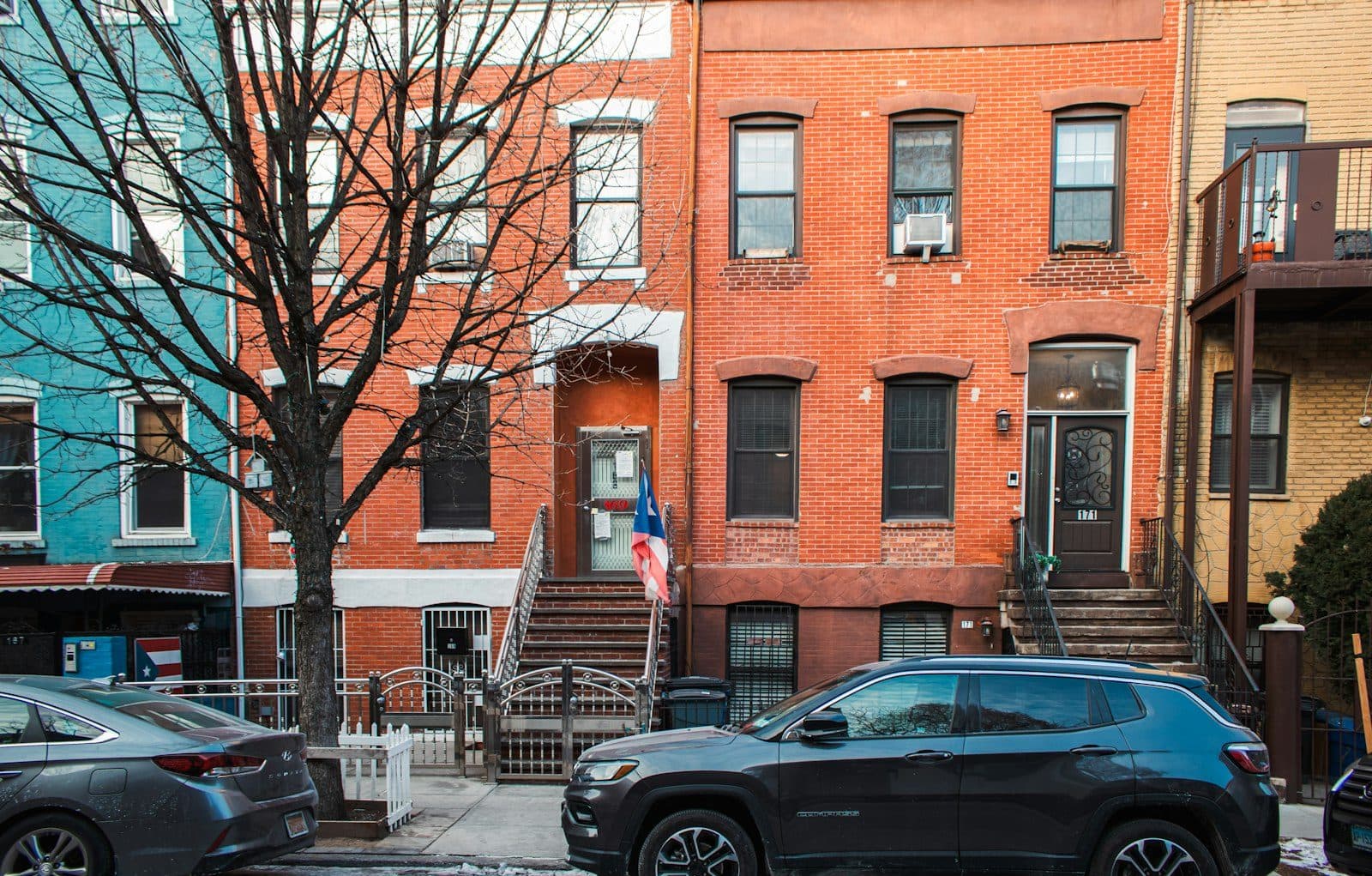
Pre-war detail, Upper West Side
The check at the table
Your net, not your headline price.
The number that matters is what you walk away with. Michael builds a clear net-proceeds estimate before you list, so you price the apartment to the result you want — not the other way around.
Illustrative example. Your actual figures depend on price, property type, and your building's flip tax — confirm with your attorney.
- Headline sale price$2,400,000
- − Broker commission (5–6%)−$132,000
- − NYC + NYS transfer taxes (~1.825%)−$43,800
- − Co-op flip tax (2%, if applicable)−$48,000
- − Attorney + administrative−$5,000
- = Your gross proceeds, pre-mortgage$2,171,200

Presented to sell
What will I actually net from selling?
Your net is the sale price minus commission, transfer taxes, any flip tax, attorney fees, your remaining mortgage, and any agreed concessions. Michael builds a clear net-proceeds estimate before you list, so you know what you will walk away with rather than guessing from the headline price.
The number that matters is not the price on the listing, it is the check at the closing table. Michael starts there, working backward to a listing strategy that protects your net rather than chasing a headline figure that erodes in negotiation.
Prepared. Photographed. Sold.


How do you decide what my apartment is worth?
By studying recent comparable sales in your building and similar buildings, current competing listings, your apartment's condition and light, and how the market is moving right now. Pricing it correctly from day one matters more than any single tactic, because the first two weeks draw the most serious buyers.
Overpricing quietly costs sellers the most. The apartment sits, grows stale, and ultimately trades below where a correct price would have landed it. Michael prices to attract the strongest buyers early, when your apartment has the market's full attention.

The first two weeks matter most
The selling process
From listing to closing, step by step.
Every sale runs on the same clear arc. Michael manages each stage so the process stays calm and your apartment keeps its momentum from the first showing to the closing table.
Consultation and valuation
Michael studies recent comparable sales in your building and similar ones, then prepares a competitive market analysis and an honest net-proceeds estimate so you price to the result you want.
Prepare and present
Address any deferred maintenance, then declutter, depersonalize, and let the light in. Professional photography and floorplans capture the apartment at its best, because the first showing is almost always online.
Launch and market
Your apartment goes live across the Residential Listing Service and Brown Harris Stevens' syndication and global network, with a marketing plan built around your specific home and its most likely buyer.
Open houses and showings
A broker preview introduces your apartment to local agents during the week, a public open house follows on the weekend when appropriate, and private showings run throughout.
Offers and negotiation
Michael conveys every offer and negotiates price and terms on your behalf, weighing not just the number but whether the buyer will actually clear financing and, for a co-op, board approval.
Contract of sale
The attorneys prepare and sign the contract, and the buyer places a deposit — customarily 10 percent — held in escrow until closing.
Financing and appraisal
A financed buyer secures a mortgage commitment, usually within about 30 days, and the bank sends an appraiser to confirm value against comparable sales.
Board approval and closing
For a co-op, the buyer completes a board package and interview; for a condo, the board waives its right of first refusal. Once cleared, you close and hand over the keys.

Bright, uncluttered, ready to show
How should I prepare my apartment to sell?
Start with anything that needs maintenance, then focus on presentation: declutter and depersonalize so buyers can picture the space as their own, repaint in neutral tones where it helps, deep-clean, and let in as much light as possible. The lighter, brighter, and less cluttered an apartment feels, the more welcoming it is — and the better it photographs.
Michael walks the apartment with you and tells you exactly what is worth doing and what is not, so you spend where it moves the price and skip where it will not. Through Curate by Brown Harris Stevens, staging, painting, and even full renovations can be handled before you list and paid for out of the proceeds at closing, with no upfront cost.
How will you market my apartment?
With the full weight of Brown Harris Stevens' marketing team: professional photography and floorplans, 3D walkthroughs and film-crew video tours, email and social campaigns with paid re-targeting, and syndication to the outlets serious buyers read — The Wall Street Journal, Barron's, Mansion Global, and more. Since the first showing is almost always online, Michael makes sure your apartment looks its best exactly where buyers first find it.
Brown Harris Stevens has been at the forefront of real estate marketing since 1873, with a dedicated in-house marketing team and a global referral network. Your listing reaches qualified buyers far beyond New York — through partners spanning more than 70 countries, one of the largest referral networks in the industry.

Presented to the widest qualified audience
- 1873Brown Harris Stevens founded
- 70+Countries in the referral network
- 150,000+Affiliated agents worldwide
- 600Partner firms across the globe
Your apartment is marketed through Brown Harris Stevens and its global partners — Leading Real Estate Companies of the World, Luxury Portfolio International, and BHS Partnering Worldwide — reaching qualified buyers well beyond New York.

“The first two weeks on the market draw the most serious buyers. We make those two weeks count.”
— Michael J. Carroll
Answers
Selling in NYC, answered
- The order matters as much as the channels. Photography and floorplans come first, so the listing launches finished rather than patched later. Then the portals, the email campaign and the paid social go live together, followed by broker and public open houses. Since buyers meet the apartment on a screen first, Michael signs off on every image and every line of copy before launch, and builds the plan around the buyer most likely to want your specific apartment.
- Spend where buyers look first and skip the rest. Fresh paint, working fixtures, clean windows and cleared surfaces return far more than a kitchen or bath renovation, which rarely pays back in full at sale. Fix anything a buyer's inspector or a co-op board would question, such as leaks, electrical issues or unpermitted work. Michael walks the apartment with you and lists what is worth doing, and through Curate by Brown Harris Stevens many of those items can be handled now and paid for at closing.
- A flip tax is a transfer fee your building collects when an apartment sells, used to fund its reserves. It is common in co-ops and customarily paid by the seller, but the formula is the building's choice: a percentage of the sale price (usually 1 to 3 percent in Manhattan), a percentage of your profit, a set amount per share, or a flat fee. Check your proprietary lease or ask the managing agent for the exact terms before you estimate your net.
- From listing to closing often runs a few months, though it varies with price, condition, and the market. Finding a buyer can take weeks, then contract and financing add time, and a co-op adds the buyer's board approval. Pricing right and presenting well are what keep the timeline short.
- Sellers pay New York State and New York City transfer taxes, together roughly 1.4 to 2.075 percent of the sale price. The state portion rises on sales of $3 million and up, and the city portion rises above $500,000. Confirm current rates with your attorney, since tax figures change.
- Yes. A co-op buyer must be approved by the board, which reviews their finances and interviews them after you are in contract. That makes choosing a genuinely qualified buyer essential, because a board rejection sends you back to market. Michael vets buyers with the board in mind, having sat on one himself.
- Two things happen at closing. If you are not a U.S. person, federal law (FIRPTA) generally requires the buyer to withhold 15 percent of the sale price and send it to the IRS as a prepayment of your tax; it drops to 10 percent on sales up to $1 million where the buyer will live in the apartment, and to nothing below $300,000 in that case, and you claim any refund when you file. Separately, New York State collects estimated income tax on the gain from any seller who is not a New York resident, paid on Form IT-2663 when the deed is recorded. Neither is a final tax, but both come out of your proceeds that day, so plan for them with your attorney and accountant.

A private consultation
Find out what your apartment is worth
Tell Michael about your apartment and your timing, and he will prepare an honest view of price, costs, and your net proceeds before you decide to list.

What happens next
- 01
Michael reads your note personally
No team inbox. He sees the form himself.
- 02
You'll hear back, usually the same day
By phone or email — whichever you prefer.
- 03
A no-pressure first conversation
Whether you're ready this week or thinking it through.
10+
Years at BHS
Top 1%
Nationwide
$500K–$25M+
Transaction range
Tell Michael about your search
A few quick questions.
Your details stay between you and Michael. No spam. No list.