Most Manhattan co-ops want to see 12 to 24 months of your apartment's carrying costs in liquid reserves after closing, and conservative buildings ask for more. Liquid means cash and marketable securities, not retirement accounts the board discounts. Knowing a building's expectation before you offer saves a painful rejection later.
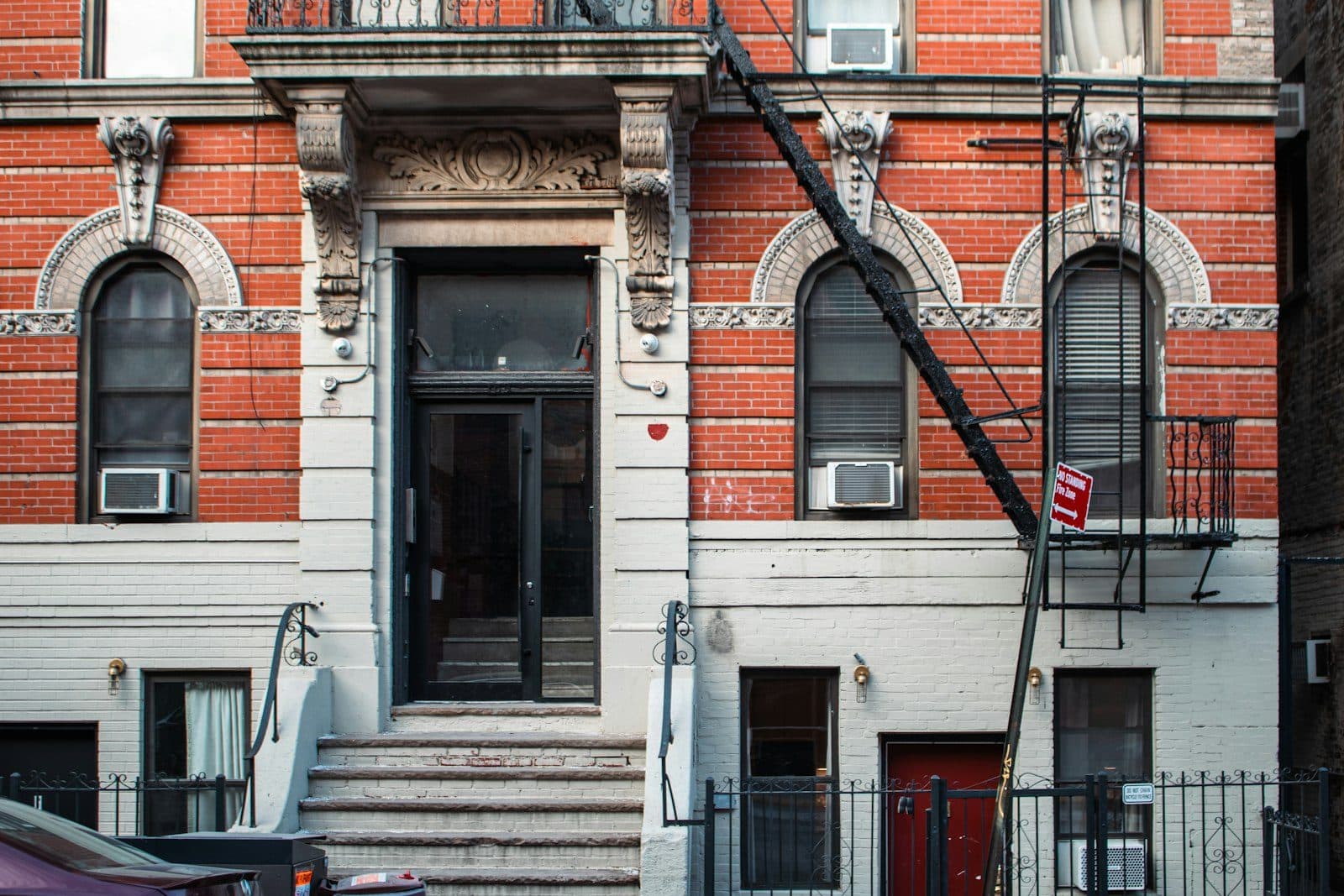
The co-op buyer's guide
Buying a co-op, with someone who sits on the board.
Buying a co-op means owning shares in the corporation that owns your building and winning board approval. Expect a detailed financial package, a board interview, a down payment commonly of 20 to 30 percent, and reserves left over after closing. The path usually takes about three to four months.
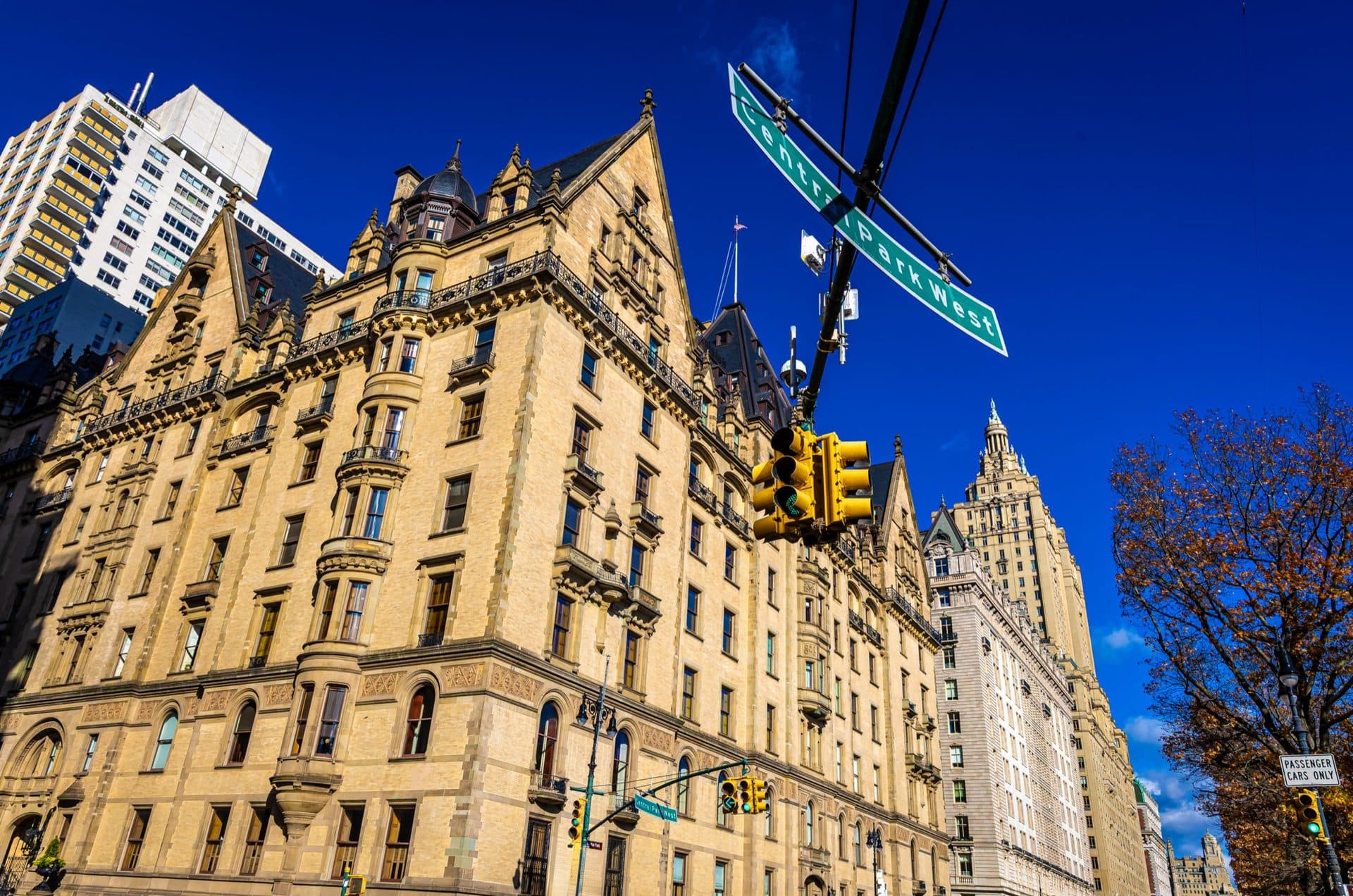
The Dakota · Central Park West
How does buying a co-op in NYC work, step by step?
You make an offer, sign a contract, and secure financing. Then you assemble a board package of financial documents and references, the managing agent and board review it, and you sit for a board interview. Once the board approves, you close. The whole path usually takes about three to four months.
The mechanics are not hard, but the board adds a step no condo or house purchase has. The part you control is the package and the interview, and that is exactly the part Michael manages most closely, because he has read packages from the other side of the table.
Inside the board package
What boards actually read.
Co-op board packages can run hundreds of pages. Michael assembles yours the way the board that will receive it does — clean, complete, and easy to say yes to.

Where Michael preps every package
- 01
Three years of tax returns
Personal and business, signed.
- 02
Two months of pay stubs
Or business income documentation.
- 03
Bank and brokerage statements
Three months, all accounts.
- 04
Loan pre-approval letter
From a board-friendly lender.
- 05
Personal reference letters
Two to four, depending on building.
- 06
Professional references
Employer or business reference.
- 07
Statement of net worth
Assets, liabilities, monthly carrying.
- 08
Credit and background check
Authorization and fee.
What do co-op boards look for in a buyer?
Boards want financial stability. They study your debt-to-income ratio, your down payment, and your liquid reserves after closing, often wanting 12 to 24 months of carrying costs left in the bank. They also want a buyer who will follow building rules and use the apartment as a primary residence.
A board is protecting the financial health of the whole building. The strongest applications make the board's decision easy: clear income, ample reserves, a sensible debt load, and no open questions. Michael helps you present exactly that, and flags anything a board will stumble on before it ever reaches them.

Read like a board reads

Inside a pre-war classic seven
What should I check in a co-op building's financials?
Look at the reserve fund, the underlying mortgage and when it matures, recent and planned assessments, monthly maintenance trends, and how many apartments are owner-occupied. A healthy reserve and stable maintenance signal a well-run building. Michael reads these documents the way the board that wrote them does.
The apartment is only half of what you are buying. The building's finances determine your future assessments and the stability of your investment. As a sitting board president, Michael knows which numbers matter and which ones quietly predict a special assessment two years out.
The buildings that say yes

Can a foreign buyer or an LLC buy a co-op?
Usually not. Most co-ops require an individual buyer using the apartment as a primary residence, and they limit foreign income, guarantors, and entity purchases. If you are buying through an LLC or trust, or your income and assets are largely abroad, a condo is almost always the better path, and Michael will tell you early.
Nothing wastes more time than chasing co-ops whose rules will never fit your purchase. Most co-op boards require an individual owner who lives in the apartment full time. If your purchase runs through an entity, or the apartment will not be your primary residence, Michael points you to the condos whose rules fit, so your search is built on buildings that can actually say yes.

Condo, when a co-op won't fit
Condo, co-op, or townhouse
Three ways to own a home in New York.
A co-op means owning shares in the corporation that owns your building; a condo means owning your apartment outright by deed; a townhouse means owning the whole building in fee simple. That one legal difference drives cost, approval, and flexibility. Here is how the three compare.
| Condo | Co-op | Townhouse | |
|---|---|---|---|
| What you own | A deed to real property | Shares in a corporation + a proprietary lease | Fee-simple title to the whole building |
| Monthly costs | Common charges + real estate taxes | Maintenance (covers taxes + any underlying mortgage) | Taxes, insurance, and all utilities |
| Approval to buy | Purchase application; right of first refusal | Full board package and interview | None — subject to financing |
| Subletting | Generally at the owner's discretion | Board approval, often time-limited | Owner's discretion, within the C of O |
| Typical time to close | About 2–3 months | About 3–4 months | About 1–2 months |
| Buyer closing costs | ≈ 4–6% of price | Lower — no mortgage recording tax or title insurance | ≈ 4–6% of price |
You may also hear the term cond-op — a co-op that runs under condo-style rules, usually with a separately owned commercial ground floor. Figures are typical Manhattan ranges and vary by building; Michael gives you the real numbers for the specific apartment you are weighing.
“A clean package and a calm interview clear most board hurdles. I write the package the board wants to read.”
— Michael J. Carroll
Answers
Buying a co-op, answered
- Most Manhattan co-ops require at least 20 percent down, and many ask for 25 to 30 percent. Some prestigious buildings require 40 to 50 percent or all cash. The building's rule, not just your lender, sets the floor. Michael matches your down payment to buildings whose financing rules you actually meet.
- A flip tax is a transfer fee the building collects when an apartment sells, used to fund reserves. It is usually paid by the seller, and buildings set it in different ways: a percentage of the sale price (commonly 1 to 3 percent in Manhattan co-ops), a percentage of your profit, a set amount per share, or a flat fee, and a few split it between buyer and seller. Read the proprietary lease or ask the managing agent, because the formula changes the number. Factor it into your net proceeds when you sell.
- In practice, three things separate them. Ownership: a condo is a deeded apartment, a co-op is shares in a corporation with a proprietary lease, and a townhouse is the whole building. Approval: a co-op board can say no, a condo board can only match your deal through its right of first refusal, and a townhouse has no board at all. Cost and time: co-ops cost less to buy and to close but take longer, about three to four months; condos cost more and close in about two to three; a townhouse is usually fastest, but every repair is yours. Michael helps you weigh which trade-off fits your finances and plans.
- Yes, a board can decline a buyer and generally does not have to give a reason, as long as it does not discriminate on protected grounds. There is no formal appeal. The way to avoid rejection is preparation: a strong, complete package aimed at a building whose requirements you clearly meet. That preparation is where Michael's board experience pays off.
- After you submit a complete board package, review and the interview usually take a few weeks, though it varies by building and season. Boards meet on their own schedule. Building the package quickly and correctly is the part you control, and it is the part Michael manages closely so nothing stalls your closing.

A private consultation
Ask Michael about your building
Considering a specific co-op, or weighing whether you will pass a board? Send Michael the details and he will give you a straight read before you commit.

What happens next
- 01
Michael reads your note personally
No team inbox. He sees the form himself.
- 02
You'll hear back, usually the same day
By phone or email — whichever you prefer.
- 03
A no-pressure first conversation
Whether you're ready this week or thinking it through.
10+
Years at BHS
Top 1%
Nationwide
$500K–$25M+
Transaction range
Tell Michael about your search
A few quick questions.
Your details stay between you and Michael. No spam. No list.