From studios and one-bedrooms in Yorkville that sell below Manhattan's $1.25 million median (Miller Samuel / Elliman, second quarter 2026) to Fifth and Park Avenue homes well into the tens of millions. The avenue, the building, park views, and apartment size drive the price, and the same classic seven can cost twice as much on Park Avenue as on Third. Michael can give you current, building-specific numbers for the homes you are considering.
Across the park
Apartments on the Upper East Side.
The Upper East Side runs from 59th to 96th Street between Central Park and the East River, and with the Upper West Side it is where Michael does most of his business. It is classic and established, defined by the pre-war co-ops of Fifth, Park, and Madison Avenues, but it is not one market: Lenox Hill, Carnegie Hill, Yorkville, and East End Avenue each buy and sell differently, and the newer condominiums east of Lexington are a different purchase from the avenues.
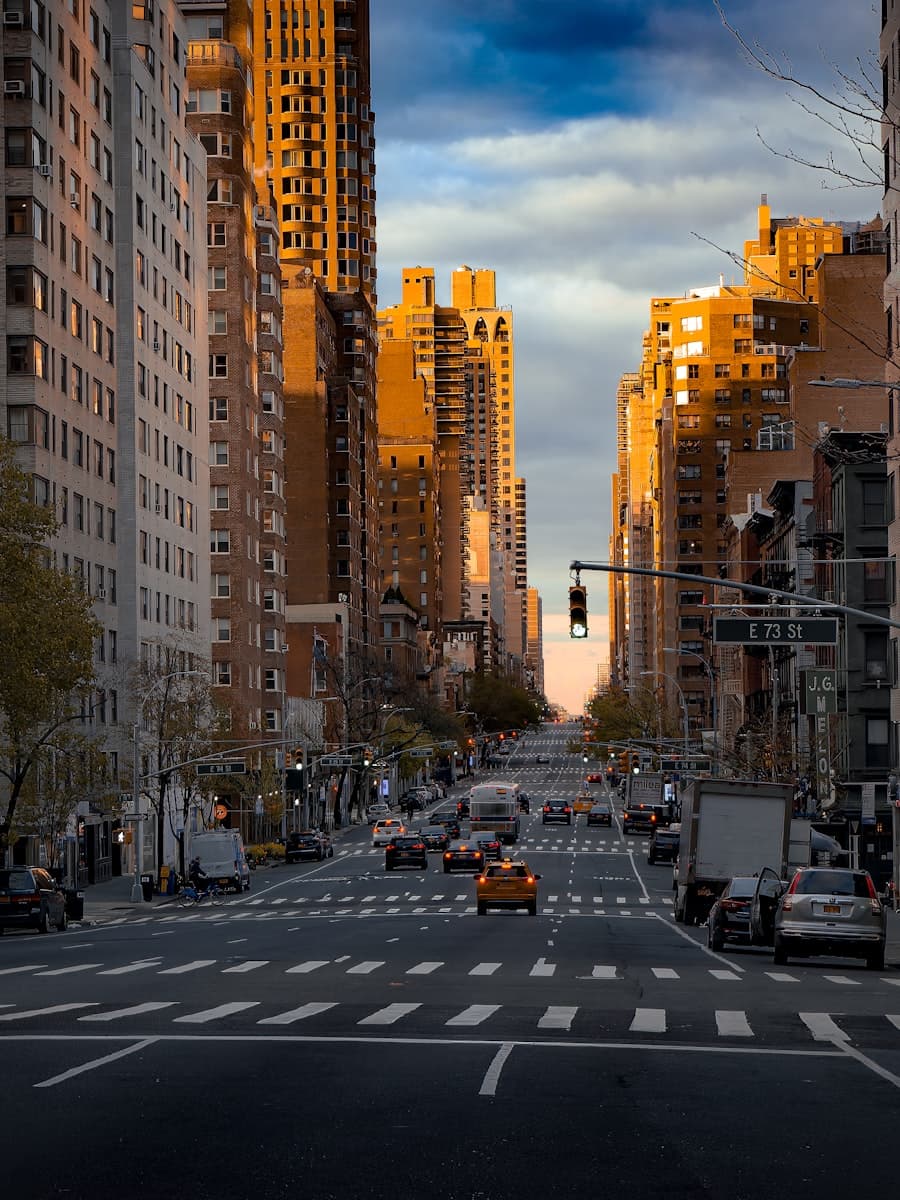
Upper East Side
What are apartments on the Upper East Side like?
Classic and formal on the avenues, more varied as you move east. Fifth and Park Avenue are lined with the grand pre-war co-ops of the 1920s and 1930s, many by Rosario Candela, with elegant layouts, high ceilings, and white-glove service; 740 Park (1930) is the best known. East of Lexington, Yorkville's post-war buildings and the condominiums that followed the Second Avenue subway offer more space for the money and fewer rules. Six landmarked historic districts, from Treadwell Farm (1967) to the Park Avenue district (2014), protect much of the streetscape.
If the Upper West Side feels relaxed and informal, the Upper East Side leans traditional, especially on the avenues. Both are wonderful, and which suits you comes down to lifestyle, the building, and how far east of the park you are willing to live.
Should I look on the Upper East Side or the Upper West Side?
Both are Manhattan's largest residential neighborhoods and Michael's core territory, so he weighs them side by side rather than defending one. The Upper East Side has the grand Fifth and Park Avenue co-ops, Museum Mile, and the Lexington Avenue express trains; the Upper West Side has two parks, Lincoln Center, and a slightly more informal street life. Comparable pre-war co-ops off the avenues often cost less on the East Side, and the East Side's condominium stock east of Lexington is larger. The right answer is the specific building, not the side of the park.
Because Michael works both sides of the park, you are not limited to one. He shows you the best of each and helps you choose with clear eyes.

Upper East Side
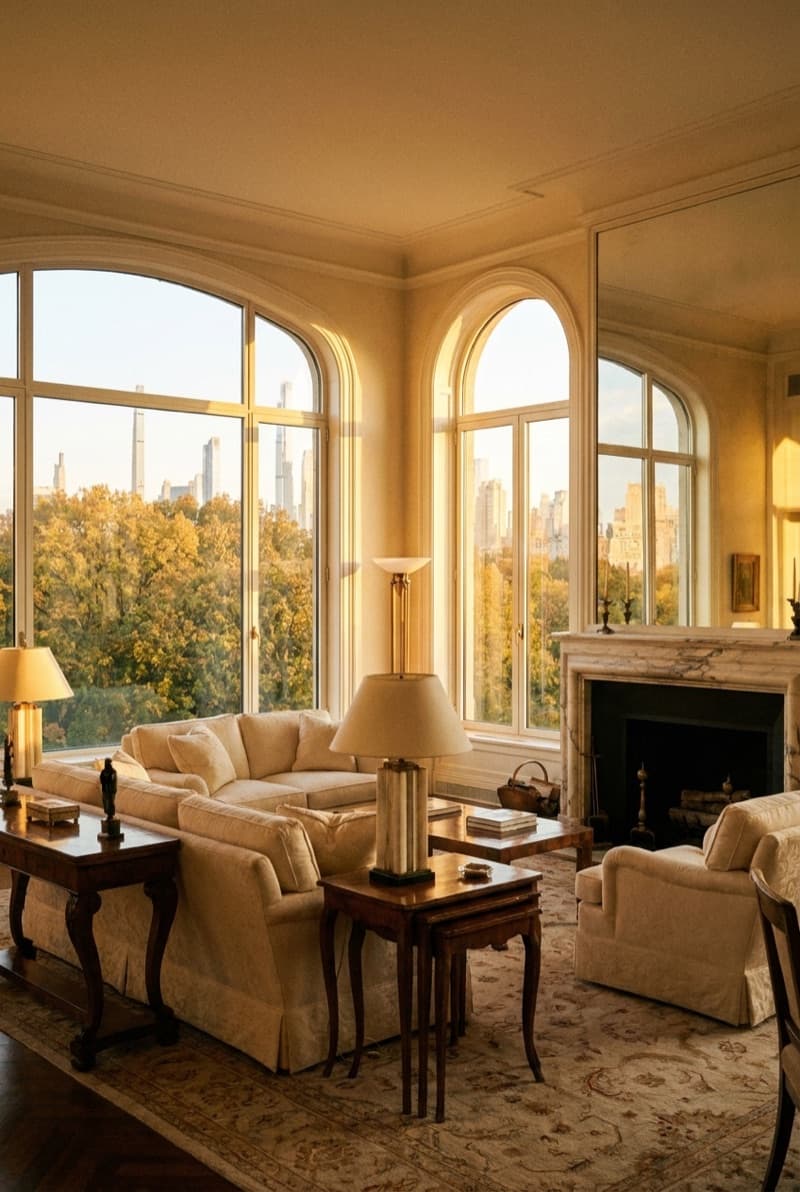
Upper East Side
Are Upper East Side apartments condos or co-ops?
Co-ops on the avenues, condominiums increasingly to the east. The Fifth and Park Avenue buildings are almost all co-ops with selective boards that expect a full package, strong liquidity, and a primary residence; some limit financing to half the price or less. Condominiums are concentrated in newer construction east of Lexington and toward the river, from 520 Park Avenue (2018, Robert A.M. Stern) to the towers of Second and East End Avenues, and they welcome foreign buyers and entities, with the new pied-à-terre surcharge to budget for if the apartment is not your primary residence. Which you can buy depends as much on the building's rules as on your budget.
A walk through Upper East Side
Upper East Side, in light.
The buildings, blocks, and rooms that define Upper East Side — captured on Michael's walks home.
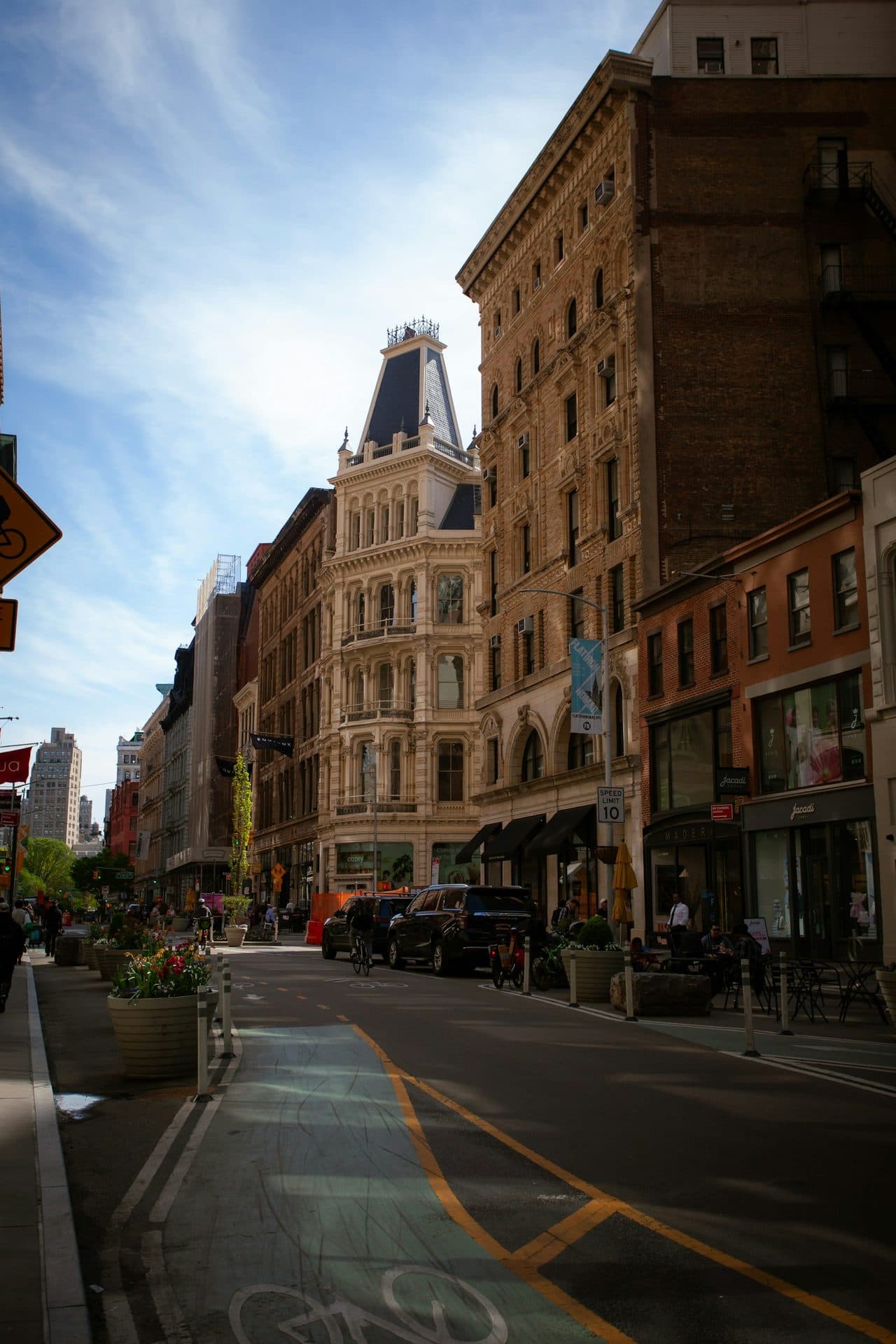
A city street lined with historic apartment buildings
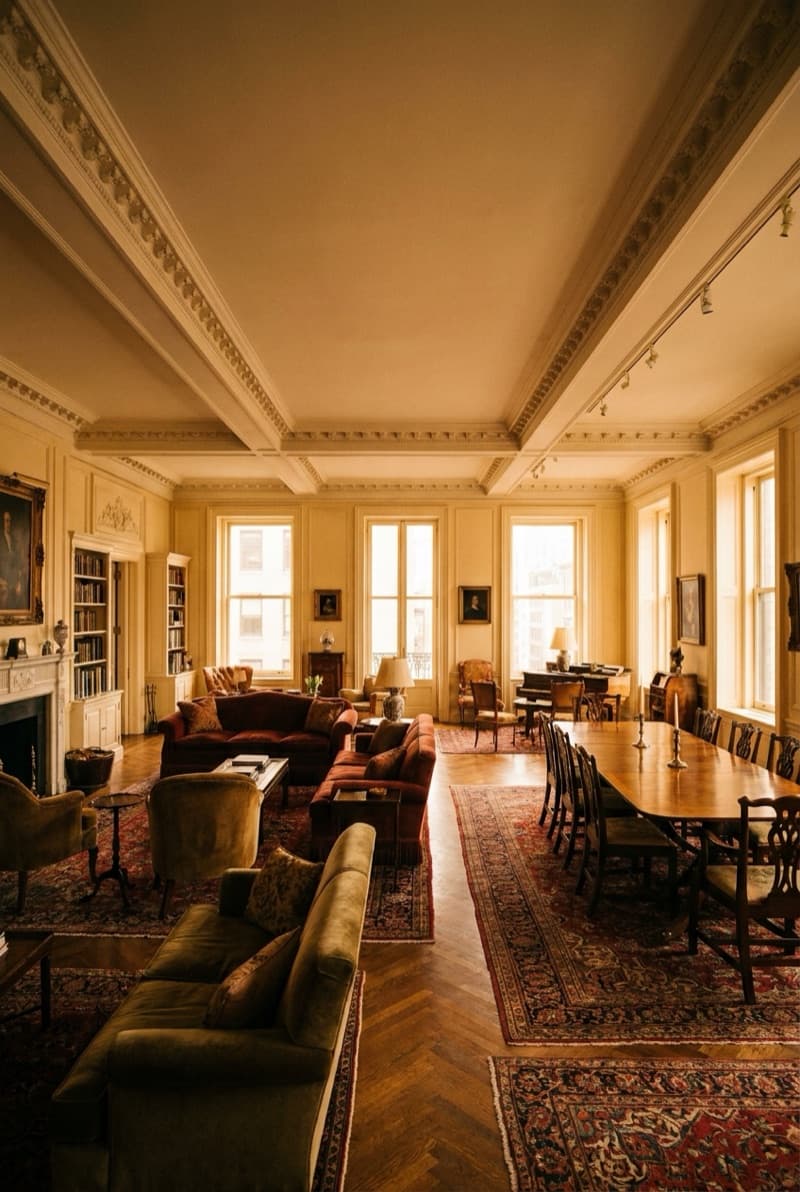
A combination home — two pre-war apartments joined into one
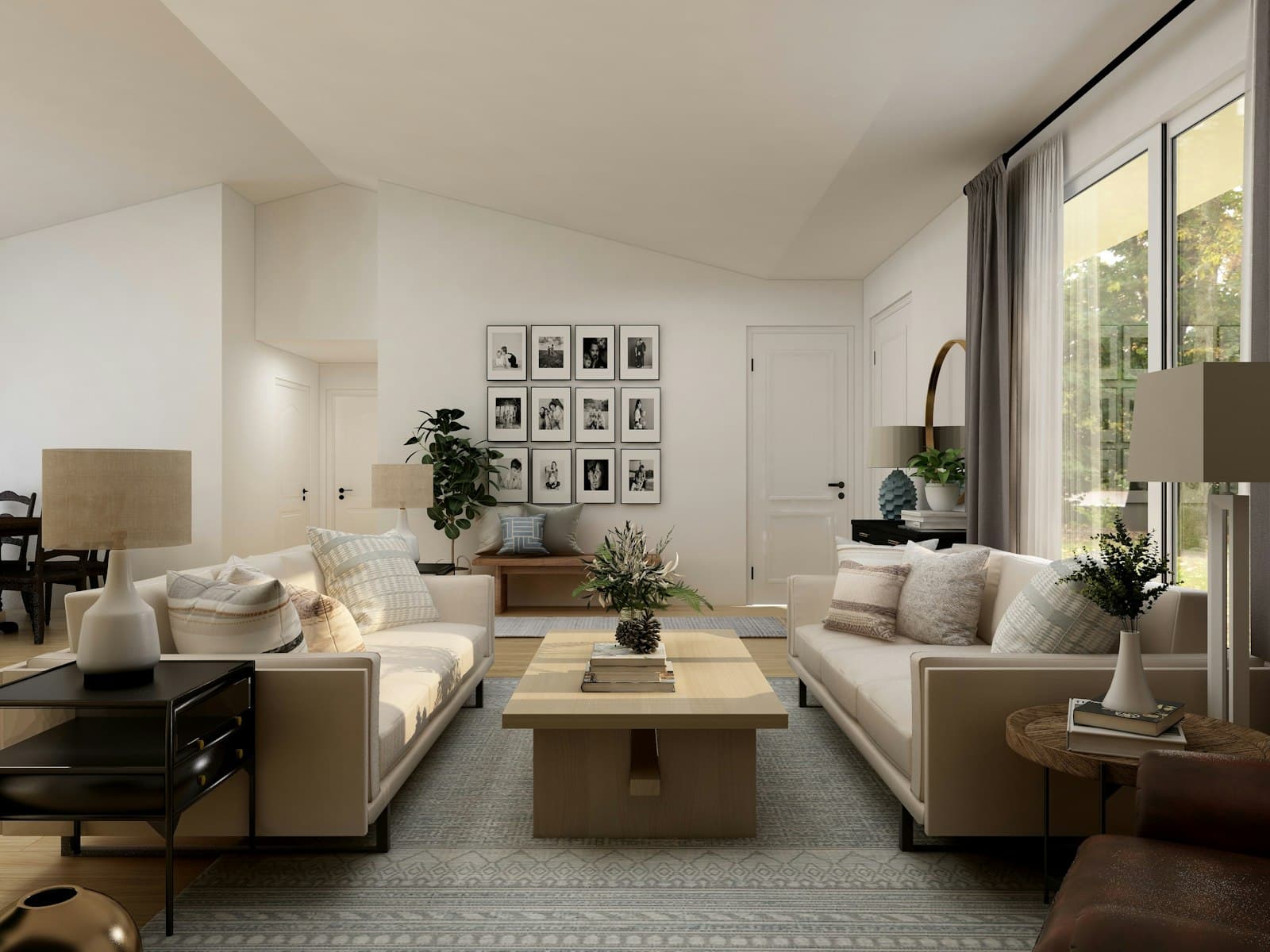
A living room with a white sofa and a potted plant
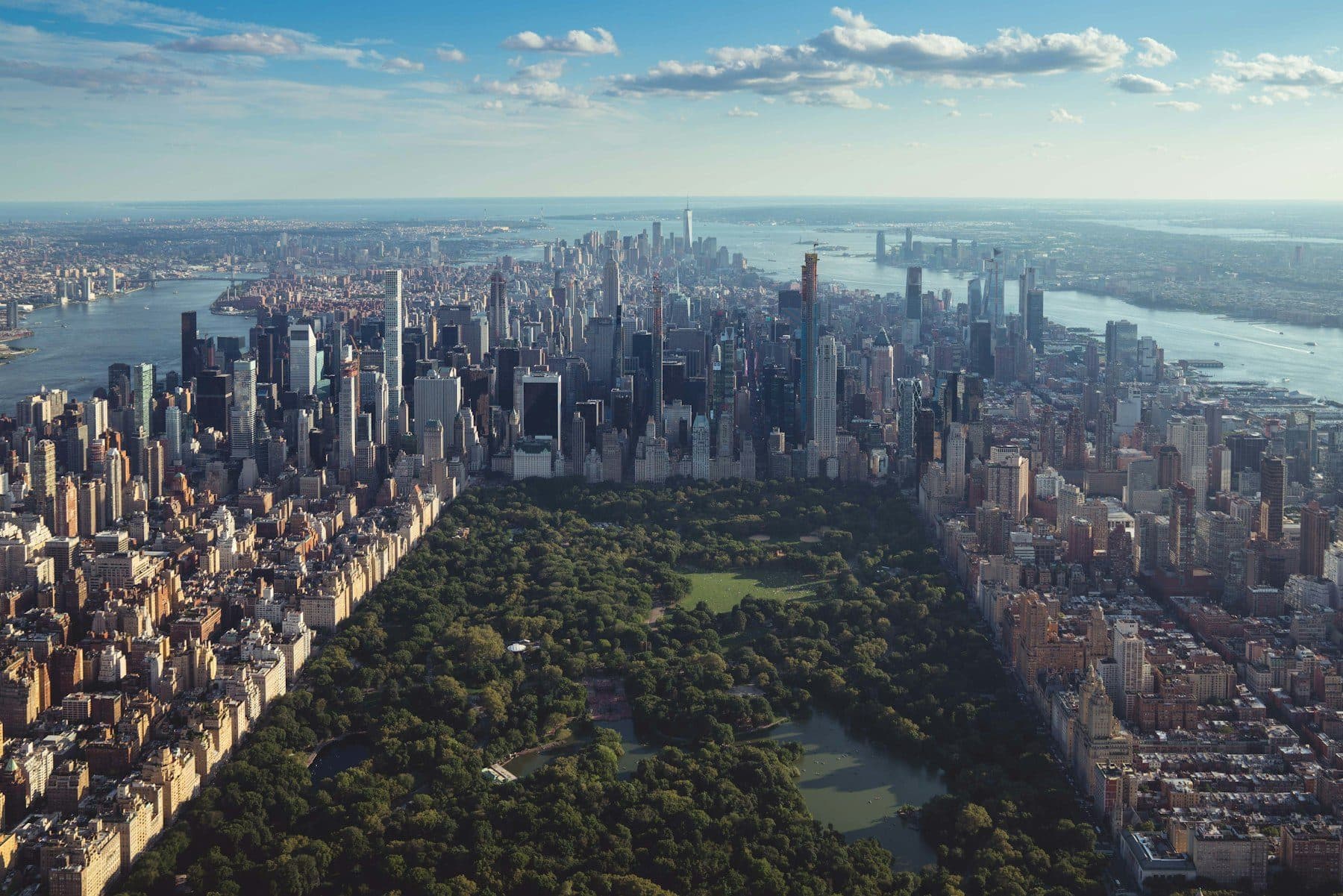
Central Park surrounded by the Manhattan skyline, seen from above
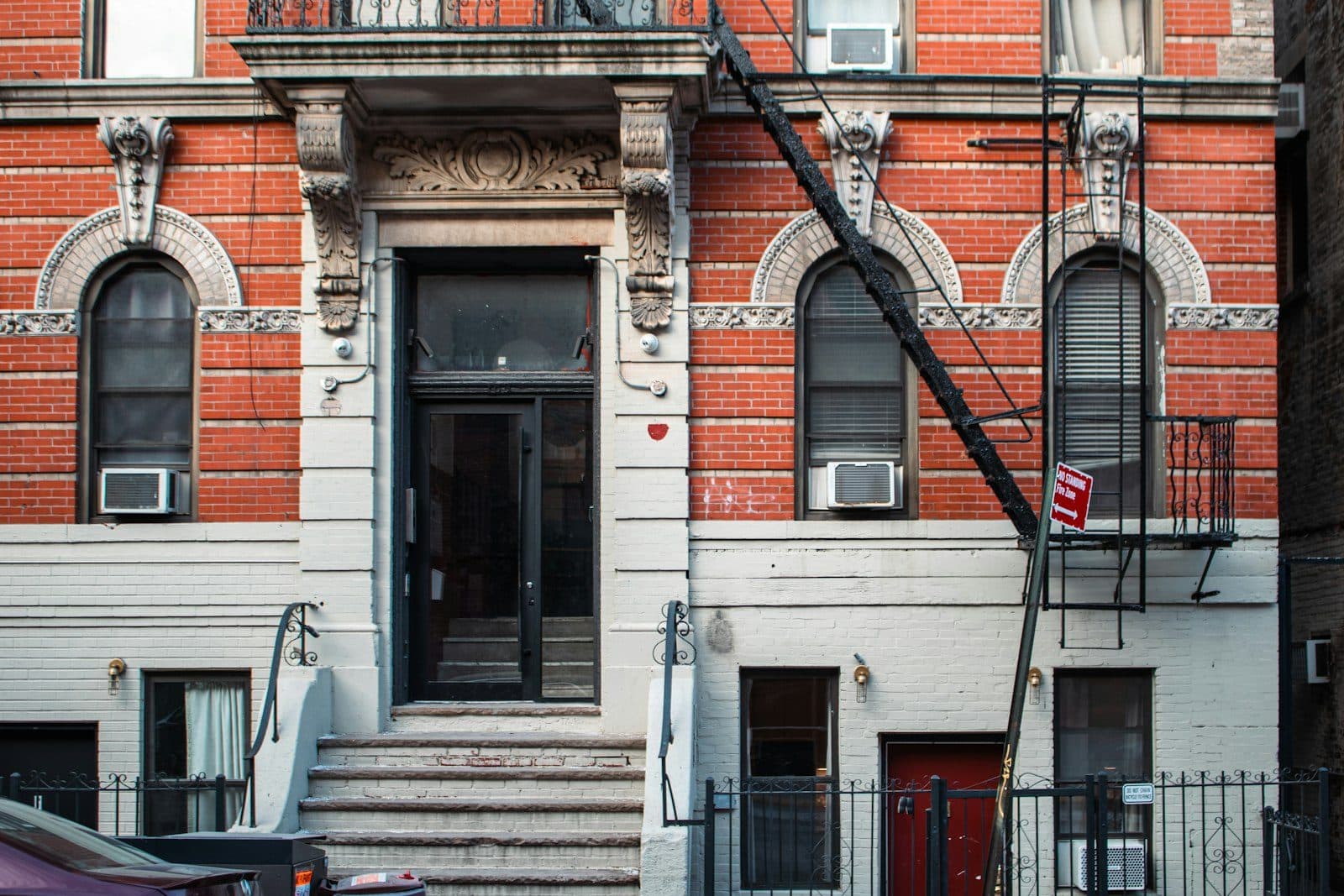
The entrance to a New York apartment building

A bedroom with a large bed and an armchair
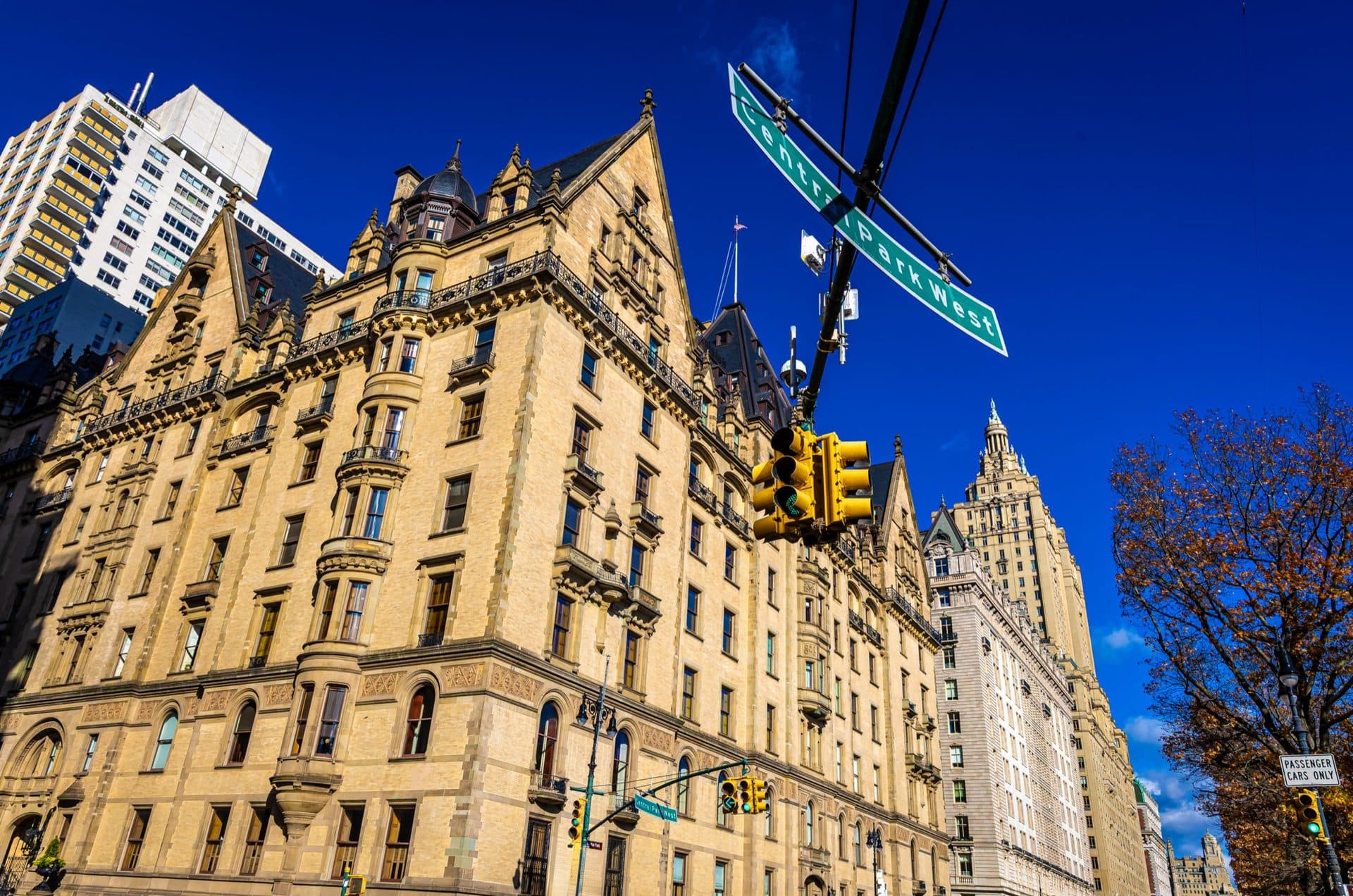
“I walk Upper East Side every week. Knowing the buildings from the inside is what makes the difference for whoever ends up living here.”
— Michael J. Carroll
Answers
Upper East Side, answered
- Central Park along its western edge, Museum Mile on Fifth Avenue from 82nd to 105th Street, with the Metropolitan Museum of Art, the Guggenheim, the Cooper Hewitt, the Neue Galerie, and the Jewish Museum, and the boutiques of Madison Avenue. Carl Schurz Park on the East River at 86th Street and John Jay Park at 77th give the eastern blocks their own green space. It is also the city's medical corridor, with Lenox Hill Hospital, NewYork-Presbyterian/Weill Cornell, and Memorial Sloan Kettering, and home to many of the private schools families move to the neighborhood for.
- The 4, 5, and 6 under Lexington Avenue, with express stops at 59th and 86th Streets and local stops at 68th, 77th, and 96th, and the Q under Second Avenue at 72nd, 86th, and 96th Streets, which opened in 2017 and changed the market east of Third. Crosstown buses on 66th, 72nd, 79th, 86th, and 96th Streets cross the park to the West Side.
- More easily in the neighborhood's condominiums than in its co-ops. The Fifth and Park Avenue co-ops generally require an individual buyer who will live in the apartment, while the condominiums east of Lexington accept foreign buyers, LLCs, and trusts. If you are buying through an entity, or the apartment will not be your primary residence, Michael reads each building's written rules first, then the city's own valuation of the apartment, which is what determines whether the annual pied-à-terre surcharge applies.
A private consultation
Find your home on Upper East Side
Tell Michael what you are looking for, and he will help you find the right apartment on Upper East Side and in the buildings that fit you best.

What happens next
- 01
Michael reads your note personally
No team inbox. He sees the form himself.
- 02
You'll hear back, usually the same day
By phone or email — whichever you prefer.
- 03
A no-pressure first conversation
Whether you're ready this week or thinking it through.
10+
Years at BHS
Top 1%
Nationwide
$500K–$25M+
Transaction range
Tell Michael about your search
A few quick questions.
Your details stay between you and Michael. No spam. No list.