They range from smaller co-ops in the northern blocks to classic sevens and eights that rival Riverside Drive. Size, layout, light, floor, and the building's financial health drive the price more than anything else, and a renovated classic six can cost far more than an original one across the hall. Manhattan's median was $1.25 million in the second quarter of 2026 (Miller Samuel / Elliman); West End Avenue's family-sized apartments generally sit above it. Michael can give you current numbers for the specific lines and buildings you are considering.
Classic and quiet
Apartments on West End Avenue.
West End Avenue is the Upper West Side at its most residential: a straight, tree-lined avenue of pre-war apartment houses from 59th to 107th Street with almost no retail on it, one block inland from Riverside Park. Its classic six, seven, and eight room layouts, built mostly between 1910 and 1931, and its quiet character make it one of the neighborhood's most sought-after addresses.
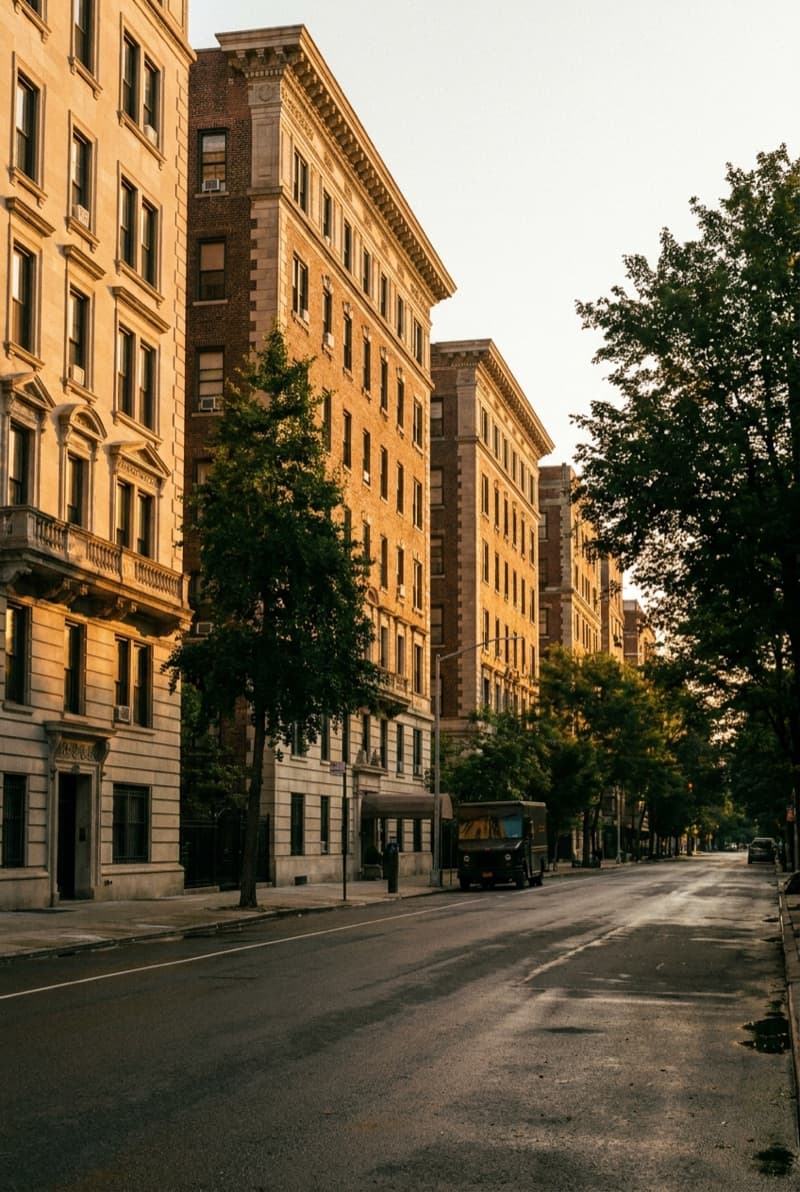
West End Avenue
What are apartments on West End Avenue like?
Overwhelmingly pre-war co-ops with the neighborhood's classic layouts: well-proportioned six, seven, and eight room homes with formal dining rooms, separate kitchens, and a maid's room off the back. The avenue's apartment houses went up in one generation, from the Apthorp's block at 78th and 79th Streets (1908, Clinton & Russell) to the Wexford at 400 West End (1928) and 720 West End at 95th (1927, Emery Roth), and the stretches from 75th to 79th and from 87th to 94th Street are landmarked historic districts. Townhouses from the 1890s survive in short runs between them.
West End Avenue is where the Upper West Side's residential character is strongest. The buildings are stately, the apartments are built for living rather than for show, and the street is calm because there is nothing on it to stop for. People buy here for the long term.
What makes West End Avenue distinctive?
The absence of retail. Zoning and history left the avenue almost purely residential, so there is no delivery traffic, no restaurant noise, and no storefront on the ground floor of your building; Broadway's shops and restaurants are one block east and Riverside Park one block west. The result is a corridor where the classic layouts, the tree canopy, and the quiet reinforce one another, which is why apartments here change hands so rarely.
For anyone weighing where to buy on the Upper West Side, West End Avenue offers space and stability just inland from the park, at prices that usually sit below Central Park West and Riverside Drive for the same rooms.
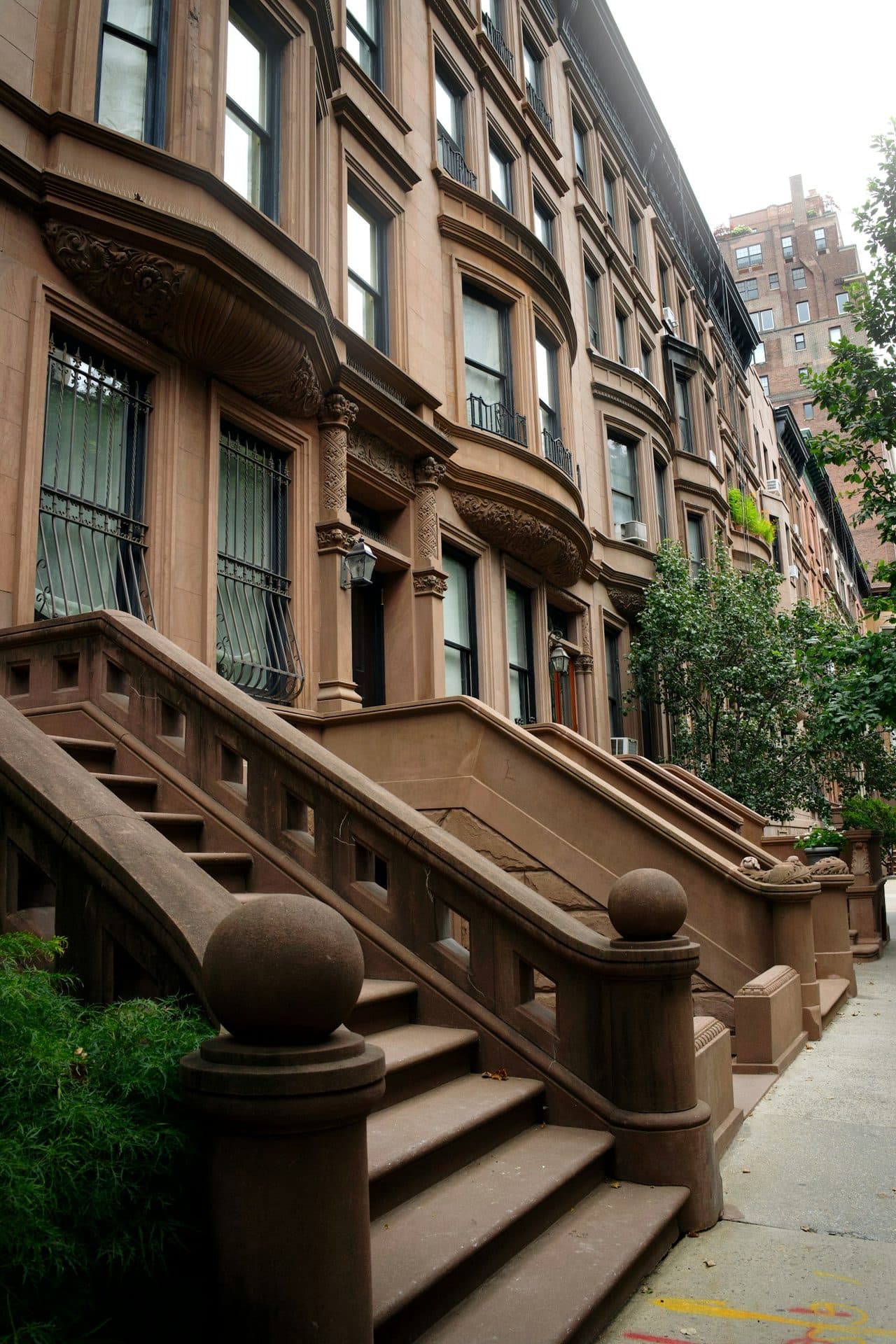
West End Avenue
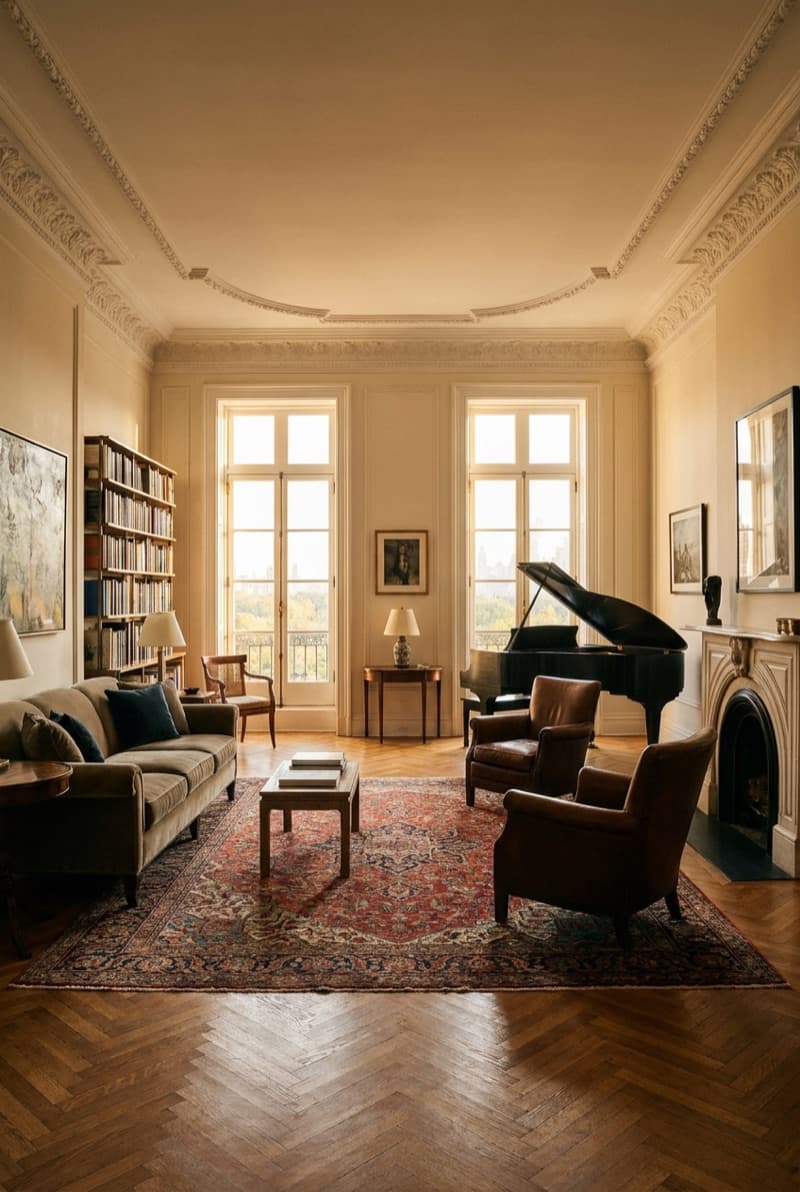
West End Avenue
Are West End Avenue apartments condos or co-ops?
Almost entirely co-ops, more so than nearly anywhere else in the neighborhood, with boards that are selective and buildings that are well run. Genuine condominiums are few: One West End at 59th Street (2017) at the southern end, and 720 West End Avenue, a 1927 building converted to condominiums in the 2020s, are the notable exceptions. Lincoln Towers, the 1960s complex between 66th and 70th Streets, is largely co-op as well and the avenue's biggest source of one- and two-bedrooms. If you need a condo's flexibility, the two condominiums are the options; otherwise plan on the co-op process, which is exactly where Michael's board experience counts.
A walk through West End Avenue
West End Avenue, in light.
The buildings, blocks, and rooms that define West End Avenue — captured on Michael's walks home.
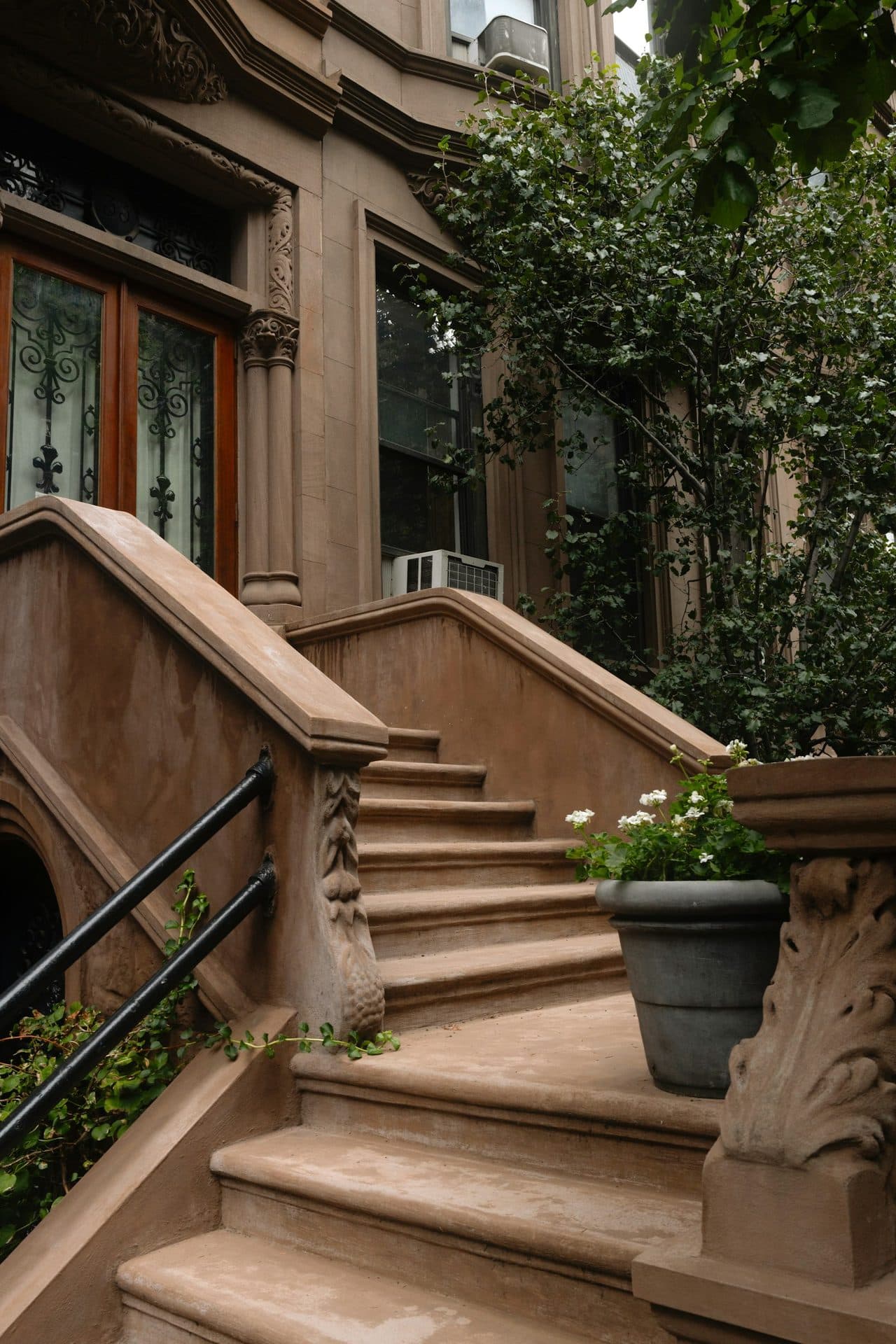
A brownstone stoop with potted plants and street trees
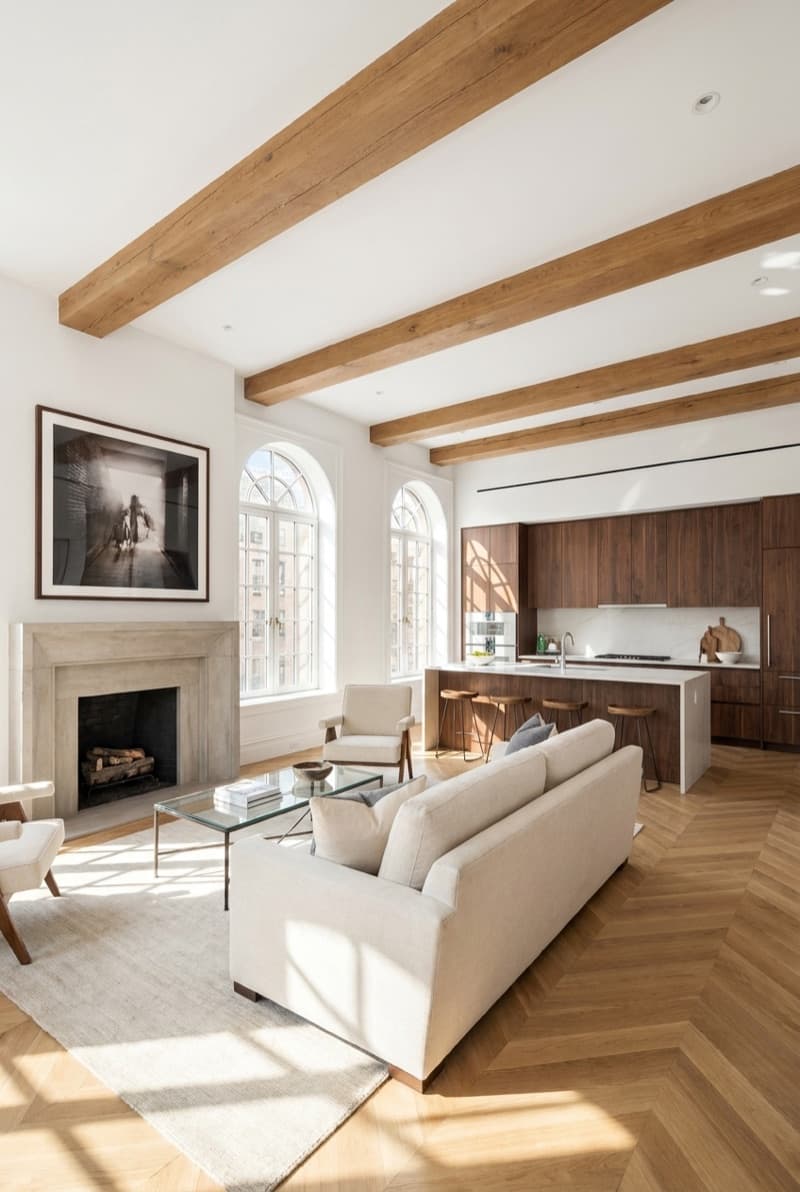
A move-in condition Manhattan apartment with a renovated kitchen
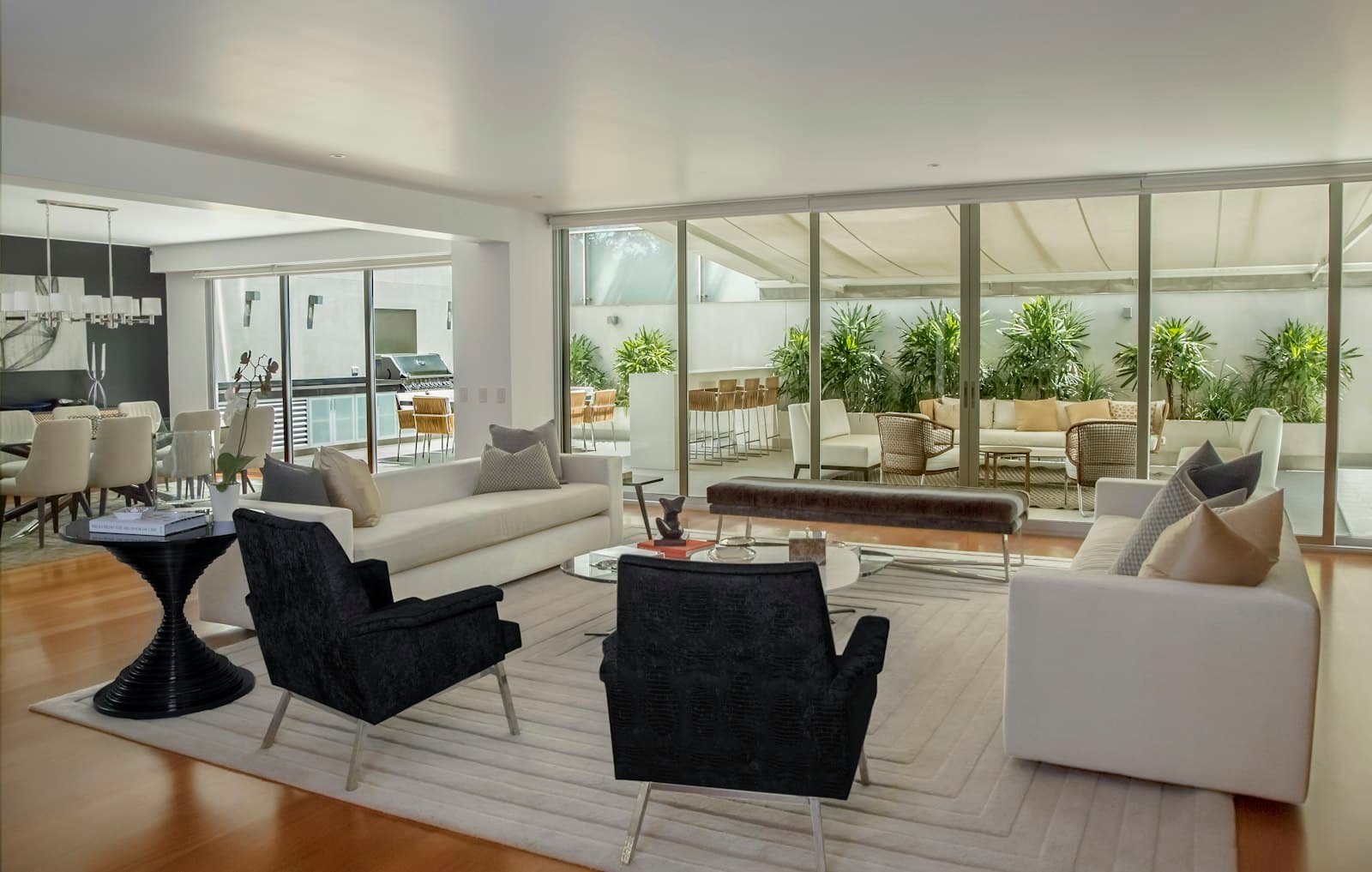
A pair of armchairs in a quiet sitting room
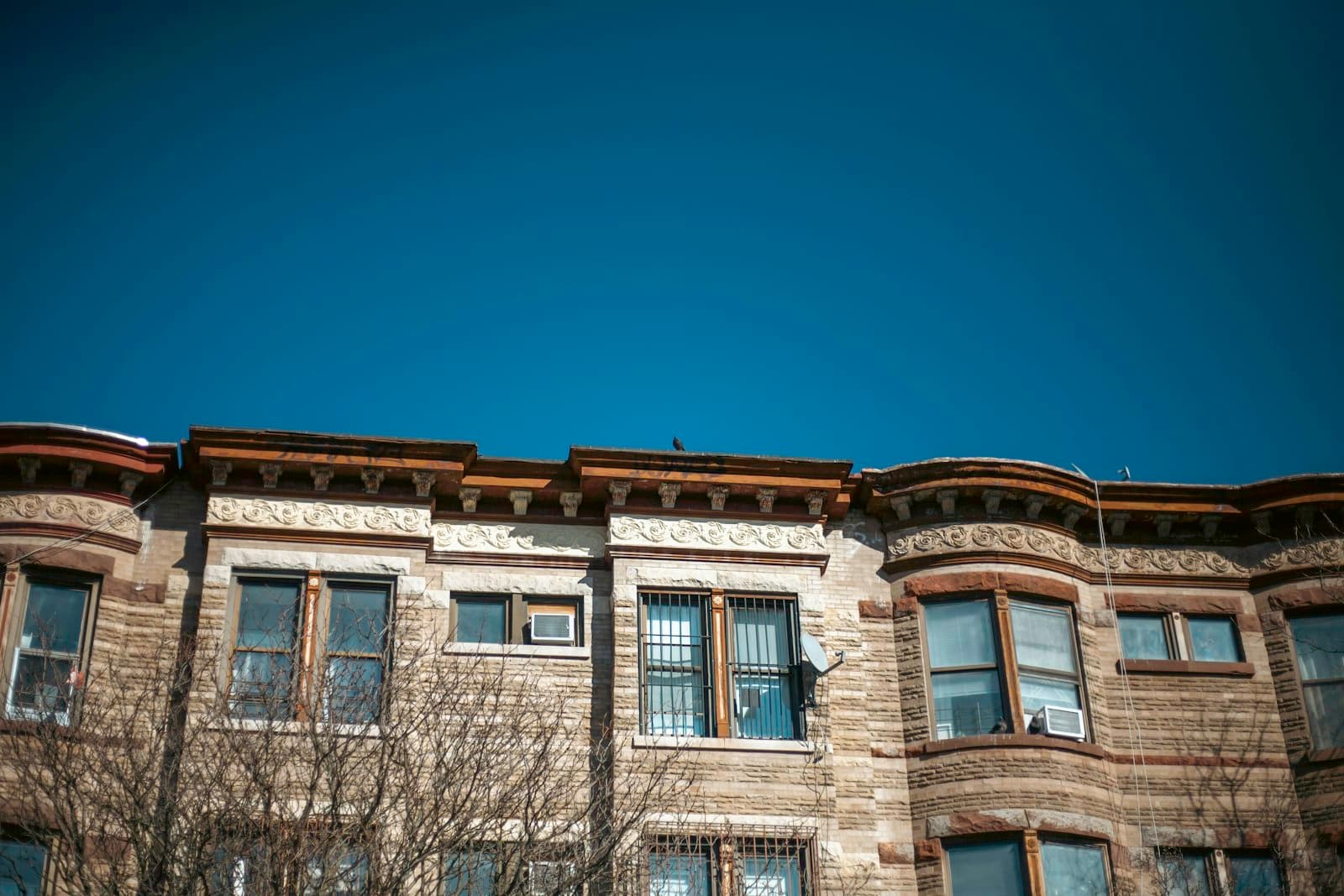
A pre-war apartment building with rows of windows behind a street tree
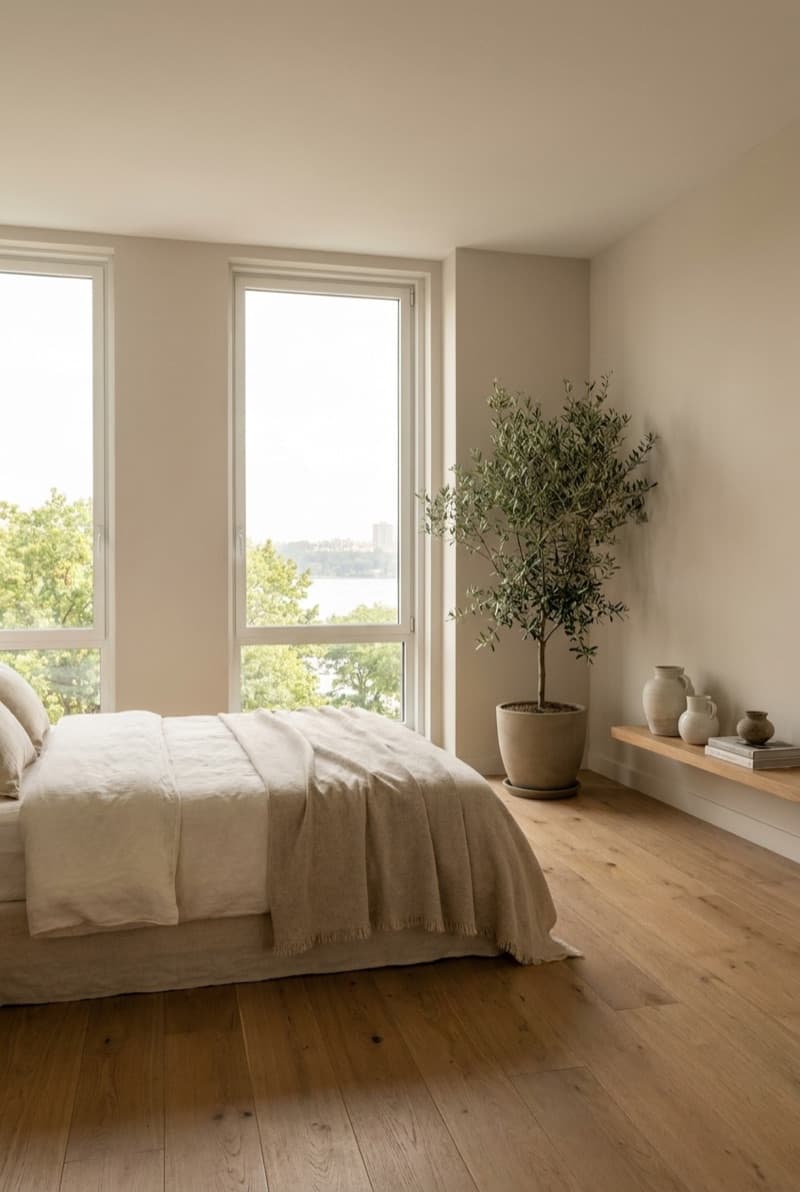
A light-filled two bedroom apartment near Riverside Park
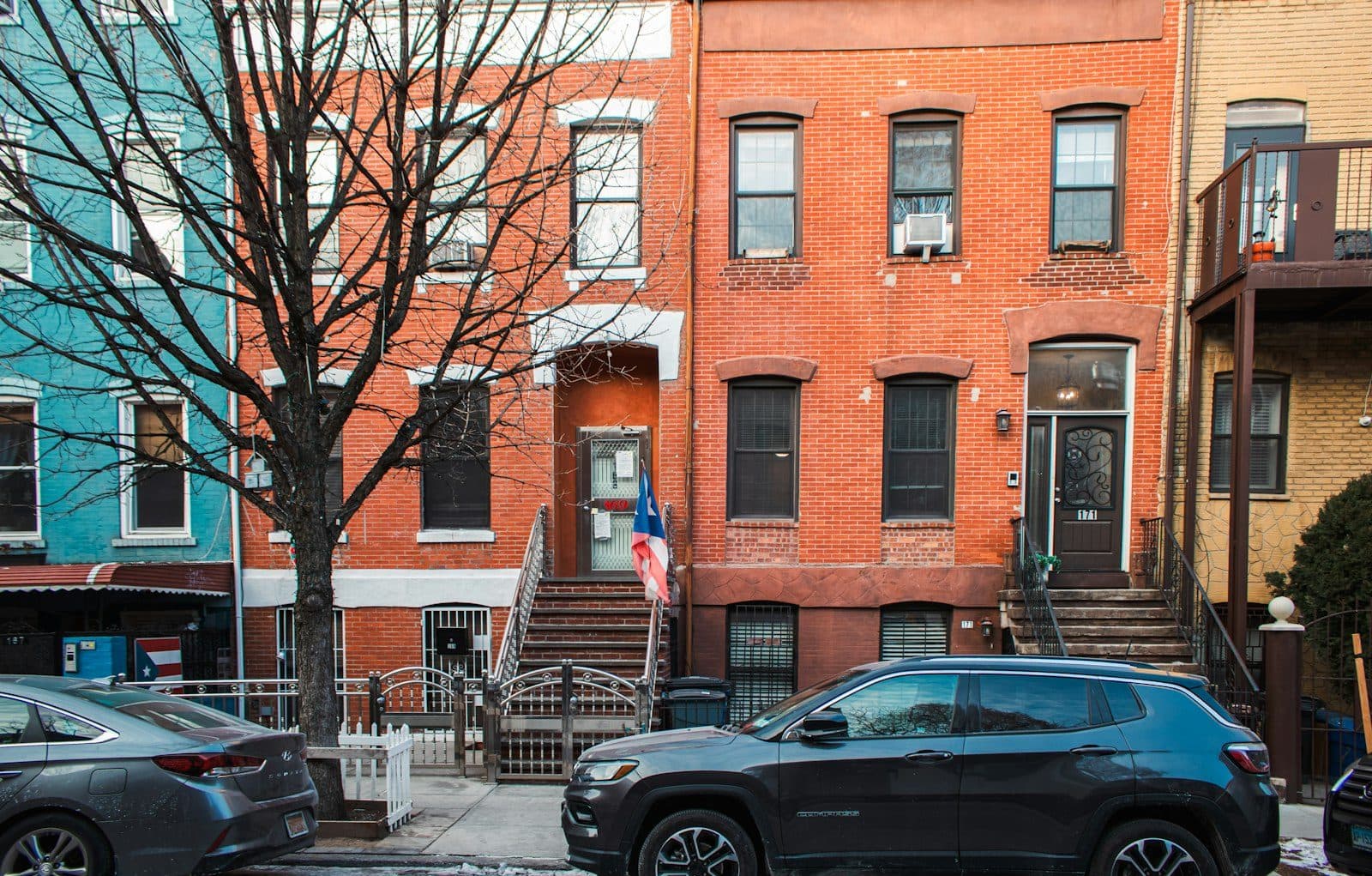
Row houses lining a quiet residential street
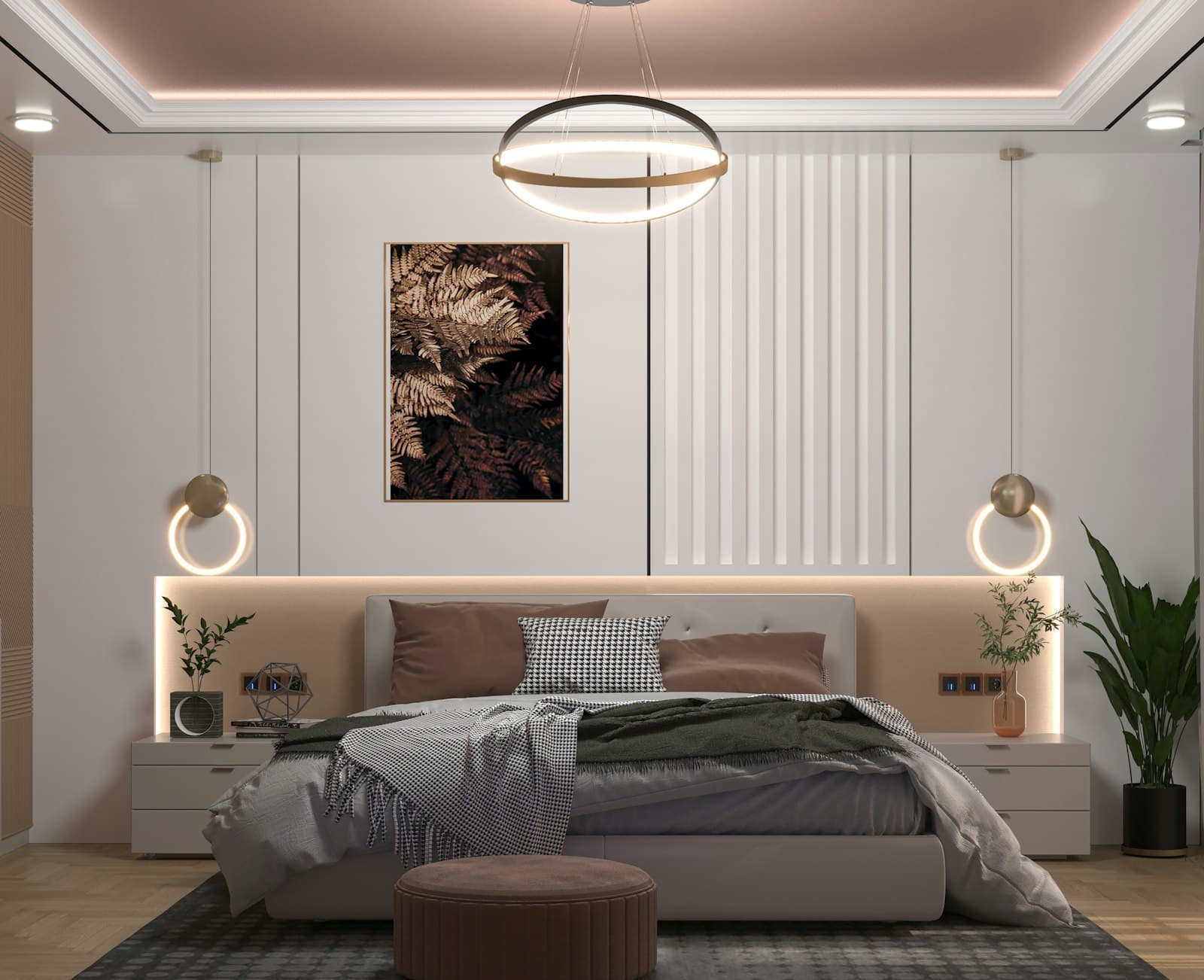
“I walk West End Avenue every week. Knowing the buildings from the inside is what makes the difference for whoever ends up living here.”
— Michael J. Carroll
Answers
West End Avenue, answered
- Traditional pre-war layouts. A classic six is a living room, a formal dining room, a kitchen, two bedrooms, and a small maid's room, usually off the kitchen; a classic seven adds a third bedroom, and a classic eight a fourth. The rooms are separate and well proportioned, the ceilings run nine to ten feet, and many have a working fireplace. They are the signature apartment of West End Avenue and the reason so many families never leave it.
- The 1 train under Broadway, one block east, with stops at 66th Street–Lincoln Center, 72nd (also the 2 and 3), 79th, 86th, 96th (2 and 3), and 103rd Streets. Crosstown buses on 72nd, 79th, 86th, and 96th Streets reach Central Park West and the East Side, and the M57 and M72 serve the southern blocks.
- It is one of the Upper West Side's most established corridors, and the numbers behind that are simple: stable, largely owner-occupied co-op buildings, landmark protection over much of the avenue, layouts that families grow into rather than out of, and a park a block away. The main consideration is meeting the co-op boards' standards, which is where Michael's guidance matters most.
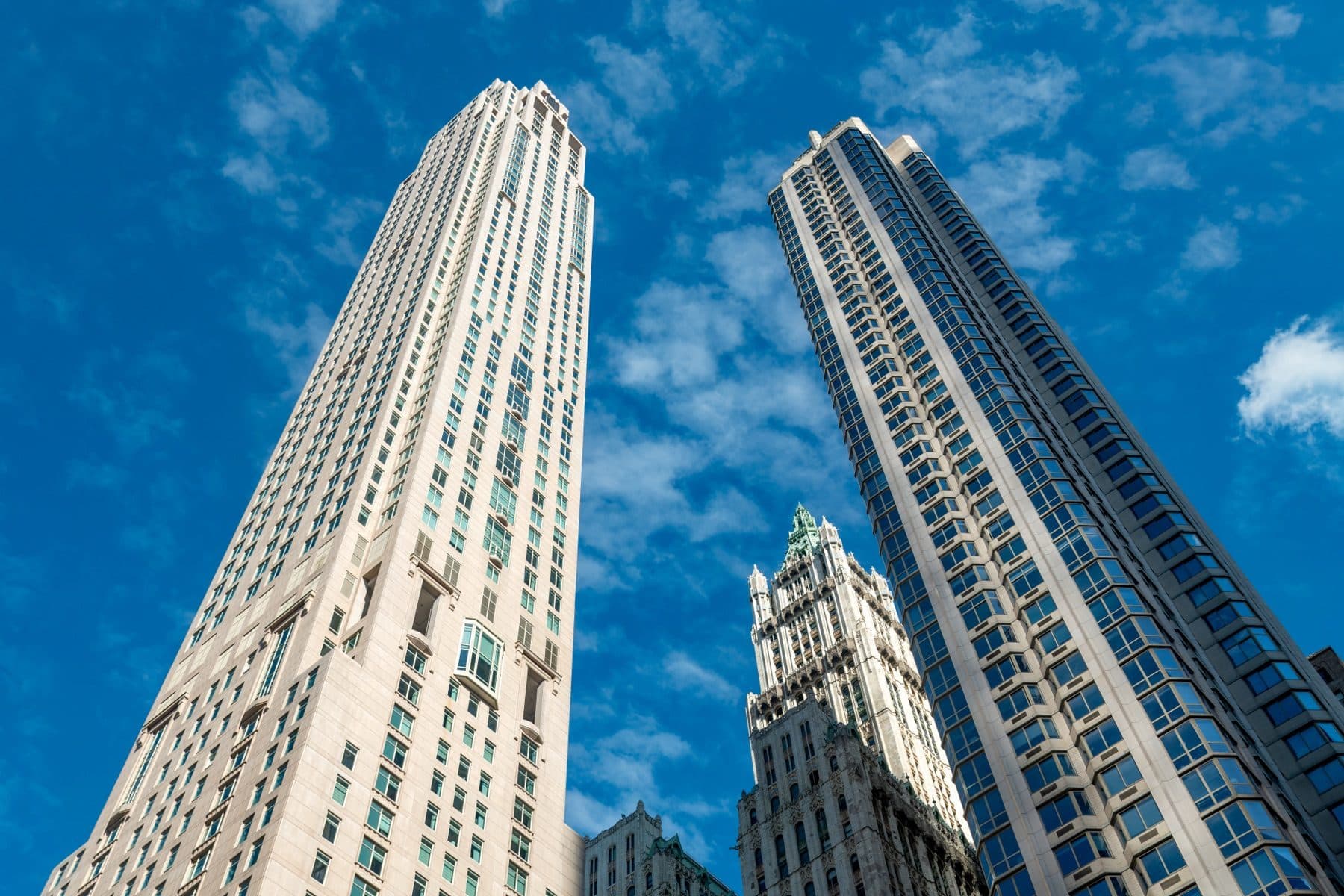
A private consultation
Find your home on West End Avenue
Tell Michael what you are looking for, and he will help you find the right apartment on West End Avenue and in the buildings that fit you best.

What happens next
- 01
Michael reads your note personally
No team inbox. He sees the form himself.
- 02
You'll hear back, usually the same day
By phone or email — whichever you prefer.
- 03
A no-pressure first conversation
Whether you're ready this week or thinking it through.
10+
Years at BHS
Top 1%
Nationwide
$500K–$25M+
Transaction range
Tell Michael about your search
A few quick questions.
Your details stay between you and Michael. No spam. No list.