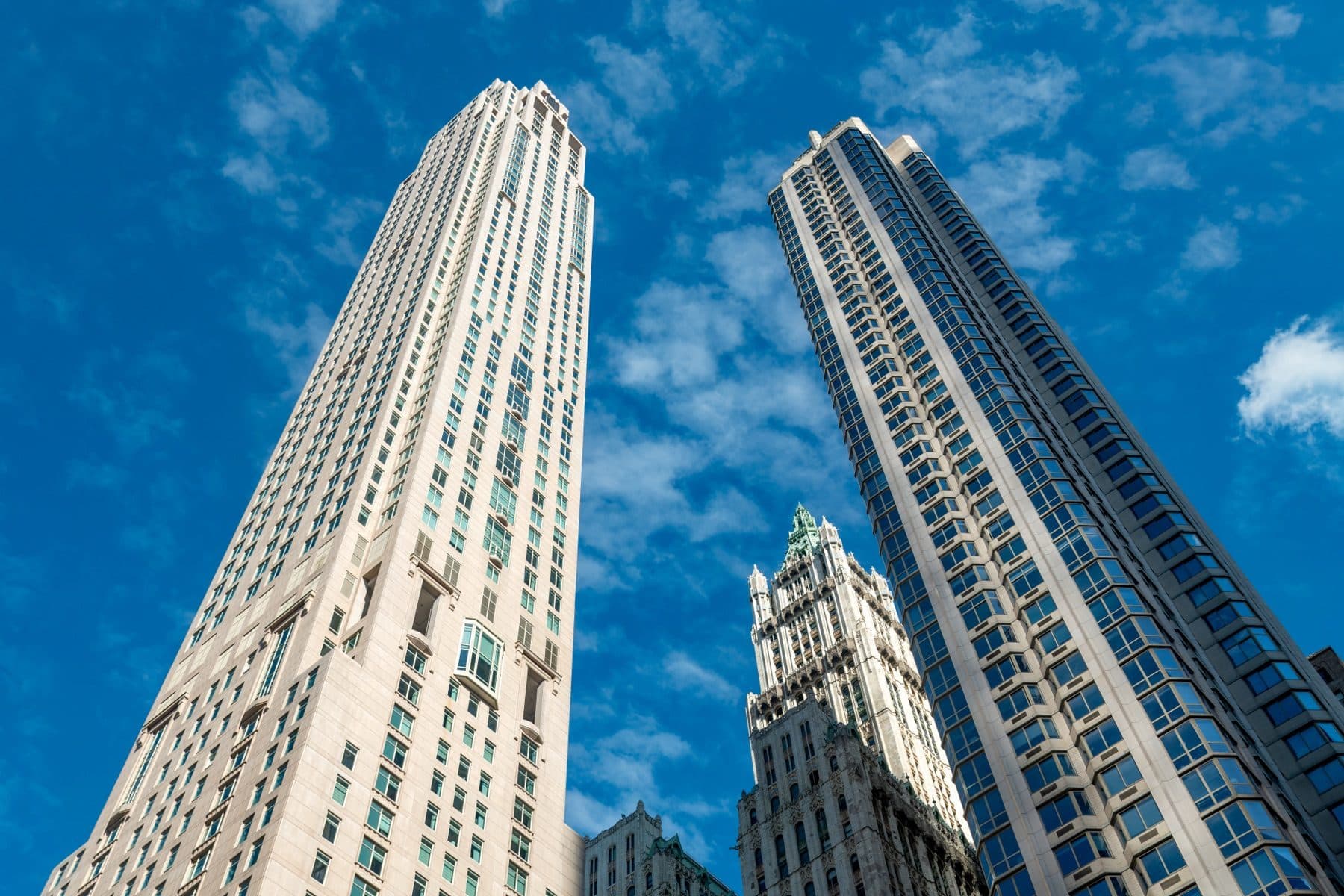
Families who want wider streets, playgrounds within strolling distance, and a slower weekend pace typically gravitate to the Upper West Side, while residents who prioritize museum access, a tighter commute to Midtown and downtown finance jobs, or a more formal pied-a-terre lifestyle often lean toward the Upper East Side. That said, the specific block, the subway stop, and the building’s board culture can flip this general rule entirely.
TL;DR:
- Commute times vary significantly based on proximity to express subway stops, with walking distance to express stations impacting daily travel by at least 15 minutes.
- The Upper East Side has stricter co-op board requirements and lower debt-to-income thresholds compared to the more flexible approval process in the Upper West Side condos.
- Total occupancy costs, including broker fees and amenities, can offset apparent rent or price differences between the neighborhoods.
- Neighborhood safety varies more by specific blocks, so current precinct data and in-person inspections are necessary over general neighborhood reputation.
- Popular schools, parks, and cultural destinations influence neighborhood choice, with the Upper West Side offering Riverside Park and the American Museum of Natural History, while the East Side features the museum corridor and Fifth Avenue galleries.
Table of Contents
- Neighborhood snapshot: vibe, architecture, and who lives there
- Housing: co-ops, condos, and what move-in actually costs
- Transit and commute: subway lines and walking distances
- Schools and family considerations
- Parks, culture, and everyday amenities
- How to choose: a practical checklist for touring
- Local expert perspective: what buyers should request before making an offer
- Safety and crime statistics comparisons
- Demographic and socioeconomic profiles of UWS and UES residents
- Historical background and development of each neighborhood
- Accessibility considerations for people with disabilities or seniors
- Recent and upcoming real estate or infrastructure developments affecting each neighborhood
- Long-term resale and lifestyle tradeoffs worth weighing
- How we can help you choose between the Upper West Side and the Upper East Side
- FAQ
- Sources
Neighborhood snapshot: vibe, architecture, and who lives there
The Upper West Side reads as warmer and more residential, with pre-war apartment buildings along Broadway and West End Avenue, brownstones on the side streets, and a steady mix of families, academics, and media professionals who tend to stay put for years, as detailed in this local culture and neighborhood guide. The Upper East Side carries a more formal character, especially east of Park Avenue, where limestone townhouses and classic six prewar co-ops dominate and the resident mix skews toward finance, law, and old-money families alongside younger professionals filling newer rentals near the Second Avenue corridor.
Retail tells the same story from a different angle:
- The Upper West Side favors neighborhood bakeries, Zabar’s-style food shops, and casual brunch spots that fill up with strollers on weekends.
- The Upper East Side leans toward boutique shopping on Madison Avenue, white-tablecloth restaurants, and a quieter evening street scene outside the avenues.
- Both sides share big-box convenience on their major avenues, but the Upper West Side’s commercial strips feel more local and the Upper East Side’s feel more curated.
Street life on the Upper West Side tends to spill outdoors, while the Upper East Side’s rhythm is more contained to its buildings and private clubs.
Housing: co-ops, condos, and what move-in actually costs
Both neighborhoods are dominated by prewar co-ops, but the ratio of co-op to condo shifts the buyer experience. The Upper East Side has a denser concentration of formal, financially conservative co-op boards, especially in buildings along Fifth and Park Avenues, which means stricter board packages and sometimes lower debt-to-income thresholds. The Upper West Side, including Central Park West and the Lincoln Square pocket near Lincoln Center, mixes grand prewar co-ops with newer condo towers that carry fewer approval hurdles but higher common charges.
- Co-ops on both sides typically require a substantial down payment, board interviews, and full financial disclosure.
- Condos move faster to close but carry higher monthly carrying costs and, often, a steeper purchase price per square foot.
- Rental broker fees remain a real cost on both sides and can erase an apparent rent advantage.
Renters and buyers should factor in total occupancy cost, not just the advertised price. Reporting on New York’s broker-fee rules shows that broker fees remain a material part of rental move-in costs citywide, which can offset what looks like a savings between the two neighborhoods. Amenity packages also diverge: newer Upper West Side condos near Riverside South tend to offer fuller gyms and resident lounges, while many Upper East Side co-ops still rely on a doorman and a laundry room as the full amenity set.
Transit and commute: subway lines and walking distances
Commute feasibility often decides the question before lifestyle preferences even enter the picture. The subway map shows that the Upper West Side is served mainly by the 1/2/3 lines along Broadway and the B/C lines along Central Park West, while the Upper East Side depends primarily on the 4/5/6 lines along Lexington Avenue and the Q along Second Avenue.
- The 2/3 and 4/5 are express trains, cutting travel time to Midtown and downtown dramatically compared to the local 1, 6, B, and C.
- Station spacing on the West Side tends to be wider, so walking distance to a express stop matters more when comparing blocks.
- The newer Q line along Second Avenue has eased a once-serious transit gap on the Upper East Side’s eastern blocks, and that access has already shown up in pricing.
A block’s distance to an express stop can swing commute time by 15 minutes or more each way, which is often the deciding factor over neighborhood identity alone.
Schools and family considerations
Public elementary options come up constantly in these conversations, and both neighborhoods have zoned schools with strong local reputations, including PS 84 on the Upper West Side and PS 198 on the Upper East Side. Zoning lines shift and school performance changes year to year, so any family comparing addresses should confirm current zoning directly with the New York City Department of Education rather than relying on an older listing or forum post.
- Playgrounds and family programming are dense on the Upper West Side, particularly around Riverside Park and the Museum of Natural History’s family days.
- The Upper East Side offers strong private school density and quieter residential blocks that some families prefer for stroller traffic and noise.
- Childcare options, from nanny shares to daycare centers, exist in comparable numbers on both sides, though availability shifts by specific building and block.
Touring a school in person and speaking with the parent coordinator beats relying on a ranking published even a year or two earlier.
Parks, culture, and everyday amenities
The Upper East Side’s defining amenity is its museum corridor along Fifth Avenue, anchored by The Metropolitan Museum of Art, which shapes foot traffic, weekend crowds, and the kind of resident who chooses the neighborhood for cultural access. The Upper West Side counters with the American Museum of Natural History and direct access to Riverside Park, which gives residents a longer, quieter riverside running and dog-walking route than anything on the East Side.
- Central Park sits between both neighborhoods, but the Upper West Side adds a second major green space along the Hudson.
- The Upper East Side’s avenues favor boutique fitness studios and gallery browsing over outdoor recreation.
- Dog owners on the Upper West Side benefit from more off-leash hours and river-adjacent paths.
How to choose: a practical checklist for touring
Before signing anything, narrow the decision to a short list of concrete questions.
- Commute test: walk the actual route from a candidate building to the nearest express subway stop at rush hour.
- Board culture: ask the listing agent whether the building’s co-op board has flexible or strict financial requirements.
- Assessments: request the last two years of board minutes to check for pending capital assessments.
- Broker fees: confirm upfront whether a rental listing is no-fee or carries a broker fee, since that changes the real monthly cost.
- School zoning: verify current zoning for any specific address rather than relying on a building’s marketing material.
Pro Tip: Always ask to see the building’s financial statement and reserve fund balance before falling in love with a unit, since a thin reserve fund often predicts a special assessment within a few years.
Red flags include a board that will not share financials, a listing agent who cannot explain the maintenance increase history, and a rental advertised as “no fee” with no explanation of who pays the broker.
Local expert perspective: what buyers should request before making an offer
The single biggest surprise for first-time buyers is how much closing costs vary between a co-op and a condo purchase. We always recommend requesting the full building financials, a copy of the last annual meeting minutes, and a clear breakdown of flip taxes or transfer fees before writing an offer. A prewar co-op on West End Avenue and a newer condo tower near Lincoln Square can suit completely different buyer profiles even though they sit four blocks apart, so matching building type to your financial picture matters as much as matching neighborhood to lifestyle.
Safety and crime statistics comparisons
Both the Upper West Side and the Upper East Side rank among the safer residential areas of Manhattan, and the practical difference for most buyers comes down to specific blocks rather than the neighborhood as a whole. Well-lit avenues, doorman buildings, and steady foot traffic from retail and restaurants tend to correlate with lower reported incident rates on both sides, while quieter side streets late at night carry the same caution any New York City resident would apply regardless of zip code.
Families and solo residents alike should treat published crime statistics as a starting point rather than a final answer, since precinct boundaries often span several distinct sub-neighborhoods with different conditions. The most reliable approach is checking the current precinct data for the specific blocks under consideration and, where possible, walking those blocks at different times of day before committing to a lease or purchase. Building security, whether a staffed lobby, keyed elevator access, or a virtual doorman system, often matters more to day-to-day safety than the broader neighborhood label.

Both areas also benefit from dense police and sanitation coverage relative to outer boroughs, simply because of their central Manhattan location and property values. Buyers weighing the two should ask their agent or building management directly about any recent incidents reported in building meeting minutes, since that information is often more current and specific than citywide statistics.
Demographic and socioeconomic profiles of UWS and UES residents
The Upper West Side has long attracted an eclectic mix of academics, writers, media professionals, and families drawn to its proximity to Columbia University, Lincoln Center, and the public school options clustered around Riverside Park. That mix has historically skewed toward dual-income professional households with children, alongside longtime rent-stabilized tenants who anchor the neighborhood’s generational diversity.
The Upper East Side carries a more formal socioeconomic profile, particularly in the blocks between Fifth and Park Avenues, where multi-generational wealth and finance-sector income are more visible in both the housing stock and the retail mix. East of Third Avenue, the character shifts toward a younger renter population drawn by relatively lower rents and easier access to the Q line.
Neither neighborhood is monolithic. Both include affordable and market-rate rental stock alongside ultra-luxury co-ops and condos, and both have seen younger professionals move in over the past decade as the city’s broader housing market has tightened. The practical takeaway for buyers is that household composition on a given block often says more about fit than the neighborhood’s broader reputation.
Historical background and development of each neighborhood
The Upper West Side developed later than the Upper East Side, filling in largely after the Ninth Avenue elevated railway and later the subway made the area accessible in the late 1800s and early 1900s. Grand apartment buildings like the Dakota and later the Art Deco towers along Central Park West established the neighborhood’s identity as a home for intellectuals, artists, and professionals rather than old-money families.
The Upper East Side grew earlier and more formally, with Gilded Age mansions along Fifth Avenue setting a tone of established wealth that persists in the co-op culture today. Many of those mansions were later converted or demolished to make way for the prewar apartment buildings that still define Park and Fifth Avenue’s board-driven market.
Both neighborhoods underwent significant mid-century change, with postwar construction filling in avenue frontage on the East Side and the Lincoln Center urban renewal project reshaping the West Side’s southern edge in the 1960s. That history still shows up today in zoning patterns, building age, and the kind of board culture a buyer will encounter on each side.
Accessibility considerations for people with disabilities or seniors
Both neighborhoods present a mixed picture for accessibility, since much of the housing stock predates modern accessibility codes. Prewar buildings on both sides often have ornate lobbies but limited elevator capacity and stairs at building entrances, so buyers or renters with mobility needs should confirm elevator access, doorstep thresholds, and apartment layout in person rather than relying on listing photos.

Newer condo construction, more common on the Upper West Side near Riverside South and Lincoln Square, tends to meet current accessibility standards more consistently, including wider doorways and step-free entrances. The Upper East Side’s newer buildings along Second and Third Avenues offer similar advantages compared to its older Fifth Avenue co-op stock.
Transit accessibility varies by station rather than by neighborhood. Some stops on the 1/2/3 and 4/5/6 lines have elevators while others do not, so travelers and residents who rely on step-free access should check current station-by-station elevator status before choosing a block based on proximity to a particular stop. Sidewalk curb cuts and crosswalk timing are generally comparable across both neighborhoods, though wider avenues on the West Side can mean longer crossing times at major intersections.
Recent and upcoming real estate or infrastructure developments affecting each neighborhood
The Second Avenue subway’s Q line extension has been the single biggest infrastructure shift affecting the Upper East Side in recent years, easing a transit gap that once left the far east blocks a longer walk from service. That access has continued to support pricing and interest in blocks that were previously considered less convenient.
On the Upper West Side, ongoing development around Riverside South and ordinary turnover in older rental buildings near Lincoln Square continue to add condo inventory, broadening options for buyers who want new construction without leaving the neighborhood’s established character. Market activity in the neighborhood continues to reflect steady demand for both prewar co-ops and newer condo product.
MTA documentation on station and service improvements also notes that upgrades to station infrastructure can influence pedestrian flow and neighborhood accessibility over time, which in turn affects how desirable specific blocks become. Buyers evaluating either neighborhood should ask their agent about any pending zoning changes, building conversions, or transit projects near a specific address, since these shifts can move faster than general neighborhood reputation suggests.
Long-term resale and lifestyle tradeoffs worth weighing
In our experience, Upper West Side prewar co-ops near the park hold value steadily because family demand rarely softens, while Upper East Side classic sixes near the museum corridor attract a narrower but reliably wealthy buyer pool. One buyer we worked with chose a smaller Upper West Side unit near Lincoln Square over a larger Upper East Side classic six, trading square footage for a shorter commute and better school access, a tradeoff that fit their five-year plan better than the bigger apartment would have.
— Michael Carroll
How we can help you choose between the Upper West Side and the Upper East Side
Thirty years of working both sides of Manhattan’s co-op and condo market, including service as an Upper West Side board president, gives us a practical read on which buildings fit which buyers and where the real costs hide in a board package.

We walk buyers through neighborhood tours, board-package preparation, and pricing strategy for everything from a starter co-op to a Fifth Avenue classic six, and we do the same groundwork for sellers preparing a listing on either side of the park. If you are ready to compare specific buildings rather than general neighborhoods, reach out to start the buying process and get personalized guidance through your options.
FAQ
Is the Upper East Side richer than the Upper West Side?
The Upper East Side, particularly the blocks between Fifth and Park Avenues, has historically concentrated more old-money wealth and finance-sector income than the Upper West Side. Both neighborhoods include a wide range of incomes, so this generalization holds better at the avenue level than across the entire zip code.
Which is fancier, the Upper East Side or the Upper West Side?
The Upper East Side carries a more formal, old-money character, especially near the museum corridor and Park Avenue, while the Upper West Side feels more residential and relaxed despite its own share of grand prewar buildings. “Fancier” often depends on whether a reader means architectural formality or simple price per square foot, which can run close on both sides depending on the building.
Is the West Village more expensive than the East Village?
This comparison applies to Greenwich Village neighborhoods further downtown, not to the Upper West Side or Upper East Side covered in this comparison. The West Village has generally carried higher per-square-foot pricing than the East Village due to its lower building density and historic district protections.
What’s the core difference between the Upper East Side and the Upper West Side?
The Upper West Side leans toward families and a relaxed, park-and-river-adjacent lifestyle served by the 1/2/3 and B/C subway lines, while the Upper East Side leans toward a more formal, museum-adjacent lifestyle served by the 4/5/6 and Q lines. Housing stock, school zoning, and commute times vary enough block by block that the specific address often matters more than the broad neighborhood label.
Should I buy a co-op or a condo on either side of the park?
Co-ops are more common on both sides and typically require board approval, larger down payments, and full financial disclosure, while condos close faster and allow more flexible ownership structures, including LLC or foreign buyers. The right choice between a co-op and condo depends on your financing, timeline, and how much board scrutiny you are prepared to go through.
Sources
- Subway map (broadline reference)
- The city: What to know about New York’s latest attempt to end forced broker fees for renters
- American Museum of Natural History
- The Metropolitan Museum of Art