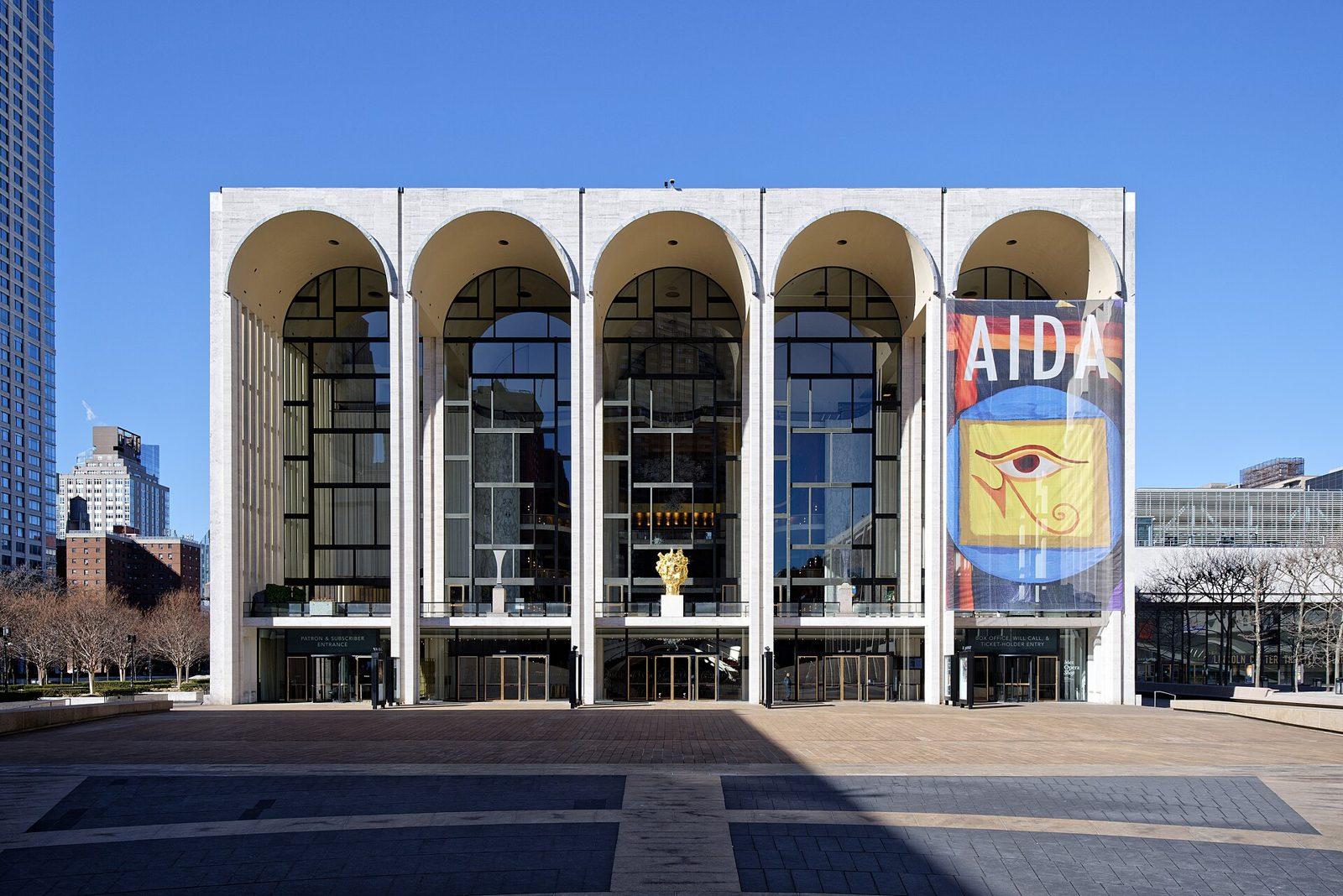
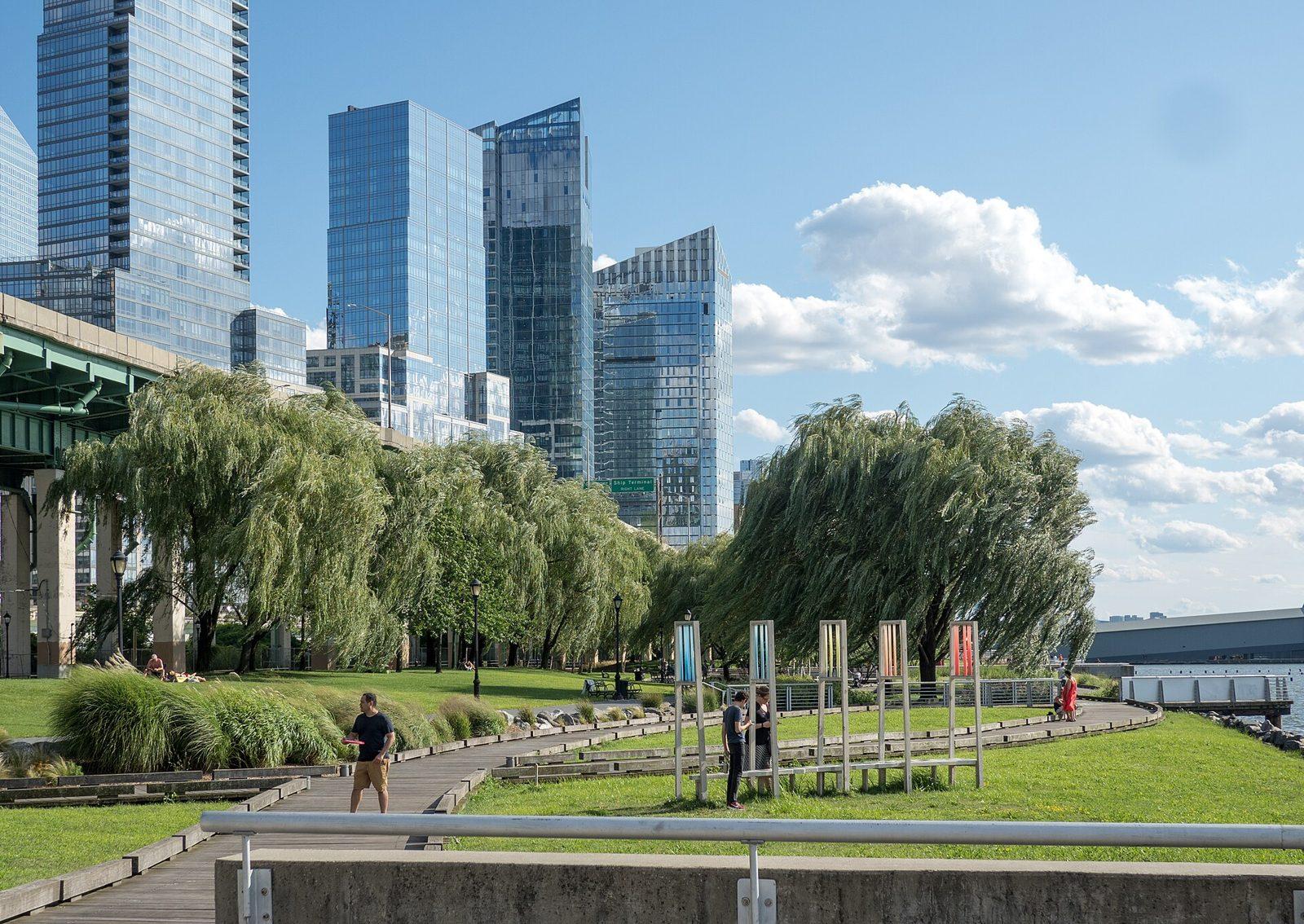
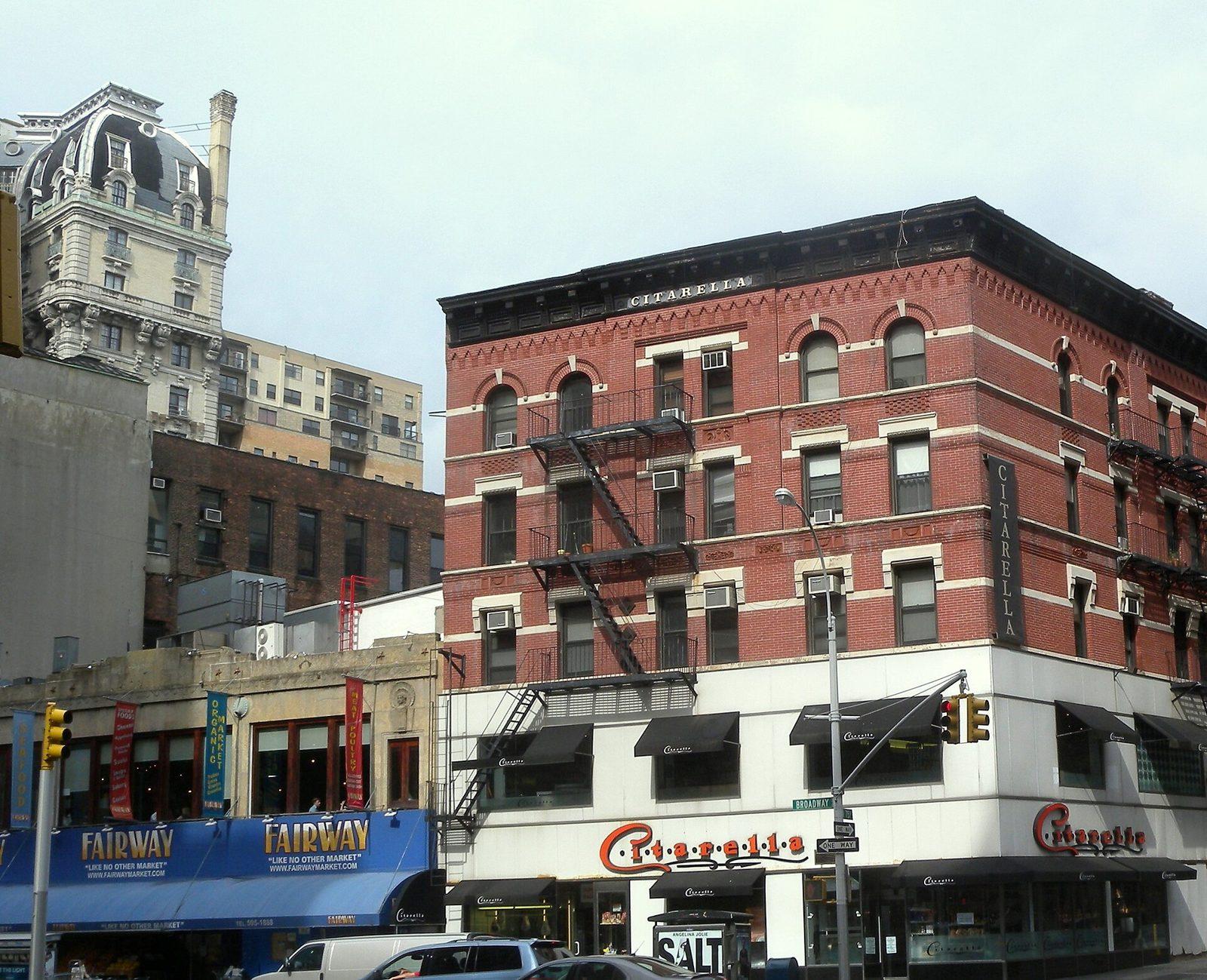
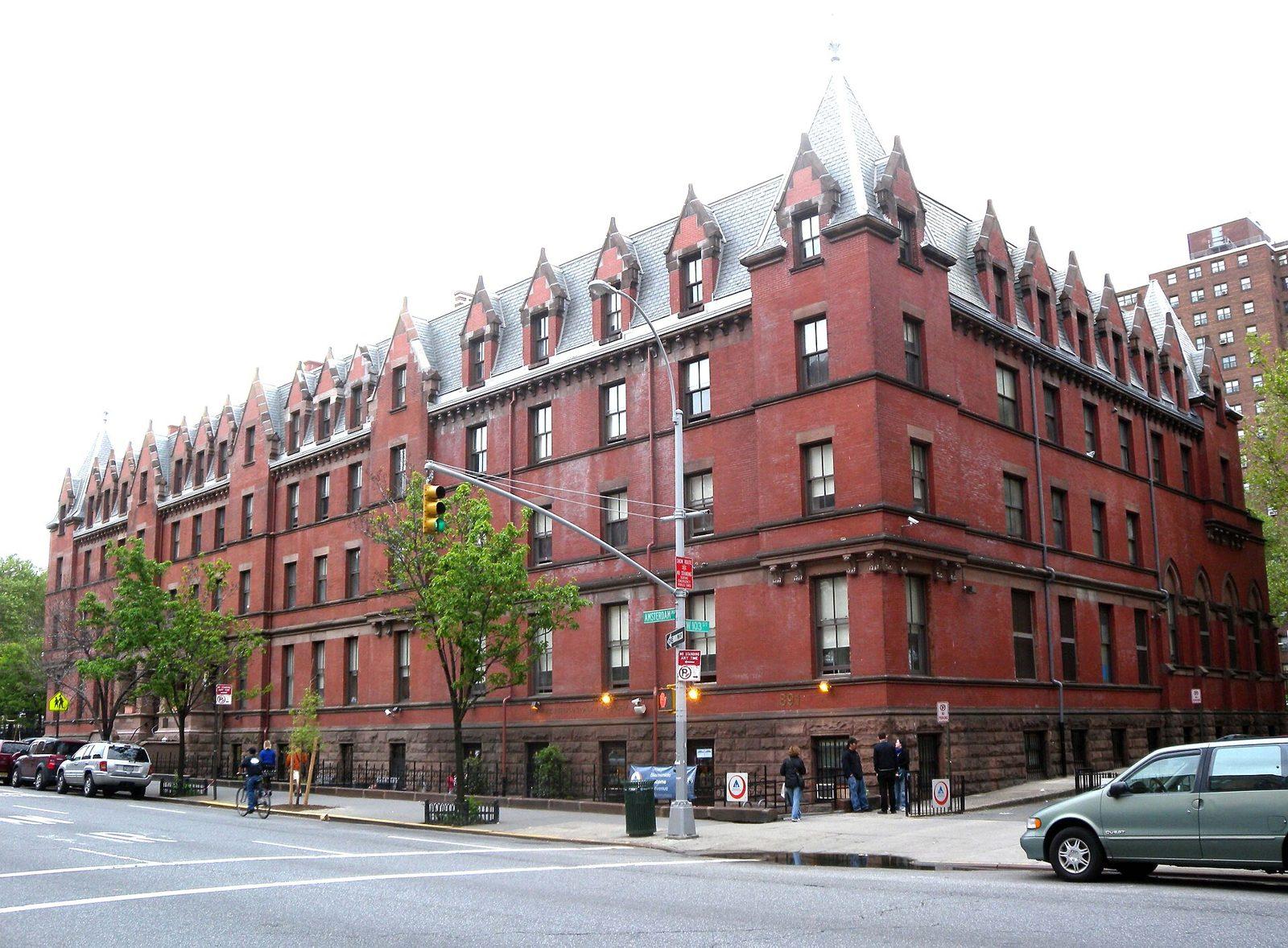
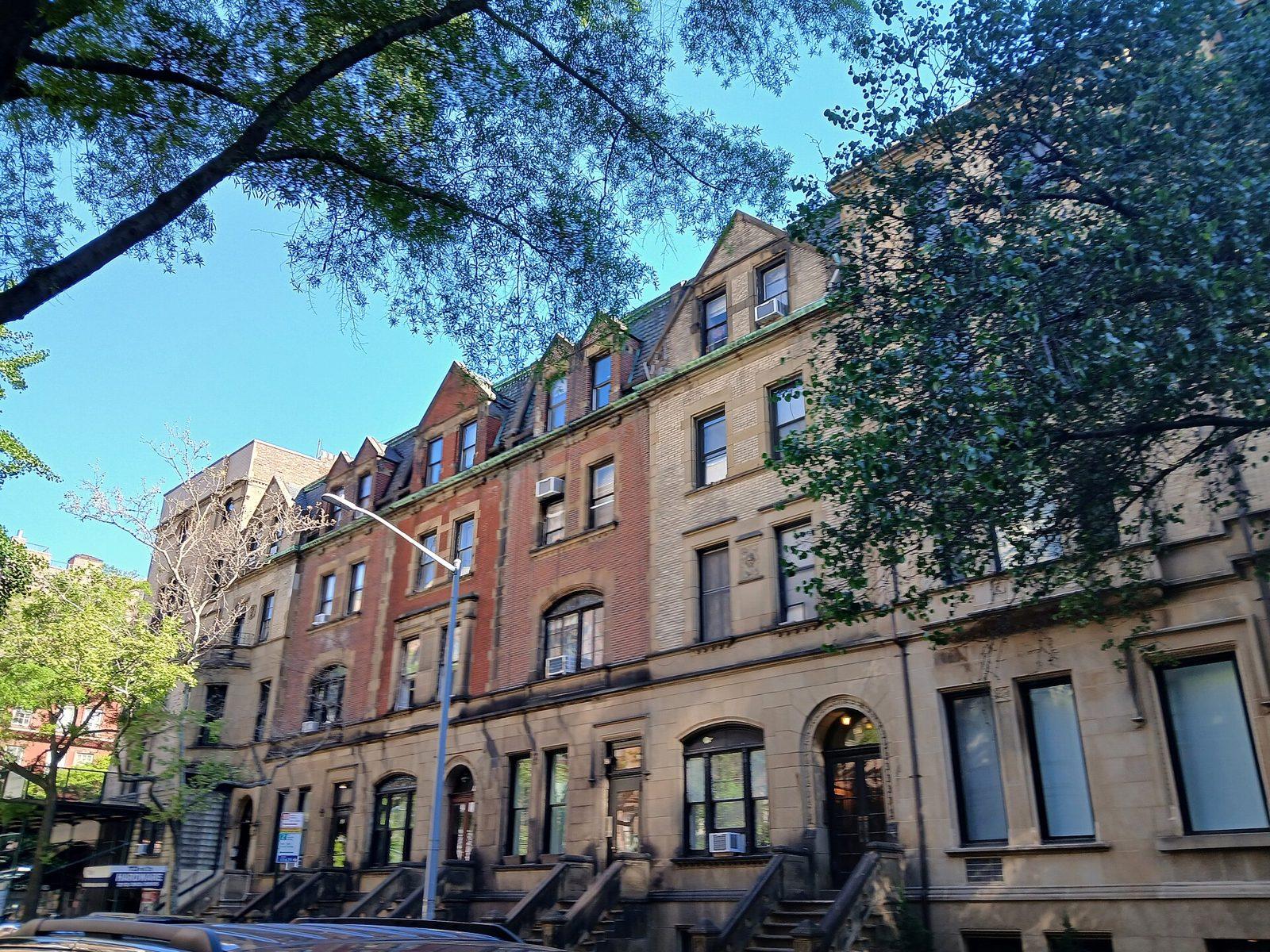
Historic districts protect large parts of the neighborhood, and development sites are scarce, so few new buildings can be built. Estimates put new condo supply through 2028 at just 51 units.
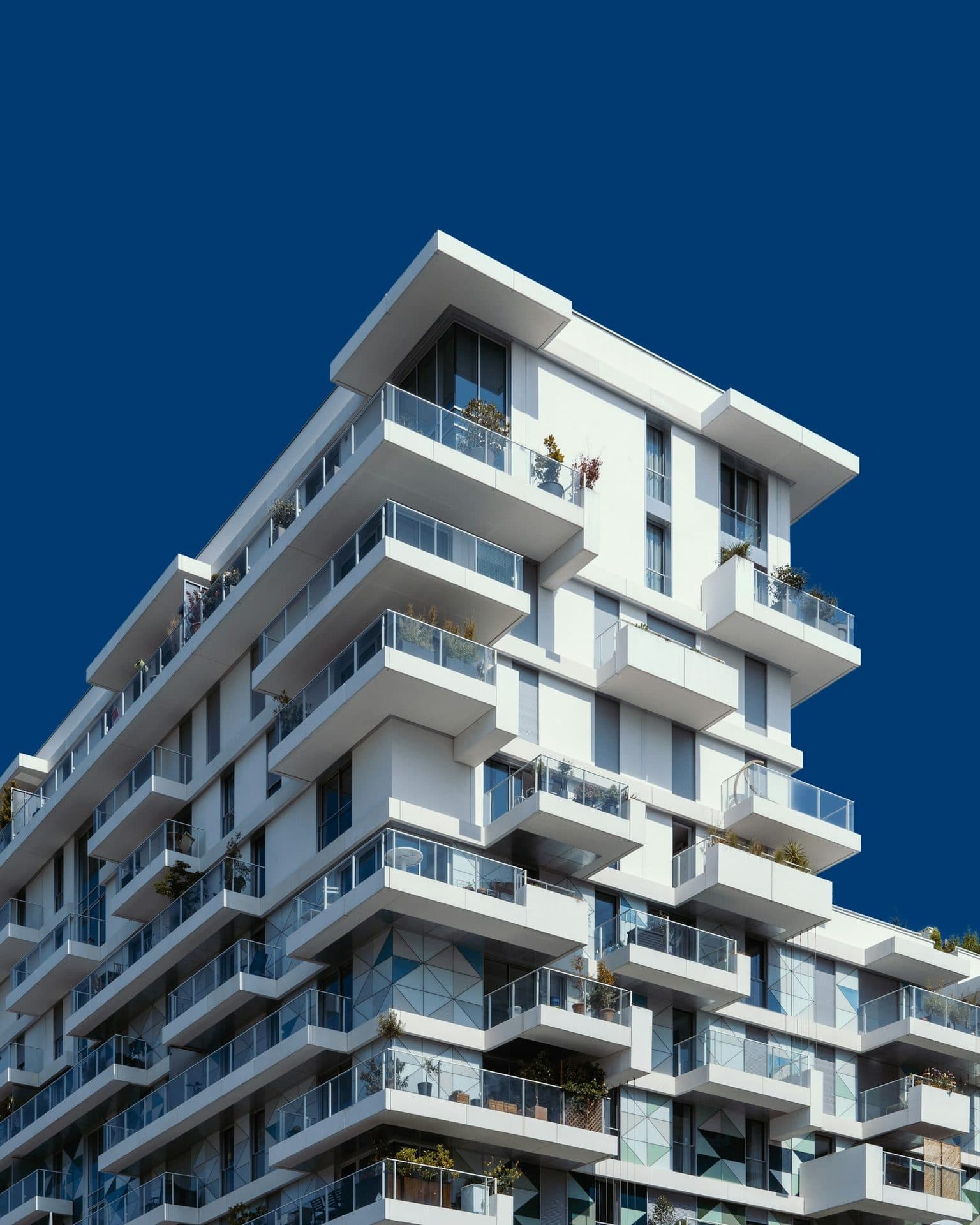
Upper West Side · New development
New Development Condos on the Upper West Side.
New development is rare on the Upper West Side. Historic districts cover much of the neighborhood, and Corcoran Sunshine estimated only 51 new condo units would arrive in the three years through 2028, down from 869 between 2016 and 2019. The new buildings that do appear, along Broadway, in Lincoln Square, and on a few side streets, sell quickly to buyers who want central air, amenities, and no co-op board. You buy from the developer under an offering plan, so the plan, the projected budget, and the developer's track record matter as much as the finishes.
Upper West Side New Developments
What should you know before buying new development on the Upper West Side?
On the Upper West Side, a brand-new condo is the exception rather than the rule. Much of the neighborhood is landmarked, and most of its homes are pre-war co-ops, so the handful of new buildings that rise each cycle draw intense interest. Michael J. Carroll lives in the neighborhood and serves as president of his own condominium board, so he looks at a new building the way its future owners will have to: as a budget, a reserve fund, and a board that will eventually be theirs.
This guide explains what counts as new development here, where the new buildings are, the projects worth knowing, what new construction really costs, how buying from a sponsor works, who new development suits, and what to check before you sign a sponsor contract. For the wider condo market, including resales, see Upper West Side condos.
At a glance
New development in five facts
New condo supply on the Upper West Side has fallen to a trickle, which keeps prices for new buildings high.
Recent and upcoming projects include 200 West 88th Street, The Henry, The Rockwell, and the Lincoln Square towers.
Buying new means buying from a sponsor under an offering plan filed with the New York Attorney General.
Sponsor contracts often shift closing costs that sellers usually pay, such as transfer taxes, to the buyer.
The first-year budget is a projection; reserves, sponsor control, and construction quality decide what you really pay later.
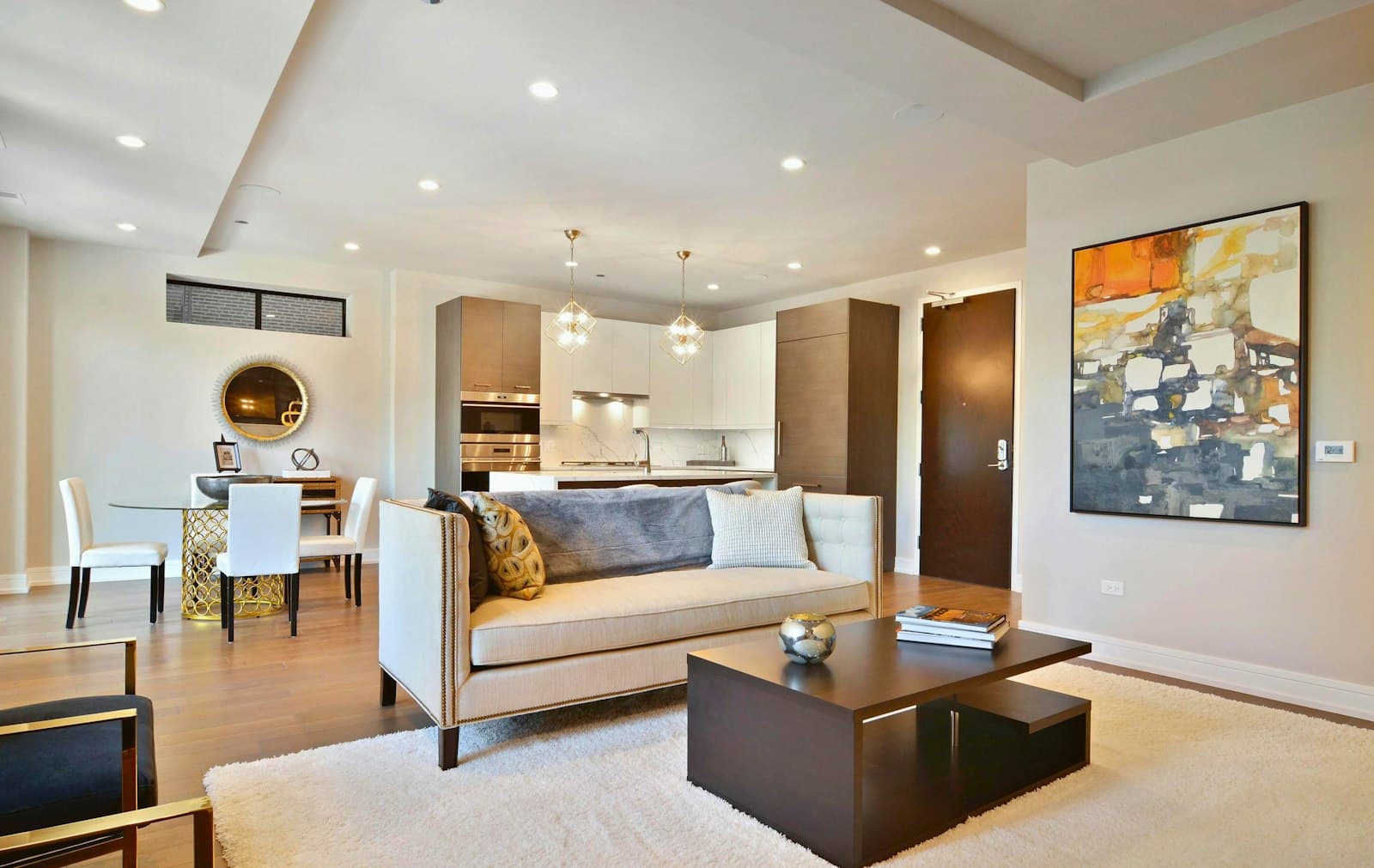
Upper West Side New Developments
What counts as new development on the Upper West Side?
New development means apartments sold for the first time by a developer, known as the sponsor, under an offering plan. On the Upper West Side that includes both ground-up towers and gut conversions of older buildings into new condominiums.
What these share is the purchase structure: you buy from the sponsor, under a plan reviewed by the state, in a building whose first board is controlled by the developer until most units sell.
New, not resale
What that means when you shop
New buildings here come in four kinds, and each suits different buyers:
Ground-up towers
Tall new buildings in Lincoln Square and along the river, with full amenity floors, doormen, and views above the surrounding blocks.
Mid-rise buildings on Broadway
Recent projects such as 200 West 88th Street that echo pre-war neighbors with limestone bases and setback terraces, often aimed at families with three- to five-bedroom layouts.
Boutique buildings
Small side-street projects of a handful of floor-through apartments, such as Etage on West 80th Street, sometimes built on former garage or low-rise sites.
Pre-war conversions
Older buildings gutted and reborn as condominiums, combining classic facades and proportions with new systems inside.
New, not resale
New development, new construction, or a resale in a new building?
Three phrases get used loosely, and the difference changes what you buy:
New development
The first sale of an apartment by the sponsor, under the offering plan. Every unit at The Henry or 200 West 88th Street was new development when it first sold.
New construction
A description of the building, not the sale. A ten-year-old tower on Riverside Boulevard is newer construction, but its apartments now trade as resales.
Resale in a newer building
An apartment bought from an owner rather than the sponsor. You get the same modern systems, plus several years of real budgets and board minutes to read.
If modern systems matter more than being first owner, a resale in a building such as those at Waterline Square can give you the same features with a track record attached.
Why is new construction so rare on the Upper West Side?
Three forces limit what can be built. First, historic districts: much of the neighborhood between Central Park West and Riverside Drive sits inside protected districts, where new buildings need Landmarks approval and tall towers are rarely possible. Second, zoning: many side streets are zoned for buildings close to the height of the brownstones around them. Third, land: the large sites that made Lincoln Square and Riverside South possible, such as former rail yards, have already been used. What is left are single lots, garages, and older low-rise buildings, which is why projects like Etage on West 80th Street are small.
Upper West Side New Developments
Where new buildings rise
Where are the new buildings on the Upper West Side?
New construction appears where historic districts end and sites can be assembled. As CityRealty notes, much of the neighborhood is protected, so new condos cluster in a few areas.
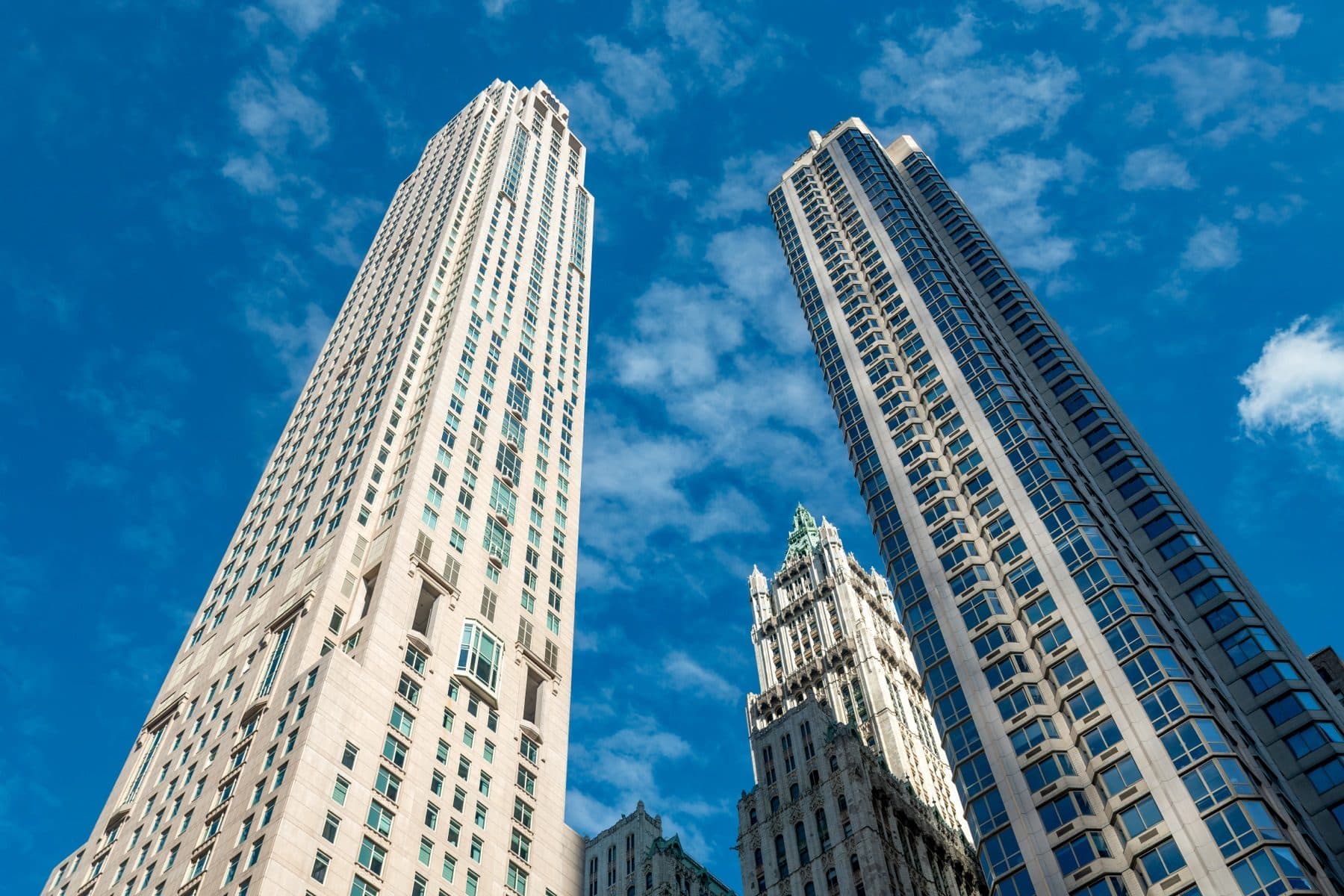
The West 60s around Lincoln Center hold the tallest new towers, including 50 West 66th Street and 200 Amsterdam Avenue. Read Lincoln Square apartments.
The Riverside Boulevard towers and Waterline Square, built on former rail yards, are the neighborhood's largest new-construction district, now mostly resales.
Mid-rise buildings on Broadway and its side streets, such as The Henry on West 84th Street and 200 West 88th Street, a short walk from the 86th Street stations.
Newer buildings north of 96th Street, including The Rockwell on West 103rd Street and 2505 Broadway, often offer more space for the money.
Small projects such as Etage on West 80th Street, a garage site near Zabar's being converted into a handful of floor-through condominiums.
Where new buildings rise
What does a new building on the Broadway corridor usually offer?
New mid-rise buildings along Broadway, such as The Henry on West 84th Street, tend to follow a pattern that answers what pre-war buildings lack:
Larger family layouts
Three- and four-bedroom apartments with a separate kitchen or an open kitchen with an island, plus a laundry room.
Private outdoor space
Setback terraces on upper floors, which are rare in the pre-war buildings nearby.
Building services
A doorman, a gym, storage, a children's playroom, and often a package room sized for modern deliveries.
Quieter, efficient systems
Central air and heat, triple- or double-pane windows, and, at 200 West 88th Street, all-electric systems.
Those features explain why buyers pay more per square foot for a new building than for a comparable pre-war apartment a block away.
Upper West Side New Developments
Lincoln Square towers or a Broadway mid-rise?
The two main kinds of new building on the Upper West Side suit different buyers. Towers near Lincoln Center, such as 50 West 66th Street and 200 Amsterdam Avenue, offer views, height, and large amenity floors, and they sit beside the cultural institutions of the West 60s. Mid-rise buildings on Broadway, such as The Henry and 200 West 88th Street, feel closer to the neighborhood's residential blocks, with fewer apartments, a quieter lobby, and Riverside Park or Central Park a few minutes' walk away. Choose by how you want to live day to day, not only by the finishes.
The new names
Which new developments should Upper West Side buyers know?
A short list of recent and upcoming buildings defines new construction on the Upper West Side. Each shows a different side of what new development offers, from penthouse towers to family-sized mid-rises.
200 West 88th Street
An 18-story building by Robert A.M. Stern Architects with 36 three- to five-bedroom condos, many reached by direct elevator, and the firm's first all-electric project, according to CityRealty.
The Henry
Naftali Group's 45-unit building on West 84th Street, also designed by Robert A.M. Stern Architects, which sold about 70 percent of its units within roughly a year of launch, as Bloomberg reported.
The Rockwell
Toll Brothers' 81-unit building on West 103rd Street, largely sold since sales began in 2023.
2505 Broadway
A newer condominium on upper Broadway designed by ODA, aimed at buyers wanting space north of 96th Street.
50 West 66th Street
Extell's Snøhetta-designed tower in Lincoln Square, the tallest new building in the neighborhood.
200 Amsterdam Avenue
The 668-foot tower in Lincoln Square, finished in 2021.
Etage
A seven-story, six-condo boutique project on West 80th Street by ZHL Group, designed by Z Architecture.
New buildings sell out and become resales quickly here, so the same names often reappear later as resale condos, with their first years of operating history to review.
Upper West Side New Developments
Why do new buildings resell more slowly at first?
When a sponsor is still selling, resales in the same building compete directly with the sponsor's inventory, and the sponsor can offer credits that individual owners cannot. Early resales at a building such as The Rockwell or 2505 Broadway can therefore sit longer or sell for less than the sponsor's last price. Once the sponsor sells out, resales trade on their own merits, helped by the building's operating history. If you expect to sell within a few years, factor in that the first resale cycle in a new building is often its hardest.
What does new development cost on the Upper West Side?
New construction sits at the top of the Upper West Side market. Bloomberg reported that resale condos in the neighborhood traded at a median of $1.6 million in the third quarter of 2025, while the cheapest deal at 50 West 66th Street was $3.6 million, as reproduced by Naftali Group.
Scarcity drives those prices. The same Bloomberg report, citing Corcoran Sunshine, found the Upper West Side was due just 51 new condo units in the three years through 2028, a 94 percent drop from the 869 added from 2016 to 2019, per Naftali Group's copy of the article. At 200 West 88th Street, public prices at launch started at $5.375 million for three-bedrooms and reached $17.75 million for a penthouse, according to CityRealty.
Upper West Side New Developments
- 51New condo units expected on the Upper West Side in the three years through 2028
- 94%Drop from the 869 new condos added from 2016 to 2019
- $5.375MStarting public price for a three-bedroom at 200 West 88th Street at launch
- 66%Share of units sold, on average, in new Upper West Side buildings (vs 55% Manhattan)
Sources: Bloomberg (October 2025) citing Corcoran Sunshine and Marketproof; CityRealty (October 2026).
Budget for
The costs on top of the price
The closing costs guide breaks out each line for resales and new construction.
Sponsor-shifted closing costs
New York sponsors commonly require the buyer to pay costs a resale seller would usually pay, such as the city and state transfer taxes, on top of the mansion tax of 1 percent on residences of $1 million or more, per the New York State Department of Taxation and Finance.
The working capital contribution
Most new buildings collect one or two months of common charges at closing to seed the reserve fund.
Projected common charges
The offering plan's first-year budget is an estimate; actual charges often rise once the building runs on real costs.
Real estate taxes
New buildings are often assessed higher at first; check what the plan projects and whether any abatement applies.
The pied-à-terre surcharge
Apartments the city values above $1 million that are not your primary residence carry an annual surcharge; see the NYC Department of Finance.
The real numbers
How to compare two new buildings side by side
When you are choosing between new buildings, such as a Lincoln Square tower and a Broadway mid-rise, compare them on the same seven lines:
Price per square foot
, using the floor plan's square footage, not a marketing figure.
Projected common charges and taxes
, per month, from each offering plan's first-year budget.
The closing costs each sponsor shifts to you
, written out in dollars.
Reserves and working capital
, as a share of the first-year budget.
Sponsor terms
, including the deposit, the closing timeline, and what happens if construction runs late.
The developer's record
, including past buildings and how their owners rate the sponsor's repairs.
Light, outlook, and noise
, checked at the actual apartment and floor, not the model.
A building that wins on finishes can lose on the second through fourth lines, which are the costs you live with.
Offer to keys
How does buying new development on the Upper West Side work?
Buying from a sponsor follows the offering plan, not a board package. The timeline depends on construction: if the building is finished, closing can take a couple of months; if it is still rising, you may sign now and close a year or more later.
Read the offering plan first
It is the sponsor's disclosure document, filed with the New York Attorney General, describing the building, the budget, and your rights.
Check every amendment
Plans are amended as construction and sales progress; changes to the building or the budget appear here.
Negotiate where you can
Sponsors may negotiate price, closing-cost credits, storage, or parking, especially later in a sales program.
Sign the sponsor's contract
Your attorney negotiates within the sponsor's form; the deposit, set by the plan, is held in escrow.
Wait for completion
For buildings under construction, closing happens once the building receives a temporary certificate of occupancy.
Walk through and punch-list
Inspect the finished apartment and record any defects for the sponsor to fix.
Close
Pay the purchase price, the shifted closing costs, and the working capital contribution, and receive your deed.
Join the building
You become an owner in a condominium whose board is controlled by the sponsor until most units sell.
The condo buying guide covers the city-wide rules for both new and resale condos.
Offer to keys
What is in an offering plan, and what should you read first?
An offering plan can run hundreds of pages, but a few sections tell you most of what you need:
The first-year budget
, including projected common charges, staff, and reserves.
The description of the property
, which sets out what the sponsor is obliged to build and deliver.
The closing-cost section
, which lists what the sponsor shifts to you.
Sponsor control and unsold units
, including how long the sponsor controls the board and what happens if units remain unsold.
Amendments
, which update all of the above as the project progresses.
Upper West Side New Developments
What does a sponsor deposit and escrow protect?
Your deposit, commonly a set share of the price stated in the offering plan, is held in escrow by the sponsor's attorney until closing, as the plan requires. The escrow protects you if the sponsor fails to deliver; it does not protect you if you walk away without a contract right to do so. Read the default and termination sections of the contract with your attorney, and confirm what happens if the building at, for example, 200 West 88th Street, does not receive its temporary certificate of occupancy by the outside closing date in the plan.
Who it suits
Who is new development on the Upper West Side right for?
New development suits buyers who want a move-in-ready home with modern systems, and who value that over pre-war character and a lower price. Five kinds of buyers choose it most often.
Families wanting large layouts
Three- to five-bedroom apartments at buildings such as 200 West 88th Street are rare in the neighborhood's resale market.
Buyers avoiding a co-op board
A sponsor sale has no board interview, which appeals to buyers with complex finances or entity structures.
Buyers who want modern systems
Central air, in-unit laundry, all-electric heating, and soundproofing are standard in new buildings and hard to add in older ones.
Downsizers from houses
Full-service buildings with amenities and no renovation needed suit owners leaving a townhouse or suburb.
International and second-home buyers
Condo ownership allows purchases that co-ops restrict, subject to the city's pied-à-terre surcharge if the home is not a primary residence.
If you value space for the money or pre-war detail more than newness, the neighborhood's resale co-ops and condos may serve you better; see Upper West Side co-ops.
Who it suits
When does a resale beat a new building?
New development is not always the better buy. A resale in a newer building can be better value when:
The sponsor has sold out
, so the building's budget and reserves now have real history.
You need to move soon
, and a building under construction would not close for a year or more.
You want to negotiate freely
, without the sponsor's form contract and shifted closing costs.
The building's first problems have been fixed
, with the board's records showing how leaks or mechanical issues were handled.
Riverside Boulevard and Waterline Square offer many such resales; compare them with the new buildings before you commit to a sponsor contract.
From inside the board
What should you check before buying from a sponsor?
Buying new means buying into a building with no history, run at first by the developer. From his seat as a condo board president, these are the five things Michael checks before his buyers sign a sponsor contract:
Whether the budget is realistic
First-year budgets are often optimistic; compare projected common charges with similar buildings that have a few years of real costs.
How the reserves are funded
Working capital contributions seed the reserve fund; a thin fund means the board will raise charges or assess sooner.
Sponsor control and transition
The sponsor controls the board until most units sell; ask when owners take over and what the sponsor owes for unsold units' common charges.
Construction quality and warranty
New buildings often have early leaks, facade, or mechanical issues; owners need records and a plan to pursue the sponsor for defects.
Unsold and rented units
If the sponsor rents unsold apartments, the building can become more rental than owner-occupied, which affects financing and resale. Ask how many units at a building such as The Rockwell or 200 West 88th Street remain with the sponsor.
Those checks protect you from the most common new-building disappointment: a beautiful apartment in a building whose charges rise sharply once the sponsor leaves. They are the same questions a board president asks when the building becomes the owners' to run.
A walk through Upper West Side New Developments
New Upper West Side, in light.
The buildings, blocks, and rooms that define Upper West Side New Developments — captured on Michael's walks home.
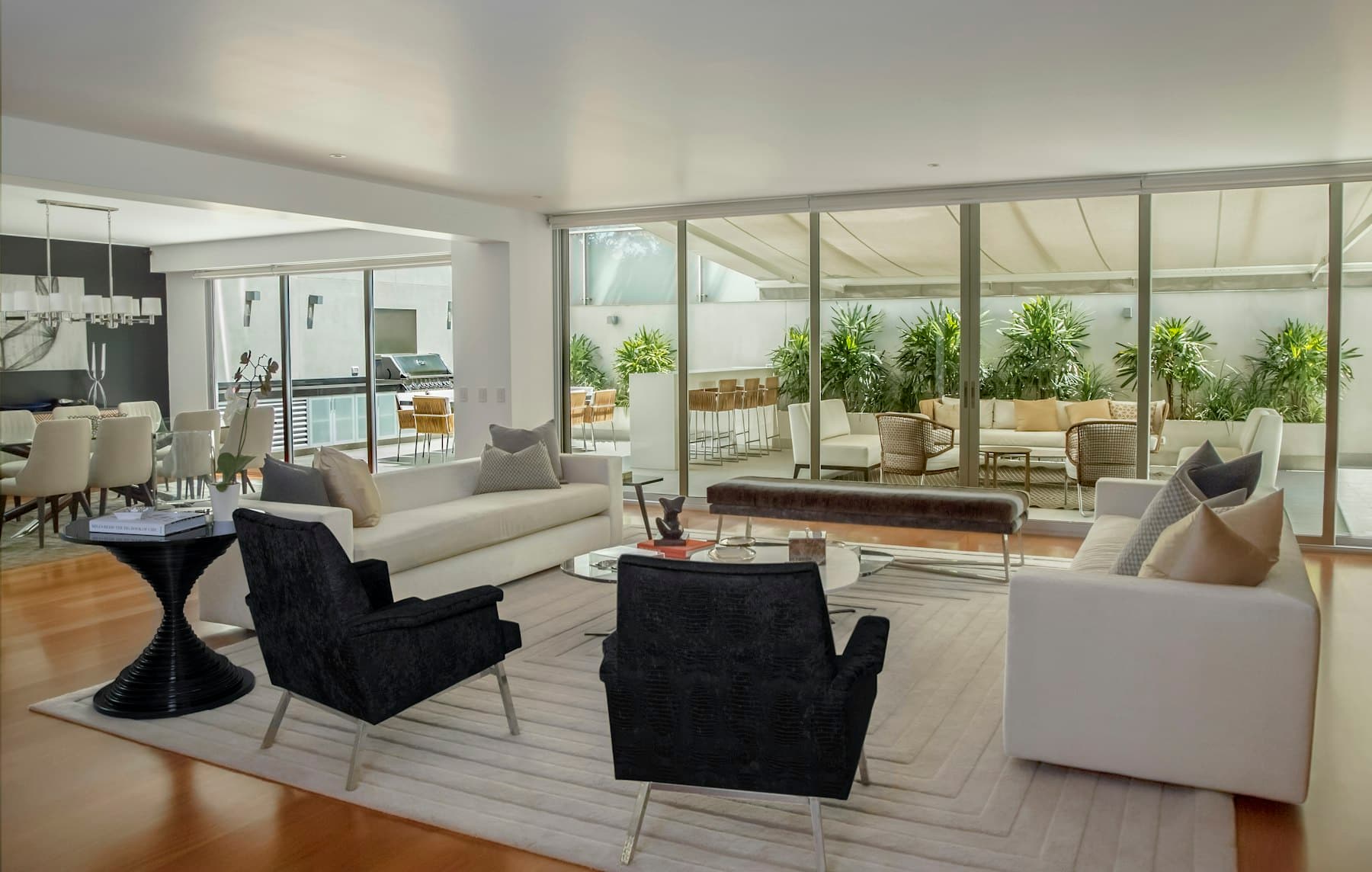
A luxury Manhattan penthouse living room with floor-to-ceiling glass
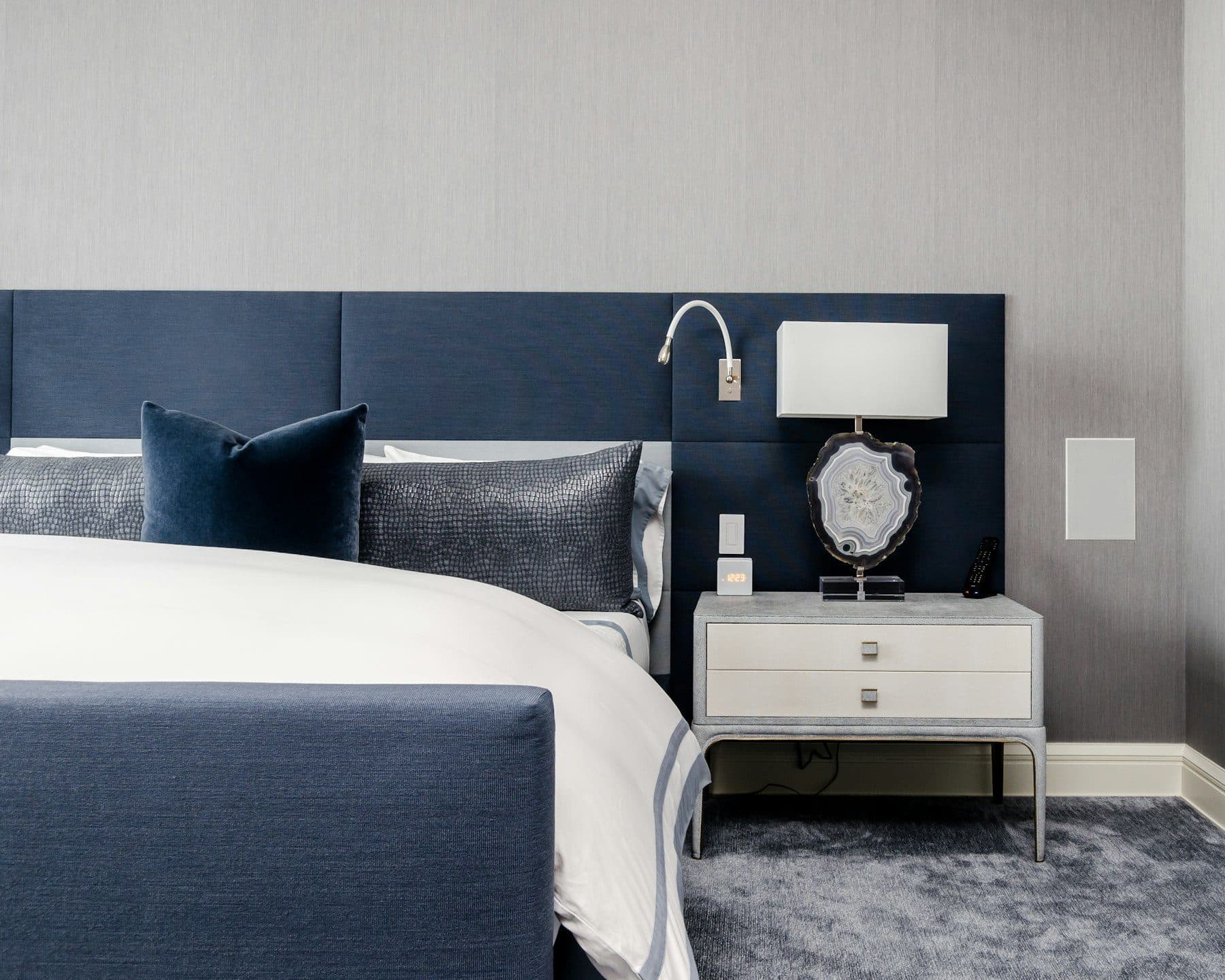
A refined navy and ivory primary bedroom with a tufted headboard
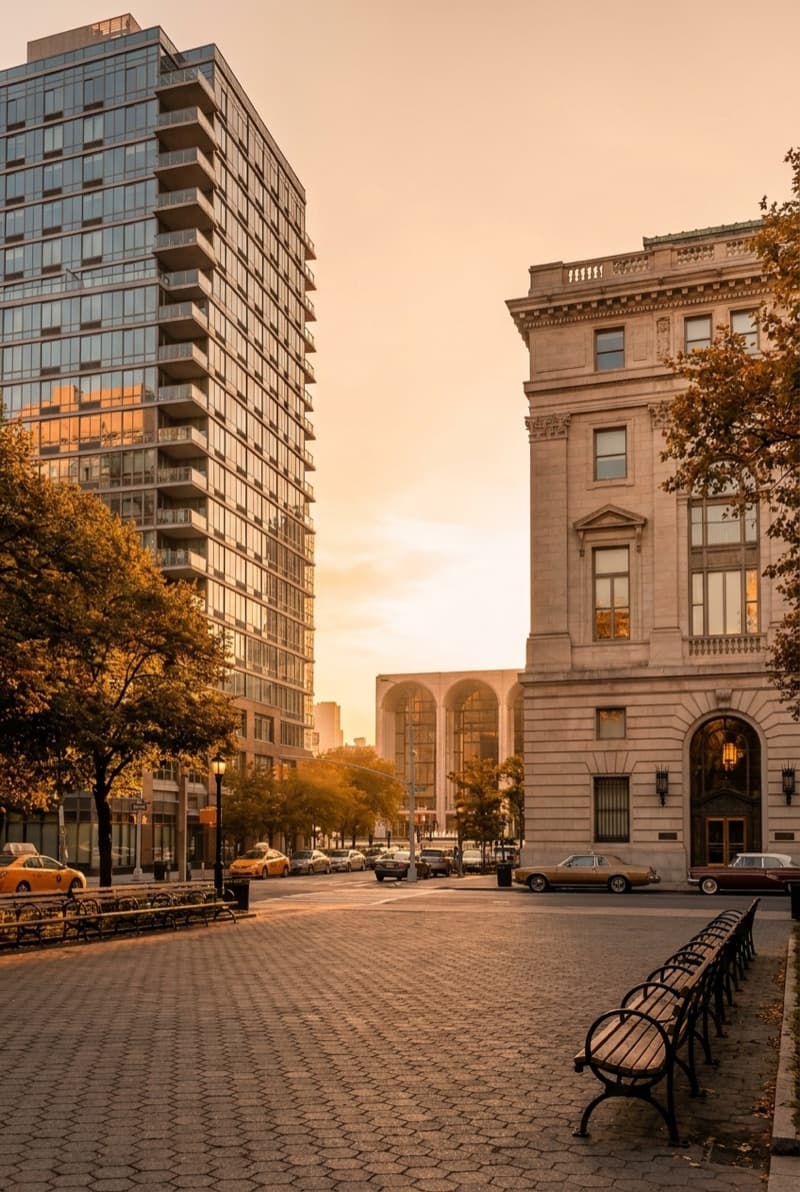
Lincoln Square at dusk with Lincoln Center in the distance
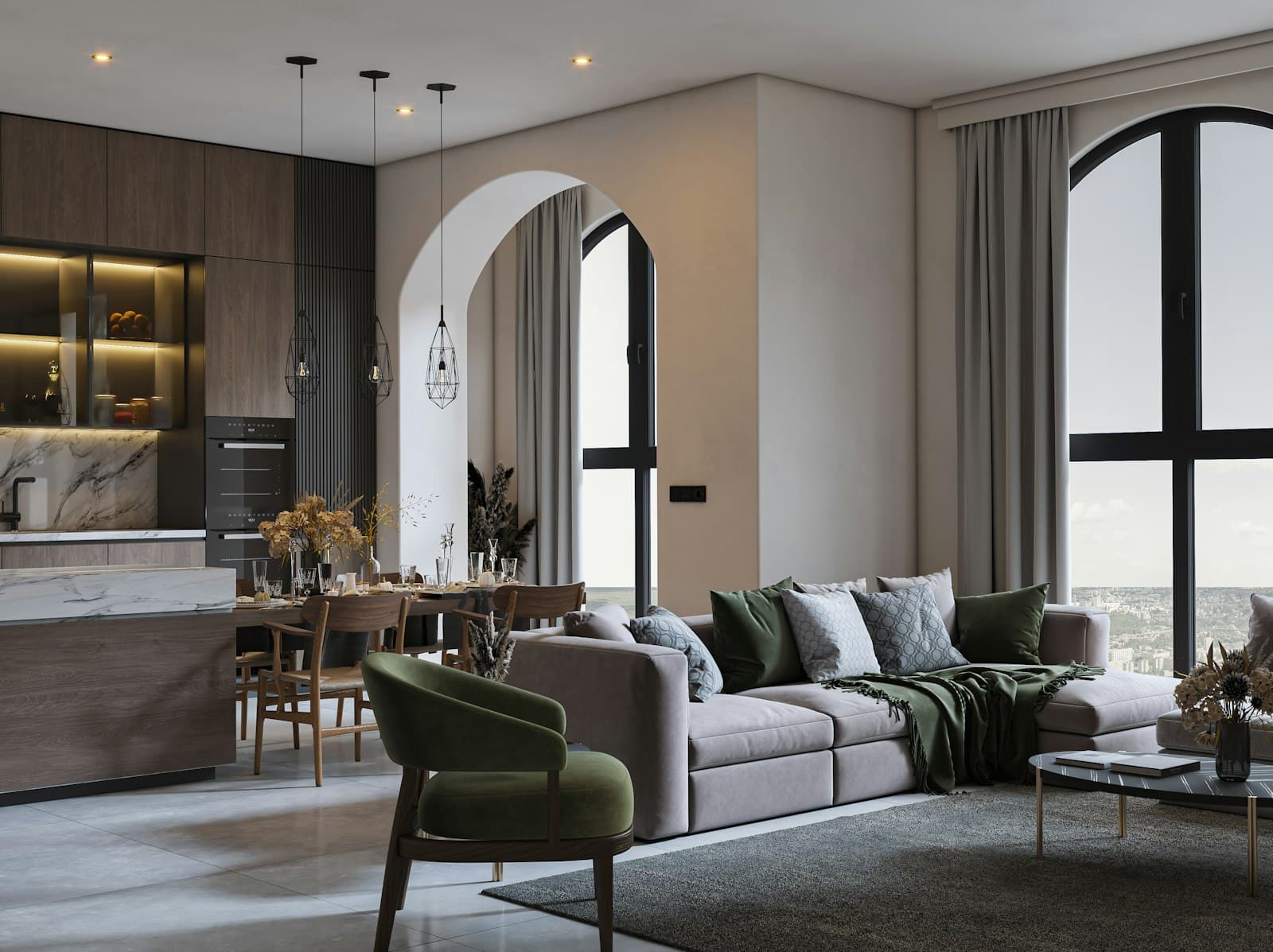
A living room with a large window and abundant natural light
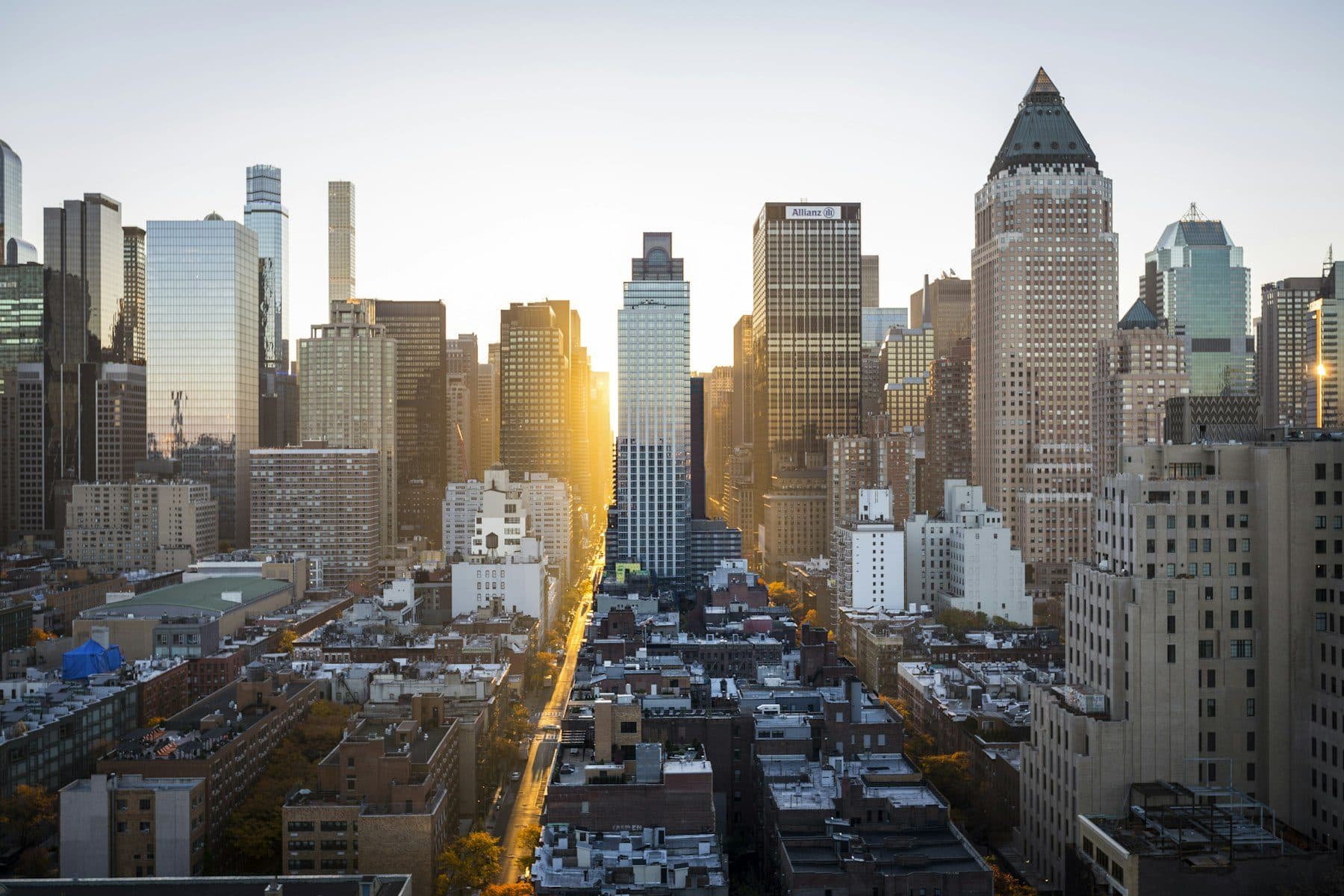
The Manhattan skyline glowing at golden hour

A bedroom with a round mirror above the bed
“A new building has no history yet. I read its budget and reserves the way my own board reads ours, before the sponsor hands it over.”
— Michael J. Carroll
Answers
Upper West Side New Developments, answered
- No co-op-style interview is required. You buy from the sponsor under the offering plan; the condo board, controlled by the sponsor at first, typically waives its right of first refusal.
- The sponsor's disclosure document, filed with the New York Attorney General, describing the building, its budget, the purchase terms, and your rights as a buyer.
- In New York, sponsors commonly require the buyer to pay the city and state transfer taxes that a resale seller would normally pay. Check the offering plan and contract.
- Often, particularly later in a sales program or for units that have been on the market longer. Price, closing-cost credits, storage, and parking are common points.
- Scarcity supports values, because so few new condos are coming. But new buildings carry premiums and higher first-year costs, so the best value often comes from comparing new buildings with resales in recent ones.
- Yes. Condos generally allow it, but apartments valued above $1 million that are not your primary residence face the city's annual surcharge, as the [NYC Department of Finance](https://www.nyc.gov/site/finance/property/non-primary-residence-surcharge.page) explains.
- Often, because of amenities, staff, and the cost of new systems. First-year charges are projections and can rise once the building runs on real costs.
- The sponsor still owns them and must pay their common charges. Some sponsors rent them out, which can affect financing and the building's owner-occupancy rate.
- Yes. The sponsor's attorney represents the sponsor. Your own real estate attorney reviews the offering plan, negotiates the contract within the sponsor's form, and handles your closing.
- Usually after the building receives a temporary certificate of occupancy, which can be a year or more after you sign the contract.
A private consultation
See new Upper West Side buildings with an owner's eye
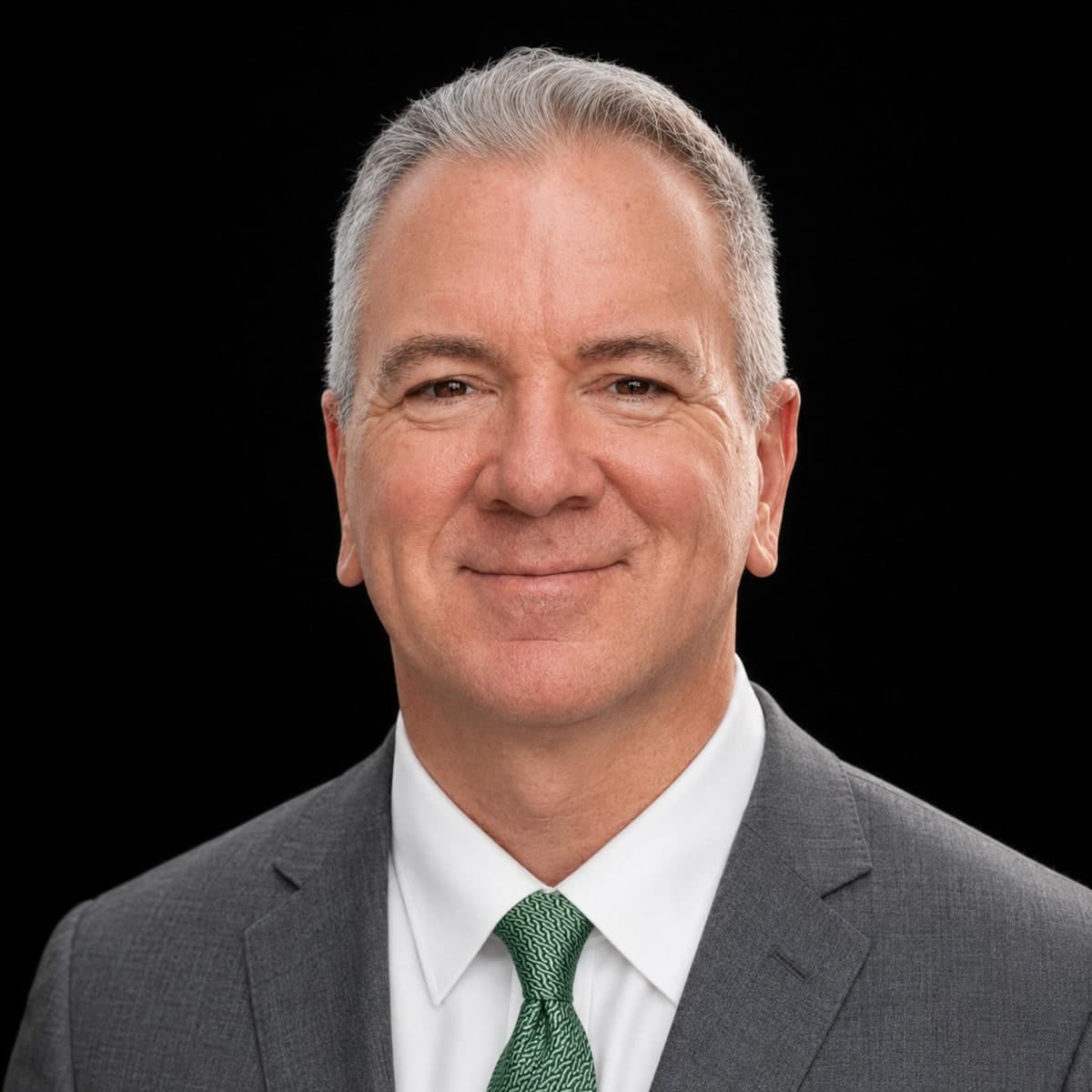
Tell Michael the size, budget, and timing you need, and he will compare the new buildings coming to market, read their offering plans with you, and flag the budgets, reserves, and sponsor terms worth negotiating. He works from the Brown Harris Stevens West Side office at 1934 Broadway.
What happens next
- 01
Michael reads your note personally
No team inbox. He sees the form himself.
- 02
You'll hear back, usually the same day
By phone or email — whichever you prefer.
- 03
A no-pressure first conversation
Whether you're ready this week or thinking it through.
10+
Years at BHS
Top 1%
Nationwide
$500K–$25M+
Transaction range
Tell Michael about your search
A few quick questions.
Your details stay between you and Michael. No spam. No list.