Prices vary widely, but Upper East Side townhouse sales averaged just under $14 million in the second quarter of 2026. Narrow houses and those needing work sell for far less than wide, renovated ones.
Upper East Side · Townhouses
Upper East Side Townhouses: A Buyer's Guide.
Upper East Side townhouses are among the most expensive houses in Manhattan. They line the side streets from Lenox Hill to Carnegie Hill, with rare pockets such as Treadwell Farm, the East 73rd Street carriage houses, and Henderson Place. Many sit in landmarked historic districts, so exterior changes need city approval. You buy the house outright with no board, which means you also carry every repair, from the roof to the boiler, yourself.
Upper East Side Townhouses
What should you know before buying a townhouse on the Upper East Side?
An Upper East Side townhouse gives you something no apartment can: the whole building, its garden, and its roof, on some of the most coveted side streets in New York. Michael J. Carroll is a Brown Harris Stevens agent and the president of his own condominium board, and he looks at a townhouse the way a board looks at a building: the facade, the roof, the systems, and the money needed to keep them sound.
This guide covers what counts as a townhouse on the Upper East Side, where the townhouse blocks are, the historic pockets buyers ask about, what houses cost and cost to own, how a purchase works, who a townhouse suits, and what to inspect before you sign. For the wider market, see Upper East Side apartments.
At a glance
Upper East Side townhouses in five facts
Townhouses on the Upper East Side cluster on the side streets between Fifth and Third Avenues.
Seven historic districts cover much of the neighborhood, and exterior work in them needs Landmarks approval.
Upper East Side townhouse sale prices averaged just under $14 million in the second quarter of 2026.
There is no board approval, but there is no shared reserve fund either.
A house inspection, the certificate of occupancy, and the landmark status matter more than the decor.
Upper East Side Townhouses
What counts as a townhouse on the Upper East Side?
A townhouse is a single building, usually four or five stories, owned outright with the land beneath it. On the Upper East Side the word covers several kinds of houses, and each lives differently.
The legal use of each house, set by its certificate of occupancy, decides whether it can be a single home, a house with rentals, or something else. That document matters as much as the architecture.
House, not apartment
What that means when you shop
The types you will see listed:
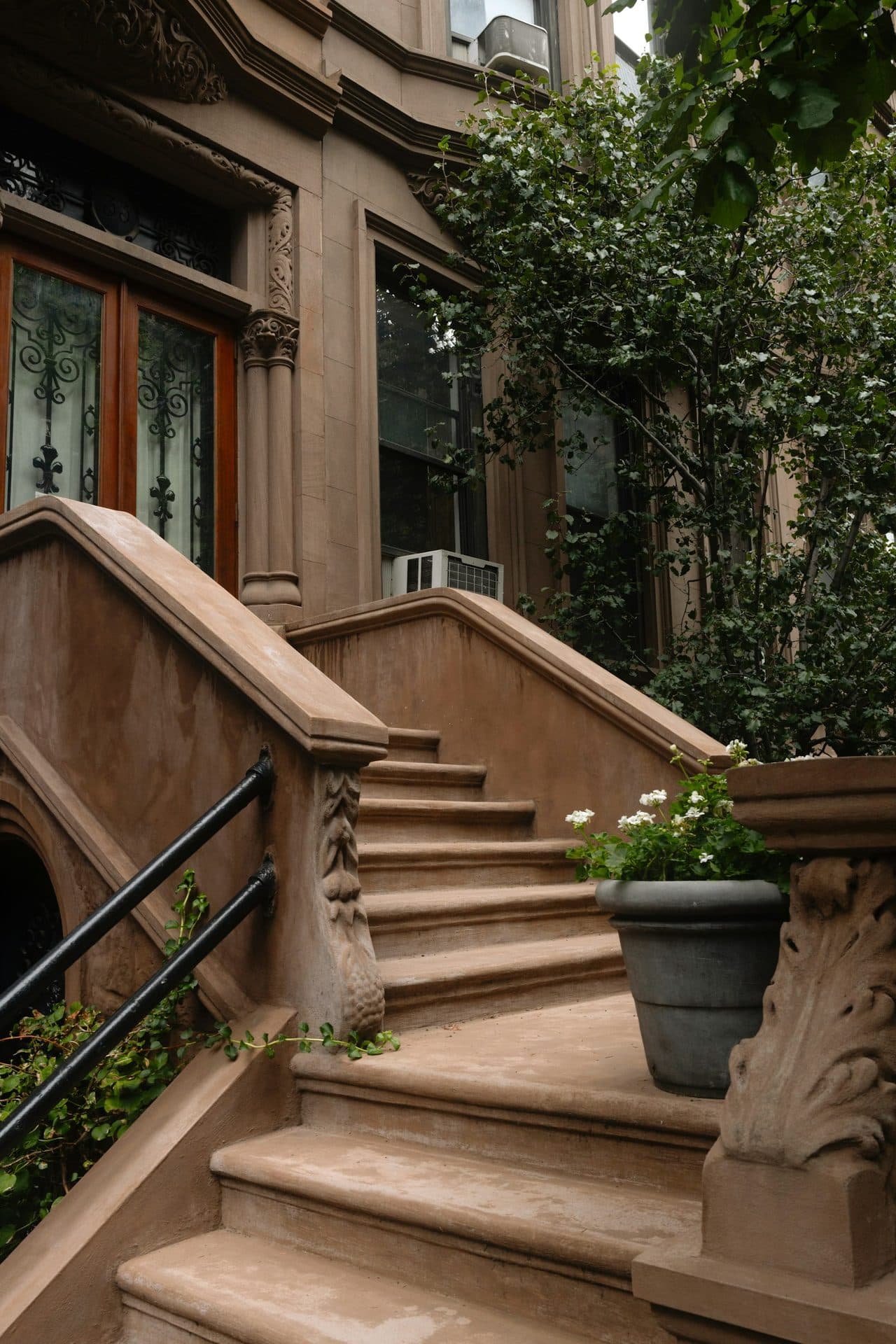
Brownstones and row houses
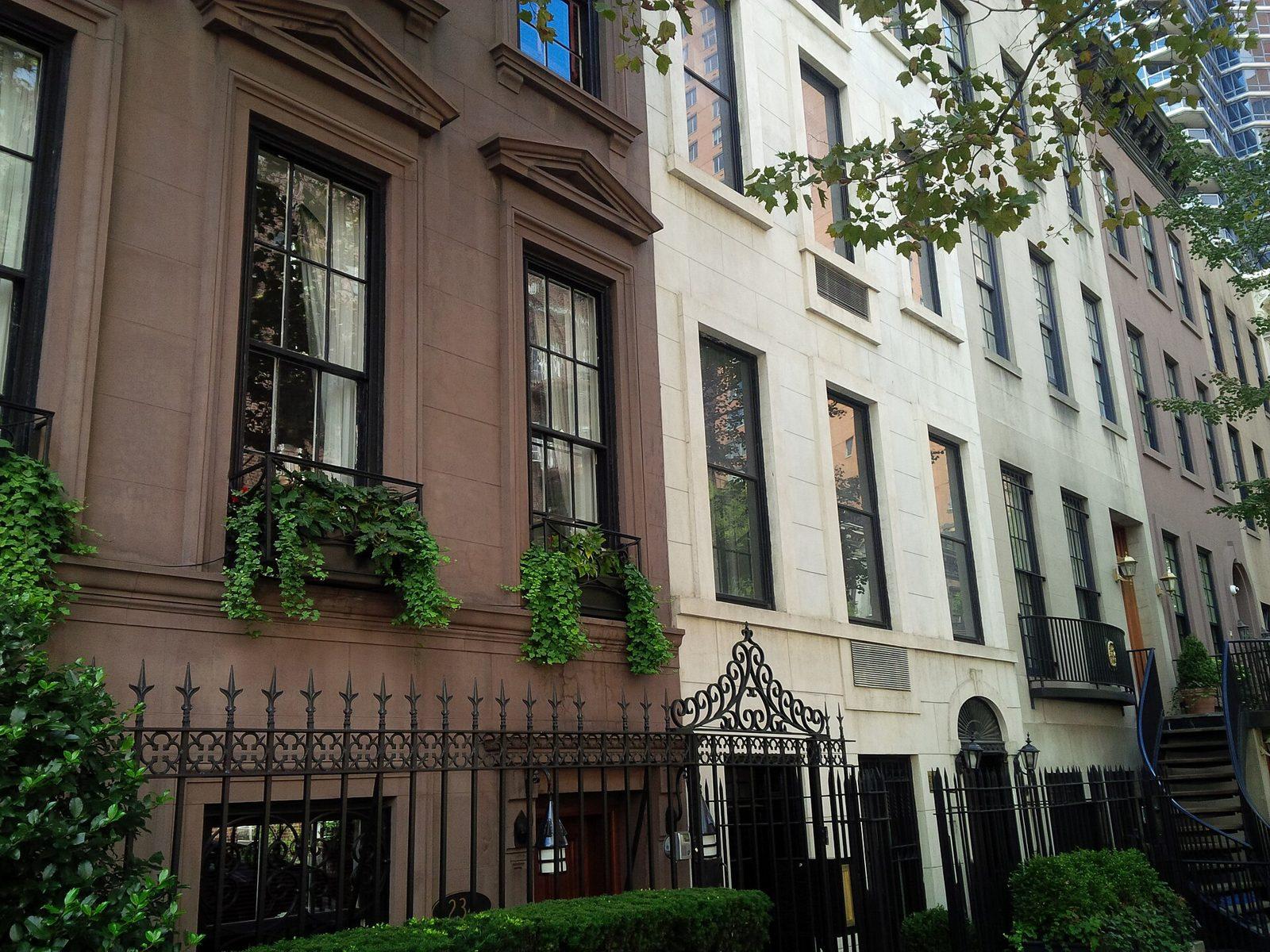
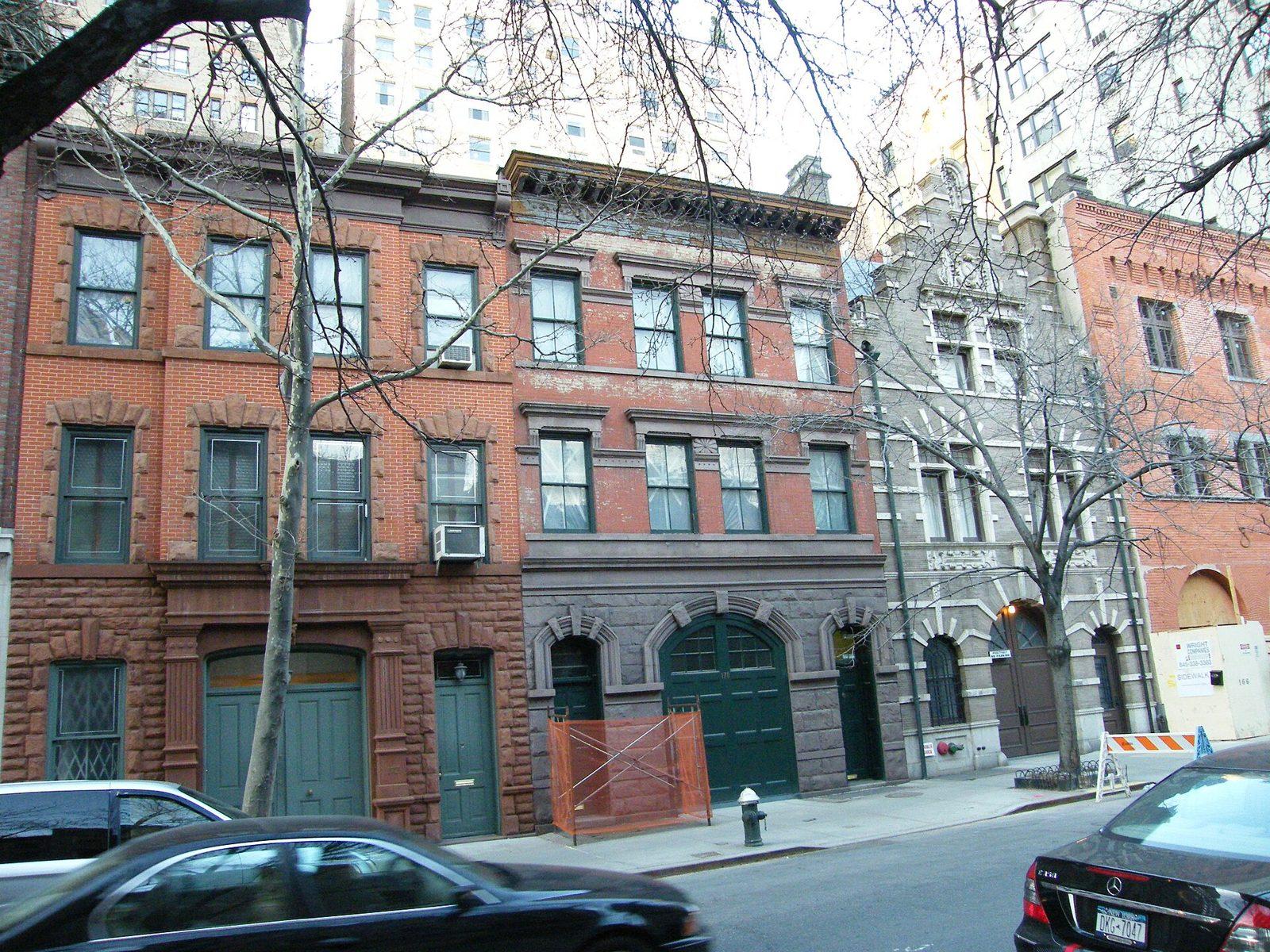
Nineteenth-century houses built in rows, often with a stoop, such as those in Treadwell Farm on East 61st and 62nd Streets.
Limestone mansions
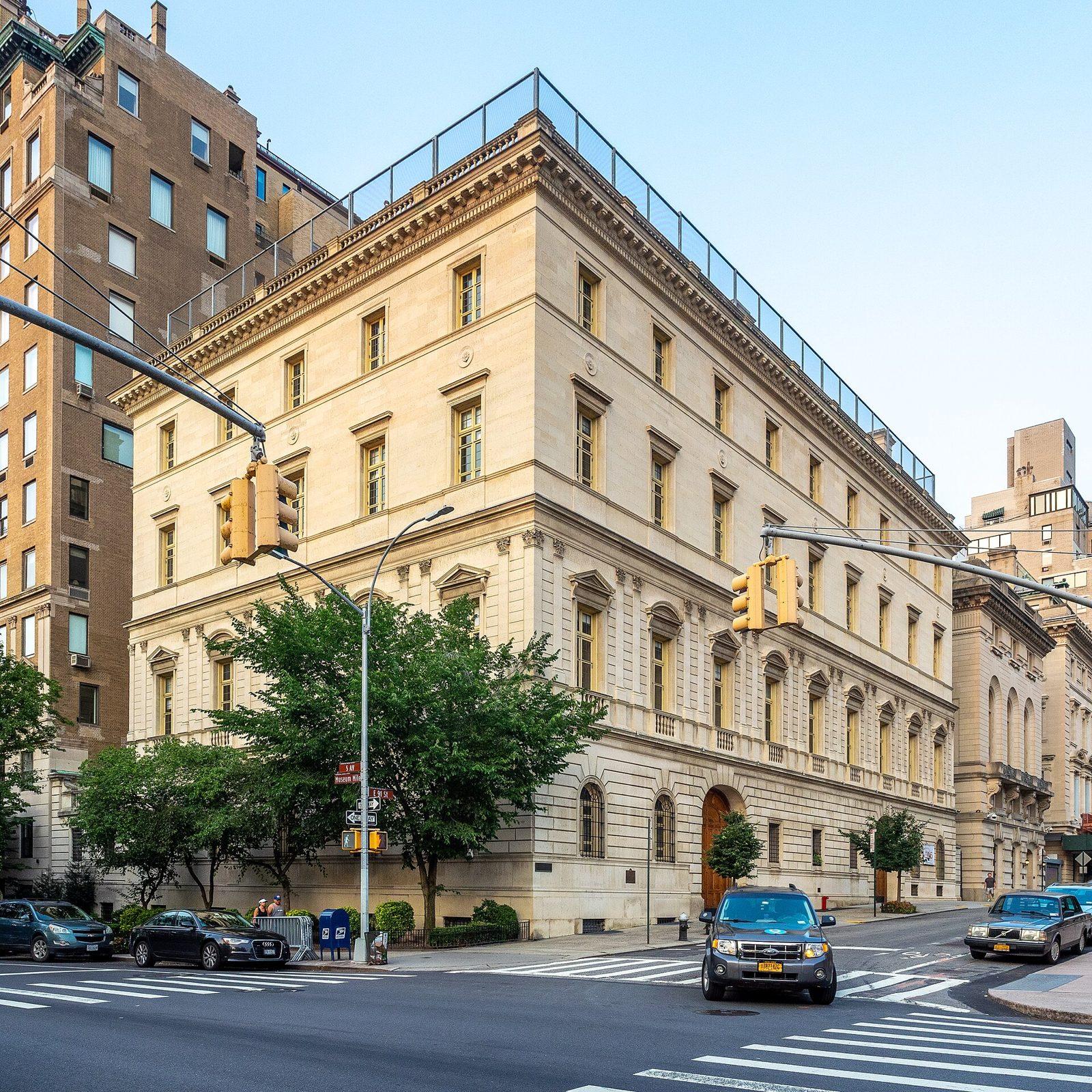
Grand early-twentieth-century houses near Fifth and Park Avenues, some now used as schools, consulates, or museums.
Carriage houses
Former stables for the mansions, with wide arched doors, such as the group on East 73rd Street.
Multi-family houses
Townhouses divided into two or more apartments, sometimes with an owner's duplex and rental units above.
Single-family conversions
Houses once divided into apartments and restored to one home, often with new systems throughout.
Where the houses are
Where are the townhouse blocks on the Upper East Side?
Townhouses sit on the side streets rather than the avenues, from the East 60s to the 90s. A few blocks and historic pockets hold most of them, each with its own character.
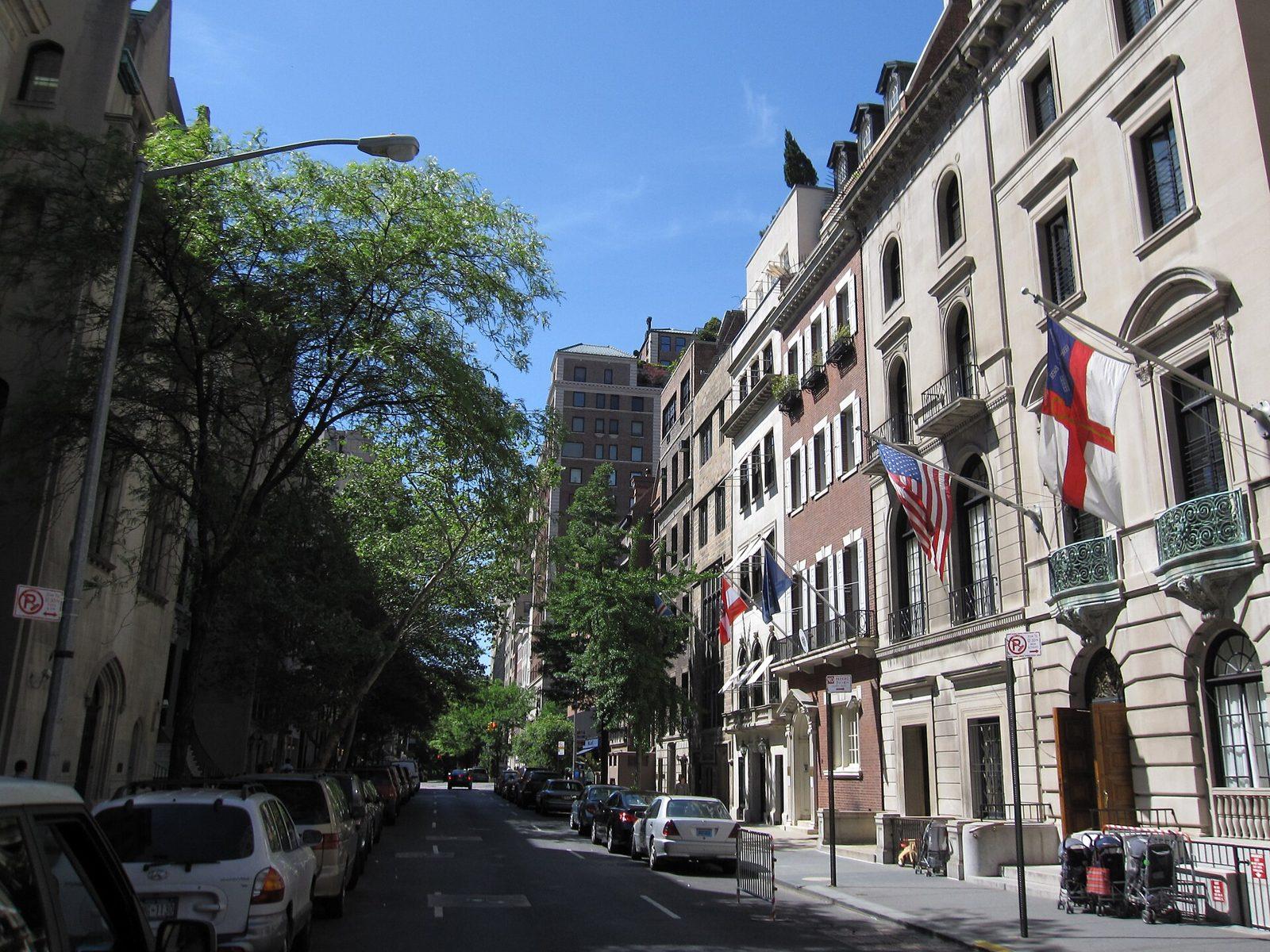
The side streets between Fifth and Lexington Avenues hold many of the neighborhood's grandest houses, largely inside the Upper East Side Historic District.
A small historic district on East 61st and 62nd Streets between Second and Third Avenues, lined with nineteenth-century row houses behind small front gardens.
A block of former stables between Lexington and Third Avenues, now homes and studios, protected as their own historic district.
North of East 86th Street toward 96th Street, a mix of mansions, row houses, and schools, much of it within the Carnegie Hill Historic District.
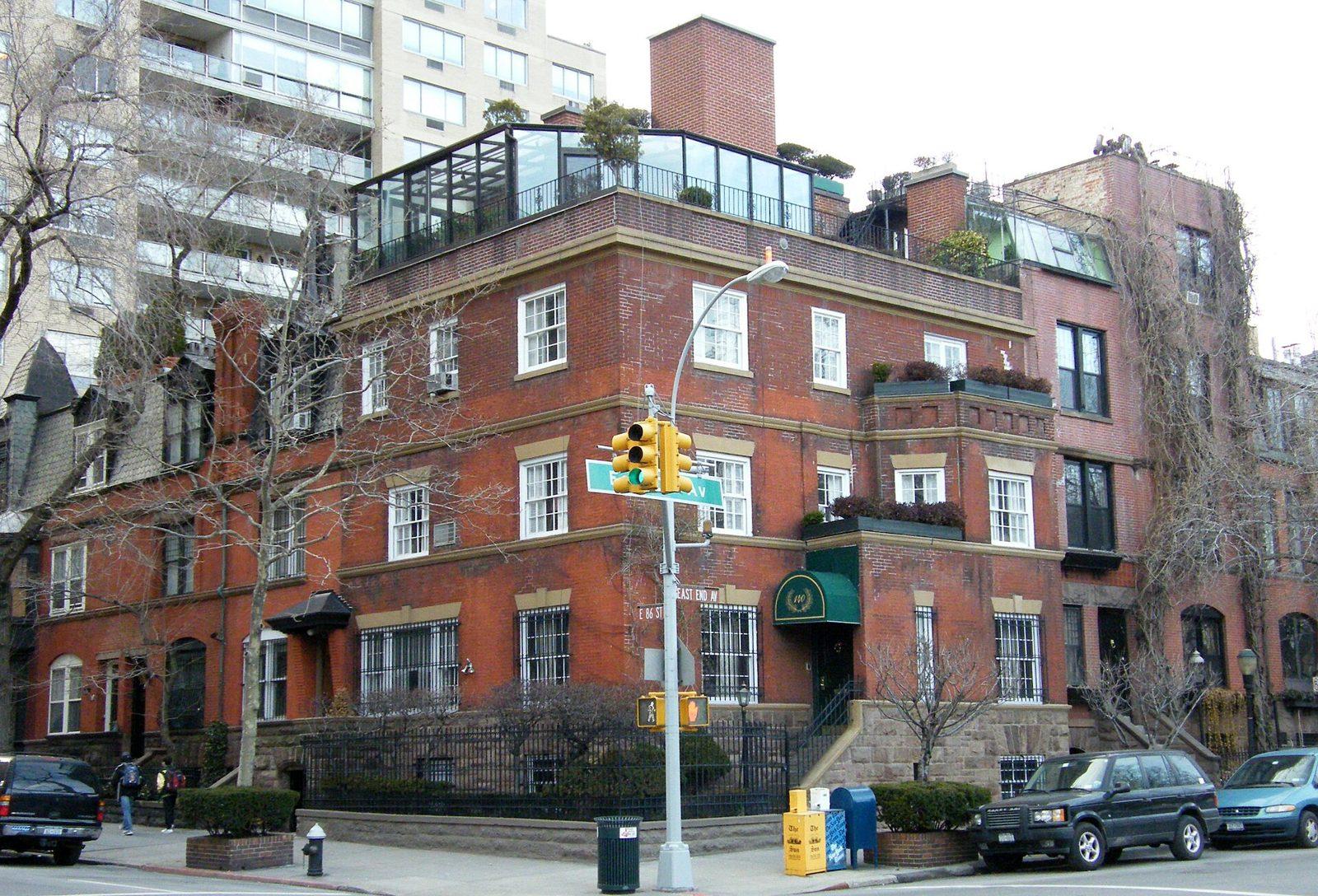
A cluster of 1880s row houses at East End Avenue and East 86th Street, near Carl Schurz Park, in one of the city's smallest historic districts.
The historic districts
Which historic districts matter for Upper East Side townhouses?
Landmark status shapes what you can change on a townhouse, so buyers should know which district a house sits in. FRIENDS of the Upper East Side Historic Districts lists seven historic districts in the neighborhood:
Upper East Side Historic District
The largest, covering many side streets between Fifth and Lexington Avenues in the 60s and 70s.
Carnegie Hill Historic District
Mansions and row houses north of East 86th Street, including the Otto H. Kahn House on Fifth Avenue at East 91st Street.
Metropolitan Museum Historic District
The blocks of Fifth Avenue facing the museum, with grand houses and apartment buildings.
Park Avenue Historic District
Park Avenue's pre-war buildings and houses from the 60s into the 90s.
Treadwell Farm Historic District
The row houses of East 61st and 62nd Streets.
Henderson Place Historic District
The Queen Anne row houses near East End Avenue.
Hardenbergh/Rhinelander Historic District
A short row of houses and flats on Lexington Avenue at East 89th Street.
The East 73rd Street carriage houses form a separate small district. Always confirm a specific address on the Landmarks Preservation Commission map before you plan work.
Upper East Side Townhouses
What does landmark status mean for an owner?
Inside a historic district, exterior changes, including windows, doors, facade repairs, rooftop additions, and some rear extensions, need approval from the Landmarks Preservation Commission. The commission reviews whether the work fits the district's character, which adds time and cost to a renovation. Interior work generally does not need commission approval, though it still needs Department of Buildings permits. Many buyers see landmark rules as a benefit, because they protect the look of the block for as long as you own the house.
What do Upper East Side townhouses cost?
Upper East Side townhouses sit at the top of the Manhattan house market. In the second quarter of 2026, average Upper East Side townhouse sale prices rose almost 49 percent from a year earlier to just under $14 million, according to CRE Daily, citing a Leslie Garfield report.
Across Manhattan, Leslie Garfield reports that the average townhouse sale price rose 25.5 percent to $10.5 million, at $1,613 per square foot, with the Upper East Side among the neighborhoods driving the top of the market. Supply stays tight: inventory remains more than 20 percent below its decade average, according to appraiser Jonathan Miller as reported by CRE Daily.
Upper East Side Townhouses
- $14MAverage Upper East Side townhouse sale price, second quarter of 2026
- $10.5MAverage Manhattan townhouse sale price, first half of 2026
- $1,613Average Manhattan townhouse price per square foot
- 20%Manhattan townhouse inventory below its decade average
Sources: Leslie Garfield mid-year 2026 report; CRE Daily (2026), citing Leslie Garfield and appraiser Jonathan Miller.
Budget for
The costs on top of the price
Prices vary widely by block, width, condition, and legal use. A wide limestone house near Fifth Avenue and a narrow row house near Third Avenue are different markets, even a few blocks apart.
The real numbers
What does it cost to own an Upper East Side townhouse?
Owning a house means paying for everything a co-op or condo board would otherwise share. Budget for these costs every year:
Property taxes
Townhouses are taxed as one- to three-family homes, often at a lower effective rate than apartments of similar value.
Insurance
A full homeowner's policy for the building, contents, and liability.
Utilities and systems
Heating, cooling, water, and the service contracts for a boiler, an elevator, or both.
Maintenance and reserves
Roof, facade, windows, and stoops need regular work; set money aside the way a building does.
Staff
Some owners employ a house manager, cleaners, or a part-time handyman.
At purchase, add the mansion tax, which starts at 1 percent on homes of $1 million or more, plus legal, title, and mortgage costs. See our closing costs guide.
Offer to keys
How does buying an Upper East Side townhouse work?
Buying a townhouse is closer to buying a house anywhere than buying a Manhattan apartment: there is no board, but the inspections are more extensive. A typical purchase moves through these steps.
Set your budget, including renovation
Many houses need work, and landmark approvals can add months.
Tour with your agent and an architect
For houses needing work, an early walk-through with an architect sets realistic costs.
Make an offer
Michael compares recent house sales on similar blocks, adjusting for width, condition, and legal use.
Hire a real estate attorney
Your attorney reviews the contract, title, and any tenancies.
Inspect the house
Hire an engineer to check the structure, roof, facade, systems, and any elevator.
Check the records
Review the certificate of occupancy, open permits, and violations with the Department of Buildings.
Sign the contract and pay the deposit
The deposit, often 10 percent, is held in escrow.
Arrange financing and insurance
Lenders will appraise the house and may require repairs or reserves.
Close
Pay the closing costs, take the deed, and take over the house and its systems.
For the city-wide basics, see our guide to buying in New York City.
Can you buy a townhouse with tenants in it?
Yes, and many multi-family houses on the Upper East Side come with tenants. Rent-stabilized tenants can have strong rights to stay, which affects whether you can convert the house to a single-family home. Your attorney should review every lease and the rent registration history before you sign, and Michael will flag the effect on value and on your plans.
Upper East Side Townhouses
Who it suits
Who is an Upper East Side townhouse right for?
A townhouse suits buyers who want space, privacy, and control, and who are ready to manage a building. Five kinds of buyers choose them most often.
Families who need room
Five or six bedrooms, a garden, and space for staff are hard to find in an apartment.
Buyers who want privacy
No lobby, no neighbors through the wall above, and your own front door on a quiet block.
Buyers avoiding a co-op board
A house sale needs no board interview, financial disclosure, or approval.
Owners who want rental income
Multi-family houses can provide rent from upper units while you live below.
Renovators and collectors of architecture
Buyers who want to restore a historic house to its original detail.
If you prefer someone else to handle the roof, the boiler, and the staff, an apartment in a full-service co-op or condo may suit you better. Compare Upper East Side condos.
From inside the board
What should you check before buying an Upper East Side townhouse?
In a townhouse, you are the board: no one else shares the cost of the roof or the facade. From his seat as a condo board president, these are the five things Michael has his buyers check before they sign:
The certificate of occupancy
Confirm the legal use and number of units match how the house is used today.
Open permits and violations
Check the Department of Buildings records for unfinished work, violations, or illegal changes.
The facade, roof, and stoop
Older houses on blocks such as East 61st Street often need masonry, cornice, or stoop repair.
The systems
Boiler, wiring, plumbing, and any elevator should be inspected and priced for replacement.
Landmark approvals
In historic districts such as Treadwell Farm, past exterior changes should have been approved by the commission.
These checks set the true price of the house, which is the purchase price plus the work it needs in its first few years.
A walk through Upper East Side Townhouses
Upper East Side houses, in light.
The buildings, blocks, and rooms that define Upper East Side Townhouses — captured on Michael's walks home.
A living room with a large window and abundant natural light
A pair of armchairs in a quiet sitting room
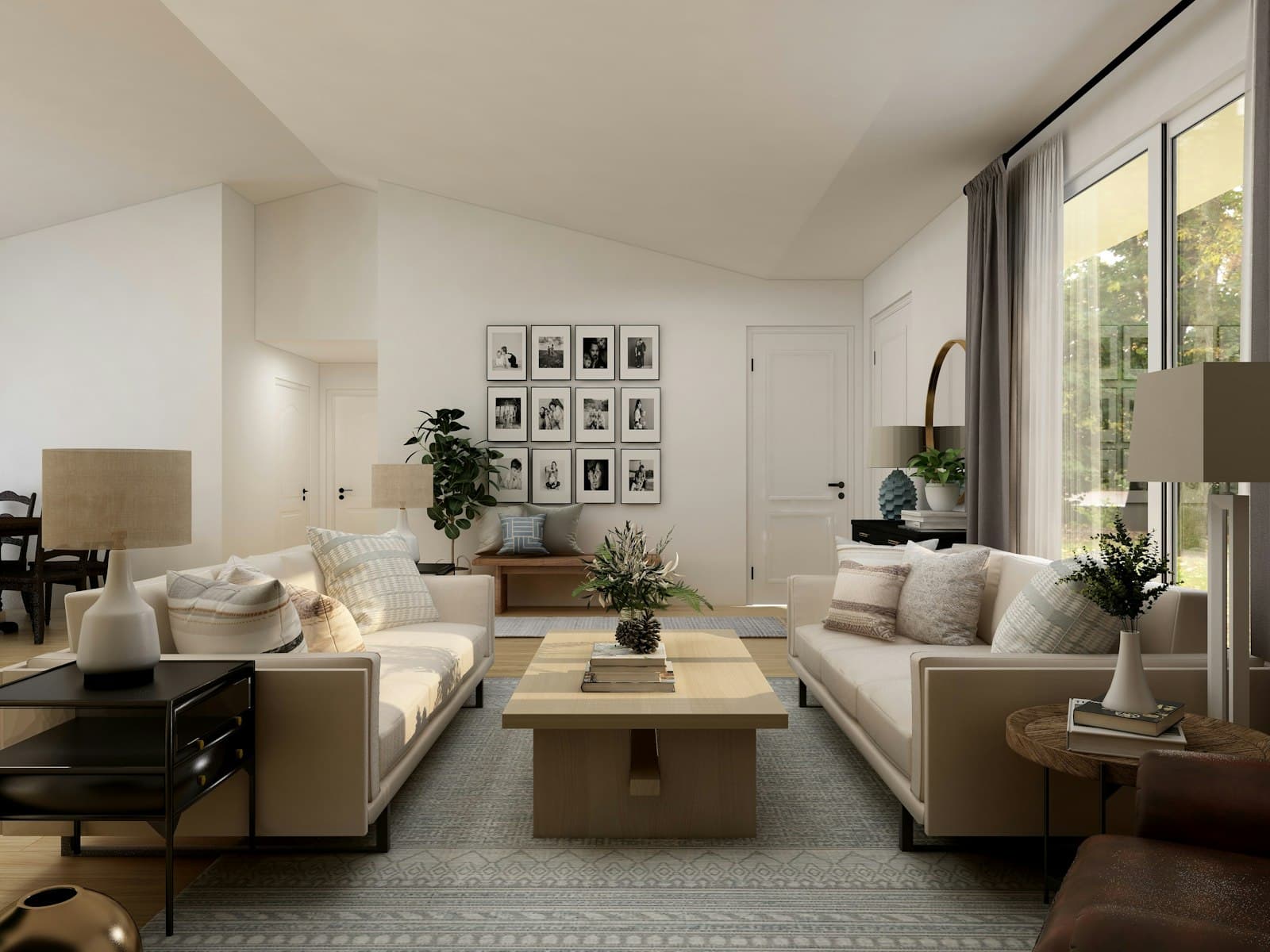
A living room with a white sofa and a potted plant
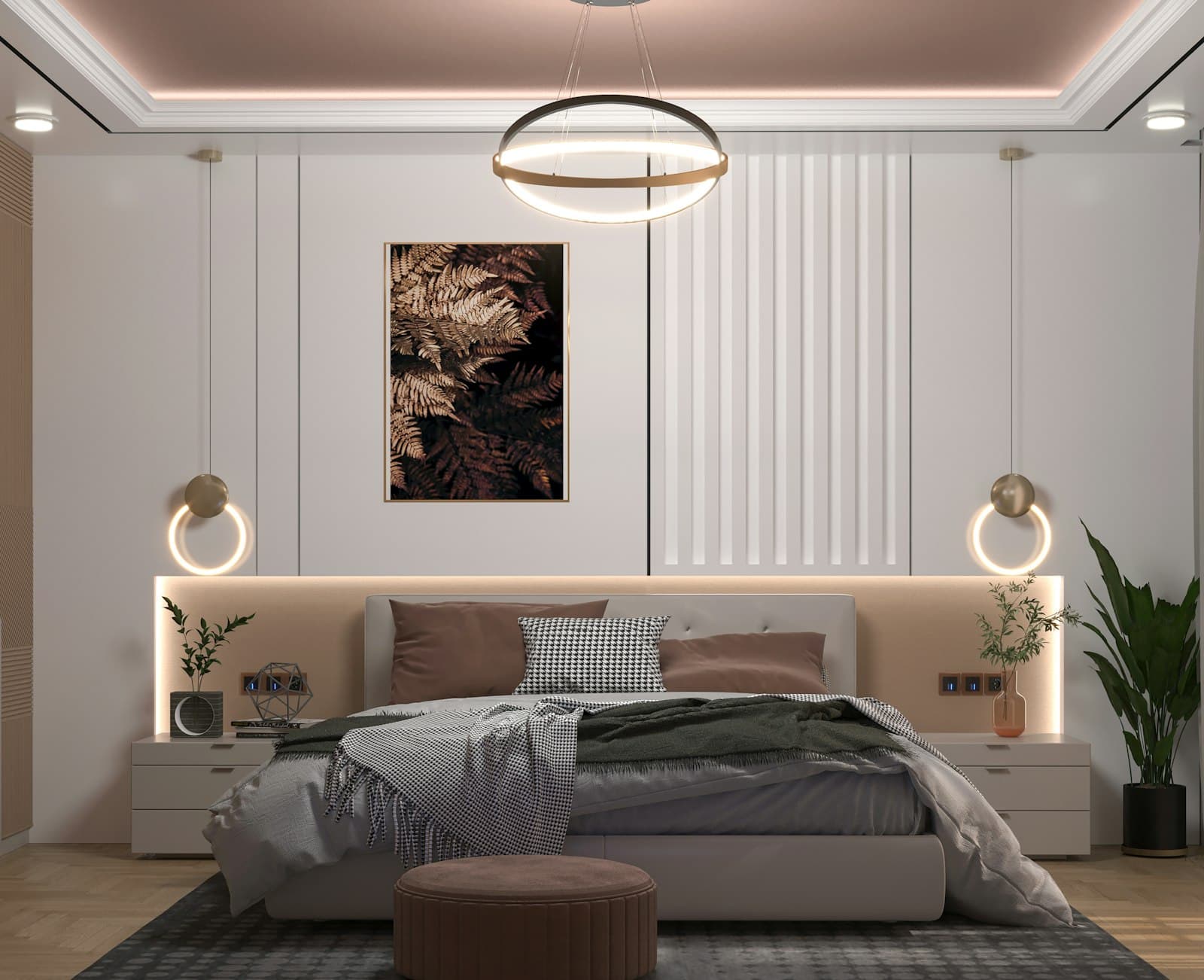
A neatly made bed beneath a framed painting
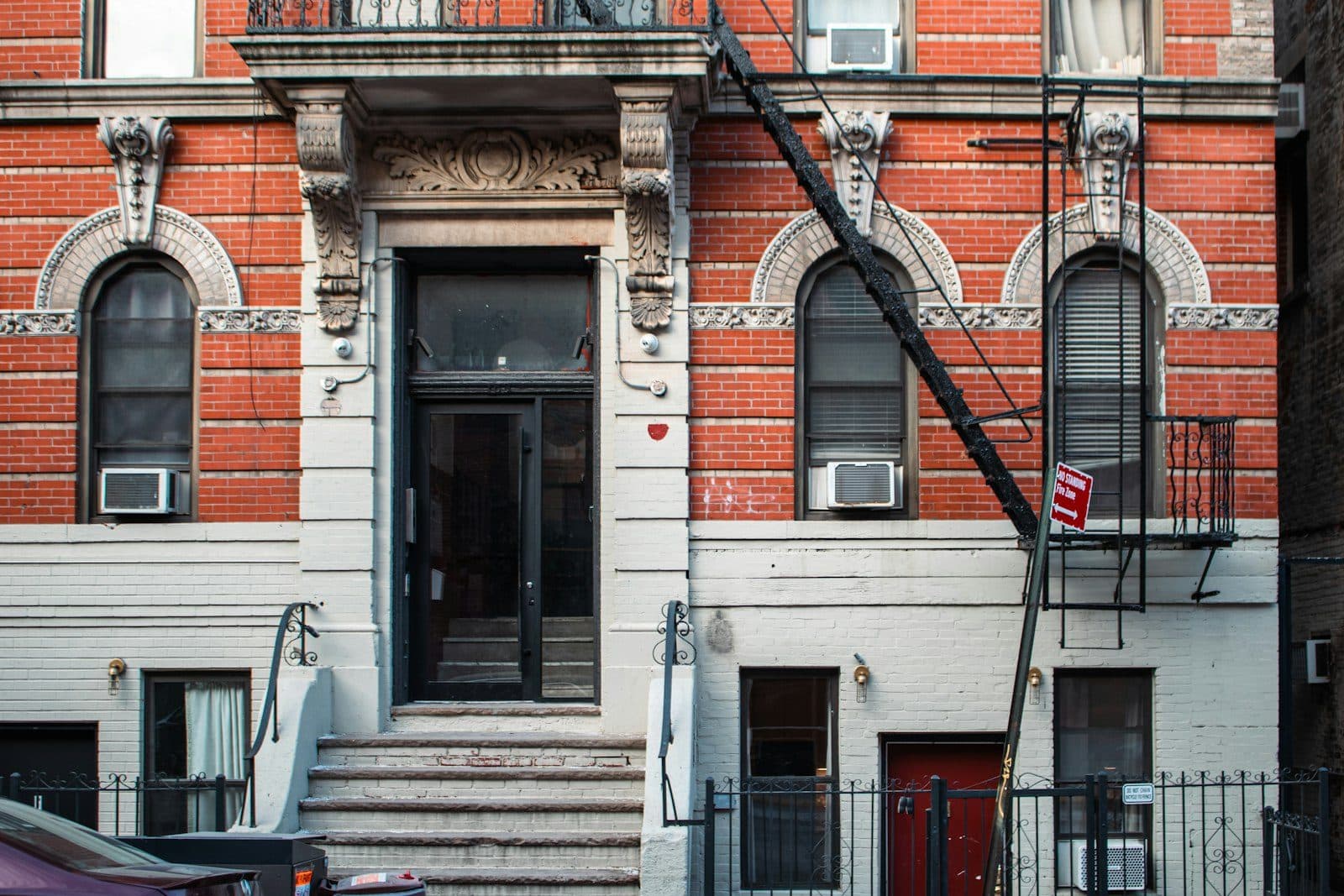
The entrance to a New York apartment building
“In a townhouse, you are the board. I check the roof, the facade and the systems the way my own board checks ours.”
— Michael J. Carroll
Answers
Upper East Side Townhouses, answered
- No. Townhouses are bought outright, with no co-op or condo board. Your lender, attorney, and inspectors do the checking instead.
- Yes, with approval. Exterior changes in a historic district need Landmarks Preservation Commission approval, and most work needs Department of Buildings permits.
- A brownstone is a townhouse faced with brownstone. All brownstones are townhouses, but many Upper East Side townhouses are brick or limestone.
- If the certificate of occupancy allows more than one unit, yes. Many Upper East Side houses have an owner's duplex with apartments above.
- Supply is limited and prices have risen recently, but houses carry high upkeep. Their value depends heavily on the block, width, condition, and legal use.
A private consultation
Find the right Upper East Side townhouse
Tell Michael the size, budget, and timing you need, and he will compare townhouses on the blocks that fit, arrange inspections, and flag the landmark and repair issues that change the real price. He works from the Brown Harris Stevens West Side office at 1934 Broadway.

What happens next
- 01
Michael reads your note personally
No team inbox. He sees the form himself.
- 02
You'll hear back, usually the same day
By phone or email — whichever you prefer.
- 03
A no-pressure first conversation
Whether you're ready this week or thinking it through.
10+
Years at BHS
Top 1%
Nationwide
$500K–$25M+
Transaction range
Tell Michael about your search
A few quick questions.
Your details stay between you and Michael. No spam. No list.