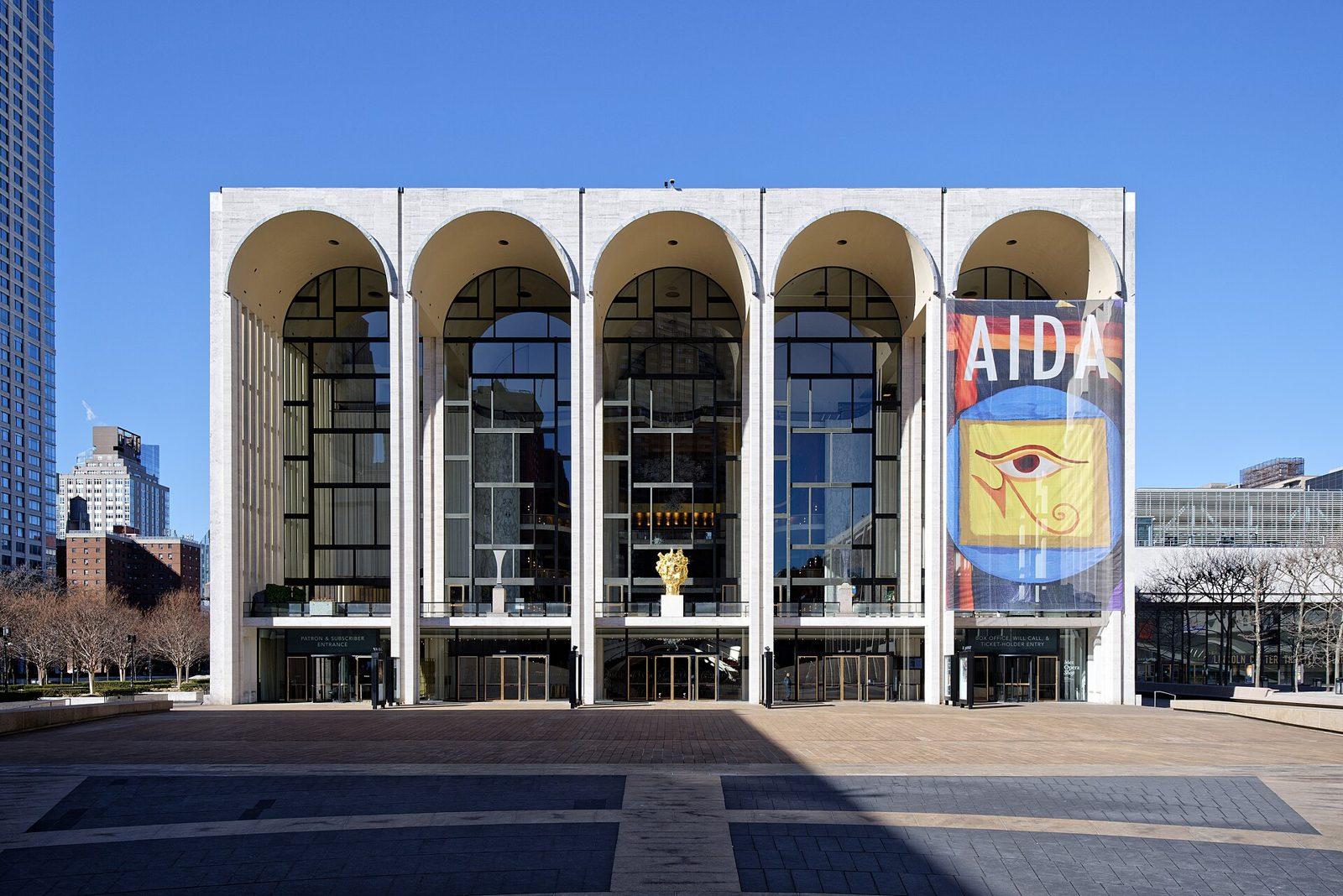
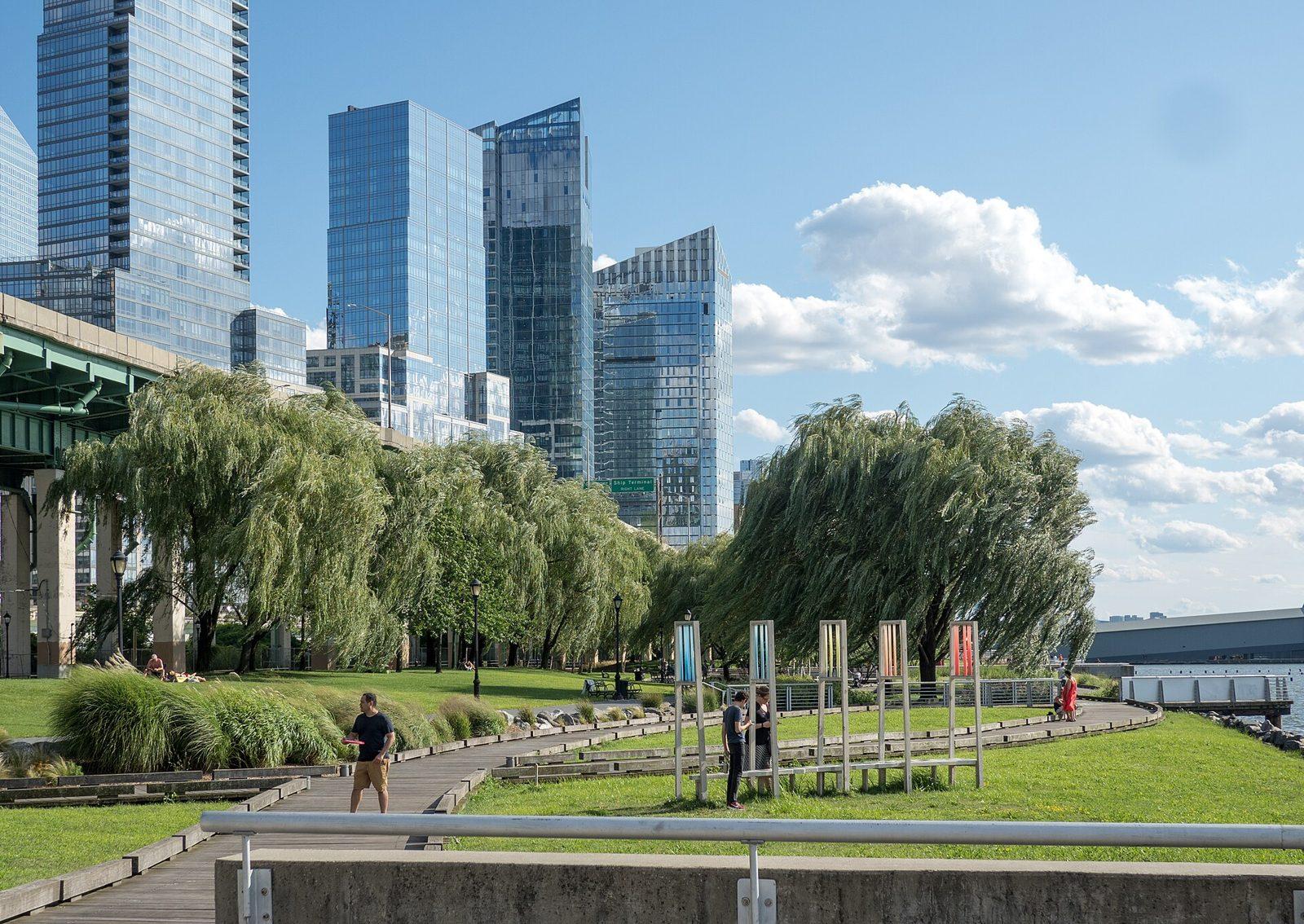
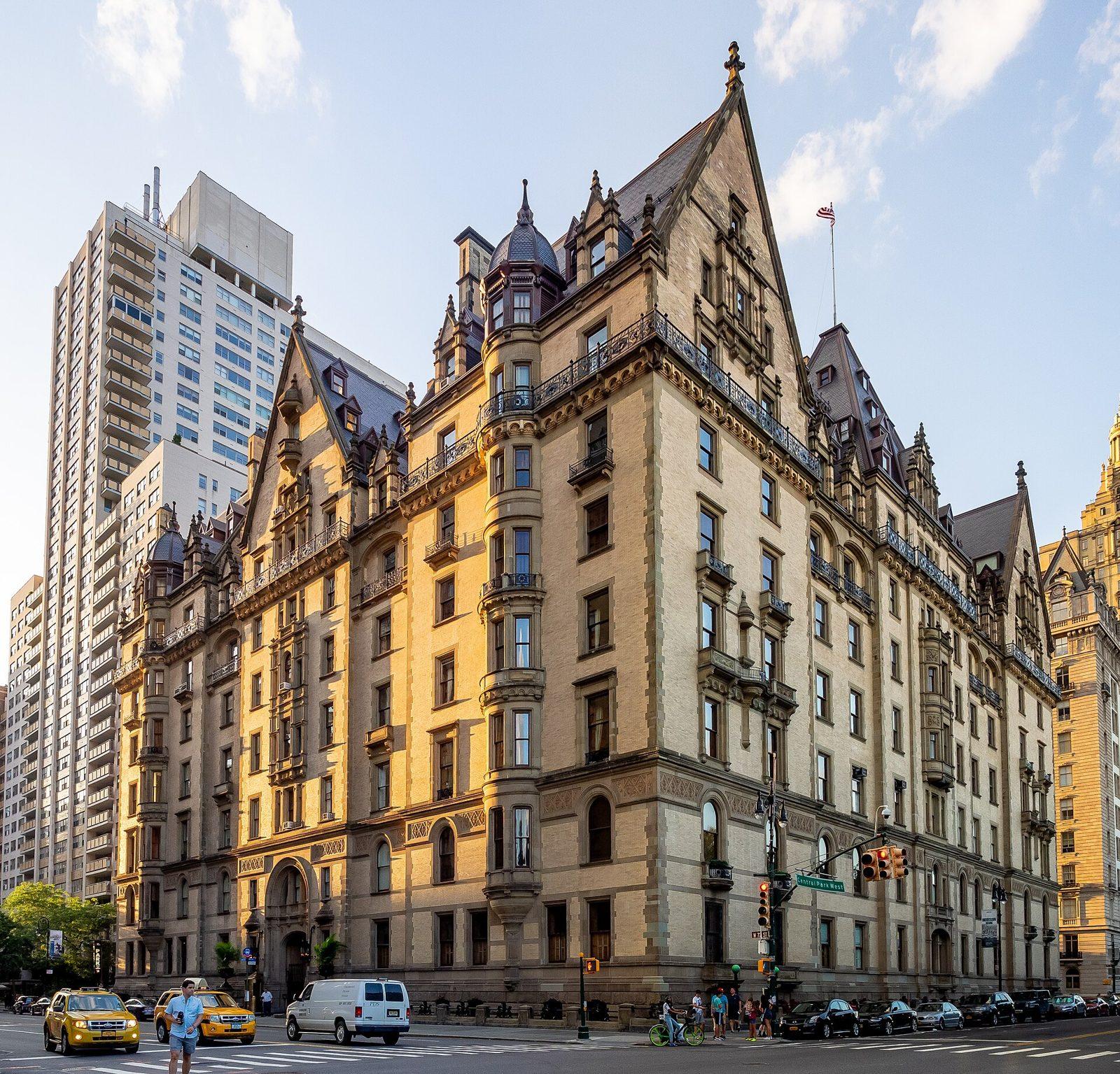
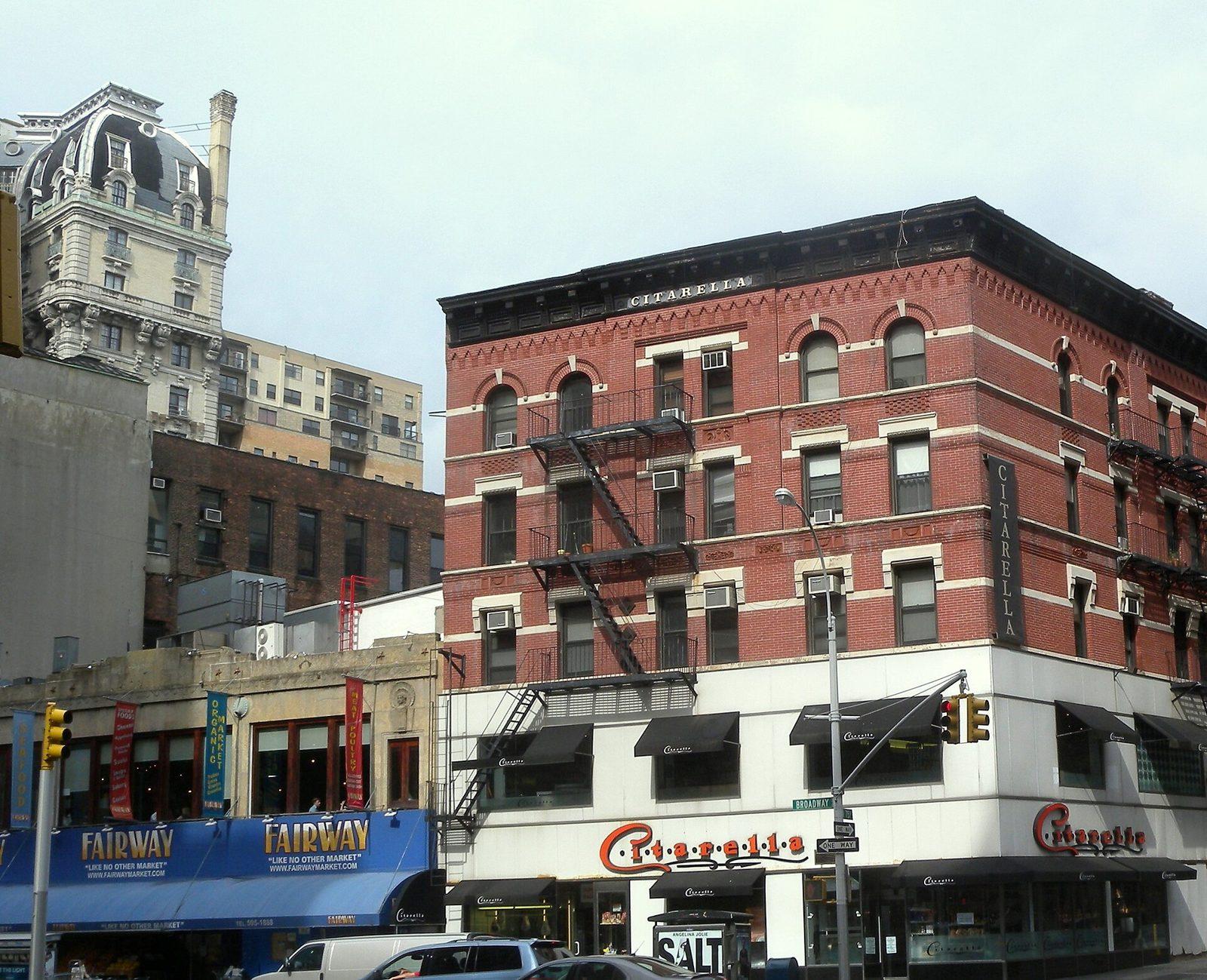
Fewer than co-ops. Most Upper West Side apartments are pre-war co-ops; condos cluster in Lincoln Square, along Riverside Boulevard and Waterline Square, at the southern end of Central Park West, and in a few converted landmarks like the Apthorp.
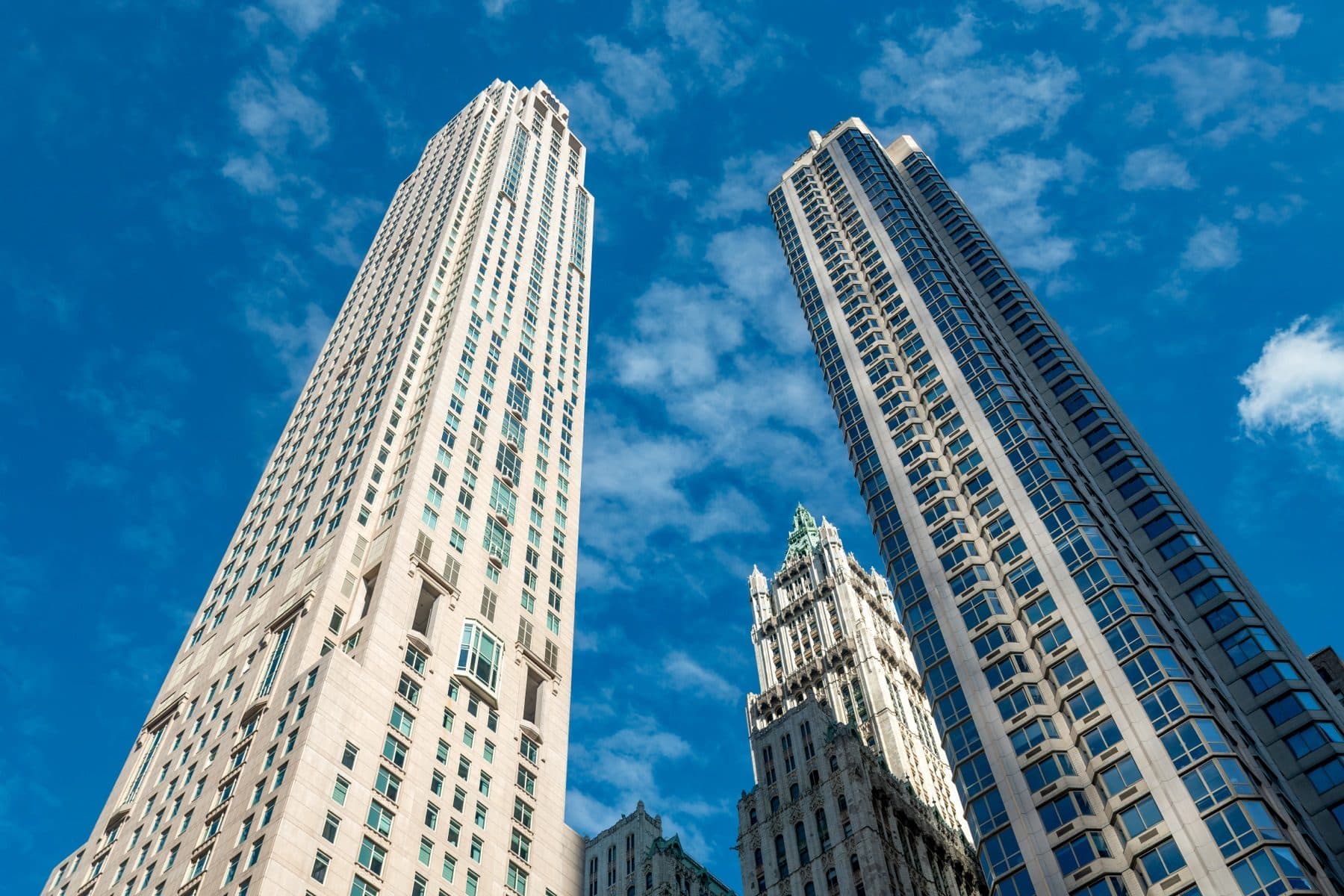
Upper West Side · Condos
Condos for Sale on the Upper West Side.
Condos are the smaller, more flexible half of the Upper West Side market. Most of the neighborhood's apartments are pre-war co-ops, so condos cluster in newer towers around Lincoln Square and Riverside Boulevard, along Broadway, and in a handful of converted landmarks such as the Apthorp. You own the apartment outright, there is no co-op board interview, and you can usually buy through an LLC or trust, rent the apartment out, or keep it as a second home. Expect to pay more per square foot than for a comparable co-op, and budget roughly 4 to 6 percent of the price for closing costs.
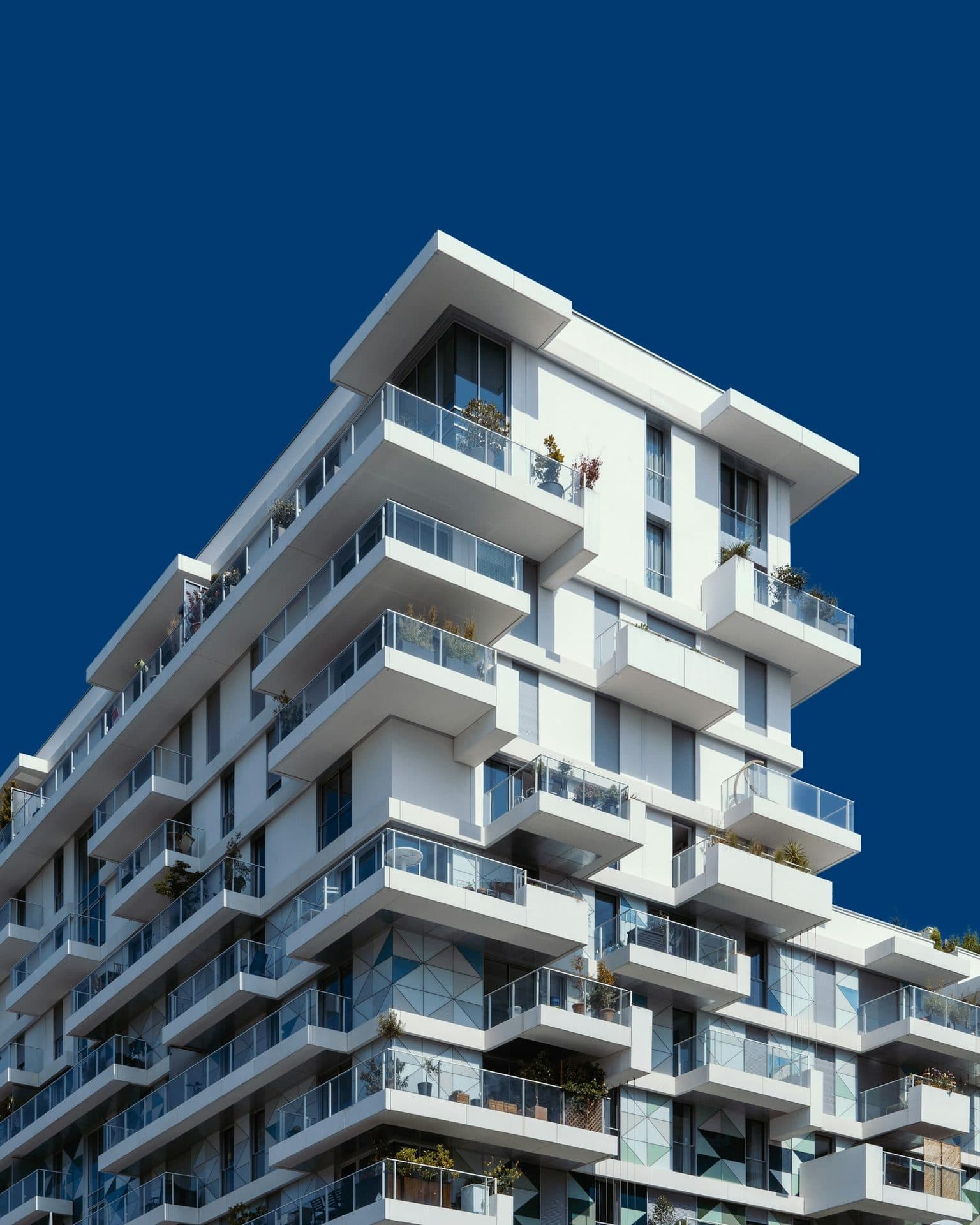
Upper West Side Condos
What should you know before buying a condo on the Upper West Side?
Upper West Side condos are for buyers who want the neighborhood's parks, schools, and pre-war streets without the co-op board that comes with most of its apartments. Michael J. Carroll is a Brown Harris Stevens agent who lives on the Upper West Side and serves as president of his own condominium board, so he reads these buildings from both sides of the table: as the agent helping you buy, and as the board member who has to approve the paperwork.
This guide covers what Upper West Side condos are like, where they are, the buildings worth knowing, what they really cost, how the purchase works, who a condo suits, and what a condo board looks at before it waives its right of first refusal. If you are still deciding between ownership types, start with condo vs co-op in NYC, then come back here.
At a glance
Upper West Side condos in five facts
Upper West Side condos are concentrated in Lincoln Square, Riverside Boulevard and Waterline Square, along Broadway, and in a few converted pre-war landmarks.
A condo board reviews your application but generally cannot reject a qualified buyer; it holds a right of first refusal that it almost always waives.
Manhattan's median sale price for co-ops and condos held at a record $1.25 million in the third quarter of 2026, and new condo supply is well below its ten-year average.
Non-primary residences valued above $1 million now carry New York's annual pied-à-terre surcharge, in force since July 1, 2026.
The building's financials matter as much as the apartment: reserves, the budget, and any pending assessments are what a sitting board president reads first.
Upper West Side Condos
What are Upper West Side condos like?
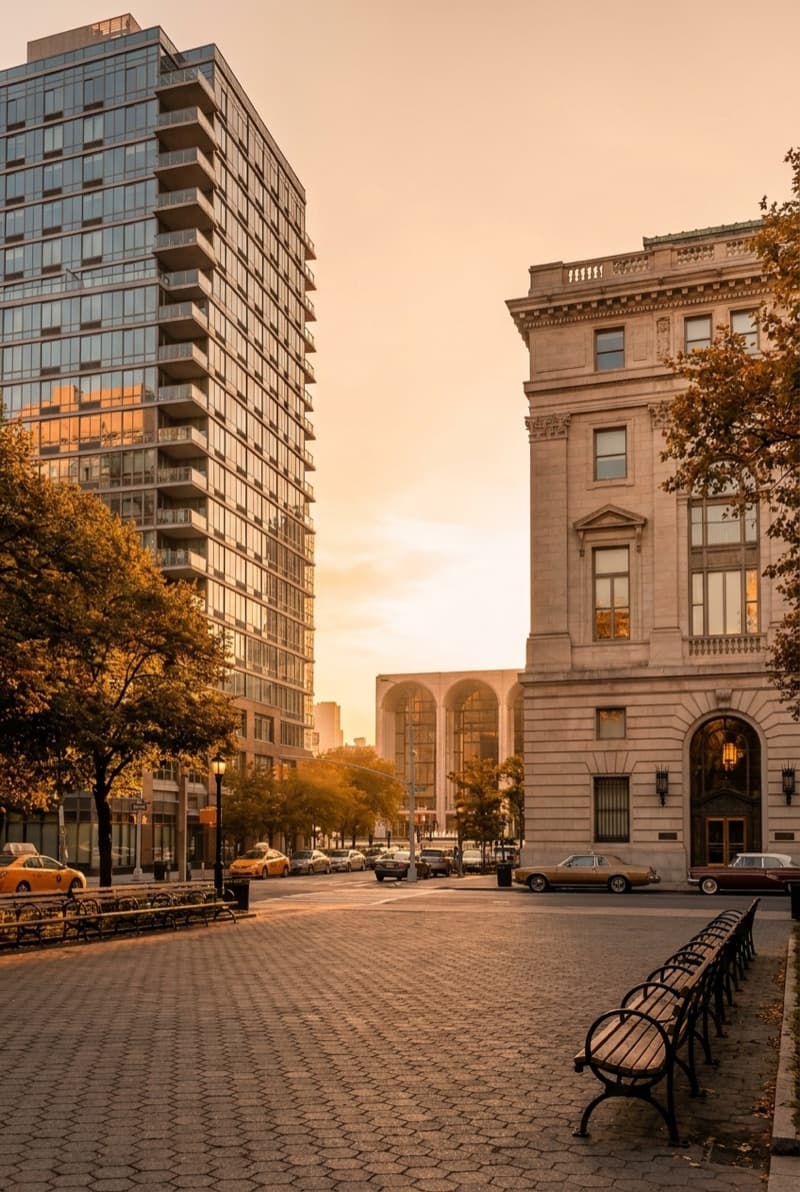
Upper West Side condos are mostly newer buildings with full-time staff, amenities, and floor-to-ceiling glass, plus a smaller set of grand pre-war buildings converted to condominium ownership. They are the exception in a neighborhood where co-ops dominate, which is why the same block can hold a 1910 co-op and a 2021 condo tower.
The difference is in what you own. A condo is real property: you hold a deed to your apartment and a share of the common elements, you pay real estate taxes directly to the city, and you pay monthly common charges to the building for staff, upkeep, and reserves. A co-op sells you shares in a corporation and a proprietary lease, with your share of the building's taxes and mortgage folded into one monthly maintenance bill.
Condo, not co-op
What that means when you shop
That structure explains most of what feels different when you shop:
Flexibility
Condos generally allow purchases through an LLC or trust, financing up to the lender's limit rather than a board's, renting the apartment out, and keeping it as a second home. Co-ops on the Upper West Side often restrict all four.
Approval
There is no board interview. The board reviews an application and decides whether to exercise its right of first refusal, which in practice it waives.
Price
You pay for that flexibility. Condos trade at a premium per square foot over comparable co-ops, and the gap is widest in the new towers.
Product
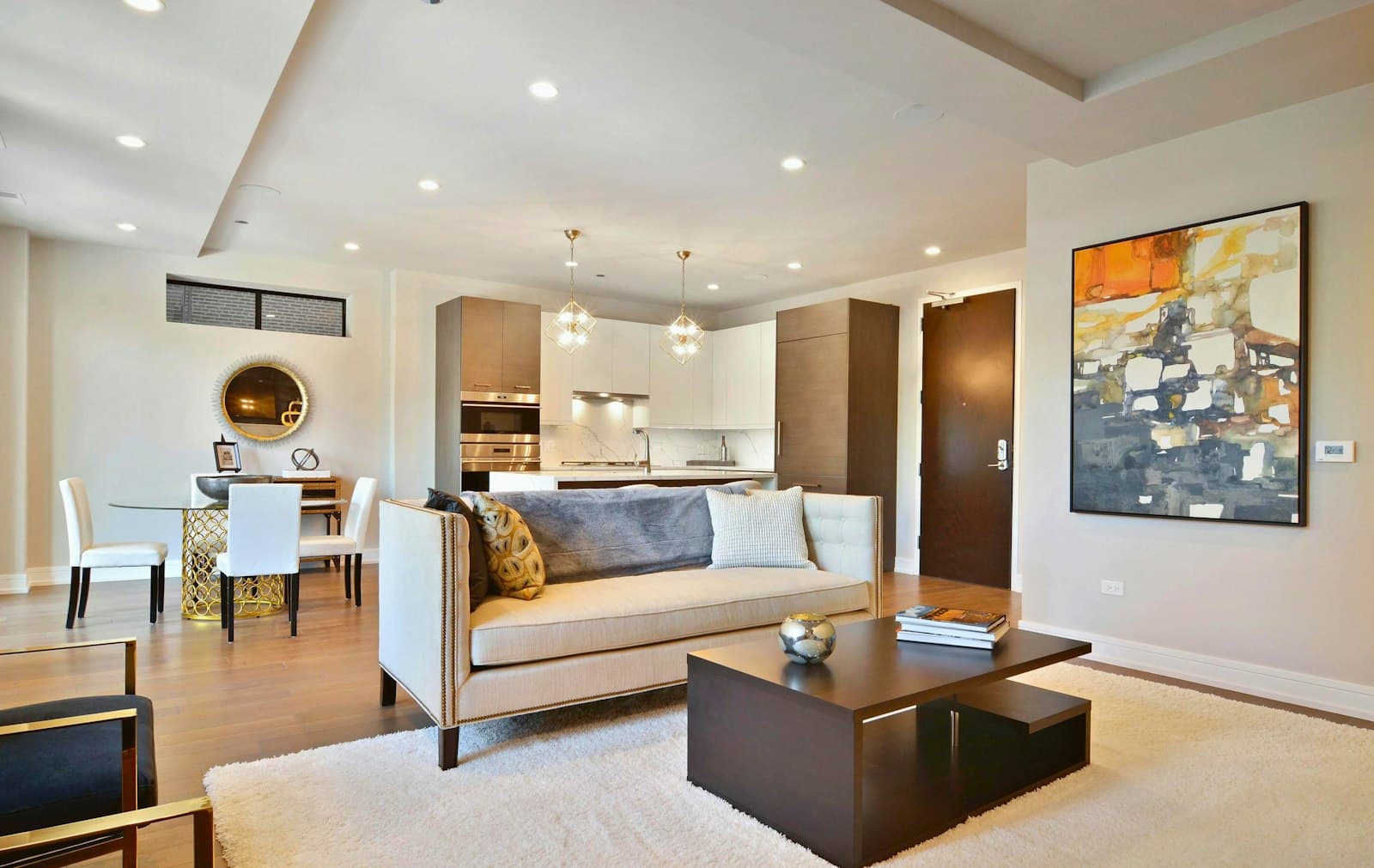
New buildings bring central air, in-unit laundry, gyms, pools, and parking, features that are hard or impossible to add in a pre-war co-op.
Michael's guide to buying a condo in NYC walks through the city-wide rules; this page is about how they play out on the Upper West Side specifically.
Four pockets
Where are the condos on the Upper West Side?
The Upper West Side runs from West 59th to West 110th Street, between Central Park West and the Hudson, and its condos sit in four clear pockets. Knowing which pocket fits you narrows the search faster than any filter.
This is the most condo-heavy corner of the neighborhood, built up around Lincoln Center after the 1980s. Millennium Tower at 101 West 67th Street, the Park Laurel at 15 West 63rd Street, and the newer 200 Amsterdam Avenue and 50 West 66th Street towers give it a modern skyline; the 1 train stops at 66th Street–Lincoln Center, and Columbus Circle is a few minutes south. Read more on Lincoln Square apartments.
The towers of Riverside South, built from the late 1990s on the old rail yards between West 59th and West 72nd Streets, line Riverside Boulevard above the Hudson River Park waterfront. Waterline Square, three towers around a new park at West 59th to 61st Street, is the most amenity-rich of them. This pocket trades the park-side prestige of Central Park West for river views, newer construction, and quieter streets.
The two famous condo exceptions on a co-op avenue are 15 Central Park West at 61st Street and One Central Park West at Columbus Circle. Further north, Central Park West is almost entirely co-op.
Along Broadway and the avenues west of it, condos are scattered: new mid-rises such as the Laureate at 2150 Broadway and Dahlia at 212 West 95th Street, and converted landmarks such as the Apthorp at 2211 Broadway and 555 West End Avenue. The 1, 2, and 3 trains run under Broadway, with express stops at 72nd and 96th Streets. See West End Avenue apartments for that corridor.
The benchmarks
Which Upper West Side condo buildings stand out?
A short list of buildings sets the benchmarks that every other Upper West Side condo is priced against. Each answers a different question about what you value most, from park views to amenities to pre-war character.
15 Central Park West (61st Street)
Robert A.M. Stern's limestone pair opened in 2008 and remains the neighborhood's trophy address, with Central Park at the doorstep and a full-service amenity floor.
One Central Park West (Columbus Circle)
The former office tower converted to condominiums with a hotel below, known for park views from Columbus Circle and hotel-style services.
One Central Park, 25 Columbus Circle
The residential tower of the Deutsche Bank Center at Columbus Circle, with park views and in-building access to shops, restaurants, and Jazz at Lincoln Center.
The Apthorp (2211 Broadway, 78th–79th Street)
A landmark from 1908 built around a vast interior courtyard with fountains, converted to condominiums; many apartments have arched windows and fireplaces.
555 West End Avenue
A 1908 Collegiate Gothic former school, converted into a small collection of one-of-a-kind condominiums.
Waterline Square (West 59th to 61st Street)
Three towers by Richard Meier & Partners, KPF, and Rafael Viñoly around a new park on the Hudson, sharing one of the city's largest residents-only amenity clubs.
200 Amsterdam Avenue (69th–70th Street)
Elkus Manfredi's 668-foot tower, finished in 2021 with 112 residences, the first new tall tower on the Upper West Side in decades.
The Laureate (2150 Broadway, 76th Street)
A 20-story limestone building whose classical facade echoes the pre-war avenue around it, two blocks from both parks.
Dahlia (212 West 95th Street)
A 2020 CetraRuddy building of 38 two- to four-bedroom family apartments with a large planted terrace.
Building names are a starting point, not a shortlist. Within any of these, the line, the floor, the exposure, and the building's finances move the value more than the address alone.
Upper West Side Condos
What do Upper West Side condos cost?
Upper West Side condos run from under $1 million for studios and smaller one-bedrooms in older conversions to tens of millions for park-facing homes at 15 Central Park West. Manhattan's median sale price for co-ops and condos held at a record $1.25 million in the third quarter of 2026, according to market reports summarized by Brick Underground.
Two forces shape pricing right now. Supply is tight: Brown Harris Stevens Development Marketing counted 3,027 new condo units on the Manhattan market in the third quarter, about 28 percent below the ten-year average, as reported by Brick Underground. And the new pied-à-terre surcharge is pushing some second-home buyers toward condos, because co-op boards are wary of the extra administration.
- $1.25MManhattan median sale price for co-ops and condos, Q3 2026, a record
- 3,027New condo units on the Manhattan market in Q3 2026, about 28% below the ten-year average
- 1%Mansion tax on residences of $1 million or more, plus a supplemental tax on higher-priced NYC sales
- 4–6%Typical buyer closing costs on a financed condo, as a share of the price
Sources: Brick Underground's Q3 2026 market summary (Corcoran, The Real Deal, Brown Harris Stevens Development Marketing); New York State Department of Taxation and Finance.
Budget for
The costs on top of the price
Closing costs of about 4 to 6 percent of the price
for a financed condo. The largest item on most Upper West Side purchases is the mansion tax: 1 percent of the price on residences of $1 million or more, with a supplemental tax on higher-priced New York City sales, per the New York State Department of Taxation and Finance. The NYC closing costs guide breaks out every line.
Sponsor costs on new development
When you buy directly from a developer, the contract often shifts the seller's transfer taxes and the building's working capital contribution to you. Read the offering plan's closing-cost section before you negotiate.
Monthly carrying costs
Common charges cover staff, upkeep, amenities, and reserves; real estate taxes are billed to you separately. In amenity-heavy towers the common charges can rival a mortgage payment, so compare total monthly cost, not just price.
The pied-à-terre surcharge
If the apartment will not be your primary residence and the city values it above $1 million, New York's annual surcharge applies from July 1, 2026; see the NYC Department of Finance for how the valuation and exemptions work.
The real numbers
What moves the price inside one building?
Two apartments of the same size in the same Upper West Side condo can sell far apart. The differences are predictable, and worth pricing in before you fall for a listing:
Line and exposure
Park-facing or river-facing lines command the premium; a line facing a neighboring tower at close range trades at a discount even on a high floor.
Floor
Higher floors gain light and views, but in Lincoln Square the towers around you decide whether a view survives the next building going up.
Outdoor space
A terrace or balcony is rare enough on the Upper West Side to move the price on its own, and setback terraces in conversions are prized.
Layout
Split bedrooms, a separate dining area, and a windowed kitchen hold value better than an open plan squeezed into the same square footage.
Extras sold separately
Parking spaces and storage units in buildings such as Dahlia are often bought on top of the apartment, so check whether a listing price includes them.
For quarterly context, Michael's market updates attribute every figure to its report.
Offer to keys
How does buying a condo on the Upper West Side work?
Buying an Upper West Side condo takes about two to three months from accepted offer to closing, and faster for an all-cash purchase, because there is no co-op board package or interview. The steps are predictable once you know where the time goes.
Get pre-approved and set the budget
Know your total monthly cost, not just the price: mortgage, common charges, and real estate taxes together.
Narrow by pocket, then by building
Lincoln Square, Riverside Boulevard, Central Park West's southern end, or Broadway and the conversions, as above.
Request the building documents before you offer
For a resale, the budget, the last two years of financial statements, board minutes, and house rules; for new development, the offering plan and its amendments.
Negotiate and accept
Your attorney drafts or reviews the contract; on resales you typically sign with a 10 percent deposit held in escrow.
Due diligence
Your attorney reviews the building's finances, litigation, pending assessments, and any sublet or pet rules that matter to you.
Financing and appraisal
The lender appraises the apartment and reviews the building, which matters in newer towers with unsold sponsor units.
The right of first refusal
You submit a purchase application; the board reviews it and issues a waiver, usually within about 20 to 30 days.
Closing
Final walkthrough, transfer taxes and title, keys.
The step buyers most often rush is the third. The documents tell you more about your future costs than the apartment does.
Upper West Side Condos
Is new development different from a resale?
Yes, in three ways that change how you negotiate. When you buy in a new building such as 200 Amsterdam Avenue or Waterline Square, the seller is the developer (the sponsor), and the rules of the sale live in the offering plan filed with the New York State Attorney General. The plan and its amendments set the deposit, the closing timeline, and which closing costs move to you, so your attorney should read them before you agree on price.
A resale in an established building, by contrast, comes with a history: years of financial statements, board minutes, and actual common charges rather than a sponsor's projected budget. That history is the main reason some buyers prefer a five- or ten-year-old building to a brand-new one. Newer towers win on systems, amenities, and finishes; older condos win on track record. On the Upper West Side, the Riverside Boulevard towers sit in between, with two decades of operating history behind most of them.
Who it suits
Who is an Upper West Side condo right for?
An Upper West Side condo suits buyers who need flexibility a co-op will not give them, and who value newer building systems over pre-war character. Five profiles come up again and again.
International buyers
Condos are the natural route for buyers without U.S. income or credit history. Expect your attorney to cover FIRPTA withholding if you later sell as a foreign person.
Second-home buyers
A pied-à-terre near Lincoln Center or the park works in a condo; most Upper West Side co-ops require the apartment to be your primary residence. Budget for the surcharge if the city values it above $1 million (NYC Department of Finance).
Buyers using an LLC or trust
Condos generally accept entity purchases; most co-ops do not.
Families wanting newer buildings
Central air, in-unit laundry, playrooms, and storage are standard in buildings such as Dahlia and Waterline Square, with Riverside Park and Central Park both close.
Investors
Condos let you rent the apartment, subject to the building's minimum lease terms, which makes them the realistic choice if you may rent before you live there.
If none of those apply and you plan to stay for years, a co-op may give you more space for the money; the guide to buying a co-op in NYC explains the trade-off.
From inside the board
What does a condo board check, and what should you check about the board?
A condo board checks that your application is complete and that the sale does not warrant its right of first refusal; it rarely does more. The more useful question runs the other way: what the board's own records say about the building you are buying into.
As president of his own Upper West Side condominium board, these are the five things Michael reads first in any building, and the ones he walks his buyers through before they sign:
Reserves
How much cash the building holds against its next roof, facade, or elevator job. Thin reserves on an older conversion usually mean an assessment is coming.
The budget against actuals
Whether common charges have been rising steadily or in sudden jumps, and whether the building ran a deficit last year.
Local Law 11 and capital projects
New York's facade inspection cycle hits older conversions hardest; the minutes show whether the next cycle is already planned and funded.
Sponsor control in new buildings
Until most units sell, the developer can dominate the board; check how many units remain unsold and whether the sponsor is current on its common charges.
Rules that affect you
Minimum lease terms, pet and renovation policies, and any limits on short-term or pied-à-terre use, which some buildings have tightened since the July 1, 2026 surcharge.
That reading takes an evening with the right documents, and it is the best protection a buyer has. It is also where a board member's eye catches what a listing never shows.
A walk through Upper West Side Condos
Upper West Side condos, in light.
The buildings, blocks, and rooms that define Upper West Side Condos — captured on Michael's walks home.
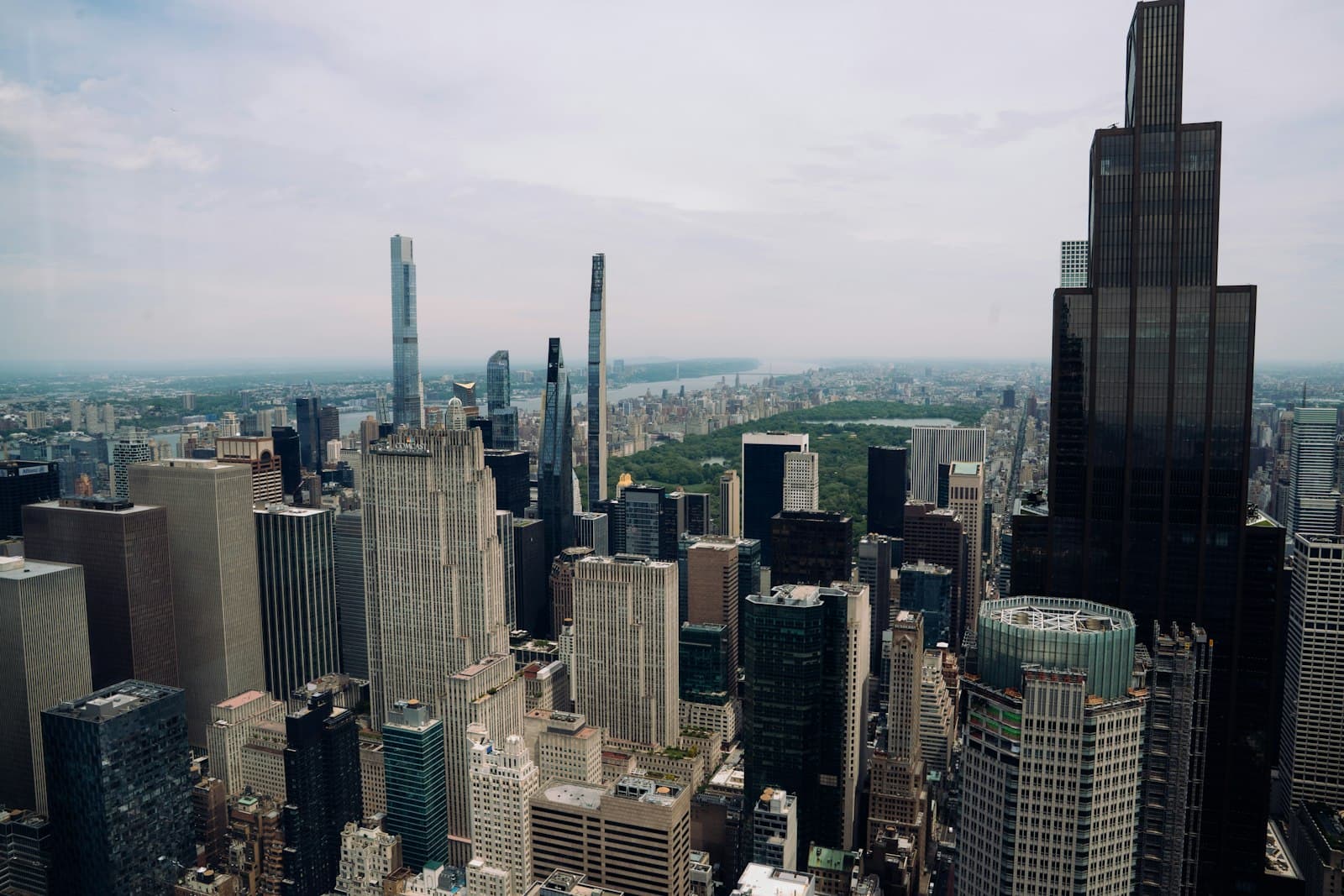
A panoramic Manhattan skyline above Central Park
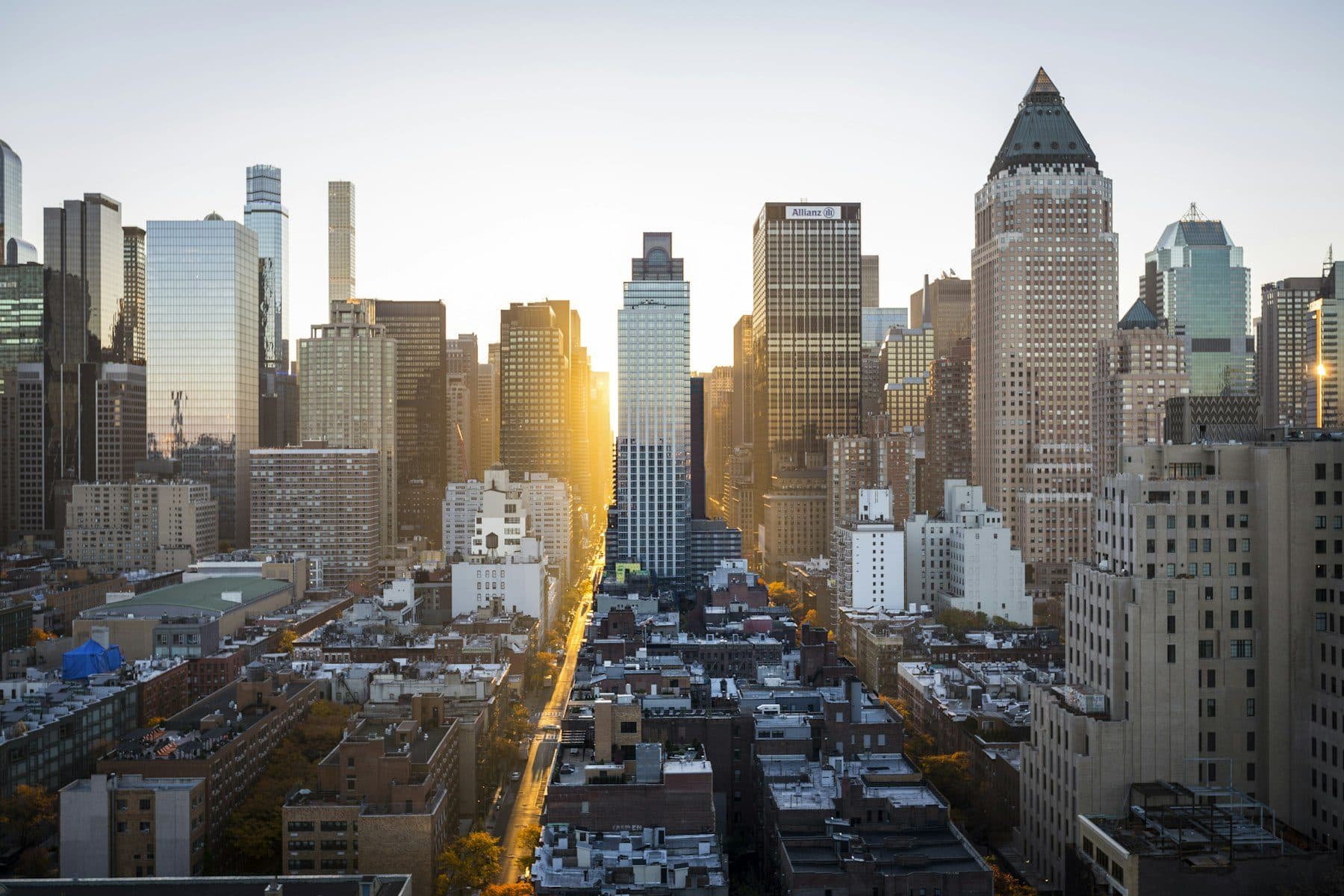
The Manhattan skyline glowing at golden hour

A living room with a large window and abundant natural light
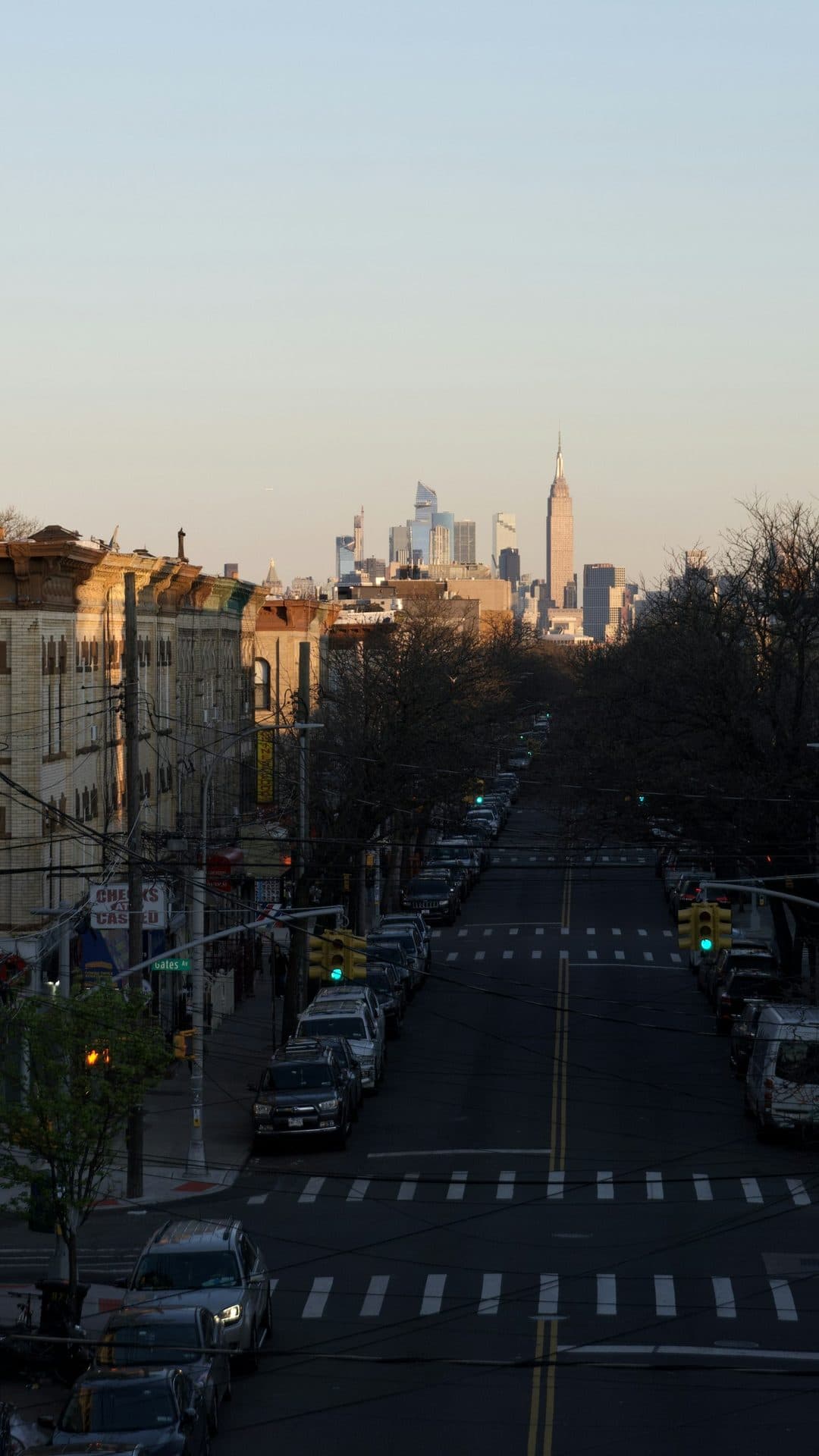
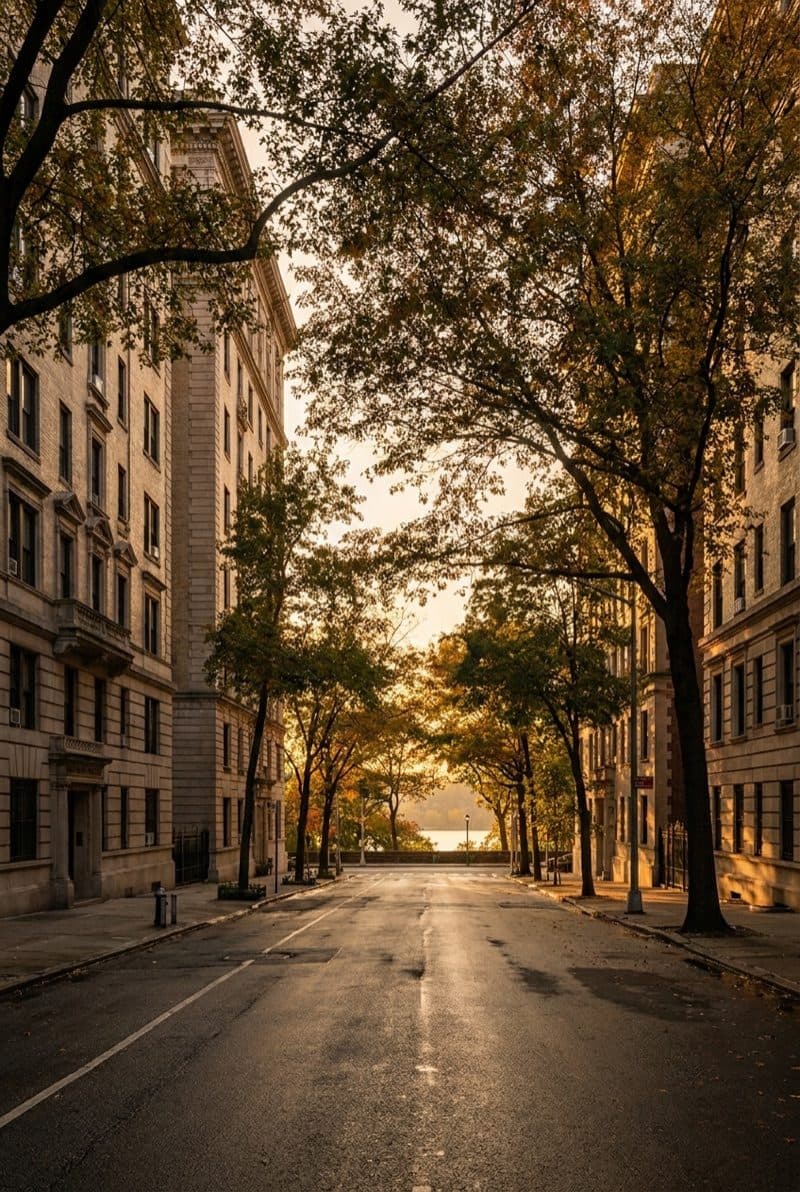
The city skyline seen down a tree-lined street at sunset

A bedroom with a round mirror above the bed
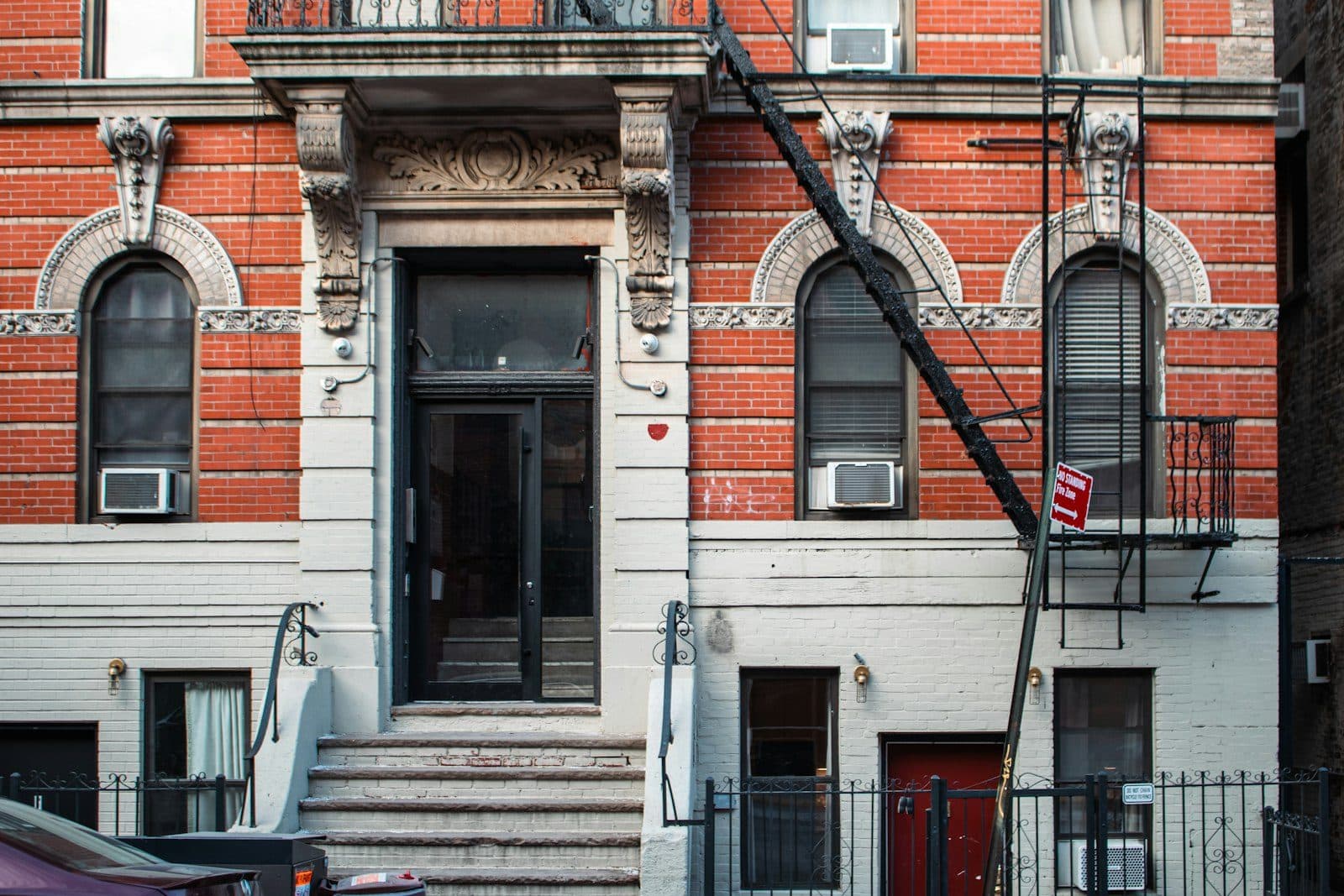
The entrance to a New York apartment building
“I sit on the board side of a condo every month. Reading a building's books before you buy is the part most buyers skip, and the part I never do.”
— Michael J. Carroll
Answers
Upper West Side Condos, answered
- Generally not in the way a co-op board can. A condo board holds a right of first refusal to buy the apartment on your terms, and in practice it reviews your application and waives that right, usually within about 20 to 30 days.
- Yes, condos generally allow it. If the city values the apartment above $1 million and it is not your primary residence, New York's annual pied-à-terre surcharge applies from July 1, 2026.
- Per square foot, yes. You pay for the flexibility to rent, finance more, and buy through an entity, and newer buildings add amenities that pre-war co-ops cannot.
- About two to three months from accepted offer to closing, faster for cash, because there is no board package or interview.
- Your monthly share of running the building: staff, upkeep of common areas, amenities, and reserves, paid to the condo's board of managers. Unlike co-op maintenance, they do not include your real estate taxes, which the city bills to you separately, so compare the two together.
- 15 Central Park West, One Central Park West, the Apthorp, Waterline Square, and 200 Amsterdam Avenue set the benchmarks, but the right building depends on your priorities and the building's finances.
A private consultation
Shortlist Upper West Side condos with a board president's eye
Tell Michael your budget, the pocket you like, and whether this will be your primary home, and he'll send a shortlist of buildings that fit, with what he'd check in each one's financials before you offer. He serves the Upper West Side from the Brown Harris Stevens West Side office at 1934 Broadway.

What happens next
- 01
Michael reads your note personally
No team inbox. He sees the form himself.
- 02
You'll hear back, usually the same day
By phone or email — whichever you prefer.
- 03
A no-pressure first conversation
Whether you're ready this week or thinking it through.
10+
Years at BHS
Top 1%
Nationwide
$500K–$25M+
Transaction range
Tell Michael about your search
A few quick questions.
Your details stay between you and Michael. No spam. No list.