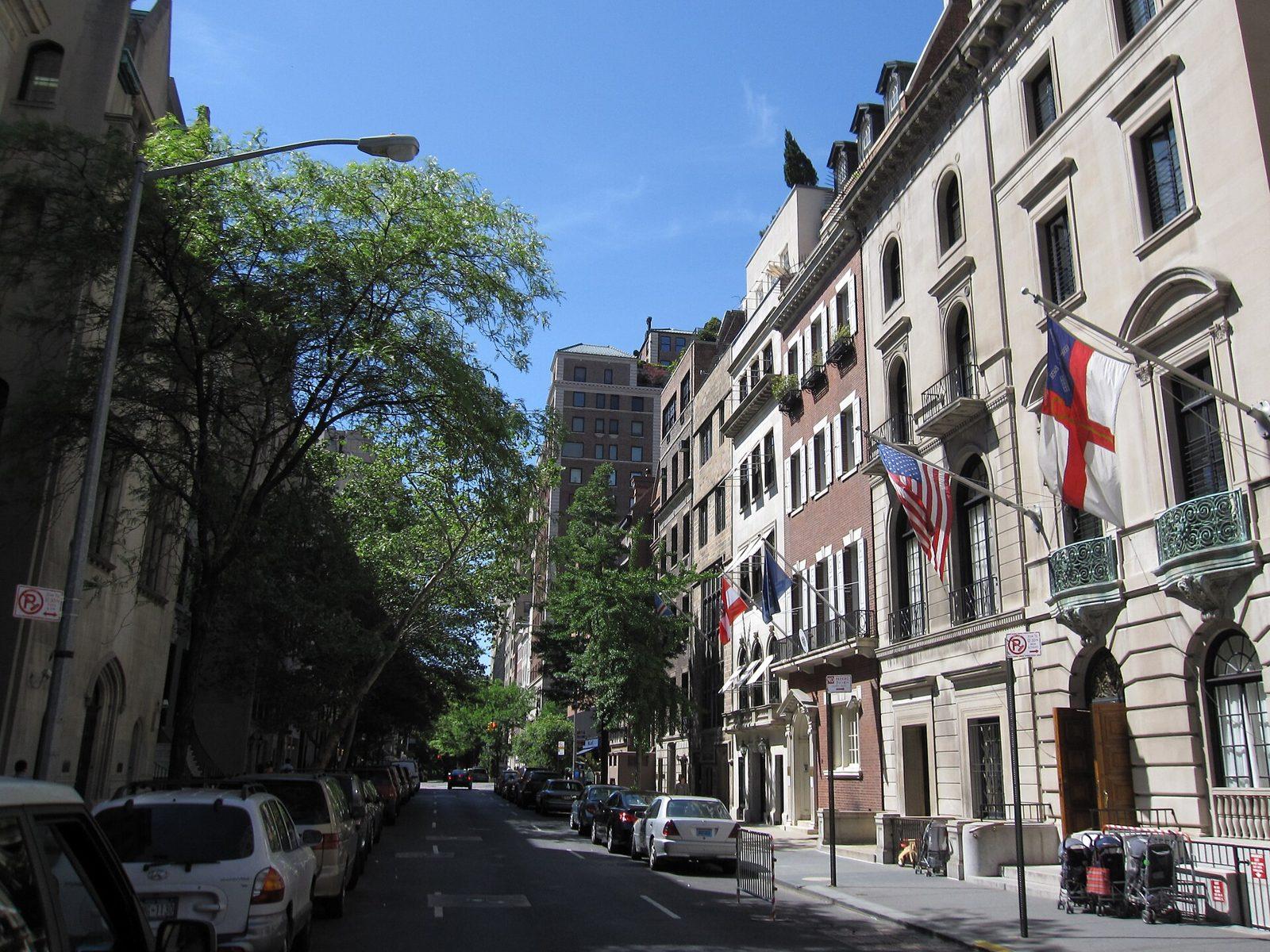
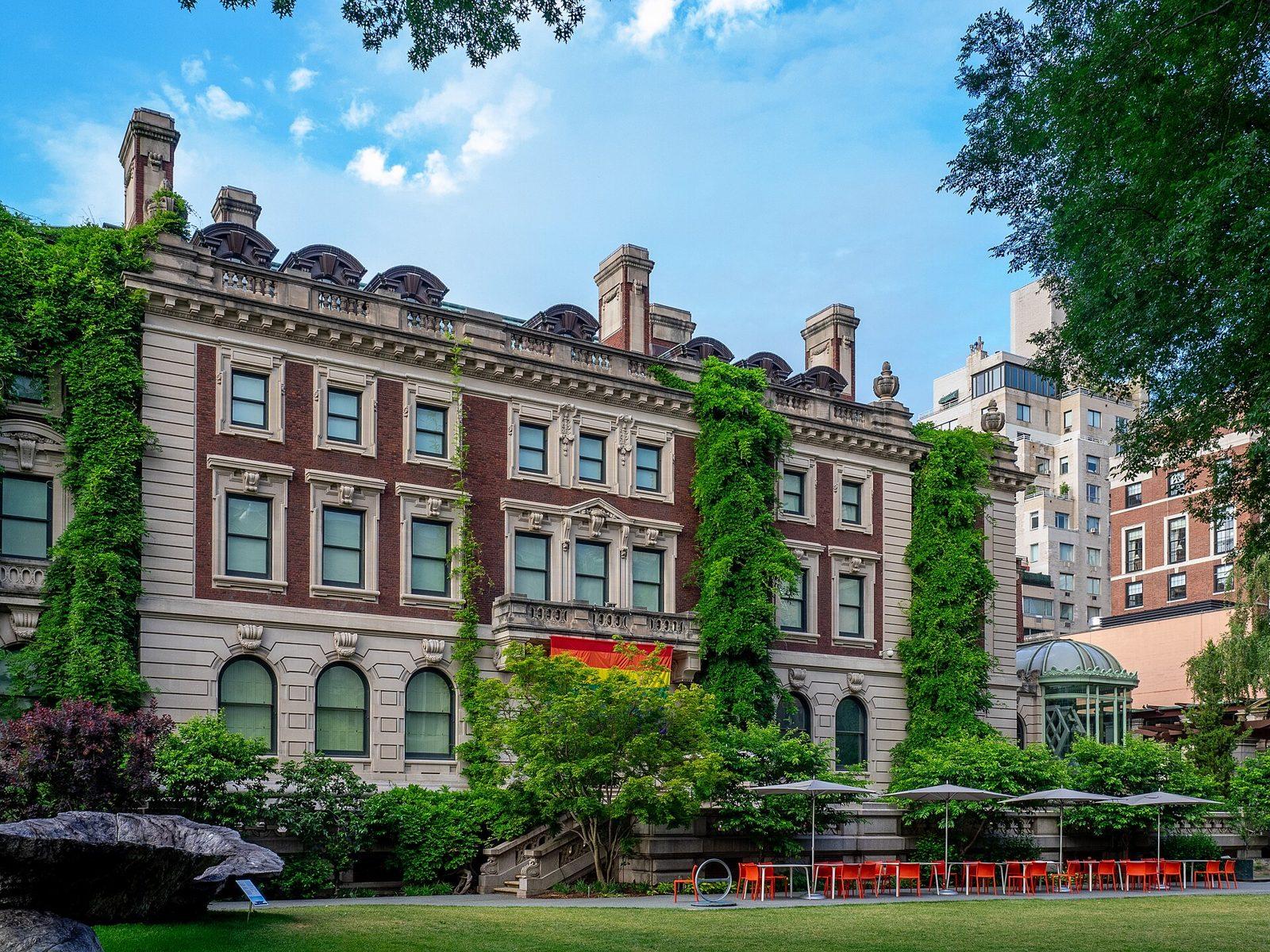
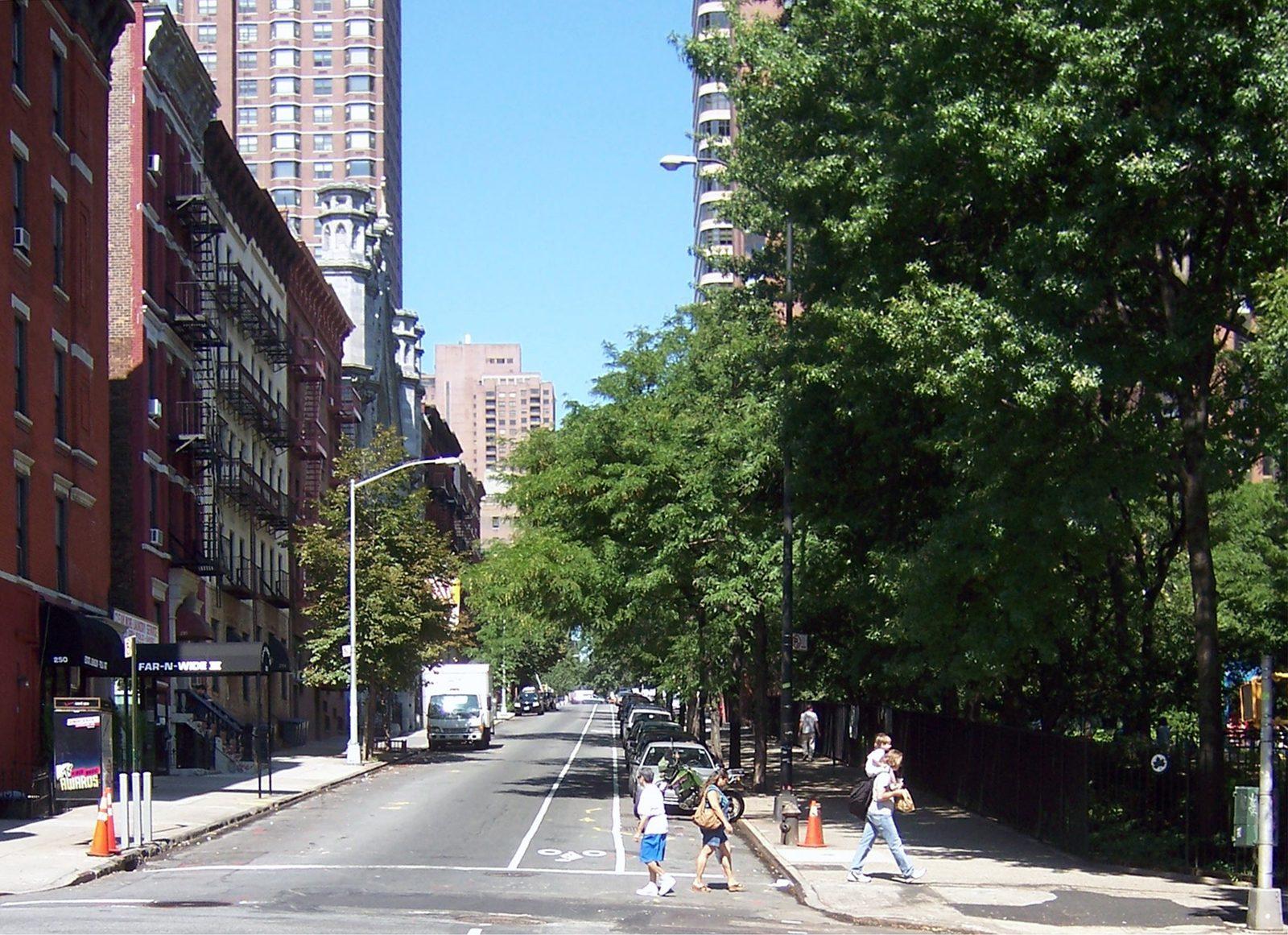
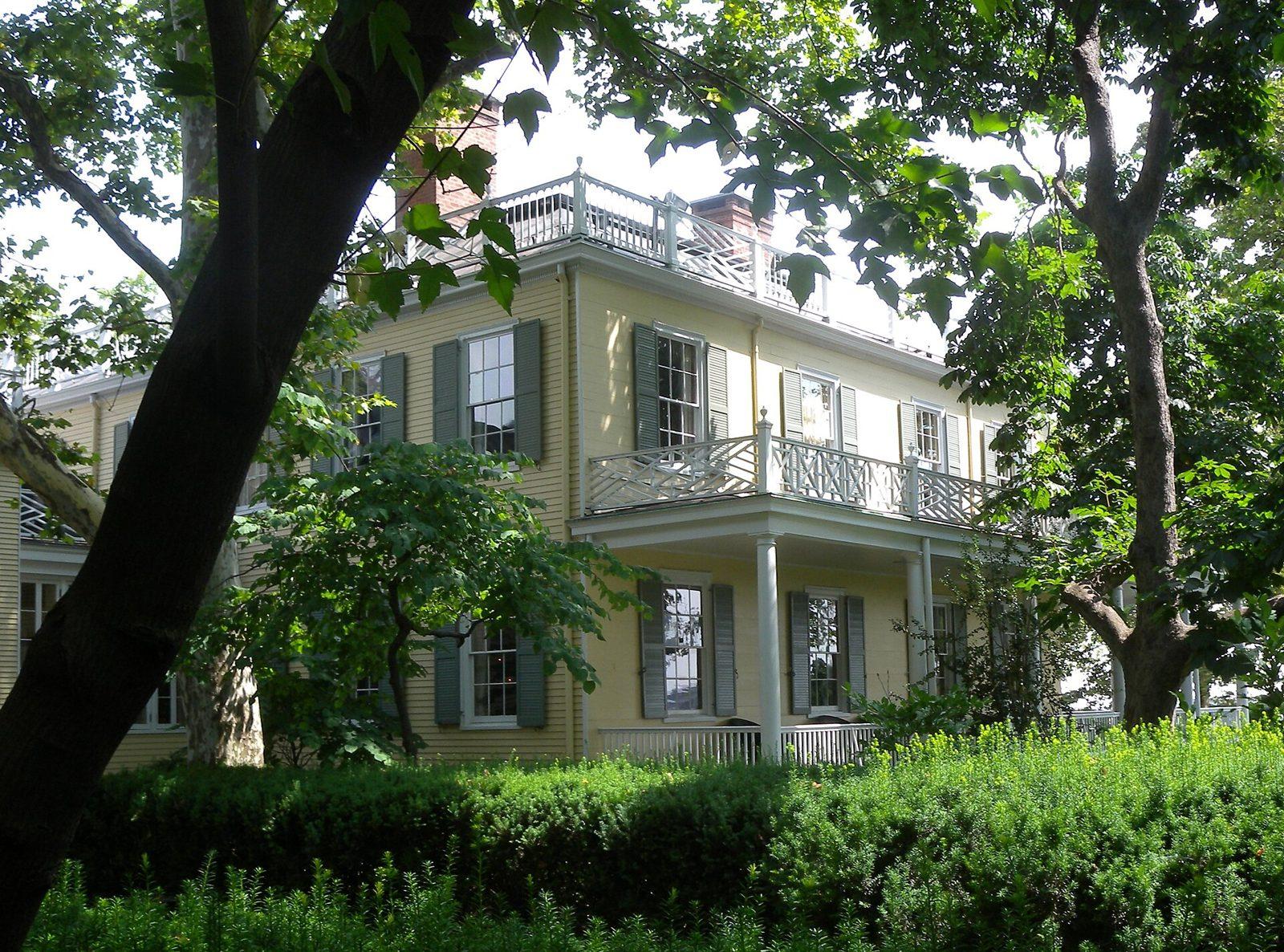
Co-ops. The Upper East Side is one of Manhattan's most co-op-heavy neighborhoods, so condos are a smaller share of what is for sale and usually cost more.
Upper East Side · Condos
Upper East Side Condos: A Buyer's Guide.
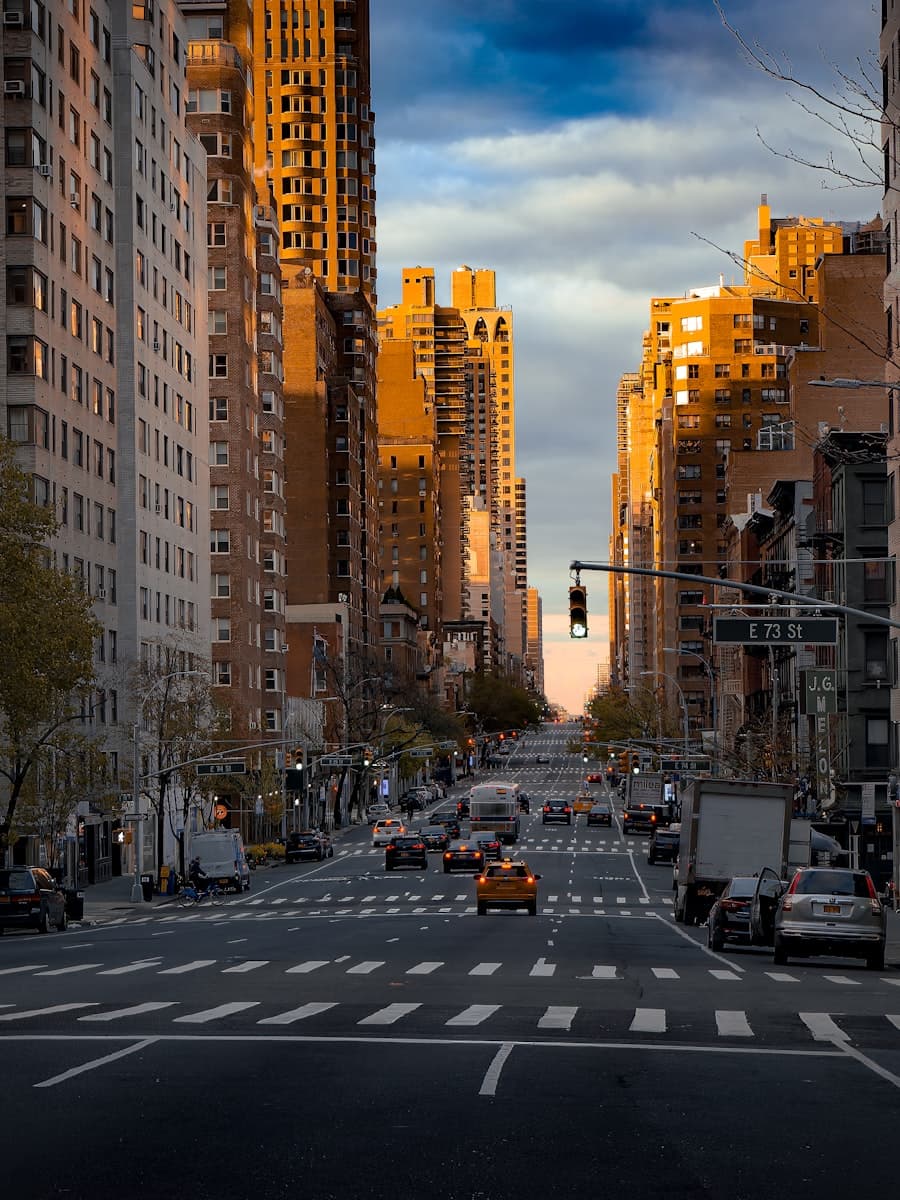
Condos are the smaller, pricier slice of an Upper East Side market built mostly on co-ops. They cluster east of Lexington Avenue, along the Second Avenue Subway, and in a few newer towers near Park and Madison. Buyers choose them for flexibility: no co-op interview, easier financing, renting and pied-à-terre use allowed. Expect to pay a premium over co-ops, and judge each building on its budget, reserves, and offering plan rather than its lobby.
Upper East Side Condos
What should you know before buying a condo on the Upper East Side?
On the Upper East Side, the first question is usually condo or co-op, and condos answer it for buyers who value freedom over a lower price. Michael J. Carroll is a Brown Harris Stevens agent and the president of his own condominium board, so he reads an Upper East Side condo the way an owner has to live with it: through its common charges, its reserve fund, and the decisions its board will make next.
This guide covers what a condo means on the Upper East Side, where condos are concentrated, the buildings buyers compare, what condos cost, how a purchase works, who a condo suits, and what to check in a building before you sign. For the neighborhood as a whole, see Upper East Side apartments.
At a glance
Upper East Side condos in five facts
Most Upper East Side homes are co-ops; condos are a minority that trades at higher prices.
Condo supply is strongest in Yorkville, near East End Avenue, and along Second and Third Avenues.
Benchmark buildings include 520 Park Avenue, 180 East 88th Street, The Bellemont, and 200 East 83rd Street.
Condos allow renting, entity ownership, and part-time use more freely than most co-ops.
Common charges, taxes, reserves, and the building's history matter more than finishes.
Upper East Side Condos
What makes an Upper East Side condo different from a co-op?
A condo is real property: you own the apartment itself, with a deed and your own tax bill. In a co-op, which is still the dominant form on the Upper East Side, you own shares in a corporation and lease your apartment from it.
Some buildings, known as condops, mix the two, with a condo commercial unit and co-op apartments, or co-op rules lighter than usual. Read the offering documents to know which one you are buying. Our condo vs. co-op guide compares the two in full.
Condo, not co-op
What that means when you shop
That legal difference produces the practical ones buyers feel:
Approval
Condo boards usually hold only a right of first refusal, which they rarely use. Co-op boards on Park and Fifth Avenue can turn buyers down without a reason.
Financing
Condo buyers can typically finance more of the price. Many Upper East Side co-ops require large down payments and post-closing liquidity.
Use
Condos generally allow leasing, ownership through an LLC or trust, and part-time use. Most co-ops limit all three.
Monthly costs
Condo owners pay common charges plus their own property taxes. Co-op maintenance bundles the building's taxes and its mortgage into one payment.
Price
That flexibility costs money, so condos usually sell at a premium over comparable co-ops nearby.
Where condos cluster
Where are the condos on the Upper East Side?
Condos are spread unevenly across the neighborhood, which runs from East 59th Street to East 96th Street between Fifth Avenue and the East River. The further east you go, the more condo choice you have.
Fifth, Madison, and Park Avenues
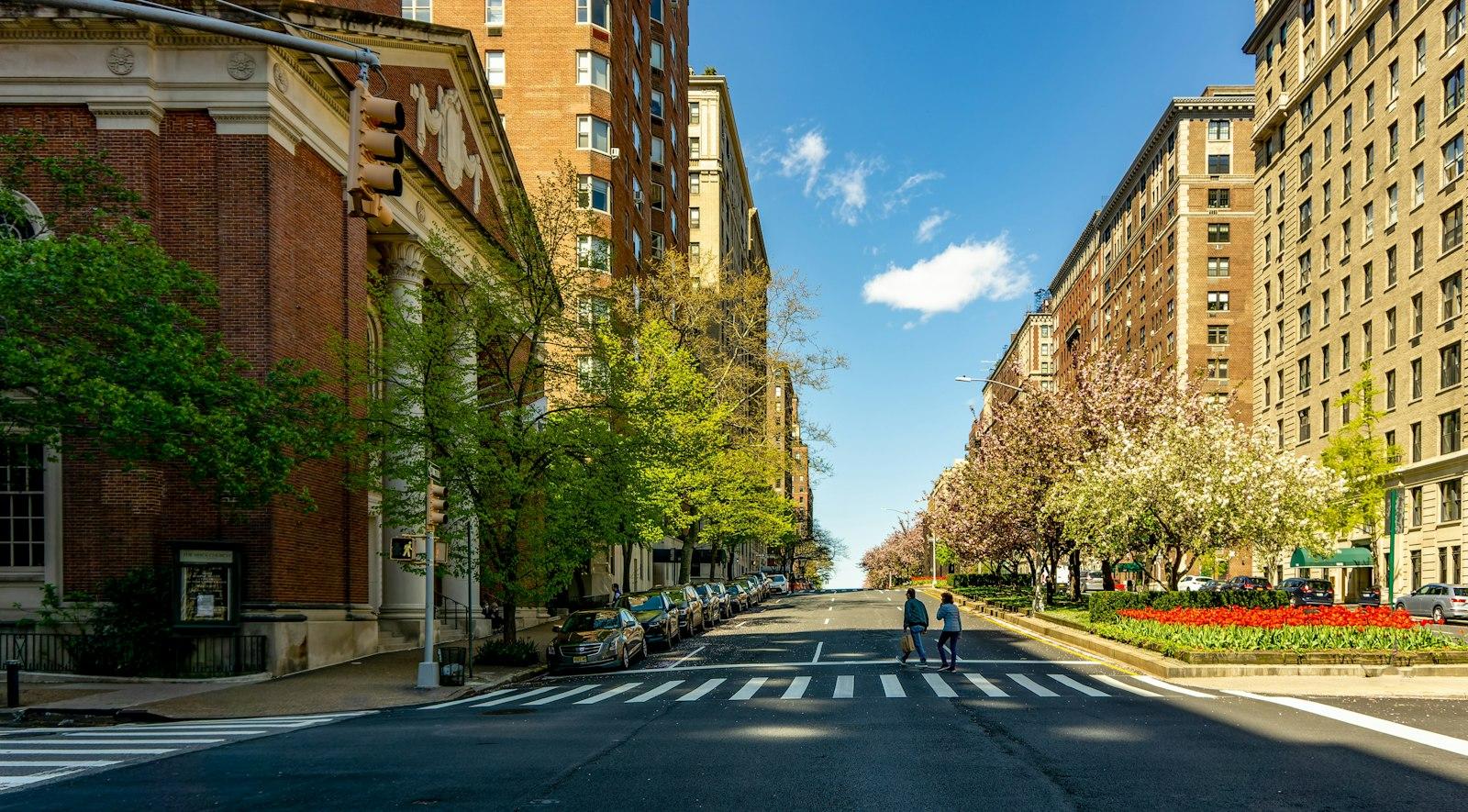
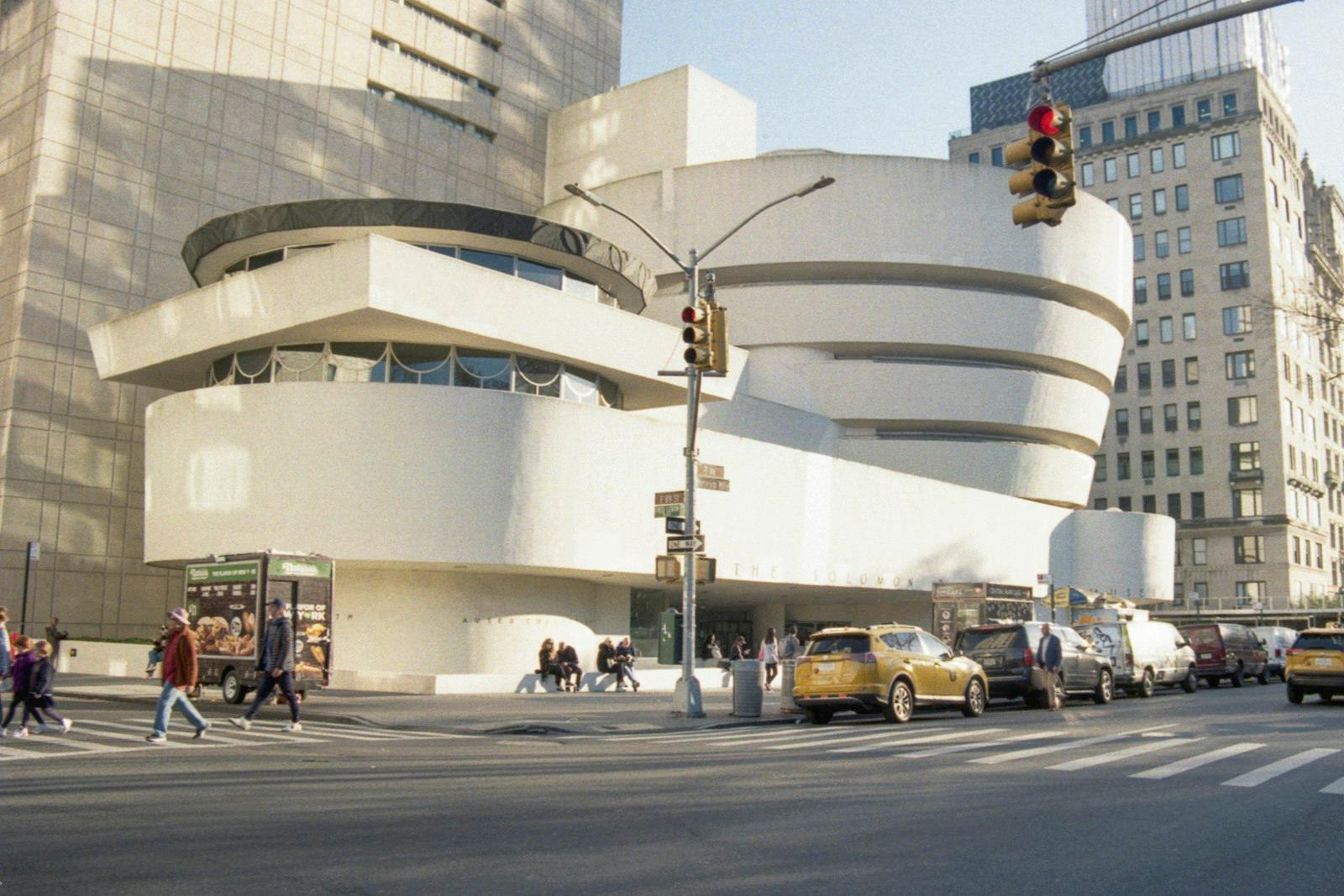
The western avenues remain co-op territory, with only a handful of condos, mostly new towers such as 520 Park Avenue. Inventory is thin and prices are at the top of the market.
The southern blocks from the East 60s into the 70s mix older co-ops with post-war and newer condo towers, close to Midtown and the hospitals along York Avenue.
North of East 86th Street toward 96th Street, the area is known for pre-war co-ops and schools, but it has a small group of newer boutique condos such as The Bellemont and 180 East 88th Street.
East of Third Avenue, Yorkville holds the deepest condo pool on the Upper East Side, including towers that rose after the Second Avenue Subway opened.
The river blocks near Carl Schurz Park offer a quieter residential pocket with both classic co-ops and a few condominiums facing the water.
How did the Second Avenue Subway change condo supply?
The Q train's stations at East 72nd, 86th, and 96th Streets opened on January 1, 2017, putting the eastern avenues within a short walk of a direct line to Midtown. Before then, the long walk to the Lexington Avenue trains held back the far east side. Developers followed the line, and many of the Upper East Side's newer condominiums now sit along Second and Third Avenues, giving buyers modern buildings at prices often below comparable space near Park Avenue.
Upper East Side Condos
Benchmark buildings
Which Upper East Side condo buildings do buyers compare?
Buyers usually compare a few benchmark buildings to understand the range from trophy towers to boutique condos. These are reference points, not a complete inventory, and each one shows a different side of the market.
520 Park Avenue
A limestone tower by Robert A.M. Stern Architects on East 60th Street, one of the few condominiums on Park Avenue and among the most expensive buildings in the neighborhood.
180 East 88th Street
A modern Carnegie Hill condominium on East 88th Street, near the Q train's 86th Street station, with a tall, slender profile among older neighbors.
The Bellemont
A boutique Carnegie Hill condominium with a small number of homes, chosen by buyers who want a quiet building with new construction.
200 East 83rd Street
A full-service condominium on the corner of Third Avenue, typical of the newer towers between Lexington Avenue and the subway corridor.
220 East 65th Street
A 26-story condominium completed in 1978, an example of the post-war condos in Lenox Hill that often cost less per square foot than new towers.
Older condos like those in Lenox Hill have years of budgets and board minutes to review. The newest buildings offer modern systems but less history, so the checks you run depend on which kind you are buying.
Pre-war charm or a new tower?
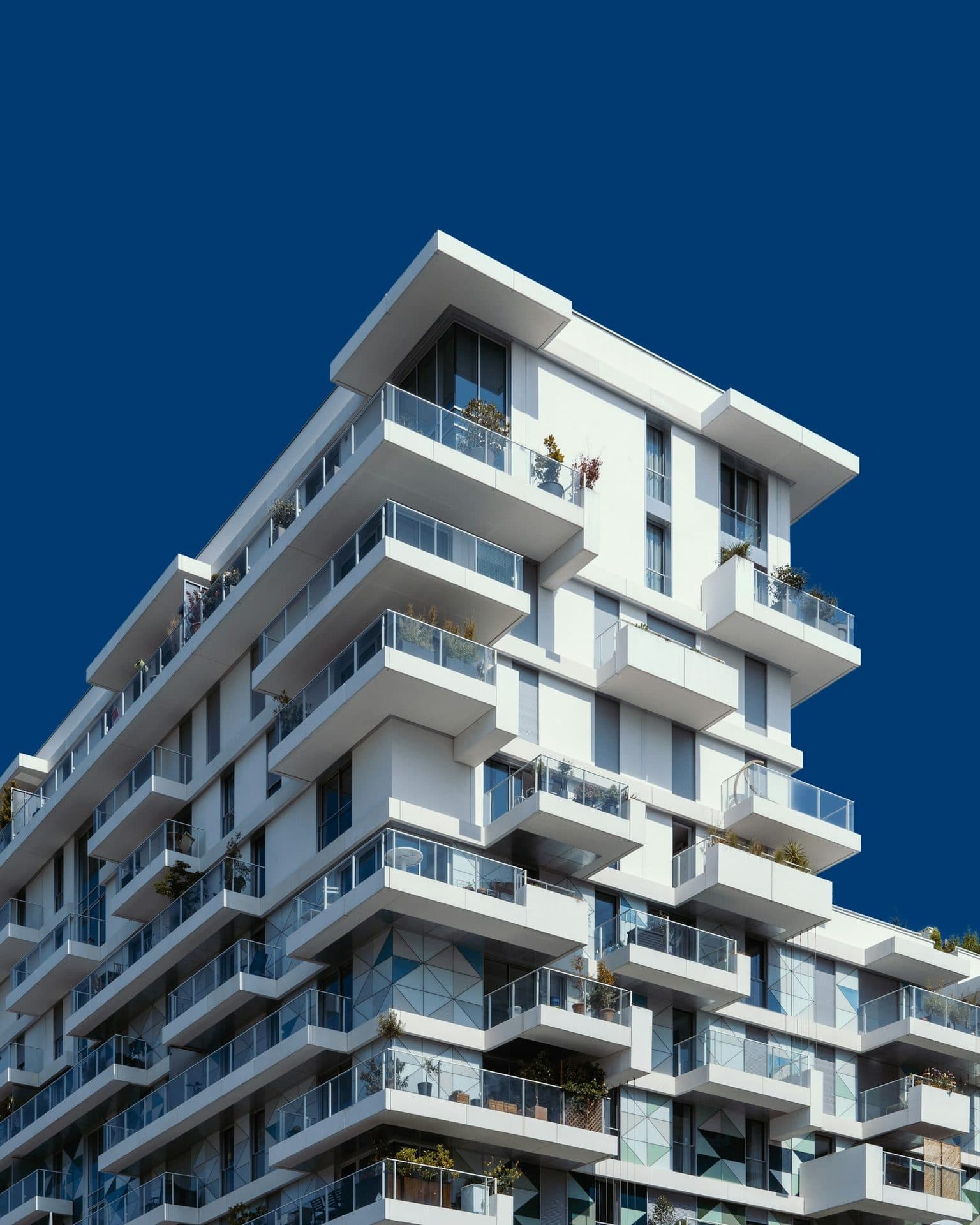
Very few Upper East Side condos are pre-war; the neighborhood's classic 1920s buildings on Park and Fifth are nearly all co-ops. A buyer who wants pre-war proportions with condo ownership will find only a short list, usually conversions or small boutique buildings. Buyers who want condo freedom most often trade character for new systems, central air, and amenities, in towers east of Lexington Avenue. If pre-war detail matters more than ownership flexibility, a Carnegie Hill co-op may suit you better than a newer condo nearby.
Upper East Side Condos
Upper East Side Condos
What do Upper East Side condos cost?
Condos sit well above co-ops in price on the Upper East Side. In its current Upper East Side market report, Milton Coste lists a median condo asking price of $3,300,000 against $1,097,500 for co-ops, with roughly 56 homes of all types changing hands each month.
Asking prices and closed prices tell different stories. Closed sales run lower because many smaller condos sell while trophy listings wait: The New York City Broker reports a median Upper East Side condo sale price of $1.66 million in the fourth quarter of 2025, with condos averaging $1,573 per square foot. Use asking prices to read today's supply and closed prices to judge what buyers actually pay.
- $3.3MMedian asking price for an Upper East Side condo in current listings
- $1.1MMedian asking price for an Upper East Side co-op, same report
- $1.66MMedian Upper East Side condo sale price in Q4 2025
- $1,573Average condo price per square foot, Q4 2025
Sources: Milton Coste Upper East Side market report (asking prices, 2026); The New York City Broker (sale prices, Q4 2025).
The mansion tax
New York State charges 1 percent on residential purchases of $1 million or more, rising on higher prices, as set out by the New York State Department of Taxation and Finance.
Common charges and property taxes
Condo owners pay both separately; compare them per square foot across buildings, not as a lump sum.
Title insurance and mortgage costs
Condo buyers buy title insurance, and financed buyers pay the state mortgage recording tax.
New-construction costs
In sponsor sales, buyers often take on the transfer taxes a resale seller would usually pay.
The pied-à-terre surcharge
Homes the city values above $1 million that are not your primary residence pay an annual surcharge, explained by the NYC Department of Finance.
How do common charges vary across Upper East Side condos?
Common charges cover the building's staff, insurance, utilities in shared areas, repairs, and reserves, and they rise with service. A Park Avenue tower with a large staff and full amenity floors will charge far more per square foot than a post-war Lenox Hill condo with a doorman and a gym. Taxes vary too: newer buildings may still carry an abatement that will phase out, which raises the owner's bill later. Ask for the current budget, the tax bill, and any abatement schedule before comparing two apartments on price alone.
Upper East Side Condos
Offer to keys
How does buying an Upper East Side condo work?
A condo purchase moves faster than a co-op purchase, usually 60 to 90 days from accepted offer to closing for a resale, because there is no board interview. The steps follow a set order.
Get pre-approved or document your funds
Sellers expect proof before they accept an offer.
Make an offer through your agent
Michael checks recent sales in the building and comparable buildings first.
Hire a real estate attorney
Your attorney reviews the contract and the building's documents, then negotiates terms.
Run due diligence
Your attorney reviews the offering plan, amendments, financial statements, and board minutes.
Sign the contract and pay the deposit
The deposit, typically 10 percent, is held in escrow.
Submit the condo application
The board reviews it for the right of first refusal, which is usually waived.
Finalize the mortgage
The lender appraises the apartment and reviews the building's questionnaire.
Close
Sign the deed, pay closing costs, and get the keys.
For the city-wide rules, see our guide to buying a condo in New York City.

Upper East Side Condos
What does the condo board actually review?
Even without an interview, Upper East Side condo boards ask for an application covering your finances, references, and intended use. The board's role is limited to its right of first refusal, the option to buy the apartment on the same terms, and boards very rarely use it. Expect the application to take a few weeks, so build that time into your contract, and ask whether the building charges move-in fees or deposits.
Who it suits
Who is an Upper East Side condo right for?
Condos suit buyers who need flexibility the neighborhood's co-ops do not offer, and who will pay a premium for it. Five kinds of buyers choose them most.
International buyers
Condos allow foreign ownership and remote closings far more easily than co-ops on Park or Fifth Avenue.
Pied-à-terre buyers
Part-time use is generally allowed, subject to the city's surcharge on non-primary homes valued above $1 million.
Investors and future landlords
Condo owners can usually rent out their apartments, while most co-ops cap or forbid subletting.
Buyers using an LLC or trust
Entity ownership, common in estate planning, is routine in condos and difficult in co-ops.
Families who want modern systems
Newer towers in Yorkville and Lenox Hill offer central air, laundry, and playrooms close to schools and Carl Schurz Park.
If your priority is space for the money, a co-op in the same blocks often gives you more. Read Upper East Side apartments to compare.
From inside the board
What should you check before buying an Upper East Side condo?
A condo's monthly costs and future assessments are set by its board, so the building's finances deserve as much attention as the apartment. As a condo board president, Michael asks these five questions about every building his buyers consider:
How strong are the reserves?
A healthy reserve fund lets the board pay for roofs, facades, and elevators without large assessments.
What does the facade inspection show?
Under the city's Local Law 11, buildings taller than six stories need facade inspections every five years, as the NYC Department of Buildings explains; repairs can be expensive.
What do the board minutes say?
Minutes reveal leaks, lawsuits, planned projects, and disputes before they show up in your bill.
How many units are rented?
A high share of rented apartments can affect financing and how owners vote, especially in newer towers in Yorkville.
Are there pending assessments or rule changes?
Ask about any planned assessments, fee increases, or new limits on renting or pied-à-terre use.
These checks matter most in the oldest and newest condos: older buildings face aging systems, and newer ones have no history yet.
A walk through Upper East Side Condos
Upper East Side condos, in light.
The buildings, blocks, and rooms that define Upper East Side Condos — captured on Michael's walks home.
A modern Manhattan condominium with cascading balconies
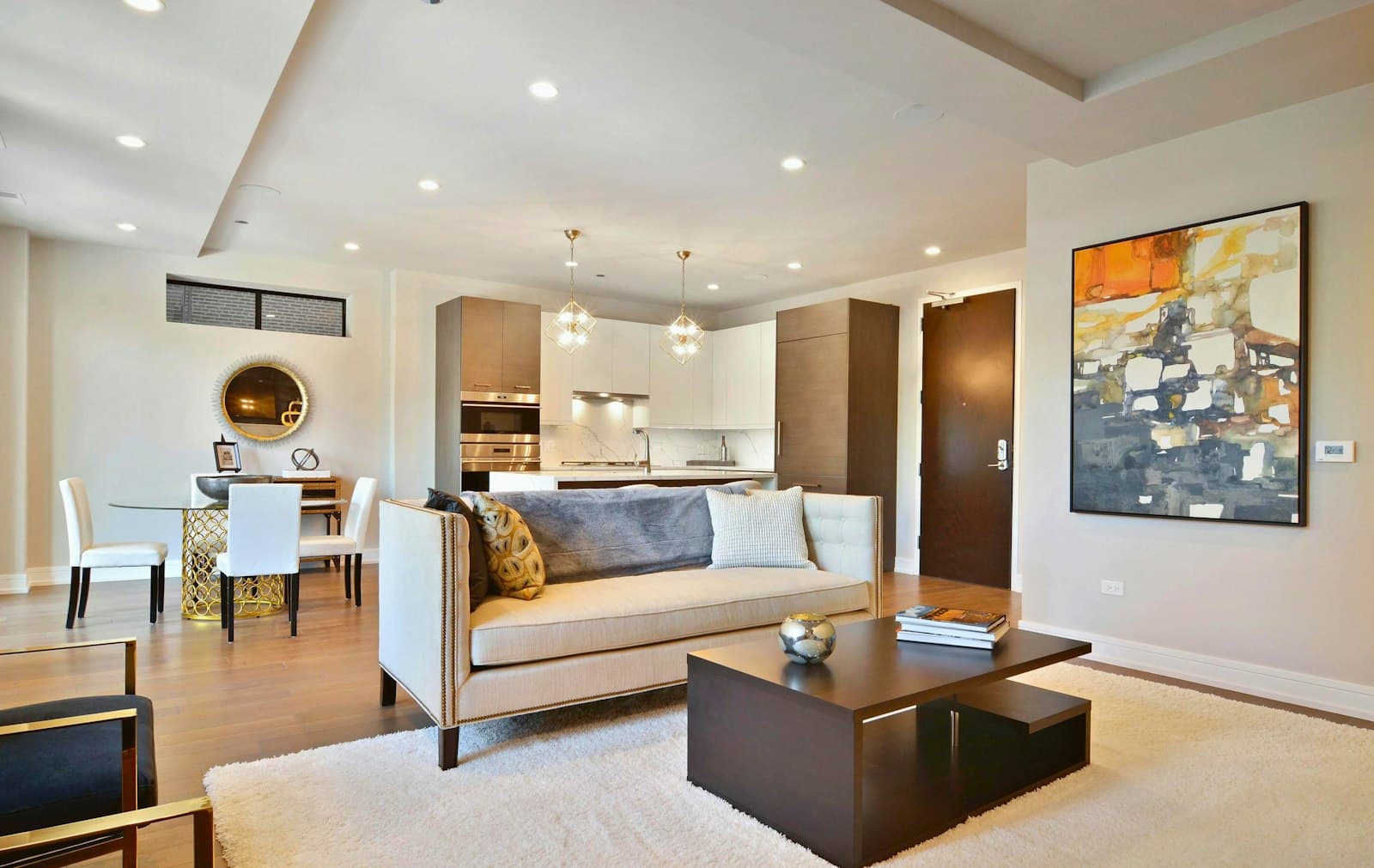
An open-plan living room and kitchen
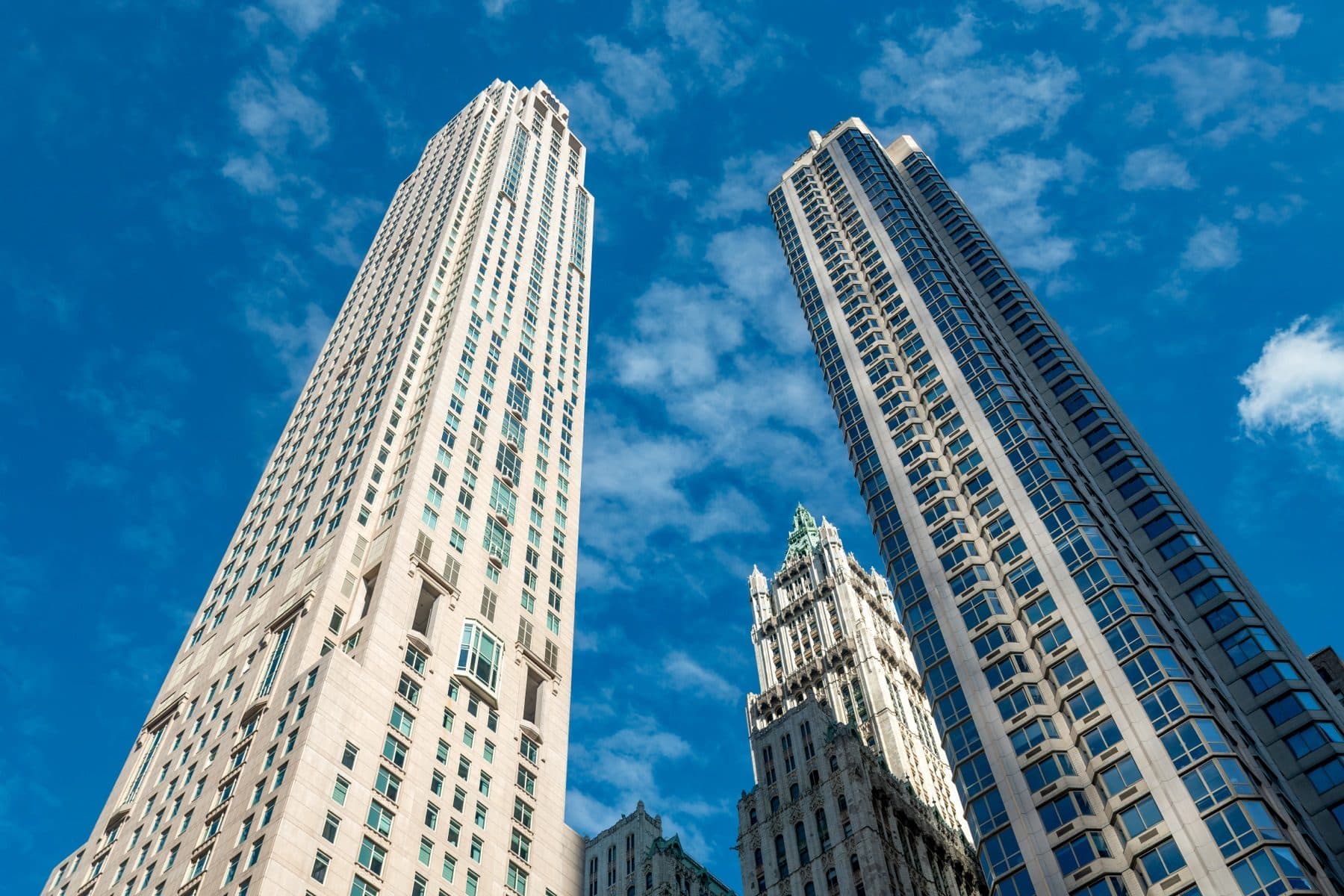
Luxury Manhattan condominium towers above the trees
A luxury Manhattan penthouse living room with floor-to-ceiling glass

A refined navy and ivory primary bedroom with a tufted headboard

A living room with a large window and abundant natural light

“On the Upper East Side, a condo buys freedom. I check that the building's budget and reserves can pay for it.”
— Michael J. Carroll
Answers
Upper East Side Condos, answered
- Not in the co-op sense. Condo boards review an application but usually only hold a right of first refusal, which they rarely exercise.
- East of Third Avenue, in Yorkville and along the Second Avenue Subway, where condo supply is deeper and prices per square foot are often lower than near Park Avenue.
- Usually, yes, subject to the building's rules on lease length and approval. Check the bylaws, because some buildings set minimum lease terms.
- Generally, yes. Condos commonly allow entity ownership, which many co-ops do not. Your attorney will confirm the building's requirements.
- A resale usually closes in 60 to 90 days after the contract is signed. New construction depends on when the building is completed.
A private consultation
Compare Upper East Side condos with a board president's eye
Tell Michael your budget, the space you need, and how you plan to use the home, and he will shortlist Upper East Side condos, review their budgets and minutes with you, and flag the buildings worth a closer look. He works from the Brown Harris Stevens West Side office at 1934 Broadway.

What happens next
- 01
Michael reads your note personally
No team inbox. He sees the form himself.
- 02
You'll hear back, usually the same day
By phone or email — whichever you prefer.
- 03
A no-pressure first conversation
Whether you're ready this week or thinking it through.
10+
Years at BHS
Top 1%
Nationwide
$500K–$25M+
Transaction range
Tell Michael about your search
A few quick questions.
Your details stay between you and Michael. No spam. No list.