Yes. Co-ops make up most of the neighborhood's apartment buildings, especially pre-war buildings on Fifth and Park Avenues.
Upper East Side · Co-ops
Upper East Side Co-ops: A Buyer's Guide.
Co-ops are the heart of the Upper East Side market, from the famous pre-war buildings on Fifth and Park Avenues to post-war towers in Lenox Hill and Yorkville. They usually cost less than comparable condos, but you buy shares in a corporation and must win board approval. Boards on the western avenues expect large down payments and significant savings after closing, and a few require all cash. The building's finances matter as much as the apartment.

Upper East Side Co-ops
What should you know before buying a co-op on the Upper East Side?
On the Upper East Side, most apartments are co-ops, and the neighborhood's most prestigious addresses belong to some of the most selective boards in New York. Michael J. Carroll is a Brown Harris Stevens agent and president of his own condominium board, so he knows how boards think: what they review, why they decline, and which numbers in a building's financial statements a buyer should worry about.
This guide covers how Upper East Side co-ops work, where they are, the buildings buyers compare, what they cost, how board approval works, who a co-op suits, and what to check in a building before you apply. For the condo side of the market, see Upper East Side condos.
At a glance
Upper East Side co-ops in five facts
Co-ops make up most Upper East Side apartments and often cost less than similar condos.
The most famous co-ops line Fifth and Park Avenues; post-war co-ops dominate further east.
Most boards expect at least 20 percent down and reserves after closing; some demand all cash.
Approval means a full financial package and an interview, and boards can say no without a reason.
Maintenance, reserves, the underlying mortgage, and house rules decide what you really pay.
Upper East Side Co-ops
How does an Upper East Side co-op work?
In a co-op, you buy shares in a corporation that owns the building, and those shares come with a long-term lease on your apartment. The co-op board, elected by the shareholders, approves every buyer and sets the house rules.
Some buildings, known as condops, combine co-op apartments with condo-style rules. Read the building's documents to know what you are buying, and compare the two forms in our condo vs. co-op guide.
Shares, not a deed
What that means when you shop
What that means in practice:
You pay maintenance, not common charges
Monthly maintenance covers your share of the building's staff, repairs, property taxes, and any mortgage on the building.
The board must approve you
Expect a detailed financial application and an interview before you can buy.
Financing is limited
Many buildings cap how much you can borrow, and some allow none at all.
Use is restricted
Most co-ops limit subletting, and many do not allow pied-à-terre or entity ownership.
The price is usually lower
Because of those limits, co-ops generally sell for less than comparable condos nearby.
Where co-ops are
Where are the co-ops on the Upper East Side?
Co-ops fill nearly every block of the Upper East Side, from East 59th to East 96th Street, but their character changes as you move east from the park. Five areas cover most of what buyers see.
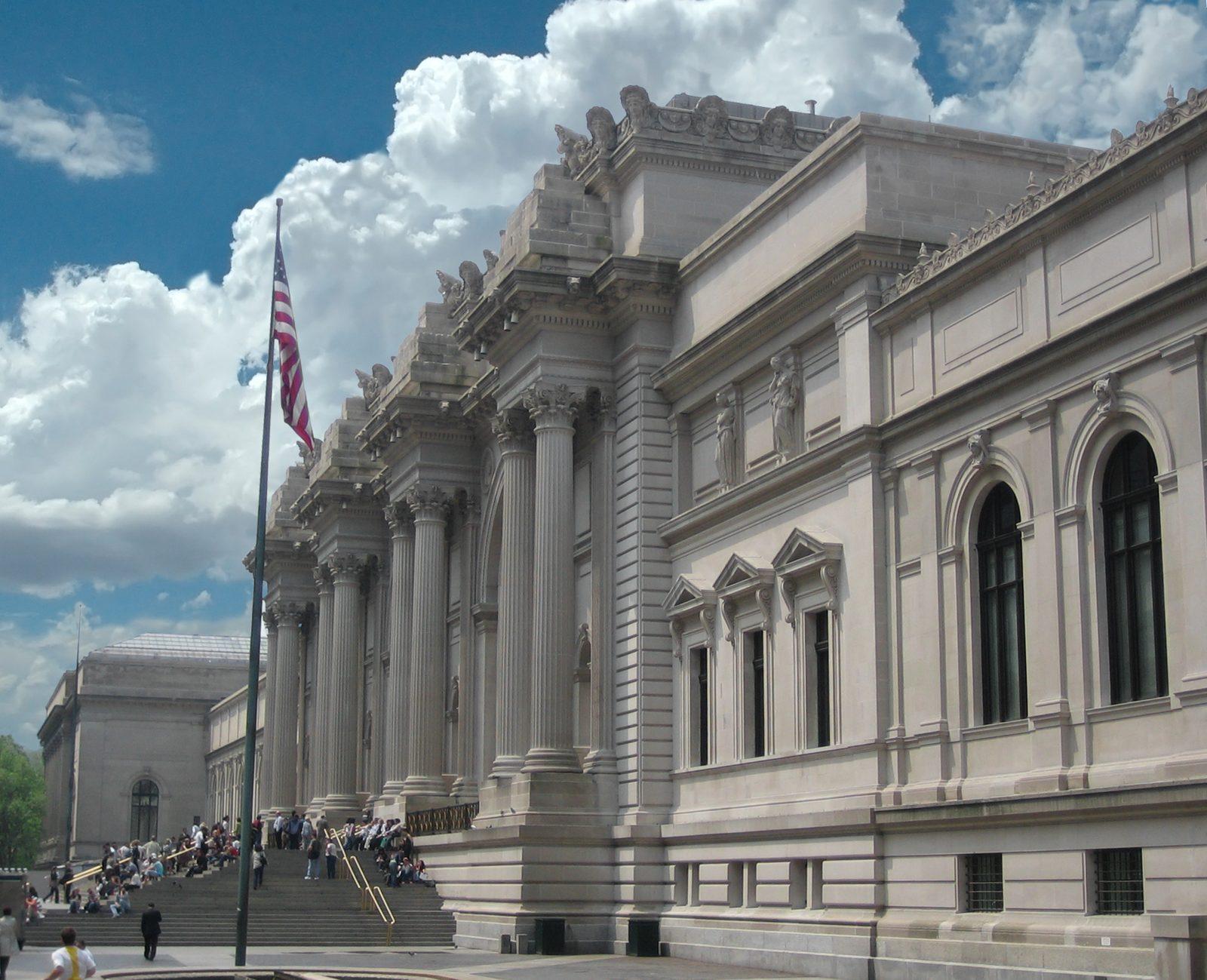
The pre-war buildings facing Central Park hold some of the largest and most expensive co-op apartments in the city, many with full-floor layouts.
Park Avenue
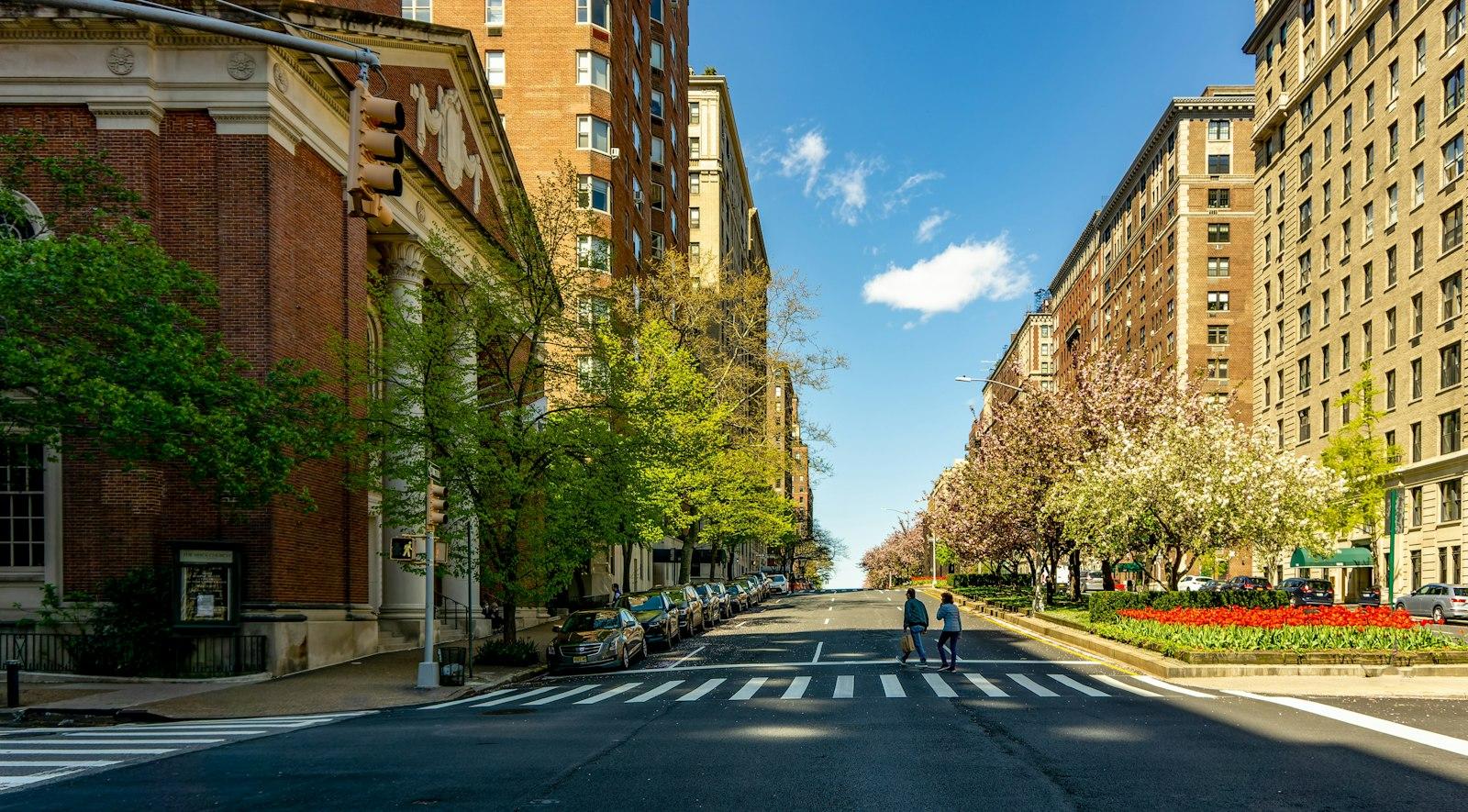
Grand pre-war co-ops line the avenue's planted median from the East 60s into the 90s, with large classic layouts and strict boards.
Between Lexington and the East River in the 60s and 70s, post-war doorman towers offer more apartments at lower prices, close to Midtown and the hospitals on York Avenue.
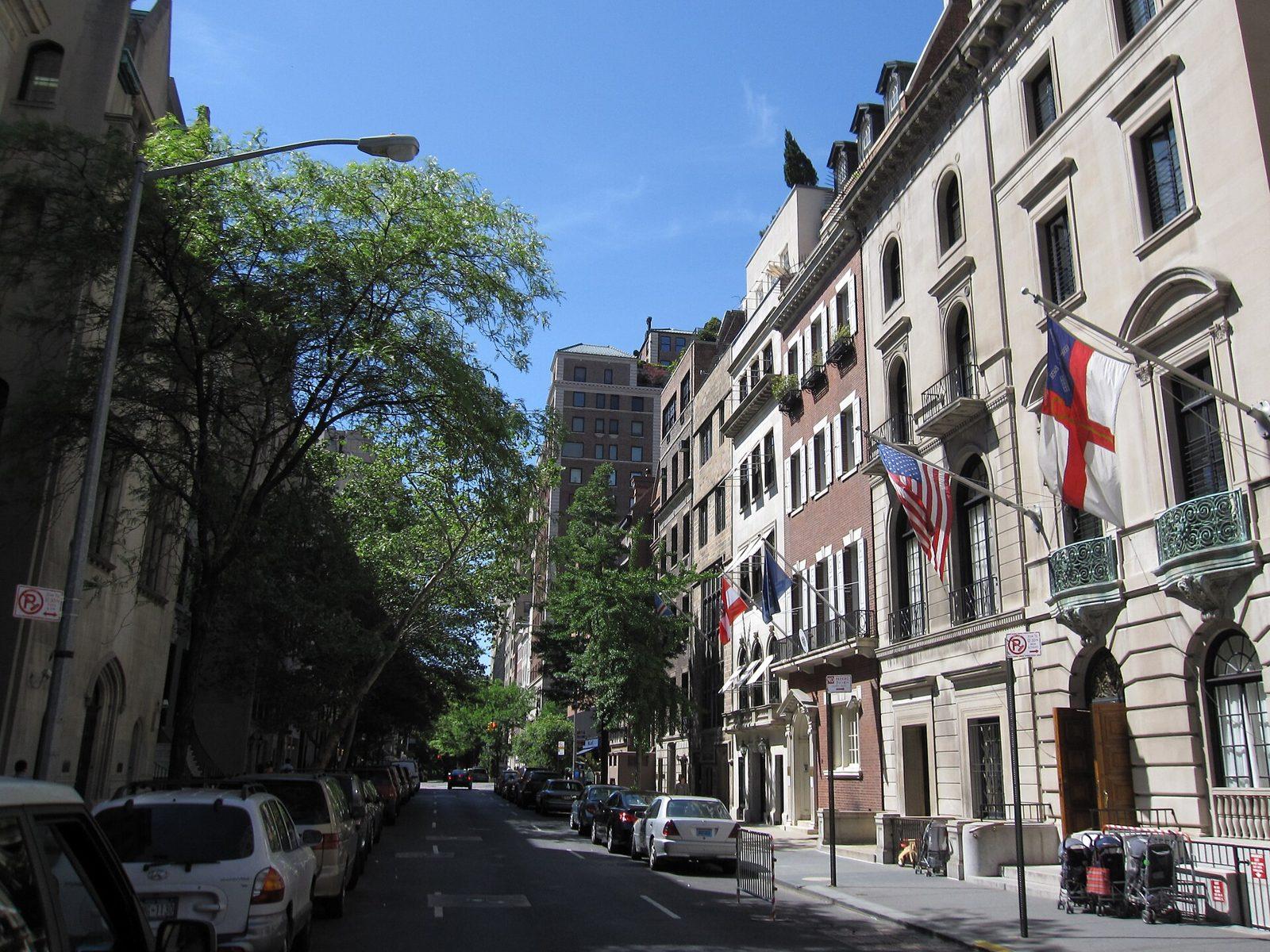
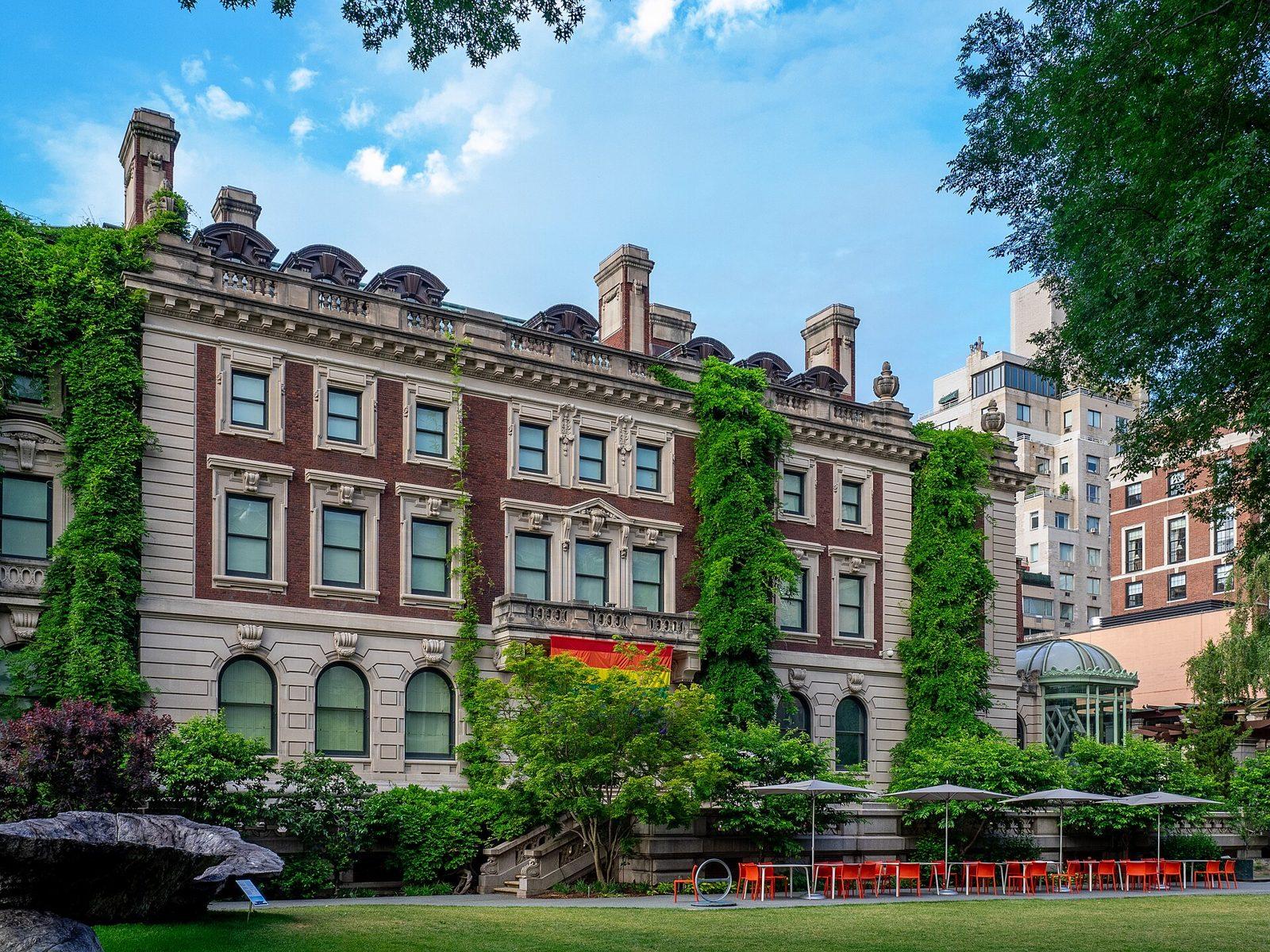
North of East 86th Street, pre-war co-ops sit near schools, Museum Mile, and Central Park, popular with families.
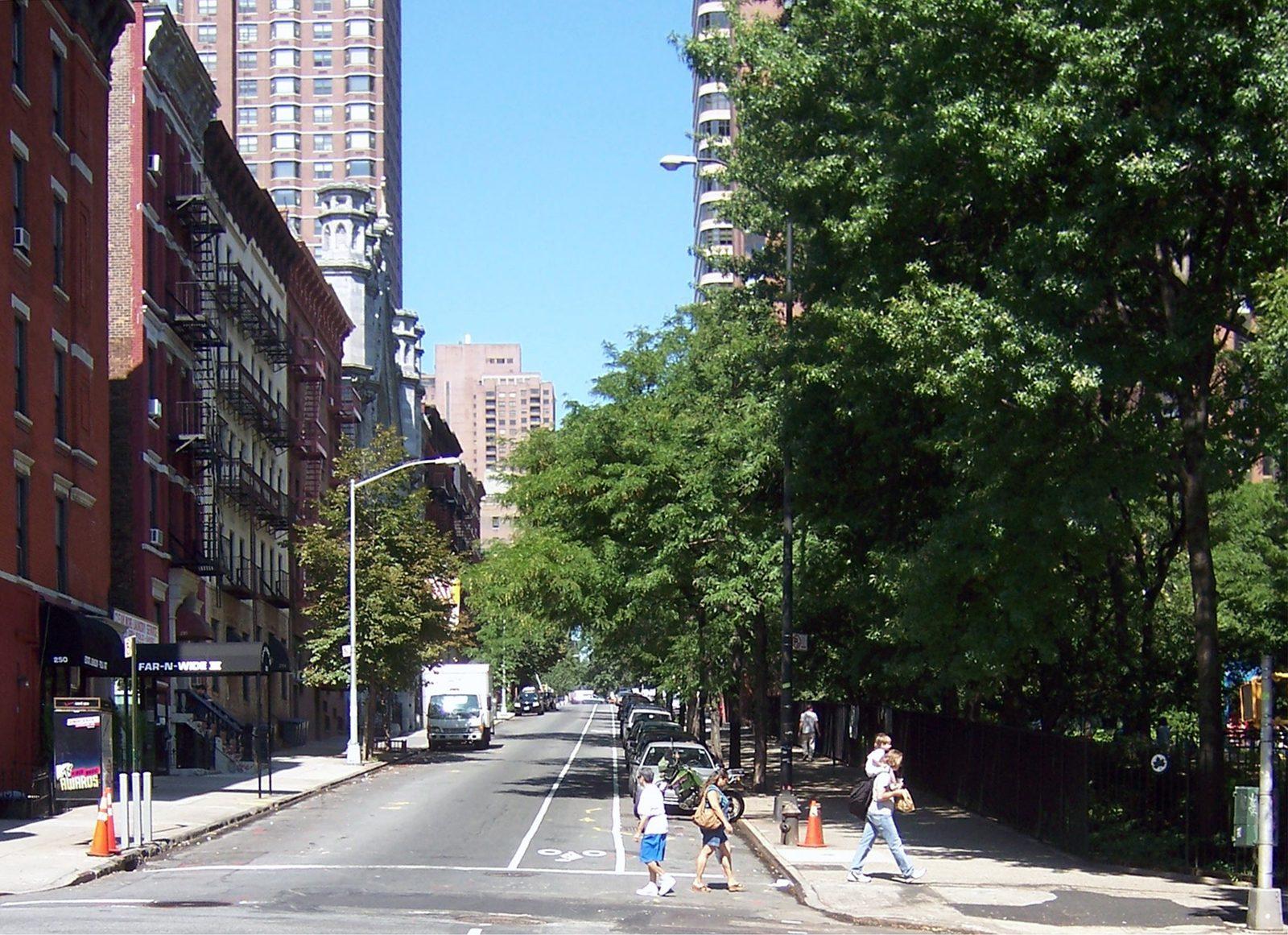
East of Third Avenue, post-war towers and smaller pre-war buildings offer some of the best value on the Upper East Side, near Carl Schurz Park and the Second Avenue Subway.
What do classic six, seven, and eight mean?
Upper East Side co-op listings often describe pre-war layouts by room count rather than bedrooms. A classic six has a living room, a formal dining room, a kitchen, two bedrooms, and a small staff room, the layout found in many Park Avenue and Carnegie Hill buildings. A classic seven adds a third bedroom, and a classic eight adds a library or a fourth bedroom. These layouts separate entertaining rooms from private rooms, which is why families still prize them, and why they cost more than open-plan apartments of the same size in post-war towers such as those in Lenox Hill.

Upper East Side Co-ops
Benchmark buildings
Which Upper East Side co-op buildings do buyers know?
A few buildings set the standard for Upper East Side co-ops. They are reference points rather than a full inventory, and they show the range from trophy pre-war buildings to practical post-war towers.
740 Park Avenue
A 1930 limestone building by Rosario Candela and Arthur Loomis Harmon, often called the city's most exclusive co-op; it requires all purchasers to pay in cash, according to CityRealty.
1040 Fifth Avenue
A Candela-designed pre-war building facing Central Park, once home to Jacqueline Kennedy Onassis.
834 Fifth Avenue
Another Candela building on Fifth Avenue, known for very large apartments and a famously private board.
Imperial House
A large post-war white-brick co-op on East 69th Street in Lenox Hill, with many apartments and a full staff.
Tower East
A post-war tower at East 72nd Street and Third Avenue with open views and family-sized apartments.
Architects matter here: Rosario Candela and J.E.R. Carpenter designed many of the most sought-after pre-war co-ops on Fifth and Park Avenues, and their names alone add value to a listing.
Pre-war or post-war co-op?
Pre-war co-ops on Fifth and Park Avenues offer high ceilings, gracious room layouts, and thick walls, but often come with stricter boards, higher maintenance, and the need for renovation. Post-war co-ops in Lenox Hill and Yorkville offer more light, elevators that serve more apartments, and lower prices per square foot, with more flexible boards in many buildings. Choose by the life you want inside the apartment, then test whether the building's rules fit your finances and plans. Michael can show you both kinds on the same afternoon, so you can compare light, layout, and monthly costs side by side.
Upper East Side Co-ops

Upper East Side Co-ops
What do Upper East Side co-ops cost?
Co-ops are usually the more affordable route into the Upper East Side. On its Upper East Side co-op page, Milton Coste reports a median co-op asking price of $1,356,750 and says co-ops typically sell 15 to 30 percent below equivalent condos.
The purchase price is only part of the cost. Most boards expect at least a 20 percent down payment and cash reserves to cover two years of mortgage and maintenance payments, as CityRealty explains. Brick Underground puts the typical range at six months to two years of post-closing liquidity.
- $1.36MMedian asking price for an Upper East Side co-op
- 15–30%Typical co-op discount to equivalent condos
- 20%Minimum down payment most co-op boards expect
- 2 yearsReserves some boards want after closing
Sources: Milton Coste Upper East Side co-op data (2026); CityRealty on co-op board requirements; Brick Underground on post-closing liquidity.
Budget for
The costs on top of the price
Our closing costs guide lists each buyer cost in New York City.
Monthly maintenance
It covers the building's taxes, staff, and repairs; compare it per square foot across buildings.
Assessments
Boards add temporary charges for large projects such as facades, roofs, or elevators.
The flip tax
Many co-ops charge a transfer fee when you sell, usually paid by the seller.
Mansion tax
New York State charges 1 percent on homes of $1 million or more, as set out by the Department of Taxation and Finance.
Application and move-in fees
Managing agents charge for processing your package and for moving in.
How much maintenance should you expect?
Maintenance varies with the building's staff, age, taxes, and debt. Full-service pre-war buildings on Fifth and Park Avenues usually charge more per square foot than post-war towers further east, and buildings with a large underlying mortgage carry part of that debt in every owner's payment. Ask for the last two years of maintenance increases and any planned assessments before you compare two apartments on price alone.

Upper East Side Co-ops
Offer to keys
How does buying an Upper East Side co-op work?
A co-op purchase takes longer than a condo purchase, usually two to four months from accepted offer to closing, because of the board review. The steps follow a set order.
Check the building's requirements first
Ask about down payment, post-closing liquidity, and financing limits before you bid.
Make an offer through your agent
Michael prices it against recent sales in the building and similar buildings nearby.
Hire a real estate attorney
Your attorney reviews the building's financial statements, minutes, and house rules.
Sign the contract and pay the deposit
The deposit, typically 10 percent, is held in escrow.
Get your loan commitment
If the building allows financing, your lender must approve both you and the building.
Prepare the board package
Tax returns, bank statements, reference letters, and a financial statement, assembled to the building's format.
Attend the board interview
Board members meet you to confirm the package and get to know you.
Close
Once approved, sign the stock and lease documents and get the keys.
See our guide to buying a co-op in New York City for the city-wide rules.

Upper East Side Co-ops
What do Upper East Side boards look for?
Boards want buyers who can pay maintenance in any economy and who will be good neighbors. They look closely at your debt, your savings after closing, and the stability of your income; Brick Underground notes that recent job changes or large credit card debt can raise concerns. A complete, well-organized package matters, because most rejections happen on paper before the interview. Michael helps his buyers match each building's expectations before they apply.
What happens if the board turns you down?
If a board declines your application, the sale does not go ahead, and your contract deposit is normally returned under the contract's board-approval clause. You can usually make an offer elsewhere straight away. Because boards on Fifth and Park Avenues rarely explain their decisions, the best protection is preparation: matching the building's liquidity and debt expectations before you bid, and presenting a complete package. Michael will tell you honestly when a building's requirements are a stretch, so you can focus on co-ops where your application is strong.

Upper East Side Co-ops
Who it suits
Who is an Upper East Side co-op right for?
A co-op suits buyers who will live in the apartment themselves, have strong finances, and value price and stability over flexibility. Five kinds of buyers choose them most.
Families staying long term
Large pre-war layouts in Carnegie Hill and on Park Avenue suit families near schools and the park.
Buyers seeking value
Co-ops often give more space for the money than condos in the same neighborhood.
First-time buyers
Post-war co-ops in Yorkville and Lenox Hill offer smaller apartments at lower entry prices.
Buyers who want stable neighbors
Owner-occupancy rules and sublet limits keep most residents living in the building.
Buyers with strong savings
Boards reward liquidity, so buyers with significant assets after closing are well placed.
If you plan to rent the apartment, buy through an LLC, or use it part time, a condo is usually the better fit. Read Upper East Side apartments for the full picture.
From inside the board
What should you check in an Upper East Side co-op building?
When you buy a co-op, you become a shareholder in the building's finances. From his seat as a board president, Michael reviews these five things with his buyers before they apply:
The financial statements
Reserves, operating surpluses or deficits, and any rising costs show whether maintenance will climb.
The underlying mortgage
Check its size, its rate, and when it comes due, because refinancing can raise everyone's maintenance.
Local Law 11 and capital projects
Facade inspections every five years, required by the NYC Department of Buildings, can bring costly repairs to tall pre-war buildings on Park Avenue.
The board minutes
Minutes reveal planned assessments, disputes, leaks, and policy changes before they reach your bill.
The house rules
Sublet limits, renovation windows, pet rules, and the flip tax should fit how you plan to live.
These checks turn a beautiful apartment into an informed purchase, and they help you avoid buildings facing large assessments.
A walk through Upper East Side Co-ops
Upper East Side co-ops, in light.
The buildings, blocks, and rooms that define Upper East Side Co-ops — captured on Michael's walks home.
A pre-war apartment building with rows of windows behind a street tree
A living room with a large window and abundant natural light
A pair of armchairs in a quiet sitting room
A neatly made bed beneath a framed painting
A light-filled Manhattan bedroom with floor-to-ceiling windows
“Every co-op board reads your finances. I read theirs first, so you know the building is as strong as you are.”
— Michael J. Carroll
Answers
Upper East Side Co-ops, answered
- Most boards expect at least 20 percent, and many prestigious buildings expect more. A few, such as 740 Park Avenue, require all cash.
- Yes. In New York, co-op boards generally do not have to explain a rejection, though they cannot discriminate under fair housing laws.
- Usually only for limited periods with board approval. Many buildings cap how often and how long you can sublet.
- Some buildings allow it, but many on Fifth and Park Avenues do not. Ask the managing agent before you bid, because the rule cannot be negotiated later.
- Most allow some financing, often up to 70 or 80 percent of the price, but some prestigious buildings require all cash.
- Typically two to four months from accepted offer to closing, depending on the board's schedule and your financing.
- Often, yes. Large post-war buildings in Lenox Hill and Yorkville usually set lower down payment and liquidity requirements than pre-war buildings on Fifth and Park Avenues, though every board is different.
- A transfer fee some co-ops charge when an apartment sells, usually paid by the seller and often a percentage of the price.

A private consultation
Prepare for an Upper East Side board with a board president
Tell Michael the size, budget, and timing you need, and he will shortlist co-ops whose requirements fit your finances, review their statements and minutes with you, and help you prepare a package the board will approve. He works from the Brown Harris Stevens West Side office at 1934 Broadway.

What happens next
- 01
Michael reads your note personally
No team inbox. He sees the form himself.
- 02
You'll hear back, usually the same day
By phone or email — whichever you prefer.
- 03
A no-pressure first conversation
Whether you're ready this week or thinking it through.
10+
Years at BHS
Top 1%
Nationwide
$500K–$25M+
Transaction range
Tell Michael about your search
A few quick questions.
Your details stay between you and Michael. No spam. No list.