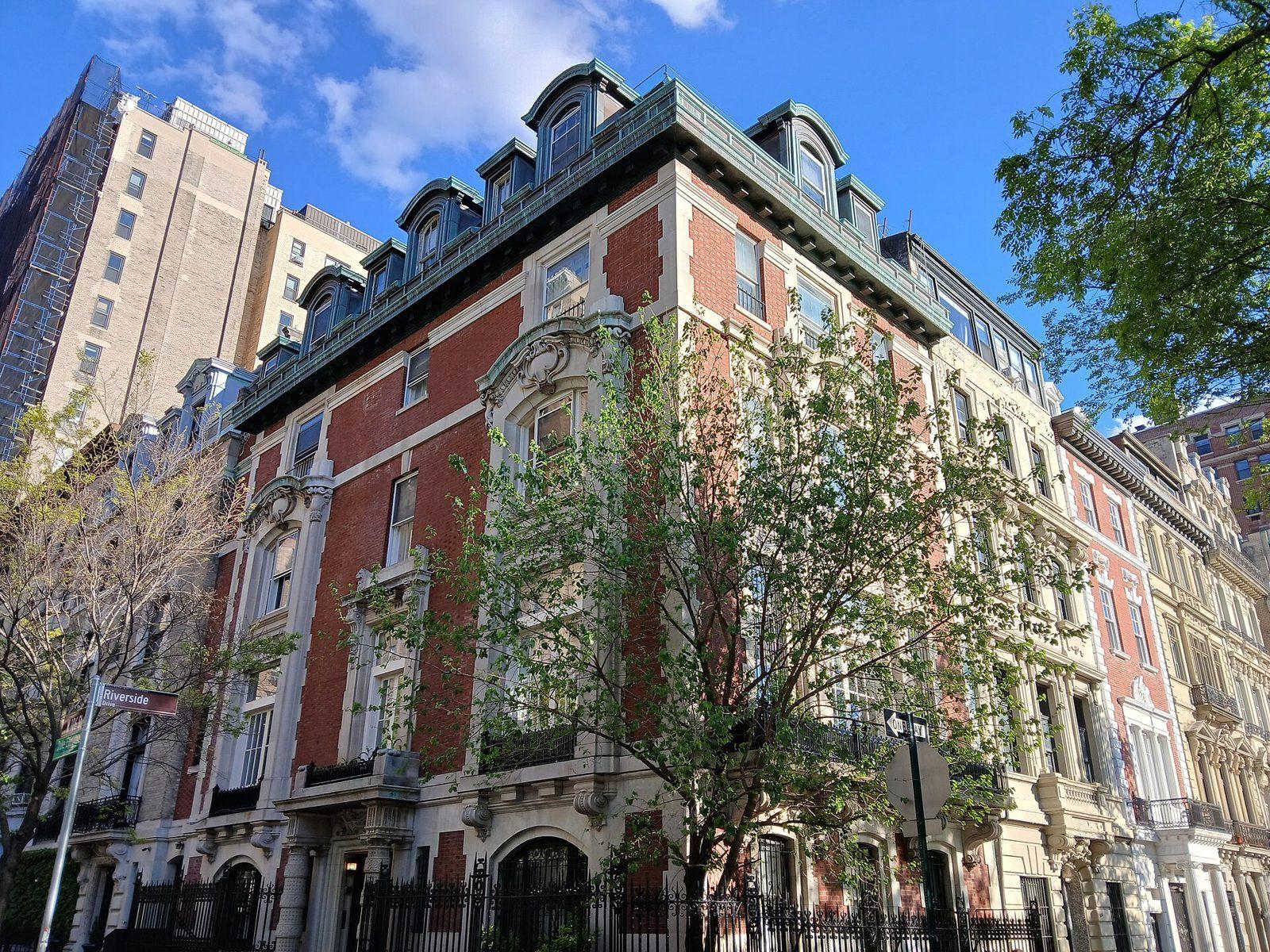
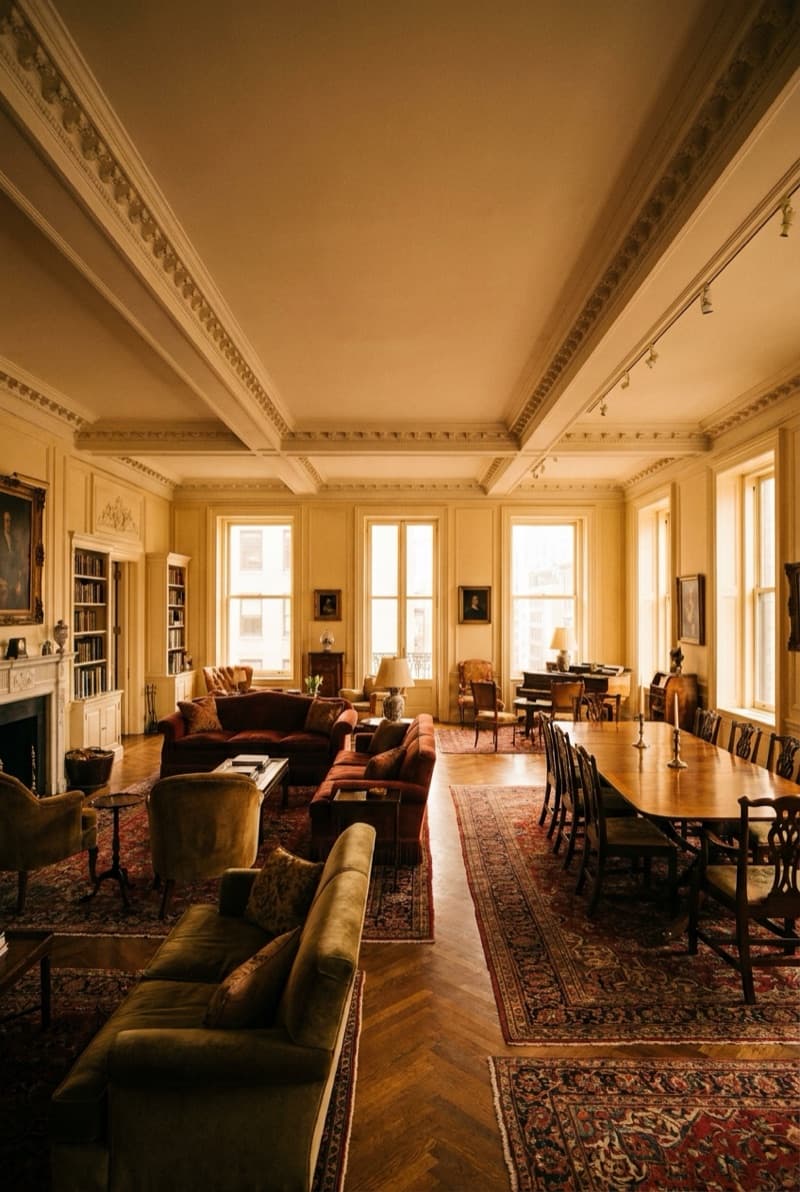
It refers to buildings completed before World War II, generally before about 1940, known for high ceilings, plaster walls, and formal layouts.
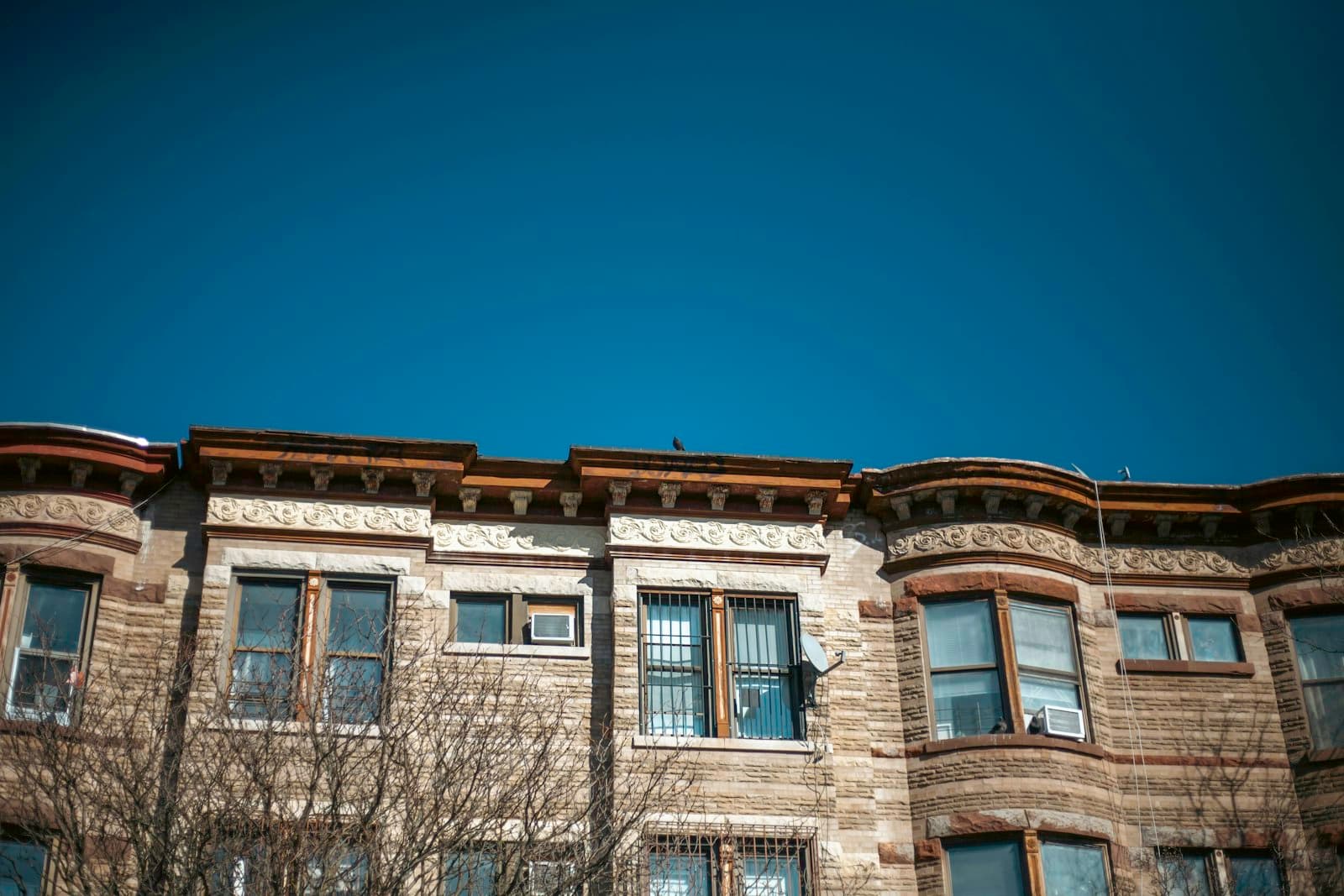
Upper West Side · Pre-war
Pre-War Apartments on the Upper West Side.
Pre-war apartments on the Upper West Side are homes in buildings put up before World War II, mostly between about 1900 and 1940, and they make up the heart of the neighborhood's housing. Buyers come for the high ceilings, plaster walls, formal layouts such as the classic six, and solid construction along West End Avenue, Riverside Drive, Central Park West, and Broadway. Most are co-ops, so a board approves the purchase, and most need some updating, so the building's systems and the apartment's renovation potential matter as much as its charm.
Upper West Side Pre-War Apartments
What should you know before buying a pre-war apartment on the Upper West Side?
For many buyers, a pre-war apartment is the reason to buy on the Upper West Side at all. The neighborhood was largely built in the decades before World War II, and its apartment houses still set the standard for space, light, and craft in Manhattan. Michael J. Carroll lives among them, serves as president of his own condominium board, and works with neighborhood board members who manage these buildings day to day.
This guide explains what makes an apartment pre-war, where the best pre-war stock is, the architects and buildings that define it, what these apartments cost to buy and to own, how buying and renovating one works, who they suit, and the building systems that decide whether a beautiful apartment is also a sound purchase. For the neighborhood overview, see Upper West Side apartments.
At a glance
Pre-war Upper West Side in five facts
"Pre-war" usually means a building finished before about 1940, with plaster walls, high ceilings, and separate rooms.
The deepest pre-war stock lines West End Avenue, Riverside Drive, Central Park West, and the Broadway corridor.
Most pre-war apartments are co-ops; a few landmarks such as the Apthorp and the Belnord are now condominiums.
Federal law requires sellers of most pre-1978 homes to disclose known lead-based paint before you sign.
Older buildings face rising capital costs, from facade work to the city's building emissions law, so the building's plan matters.
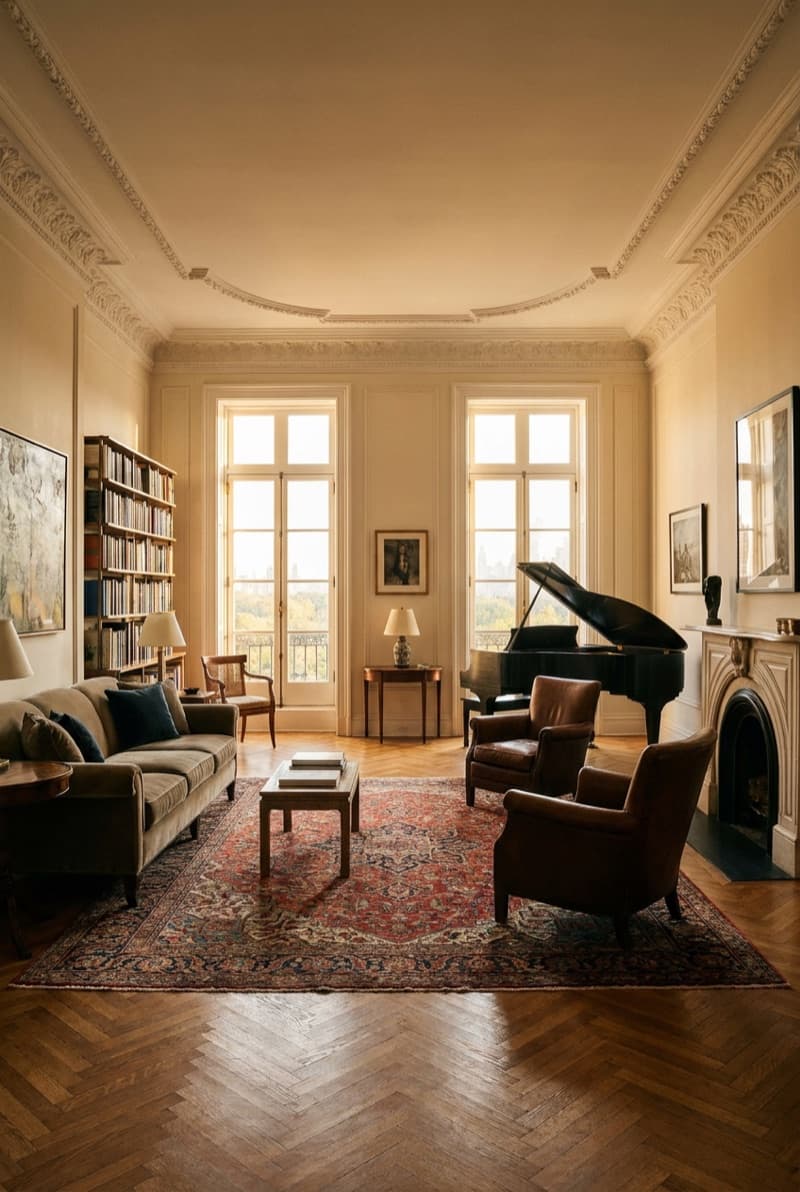
Upper West Side Pre-War Apartments
What makes an Upper West Side apartment pre-war?
A pre-war apartment is one in a building completed before World War II, and on the Upper West Side that mostly means 1900 to 1940. The label signals a way of building as much as a date: masonry walls, plaster interiors, and layouts designed around separate rooms.
Pre-war is not always better. Post-war buildings may offer larger windows, more open plans, and easier renovations, and they often cost less. But the character, proportions, and build quality of pre-war apartments are why they hold their place at the top of the Upper West Side market.
What pre-war means
What that means when you shop
What buyers usually mean by pre-war comes down to a few features:
Height and light
Ceilings commonly between nine and eleven feet, with tall windows and deep sills.
Plaster and detail
Thick plaster walls, crown moldings, picture rails, and paneled doors that dampen sound between rooms and neighbors.
Floors and finishes
Herringbone or strip oak floors, fireplaces in the grander buildings, and original tile in kitchens and baths where it survives.
Layout
A gallery or foyer, a formal living room and dining room, a separate kitchen, and often a small staff room, the pattern behind the classic six and seven.
Construction
Masonry and steel structures that are quiet and solid, with mechanical systems that have usually been upgraded at least once.
What pre-war means
How did pre-war building change from the 1880s to the 1930s?
Pre-war covers half a century of building, and each period left a different kind of apartment:
The 1880s and 1890s
The first luxury apartment houses, led by the Dakota, alongside rows of brownstones on the side streets.
The 1900s
Grand apartment hotels and courtyard buildings on Broadway, such as the Ansonia, the Apthorp, and the Belnord, with very large apartments and shared services.
The 1910s and 1920s
The great building boom along West End Avenue and Riverside Drive, producing most of the classic sixes and sevens buyers seek today.
1929 to 1931
The Art Deco twin towers of Central Park West, the last major pre-war buildings before the Depression halted construction.
Knowing a building's era tells you a lot about its layouts, ceiling heights, and the kind of systems work it has likely needed.
The pre-war corridors
Where is the best pre-war stock on the Upper West Side?
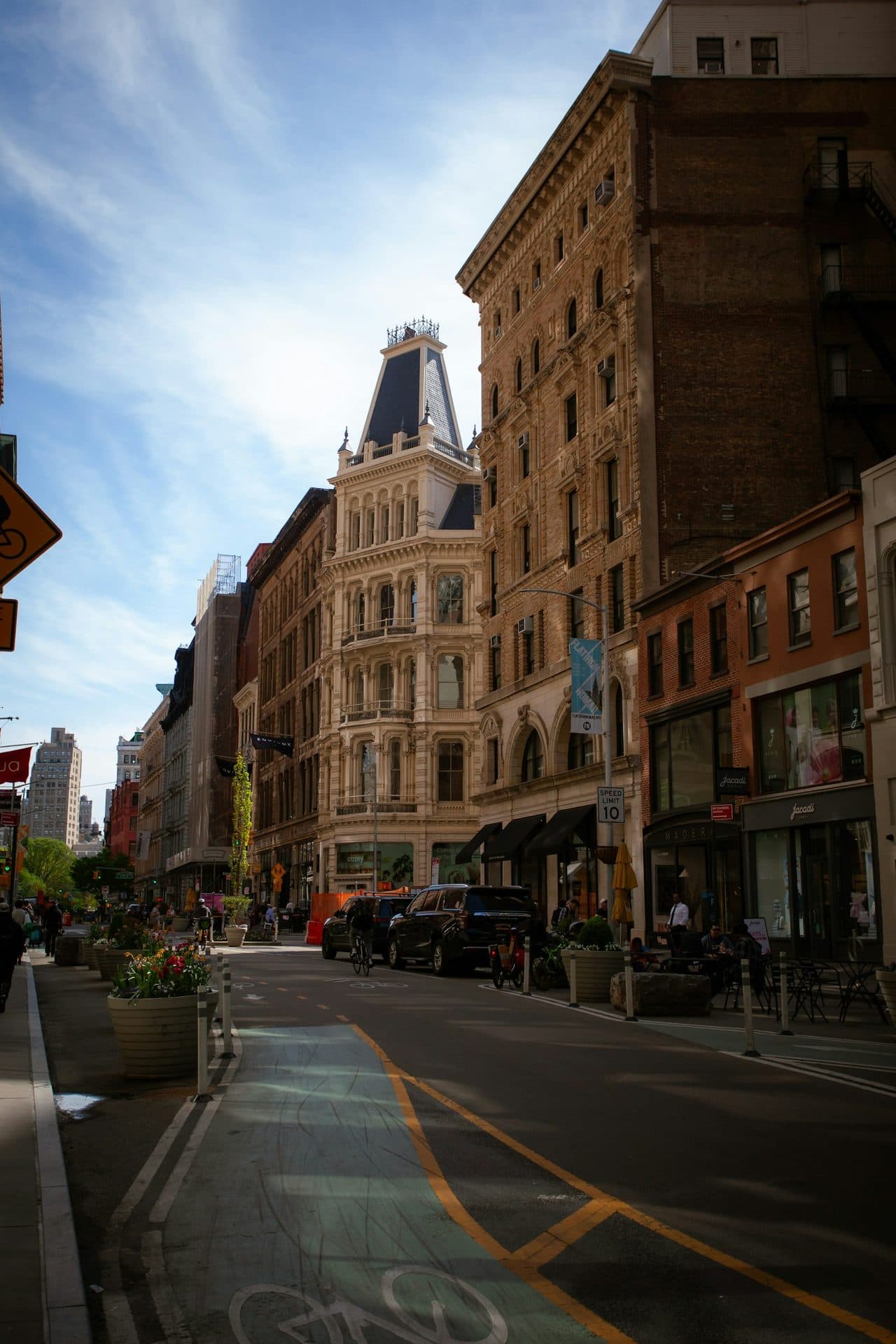
The pre-war apartment houses concentrate along the avenues that were developed first, each with its own scale and feel. The blocks from about West 70th Street to the 80s hold the densest run of classic layouts.
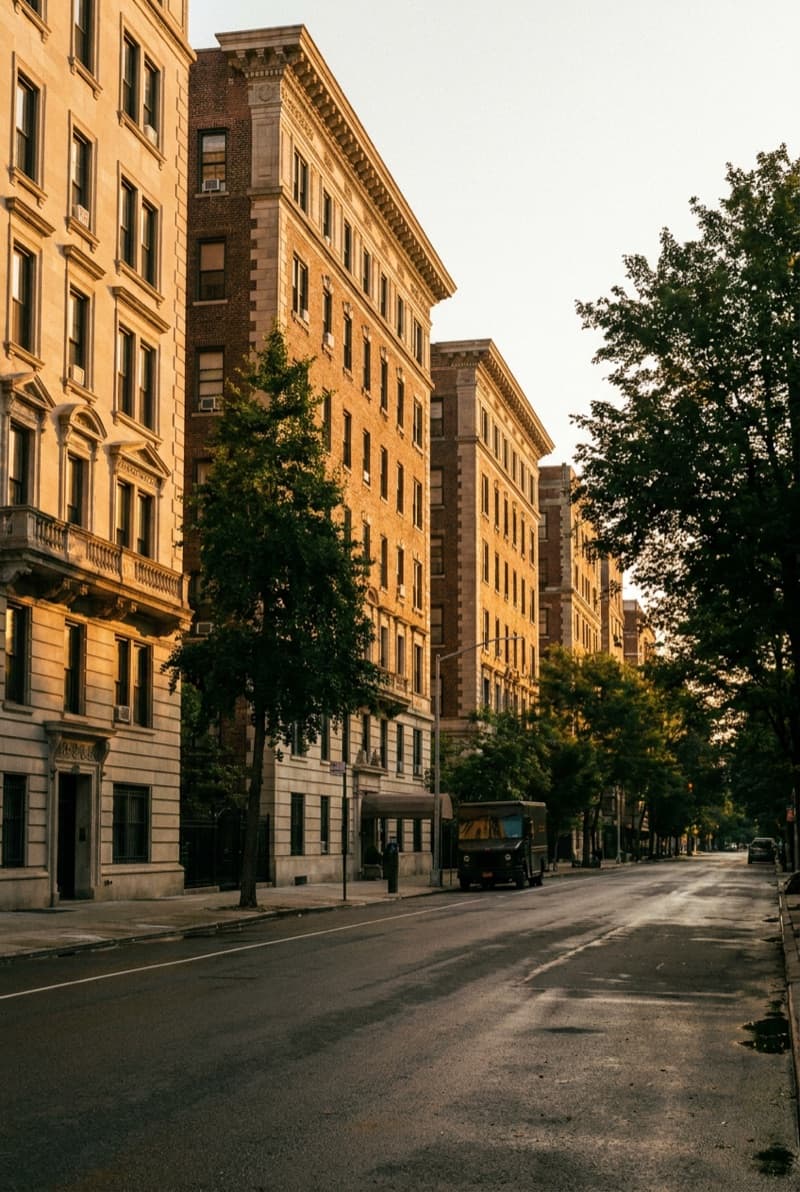
West End Avenue
The longest continuous corridor of pre-war apartment houses in the neighborhood, built mostly in the 1910s and 1920s, with quiet blocks and generous apartments. Read West End Avenue apartments.
Grand pre-war buildings curving along Riverside Park, many with river views and some of the largest apartments outside the park blocks. See Riverside Drive apartments.
The landmark twin-towered co-ops and their earlier neighbors, with the most famous pre-war addresses in the city. Read the Central Park West guide.
The great early apartment houses, including the Ansonia, the Apthorp, and the Belnord, built when Broadway was the grand boulevard of the new Upper West Side.
Because the drive follows the park's contour, many pre-war buildings here have irregular, angled layouts with corner rooms and long river views, a feature buyers prize and rarely find elsewhere.
Smaller pre-war walk-ups and elevator buildings between the avenues and north of 96th Street often offer pre-war detail at lower prices.
Upper West Side Pre-War Apartments
Why do the West 70s and 80s hold so many classic layouts?
The blocks from about West 70th Street into the 80s were built out in the peak years of pre-war apartment construction, close to the new subway under Broadway and to Riverside Park. Developers there competed on size and finish, which is why classic sixes, sevens, and eights cluster along West End Avenue and Riverside Drive in this band. Prices tend to reflect it: well-preserved layouts in these blocks often command a premium over similar space further north, where buildings were more often subdivided.
The architects
Which buildings and architects define pre-war Upper West Side?
A small group of architects shaped much of the pre-war Upper West Side, and their buildings are still the reference point for value and quality. Recognizing them helps you judge any pre-war listing.
The Ansonia (2109 Broadway)
A Beaux-Arts apartment hotel completed in 1904, with mansard roofs and corner turrets, designed by Paul E. M. Duboy.
The Apthorp (2211 Broadway)
Clinton & Russell's 1908 full-block building at 78th and 79th Streets, organized around a central courtyard and now condominiums.
The Belnord (225 West 86th Street)
A full-block 1909 courtyard building between Broadway and Amsterdam, one of the largest apartment houses of its era, now condominiums.
Emery Roth
Architect of the San Remo and the Beresford on Central Park West and many apartment houses on West End Avenue and Riverside Drive.
Schwartz & Gross
Prolific designers of the 1910s and 1920s apartment houses that line West End Avenue, Riverside Drive, and Broadway.
Irwin Chanin
Builder of the Art Deco Majestic and Century on Central Park West, the last great pre-war towers.
The Dakota (1 West 72nd Street)
The 1884 building that began the age of luxury apartment living on the West Side.
Courtyard buildings such as the Apthorp and the Belnord were built to bring light and air into very large footprints, and that layout still makes their apartments unusually bright for their size. Elsewhere, the less famous buildings by the same architects often deliver nearly the same proportions and detail at a fraction of the landmark premium, which is where careful buyers find value.
The architects
Courtyard, elevator, or walk-up?
Three pre-war building types appear on the Upper West Side, and each lives differently:
Courtyard buildings
Large footprints organized around a central court, such as the Apthorp and the Belnord, bringing light to apartments on every side.
Elevator apartment houses
The typical West End Avenue and Riverside Drive building, twelve to sixteen stories, with doormen and elevator service.
Walk-ups
Smaller five- and six-story buildings on the side streets, with lower prices and maintenance but no elevator or doorman.
What does a pre-war Upper West Side apartment cost?
Pre-war apartments run from studios and one-bedrooms in side-street buildings to classic sevens and park-front homes in the landmark co-ops. For context, Manhattan's median sale price for co-ops and condos held at a record $1.25 million in the third quarter of 2026, according to market reports summarized by Brick Underground.
Within pre-war stock, price follows the building, the layout, and the condition of the apartment. A renovated classic six on West End Avenue and an original one two blocks away can differ substantially, and buyers often weigh a lower price against the cost and time of renovating.
Upper West Side Pre-War Apartments
- $1.25MManhattan median sale price for co-ops and condos, Q3 2026, a record
- 1978Homes built before this year need a lead-paint disclosure at sale
- 25,000 sq ftBuildings above this size fall under Local Law 97 emissions limits
- 4–6%Typical buyer closing costs, as a share of the price
Sources: Brick Underground's Q3 2026 market summary; U.S. EPA; NYC Department of Buildings.
Budget for
The costs on top of the price
Closing costs of about 4 to 6 percent
The mansion tax of 1 percent applies on residences of $1 million or more, per the New York State Department of Taxation and Finance. See the closing costs guide.
Renovation budgets
Kitchens, baths, electrical upgrades, and air conditioning are the most common projects, and pre-war buildings usually require licensed contractors, insurance, and board-approved plans.
Building capital costs
Facade, roof, window, and boiler projects come around more often in buildings this old, and they appear as maintenance increases or assessments.
Emissions compliance
Buildings above 25,000 gross square feet must meet emissions limits under the city's Local Law 97, with stricter caps from 2030, which can mean costly upgrades in older buildings.
Upper West Side Pre-War Apartments
Original or renovated: how do you weigh the price gap?
An original apartment usually costs less than a renovated one in the same building, but the discount does not always cover the work. Price the renovation before you bid, including design, permits, the building's approvals, and the months you may carry two homes. A renovated apartment can be the better buy if the work was done with proper approvals and sign-offs; an original one is the better buy if you want a custom layout and have the time. Ask for permits and sign-offs on any past renovation, because unapproved work becomes your problem when you sell.
Offer to keys
How do you buy and renovate a pre-war apartment?
Buying a pre-war apartment usually means buying a co-op, so the purchase runs about three to four months, and any renovation adds a second approval process after closing. Planning both together saves time and money.
Decide how much work you will take on
A fully renovated apartment costs more up front; an original one costs more in time and contractors.
Inspect before you sign
Have a contractor or engineer look at the electrical service, plumbing, windows, and any signs of water from above.
Read the alteration agreement
It sets what the building allows, such as moving kitchens, adding washers, or combining apartments, and the approvals each step needs.
Check the lead-paint disclosure
Federal law requires sellers of most housing built before 1978 to disclose known lead-based paint, as the EPA explains.
Complete the purchase
Contract, board package, interview, and closing, as for any co-op.
Submit renovation plans
The board's architect or engineer reviews your plans; larger projects need city permits.
Respect the work windows
Many buildings allow heavy work only on weekdays and some only in summer months.
Close out the project
Final sign-offs from the building and the city protect you when you sell.
Offer to keys
What should you look for on a viewing?
A pre-war viewing rewards a slower look than a new building does. Beyond the rooms themselves, check:
Ceilings and walls
for water stains, cracks, or fresh paint in one spot, which can signal a past leak from above.
Windows
for drafts, sticking sashes, and whether they are original or replaced.
Floors
for slopes or soft spots, common in older buildings and sometimes a sign of structural settling.
Outlets and the panel
for how much has been upgraded, since older wiring limits modern appliances.
Radiators and heat
for how the apartment is warmed and whether you can control it.
The public halls and lobby
, which show how well the building is maintained overall.
Offer to keys
What are the common pre-war renovation surprises?
Buyers who renovate pre-war apartments often meet the same handful of issues:
Electrical capacity
Older risers may limit the power available to each apartment, which affects air conditioning and appliances.
Plumbing stacks
Kitchens and baths are usually tied to vertical stacks, so moving them over a neighbor's bedroom is often not allowed.
Windows
Replacements must often match the building's approved design, and in historic districts they need city approval as well.
Hidden conditions
Opening walls can reveal old wiring, past water damage, or uneven floors that add cost and time.
Upper West Side Pre-War Apartments
How long does a pre-war renovation take?
Timelines depend on scope and the building's rules. A cosmetic refresh of paint, floors, and fixtures can take a few weeks. A new kitchen or bathroom usually needs the board's approval of plans first, which can take a month or more, then several weeks of work. A full gut renovation, with new wiring, plumbing, and layout changes, typically runs many months once approvals and permits are in place, and buildings that limit heavy work to summer can stretch it further. Building in that time, and the cost of living elsewhere meanwhile, is part of pricing a pre-war purchase.
Who it suits
Who is a pre-war Upper West Side apartment right for?
A pre-war apartment suits buyers who value space, proportion, and quiet, and who are willing to live with a board and some renovation. Five kinds of buyers find it fits especially well.
Families
Separate bedrooms, a dining room, and solid walls make classic sixes and sevens practical for family life near both parks.
Buyers who love architecture
Original detail, fireplaces, and grand lobbies in buildings by Emery Roth and their peers are part of daily life.
Long-term owners
Pre-war co-ops reward owners who plan to stay and can renovate once and enjoy it for years.
Buyers who work from home
A separate staff room or extra bedroom off the kitchen often becomes a quiet office.
Renovators
An original apartment in a sound building can be shaped into exactly the home you want, at a lower entry price.
Each of these buyers trades some convenience for character, and most say the trade is worth it. If you want central air, open plans, and amenities without renovating, a post-war co-op or a newer condo may suit you better; see Upper West Side condos.
Upper West Side Pre-War Apartments
Pre-war or post-war: a quick test
If you answer yes to most of these, a pre-war apartment is likely the right fit:
- You prefer separate rooms to an open plan.
- You value ceiling height and detail over central air and in-unit laundry.
- You plan to stay long enough to renovate once and enjoy it.
- You are comfortable with a board and the building's alteration rules.
- You want a quiet, solidly built home more than amenities.
If most answers are no, the Upper West Side's post-war co-ops and newer condos may serve you better at a similar price.
From inside the board
What should you know about a pre-war building's systems?
A pre-war building's systems decide whether its apartments stay comfortable and affordable, and boards spend much of their time managing them. Asking the right questions before you buy is how you avoid inheriting a problem.
From his own board work, these are the five systems Michael checks first in any pre-war building:
Heat and fuel
Whether the boiler has been converted from heavy oil, how old it is, and how the building plans to meet the city's Local Law 97 emissions limits.
Electrical service
The building's total capacity and how much each apartment can draw, which decides whether you can add air conditioning and modern appliances.
Risers and plumbing
When the water and waste risers were last replaced, and whether a riser project is planned that will open your walls.
The facade and roof
The building's most recent facade inspection and whether repairs, often under sidewalk scaffolding, are scheduled.
Windows
Whether the building has a window replacement program and who pays for it.
Elevators belong on the list too: when they were last modernized, and whether a project is coming, because elevator work can take a building's only car out of service for weeks. Those answers usually sit in the board minutes and the managing agent's files. Reading them turns a pre-war purchase from a leap of faith into an informed decision.
A walk through Upper West Side Pre-War Apartments
Pre-war Upper West Side, in light.
The buildings, blocks, and rooms that define Upper West Side Pre-War Apartments — captured on Michael's walks home.
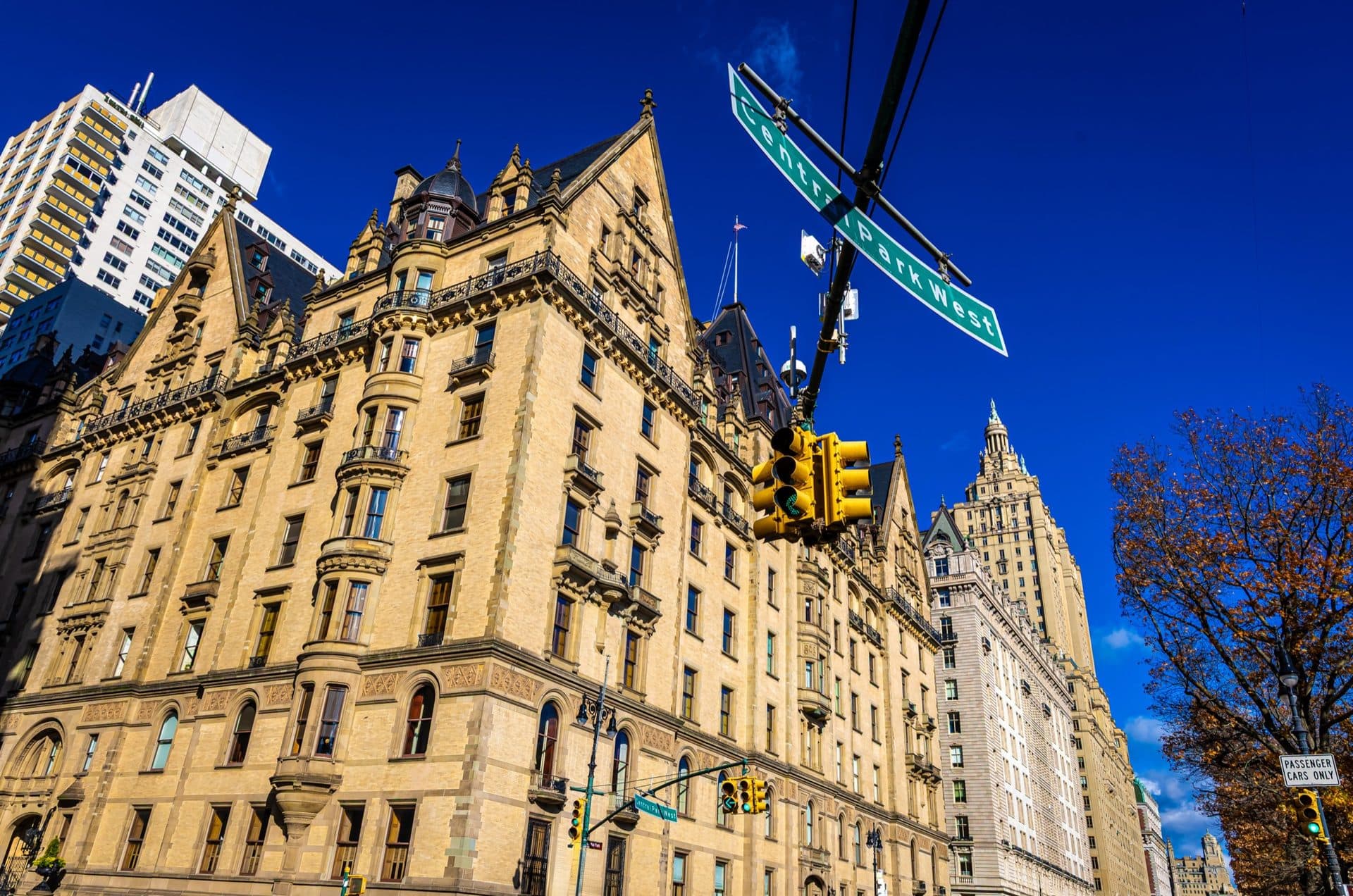
The Dakota, a landmark pre-war Central Park West co-op
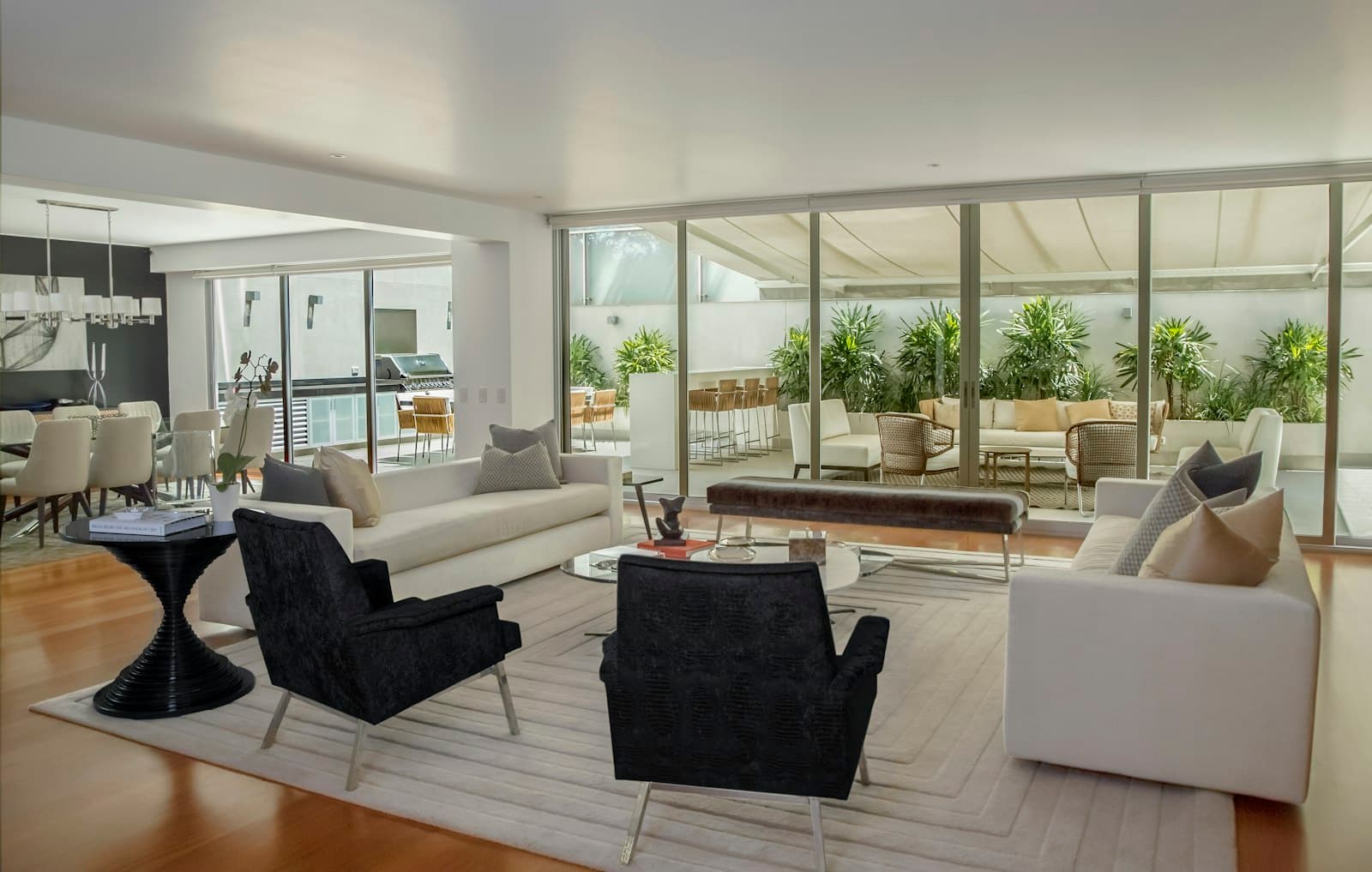
A pair of armchairs in a quiet sitting room
Classic pre-war co-op buildings on West End Avenue
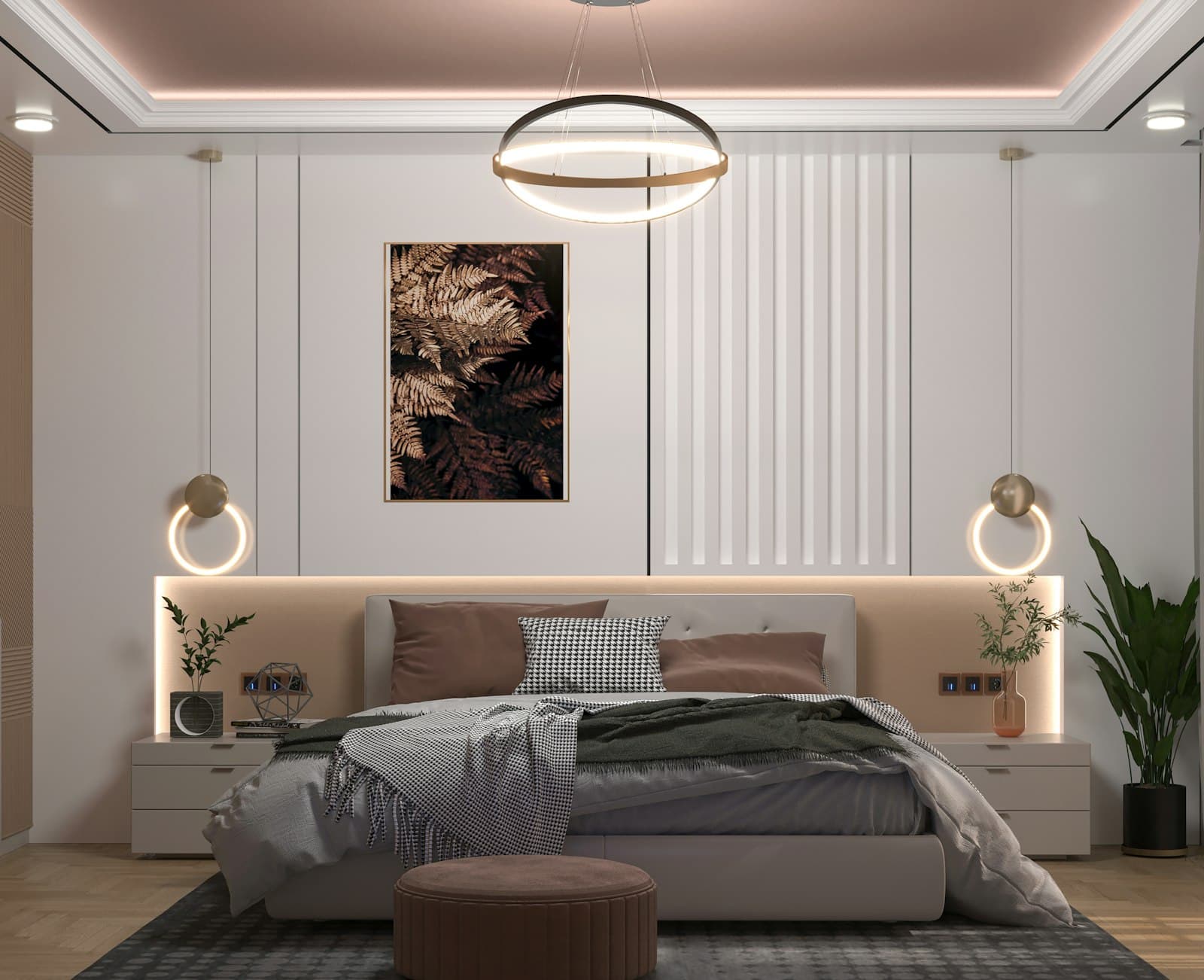
A neatly made bed beneath a framed painting
A combination home — two pre-war apartments joined into one
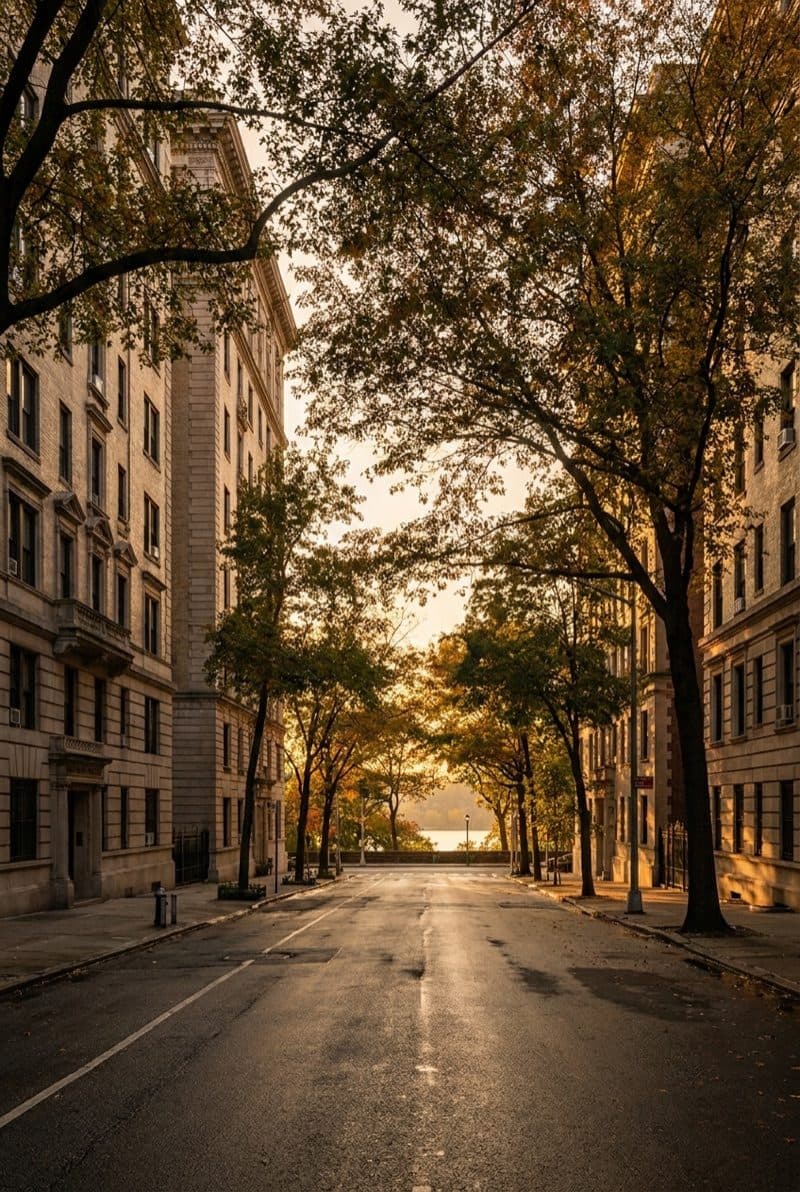
Riverside Drive pre-war apartments overlooking the Hudson River
“The charm is the easy part to see. I look at the boiler, the risers and the facade before anyone falls in love.”
— Michael J. Carroll
Answers
Upper West Side Pre-War Apartments, answered
- Most are, but some pre-war landmarks have become condominiums, including the Apthorp and the Belnord on Broadway.
- A pre-war layout with a living room, formal dining room, kitchen, two bedrooms, and a small staff room. A classic seven adds a third bedroom.
- Usually yes, through window units, through-wall units, or ductless systems, depending on the building's rules and electrical capacity.
- Many buildings from this era contain lead-based paint under later layers. Sellers of most pre-1978 homes must disclose known lead-based paint, and renovations follow safe work rules.
- An early twentieth-century building designed with shared services such as dining rooms and staff, like the Ansonia on Broadway. Most have since become co-ops or condominiums with ordinary apartments.
- Generally, yes. Thick masonry and plaster walls dampen sound between rooms and neighbors better than many later buildings.
- Often, with board approval and an architect's plans. Combinations are common in pre-war co-ops and can create very large homes, but they take time and money.
- Many elevator buildings on West End Avenue, Riverside Drive, and Central Park West do, while smaller walk-ups on the side streets usually do not.
- Pre-war apartments have long held their appeal on the Upper West Side, but value depends on the building's finances and condition as much as the apartment's character.
A private consultation
Find a pre-war home with sound bones
Tell Michael the layout, the corridor, and how much renovation you are prepared to take on, and he will shortlist pre-war buildings whose systems, finances, and alteration rules fit your plans. He works from the Brown Harris Stevens West Side office at 1934 Broadway.

What happens next
- 01
Michael reads your note personally
No team inbox. He sees the form himself.
- 02
You'll hear back, usually the same day
By phone or email — whichever you prefer.
- 03
A no-pressure first conversation
Whether you're ready this week or thinking it through.
10+
Years at BHS
Top 1%
Nationwide
$500K–$25M+
Transaction range
Tell Michael about your search
A few quick questions.
Your details stay between you and Michael. No spam. No list.