No. A townhouse is bought as a house, with no co-op or condo board. Exterior changes in a historic district still need approval from the Landmarks Preservation Commission.
Upper West Side · Townhouses
Upper West Side Townhouses for Sale.
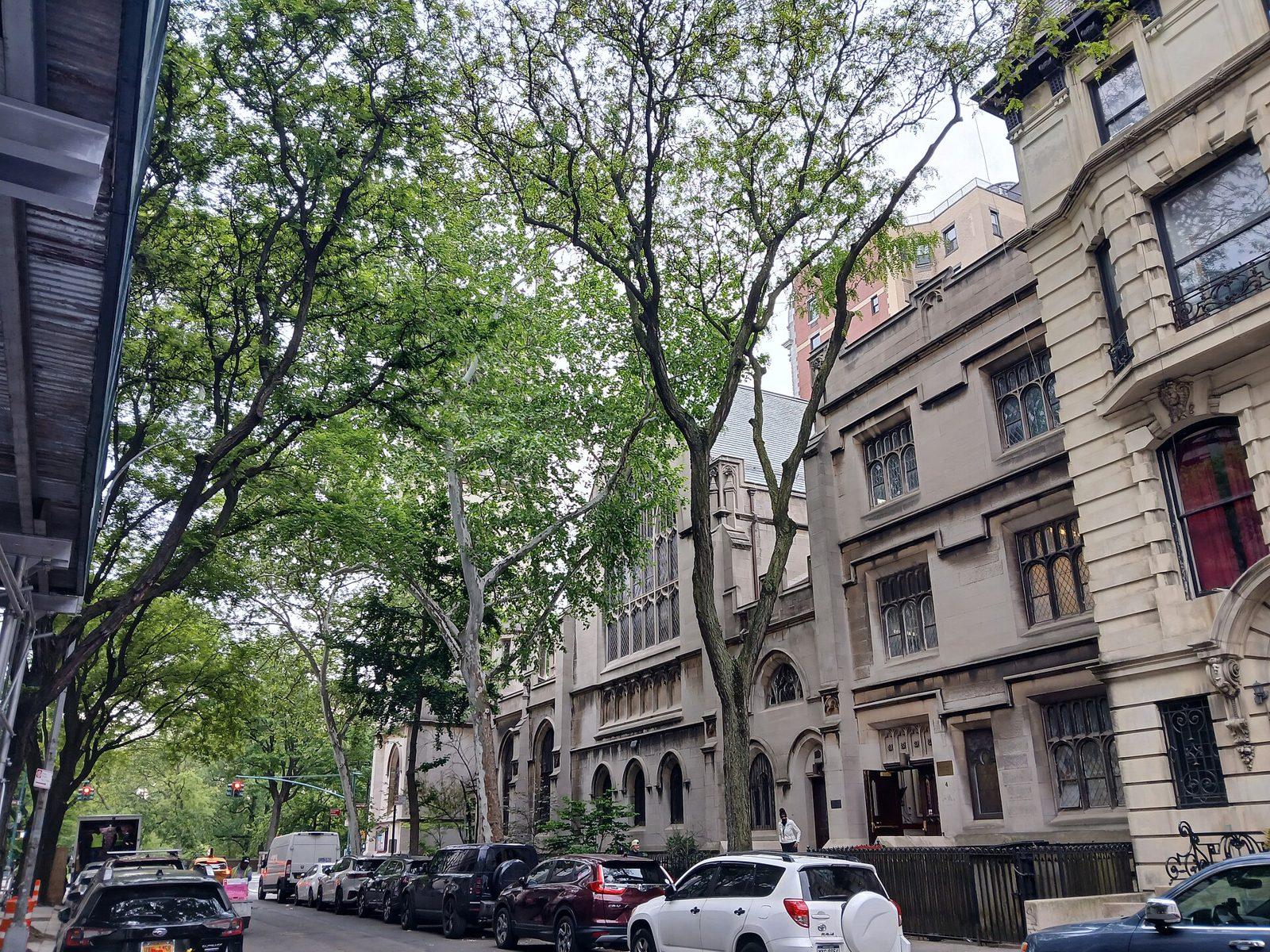
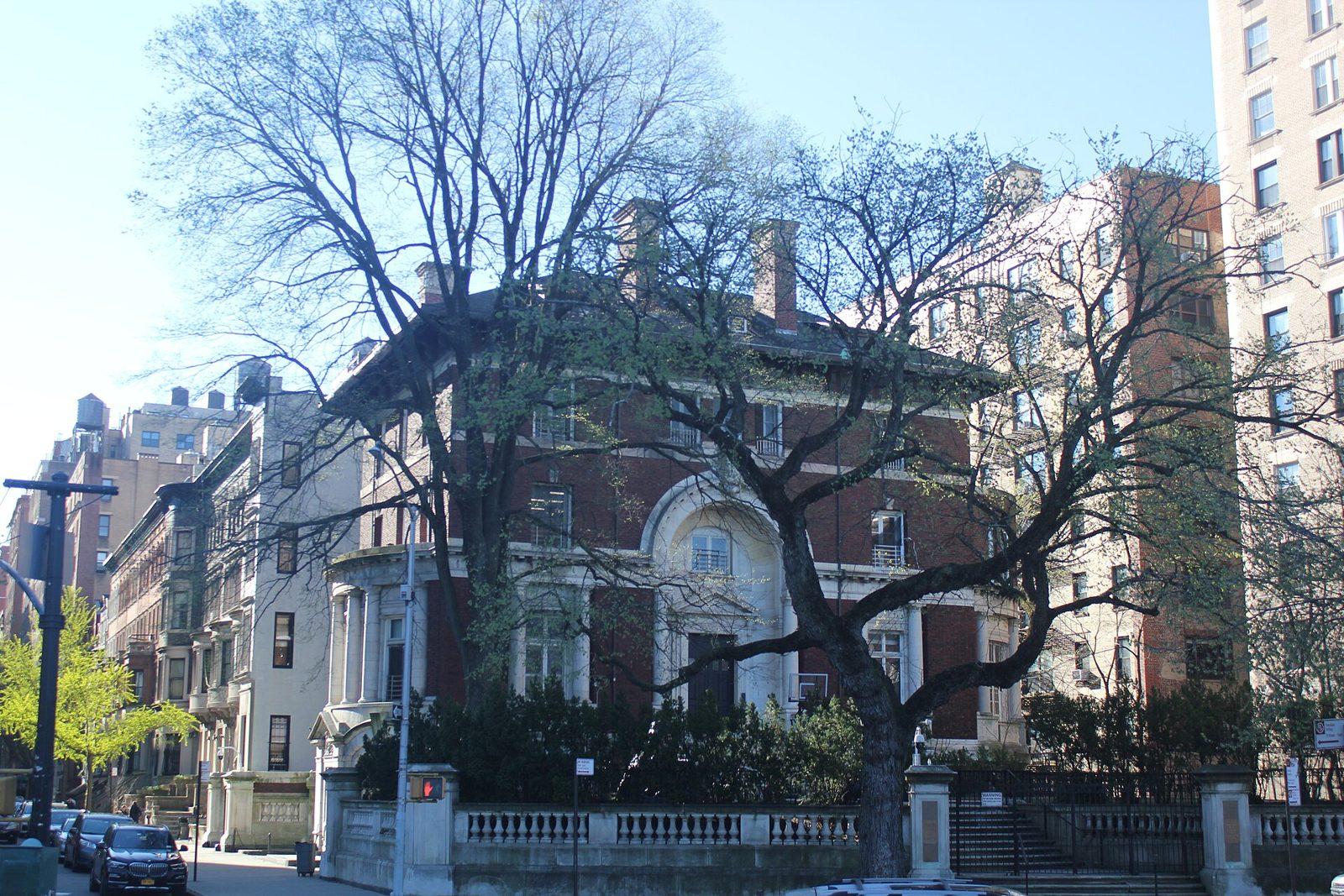
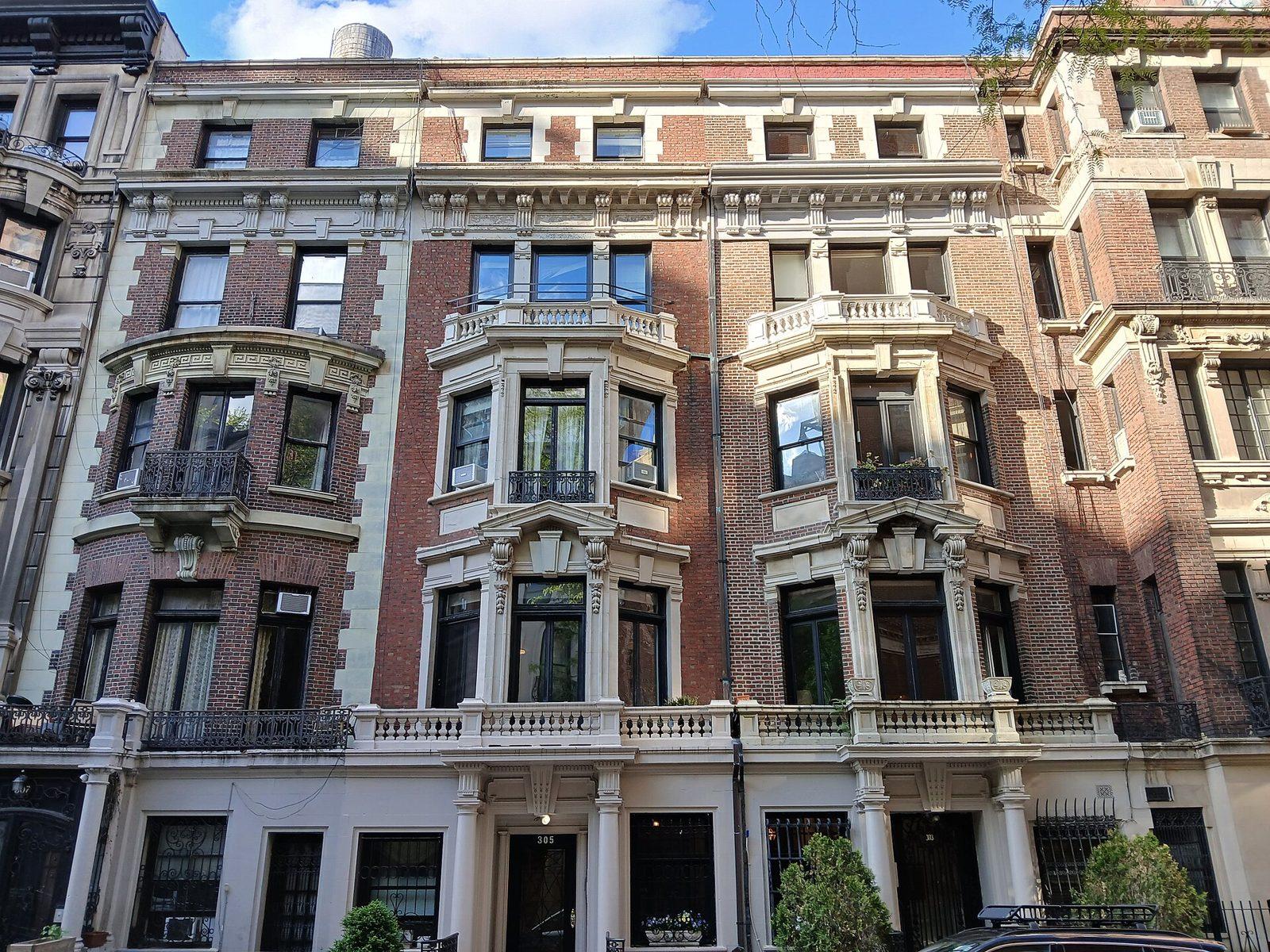
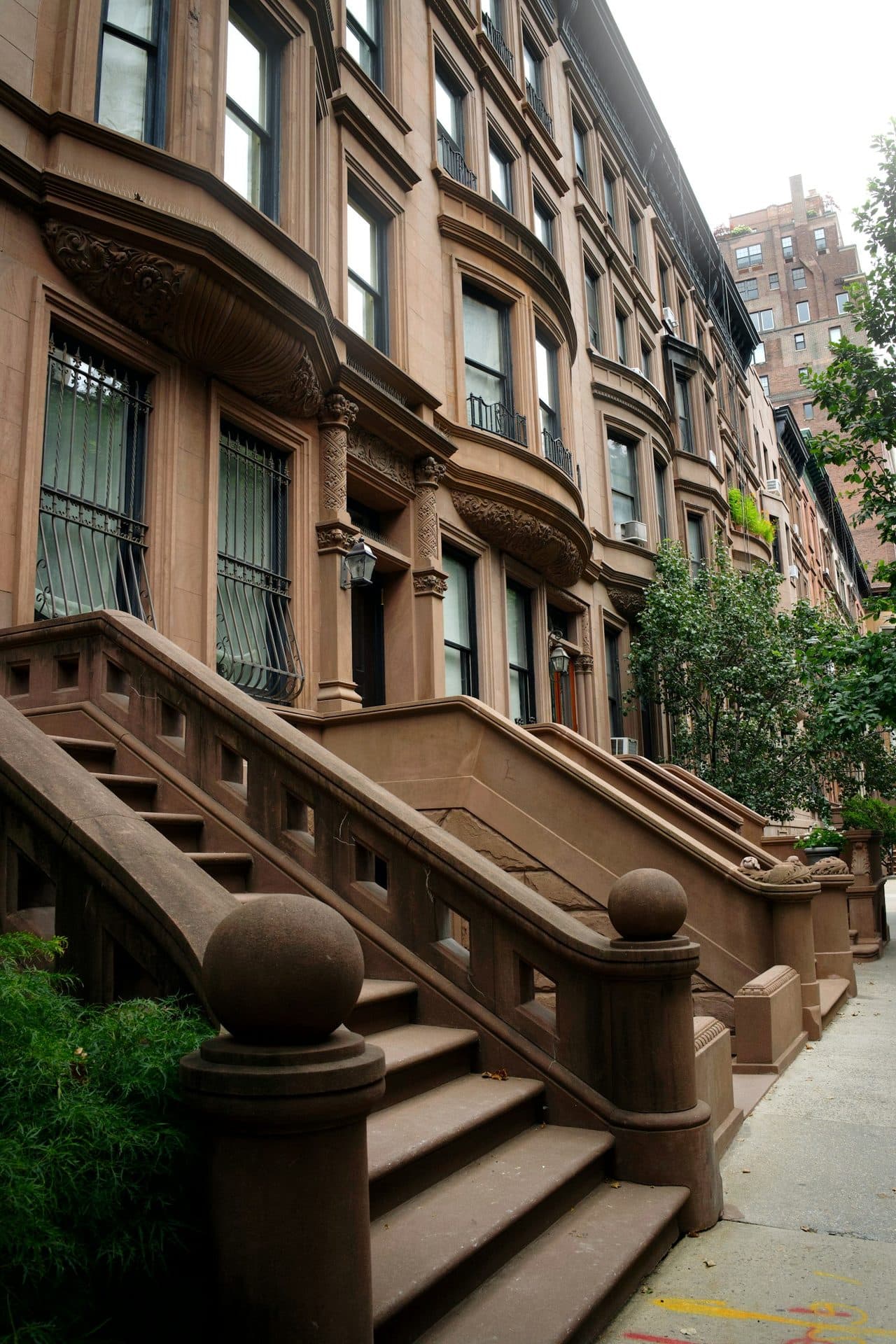
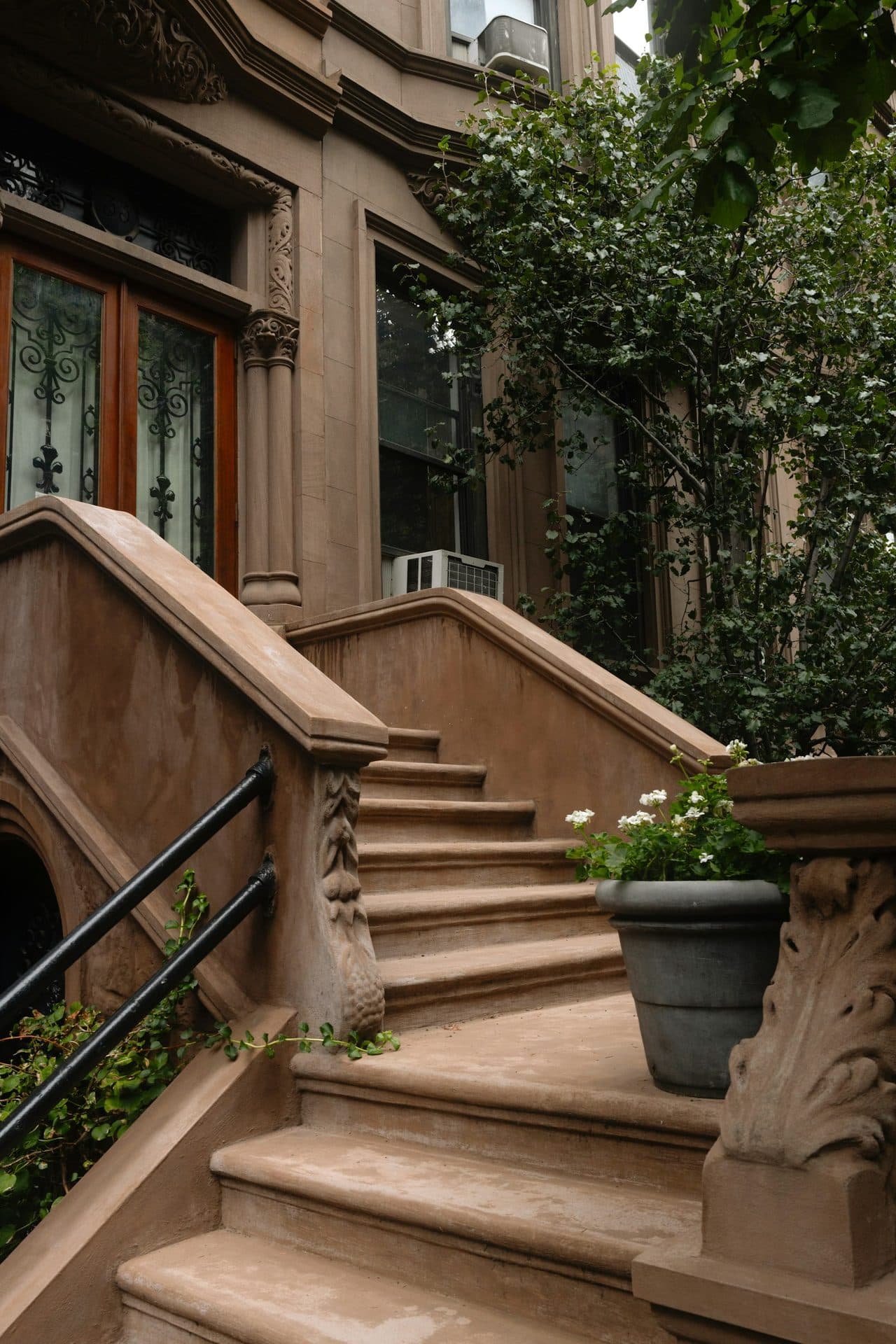
Upper West Side townhouses are mostly 1880s and 1890s brownstone and limestone row houses on the side streets between the avenues, many inside landmarked historic districts. You buy the whole building with no board to approve you, but you take on its roof, facade, and systems yourself. Width, condition, the block, and whether the house is single-family or still divided into apartments drive the price far more than square footage alone.
Upper West Side Townhouses
What should you know before buying an Upper West Side townhouse?
For buyers who want a house in Manhattan with stoops, gardens, and their own front door, the Upper West Side has one of the city's deepest stocks of row houses. Michael J. Carroll lives in the neighborhood and presides over his own condominium board, so he approaches a townhouse the way a board approaches a building: by asking what it will need next.
This guide covers what Upper West Side townhouses are like, where the best blocks are, the streets and architects worth knowing, what they really cost, how a townhouse purchase works, who they suit, and the checks a house needs when there is no board to run them. For the neighborhood as a whole, see Upper West Side apartments.
At a glance
Upper West Side townhouses in five facts
Most townhouses sit on the side streets between Central Park West and Columbus, and between Amsterdam and Riverside Drive.
There is no co-op board: the purchase is a house closing, with inspections, title, and a certificate of occupancy review.
Exterior work in a historic district needs Landmarks Preservation Commission approval, which can add months.
One- to three-family homes face the pied-à-terre surcharge only above a $5 million city valuation, not $1 million.
A townhouse has no reserve fund: the building's capital needs become your budget on day one.
Upper West Side Townhouses
What are Upper West Side townhouses like?
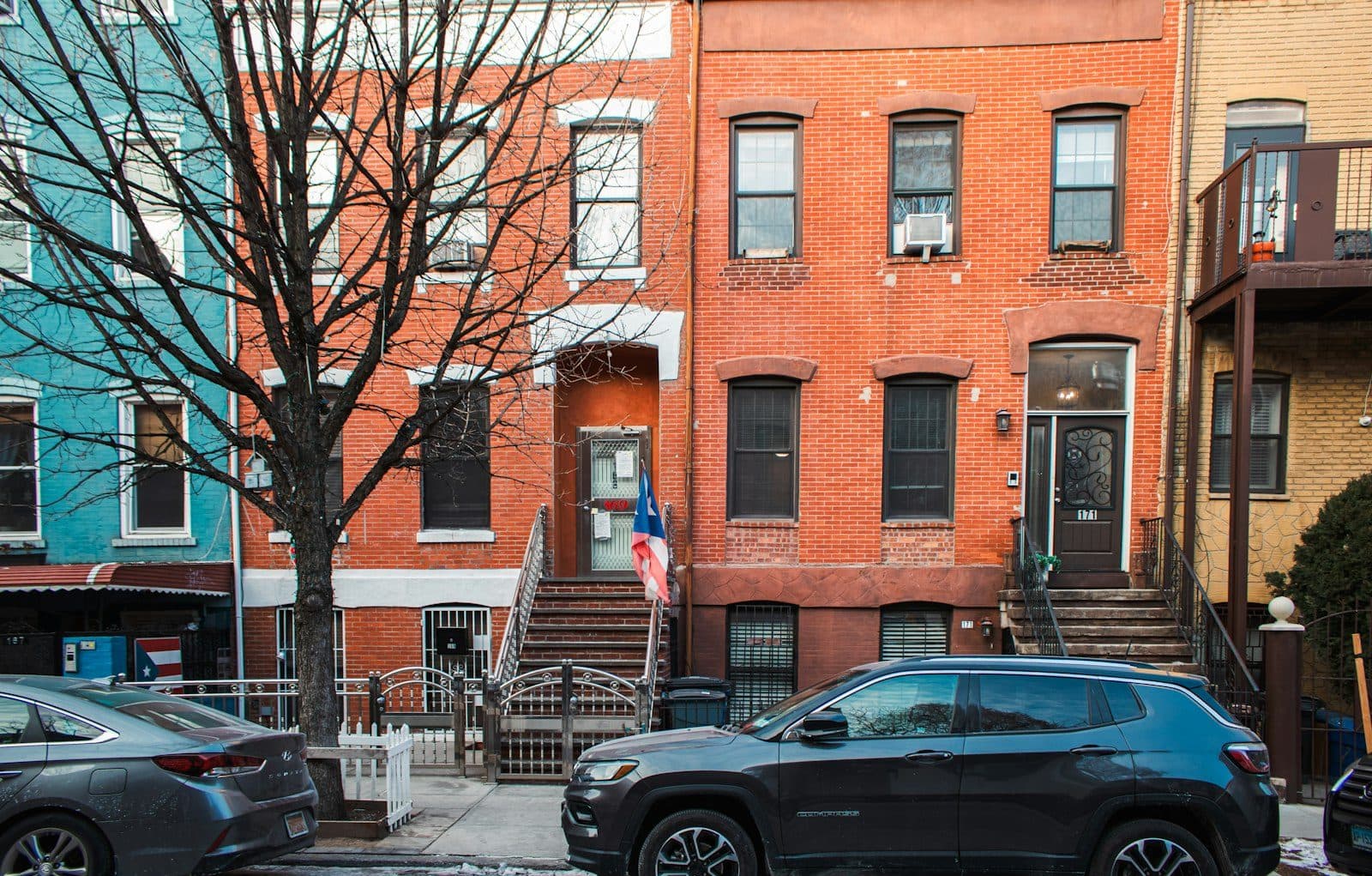
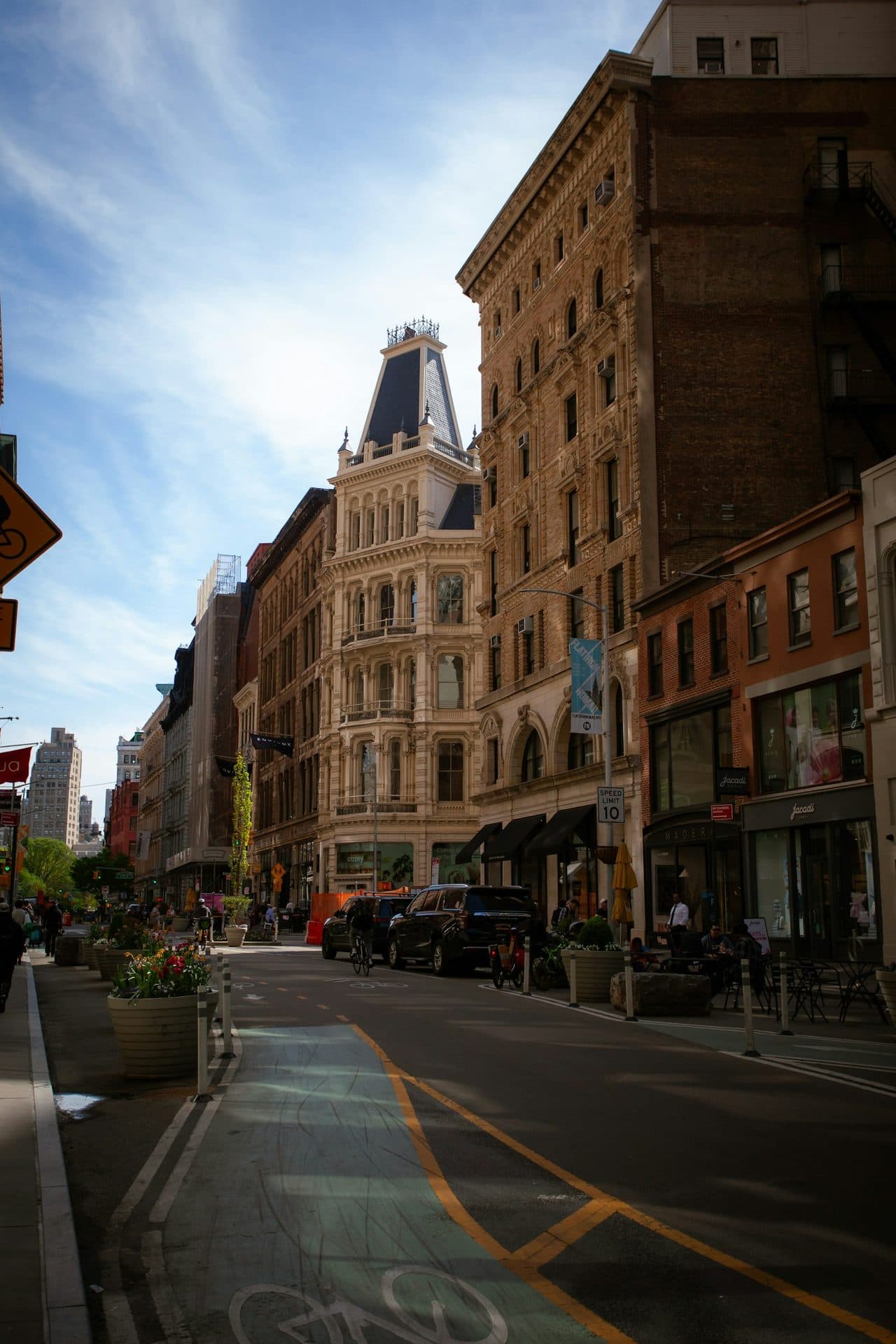
They are typically four or five stories, 16 to 25 feet wide, and more than a century old. Most went up in a building boom of the 1880s and 1890s, when developers and architects such as Neville & Bagge lined the side streets with brownstone, limestone, and brick row houses.
Whether a house is single- or multi-family affects its value, its financing, its legal use, and how long a conversion takes, so it is the first thing to establish about any listing.
Houses, not apartments
What that means when you shop
What you are actually buying varies a great deal from one house to the next:
Single-family houses
Restored or converted to one household, often with a garden level, a parlor floor with tall windows, and bedrooms above.
Multi-family houses
Still divided into apartments, sometimes with tenants in place; some buyers live in part and rent the rest.
Owner's duplex plus rentals
A common middle path: an owner's duplex on the lower floors and rental units above.
Shells and "wrecks."
Houses needing full renovation, priced for the work they require and usually bought by buyers with a design team ready.
The brownstone blocks
Where are the townhouse blocks on the Upper West Side?
Townhouses concentrate on the side streets, not the avenues. Two broad bands hold most of them, with distinct characters on either side of Columbus and Amsterdam.
Check the historic district map from the Landmarks Preservation Commission for any address before you plan exterior changes.
The blocks in the West 70s here have historically been among the highest priced, according to CityRealty. They sit within the Upper West Side–Central Park West Historic District and are a short walk from the park.
Long rows of brownstones on the West 70s, 80s, and 90s, many in the Riverside–West End Historic District, with Riverside Park at the end of the block and a quieter feel.
Blocks such as West 88th Street and West 95th Street regularly bring townhouses to market, from four-story single-families to multi-unit houses.
Row houses continue into the upper 90s and toward Manhattan Valley, where houses needing work sometimes trade at lower prices than further south.
What drives value
What makes one Upper West Side townhouse worth more than another?
Townhouses do not have building names to anchor value, so buyers compare houses on a short list of physical facts. These are the ones that move the price most on the Upper West Side.
Width
A 20- or 25-foot house is worth far more than a 16-foot house of the same depth, because width decides layouts, light, and the size of every room.
The block
Park blocks between Central Park West and Columbus generally command the highest prices; river blocks near Riverside Drive offer more house for the money.
Single-family status
A legal single-family house usually trades at a premium over a comparable multi-family house, especially one with rent-regulated tenants.
Condition and systems
New roofs, facades, electrical, plumbing, and heating save a buyer years and large sums; original systems are priced accordingly.
Original detail
Intact stoops, parlor-floor moldings, fireplaces, and stained glass add value in historic districts, where buyers pay for character.
Outdoor space
A deep rear garden, a roof terrace, or both make a meaningful difference on the Upper West Side, where most apartments have none.
Elevator and layout
An elevator, or space to add one, broadens the buyer pool and the house's long-term use.
Upper West Side Townhouses
What does an Upper West Side townhouse cost?
Upper West Side townhouses usually trade in the multi-millions, from houses needing full renovation at the low end to restored single-family houses on park blocks at the top of the market. Width, condition, and legal use explain most of the gap.
- $5MPied-à-terre surcharge threshold for one- to three-family homes, by city valuation
- 1%Mansion tax on residences of $1 million or more
- 6 storiesFacade inspections under Local Law 11 apply above this height
- 4–6%Typical buyer closing costs, as a share of the price
Sources: NYC Department of Finance; New York State Department of Taxation and Finance; Brick Underground on Local Law 11.
Budget for
The costs on top of the price
Closing costs of about 4 to 6 percent
The mansion tax is 1 percent on residences of $1 million or more, with a supplemental tax on higher-priced New York City sales, per the New York State Department of Taxation and Finance. The closing costs guide breaks out every line.
Inspections before you sign
A structural engineer's report, a sewer-line camera inspection, and a review of open permits and violations are standard for a house this age.
Insurance and taxes
You insure the whole building and pay its real estate taxes directly; there is no maintenance bill to bundle them.
Capital work
Roofs, facades, boilers, and windows are your responsibility, and work on the exterior in a historic district needs approval first.
The pied-à-terre surcharge
For one- to three-family homes it applies only above a $5 million city valuation if the house is not your primary residence; see the NYC Department of Finance.
Offer to keys
How does buying a townhouse on the Upper West Side work?
A townhouse purchase is a house closing, not a board approval, and it usually takes about two to three months from accepted offer. The time goes into inspections and legal diligence instead of a board package.
Set the budget for price and work together
Most townhouses need some renovation, so plan the two numbers as one.
Confirm the legal use
Check the certificate of occupancy and the number of legal units; it decides financing, value, and what you can do with the house.
Inspect thoroughly
A structural engineer, a sewer inspection, and a review of the roof, facade, and party walls before you commit.
Review tenants and leases
If units are occupied, your attorney reviews the leases and any rent-regulated status, which can limit conversion plans.
Negotiate and sign
Your attorney drafts the contract; a 10 percent deposit is typical.
Finance the right way
Single-family houses finance like homes; multi-family houses with tenants may need a different loan.
Title and survey
Title insurance and a survey confirm boundaries, easements, and any encroachments.
Close
Transfer taxes, title, keys, and your insurance policy in place from day one.
There is no board to approve you, which is the main appeal; the trade-off is that every diligence step is yours to arrange.
Who it suits
Who is an Upper West Side townhouse right for?
A townhouse suits buyers who want space, privacy, and control, and who are comfortable managing a building themselves. Five kinds of buyers find it fits especially well.
Families
Several floors of space, a garden, and Central Park or the green of Riverside Drive at the end of the block.
Buyers who want to avoid a board
No co-op interview, no house rules on renovations beyond the city's own, and no limits on how you use your home.
Multigenerational households
Separate floors or an apartment within the house can give relatives their own space under one roof.
Owner-investors
Living in part of a multi-family house and renting the rest can offset carrying costs, subject to the leases in place.
Buyers with a renovation vision
A house needing work is one of the few ways to create a fully custom home on the Upper West Side.
If you would rather not manage roofs, boilers, and contractors, a full-service co-op or condo on the same blocks may suit you better; see Upper West Side condos.
From inside the board
What does a house need checked when there is no board?
In an apartment building, a board watches the reserves, the facade, and the boiler. In a townhouse, that job becomes yours from the day you close. These are the five checks Michael applies, borrowed from how his own board reviews its building:
The roof and facade
Most townhouses are six stories or fewer, so they fall outside the city's facade inspection program that applies to taller buildings, as Brick Underground explains; nobody inspects the front of the house unless you do.
The systems
The age of the boiler, the electrical service, the plumbing, and any original sewer line, each a five- or six-figure item when it fails.
Party walls and the rear
Shared walls, rear extensions, and drainage problems often hide where listing photos do not look.
Permits and violations
Open permits, unresolved violations, or work done without approval can delay a sale or a renovation for months.
The legal use
Whether the certificate of occupancy matches how the house is used today, and whether tenants or rent regulation limit what you can change.
Treat those five as the house's reserve study. Knowing them before you sign is how you price the house correctly, rather than discovering the bill after closing.
A walk through Upper West Side Townhouses
Upper West Side townhouses, in light.
The buildings, blocks, and rooms that define Upper West Side Townhouses — captured on Michael's walks home.
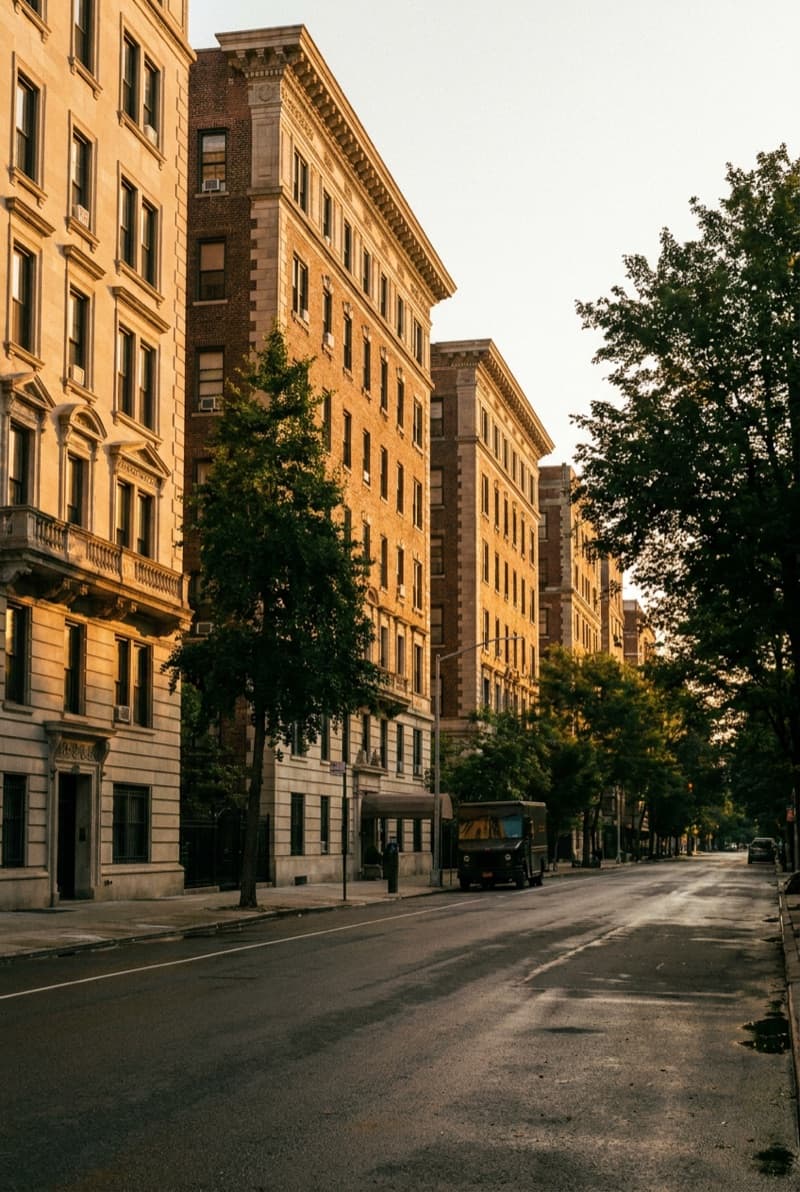
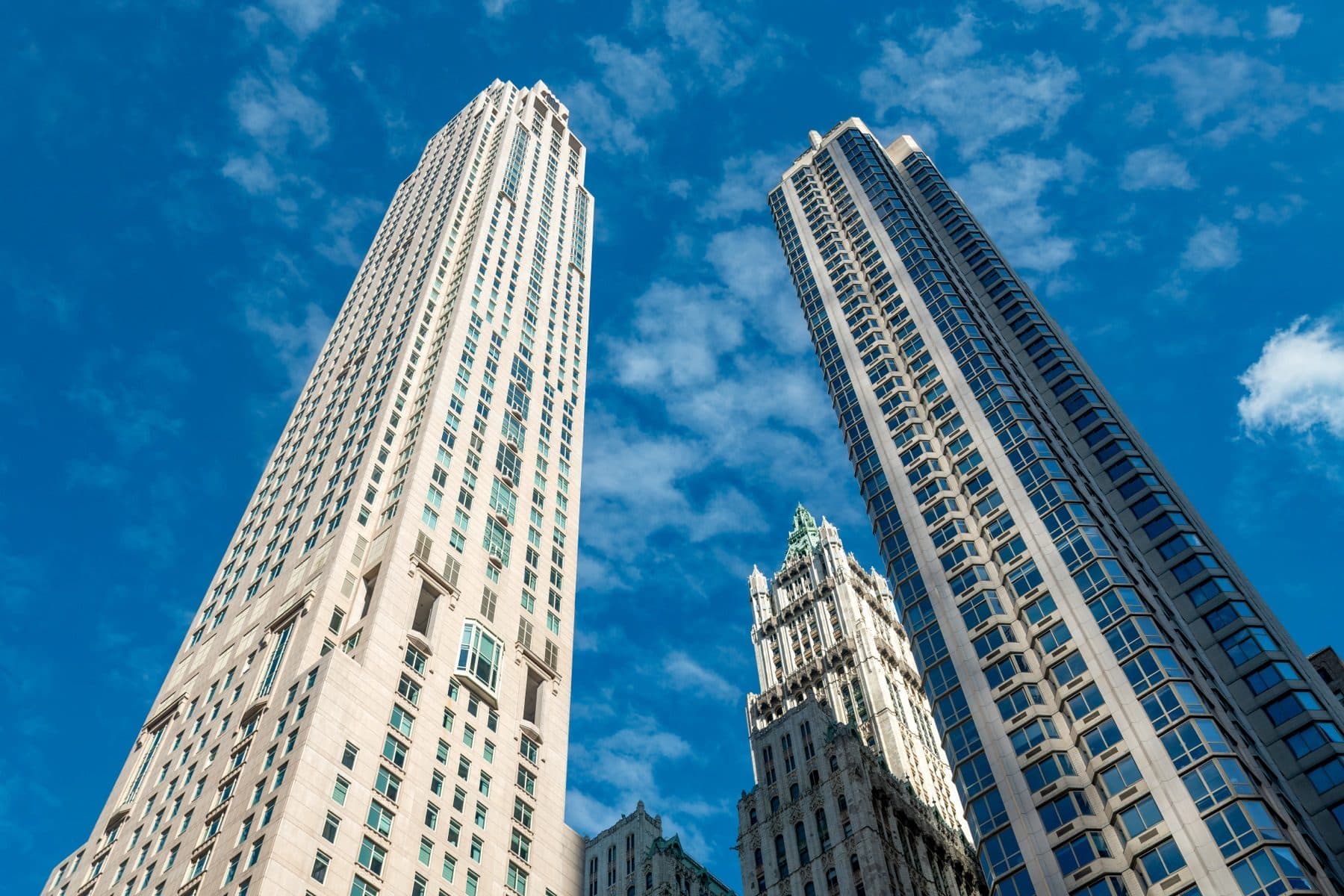
Classic pre-war co-op buildings on West End Avenue
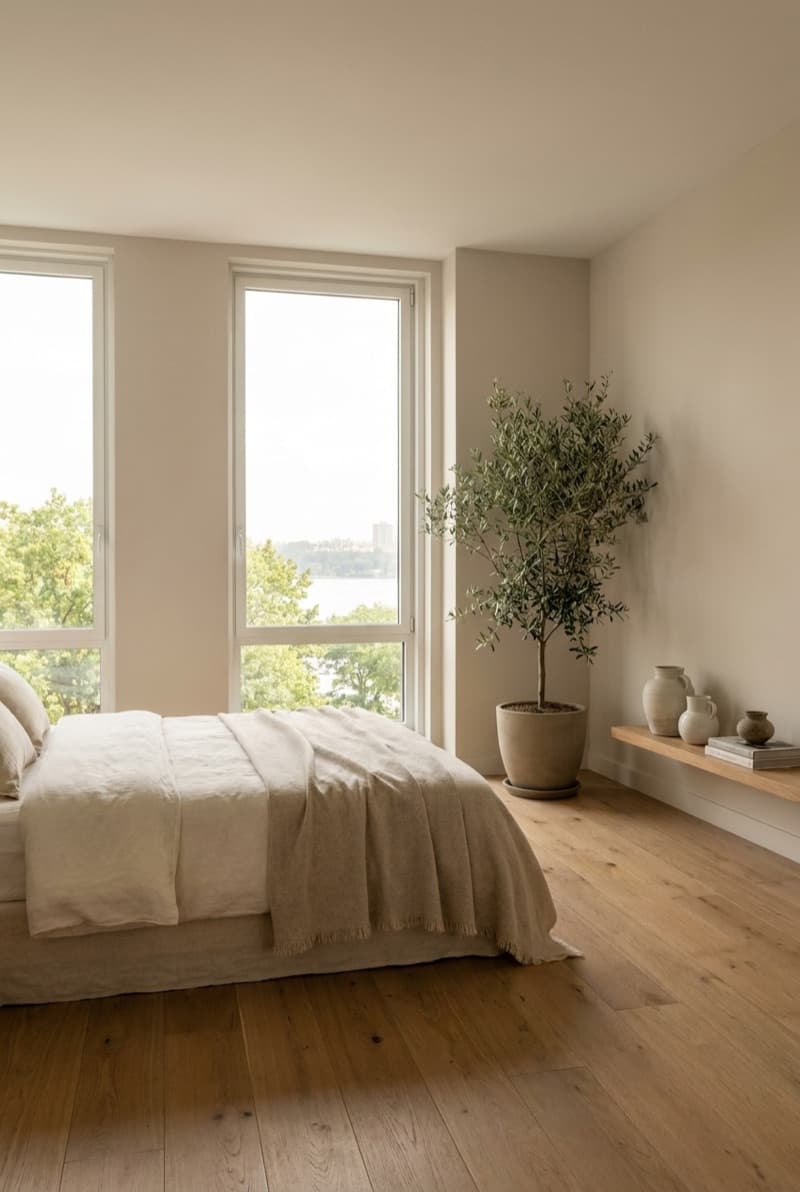
A light-filled two bedroom apartment near Riverside Park
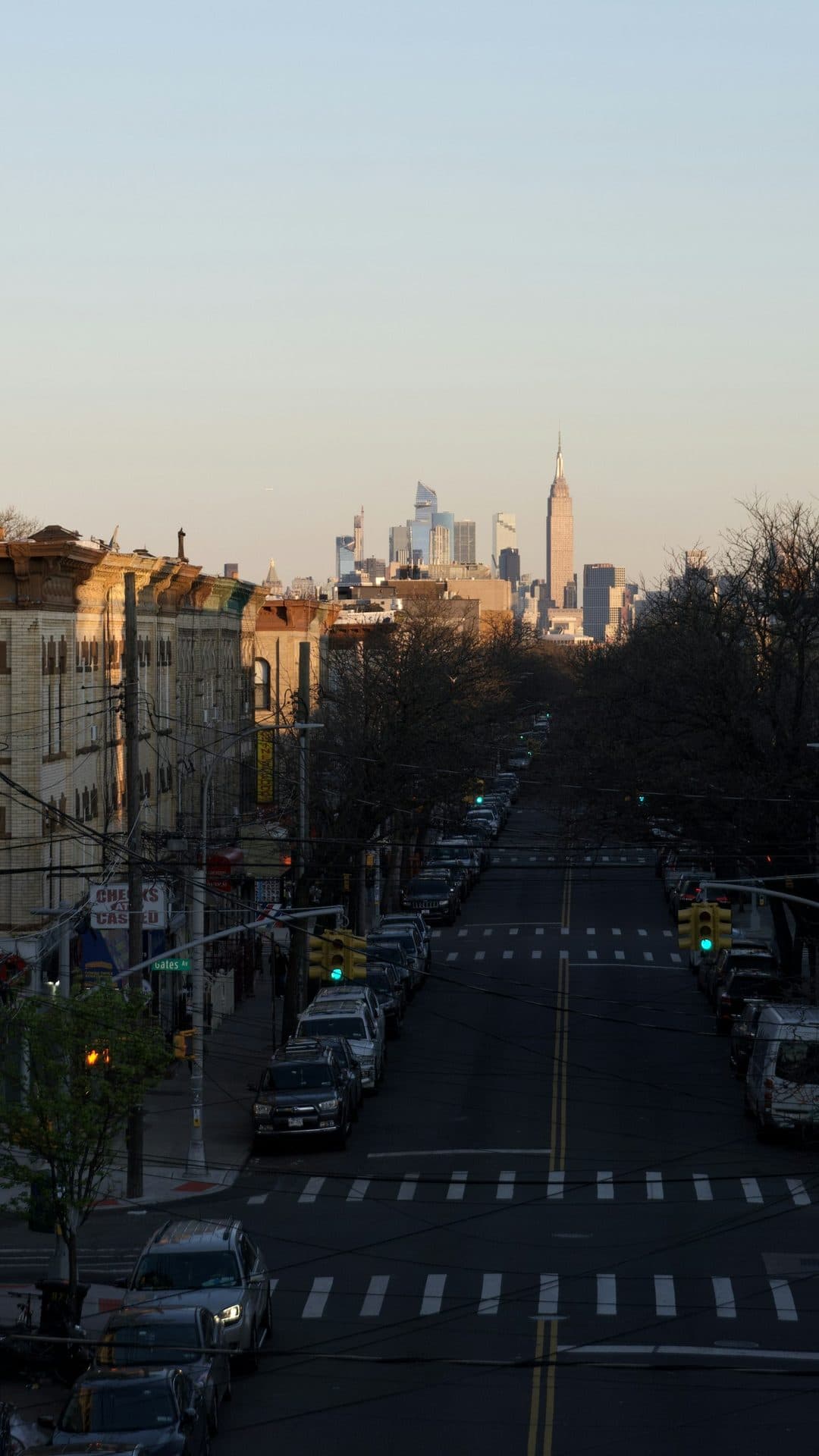
The city skyline seen down a tree-lined street at sunset
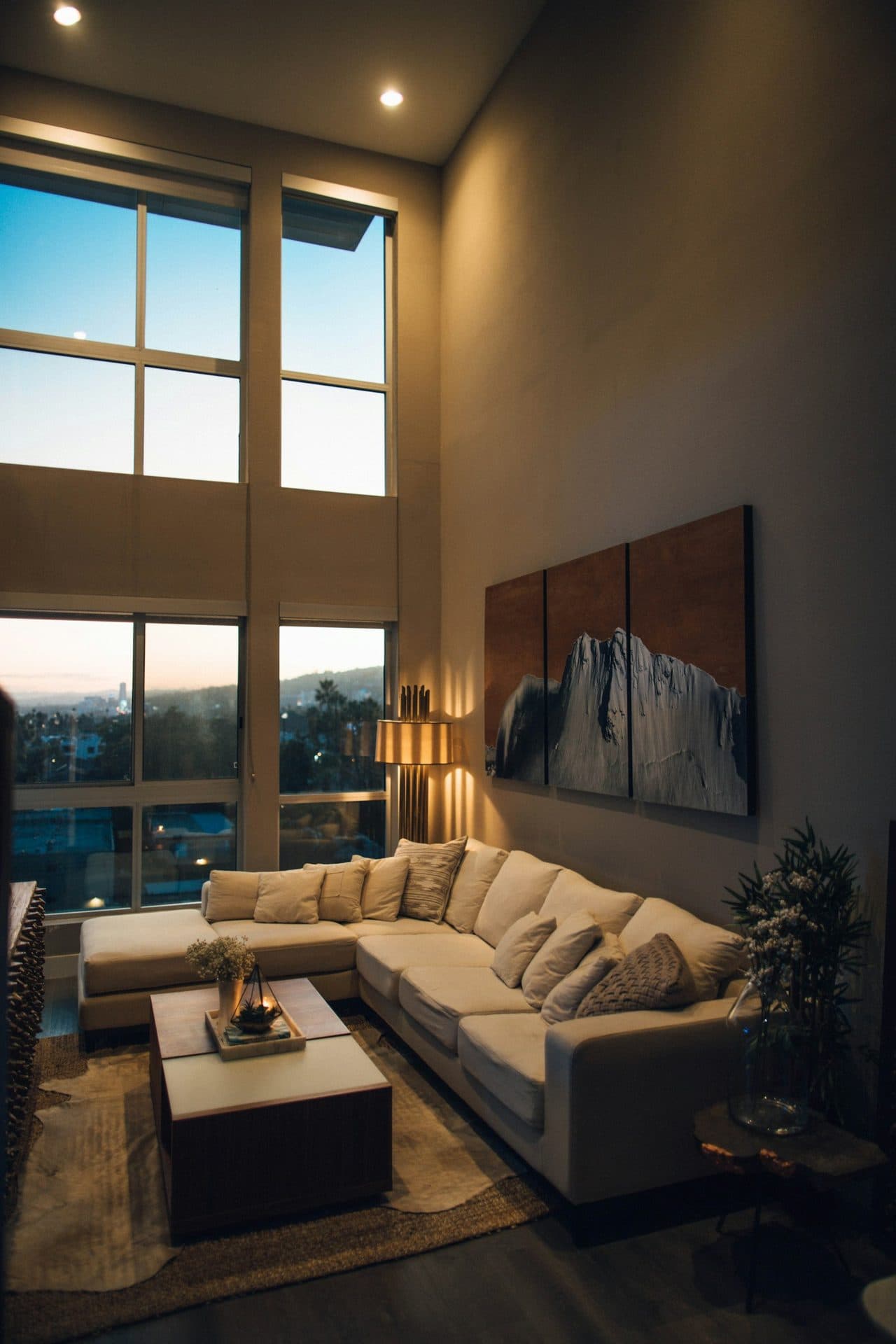
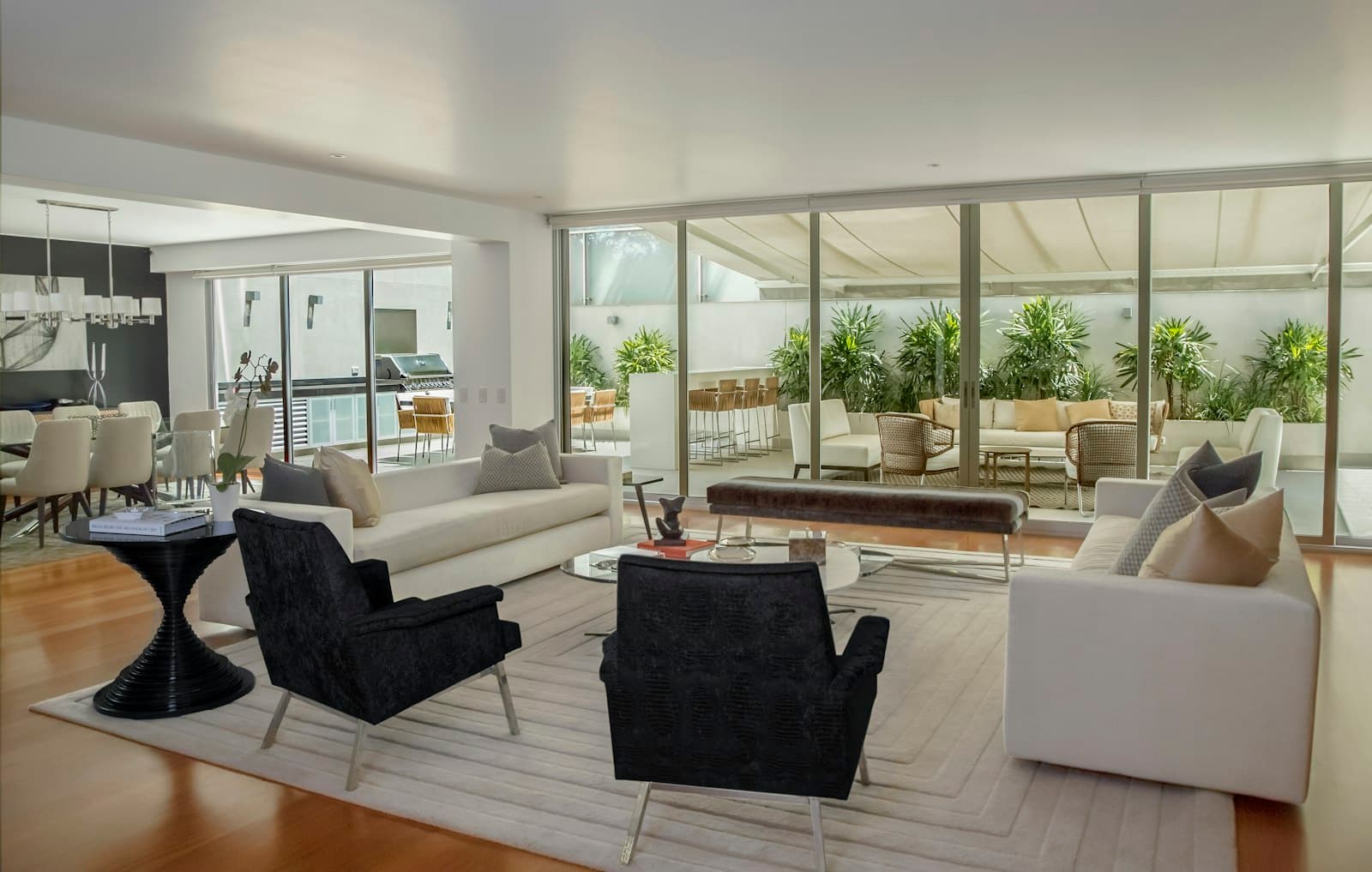
A chaise beside a sunlit living room window
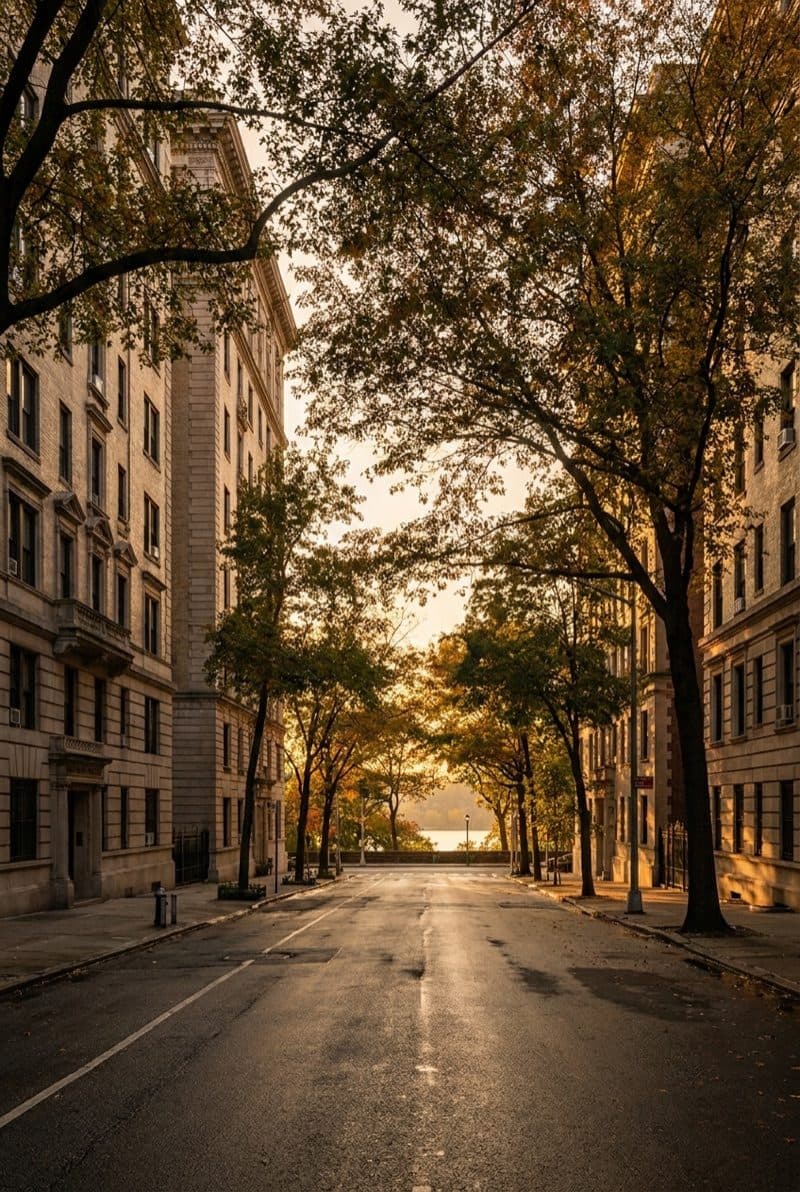
Riverside Drive pre-war apartments overlooking the Hudson River
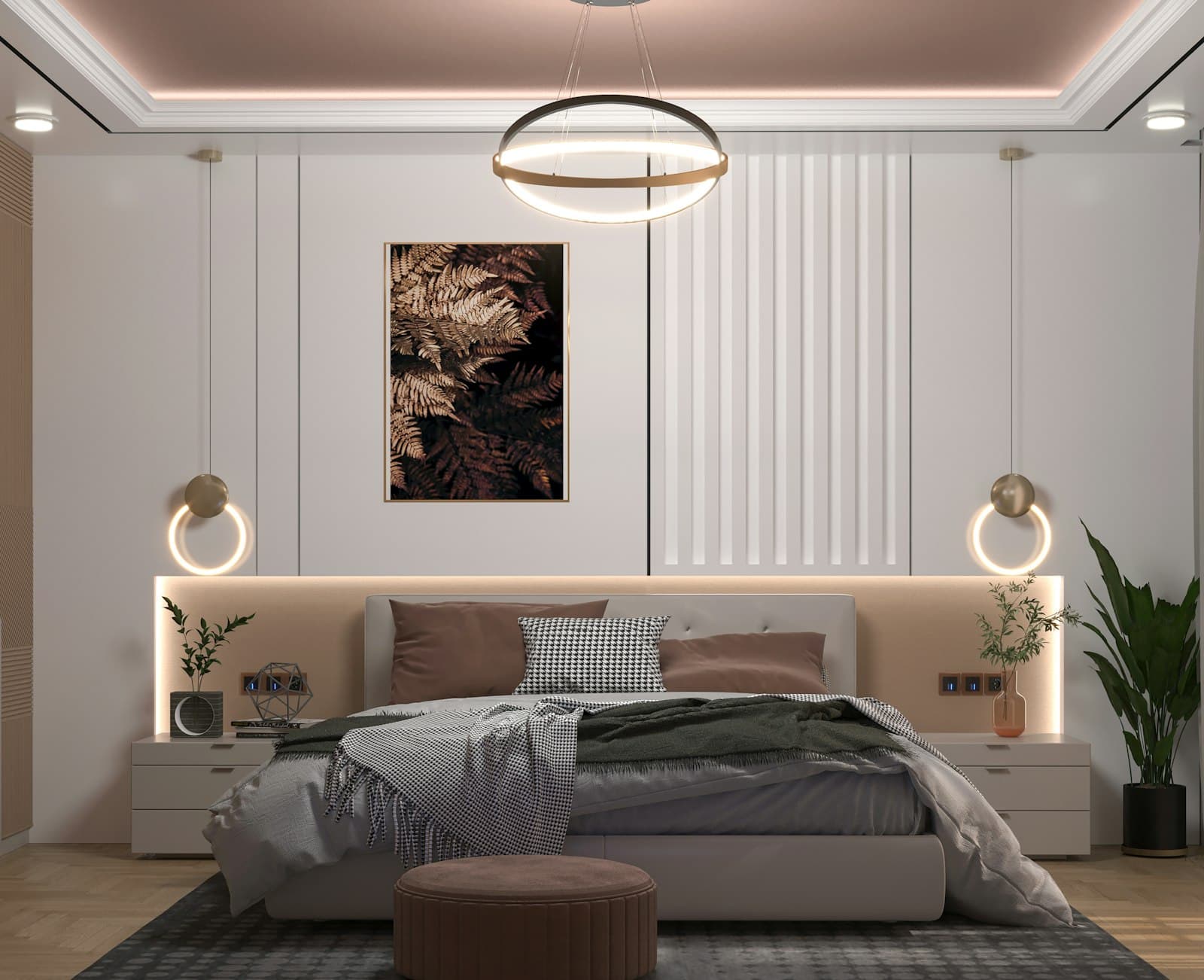
A pair of armchairs in a quiet sitting room
“A house has no board, so I read it the way my board reads our building: roof, facade, systems, and what comes next.”
— Michael J. Carroll
Answers
Upper West Side Townhouses, answered
- A townhouse is any attached row house; a brownstone is a townhouse faced in brown sandstone. Many Upper West Side row houses are brownstone, while others are limestone or brick.
- Often, but it depends on the certificate of occupancy, any tenants in place, and rent regulation, which can limit or delay a conversion. Have your attorney review this before you sign.
- For one- to three-family homes it applies only when the city values the house above $5 million and it is not your primary residence.
- About two to three months from accepted offer to closing, with most of the time spent on inspections, legal diligence, and financing.
- The side streets in the West 70s between Central Park West and Columbus have historically been among the highest priced, with river blocks offering more house for the money.
A private consultation
See Upper West Side townhouses with a building checklist in hand
Tell Michael the size, budget, and blocks you have in mind, and whether you want a single-family house or income from rental units, and he will help you weigh each house with the same checklist a board uses for its building. He works from the Brown Harris Stevens West Side office at 1934 Broadway.

What happens next
- 01
Michael reads your note personally
No team inbox. He sees the form himself.
- 02
You'll hear back, usually the same day
By phone or email — whichever you prefer.
- 03
A no-pressure first conversation
Whether you're ready this week or thinking it through.
10+
Years at BHS
Top 1%
Nationwide
$500K–$25M+
Transaction range
Tell Michael about your search
A few quick questions.
Your details stay between you and Michael. No spam. No list.