
Usually about three to four months from accepted offer to closing, because of the board package, the managing agent's review, and the interview.
Upper West Side · Co-ops
Upper West Side Co-ops for Sale.
Co-ops are the core of the Upper West Side market. You buy shares in the corporation that owns the building plus a lease on your apartment, you pay a monthly maintenance charge that bundles the building's taxes and costs, and a board must approve you after reviewing a detailed financial package and interviewing you. In return, co-ops usually cost less than comparable condos, and the buildings are owner-occupied and closely run. The best purchases come from reading the building's finances and house rules before you make an offer.
Upper West Side Co-ops
What should you know before buying an Upper West Side co-op?
Most apartments on the Upper West Side are co-ops, so most buyers here will sooner or later sit across from a board. Michael J. Carroll sees that table from both sides: he lives in the neighborhood, serves as president of his own condominium board, and convenes a working group of neighborhood co-op and condo board members who compare how their buildings decide.
This guide covers what an Upper West Side co-op is, which corridors suit which buyers, the landmark co-op buildings, what owning one really costs, how the board package and interview work, who co-ops suit best, and how to read a co-op's books before you commit. For the wider neighborhood, start with Upper West Side apartments.
At a glance
Upper West Side co-ops in five facts
A co-op sale is a share transfer approved by the board, not a deed; plan on about three to four months to close.
Monthly maintenance covers your share of the building's real estate taxes, staff, upkeep, and any underlying mortgage.
Most Upper West Side co-ops expect you to live there and limit subletting, pied-à-terre use, and entity purchases.
Co-ops generally cost less than comparable condos, which is why they dominate the neighborhood's pre-war buildings.
The building's books matter as much as the apartment: underlying mortgage, reserves, maintenance history, and flip tax.

Upper West Side Co-ops
What does owning an Upper West Side co-op mean?
Owning a co-op means owning shares in the corporation that owns the building, plus a proprietary lease that gives you the right to live in your apartment. You become a shareholder with a vote, and the building is run by a board elected from those shareholders.
For a full comparison of the two structures, read condo vs co-op in NYC and the guide to buying a co-op.
Shares, not a deed
What that means when you shop
That structure shapes daily life in four ways:
Ownership
Your shares are allocated by apartment size and floor; they set your share of maintenance and your vote.
Maintenance
One monthly bill covers your portion of the building's real estate taxes, staff, upkeep, insurance, and any mortgage the building itself carries.
Rules
The house rules and proprietary lease govern subletting, renovations, pets, and who may live in or buy into the building.
Value
Because the rules limit investors and part-time owners, co-ops typically sell for less than comparable condos, and buildings stay predominantly owner-occupied.
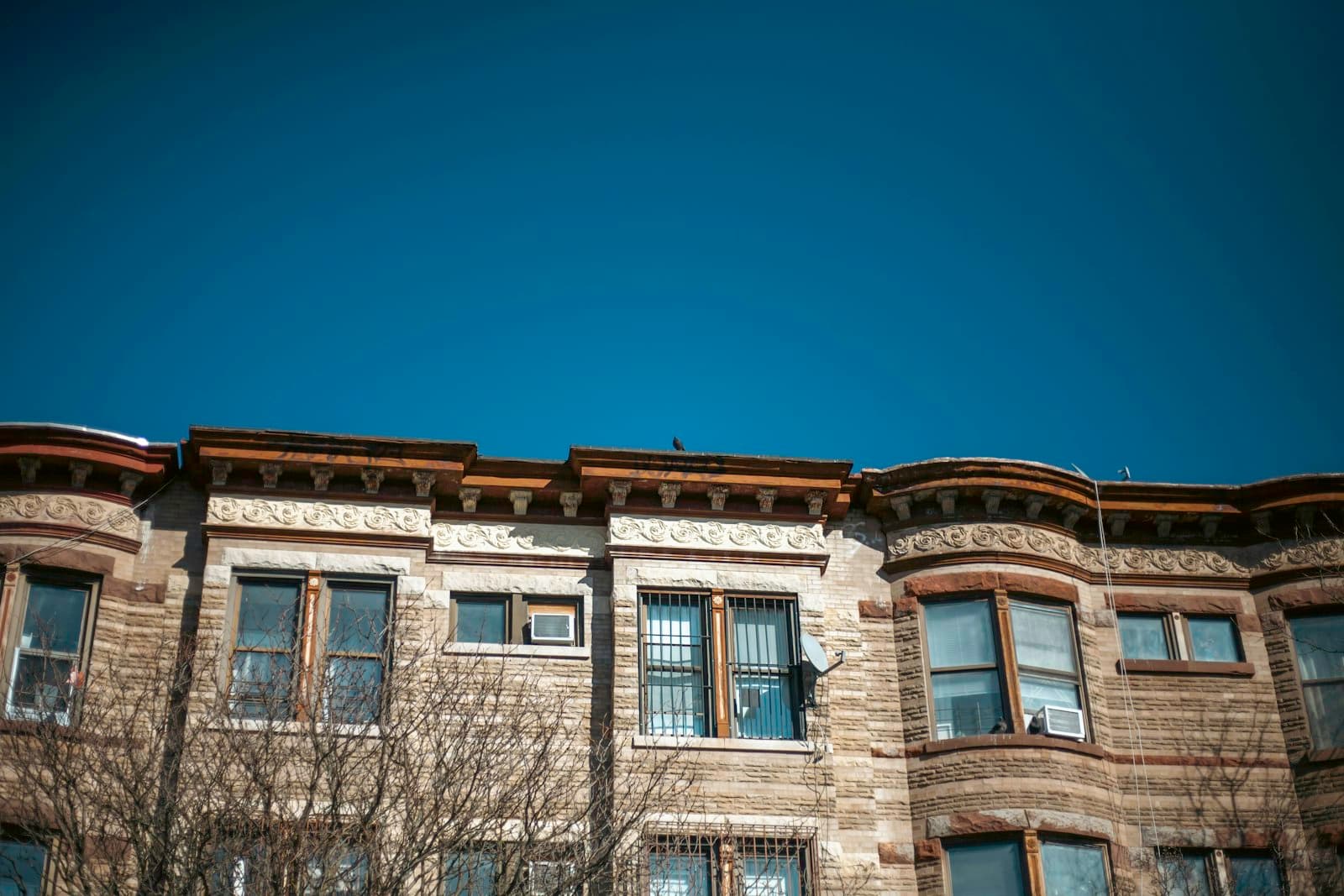
Upper West Side Co-ops
What is a condop, and does the Upper West Side have them?
A condop is a hybrid: the building is legally a condominium, but most of the residential space is held as a co-op, while ground-floor stores or other commercial space are separate condo units. Buyers see it mostly in the rules. Condops often allow more flexible subletting, financing, and resale than a traditional co-op, because the arrangement was set up to bring in commercial income or ease financing. A handful of Upper West Side buildings along Broadway and the avenues are structured this way, so it is worth asking how a building is organized before you assume co-op rules apply.
The co-op corridors
Where are the best Upper West Side co-ops?
Every corridor of the Upper West Side has co-ops, but each offers a different kind of building, board, and price. Matching the corridor to how you live narrows the search quickly.
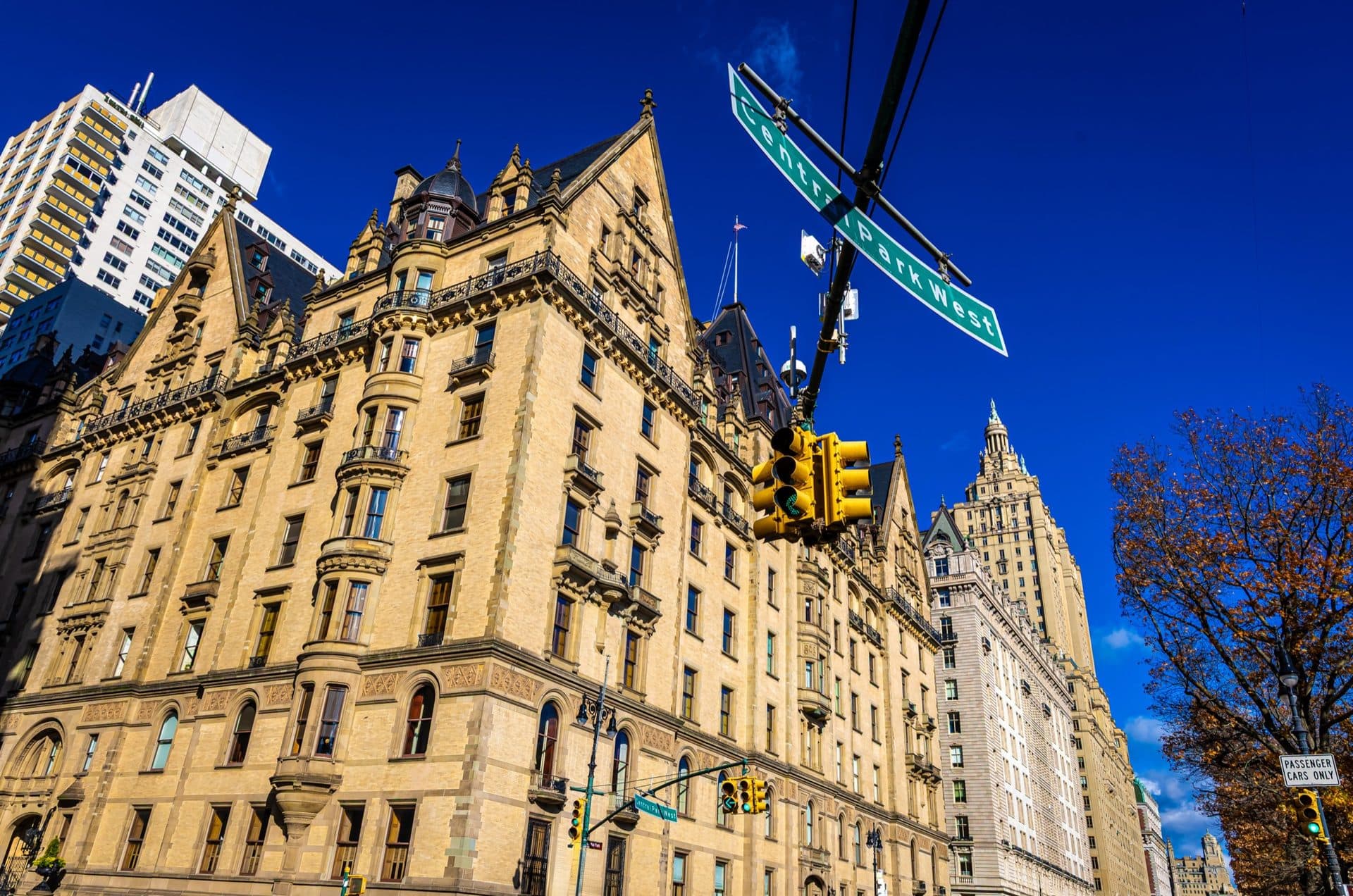
The landmark co-ops, including the Beresford, the Eldorado, and the Majestic, with park views, grand layouts, and some of the most selective boards in the city. Read the Central Park West guide.
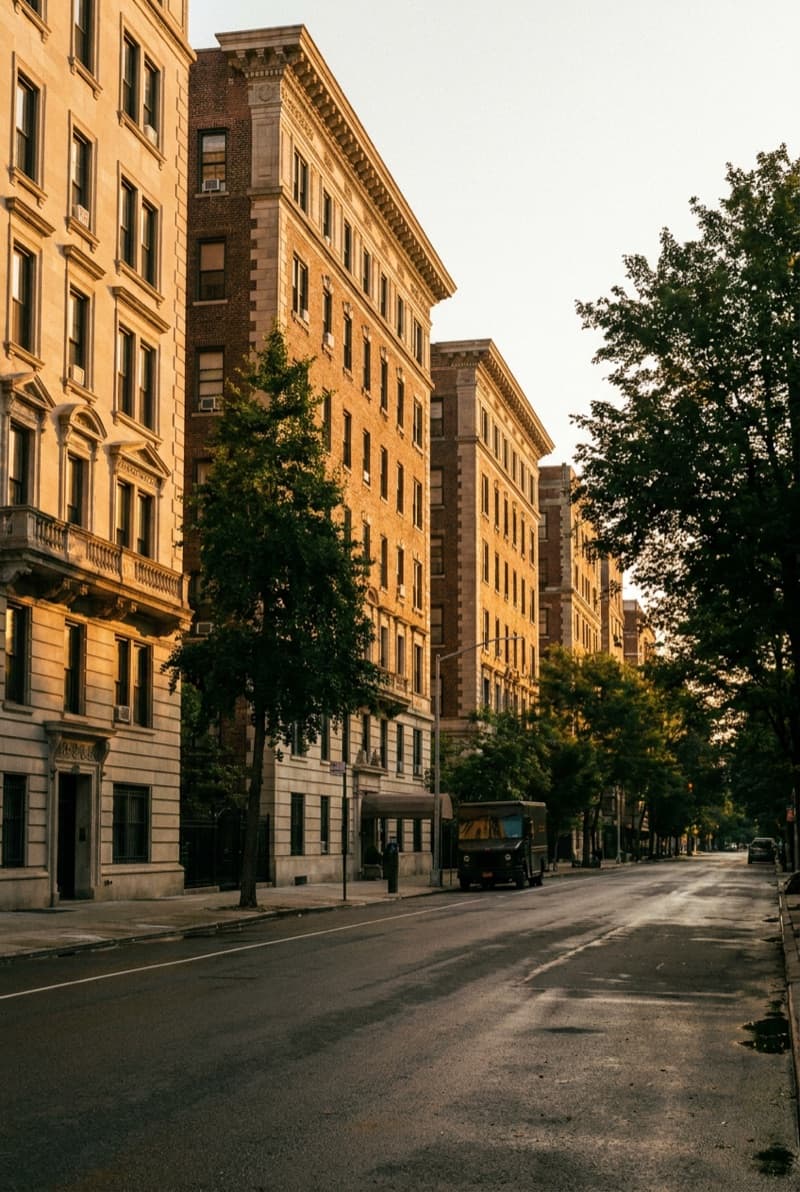
West End Avenue
Block after block of pre-war apartment houses from the 1910s and 1920s, known for classic sixes and sevens with formal rooms. Boards here are typically thorough but less exclusive than on the park. See West End Avenue apartments.
Curving pre-war co-ops facing the Hudson and Riverside Park, with river light and often more space for the money than Central Park West.
A wide mix of pre-war and post-war co-ops along Broadway, Amsterdam, and Columbus, with the 1, 2, and 3 trains stopping at 72nd Street, 79th Street, 86th Street, and 96th Street. This is where many first-time buyers find doorman co-ops at accessible prices.
Pre-war and post-war co-ops toward Manhattan Valley offer larger apartments for the price, a few minutes from the park and the 96th Street express stop.
Upper West Side Co-ops
How does board culture differ by corridor?
Boards are individual, but patterns hold across the neighborhood. The landmark buildings on Central Park West tend to set the highest financial bars and value privacy above all. West End Avenue and Riverside Drive boards are typically thorough and conservative, focused on stable finances and owners who will live there. Post-war co-ops along Broadway and the avenues often run larger boards with more standardized processes, which can make approvals more predictable for well-prepared first-time buyers. North of 96th Street, boards may be more flexible on financing in exchange for strong references and a clean package. None of this replaces reading each building's rules, but it helps you decide where to focus.
The landmark co-ops
Which Upper West Side co-op buildings are the landmarks?
The famous co-ops of Central Park West set the reference point for the whole neighborhood. Each is a co-op with its own board culture, and knowing them helps you understand how pre-war apartments elsewhere are priced.
The San Remo (145 Central Park West)
Emery Roth's twin towers, finished in 1930, with some of the most coveted park-facing apartments in the city.
The Beresford (211 Central Park West)
Roth's 1929 building at 81st Street, facing both the park and the American Museum of Natural History.
The Eldorado (300 Central Park West)
A 1931 Art Deco twin-towered co-op at 90th Street, designed by Margon & Holder with Emery Roth.
The Majestic (115 Central Park West)
Irwin Chanin's 1931 twin-towered co-op at 71st Street.
The Century (25 Central Park West)
Chanin's Art Deco companion to the Majestic, from 1931, at 62nd to 63rd Street.
The Kenilworth (151 Central Park West)
A Beaux-Arts co-op from 1908 at 75th Street, with a mansard roof and ornate entrance.
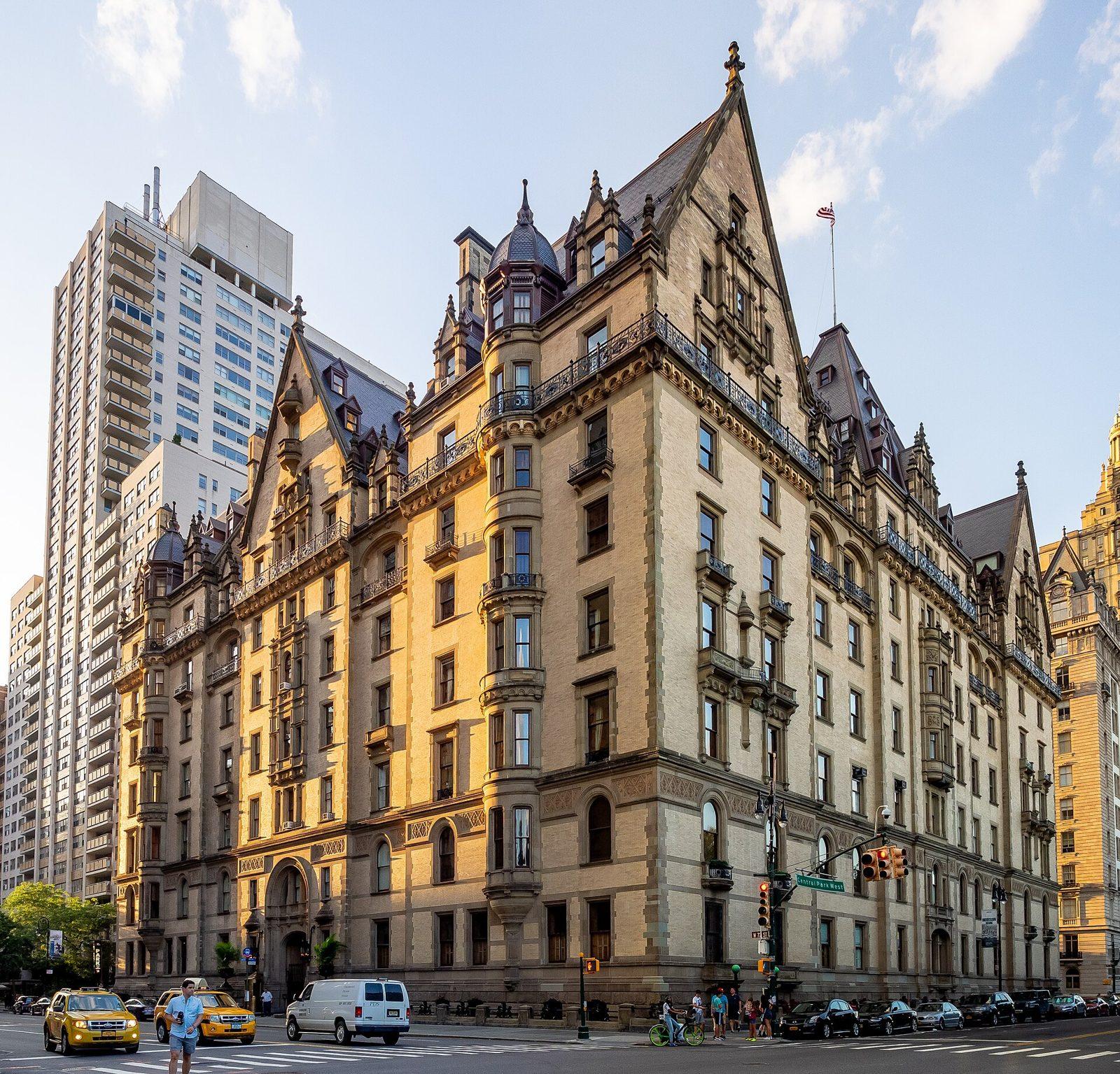
The Dakota (1 West 72nd Street)
The 1884 original, famously private and selective.
West End Avenue's apartment houses
Dozens of 1910s and 1920s buildings by architects such as Schwartz & Gross and Emery Roth, the backbone of the neighborhood's classic-six market.
Landmark status usually means a demanding board and a significant price premium, but also a building whose finances and upkeep have been managed for generations. Away from the park, the same pre-war craftsmanship, with high ceilings, plaster detail, and generous rooms, is available in less famous buildings at lower prices, which is where much of the neighborhood's value lies.
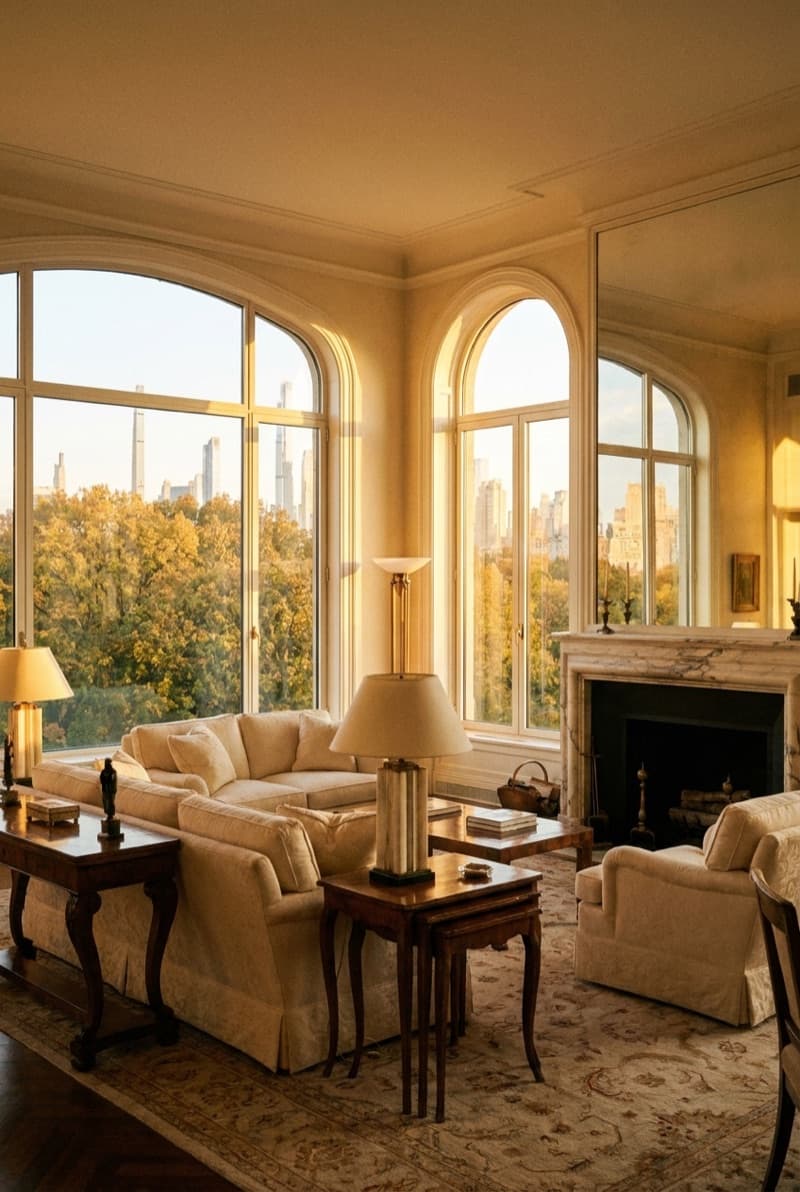
Upper West Side Co-ops
What does an Upper West Side co-op cost?
Upper West Side co-ops range from studios in post-war buildings to park-front apartments in the landmark towers, and they generally cost less than comparable condos. For context, Manhattan's median sale price for co-ops and condos held at a record $1.25 million in the third quarter of 2026, according to market reports summarized by Brick Underground.
- $1.25MManhattan median sale price for co-ops and condos, Q3 2026, a record
- $895KManhattan co-op median sale price, Q2 2026, up 8.5% year over year
- 1%Mansion tax on residences of $1 million or more
- 4–6%Typical buyer closing costs, as a share of the price
Sources: Brick Underground's Q3 2026 market summary; The Real Deal / TRD Data, Q2 2026; New York State Department of Taxation and Finance.
Budget for
The costs on top of the price
Monthly maintenance
It covers your share of the building's real estate taxes, operating costs, and any underlying mortgage, so compare it to a condo's common charges plus taxes, not common charges alone.
Closing costs of about 4 to 6 percent
Co-op buyers do not pay a mortgage recording tax, but the mansion tax of 1 percent applies to residences of $1 million or more, per the New York State Department of Taxation and Finance. See the closing costs guide.
Application and move-in fees
Most buildings charge the buyer fees to process the board package and deposits for the move itself; the managing agent confirms the amounts.
The flip tax
Many Upper West Side co-ops charge a transfer fee when apartments sell, usually paid by the seller but sometimes negotiated; it shapes your cost when you eventually sell.
Assessments
Older buildings periodically assess shareholders for facade, roof, elevator, or window projects; ask whether one is planned.
Why do co-ops cost less than comparable condos?
Three forces keep co-op prices below condos for similar space. The rules narrow the buyer pool, because most investors, part-time owners, and entity buyers cannot purchase. Financing limits mean buyers need more cash, which also narrows demand. And maintenance includes the building's taxes and any underlying mortgage, so buyers weigh a higher monthly figure against a lower purchase price. For a buyer who meets the board's standards and plans to stay, those same factors are what create the value, especially in pre-war buildings along West End Avenue and Riverside Drive.

Upper West Side Co-ops
The real numbers
What should you ask the managing agent before you bid?
The managing agent answers questions the listing often does not. Before you make an offer, ask:
The financing limit and down payment
the board requires.
Any post-closing liquidity rule
, and how the board measures it.
The flip tax
, how it is calculated, and who pays it.
Planned assessments or maintenance increases
for the coming year.
Sublet, pet, and washer policies
, and whether purchases in a trust are allowed.
Recent sales and board decisions
in the building, where the agent can share them.
Offer to keys
How does buying an Upper West Side co-op work?
Buying a co-op takes about three to four months from accepted offer to closing, and the board package and interview take up most of that time. The steps below assume a financed purchase in a pre-war building.
Confirm the building's numbers first
Its maximum financing, minimum down payment, and any post-closing liquidity requirement, before you fall for an apartment.
Make the offer
A financial statement often accompanies a co-op offer so the seller can judge whether you will pass the board.
Contract and due diligence
Your attorney reviews the financial statements, minutes, house rules, and proprietary lease, then you sign with a deposit, typically 10 percent.
Loan commitment
Your lender approves both you and the building; some lenders will not lend in buildings with certain financial or legal issues.
Assemble the board package
Tax returns, bank and brokerage statements, employment letters, reference letters, and a detailed financial statement.
Managing agent review
The agent checks the package for completeness before passing it to the board.
The board interview
Usually a short meeting in a board member's apartment or online; the board votes afterward.
Closing
A share transfer handled at the managing agent's office or remotely, with a lien search instead of title insurance.

Upper West Side Co-ops
What happens at the co-op interview?
By the time you are invited to an interview, the board has usually decided your finances are acceptable; the meeting is about whether you will be a good neighbor and shareholder. Expect a short conversation, often 20 to 30 minutes, in a board member's apartment or by video. Members may ask how you plan to use the apartment, whether you intend renovations, who will live there, and how you heard about the building. Answer briefly and directly, avoid negotiating or volunteering new information about your finances, and dress as you would for a professional meeting. Most boards notify you through the managing agent within days.
Offer to keys
What goes into a strong board package?
A complete, consistent package is the single biggest factor you control. Boards look for these, presented cleanly:
A clear financial statement
that matches every supporting document, with no unexplained balances or transfers.
Two years of tax returns
and recent statements for every account you list.
An employment or income letter
that confirms salary and tenure, or a CPA letter if you are self-employed.
Personal and professional references
that sound like real people who know you.
A short cover letter
explaining who will live in the apartment and how you plan to use it.

Upper West Side Co-ops
Sponsor units: the co-op exception
When a building converted to a co-op, the original owner, called the sponsor, often kept unsold apartments. Many offering plans let the sponsor sell those units without board approval, and some sponsor units come with rent-regulated tenants in place. On the Upper West Side, sponsor units occasionally appear in older conversions along West End Avenue and Riverside Drive. They can be a way around a strict board, but read the offering plan and any tenant situation carefully with your attorney first.
Who it suits
Who is an Upper West Side co-op right for?
A co-op suits buyers who plan to live in the apartment for years and want more space for their money in an owner-occupied building. Five kinds of buyers tend to be the best fit.
Long-term owners
Buyers planning to stay benefit most from the lower prices and stable, owner-occupied buildings.
Families wanting space
Classic sixes and sevens on West End Avenue and Riverside Drive give families separate rooms at prices hard to match in condos.
Buyers with strong savings
Boards value liquidity after closing, so buyers with savings beyond the down payment are well placed.
Downsizers
Doorman co-ops with elevators, near the park and the express stops, suit owners moving from a house.
Buyers who value community
Shareholders run the building together, and many Upper West Side co-ops have long-standing residents who know each other.
For everyone else, the right building matters more than the right apartment. Buyers who need to rent the apartment out, buy through an LLC, or keep it as a second home usually do better in a condo; see Upper West Side condos.
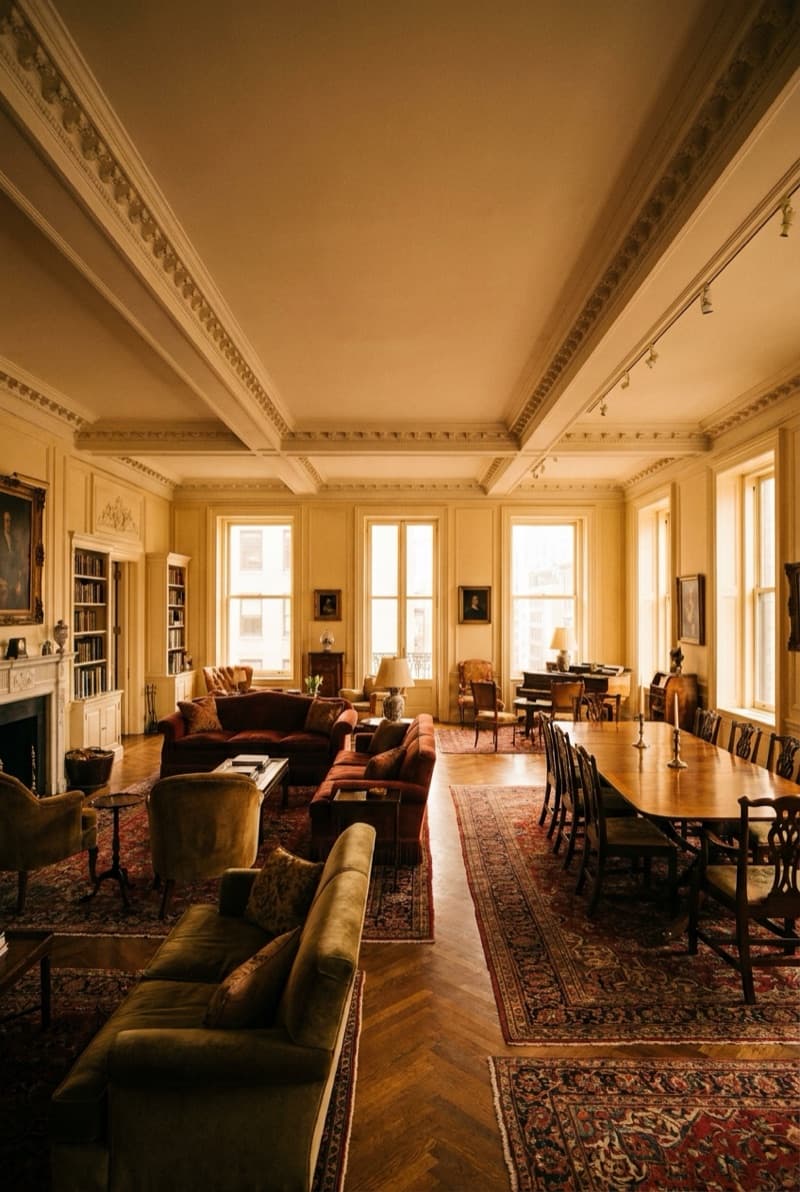
Upper West Side Co-ops
When is a co-op the wrong choice?
A co-op is usually the wrong fit if you may need to rent the apartment within a few years, if your income is hard to document or comes mainly from overseas, if you want to buy through an LLC or trust, or if most of your savings will go into the down payment. It can also frustrate buyers planning a major renovation on a fixed timeline, because alteration agreements and summer work windows can add months. In those cases the condos in Lincoln Square and along the river, or a townhouse on the side streets, may serve you better, even at a higher price.
From inside the board
How do you read a co-op's books before you buy?
A co-op's financial statements, minutes, and rules tell you what you are really buying into, and the board itself relies on the same documents. Read them before you sign, not after.
From his seat on a board, these are the five things Michael reviews in every Upper West Side co-op his buyers consider:
The underlying mortgage
How large the building's own mortgage is, its rate, and when it matures; a refinancing at a higher rate can raise maintenance.
Reserves against the next project
Cash set aside for facade work under the city's facade inspection rules for buildings over six stories, which Brick Underground summarizes, plus the roof, elevators, and the boiler, compared with what those projects are likely to cost.
Maintenance history
Steady small increases are healthy; long freezes followed by sudden jumps or assessments are a warning sign.
Income beyond maintenance
Commercial rent from ground-floor stores, garage income, or a flip tax can steady a building's budget, or hide a dependence on a single tenant.
Rules that affect you
Sublet limits, renovation windows, washer policies, pet rules, and whether the building permits purchases in a trust.
That review takes a few hours with the right documents, and it is the clearest way to tell a well-run building from one whose costs are about to rise. It is also what lets you speak to the board as a well-prepared shareholder rather than a nervous applicant.
A walk through Upper West Side Co-ops
Upper West Side co-ops, in light.
The buildings, blocks, and rooms that define Upper West Side Co-ops — captured on Michael's walks home.
Classic pre-war co-op buildings on West End Avenue
A Central Park West condominium with sweeping park views
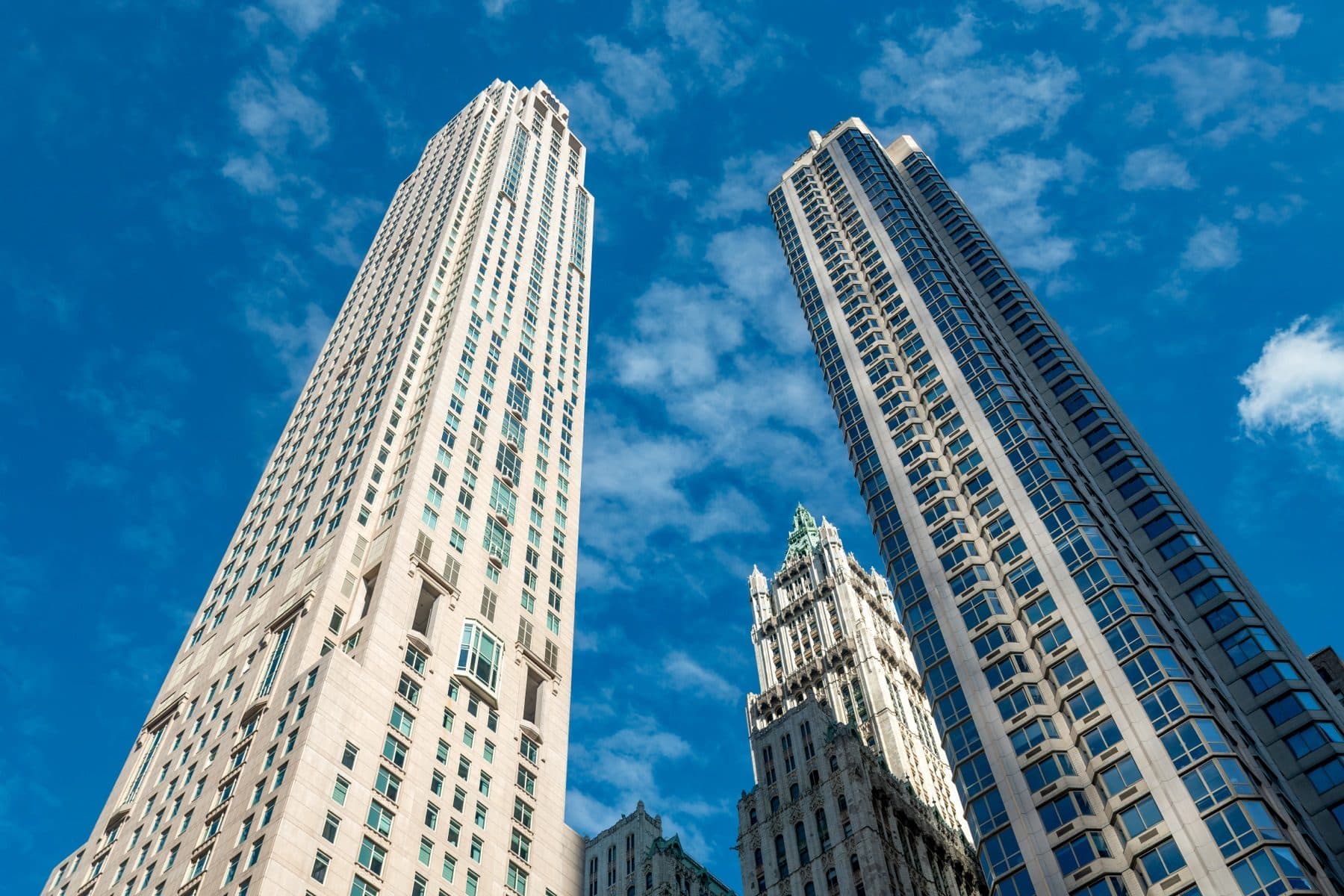
Skyscrapers overlooking Central Park
A pair of armchairs in a quiet sitting room
Riverside Drive pre-war apartments overlooking the Hudson River
A combination home — two pre-war apartments joined into one

“I read a co-op's books the way my own board reads ours. The apartment is the easy part; the building is the purchase.”
— Michael J. Carroll
Answers
Upper West Side Co-ops, answered
- In New York, co-op boards generally do not have to give a reason for rejecting a buyer, although they cannot discriminate unlawfully. A strong, complete package is the best protection.
- A monthly charge covering your share of the building's real estate taxes, staff, upkeep, insurance, and any underlying mortgage. Part of it may be tax-deductible.
- It depends on the building. Many limit subletting to a set period after you have lived there, require board approval for each tenant, or charge a sublet fee.
- A transfer fee some co-ops charge when an apartment sells, usually paid by the seller. It is calculated by the building's own formula and helps fund its reserves.
- Many Upper West Side co-ops set their own maximum financing, which can require a larger down payment than a lender would. Check the building's limit before you make an offer.
- The cash and liquid investments a board expects you to have left after paying the down payment and closing costs, often expressed as a number of months or years of maintenance and mortgage payments.
- Usually, with the board's approval of your plans under the building's alteration agreement. Many buildings limit heavy work to summer months and restrict moving kitchens or bathrooms over apartments below.
- Yes. In New York, buyers use a real estate attorney to review the building's documents, negotiate the contract, and handle the share transfer at closing. Choose one who works with Manhattan co-ops regularly.
- Generally, yes, for comparable space, because co-op rules limit investors and part-time owners and because buyers pay for the condo's flexibility.
A private consultation
Walk into the board interview already prepared
Tell Michael the corridor, the size, and the budget you have in mind, and he will shortlist co-ops whose financing limits, liquidity rules, and books fit you, then help you build a package the board can approve. He works from the Brown Harris Stevens West Side office at 1934 Broadway.

What happens next
- 01
Michael reads your note personally
No team inbox. He sees the form himself.
- 02
You'll hear back, usually the same day
By phone or email — whichever you prefer.
- 03
A no-pressure first conversation
Whether you're ready this week or thinking it through.
10+
Years at BHS
Top 1%
Nationwide
$500K–$25M+
Transaction range
Tell Michael about your search
A few quick questions.
Your details stay between you and Michael. No spam. No list.