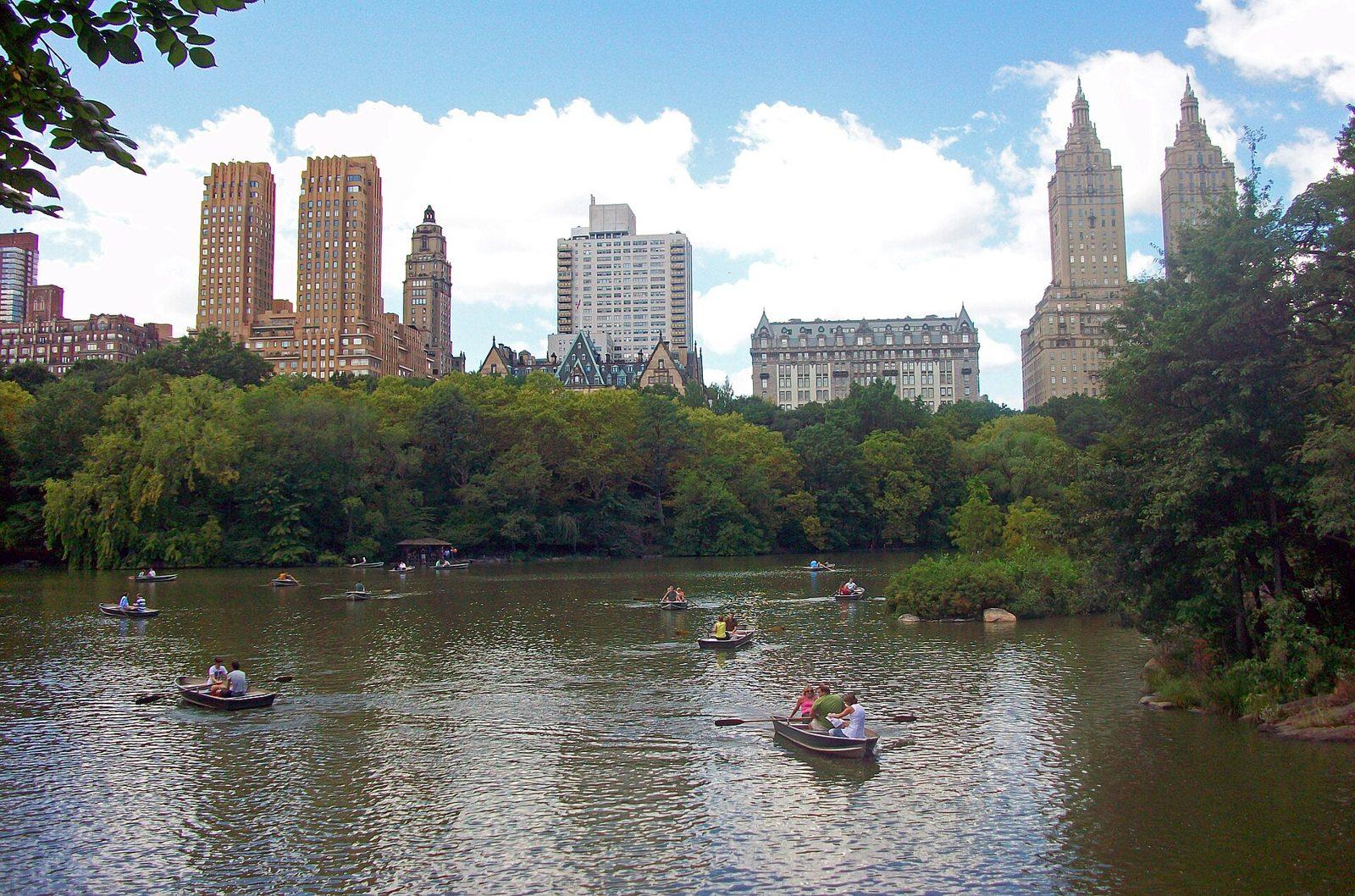
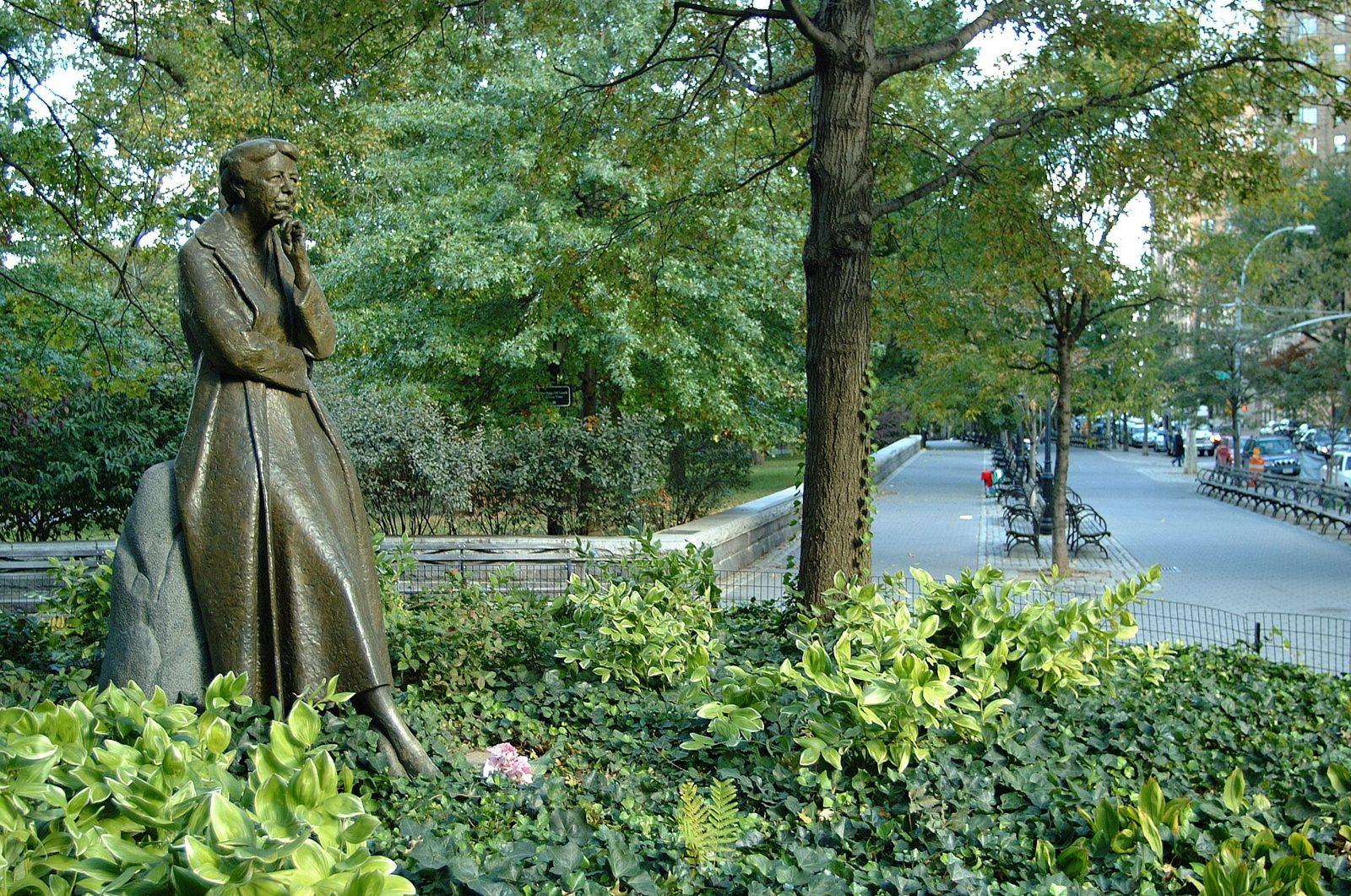
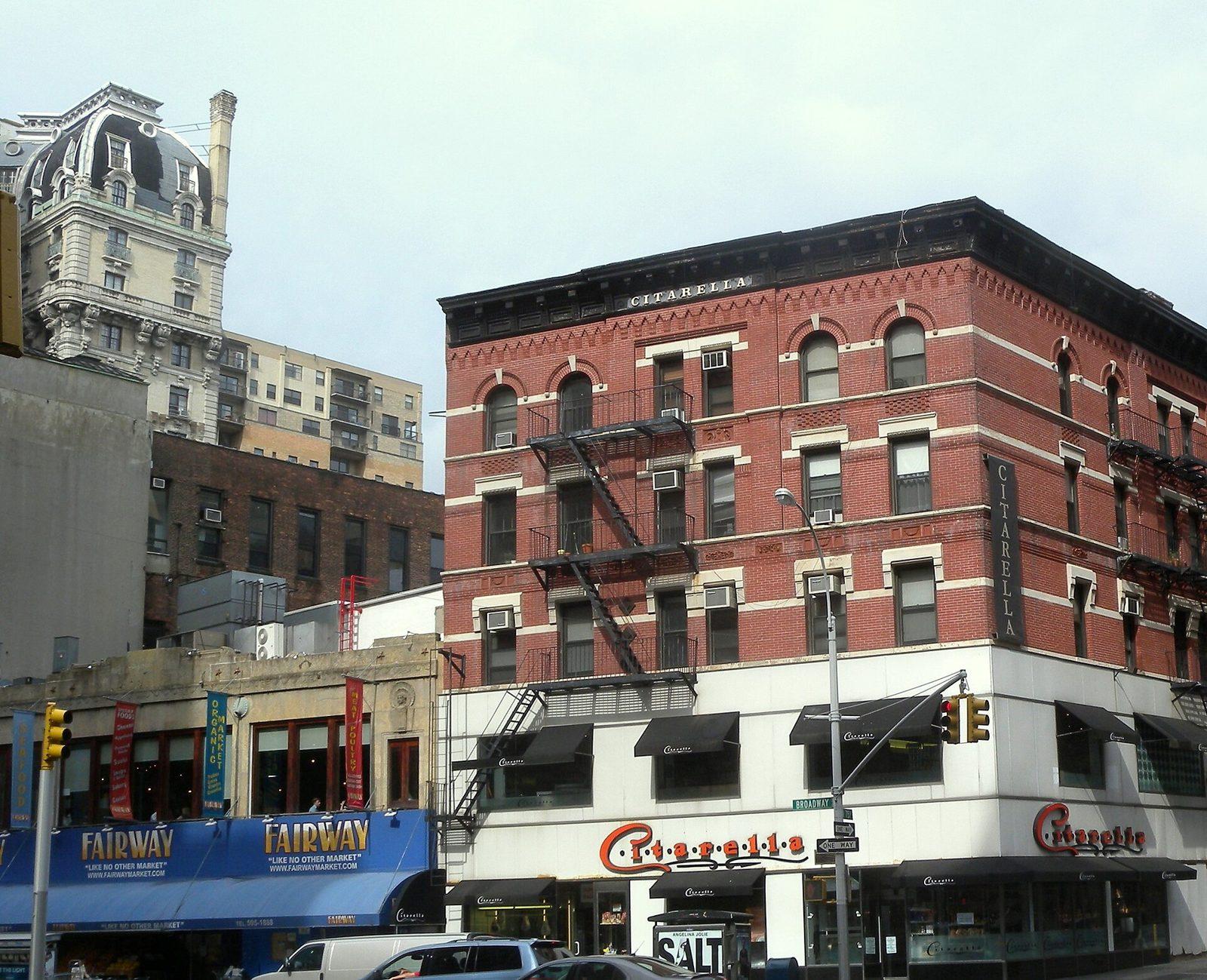
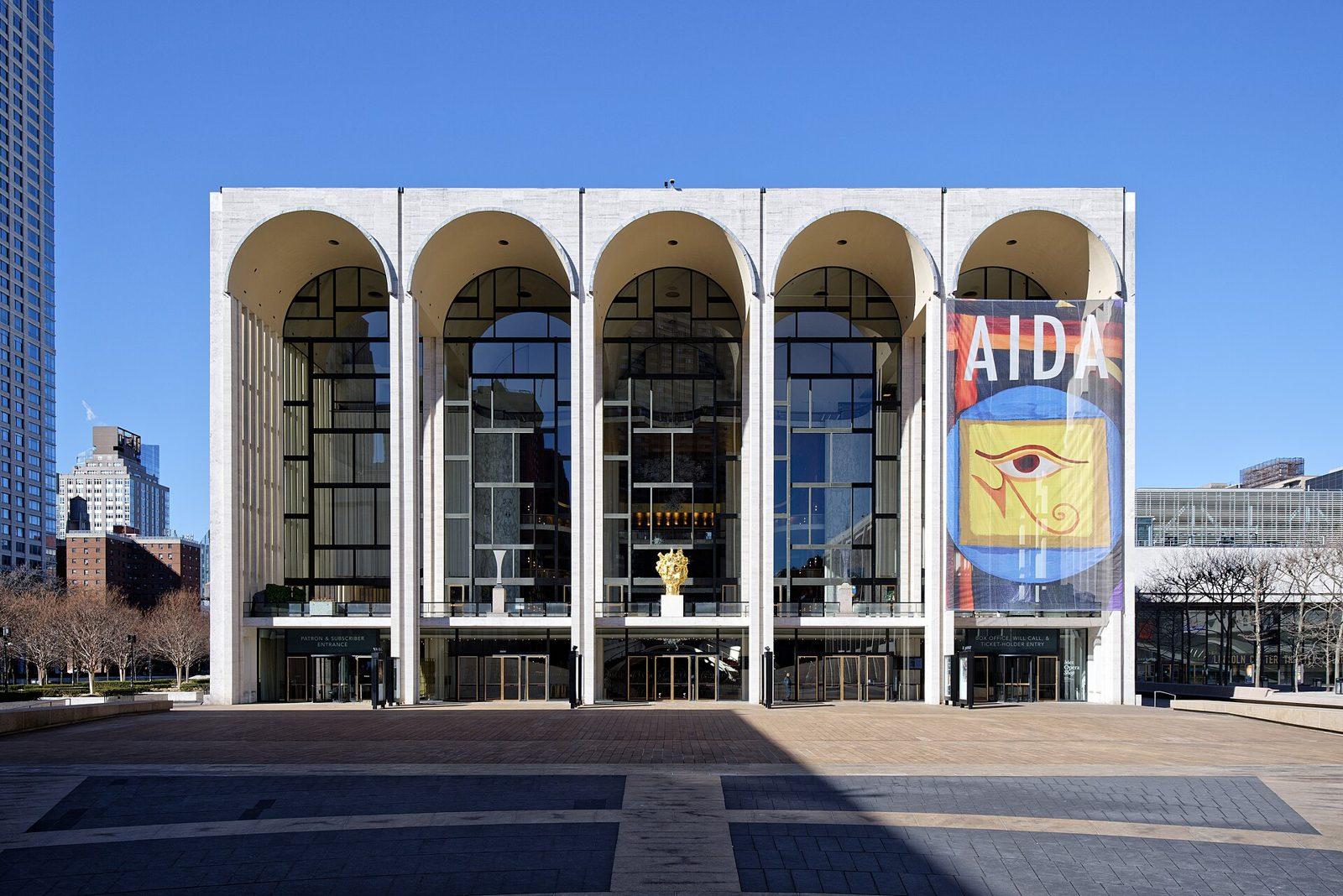
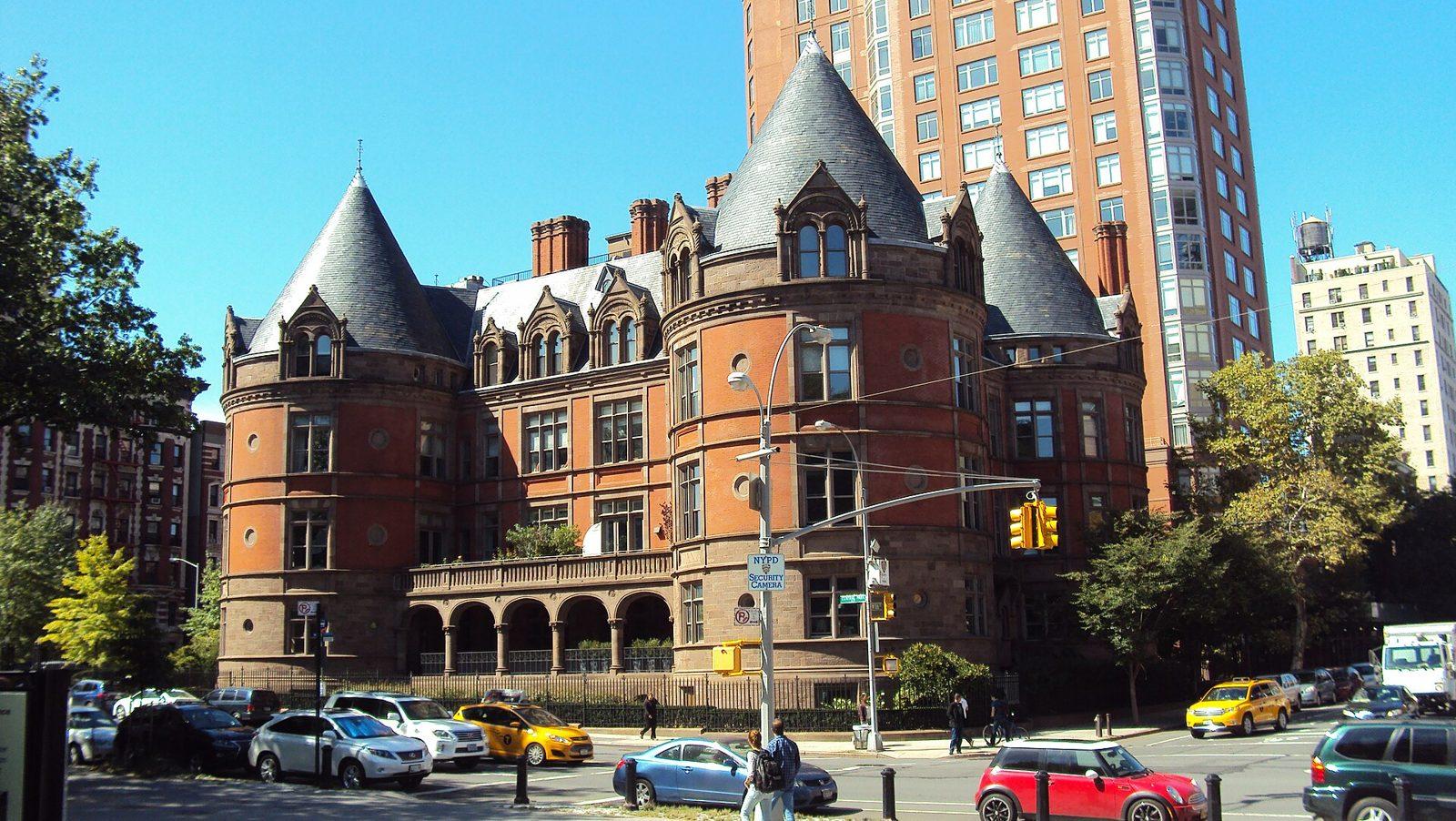
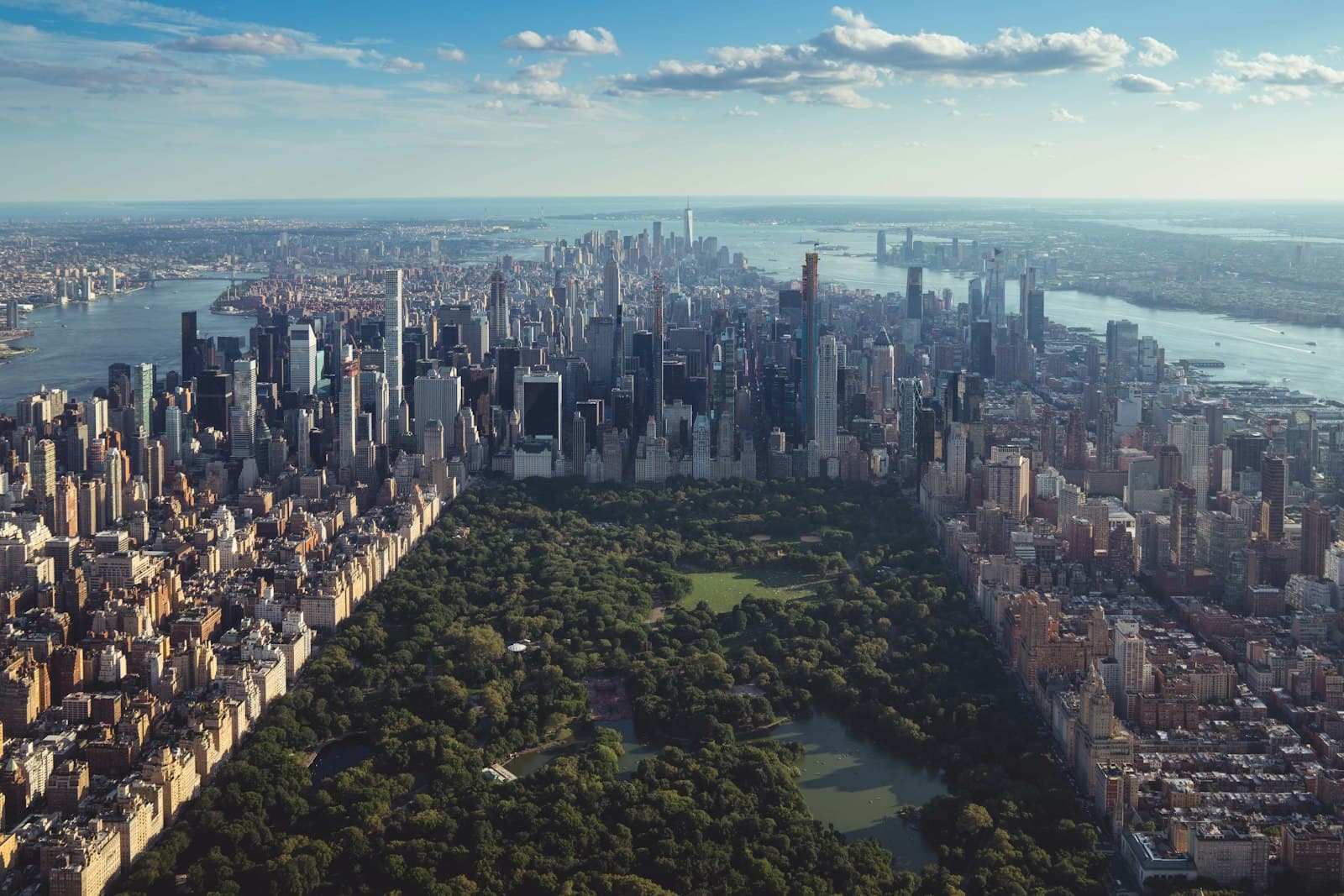
It runs from West 59th Street to West 110th Street, between Central Park West and Riverside Drive along the Hudson River. Lincoln Square forms its southern end and Manhattan Valley its northern edge.
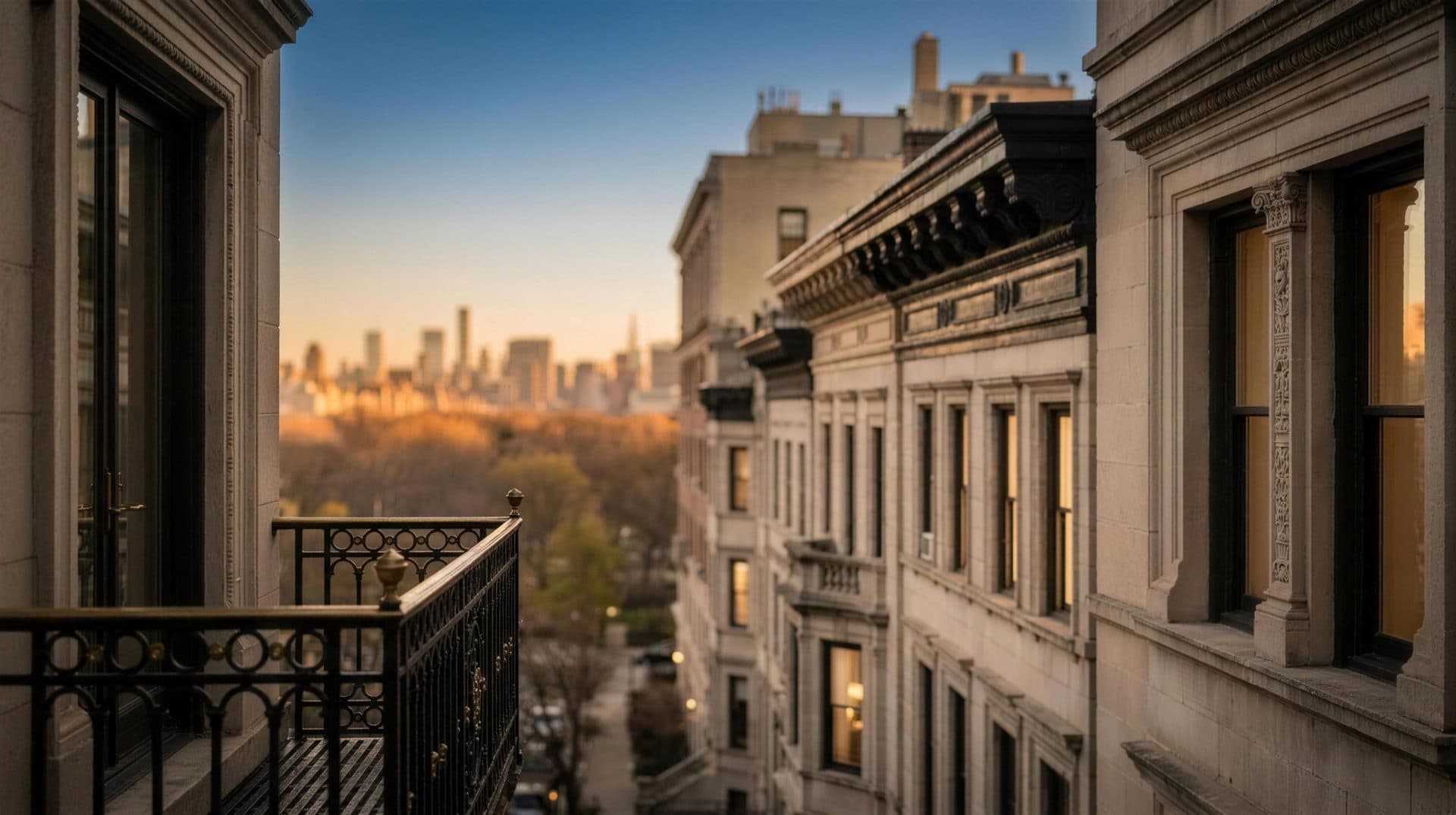
Upper West Side · Apartments for sale
Upper West Side Apartments for Sale.
The Upper West Side runs from West 59th to West 110th Street between Central Park and the Hudson, and most of its apartments are pre-war co-ops. Buyers choose between the park-front prestige of Central Park West, the quieter river blocks of Riverside Drive and West End Avenue, the busy middle along Broadway, the condo towers of Lincoln Square, and better-value Manhattan Valley to the north. Expect a co-op board package and interview for most purchases, budget roughly 4 to 6 percent of the price for closing costs, and judge each building as carefully as the apartment.
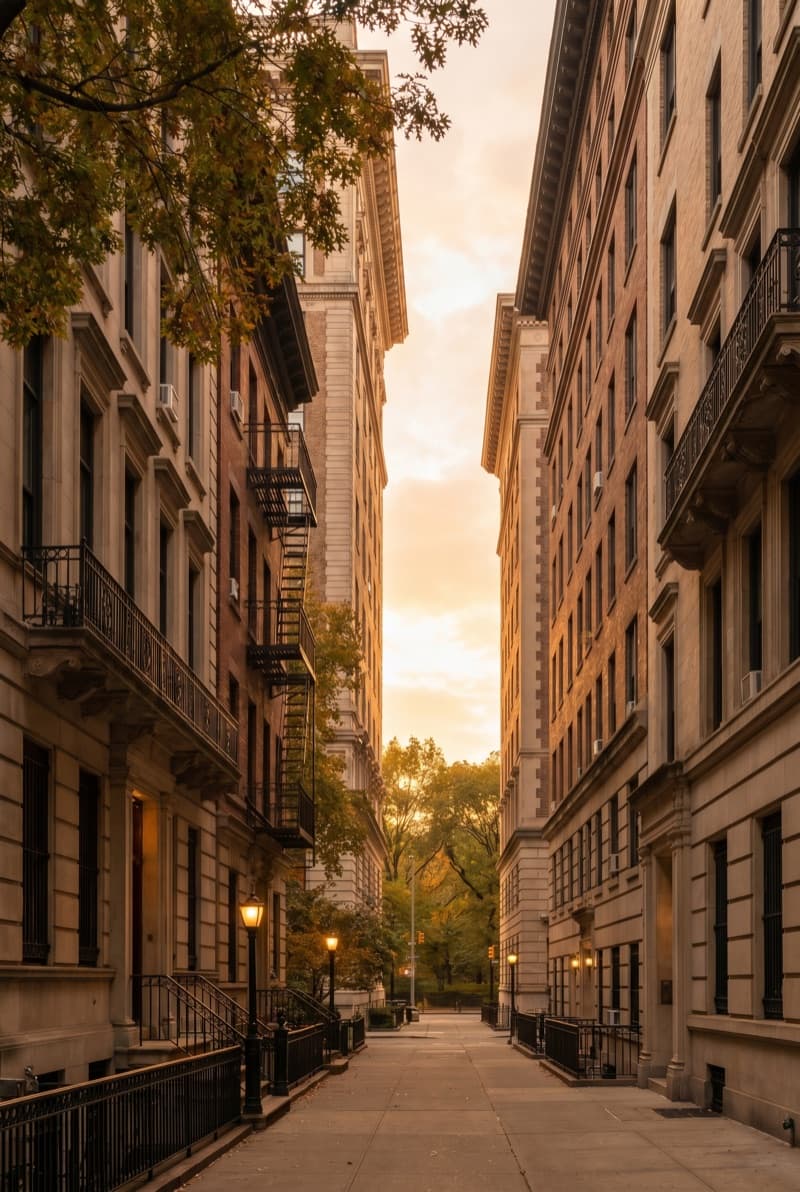
Upper West Side
What should you know before buying on the Upper West Side?
The Upper West Side is where many New Yorkers go when they want space, two great parks, and a neighborhood that still feels residential after dark. Michael J. Carroll lives here, serves as president of his own condominium board, and convenes a working group of neighborhood co-op and condo board members, so he reads Upper West Side buildings the way their boards do.
This guide walks through how the neighborhood is laid out, the kinds of homes you will find, the buildings that set the benchmarks, what buying really costs, how the process differs between co-ops and condos, who the neighborhood suits, and how its boards make decisions. Each home type has its own page if you want to go deeper, starting with Upper West Side condos.
At a glance
The Upper West Side in five facts
The neighborhood is a set of distinct corridors, each with its own building type, price level, and pace.
Co-ops dominate; condos cluster in newer towers, and brownstone townhouses line the side streets.
Manhattan's median sale price for co-ops and condos held at a record $1.25 million in the third quarter of 2026.
Large parts of the neighborhood are landmarked historic districts, which shapes renovations and what gets built.
Board approval, not the offer, is usually the real finish line, so preparing the package is half the purchase.
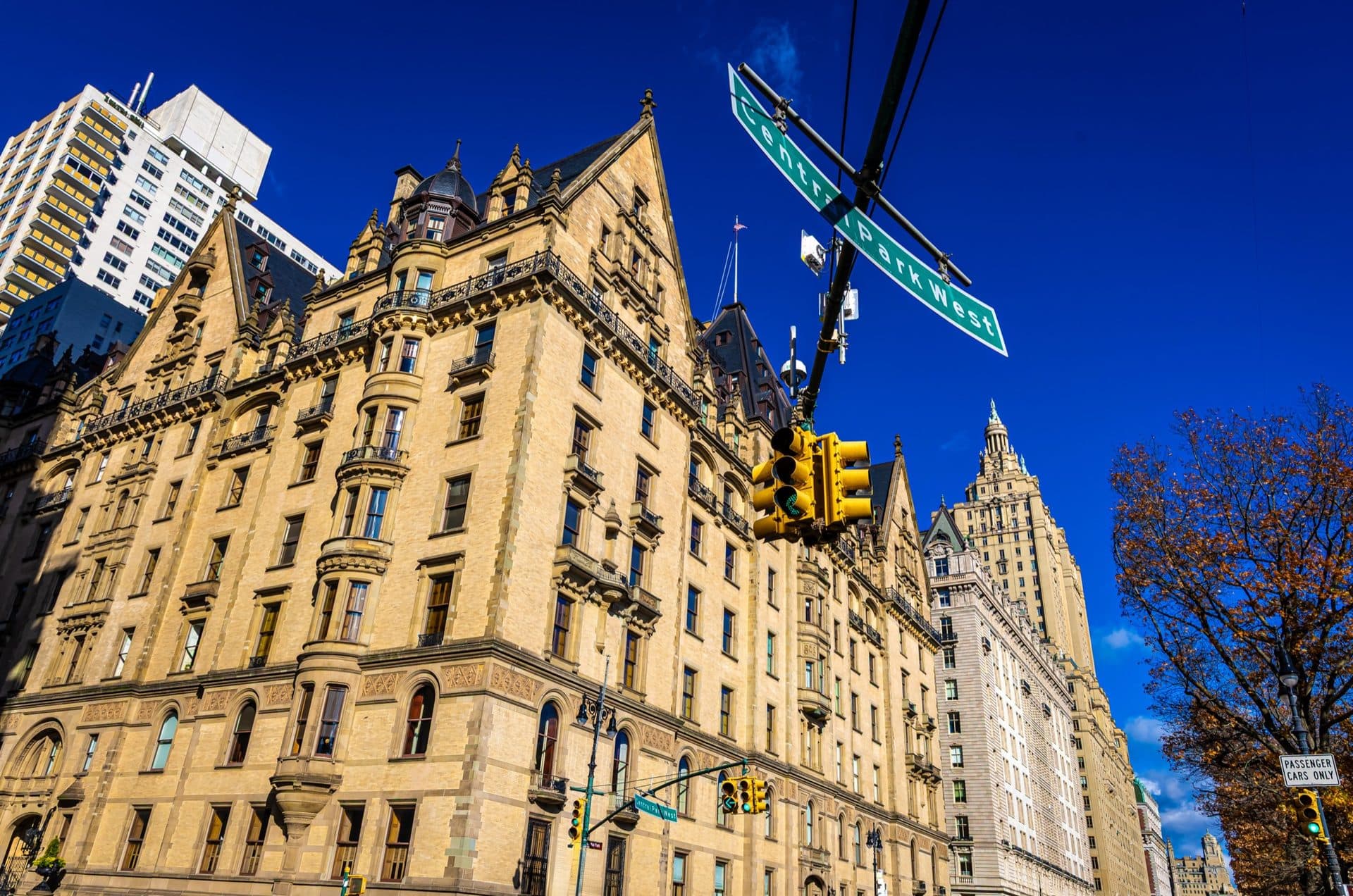
Upper West Side
What is it like to buy on the Upper West Side?
Buying here usually means buying into a building with a long history and a board that runs it. Most apartments are co-ops in pre-war buildings, so the process rewards preparation, patience, and a clear sense of what each board expects.
The condo vs co-op guide explains the ownership difference in full; on the Upper West Side, the practical upshot is that the co-op board decides most purchases.
What you will find
What that means when you shop
The housing stock comes in five broad kinds, and most buyers narrow to one or two early:
Pre-war co-ops
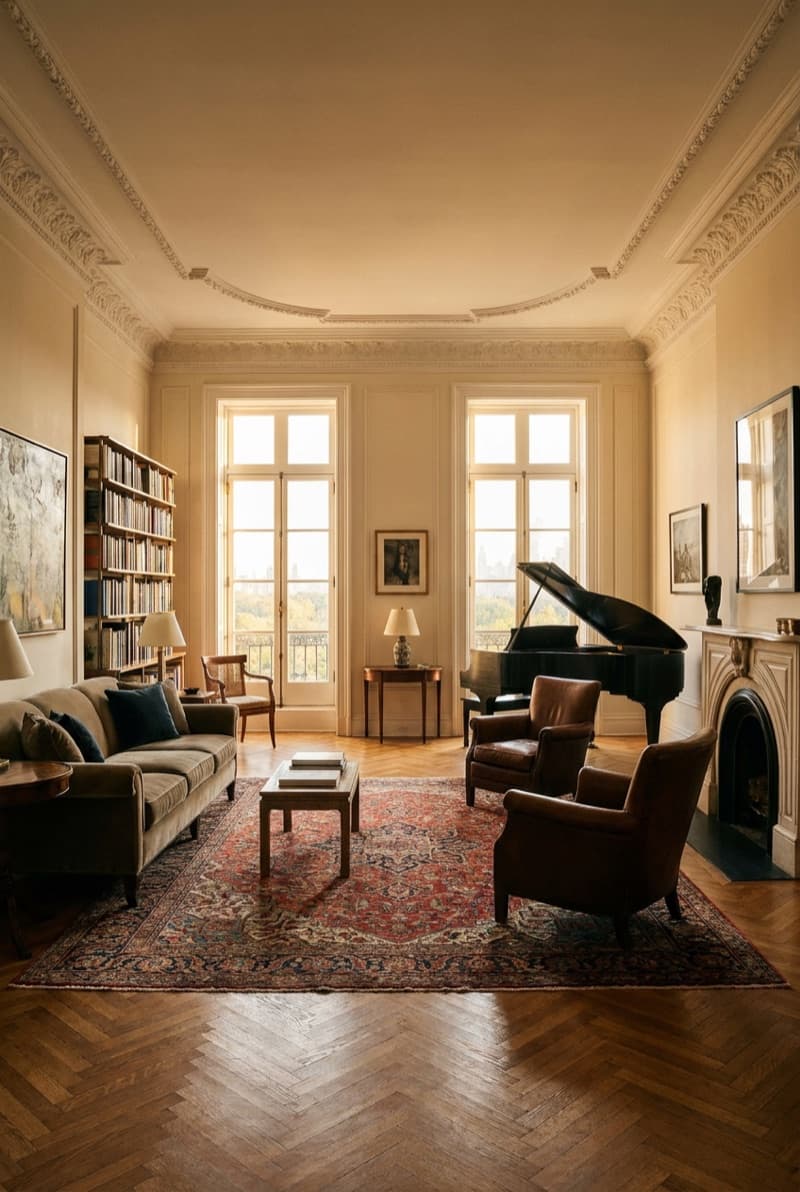
The heart of the market: high ceilings, thick walls, formal layouts, and boards that want a primary residence and strong finances.
Condos
Fewer of them, concentrated in newer towers and a handful of converted landmarks, with more flexibility and a higher price per square foot.
Townhouses and brownstones
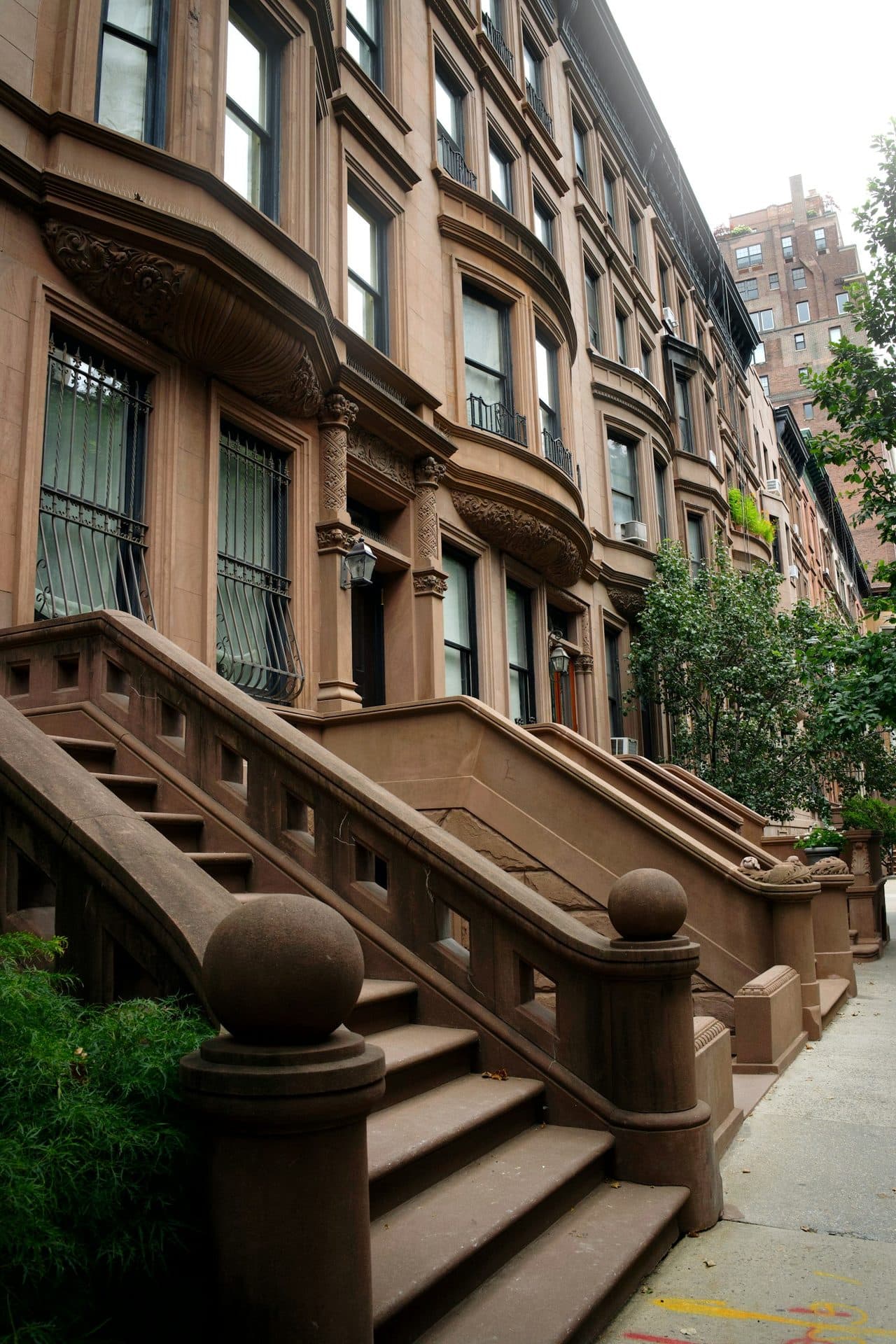
Row houses on the side streets between the avenues, sold whole, sometimes still divided into apartments.
Post-war buildings
White-brick and glass buildings from the 1950s to the 1980s, often with doormen, larger windows, and lower prices than pre-war equivalents.
New development
Recent towers with amenities, central air, and sponsor sales, mostly south of 72nd Street and along the river.
What you will find
Pre-war or post-war: what actually changes?
The same budget buys a very different apartment depending on when the building went up. These are the differences buyers notice first on the Upper West Side:
Ceilings and walls
Pre-war buildings, mostly from about 1900 to 1940, typically have higher ceilings, plaster walls, and better sound separation between apartments.
Layouts
Pre-war apartments favor separate rooms, a formal dining room, and the classic six or seven; post-war apartments trade those for more open plans and larger windows.
Systems
Post-war and newer buildings are more likely to allow in-unit washers and through-wall or central air; pre-war buildings often limit both.
Price
For comparable square footage, post-war co-ops along Broadway and Amsterdam often cost less than pre-war apartments on the park and river blocks.
Light
Post-war buildings set back on wider lots often get more direct light, while pre-war courtyard buildings can be darker on lower floors.
The corridors
Which part of the Upper West Side should you look in?
Start with the corridor, then the building. The Upper West Side is about two miles long, and the feel changes block by block between the park and the river.
The front row of the neighborhood, from Columbus Circle to 110th Street, lined with landmark co-ops such as the Dakota at 72nd Street and the San Remo at 74th. The B and C trains run beneath the avenue. Read the Central Park West guide.
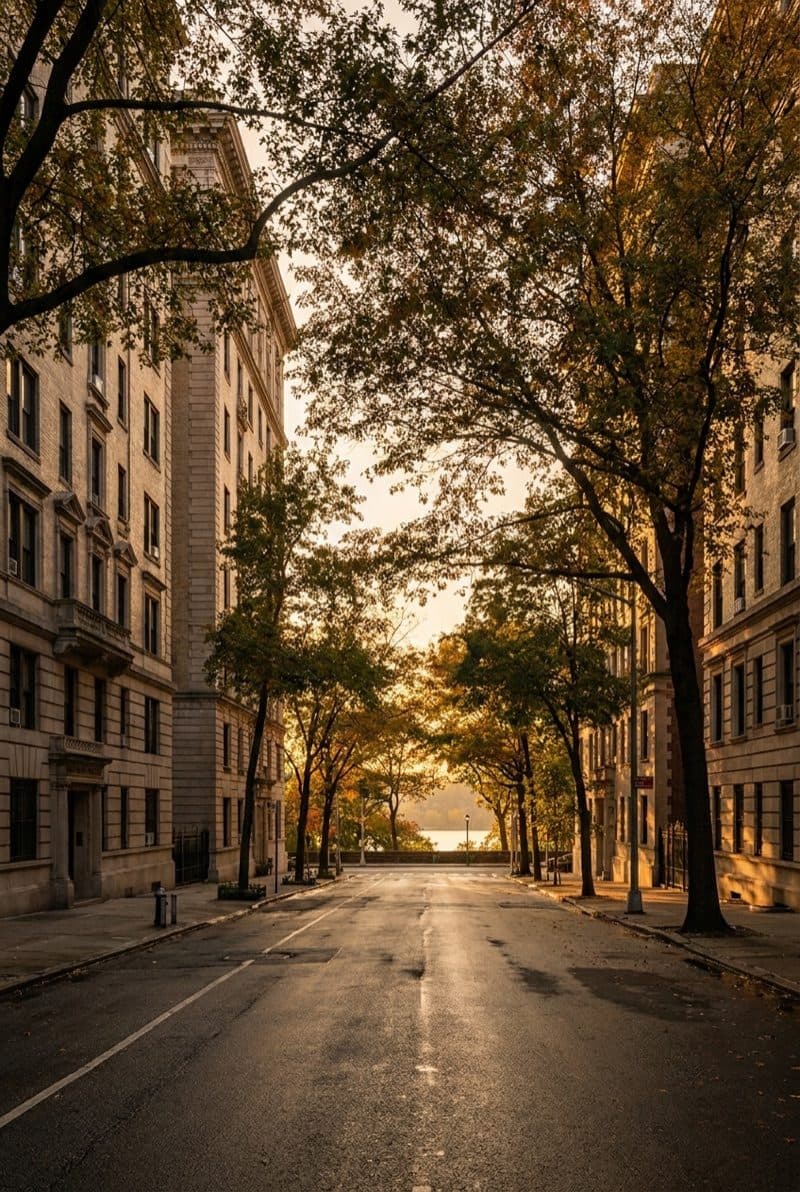
The quieter western edge, with river light, pre-war co-ops, and Riverside Park along the Hudson. Prices tend to sit below Central Park West for comparable space. See Riverside Drive and West End Avenue.
The commercial spine, with the 1, 2, and 3 trains under Broadway and express stops at 72nd and 96th Streets. This is where you find the widest mix of co-ops, condos, and post-war buildings, plus Zabar's at 80th Street and Broadway and the Ansonia at 73rd.
The West 60s around Lincoln Center, the most condo-heavy part of the neighborhood. Read Lincoln Square apartments.
The blocks from roughly 100th to 110th Street between Central Park West and Broadway, where many buyers find more space for the money a short walk from the park.
The corridors
How do the historic districts affect buyers?
Large parts of the Upper West Side are protected historic districts, including the Upper West Side–Central Park West Historic District and the Riverside–West End Historic District, mapped by the Landmarks Preservation Commission. That protection shapes buying in three practical ways:
Renovations take longer
Work that changes a building's exterior, including many window replacements, needs commission approval, so budget time as well as money.
The streetscape is stable
Landmarking limits what can be built next door, which is part of why views and light on many blocks stay as they are.
New towers go elsewhere
New development concentrates where districts end, which is one reason so many condo towers sit in Lincoln Square and along the river.
The benchmarks
Which Upper West Side buildings set the benchmarks?
A handful of famous buildings shape how the whole neighborhood is priced and perceived. Knowing what they are, and why they command a premium, helps you judge every other listing against them.
The Dakota (1 West 72nd Street)
Henry Hardenbergh's 1884 apartment house, the oldest of the great Central Park West buildings and one of the most selective co-ops in the city.
The San Remo (145 Central Park West)
Emery Roth's 1930 twin-towered co-op, the classic Central Park West silhouette.
The Beresford (211 Central Park West)
Roth again, 1929, facing the park and the American Museum of Natural History.
The Eldorado and the Majestic
Twin-towered Art Deco co-ops from 1930 to 1931 that frame the northern and southern park blocks.
The Langham (135 Central Park West)
A 1907 co-op between 73rd and 74th Streets, one of the earliest grand apartment houses on the park.
The Ansonia (2109 Broadway)
A Beaux-Arts landmark completed in 1904, once among the grandest apartment houses in the city.
The Apthorp (2211 Broadway)
A 1908 courtyard building between 78th and 79th Streets, now condominiums.
15 Central Park West
Robert A.M. Stern's 2008 limestone condominium at 61st Street, the neighborhood's best-known new building.
Waterline Square
Three towers on the Hudson at West 59th to 61st Street, the newest large-scale condominium complex.
The full condo list, with the newer towers, is on the Upper West Side condos page.
Upper West Side
What does it cost to buy on the Upper West Side?
Prices span studios well under $1 million in post-war co-ops to tens of millions on Central Park West. For context, Manhattan's median sale price for co-ops and condos held at a record $1.25 million in the third quarter of 2026, according to reports summarized by Brick Underground.
Within the neighborhood, four things move the price more than the address: the corridor, park or river views, whether the building is a co-op or a condo, and the building's own finances. Deals rose about 8 percent from a year earlier in the third quarter, per the same Brick Underground summary, so well-priced apartments are moving.
- $1.25MManhattan median sale price for co-ops and condos, Q3 2026, a record
- 8%Rise in Manhattan deals in Q3 2026 versus a year earlier
- 1%Mansion tax on residences of $1 million or more
- 4–6%Typical buyer closing costs, as a share of the price
Sources: Brick Underground's Q3 2026 market summary (The Real Deal report by Jonathan Miller, Corcoran); New York State Department of Taxation and Finance.
Budget for
The costs on top of the price
Closing costs of about 4 to 6 percent
For apartments of $1 million or more, the largest single item is usually the mansion tax of 1 percent of the price, with a supplemental tax on higher-priced New York City sales, per the New York State Department of Taxation and Finance. The closing costs guide breaks out every line.
Monthly maintenance or common charges
A co-op's maintenance includes your share of the building's real estate taxes and any underlying mortgage; a condo's common charges do not include your taxes, which you pay separately.
Flip taxes and assessments
Many Upper West Side co-ops charge a transfer fee when apartments sell, and older buildings may have assessments for facade or roof work.
The pied-à-terre surcharge
Since July 1, 2026, apartments the city values above $1 million that are not your primary residence carry an annual surcharge; see the NYC Department of Finance.
The real numbers
Co-op and condo monthly costs, side by side
The monthly number is where co-ops and condos differ most, and it is easy to compare them incorrectly:
Co-op maintenance
bundles your share of the building's real estate taxes, staff, upkeep, and any underlying mortgage into one payment, and part of it may be tax-deductible.
Condo common charges
cover staff, upkeep, and reserves, but your real estate taxes are billed to you separately by the city, so add them before comparing.
Assessments
can be added to either when a building funds a major project such as a facade or roof; ask whether one is planned before you sign.
Tax abatements
on some newer condos lower the tax bill for a period and then step up, so check when an abatement ends.
Offer to keys
How does buying on the Upper West Side work?
Most Upper West Side purchases take about three to four months from accepted offer to closing for a co-op, and two to three for a condo. The difference is the board.
Get your finances in order first
Co-op boards look at your income, debt, and what you will have left after closing, so gather statements and tax returns early.
Choose a corridor and a building type
Central Park West, the river blocks, Broadway, Lincoln Square, or Manhattan Valley; co-op, condo, or townhouse.
Read the building before you bid
Financial statements, board minutes, and the house rules on subletting, pets, and renovations.
Negotiate and sign
Your attorney handles the contract; resales typically require a 10 percent deposit held in escrow.
Arrange financing that fits the building
Many co-ops set their own financing limits, which can be stricter than the bank's.
Assemble the board package
For a co-op, this is a thick application with financial statements, reference letters, and tax returns; for a condo, a lighter purchase application.
The interview or the waiver
A co-op board interviews you and votes; a condo board waives its right of first refusal.
Close
Final walkthrough, transfer taxes, and keys.
The buying guide covers each step for Manhattan as a whole.
Offer to keys
What should you check in a co-op before you bid?
A few questions, answered before you make an offer, save weeks later:
The financing limit
Some Upper West Side co-ops cap how much of the price you can borrow; know the building's number before you set your budget.
The flip tax
Who pays it and how it is calculated affects your net cost if you sell later.
Sublet rules
How long you must live there before subletting, and for how long you may sublet.
Renovation rules
Whether the building allows washers, kitchen relocations, or combining apartments, and what its alteration agreement requires.
Pets and storage
Small details that decide whether the apartment works for your household.
Recent sales in the line
What comparable apartments in the same building have sold for, which is the board's own reference point too.
Who it suits
Who is the Upper West Side right for?
The Upper West Side suits buyers who want to stay put: families, long-term owners, and anyone who values parks, culture, and a residential pace over nightlife. Five kinds of buyers find it fits especially well.
Families
Riverside Park and Central Park on either side, playgrounds every few blocks, and the American Museum of Natural History within reach. Confirm school zoning for any address with the Department of Education before you buy.
Buyers who want space
Pre-war co-ops along West End Avenue and Riverside Drive offer classic sixes and sevens that are hard to find downtown at the same price.
Culture lovers
Lincoln Center, the Beacon Theatre on Broadway, and the museums are all part of daily life here.
Downsizers
Doorman co-ops with elevators, close to the park and the 1, 2, and 3 trains, suit owners leaving a house.
First-time buyers
Post-war co-ops along Broadway, Amsterdam, and in Manhattan Valley are often the most accessible way into the neighborhood, with doormen and lower prices than pre-war buildings on the park.
Buyers who need flexibility
International buyers, second-home buyers, and investors will mostly look at condos, which are covered on the condo page.
If you want a newer building with amenities and fewer rules, the Lincoln Square towers and the river condos are the realistic options. If you want the most space for the money and can wait for the right board, the pre-war co-ops on the river blocks usually win.
Upper West Side
What is daily life like?
Most of the Upper West Side is a short walk from both Central Park and Riverside Park, and the subway runs the length of the neighborhood. The 1, 2, and 3 trains run under Broadway, with express stops at 72nd and 96th Streets, and the B and C trains run under Central Park West. Crosstown buses on 79th and 86th Streets connect to the East Side through the park.
Food shopping is a neighborhood pastime: Zabar's on Broadway at 80th Street is the best known, and a Sunday greenmarket sets up on Columbus Avenue at 77th Street. Evenings tend to center on Lincoln Center, the Beacon Theatre, and the restaurants along Columbus and Amsterdam rather than late-night bars, which is much of the appeal for people who live here.
From inside the board
How do Upper West Side co-op boards decide?
Upper West Side co-op boards decide on your finances, your package, and your fit with the building's rules, in roughly that order. Most turn down buyers quietly, before an interview, when the numbers do not meet the building's own standard.
From the board side of the table, these are the five things Michael prepares his buyers for:
Debt-to-income
Many boards want total housing costs and debts kept within a set share of your income, and some are stricter than any lender.
Post-closing liquidity
Boards often ask how much cash you will have after closing, measured in months or years of maintenance; this is where well-qualified buyers most often fall short.
A clean, complete package
Missing pages, unexplained transfers, or inconsistent figures slow a package down or end it.
Primary residence and use
Most buildings expect you to live in the apartment, and many limit subletting, pied-à-terre use, and purchases through trusts or LLCs.
The interview
It is a conversation about how you will live in the building, not a negotiation; short, specific answers work best.
The [post-closing liquidity guide](https://www.michaelcarrollnyc.com/blog/post-closing-liquidity) explains how boards measure the cash you have left. Preparing for those five before you make an offer is what turns a nervous wait into a predictable approval. It is the part of the purchase where a board member's perspective changes the outcome.
A walk through Upper West Side
The Upper West Side, in light.
The buildings, blocks, and rooms that define Upper West Side — captured on Michael's walks home.
Riverside Drive pre-war apartments overlooking the Hudson River
Central Park framed by the buildings around it
Living and dining room of a pre-war classic seven co-op
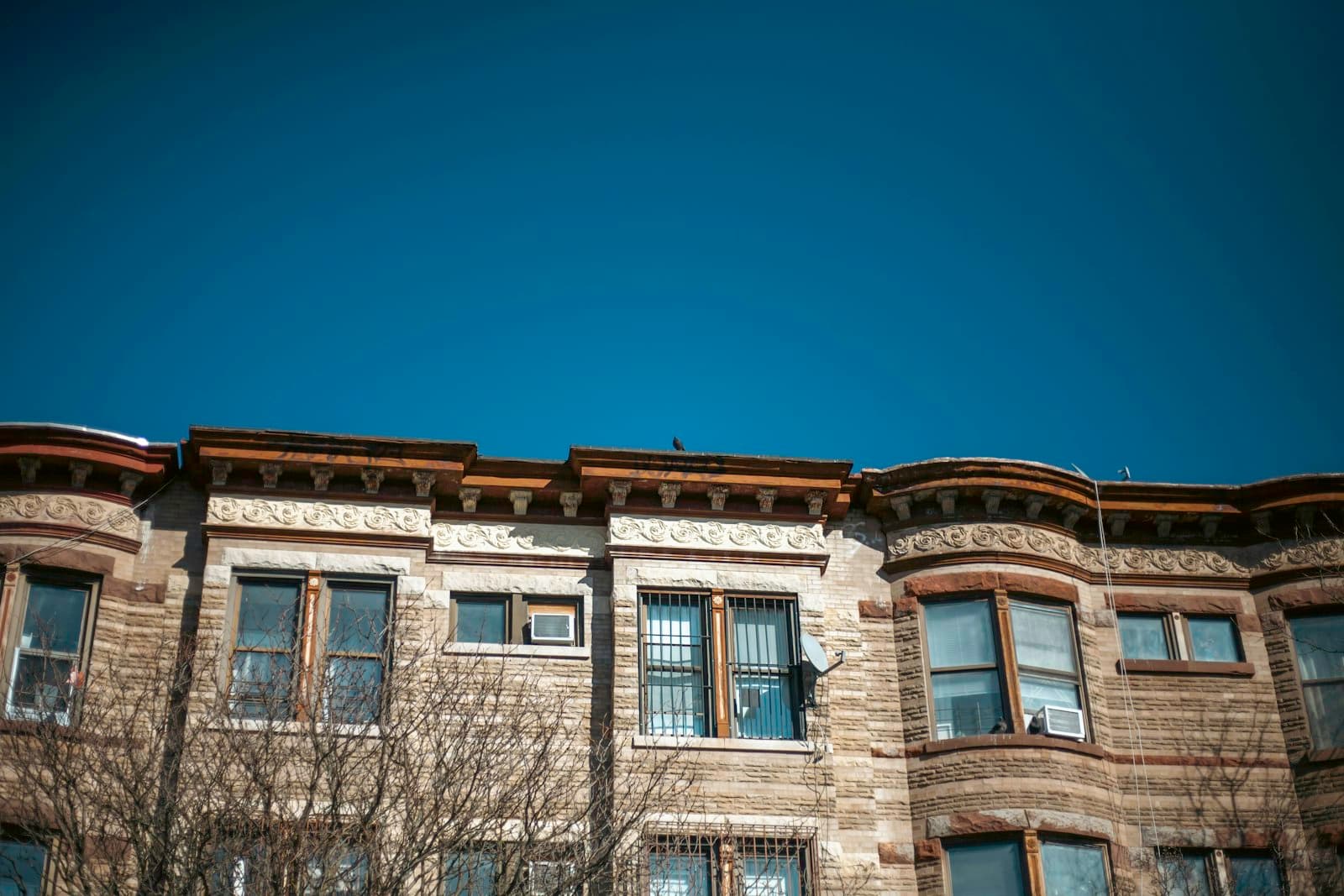
A pre-war apartment building with rows of windows behind a street tree
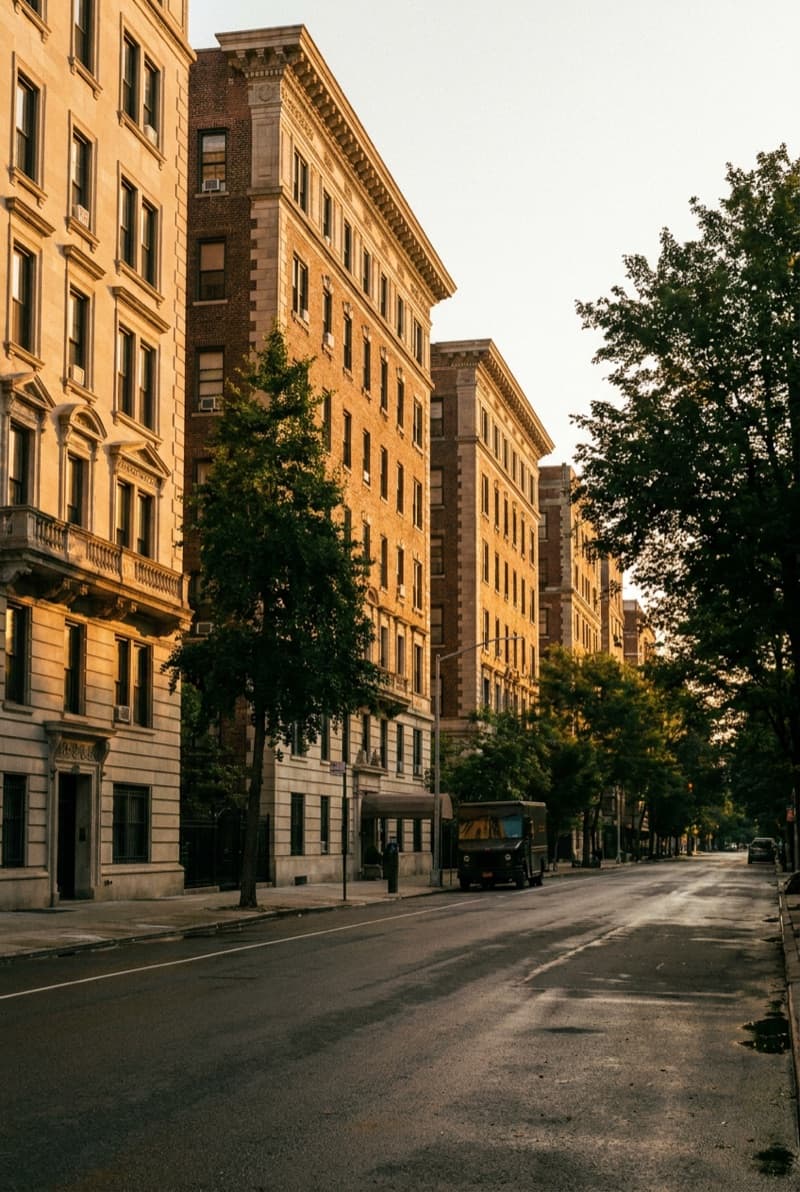
Classic pre-war co-op buildings on West End Avenue
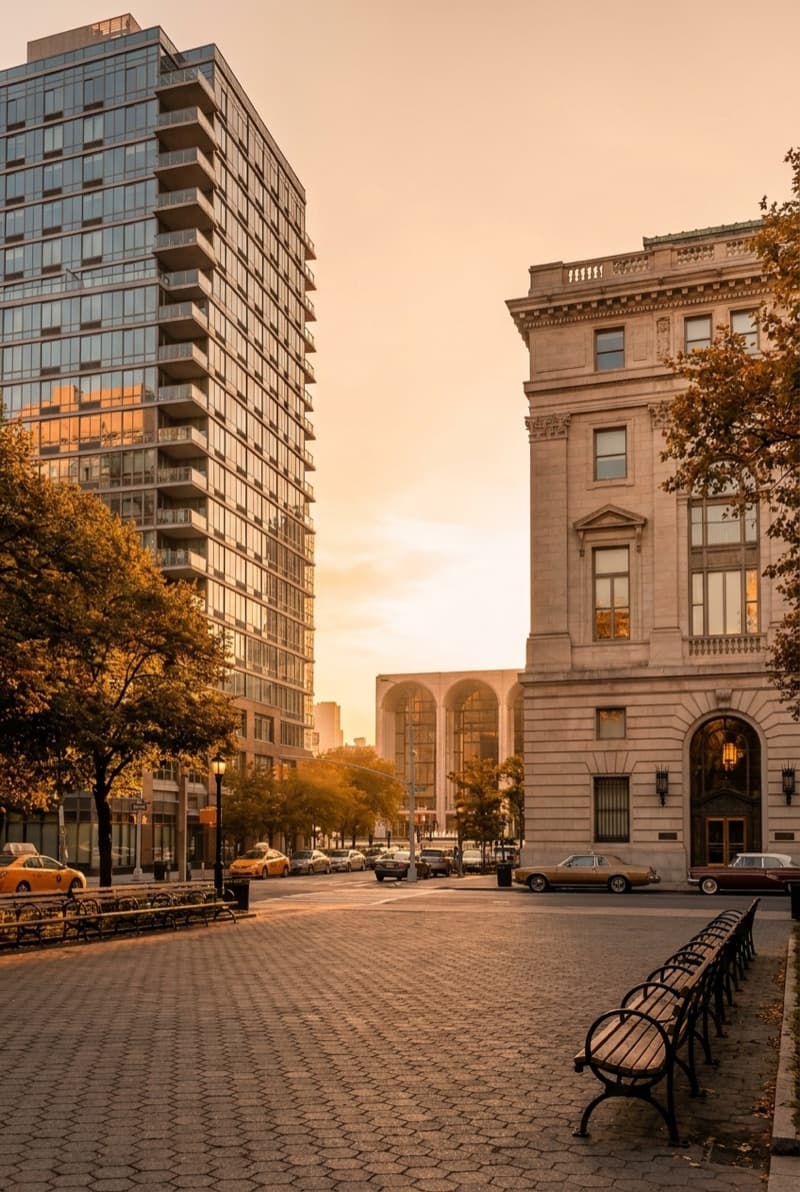
Lincoln Square at dusk with Lincoln Center in the distance
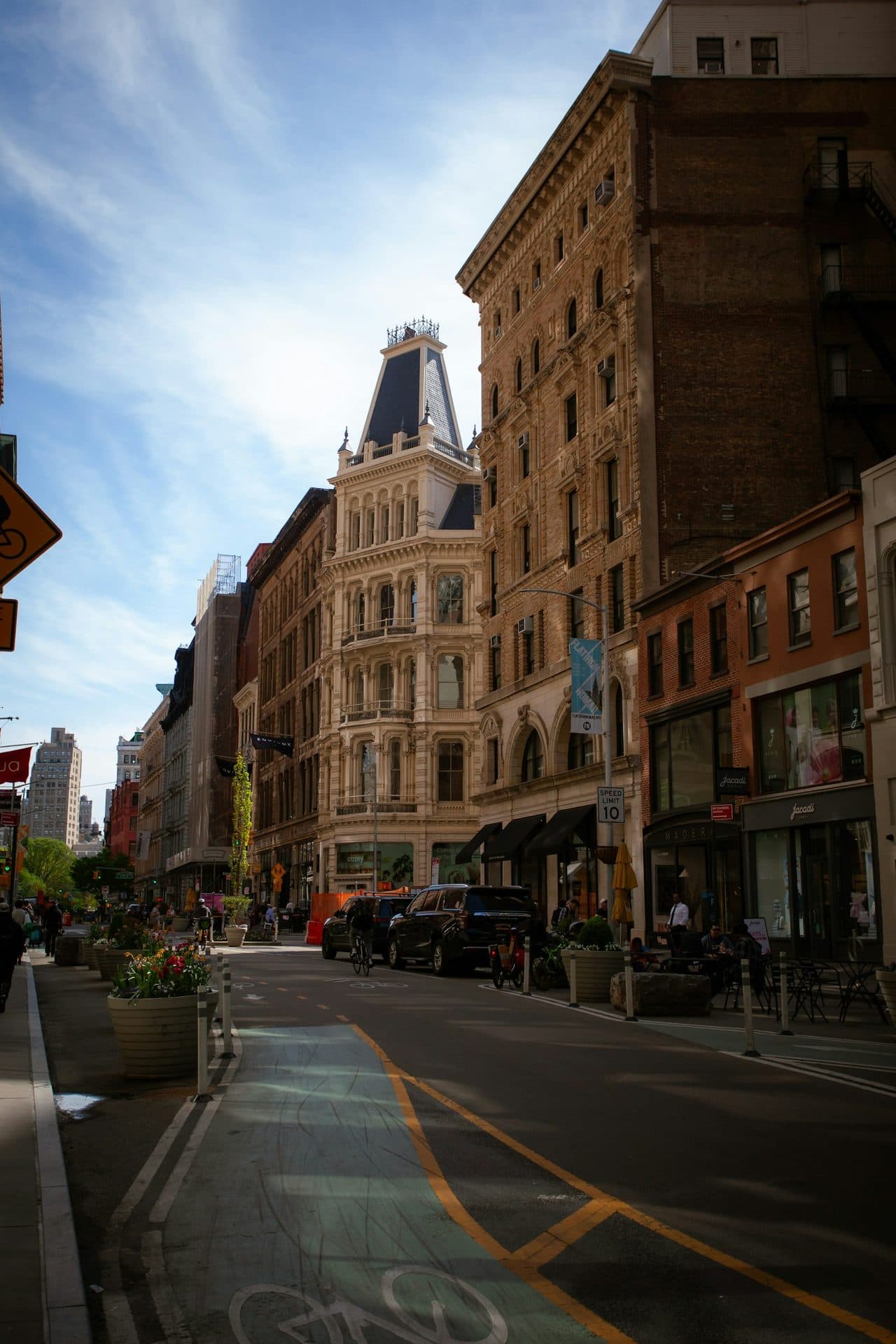
“I walk these blocks every day. The building you choose here matters more than the listing photos ever show.”
— Michael J. Carroll
Answers
Upper West Side, answered
- Most are co-ops, especially in pre-war buildings along Central Park West, West End Avenue, and Riverside Drive. Condos are concentrated in newer towers, mainly in Lincoln Square and along the river.
- Usually about three to four months from accepted offer to closing, because of the board package and interview. A condo typically takes two to three months.
- Many families choose it for its two parks, playgrounds, museums, and residential streets. Confirm the school zoning for any specific address before you buy.
- The Dakota, the San Remo, the Beresford, the Eldorado, and the Majestic on Central Park West, plus the Ansonia and the Apthorp on Broadway.
- The northern part of the Upper West Side, roughly 100th to 110th Street between Central Park West and Broadway. It offers pre-war and post-war co-ops at lower prices than the blocks to the south, close to the park.
- It varies by building. Many limit subletting to a set number of years or require board approval for each tenant, so read the house rules before you buy if you may need to rent the apartment out.
- A pre-war apartment layout with six rooms: a living room, a formal dining room, a kitchen, two bedrooms, and a small staff room off the kitchen. A classic seven adds a third bedroom. They are common in Upper West Side co-ops.
- Yes, mainly brownstones and row houses on the side streets between the avenues. Many are still divided into apartments, and work on their facades is reviewed where they sit in historic districts.
- Mostly in condos, since most co-ops require the apartment to be your primary residence. Non-primary residences valued above $1 million now carry an annual surcharge.
A private consultation
Find your corner of the Upper West Side
Tell Michael which corridor you are drawn to and how you want to live, and he will narrow the neighborhood to the buildings whose boards, finances, and rules fit you. He works from the Brown Harris Stevens West Side office at 1934 Broadway.

What happens next
- 01
Michael reads your note personally
No team inbox. He sees the form himself.
- 02
You'll hear back, usually the same day
By phone or email — whichever you prefer.
- 03
A no-pressure first conversation
Whether you're ready this week or thinking it through.
10+
Years at BHS
Top 1%
Nationwide
$500K–$25M+
Transaction range
Tell Michael about your search
A few quick questions.
Your details stay between you and Michael. No spam. No list.