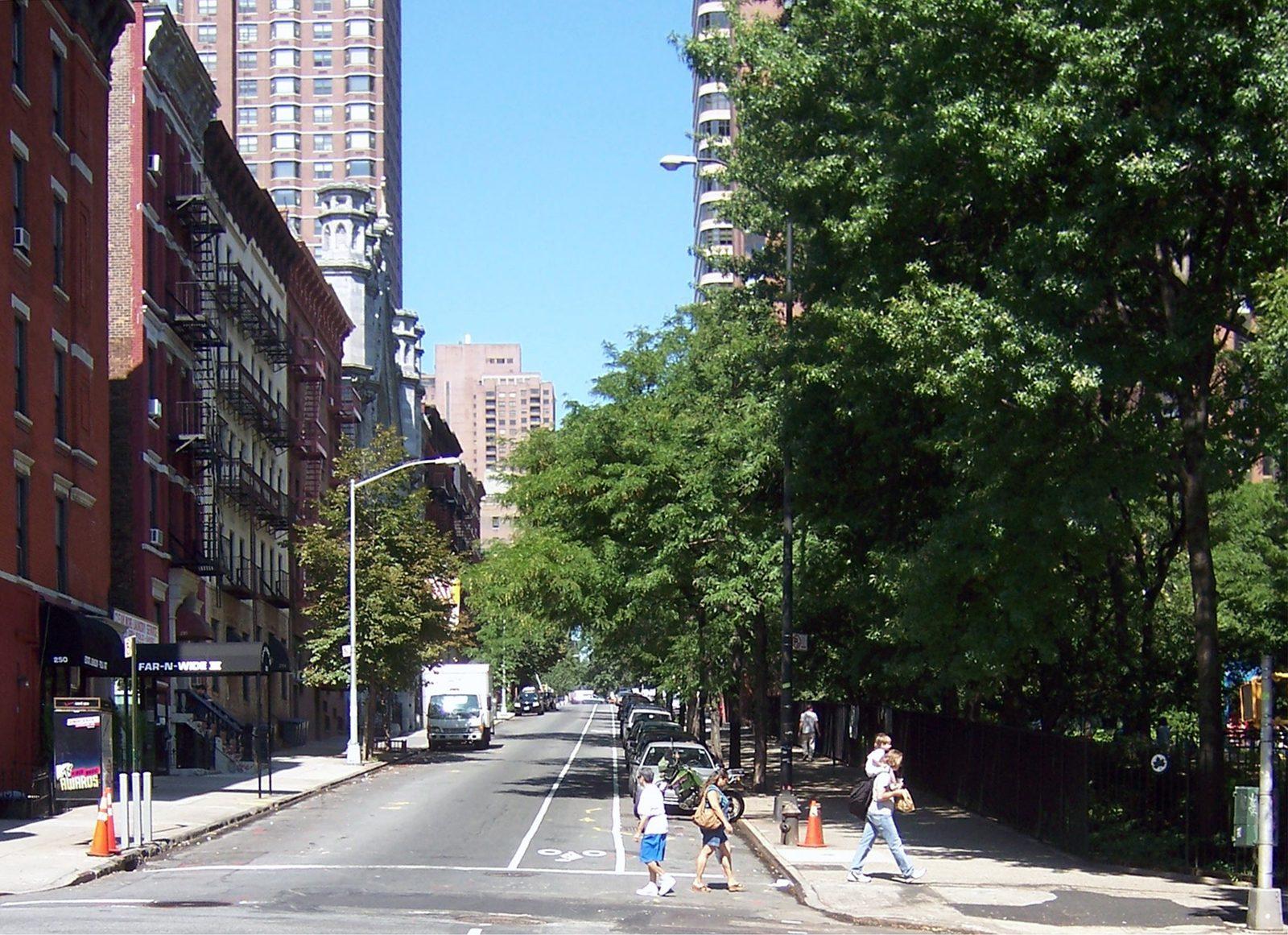
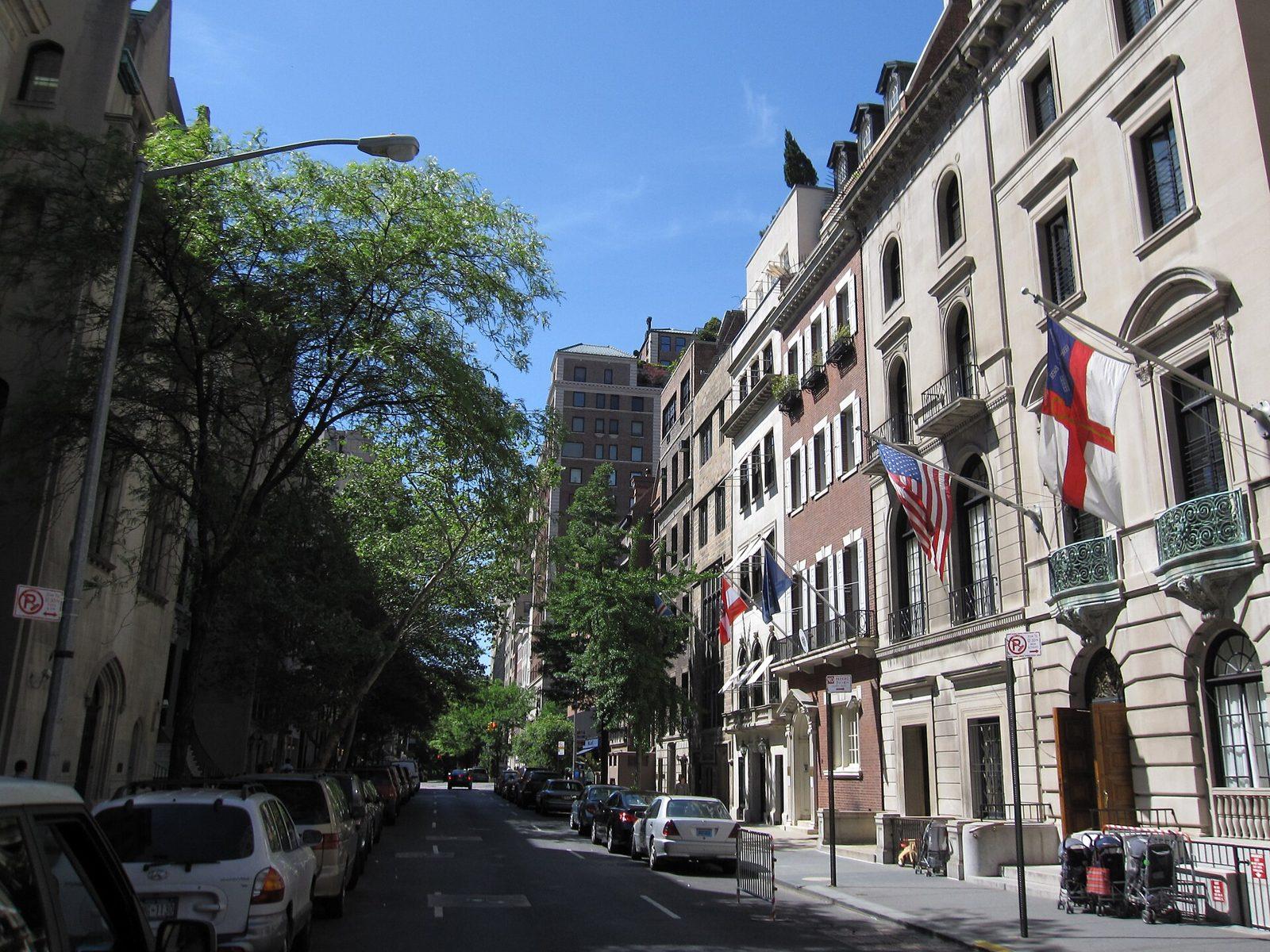
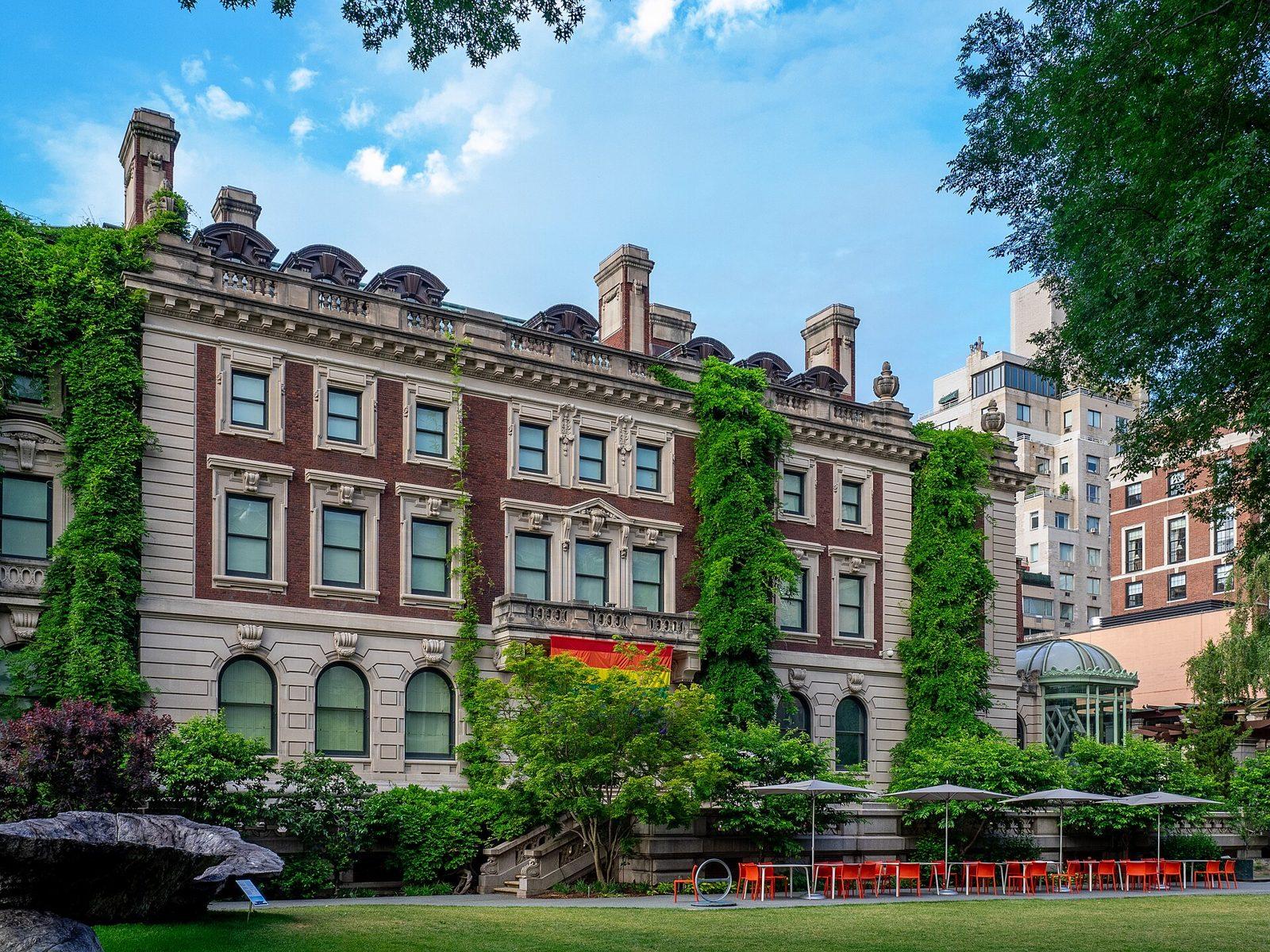
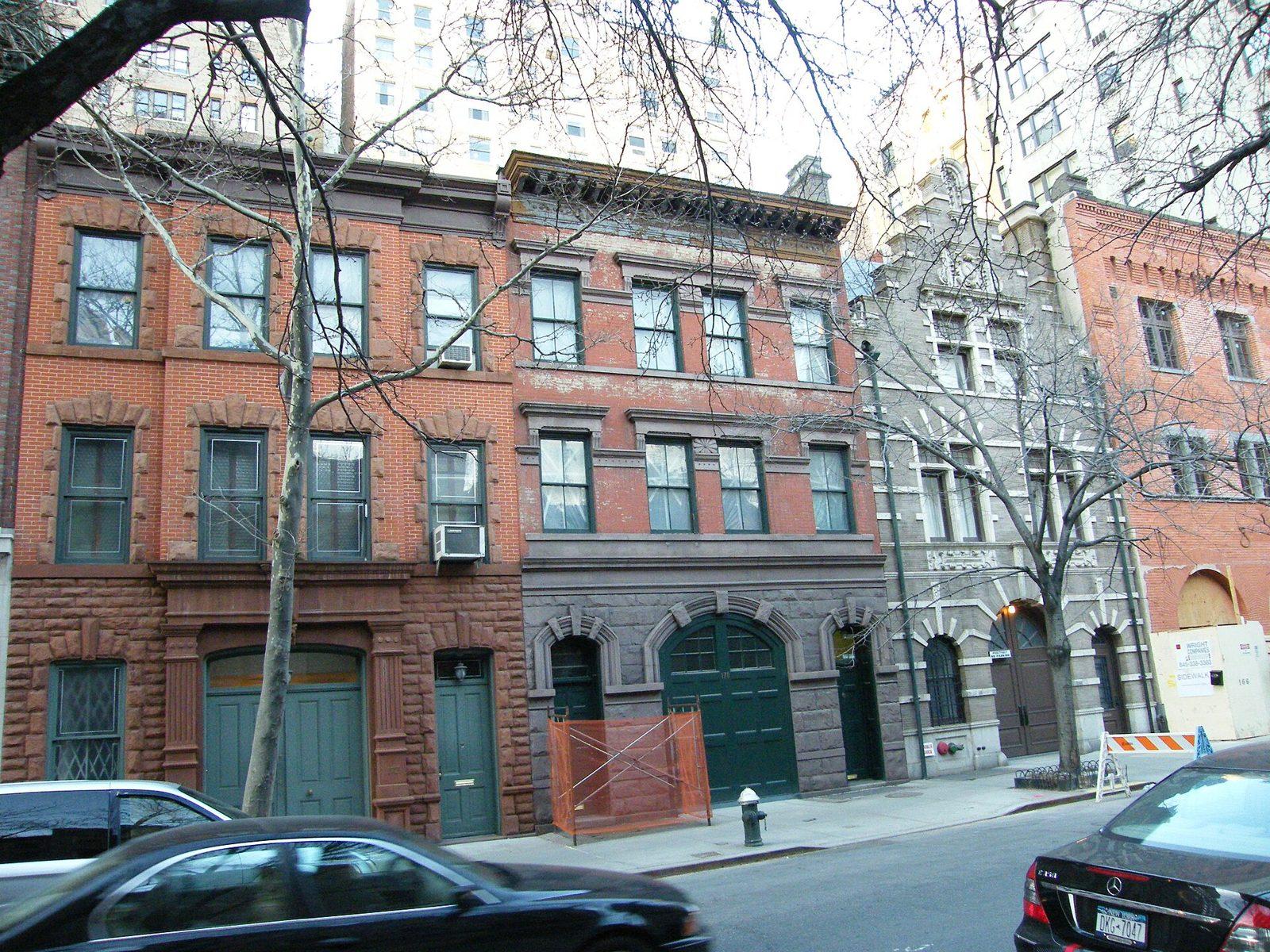
On Third and Second Avenues in Lenox Hill and Yorkville, with smaller conversions on Madison Avenue and the side streets.
Upper East Side · New development
New Development Condos on the Upper East Side.
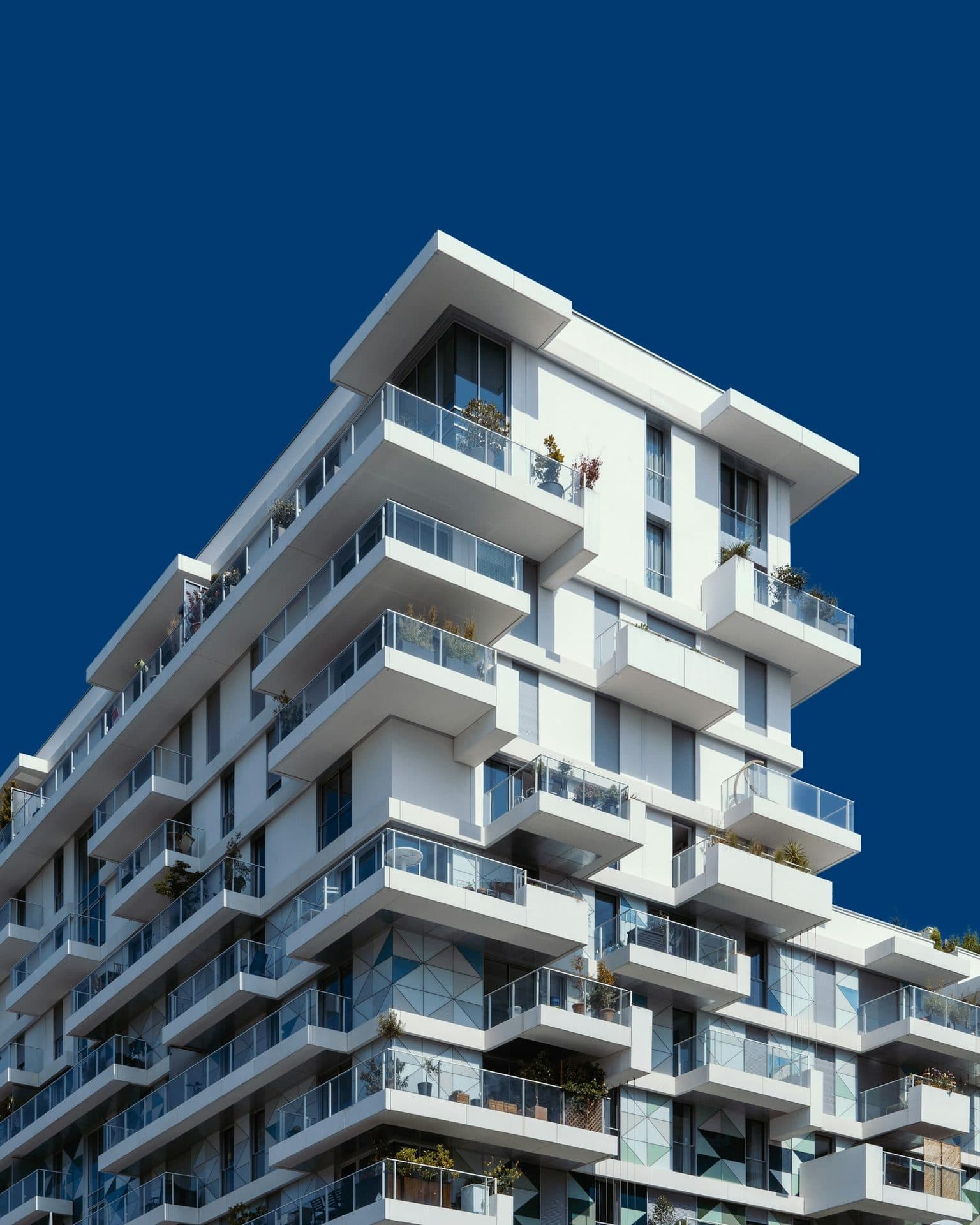
The Upper East Side is one of the most active places in Manhattan for new condominiums. Most new towers are rising along Third and Second Avenues, where the Second Avenue Subway and older low-rise sites have drawn developers, while a smaller set of luxury conversions is changing Madison Avenue. Published prices range from about $1.25 million for a boutique one-bedroom to $18 million for a duplex penthouse. Every purchase runs through the developer's offering plan, so the budget and the developer's record deserve as much attention as the kitchen.
Upper East Side New Developments
What should you know before buying new development on the Upper East Side?
On the West Side, new condos have become rare; on the East Side, cranes are a regular sight along the avenues east of Lexington. That gives Upper East Side buyers real choice in new construction, and real homework. Michael J. Carroll is a Brown Harris Stevens agent and serves as president of his own condominium board, so when he reads a developer's numbers he thinks about the owners who will inherit them: the common charges, the reserve fund, and the day the developer hands the board to residents.
Below, you will find what new construction looks like on the Upper East Side, the corridors where it is concentrated, the buildings in the current pipeline, published prices and hidden costs, the steps of a sponsor purchase, the buyers it suits, and the questions to settle before you commit. If you would rather buy in an established building, start with Upper East Side condos.
At a glance
Upper East Side new development in five facts
The busiest stretch for new condos is Third Avenue, from Lenox Hill up through Yorkville.
Names to know include 171 East 86th Street, 175 East 82nd Street, 242 East 71st Street, The 74, and 809 Madison Avenue.
More towers are planned on Third Avenue, with completions expected into 2027 and 2028.
Sponsor contracts often move the seller's transfer taxes onto the buyer.
A new building's first-year budget is a forecast, not a promise.
Upper East Side New Developments
What does new development look like on the Upper East Side?
A new development is a building whose apartments are being sold for the first time by the company that built or converted it, under a disclosure document called an offering plan. On the Upper East Side, the current crop falls into four groups.
The legal setup is the same across all four: the developer, called the sponsor, controls the condominium board at first, and owners take it over as sales progress.
Brand new
What that means when you shop
The groups, with an example of each:
Avenue towers
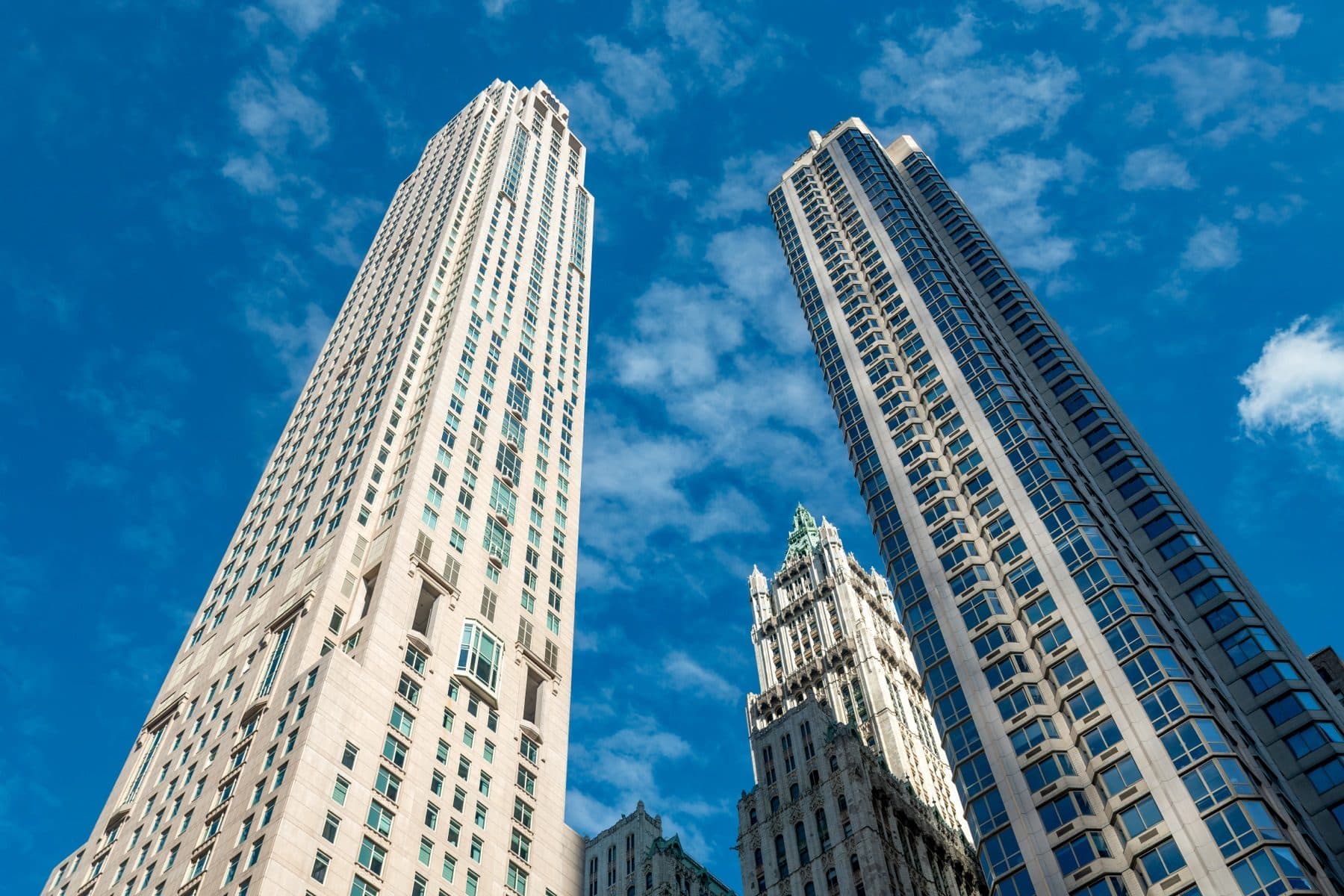
Tall glass or brick towers on Third and Second Avenues, such as the 39-story 175 East 82nd Street, with pools, gyms, and skyline views.
Boutique buildings
Smaller projects with one or two homes per floor, such as 171 East 86th Street, built for families who want privacy.
Conversions
Older buildings rebuilt inside as condominiums, such as the pre-war rental at 809 Madison Avenue and the carriage house at Elodie.
Full-floor buildings
Rare small projects, such as 500 East 81st Street, where every home occupies an entire floor.
Upper East Side New Developments
Who is building on the Upper East Side?
The current pipeline is spread across many developers rather than one or two large firms. ZD Jasper is behind 171 East 86th Street, Douglaston Development behind 175 East 82nd Street, Elad Group behind The 74, Avdoo behind 242 East 71st Street, and Rybak Development behind 500 East 81st Street, while Harry Macklowe is converting 809 Madison Avenue. That variety matters to buyers, because each sponsor has its own record on build quality, delivery dates, and how it treats owners after closing. Ask your agent for the developer's past buildings and visit one if you can.
Conversion or ground-up: what changes for you?
A conversion keeps an older shell and rebuilds everything inside, so you get pre-war proportions, thick walls, and often a landmark facade with new kitchens, bathrooms, and systems. The trade-off is that some limits of the old structure remain: column positions, window sizes, and floor heights cannot always change. A ground-up building is designed around modern layouts from the start, with larger windows, higher floor loads for amenities, and mechanical systems sized for central air. At 809 Madison Avenue, the conversion keeps the historic limestone, brick, and terra cotta facade, while towers such as 175 East 82nd Street start from a cleared site. Ask which kind you are buying, because it shapes what the inspection should focus on.
Upper East Side New Developments
The building corridors
Which parts of the Upper East Side have the most new buildings?
New condos appear where a developer can assemble a site and zoning allows height, which on the Upper East Side mostly means east of Lexington Avenue. Five areas account for nearly all of the pipeline.
Third Avenue now has some of the neighborhood's tallest new towers, and transit and street improvements have made it more attractive, as CityRealty reports.
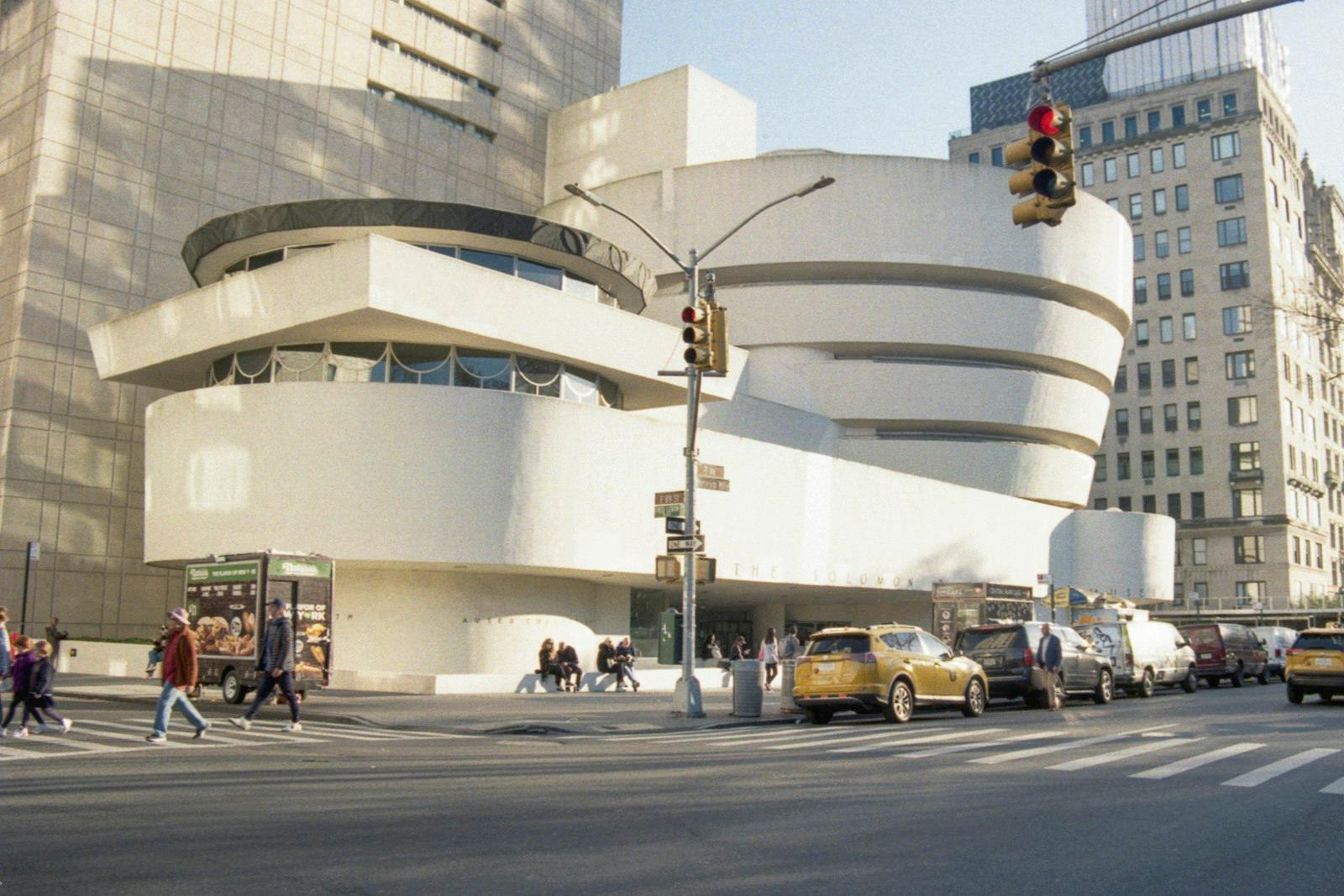
Madison, Park, and Fifth Avenues
Ground-up towers are rare here, so new homes come mostly from conversions, such as 809 Madison Avenue inside the Upper East Side Historic District.
The East 60s and 70s east of Lexington, where 242 East 71st Street and The 74 sit close to Rockefeller University and Hunter College.
North of East 86th Street, newer buildings such as 1122 Madison Avenue and 1289 Lexington Avenue offer new construction among pre-war neighbors.
Low-rise projects on the side streets, such as Elodie on East 77th Street, offer new interiors in buildings only a few stories tall.
What is it like to live on Third Avenue now?
Third Avenue was long seen as a dividing line for Upper East Side buyers, close to the Lexington Avenue trains but busier than the blocks to the west. That has shifted. CityRealty notes that a protected bike lane and a dedicated bus lane now run from East 59th to 96th Streets, which has made the avenue calmer, and the Q train on Second Avenue gives residents a second subway option. New buildings on the corridor, such as 171 East 86th Street, sit a few blocks from Museum Mile and Central Park to the west and Carl Schurz Park to the east, with 92NY and the 86th Street stations nearby.
Upper East Side New Developments
Upper East Side New Developments
Does Yorkville's history affect new buildings?
It can. Yorkville was largely settled by German immigrants in the nineteenth century, and some older buildings on its blocks carry that history. At 207 East 84th Street, the planned tower would replace a four-story building with arched windows and terra cotta details that once served as an event space for the area's German and Irish residents, and local preservationists have pushed to landmark it, CityRealty reports. Projects on sites with this kind of history can face delays or design changes, so buyers in early-stage buildings should watch for them.
The pipeline
Which Upper East Side new developments are worth knowing?
CityRealty tracks the Upper East Side pipeline building by building. These are the projects Upper East Side buyers ask about most often:
171 East 86th Street
ZD Jasper's 17-story tower on the old Papaya King corner, designed by Archimaera, with 24 two- to five-bedroom homes and at most two per floor.
175 East 82nd Street
Douglaston Development's 39-story, 73-unit tower by CetraRuddy, with high-floor amenities including an indoor pool.
242 East 71st Street
A 22-story, 50-unit tower by Robert A.M. Stern Architects on the corner of Second Avenue, steps from the 72nd Street Q station.
809 Madison Avenue
Harry Macklowe's conversion of a pre-war rental into 13 condos, with a penthouse addition approved by the Landmarks Preservation Commission.
The 74
Elad Group's 32-story, 42-unit tower at 201 East 74th Street by Pelli Clarke & Partners, completed in 2025.
500 East 81st Street
A ten-story Yorkville building with ten four-bedroom homes, one per floor.
Elodie
A 16-unit condominium carved from a former carriage house at 439 East 77th Street.
Once these buildings sell out, their apartments start trading as resales, often with a few years of real operating costs for buyers to review.
Upper East Side New Developments
What else is coming to Third Avenue?
More towers are planned along the same corridor. According to CityRealty, 185 East 80th Street is planned as a 34-story, 61-unit tower by Robert A.M. Stern Architects; 207 East 84th Street is planned at 37 stories with 86 units; 1477 Third Avenue will add nine condos in a 15-story building by BKSK Architects; and 213 East 83rd Street will hold eight homes behind large arched windows. Most list expected completions in 2027 or 2028, so buyers who can wait will have even more choice.
Tower or boutique building?
A tower spreads the cost of doormen, amenities, and repairs across many owners and gives upper floors long views. A boutique building gives you fewer neighbors, quieter halls, and often a private elevator landing, but each owner carries a larger share of every bill. At 171 East 86th Street, for example, 24 owners will share the building's costs; at 175 East 82nd Street, 73 will. Compare the per-square-foot budget, not just the lobby. Michael can tour a tower and a boutique building with you on the same day, so you can feel the difference in light, noise, and neighbors.

Upper East Side New Developments
Upper East Side New Developments
What about Madison Avenue and Carnegie Hill?
The newest homes near the park come at the top of the market. Listings tracked by CityRealty include a half-floor, five-bedroom residence at 1122 Madison Avenue in Carnegie Hill, designed by Studio Sofield with ten-foot ceilings, asking $21,175,000; a five-bedroom corner home with a wraparound terrace at 1289 Lexington Avenue asking $9,000,000; and Giorgio Armani's own pied-à-terre at the Giorgio Armani Residences, 760 Madison Avenue, asking $9,950,000. These buildings show that new construction near Madison Avenue is scarce and priced accordingly.
How much do new Upper East Side condos cost?
Published prices span a wide range. At the Elodie conversion, homes are listed from $1.25 million for a one-bedroom to $8.5 million for the penthouse, 6sqft reports.
Further up the market, the offering plan for 171 East 86th Street sets two-bedrooms from $2.5 million, three-bedrooms from $4.5 million, four-bedroom penthouses from $8.5 million, and an $18 million duplex penthouse with its own terrace and rooftop, per CityRealty. Floor, view, and outdoor space drive most of the difference within a building.
Upper East Side New Developments
- $1.25MEntry price for a one-bedroom at Elodie, East 77th Street
- $2.5MOpening price at 171 East 86th Street under its offering plan
- $18MDuplex penthouse at 171 East 86th Street
- 73Homes planned at the 39-story 175 East 82nd Street
Sources: 6sqft (September 2026); CityRealty (2026).
Budget for
The costs on top of the price
Penthouses set the ceiling. Among current listings tracked by CityRealty, a full-floor penthouse at 255 East 77th Street asks $25,770,000, Penthouse 1 at 200 East 75th Street asks $18,500,000, and a five-bedroom home on the 27th floor of The 74 asks $13,400,000. Asking prices are a starting point; final sale prices depend on the building's sales pace and the sponsor's flexibility.
Transfer taxes the sponsor passes on
Many sponsor contracts make the purchaser cover city and state transfer taxes, in addition to the 1 percent mansion tax on homes of $1 million or more listed by the state tax department.
A reserve contribution at closing
New buildings usually ask each buyer for a month or two of common charges to start the reserve fund.
Monthly charges that may climb
The first-year budget is the sponsor's estimate, and real costs tend to show up in years two and three.
Real estate taxes and abatements
Confirm the projected tax bill and whether any tax break phases out over time.
A surcharge for second homes
Apartments valued above $1 million that are not a primary residence carry an annual surcharge, per the city's Department of Finance.
Our closing costs guide breaks each item down.
Upper East Side New Developments
Why is so much being built on the East Side now?
Several changes came together. The Q train's stations on Second Avenue shortened commutes from the eastern blocks, Third Avenue gained a protected bike lane and a dedicated bus lane, and aging low-rise buildings along the avenues became development sites. Developers have also bought unused air rights from neighbors to build taller, which is why several towers are rising within a few blocks of each other.
How do new-building charges compare with resales?
New buildings often launch with lower projected common charges than established buildings nearby, because early budgets assume new equipment, few repairs, and full warranties. Over the first years, charges usually catch up as the building builds reserves, renews service contracts, and handles its first repairs. Taxes can also step up if an abatement phases out. When you compare a new apartment with a resale in an older condo, look at where each building's charges are likely to be in five years, not just today.
Upper East Side New Developments
Offer to keys
What are the steps in buying an Upper East Side new development?
A sponsor sale is governed by the offering plan rather than a co-op application. In a finished building, you might close within two months; in one still under construction, the gap between contract and keys can be a year or longer.
Study the plan before touring
The offering plan, reviewed by the New York Attorney General, sets out what is being built and what owners will pay.
Read the latest amendment
Sponsors update budgets, prices, and timelines through amendments, so the newest one matters most.
Decide what to ask for
Credits toward closing costs, a storage unit, or parking are often easier to win than a price cut.
Contract and deposit
Your attorney negotiates what the sponsor's form allows, and the deposit is held in escrow until closing.
Completion and the temporary certificate of occupancy
The building must receive this before anyone can close.
Final inspection
Walk the finished home and list anything incomplete or damaged so the sponsor can repair it.
Closing day
Pay the balance, the passed-on taxes, and the reserve contribution, and take title to your apartment.
Life under sponsor control
Until most apartments are sold, the developer appoints the board, so watch how owners will take over.
For the general rules, read our condo buying guide.
Upper East Side New Developments
Which parts of an offering plan matter most?
Start with five parts: the projected budget, the building description, the list of closing costs the buyer pays, the rules on sponsor control and unsold apartments, and the amendments. Read together, they show what the developer must deliver, what your monthly charges are expected to be, and how the building would cope if sales slowed.
Buying before the building is finished
Signing a contract while a building is still rising can get you better pricing or first choice of layouts, but it adds risk. Your deposit sits in escrow while construction continues, and the offering plan sets an outside date by which the sponsor must be ready to close. The plan also explains what happens if the sponsor changes the building in a material way. Before you sign, your attorney should confirm the escrow terms, the outside closing date, and your rights if timelines slip. Michael will compare the sponsor's past projects, because a developer's record on finishing buildings on time is the best predictor of how yours will go.
Upper East Side New Developments
Upper East Side New Developments
How do sponsor prices change over a sales program?
Sponsors usually release apartments in stages. Early buyers can get lower prices or first pick of layouts in exchange for waiting through construction, while prices often rise as the building fills and the finished amenities can be toured. Late in a program, the remaining apartments may come with credits toward closing costs or other incentives, especially if sales have slowed. Watching how many units are sold, and checking the plan's amendments for price changes, tells you where a building sits in that cycle and how much room there may be to negotiate.
Who it suits
Which buyers does Upper East Side new construction suit?
New construction makes most sense for buyers who want a finished, modern home close to Upper East Side schools, parks, and the Q train, and who will pay for it. These buyers choose it most:
Growing families
Four- and five-bedroom layouts, like those at 171 East 86th Street or 500 East 81st Street, are scarce among resales.
Buyers who want to skip a co-op interview
In a neighborhood dominated by co-ops, a sponsor sale with no board review is a real advantage.
Buyers who value comfort systems
Central air, washer-dryers, and quiet windows are built in rather than retrofitted.
Owners leaving a house
A doorman, a gym, and no renovation appeal to buyers coming from a townhouse or the suburbs.
Buyers from abroad or with second homes
Condos accept purchases that many co-ops refuse, though non-primary homes face the city surcharge.
Buyers who prize original detail or more space per dollar may prefer Upper East Side pre-war apartments.
Upper East Side New Developments
What amenities come with new Upper East Side buildings?
Amenities vary by building size. At 200 East 75th Street, an 18-story, 36-unit building by Beyer Blinder Belle completed in 2025, residents share a fitness center with an infrared sauna, a lounge with courtyard access, a music room, a children's playroom, and a multi-sports simulator, according to CityRealty. Larger towers such as 175 East 82nd Street plan an indoor pool, a media room, and a terrace lounge on high floors. Every amenity adds to the monthly budget, so weigh what you will actually use.
From inside the board
What should a buyer test before signing with a sponsor?
With a new building, there are no past budgets or board minutes to read, so the questions have to be sharper. As a sitting condo board president, Michael tests five things before his buyers sign:
Is the budget believable?
Set the projected charges beside a recently finished neighbor, such as The 74, that now runs on real costs.
Is there enough in reserve?
Check how much the reserve contributions will raise and what the plan expects to spend in the early years.
When do owners take control?
Find out the sales threshold for the handover and what the sponsor pays on apartments it still owns.
Who fixes the defects?
Early leaks and mechanical problems are common in new towers on Third Avenue; ask how claims against the sponsor are handled.
Will the building stay owner-occupied?
If unsold homes are rented out, lenders and future buyers may treat the building differently.
The goal is simple: make sure the building's numbers still work after the developer has left and the residents are paying the bills.
A walk through Upper East Side New Developments
New East Side, in light.
The buildings, blocks, and rooms that define Upper East Side New Developments — captured on Michael's walks home.
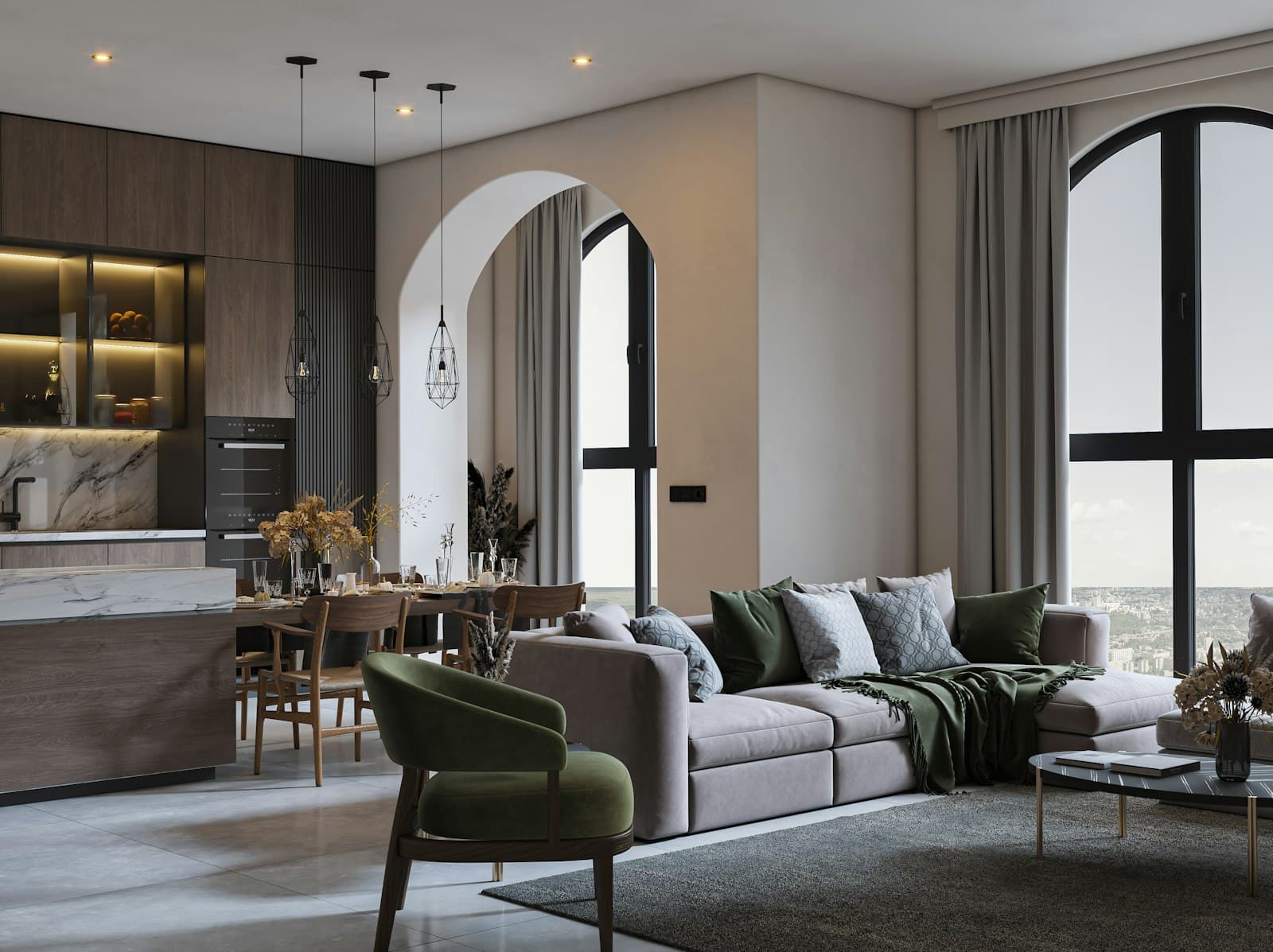
A luxury Manhattan penthouse living room with floor-to-ceiling glass
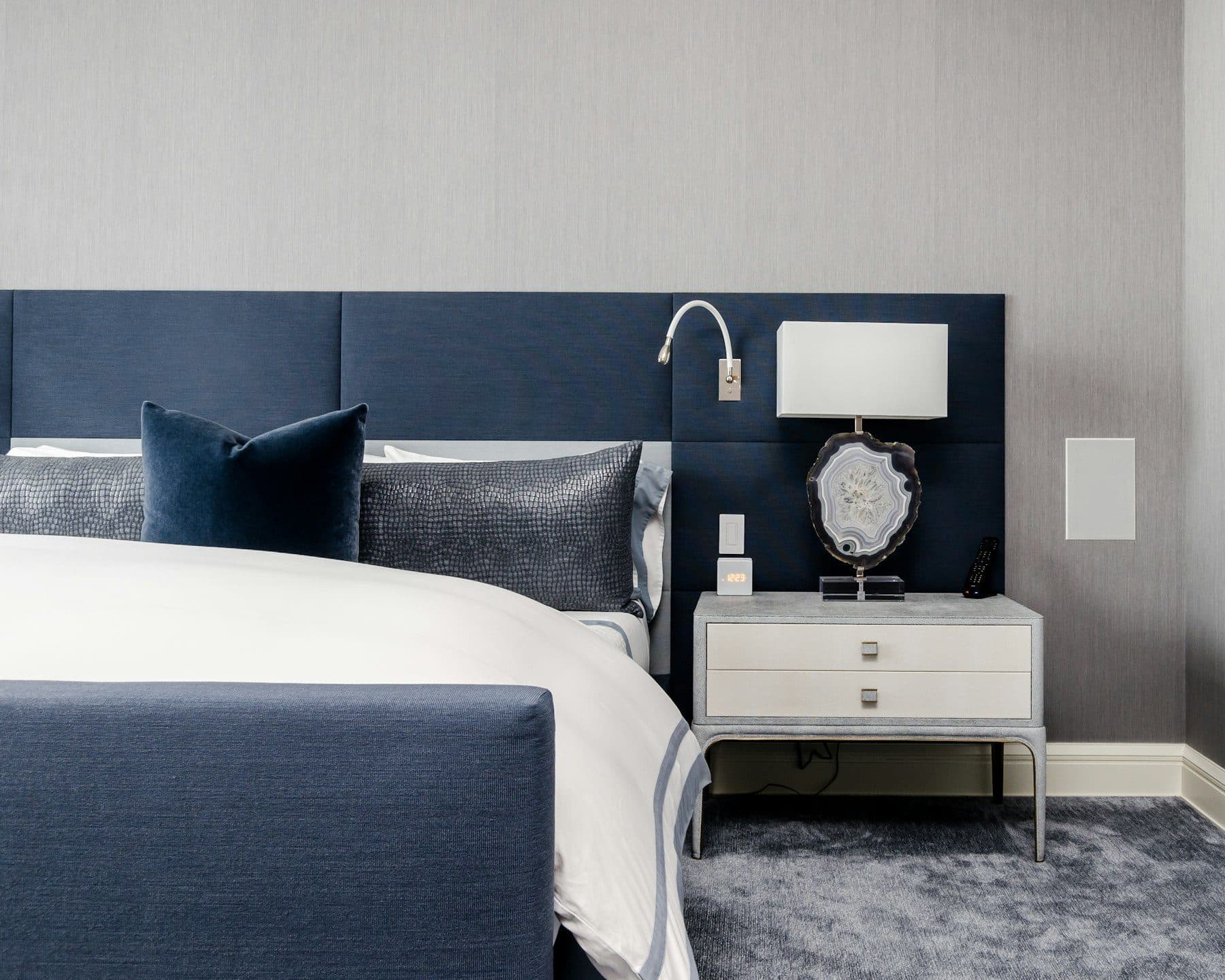
A refined navy and ivory primary bedroom with a tufted headboard
A living room with a large window and abundant natural light
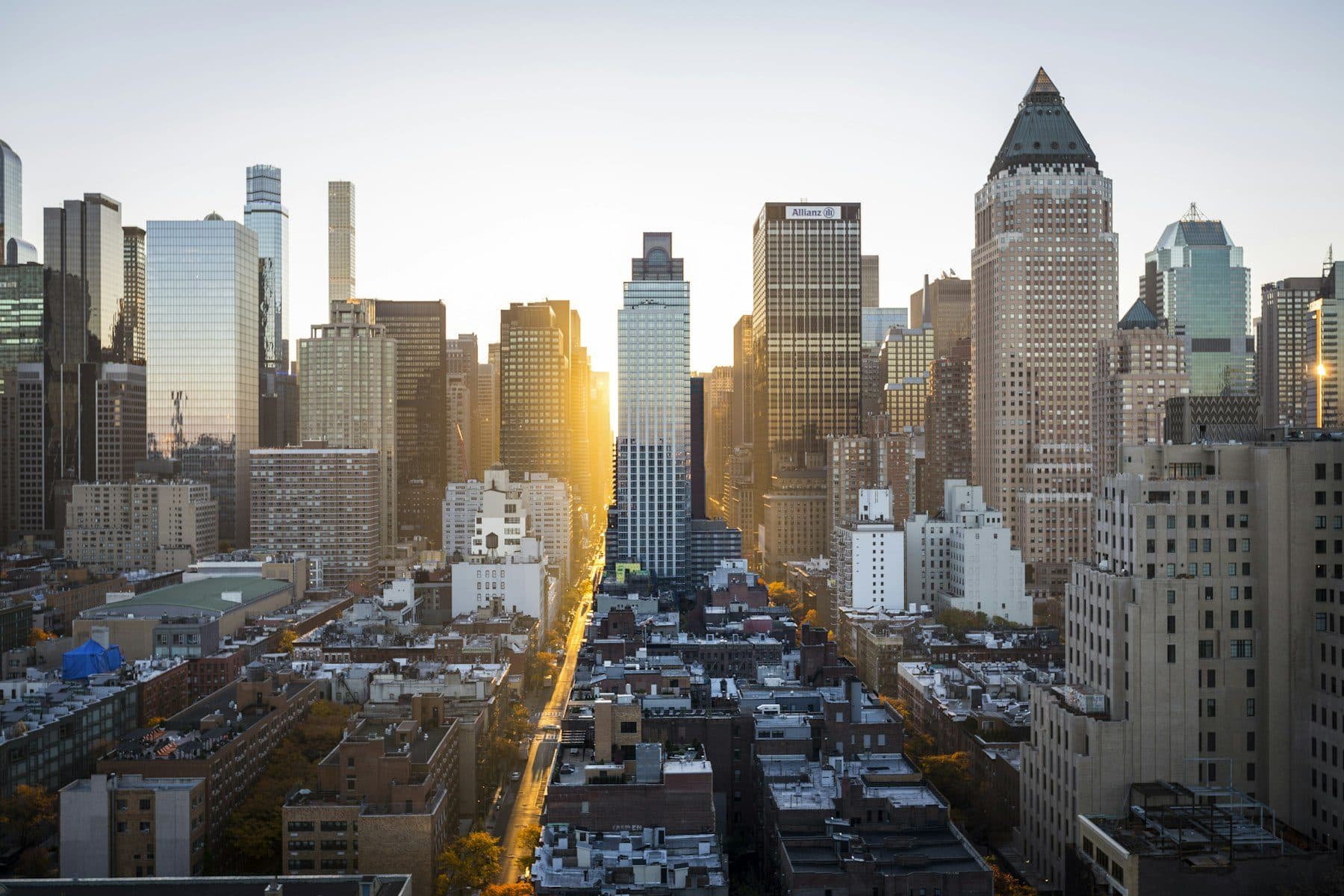
The Manhattan skyline glowing at golden hour
A bedroom with a round mirror above the bed
“With a new building, the numbers are all forecasts. I test them the way my own board tests a budget, before anyone signs.”
— Michael J. Carroll
Answers
Upper East Side New Developments, answered
- No. You buy from the developer, and the condominium board normally waives its right to buy the apartment instead.
- Often, yes. Many New York sponsors require the buyer to cover the city and state transfer taxes. Your attorney will confirm what the contract says.
- Sometimes, particularly once a building is well into its sales program. Credits, storage, and parking are frequent bargaining points.
- Prices change often, but current penthouse listings at buildings such as 255 East 77th Street and 1122 Madison Avenue ask well over $20 million.
- Most do, but rules vary by building. Check the offering plan's house rules for size limits or breed restrictions before you sign.
- Generally, yes. Condos usually allow entity ownership, which most co-ops do not. Your attorney will check the plan's requirements.
- In a completed building, typically within a few months. In one under construction, after it receives a temporary certificate of occupancy, which may take a year or more.
- Yes. Several Third Avenue towers, including 185 East 80th Street and 207 East 84th Street, are planned with completions expected in 2027 and 2028.
A private consultation
Weigh the new East Side towers with a board president
Share your budget, the size you need, and your timing, and Michael will line up the new buildings that fit, go through each offering plan with you, and point out the budget, reserve, and sponsor terms worth pushing on. He works from the Brown Harris Stevens West Side office at 1934 Broadway.

What happens next
- 01
Michael reads your note personally
No team inbox. He sees the form himself.
- 02
You'll hear back, usually the same day
By phone or email — whichever you prefer.
- 03
A no-pressure first conversation
Whether you're ready this week or thinking it through.
10+
Years at BHS
Top 1%
Nationwide
$500K–$25M+
Transaction range
Tell Michael about your search
A few quick questions.
Your details stay between you and Michael. No spam. No list.