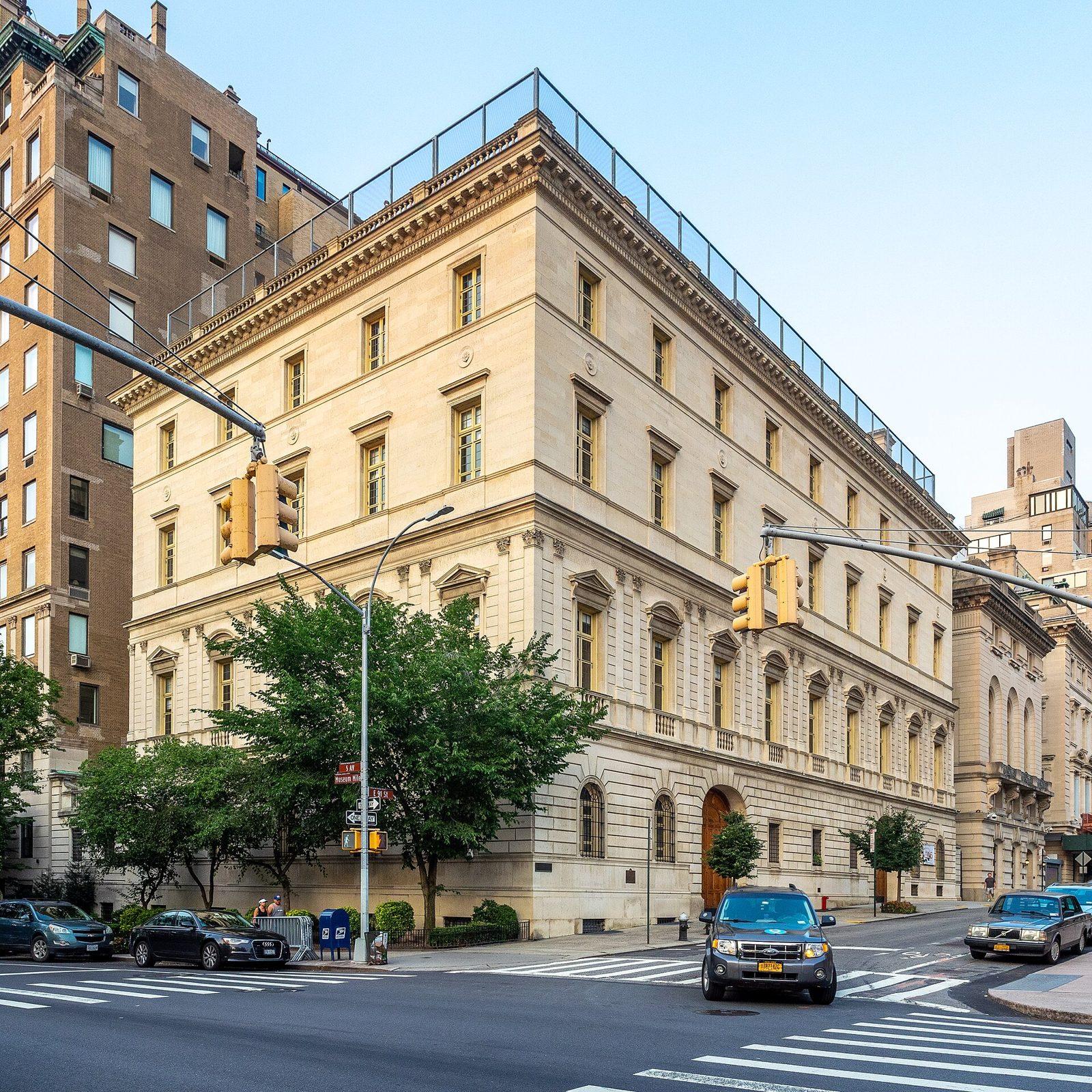
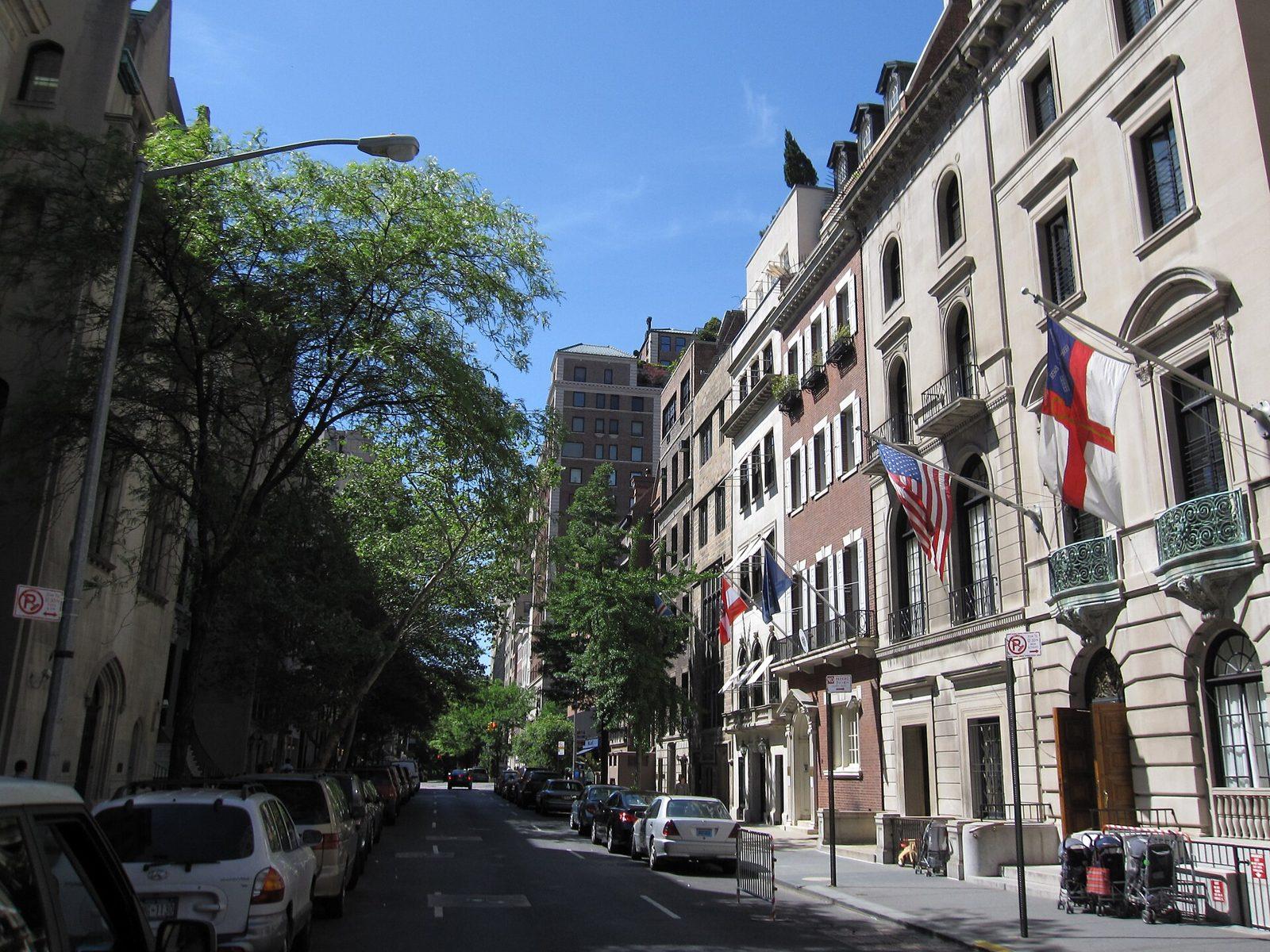
Buildings completed before World War II, though most of the neighborhood's were built between about 1910 and 1931.
Upper East Side · Pre-war
Pre-War Apartments on the Upper East Side.
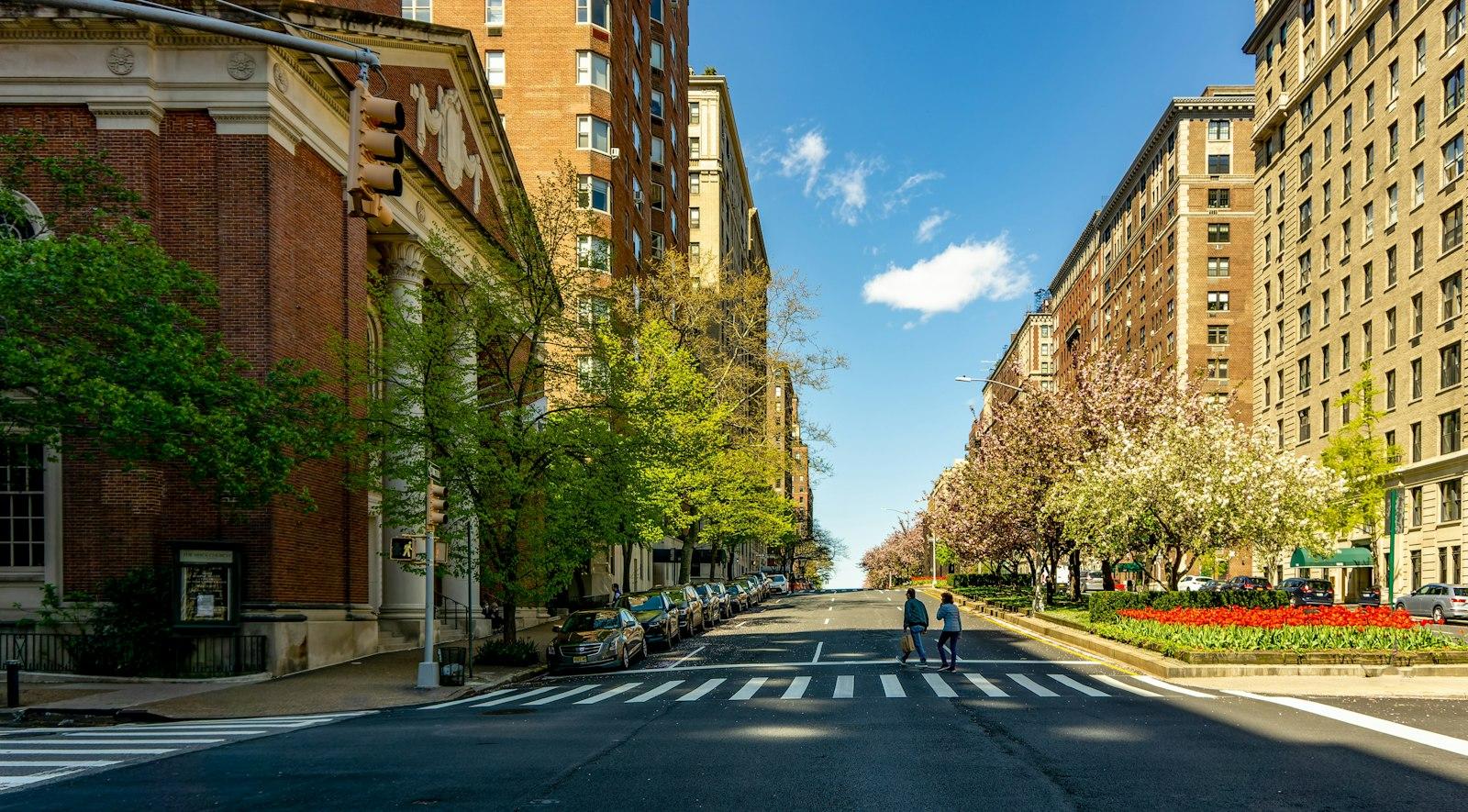
The Upper East Side holds one of the largest collections of pre-war apartment buildings in New York, concentrated on Park Avenue, Fifth Avenue, and Carnegie Hill. Most were built between about 1910 and 1931, many by architects such as J.E.R. Carpenter and Rosario Candela. They offer high ceilings, large rooms, and classic layouts, and almost all are co-ops with selective boards. Expect to weigh the building's age and finances as closely as the moldings.
Upper East Side Pre-War Apartments
What should you know before buying a pre-war apartment on the Upper East Side?
Pre-war apartments are the classic Upper East Side home: a doorman building on Park Avenue, a gallery entry, a formal dining room, and windows over a tree-lined street. Michael J. Carroll is a Brown Harris Stevens agent and president of his own condominium board, and he looks at a pre-war building the way a board must: through its facade inspections, its boiler, its reserves, and the projects that will keep a century-old building sound.
This guide covers what makes an Upper East Side apartment pre-war, where the buildings are, the addresses buyers compare, what pre-war apartments cost, how buying one works, who they suit, and what to check before you commit. For the co-op process in detail, see Upper East Side co-ops.
At a glance
Pre-war Upper East Side in five facts
Most Upper East Side pre-war buildings date from about 1910 to 1931, before the Depression halted construction.
Park Avenue and Fifth Avenue hold the grandest pre-war buildings; side streets offer smaller, more affordable ones.
J.E.R. Carpenter and Rosario Candela designed many of the most sought-after buildings.
Nearly all pre-war apartments here are co-ops, so board approval is part of the purchase.
Old buildings need ongoing facade, roof, and systems work, which shows up in maintenance and assessments.
Upper East Side Pre-War Apartments
What makes an Upper East Side apartment pre-war?
A pre-war apartment is one in a building completed before World War II, though most of the Upper East Side's were built between about 1910 and 1931. These buildings share features that post-war construction rarely matches.
Not every pre-war apartment keeps its original layout. Many have been renovated, combined, or divided over the decades, so the floor plan matters as much as the building's age.
Built before the war
What that means when you shop
What buyers look for:
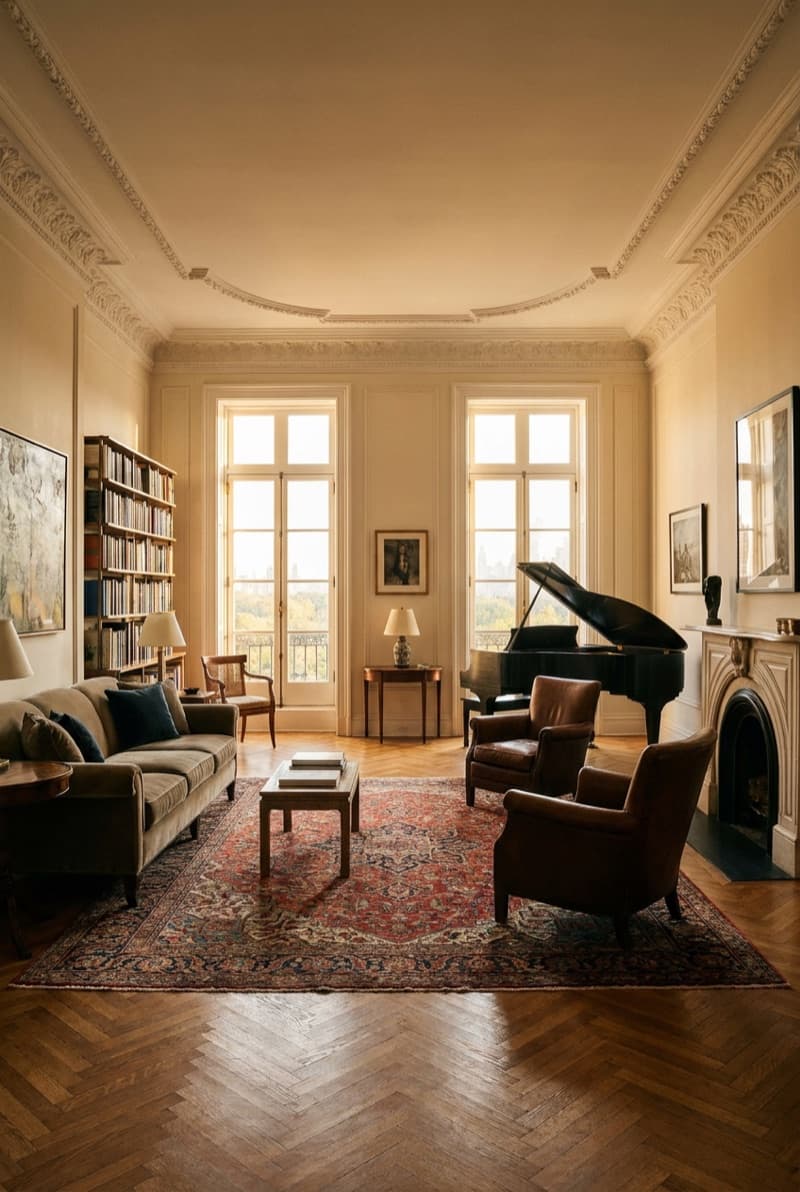
High ceilings
Often ten feet or more, with tall windows that let in more light than later buildings.
Separate, formal rooms
Gallery entries, dining rooms, and libraries that divide entertaining space from private rooms.
Solid construction
Thick masonry and plaster walls that dampen sound between rooms and neighbors.
Original details
Crown moldings, fireplaces, herringbone floors, and casement windows, in buildings such as 400 East 59th Street.
Staff rooms and service areas
Maid's rooms and service entrances that many owners now use as offices or extra bathrooms.
Where they stand
Where are the pre-war buildings on the Upper East Side?
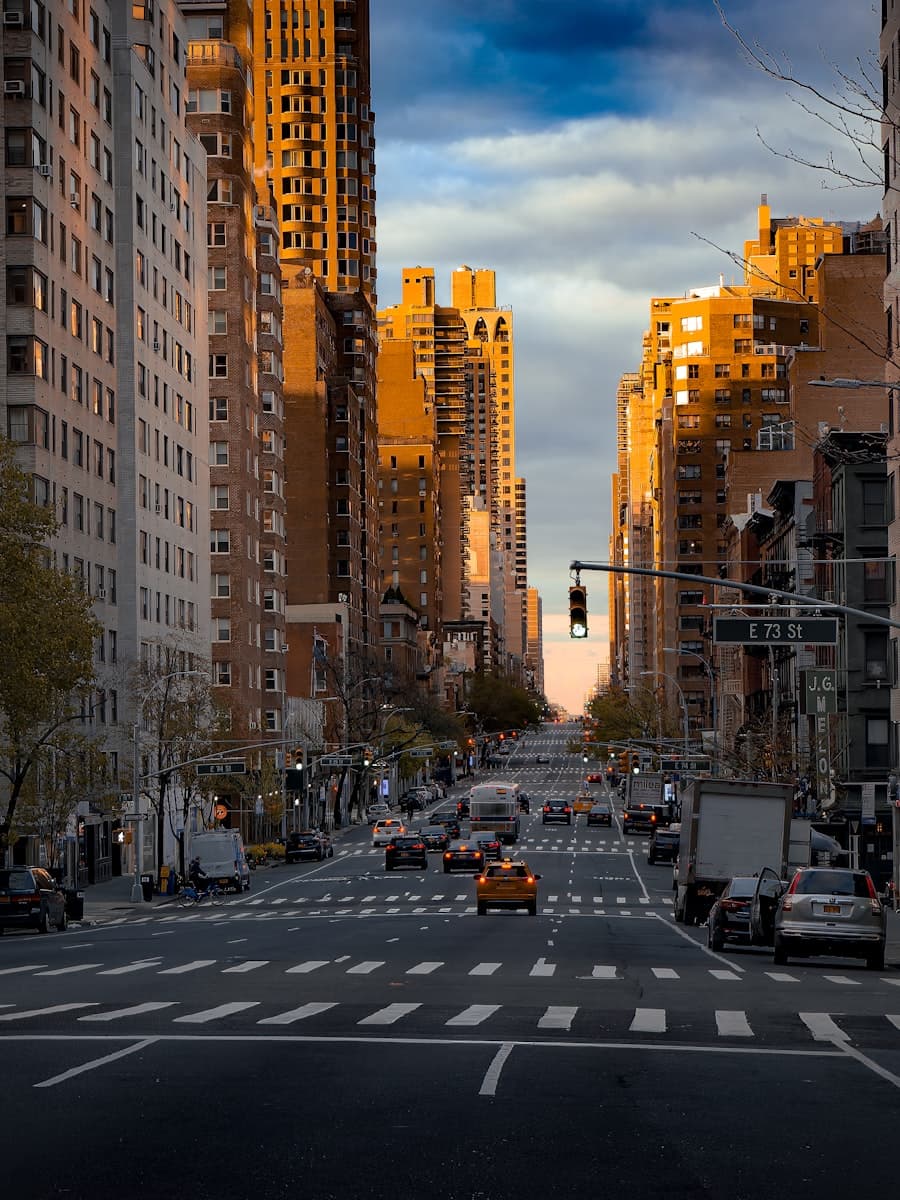
Pre-war buildings fill the western half of the Upper East Side most densely, and thin out east of Lexington Avenue, where post-war towers took over. Five areas hold most of them.
Park Avenue
A wall of pre-war co-ops from the East 60s into the 90s, built after the railroad tracks beneath the avenue were covered, with some of the grandest apartments in the city.
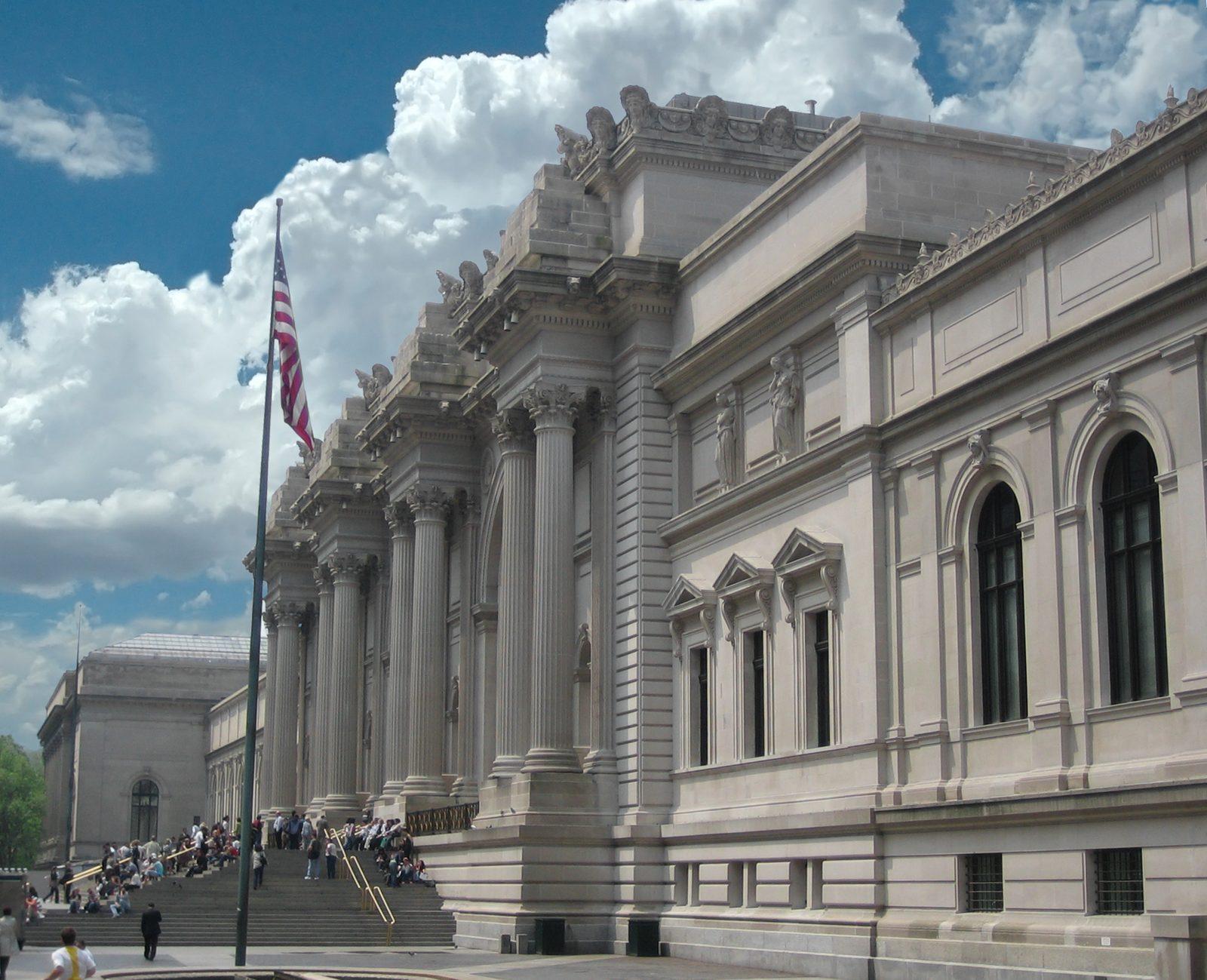
Buildings facing Central Park and the Metropolitan Museum, with park views and some of the largest layouts in Manhattan.
North of East 86th Street, pre-war buildings on Park, Madison, and the side streets sit near schools and Museum Mile, popular with families.
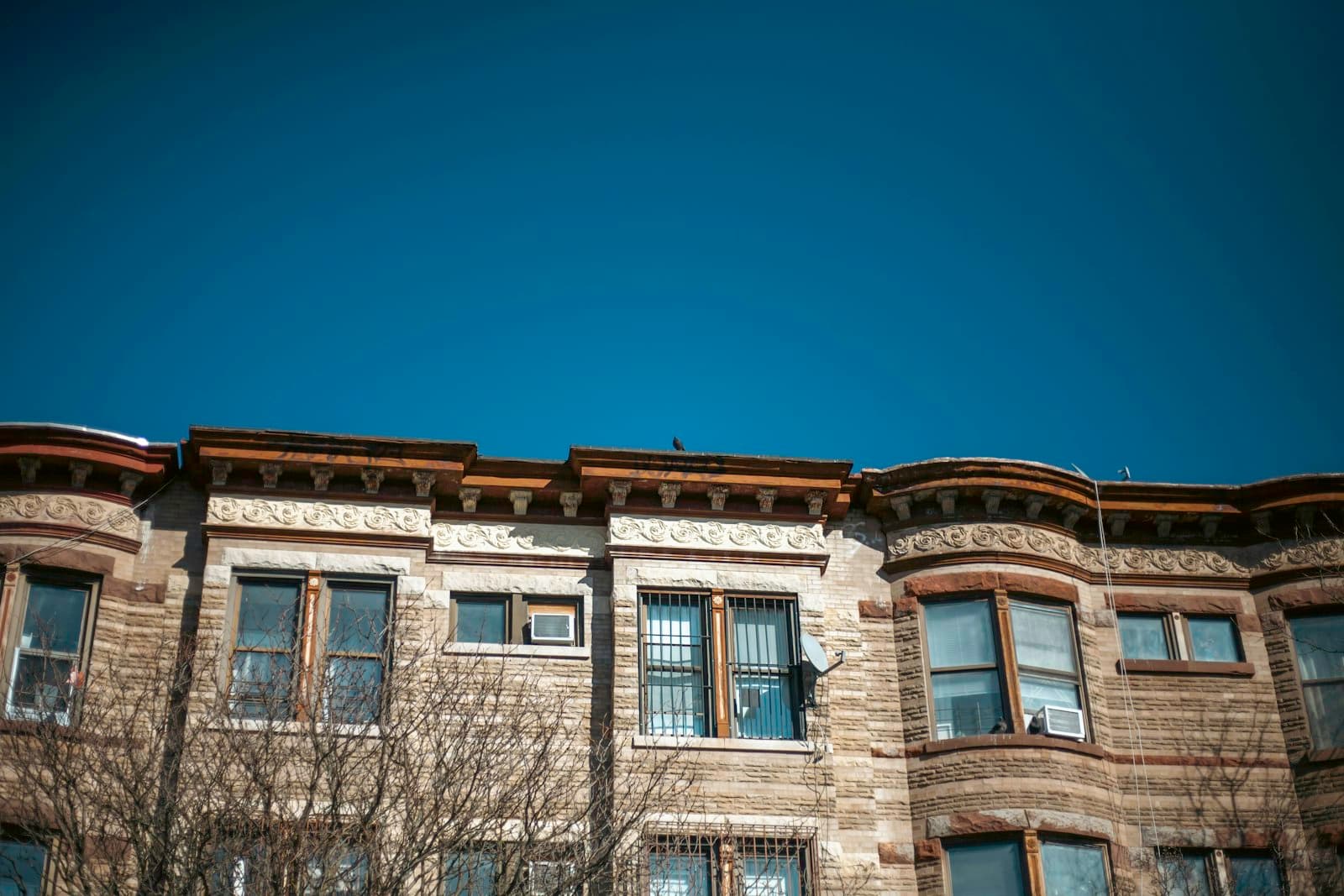
Smaller pre-war elevator buildings and walk-ups between the avenues, offering pre-war detail at lower prices.
A quieter riverside stretch with a group of pre-war co-ops near Carl Schurz Park.
Avenue or side street?
On Park and Fifth Avenues, pre-war buildings are larger, with more staff, bigger apartments, and stricter boards, and an avenue address carries a clear premium. The smaller pre-war elevator buildings on the side streets of Lenox Hill and Carnegie Hill often have fewer apartments per floor, quieter rooms away from traffic, and lower maintenance. A side-street building can give you the same ceiling heights and moldings for less, though with fewer services. Decide which matters more to you, the address or the apartment, before you start touring.
Upper East Side Pre-War Apartments
The defining buildings
Which pre-war buildings define the Upper East Side?
Many of the most sought-after pre-war buildings on Park Avenue were designed by J.E.R. Carpenter or Rosario Candela. CityRealty profiles a run of Carpenter's Park Avenue buildings that shows the range:
The Yosemite, 550 Park Avenue
Finished in 1917 at the corner of East 62nd Street, a distinguished building that set the tone for Park Avenue.
580 Park Avenue
An Italian Renaissance palazzo-style co-op from 1923 that occupies a full blockfront between East 63rd and 64th Streets.
The Mayfair, 610 Park Avenue
Completed in 1925, known for large apartments with high ceilings and broad Park Avenue frontage.
The Palacio, 620 Park Avenue
Finished in 1924, part of the same stretch of grand Park Avenue buildings.
740 Park Avenue
Rosario Candela's 1930 building, where a mansion-sized duplex sold for $17 million in 2023, according to 6sqft.
Further north, buildings such as The Norma at 960 Park Avenue continue the pre-war character into Carnegie Hill.
Who were Carpenter and Candela?
J.E.R. Carpenter was active earlier and known for restrained, practical buildings with excellent floor plans, many of them on Park and Fifth Avenues in the 1910s and 1920s. Rosario Candela came to prominence in the late 1920s and is often called the master of the luxury apartment layout, with intricate duplexes and well-planned rooms. A building by either architect usually commands a premium, and buyers often ask for them by name.
Upper East Side Pre-War Apartments
Upper East Side Pre-War Apartments
How did pre-war building change between 1910 and 1931?
The earliest Park Avenue buildings from the 1910s were often lower, with simpler classical facades. Through the 1920s, buildings grew taller and layouts grander, with more duplexes and staff rooms. The final burst, from 1929 to 1931, produced some of the most famous buildings, including Candela's work on Park and Fifth Avenues, before the Depression stopped construction. Knowing a building's decade helps you predict its layouts and the kind of systems work it may need.
The defining buildings
How to read a pre-war floor plan
Before you visit, the floor plan tells you most of what matters. Look for:
The gallery
A real entry hall that separates the public rooms from the bedrooms is a sign of a well-planned pre-war layout.
Window exposures
Avenue-facing and corner rooms get the most light; rooms facing a courtyard can be dark on lower floors.
Kitchen position
Original kitchens were often small and far from the living room, which shapes the cost of opening them up.
Duplexes
Some buildings, such as Candela's 740 Park Avenue, include duplex apartments with internal staircases and grand entertaining floors.
Staff rooms
A maid's room off the kitchen can become an office, a laundry, or an extra bathroom.
Upper East Side Pre-War Apartments
What do pre-war apartments cost on the Upper East Side?
Prices range widely, from smaller pre-war apartments near the East River to trophy duplexes on Park and Fifth Avenues. A two-bedroom with original herringbone floors and casement windows at 400 East 59th Street was listed for $1.2 million, while Candela's 740 Park Avenue has traded at $17 million for a duplex, as reported by 6sqft.
On Park Avenue, availabilities at The Mayfair at 610 Park Avenue have ranged from $3.395 million to $19.5 million, according to CityRealty. The difference reflects size, floor, light, condition, and whether an apartment faces the avenue.
- 1910–1931When most Upper East Side pre-war buildings were completed
- $1.2MListing price of a pre-war two-bedroom at 400 East 59th Street
- $17MSale price of a mansion-sized duplex at 740 Park Avenue (2023)
- 1923Year 580 Park Avenue, a full blockfront palazzo, was finished
Sources: 6sqft (August 2025); CityRealty profile of J.E.R. Carpenter's Park Avenue buildings.
Budget for
The costs on top of the price
Renovation
Original apartments often need new kitchens, bathrooms, wiring, and plumbing, and building approval for the work.
Monthly maintenance
Full-service pre-war buildings carry staff and upkeep costs that show up in maintenance.
Assessments
Facade, roof, and window projects in older buildings often bring temporary charges.
The mansion tax
One percent on homes of $1 million or more, set by the New York State Department of Taxation and Finance.
Closing costs
Attorney, lender, and building fees; see our closing costs guide.
Original condition or renovated?
An apartment in original condition usually costs less than a renovated one in the same building, but the savings do not always cover the work. Price the renovation before you bid, including the architect, the building's alteration agreement, permits, and months of carrying two homes. Renovated apartments can be the better buy when the work was approved and signed off; unapproved work becomes your problem at resale.
Upper East Side Pre-War Apartments
Offer to keys
How does buying a pre-war apartment on the Upper East Side work?
Because nearly all pre-war apartments here are co-ops, buying one follows the co-op process, with extra attention to the building's age. Expect two to four months from accepted offer to closing.
Confirm the building's requirements
Down payment, post-closing liquidity, and financing limits vary by building.
Tour with an eye on condition
Note windows, radiators, wiring, and signs of past leaks.
Make an offer through your agent
Michael compares recent sales in the building and similar buildings nearby.
Hire a real estate attorney
Your attorney reviews the financial statements, minutes, and alteration rules.
Sign the contract and pay the deposit
Typically 10 percent, held in escrow.
Secure financing if allowed
Your lender reviews both you and the building.
Submit the board package and interview
The board reviews your finances and meets you.
Close and plan renovations
After closing, submit plans under the building's alteration agreement.
Upper East Side Pre-War Apartments
What is an alteration agreement?
Most pre-war co-ops require an alteration agreement before you renovate. It sets the hours, insurance, deposits, and approval process for your work, and many buildings only allow major work in summer months. Some limit moving kitchens or bathrooms over neighbors' living rooms. Read it before you buy if you plan a renovation, because it can shape your timeline and budget.
Do pre-war buildings allow washers and air conditioning?
Rules vary by building. Many pre-war co-ops on Park Avenue now allow washer-dryers with board approval and proper venting, and some permit ductless air-conditioning systems mounted out of sight. Older electrical service can limit what you add, so ask the managing agent about the building's power capacity, window-unit rules, and any approved equipment list before you buy. These details shape day-to-day comfort as much as the layout does.
Upper East Side Pre-War Apartments
Who it suits
Who is a pre-war Upper East Side apartment right for?
A pre-war apartment suits buyers who value architecture, room layouts, and quiet over modern amenities. Five kinds of buyers choose them most.
Families wanting separate rooms
Classic layouts in Carnegie Hill and on Park Avenue divide bedrooms from living space.
Buyers who love architecture
Original moldings, fireplaces, and the work of architects such as Carpenter and Candela.
Buyers seeking quiet
Thick walls and solid floors make for calmer homes than many newer buildings.
Renovators
Buyers who want to restore an original apartment to their own taste.
Long-term owners
Buyers planning to stay for years, who can absorb renovation costs and enjoy the result.
If you want central air, a gym, and no renovation, a newer building may suit you better. Compare Upper East Side condos.
From inside the board
What should you check in an Upper East Side pre-war building?
A pre-war building is approaching or past its hundredth year, and its upkeep decides your costs. As a condo board president, Michael checks these five things in every pre-war building his buyers consider:
Facade inspections
Tall pre-war buildings face Local Law 11 inspections every five years, and repairs to stone and terracotta can be expensive.
Windows and roof
Replacing original windows across a building such as 580 Park Avenue is a major project; ask when it was last done.
Heating and electrical systems
Old boilers and wiring may need replacement, and capacity may limit air conditioning.
Reserves and assessments
A healthy reserve fund lets the board pay for projects without large special charges.
Board minutes
Minutes reveal planned work, leaks, and disputes before they reach your monthly bill.
These checks matter more in pre-war buildings than anywhere else, because the building's age, not just the apartment, determines what you will pay over time.
A walk through Upper East Side Pre-War Apartments
Pre-war Upper East Side, in light.
The buildings, blocks, and rooms that define Upper East Side Pre-War Apartments — captured on Michael's walks home.
A pre-war apartment building with rows of windows behind a street tree
A pair of armchairs in a quiet sitting room
A light-filled Manhattan bedroom with floor-to-ceiling windows
A neatly made bed beneath a framed painting
A living room with a large window and abundant natural light
“A pre-war building is nearly a hundred years old. I read its facade reports and reserves before I fall for the moldings.”
— Michael J. Carroll
Answers
Upper East Side Pre-War Apartments, answered
- Nearly all of them are. Expect board approval, down payment requirements, and house rules on renovations and subletting.
- J.E.R. Carpenter and Rosario Candela designed many of the most sought-after buildings on Park and Fifth Avenues.
- Park Avenue, which is lined with pre-war co-ops from the East 60s into the 90s. Fifth Avenue has fewer buildings but many face Central Park.
- Rarely. Most rely on window or through-wall units, and some buildings allow ductless systems with approval.
- Generally, yes. Thick masonry and plaster walls dampen sound better than many newer buildings.
- Often, with board approval and an architect's plans. Combinations are common in Park Avenue buildings and can create very large homes, but they take time and money.
- It depends on the scope, the building's rules, and the finishes. Get an architect's estimate before you bid, especially for kitchens and bathrooms.
- Supply is fixed, which supports demand over time. Value depends on the building's finances, the layout, and the renovation needed.
A private consultation
Find a pre-war home with a board president's eye
Tell Michael the size, budget, and timing you need, and he will shortlist pre-war buildings that fit, review their financial statements and capital plans with you, and flag the projects worth knowing about before you bid. He works from the Brown Harris Stevens West Side office at 1934 Broadway.

What happens next
- 01
Michael reads your note personally
No team inbox. He sees the form himself.
- 02
You'll hear back, usually the same day
By phone or email — whichever you prefer.
- 03
A no-pressure first conversation
Whether you're ready this week or thinking it through.
10+
Years at BHS
Top 1%
Nationwide
$500K–$25M+
Transaction range
Tell Michael about your search
A few quick questions.
Your details stay between you and Michael. No spam. No list.