About $1.79 million, according to recent market data. Condos ask about $3 million and co-ops about $1.2 million at the median.
Greenwich Village · Apartments for sale
Greenwich Village Apartments for Sale: A Buyer's Guide.
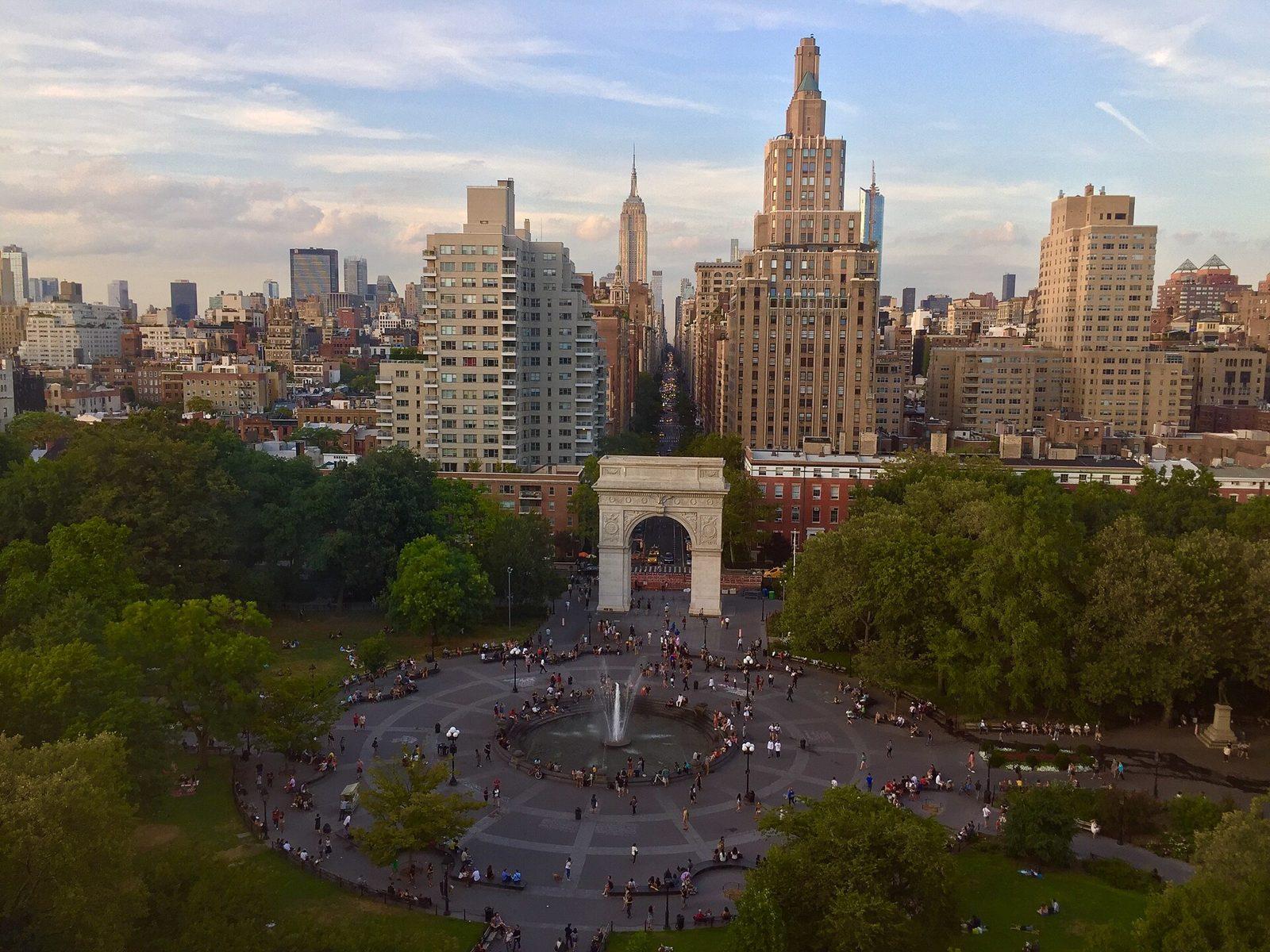
Greenwich Village is one of Manhattan's most sought-after neighborhoods, with winding streets, landmarked row houses, pre-war co-ops near Washington Square Park, and a small number of newer condominiums. Inventory is limited because most buildings are low-rise and many are protected by historic districts. The median sale price is about $1.79 million, with condos asking far more than co-ops. Buyers here choose the block and the building as carefully as the apartment.
Greenwich Village
What should you know before buying in Greenwich Village?
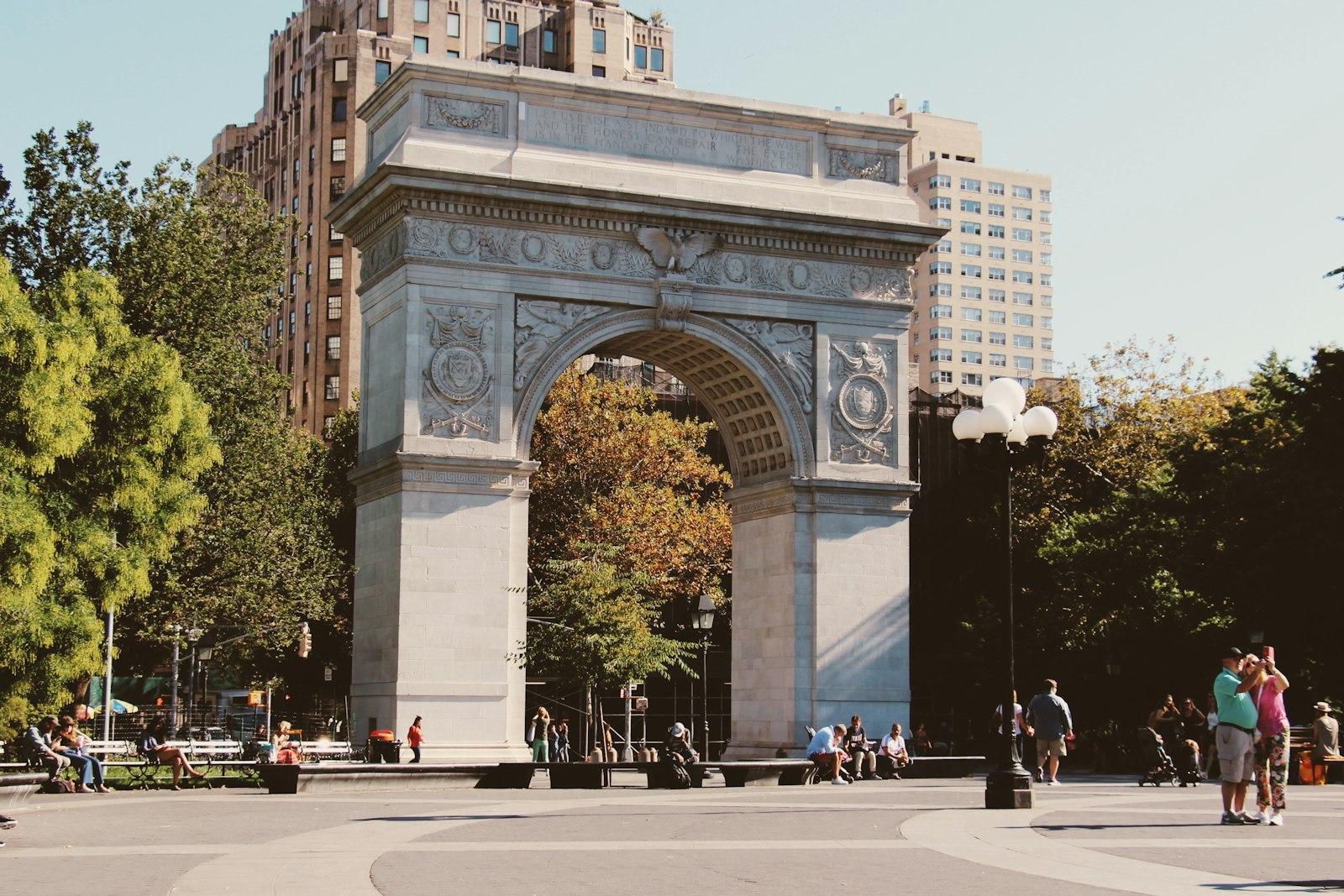
Greenwich Village feels like a small town inside Manhattan: streets that ignore the grid, trees over the sidewalks, and Washington Square Park at its center. Michael J. Carroll works from the Brown Harris Stevens West Side office and represents buyers across Manhattan, including the Village. As president of his own condominium board, he looks past the charm to the building: its finances, its board, and the cost of keeping an old structure sound.
This guide covers what it is like to buy in Greenwich Village, the pockets that make up the neighborhood, the buildings buyers compare, what homes cost, how a purchase works, who the Village suits, and how co-op boards here make decisions. Each property type has its own guide, starting with Greenwich Village co-ops.
At a glance
Greenwich Village in five facts
Greenwich Village runs roughly from 14th Street to Houston Street, between the West Village and the East Village.
Housing ranges from Federal and Greek Revival row houses to pre-war co-ops, post-war white-brick buildings, and new condos.
The median sale price is about $1.79 million; condos ask about $3 million and co-ops about $1.2 million.
Much of the neighborhood sits in historic districts, so exterior changes need Landmarks approval.
Most apartments are co-ops, so board approval is part of most purchases.
Greenwich Village
What is it like to buy in Greenwich Village?
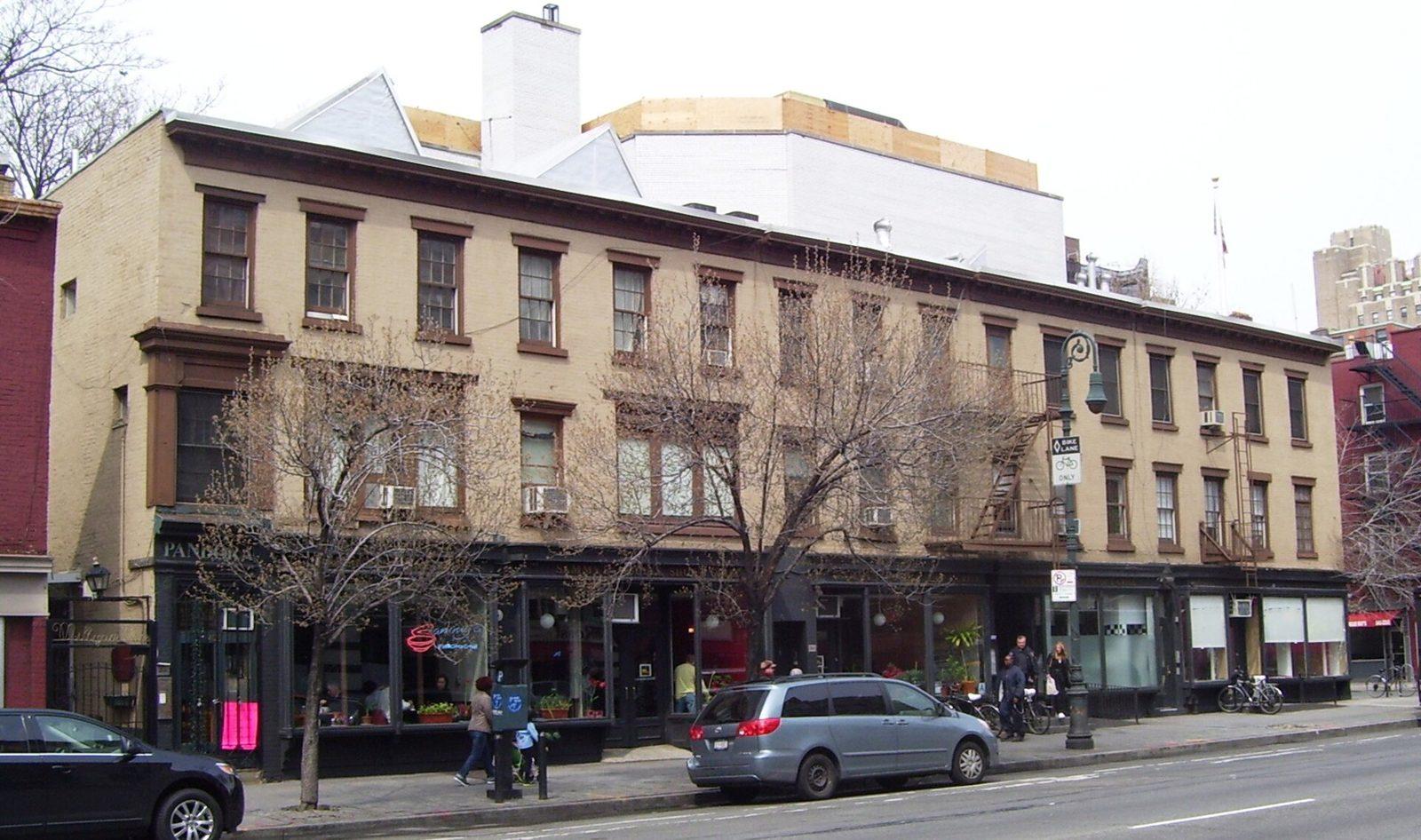
Buying in Greenwich Village means choosing from a small, varied stock of buildings on streets that are largely protected from change. Brick Underground describes the neighborhood as bounded by 14th Street and Houston Street, from just west of Third Avenue to just east of Seventh Avenue, with architecture from Federal to Greek Revival.
Because many buildings are small and converted, inventory is rarely plentiful. That scarcity shapes how quickly good apartments sell and how much room you have to negotiate.
What you will find
What that means when you shop
The kinds of homes you will find:
Pre-war co-ops
Elevator buildings near Washington Square and on lower Fifth Avenue, prized for their proportions and park access.
Post-war white-brick co-ops
Larger doorman buildings from the 1950s and 1960s, often with more apartments and lower prices per square foot.
Townhouses
Federal, Greek Revival, and Italianate row houses on the side streets, among the most coveted houses in the city.
Loft conversions
Former light-industry buildings turned into apartments, sometimes with one home per floor.
New condominiums
A recent wave of boutique condos, many on University Place and the blocks north of Washington Square.
Greenwich Village
Greenwich Village or the West Village?
Many people use Greenwich Village to mean everything from Broadway to the Hudson River. Brokers often split it into Greenwich Village proper, centered on Washington Square and NYU, and the West Village, west of Seventh Avenue, with quieter, more residential streets. The West Village usually commands higher prices per square foot, while the area near Washington Square offers more co-op inventory and larger layouts. Both share the same historic character, so decide which streets fit your daily life.
The pockets
Which part of Greenwich Village should you look in?
Greenwich Village is small, but its pockets feel different from one block to the next. Five areas cover most of what buyers see.
The heart of the Village, with pre-war and post-war doorman co-ops facing or near the park, and some of the neighborhood's most recognized addresses.
West of Seventh Avenue, with row houses, small apartment buildings, and quiet streets toward the Hudson River.
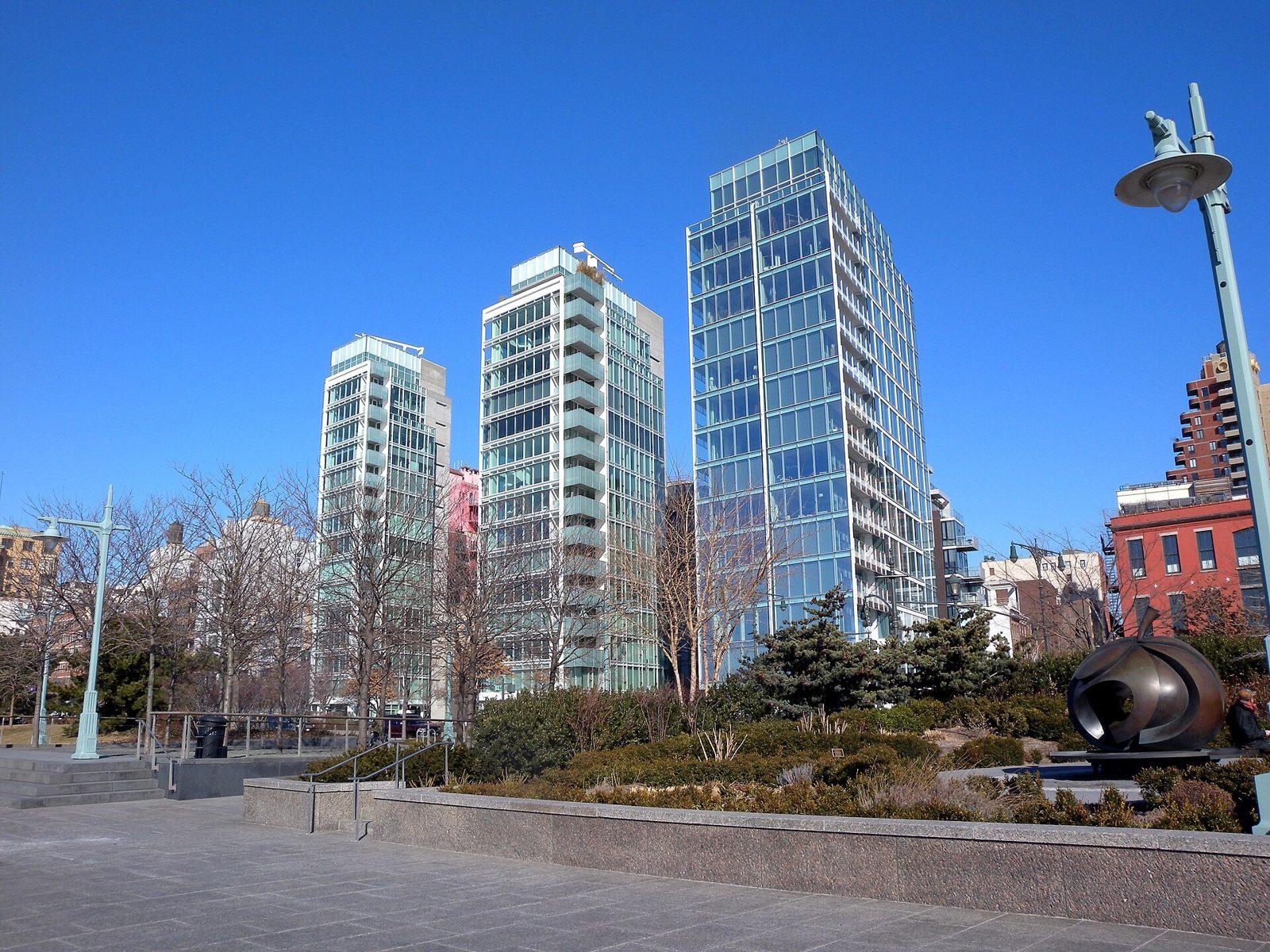
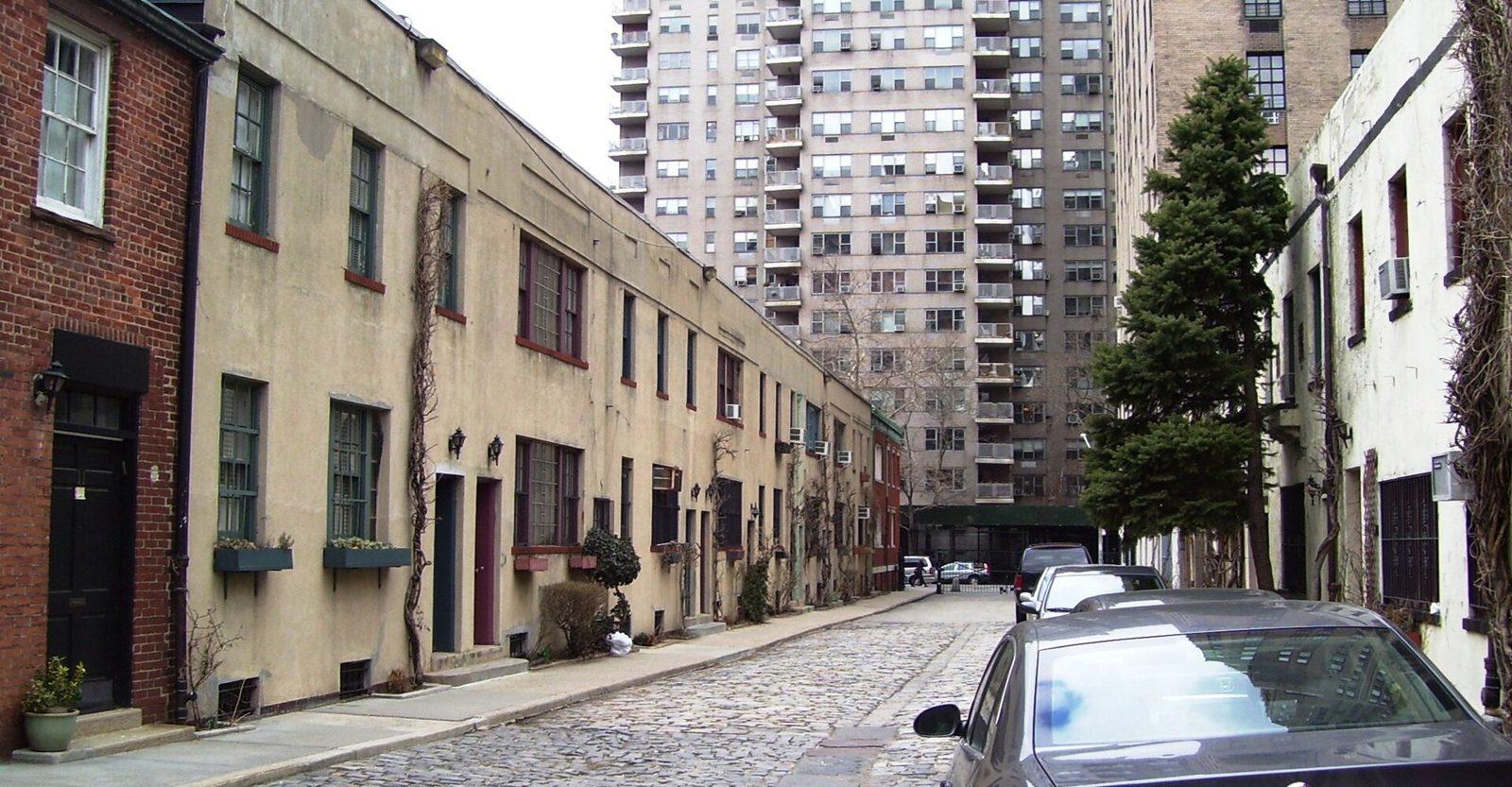
Between Fifth Avenue and Broadway, where pre-war co-ops sit beside a cluster of new boutique condominiums and lanes such as Washington Mews.
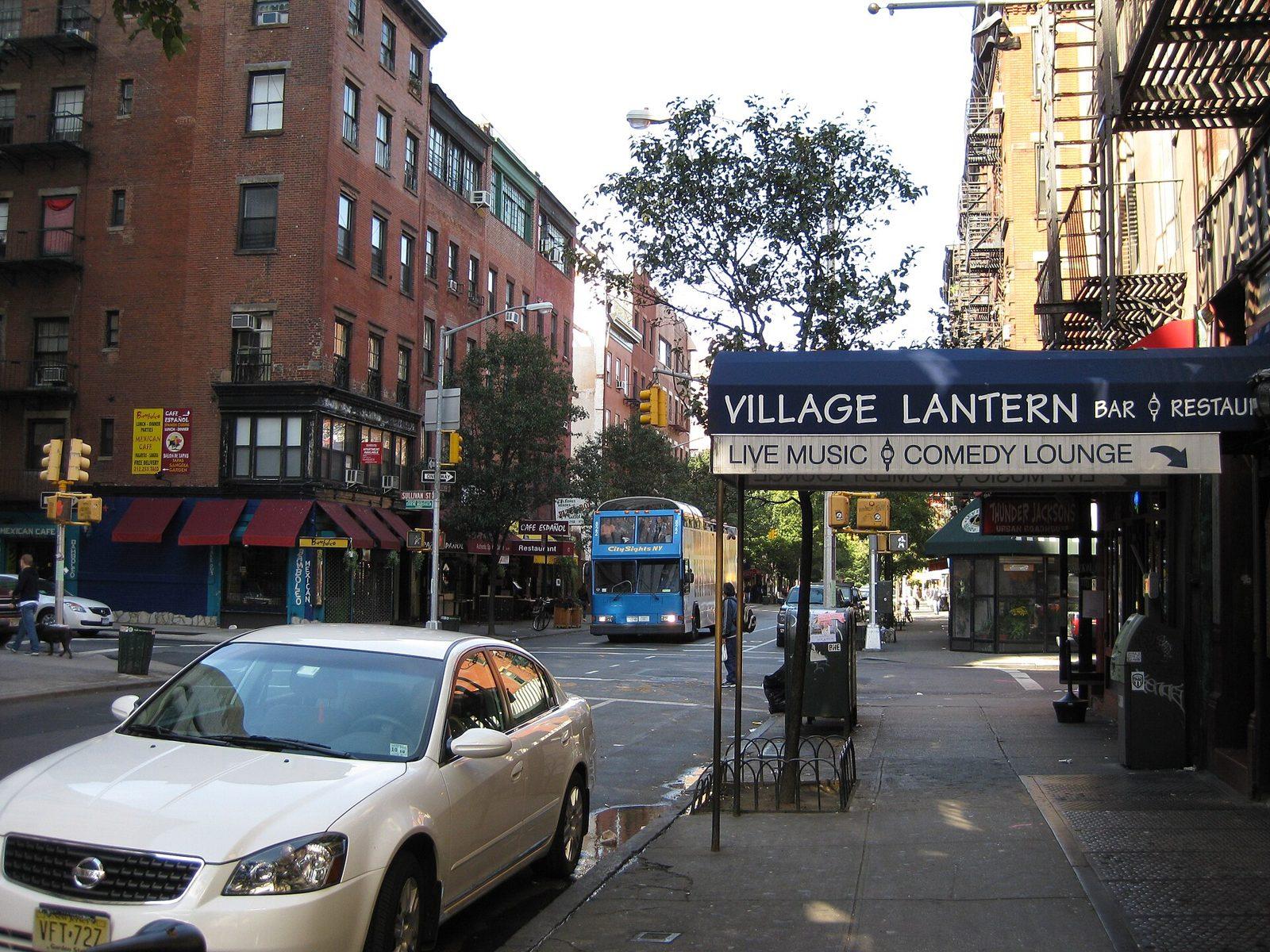
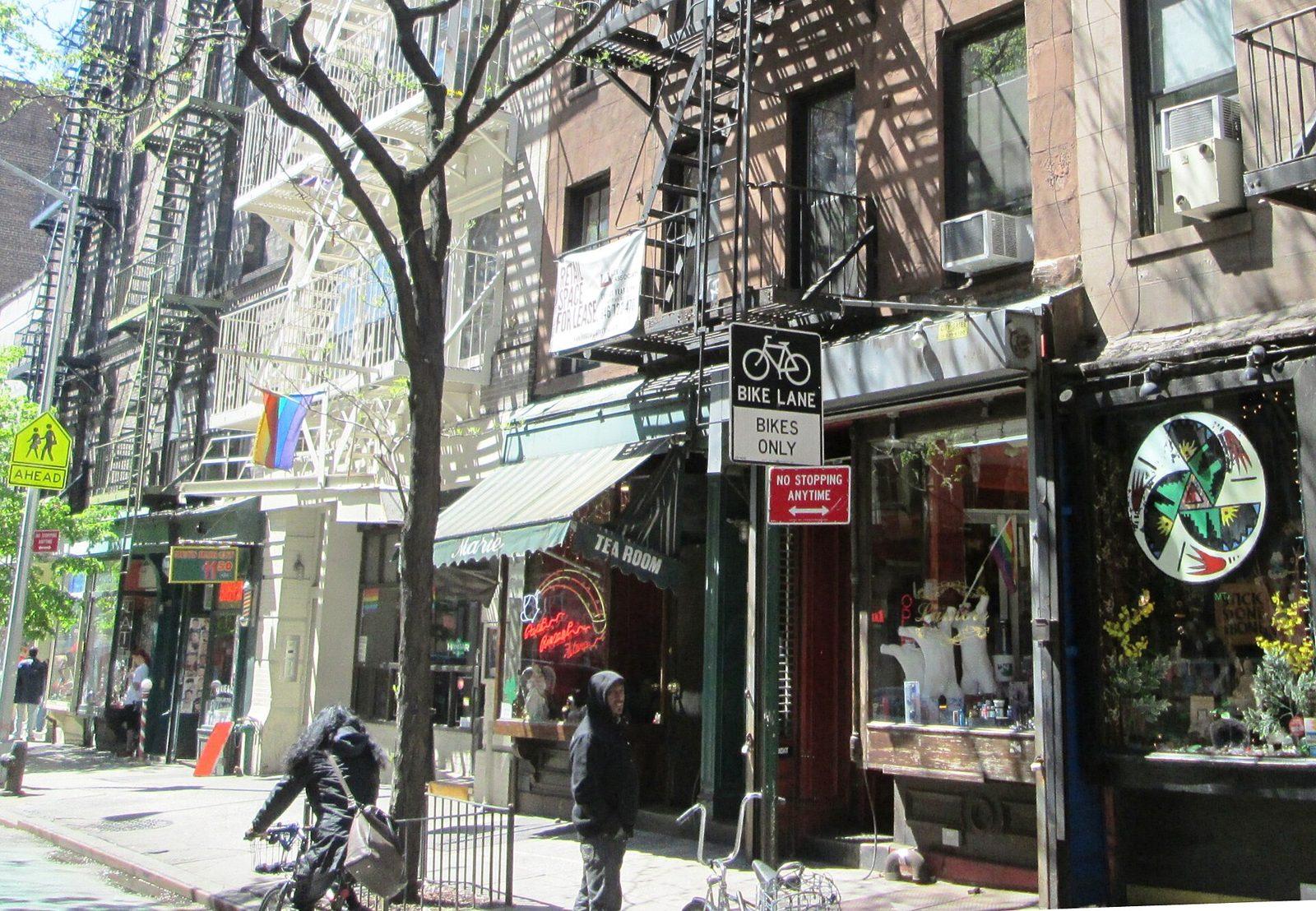
South of Washington Square toward Houston Street, with tenement walk-ups, shops, and a busier street life.
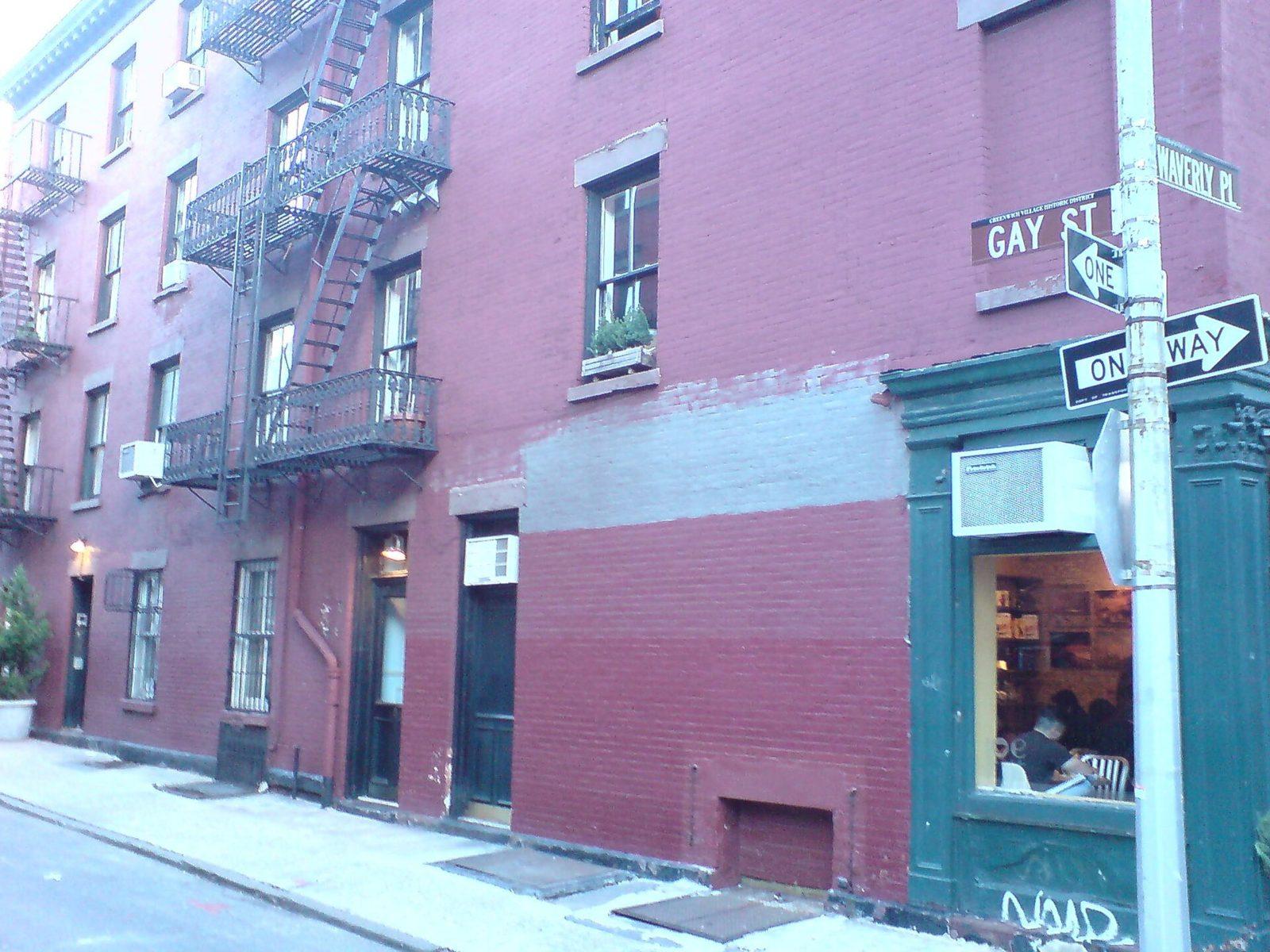
Blocks such as Gay Street and the streets west of Sixth Avenue, inside the Greenwich Village Historic District, where townhouses and small buildings dominate.
Greenwich Village
What does each pocket feel like day to day?
Around Washington Square, the park sets the rhythm: students and faculty from NYU, musicians, chess players, and dog walkers from morning until late. The West Village is quieter and more residential, with small restaurants on corners such as West 4th and West 12th Streets and the Hudson River Park a short walk away. University Place and the blocks to the north are convenient to Union Square and feel more like a classic Manhattan avenue. The South Village, around Bleecker and Sullivan Streets, is busier, with shops, cafes, and music venues, and it suits buyers who like activity outside their door. Visiting a block at night and on a weekend tells you more than any listing description.
How do historic districts affect buyers?
Much of Greenwich Village sits inside landmarked historic districts, including the large Greenwich Village Historic District designated in 1969. Inside a district, exterior changes, such as windows, facades, and rooftop additions, need approval from the Landmarks Preservation Commission. That protects the streetscape you are buying into, but it adds time and cost to renovations, especially for townhouse owners.
Greenwich Village
The benchmarks
Which Greenwich Village buildings do buyers compare?
A handful of buildings help buyers understand the range of the Village market, from large co-ops to boutique condos. These are reference points, not a complete list.
One Fifth Avenue
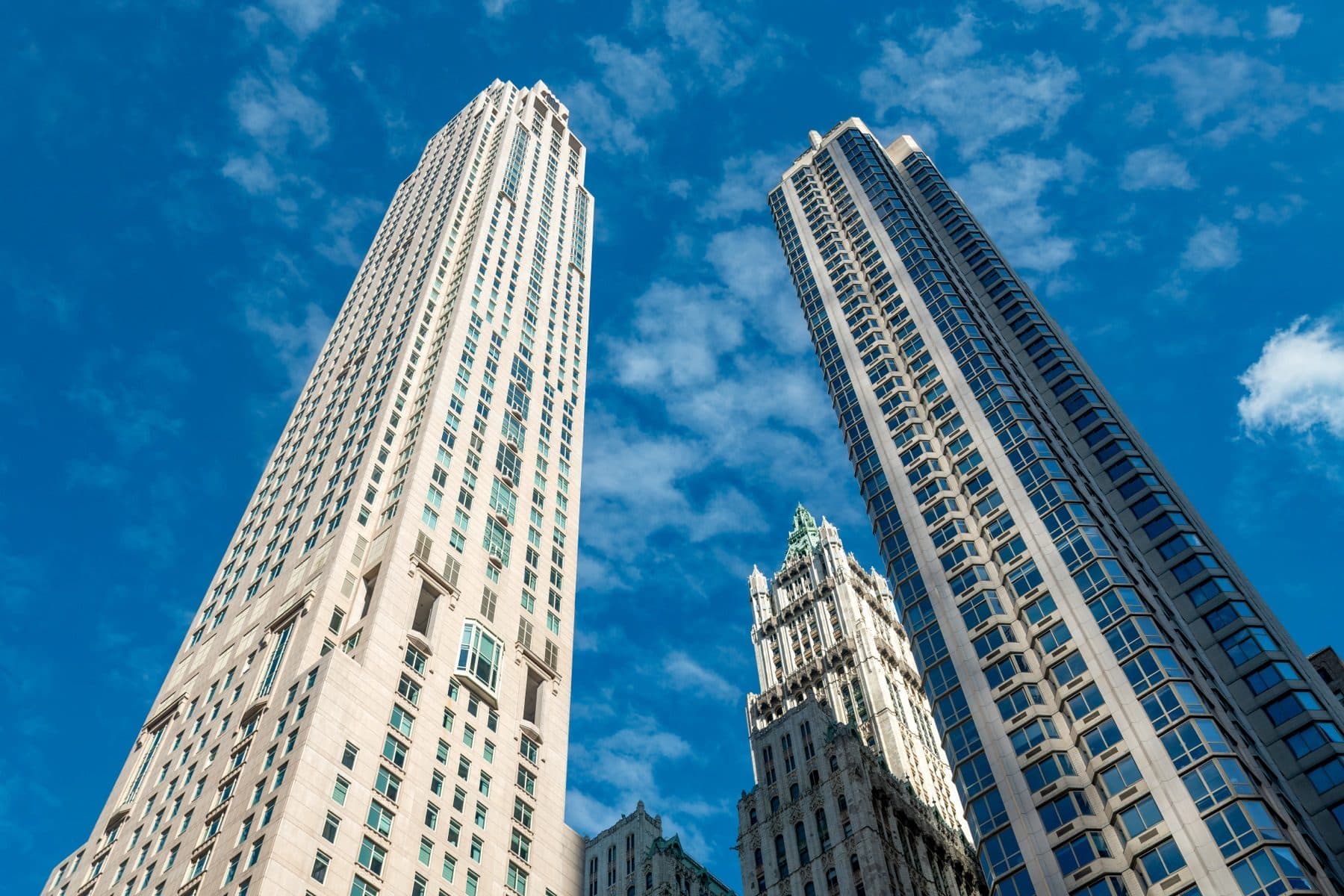
An Art Deco tower at Fifth Avenue and Eighth Street from the late 1920s, home to a well-known co-op near the park.
2 Fifth Avenue
A large post-war co-op facing Washington Square Park, completed in 1952.
70 East 10th Street
A 21-story post-war co-op from 1960 with 368 units, one of the larger buildings in the neighborhood, per Milton Coste.
184 Thompson Street
A 1977 condominium with 145 units in the South Village, among the older condos in the area.
21 East 12th Street
A 22-story, 52-unit condominium near University Place, completed in 2018.
The Cast Iron Building, 67 East 11th Street
A converted co-op with 144 units and a full-time doorman, where studios have traded under $1 million.
These buildings show the main trade-offs: park views and pedigree on lower Fifth Avenue, scale and value in post-war co-ops, and new finishes in the condos near University Place.
What new condos have opened near University Place?
The blocks between Washington Square and 14th Street have seen a run of small new condominiums. Brick Underground lists several: 21 East 12th Street, completed in 2018 with 22 stories and 52 units; 12 East 13th Street, an eight-unit building of loft-style homes; 17 East 12th Street, with nine homes of about 4,500 square feet each; 116 University Place, with five homes of over 3,000 square feet and private elevator access; 64 University Place, an 11-story, 28-unit building by Kohn Pedersen Fox; and 14 Fifth Avenue, a 19-story, 20-unit building by Robert A.M. Stern Architects just north of Washington Square. Most have very few apartments, so resales are rare. See Greenwich Village new developments for more.
Greenwich Village
Greenwich Village
Pre-war or post-war white brick?
Pre-war buildings near Washington Square offer high ceilings, solid walls, and classic layouts, but often come with older systems and stricter boards. The post-war white-brick co-ops from the 1950s and 1960s, such as 2 Fifth Avenue and 70 East 10th Street, offer larger windows, more light, elevators, and often lower prices per square foot, with more apartments to choose from. Many buyers start with a pre-war wish list and find better value in a well-run post-war building on a good block.
What does it cost to buy in Greenwich Village?
Greenwich Village prices sit well above the Manhattan median. Its current market data from Milton Coste puts the median sale price at $1.79 million, up 27.9 percent from a year earlier, at about $2,006 per square foot, with median asking prices of about $3 million for condos and $1.2 million for co-ops.
Prices vary sharply by type. Brick Underground reports that single-family townhouses generally command $7 million to $25 million, condos average about $2,000 per square foot, and co-ops range from about $1,200 to $1,800 per square foot. Below $1 million, buyers are mostly looking at studio and one-bedroom co-ops.
Greenwich Village
- $1.79MMedian sale price in Greenwich Village
- $3.0MMedian asking price for a Greenwich Village condo
- $1.2MMedian asking price for a Greenwich Village co-op
- 45 daysMedian time on market for sale listings
Source: Milton Coste Greenwich Village market data (2026).
Budget for
The costs on top of the price
The real numbers
What can you buy at each budget?
Budget shapes your choices more in the Village than in larger neighborhoods. Around $1 million, Brick Underground found that studio and one-bedroom co-ops are essentially the only option. Stretching to about $2.5 million opens up two- and three-bedroom co-ops or a smaller condo without outdoor space. Above that, buyers choose between larger co-ops near the park, new condos near University Place, and, at the top, townhouses on the side streets.
Monthly costs
Co-op maintenance or condo common charges plus property taxes, which vary widely by building.
The mansion tax
One percent on homes of $1 million or more, set by the New York State Department of Taxation and Finance.
Closing costs
Attorney, lender, title, and building fees; see our closing costs guide.
Renovation and landmark costs
Older apartments and townhouses often need work, and landmark approvals add time.
Assessments
Older buildings may charge for facade, roof, or system projects.
Budget beyond the price for:
How fast are Greenwich Village homes selling?
Listings in Greenwich Village take a median of 45 days to go into contract, and about 30.6 percent of active listings carry a price cut, according to Milton Coste. That points to a broadly balanced market: well-priced apartments in good buildings still move quickly, while overpriced ones wait. Michael uses recent sales in the same building and nearby buildings to set an offer that fits the market rather than the asking price.
Greenwich Village
Offer to keys
How does buying in Greenwich Village work?
The steps depend on whether you buy a co-op, a condo, or a townhouse, but most Village purchases follow the same order. Co-ops usually take two to four months; condos and townhouses often close faster.
Decide on type and budget
Co-op, condo, or townhouse, and what each building will expect from you.
Tour with your agent
Compare buildings on the same day so you can weigh light, noise, and layout.
Make an offer
Michael prices it against recent sales in the building and comparable buildings nearby.
Hire a real estate attorney
Your attorney reviews the contract and the building's financial statements and minutes.
Sign the contract and pay the deposit
Typically 10 percent, held in escrow.
Arrange financing
Your lender reviews you and, for apartments, the building.
Complete the building's approval
A board package and interview for co-ops; a simpler application for condos.
Close
Sign the final documents and get the keys.
For city-wide guidance, read our guide to buying in New York City.
Greenwich Village
Co-op, condo, or townhouse?
Co-ops offer the most choice and the lowest prices but come with board approval and rules on subletting and renovations. Condos cost more but allow more freedom to rent, finance, and own through an entity. Townhouses offer privacy and space but make you responsible for the whole building, often under landmark rules. Our guides to Greenwich Village condos and Greenwich Village townhouses cover each in depth.
Who it suits
Who is Greenwich Village right for?
The Village suits buyers who want a lively, walkable neighborhood with history, culture, and character, and who accept smaller buildings and limited inventory. Five kinds of buyers choose it most often.
Buyers who love walkable streets
Shops, restaurants, and parks are steps away, with eight subway lines at Union Square nearby.
Academics and creatives
NYU, The New School, and Parsons bring a steady population of faculty, artists, and professionals.
Families near Washington Square
Larger co-ops near the park suit families who want green space in the middle of downtown.
Townhouse buyers
Historic row houses on the side streets are among the most desirable houses in Manhattan.
Pied-à-terre buyers
Condos near University Place offer flexible ownership for buyers who split their time.
If you need more space for the money or a larger choice of buildings, the Upper West Side offers more inventory; see Upper West Side apartments.
Greenwich Village
What is daily life like in the Village?
Daily life revolves around Washington Square Park, the cafes and shops of Bleecker Street and University Place, and the farmers market at Union Square. Brick Underground notes that Union Square station serves eight subway lines, which makes the Village one of the best-connected neighborhoods in Manhattan. The Hudson River waterfront is a short walk west, and the streets stay lively late into the evening near NYU.
From inside the board
How do Greenwich Village co-op boards decide?
Most Village apartments are co-ops, so the board is often the biggest step between your offer and your keys. As a sitting board president, Michael prepares his buyers for what boards review and checks these five things in every building:
Financial requirements
Down payment, debt-to-income limits, and savings after closing vary widely between buildings near Washington Square.
The building's finances
Reserves, operating results, and any underlying mortgage show whether maintenance is likely to rise.
Capital projects
Older buildings face facade inspections under Local Law 11 and roof and system work that can bring assessments.
House rules
Sublet limits, pied-à-terre policy, pets, and renovation windows should fit your plans.
The minutes
Board minutes reveal leaks, disputes, and planned projects before they reach your bill.
A complete, well-organized board package matters, because most rejections happen on paper, before the interview.
Greenwich Village
What do boards near Washington Square look for?
Boards in the Village's larger co-ops tend to review three things closely: whether your income comfortably covers the mortgage and maintenance, how much you will have left in savings after closing, and whether you plan to live in the apartment yourself. Smaller buildings may also care about how you will fit into a community of a few dozen owners. Michael asks each building's managing agent for its requirements before you bid, so you only pursue apartments where your application is strong.
A walk through Greenwich Village
Greenwich Village, in light.
The buildings, blocks, and rooms that define Greenwich Village — captured on Michael's walks home.
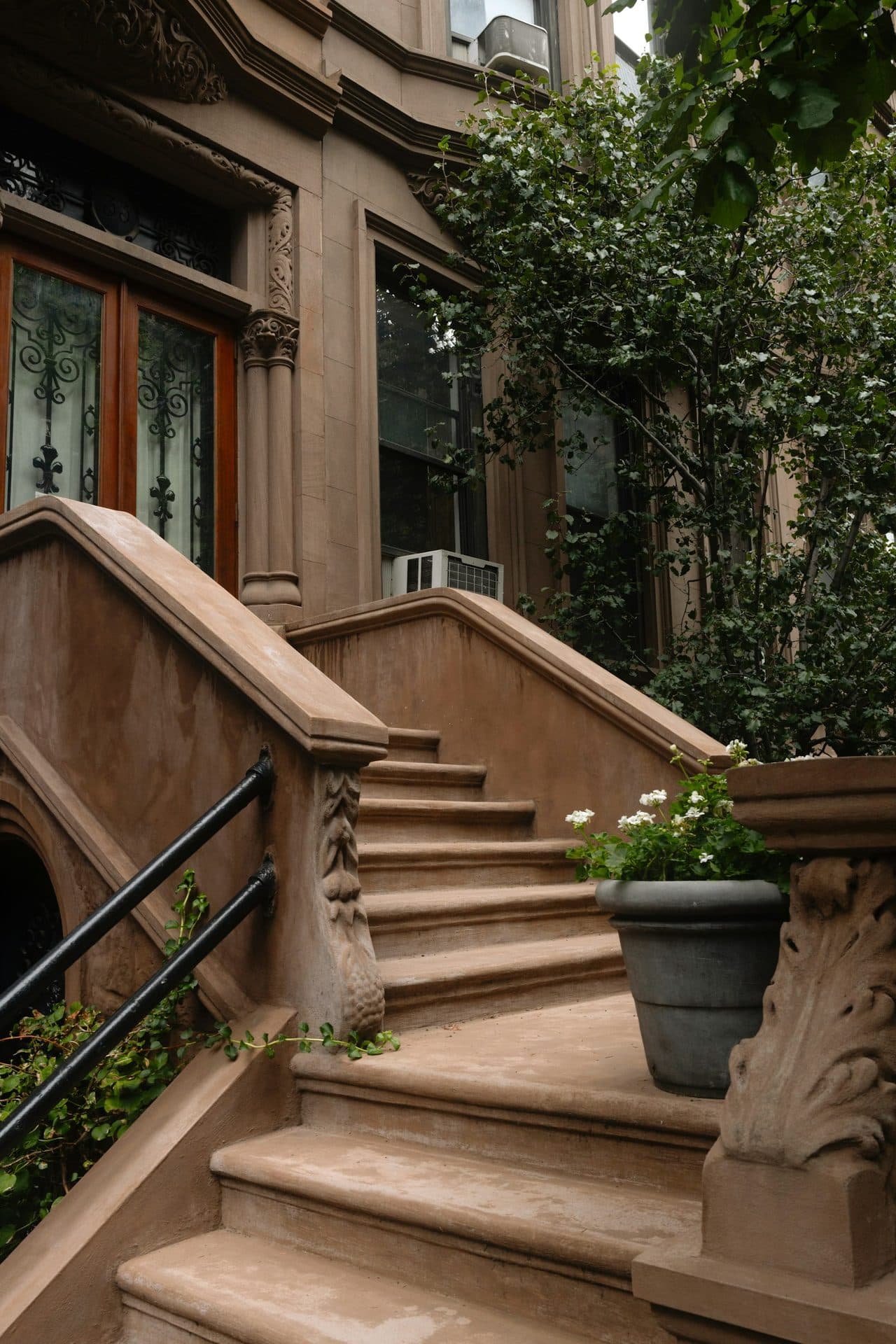
A brownstone stoop with potted plants and street trees
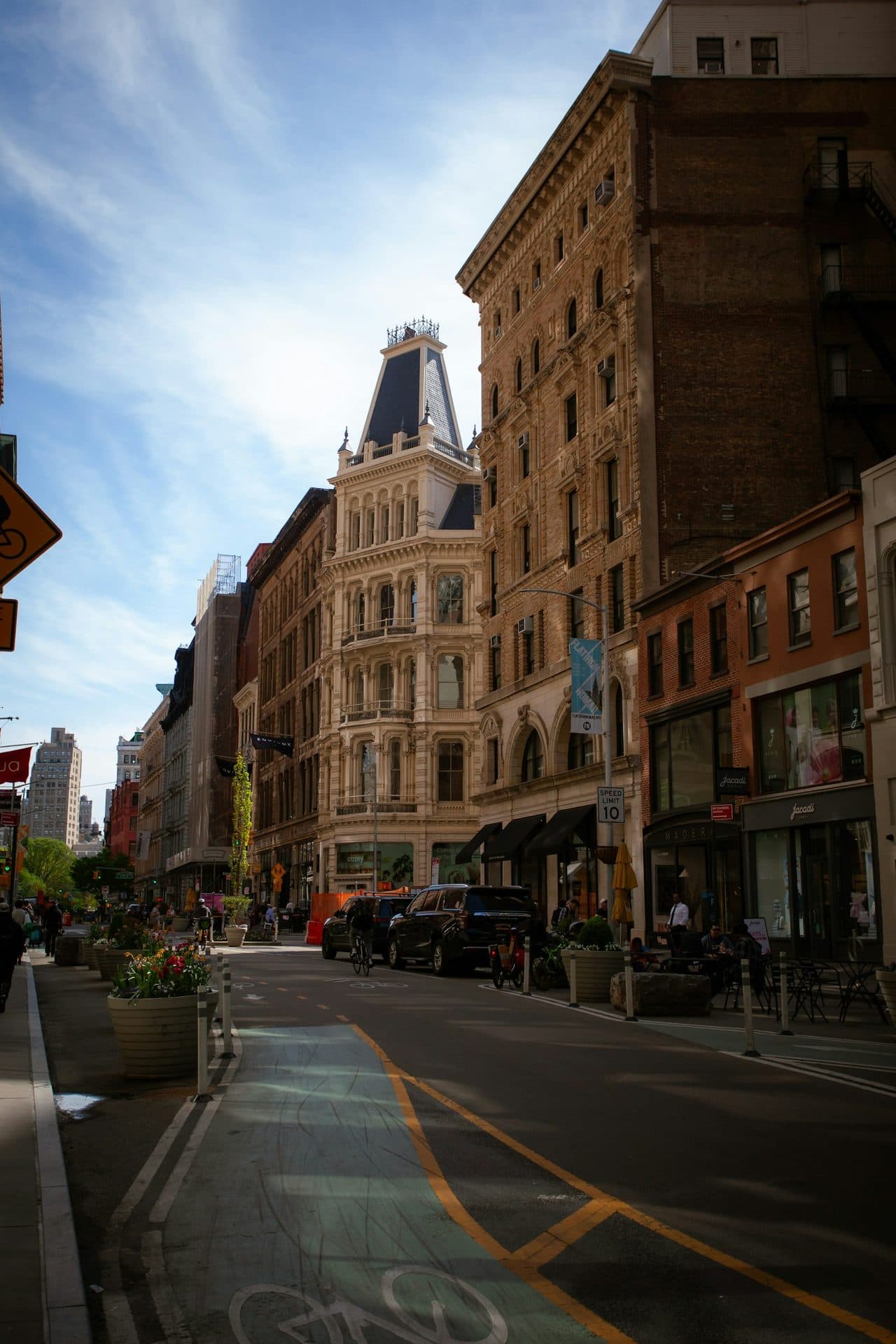
A city street lined with historic apartment buildings
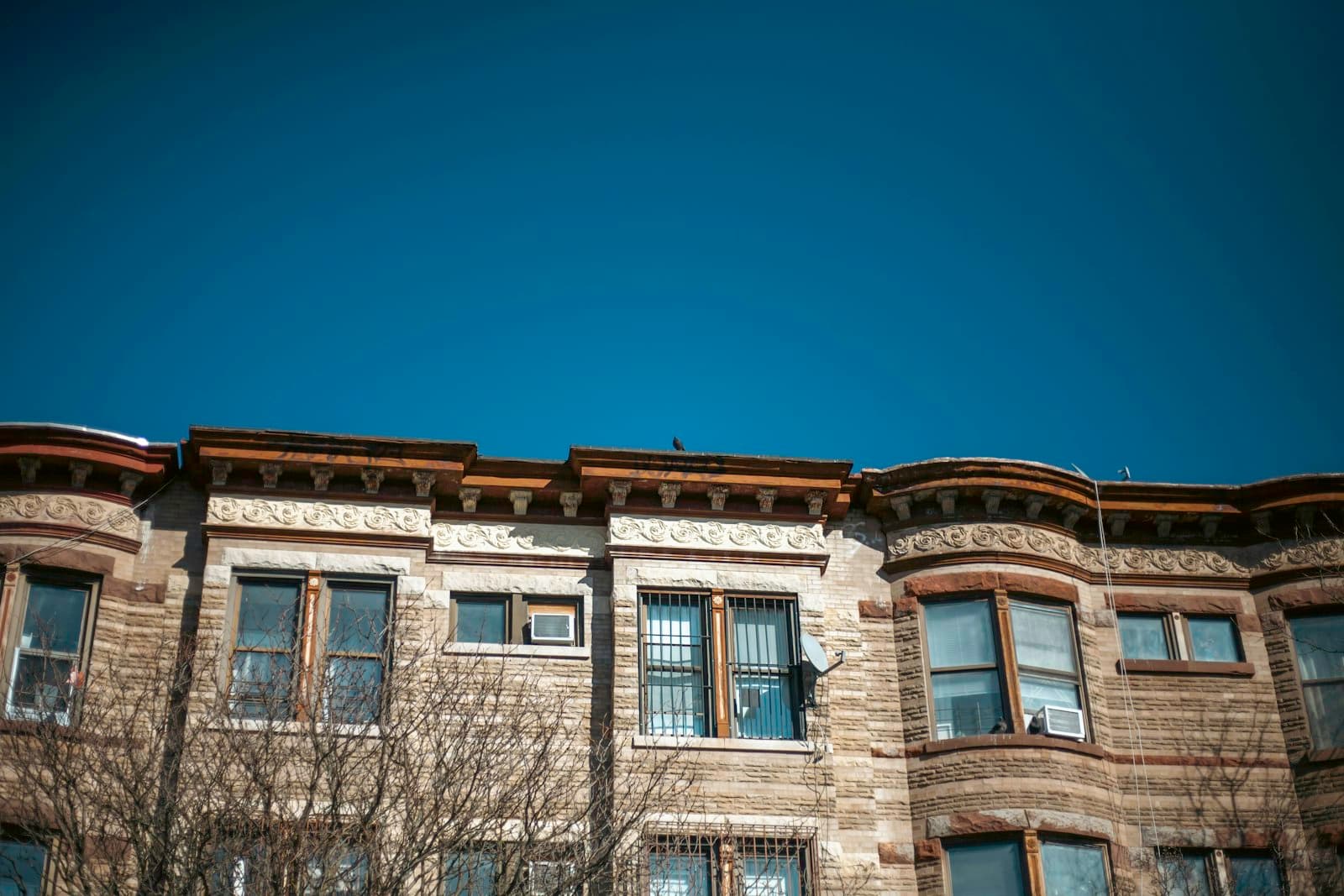
A pre-war apartment building with rows of windows behind a street tree
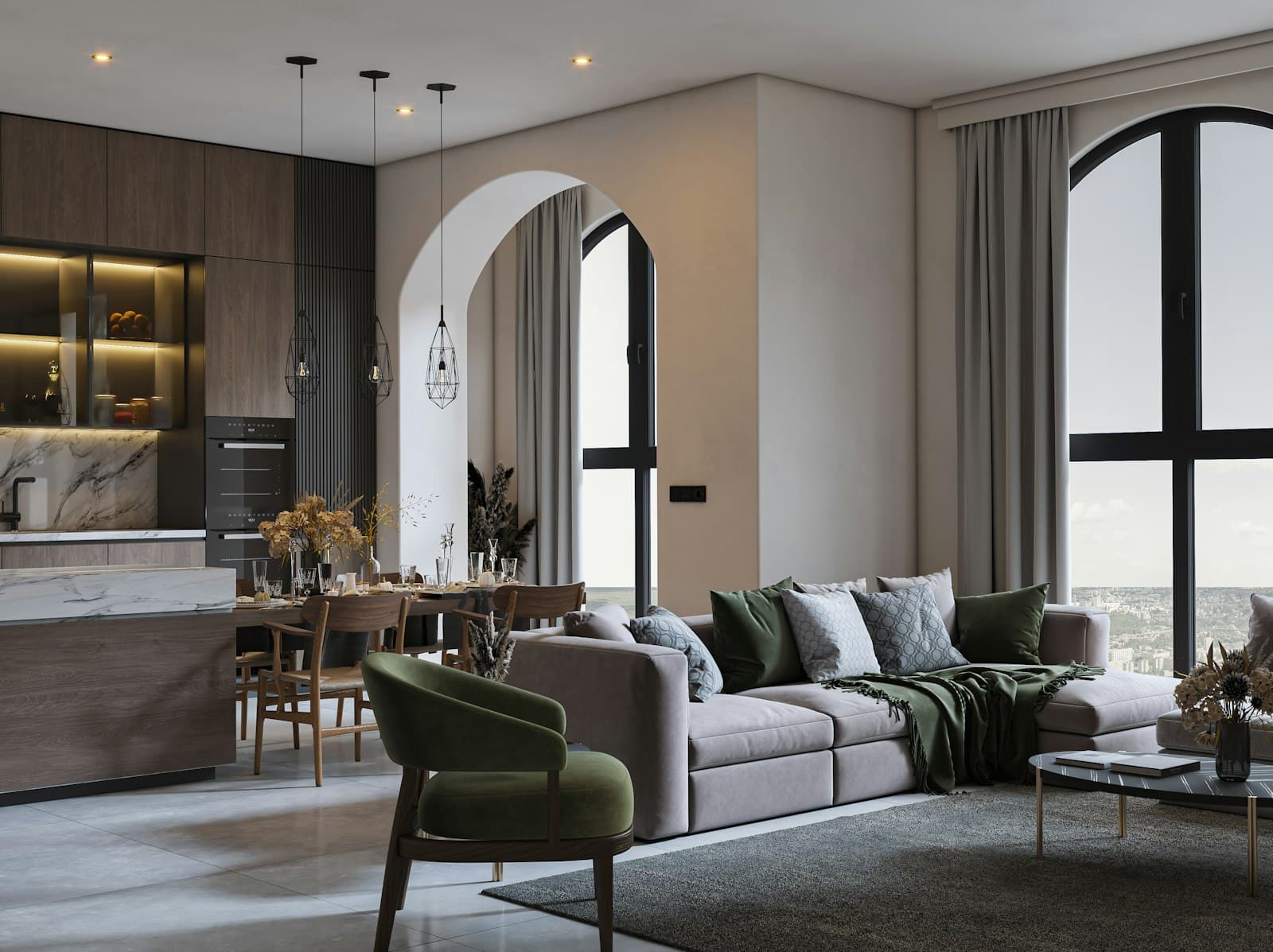
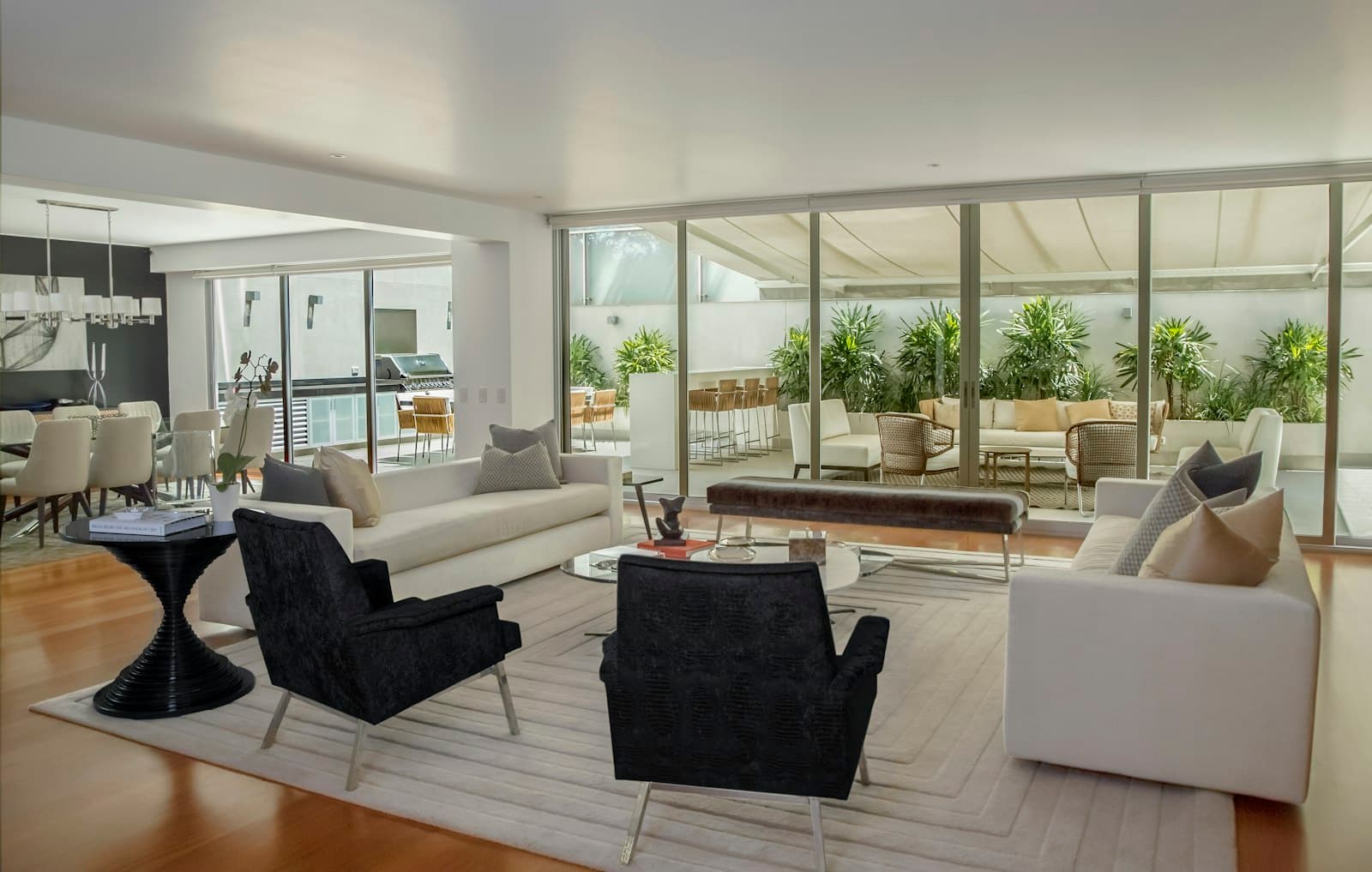
A living room with a large window and abundant natural light
A pair of armchairs in a quiet sitting room
“In the Village, the block and the building matter as much as the apartment. I read the building's books before you fall for the street.”
— Michael J. Carroll
Answers
Greenwich Village, answered
- Yes. Co-ops make up most of the apartment stock, though new condos have been added near University Place and Washington Square.
- Roughly 14th Street to Houston Street, between the East Village and the West Village, though many people include the West Village too.
- Much of it is. The Greenwich Village Historic District and others protect the streetscape, so exterior changes need city approval.
- Yes, but inventory is limited and prices are high, often from $7 million to $25 million for single-family houses.
- Policies vary. Some buildings near Washington Square allow it, while many do not. Ask before you bid, because a board will not change its rule for one buyer.
- Yes, for many. Washington Square Park and nearby playgrounds, good transit, and larger co-ops near the park suit families, though space costs more than uptown.
- A co-op usually takes two to four months from accepted offer to closing. Condos and townhouses often close faster.
- Choice is limited. At that price, buyers usually find studio and one-bedroom co-ops rather than larger homes.
A private consultation
Find your corner of Greenwich Village
Tell Michael what you need and your budget, and he will shortlist Village buildings that fit, review their finances and rules with you, and prepare you for the board. He works from the Brown Harris Stevens West Side office at 1934 Broadway and represents buyers across Manhattan.

What happens next
- 01
Michael reads your note personally
No team inbox. He sees the form himself.
- 02
You'll hear back, usually the same day
By phone or email — whichever you prefer.
- 03
A no-pressure first conversation
Whether you're ready this week or thinking it through.
10+
Years at BHS
Top 1%
Nationwide
$500K–$25M+
Transaction range
Tell Michael about your search
A few quick questions.
Your details stay between you and Michael. No spam. No list.