About $1.3 million by asking price, according to recent market data. Prices vary widely by building and location.
Greenwich Village · Co-ops
Greenwich Village Co-ops: A Buyer's Guide.
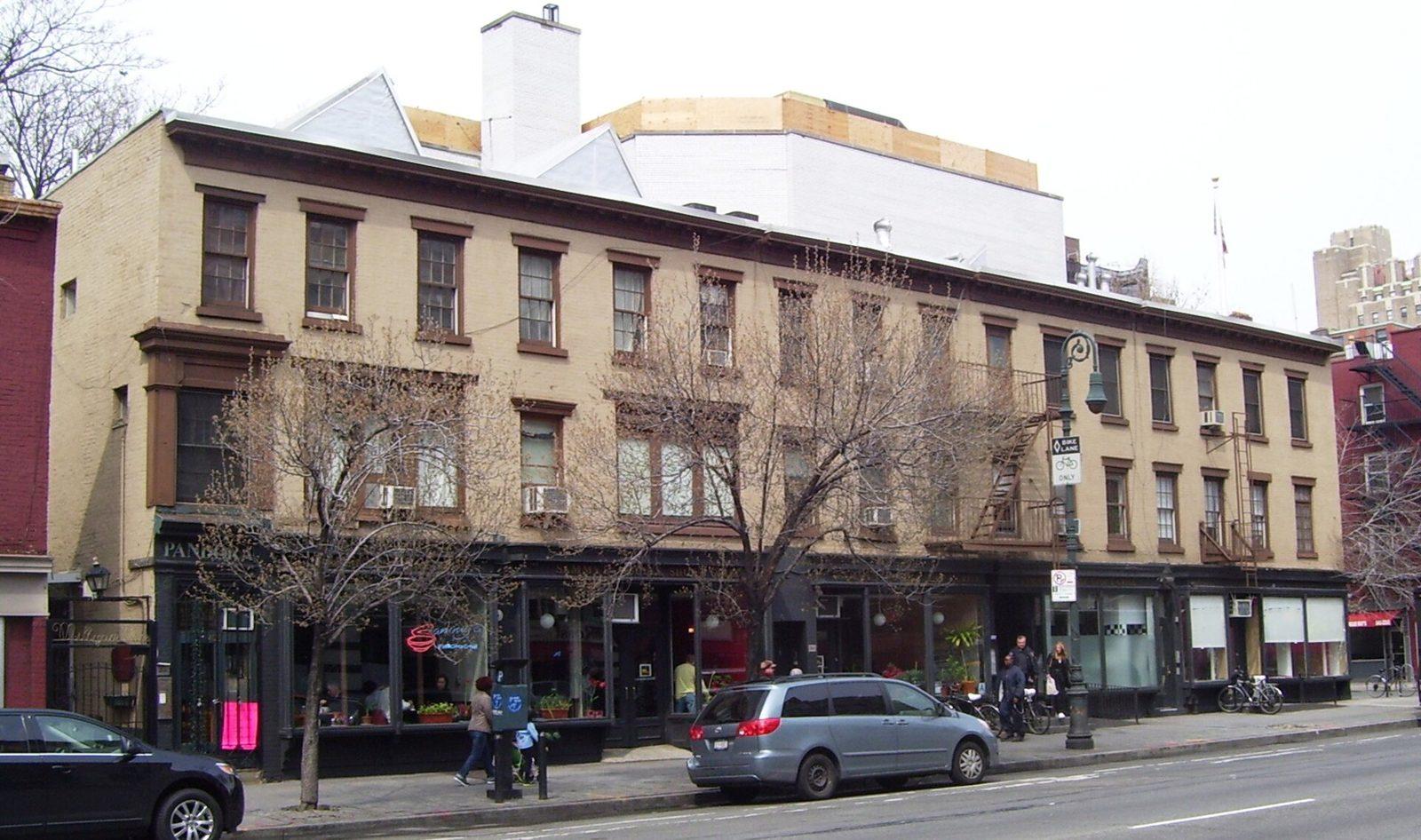
Co-ops are the most common way to own an apartment in Greenwich Village. They range from pre-war buildings on the West 9th to 12th Street blocks to large post-war doorman buildings on lower Fifth Avenue and University Place. The median co-op asks about $1.3 million, well below Village condos, but every purchase needs board approval. Strong buildings near Washington Square ask for solid savings, and many limit subletting and pied-à-terre use.
Greenwich Village Co-ops
What should you know before buying a co-op in Greenwich Village?
If you want to live near Washington Square Park without paying condo prices, a co-op is usually the answer. Michael J. Carroll works from the Brown Harris Stevens West Side office and represents buyers across Manhattan, including Greenwich Village. Because he serves as president of his own condominium board, he understands how boards read an application and which lines in a building's financial statements tell you whether maintenance is about to rise.
Here you will find how Village co-ops work, where the co-op buildings are, the names buyers compare, prices and monthly costs, the approval process, who a co-op suits, and the checks to make on a building before you apply. For the neighborhood as a whole, read Greenwich Village apartments.
At a glance
Greenwich Village co-ops in five facts
Most Greenwich Village apartments are co-ops, and they are the most affordable way into the neighborhood.
The median Village co-op asks about $1.3 million; co-ops typically trade at $1,200 to $1,800 per square foot.
Well-known co-ops include 2 Fifth Avenue, 24 Fifth Avenue, Butterfield House, and Georgetown Plaza.
Many buildings cap financing at 70 to 80 percent of the price and ask for reserves after closing.
The building's finances and rules decide your real costs as much as the asking price does.
Greenwich Village Co-ops
How do co-ops work in Greenwich Village?
When you buy a co-op, you buy shares in the corporation that owns the building, plus a proprietary lease for your apartment. Village co-ops run from small pre-war walk-ups to doorman buildings with hundreds of units, but the basics are the same.
A few Village buildings are condops, with co-op apartments under lighter, condo-like rules. 12 West 9th Street, a pre-war building near Washington Square, is one example. Our condo vs. co-op guide compares the two forms.
Shares, not a deed
What that means when you shop
What a Village co-op means for you:
Monthly maintenance
One payment covers your share of staff, upkeep, property taxes, and any building mortgage.
A board decides who buys
You submit a financial package and usually meet the board before closing.
Limited borrowing
Milton Coste notes that most co-ops cap financing at 70 to 80 percent of the price.
Rules on use
Subletting, pied-à-terre use, and buying through a company are often restricted.
Lower prices
Co-ops generally sell below comparable condos, often by 15 to 30 percent, per the same source.
Where co-ops are
Where are the co-ops in Greenwich Village?
Co-op buildings are spread across the Village, but five areas hold most of the inventory, each with its own feel and price range.
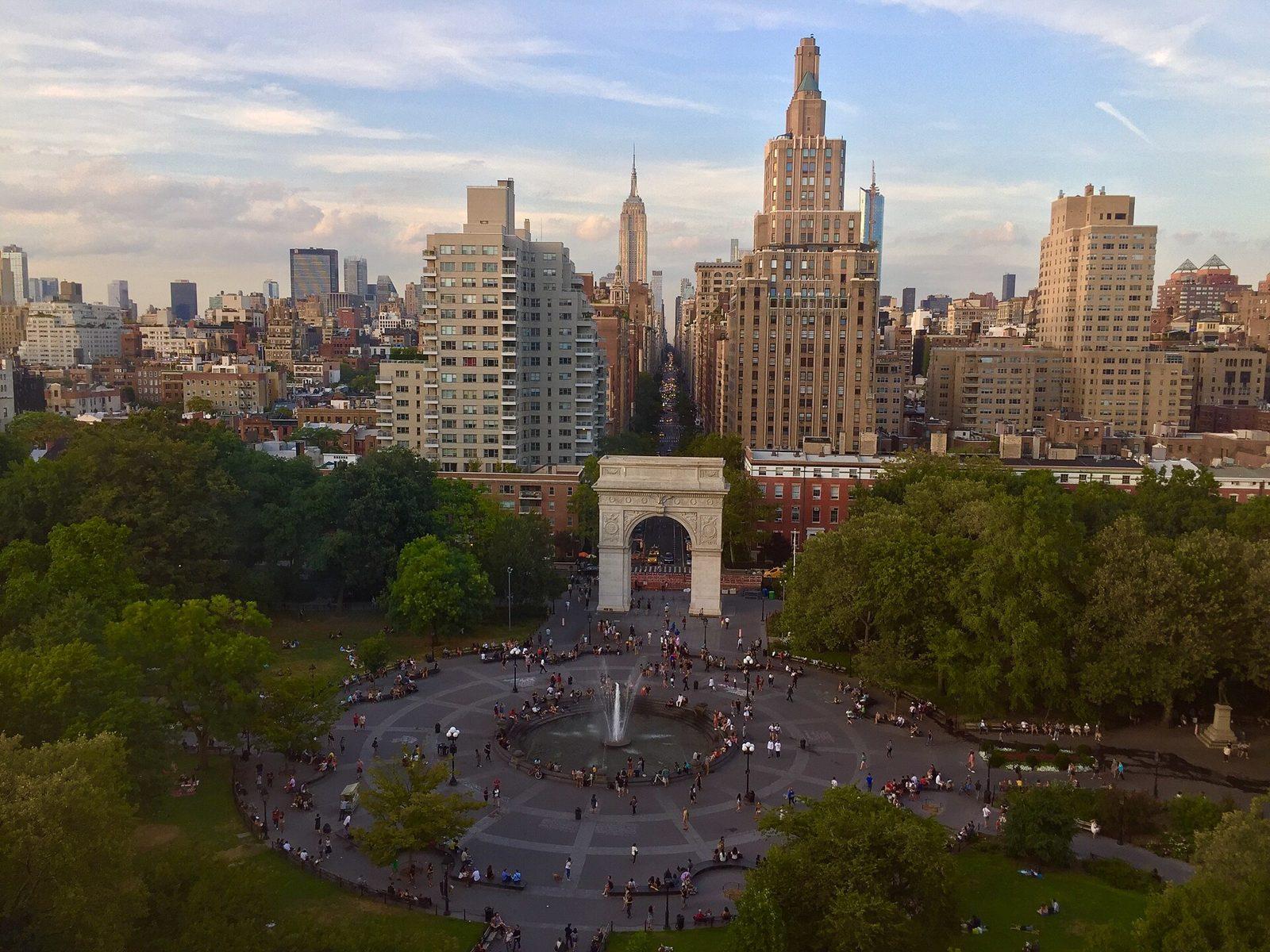
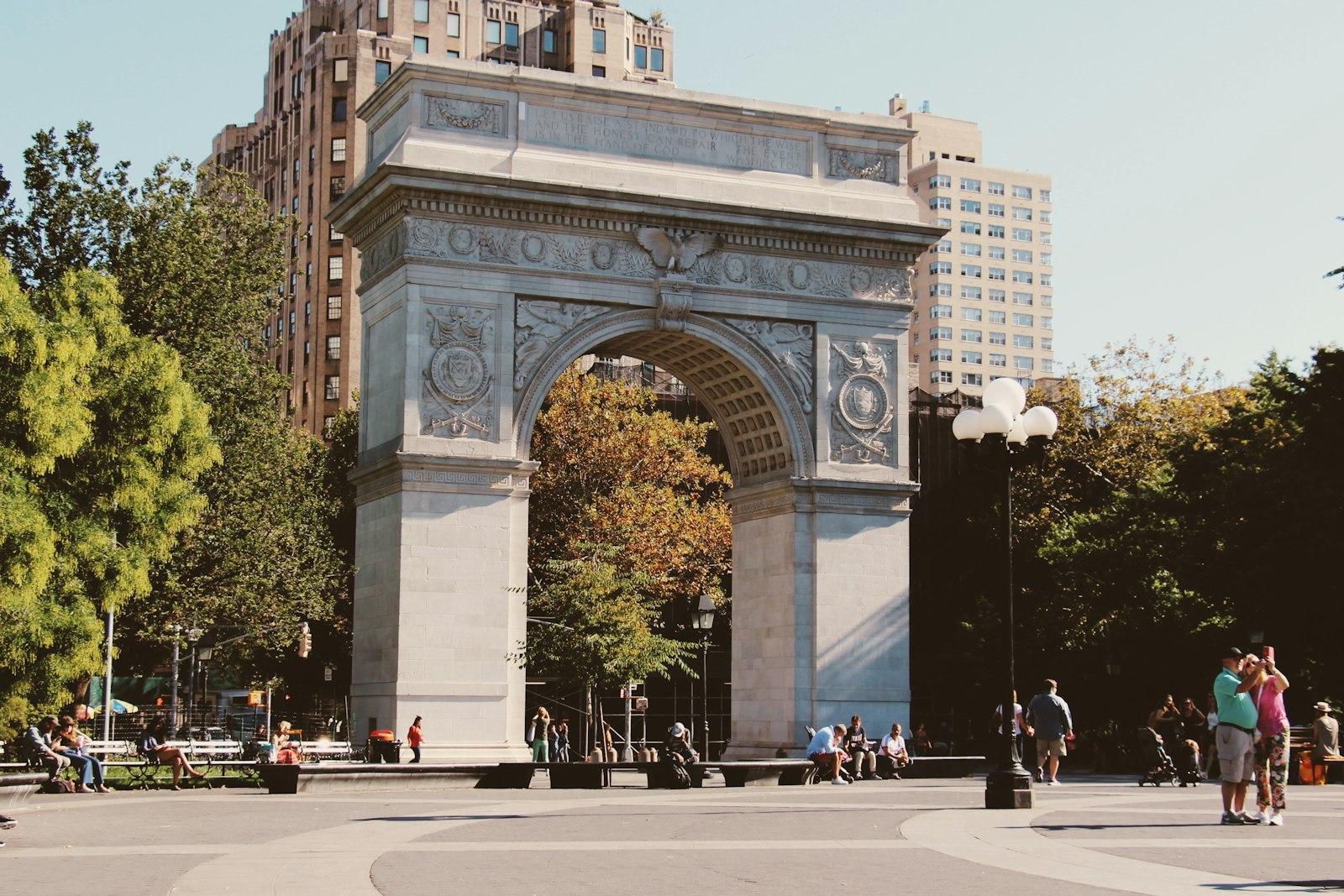
Large doorman co-ops facing or near the park, such as 2 Fifth Avenue and 24 Fifth Avenue, with some of the neighborhood's most sought-after layouts.
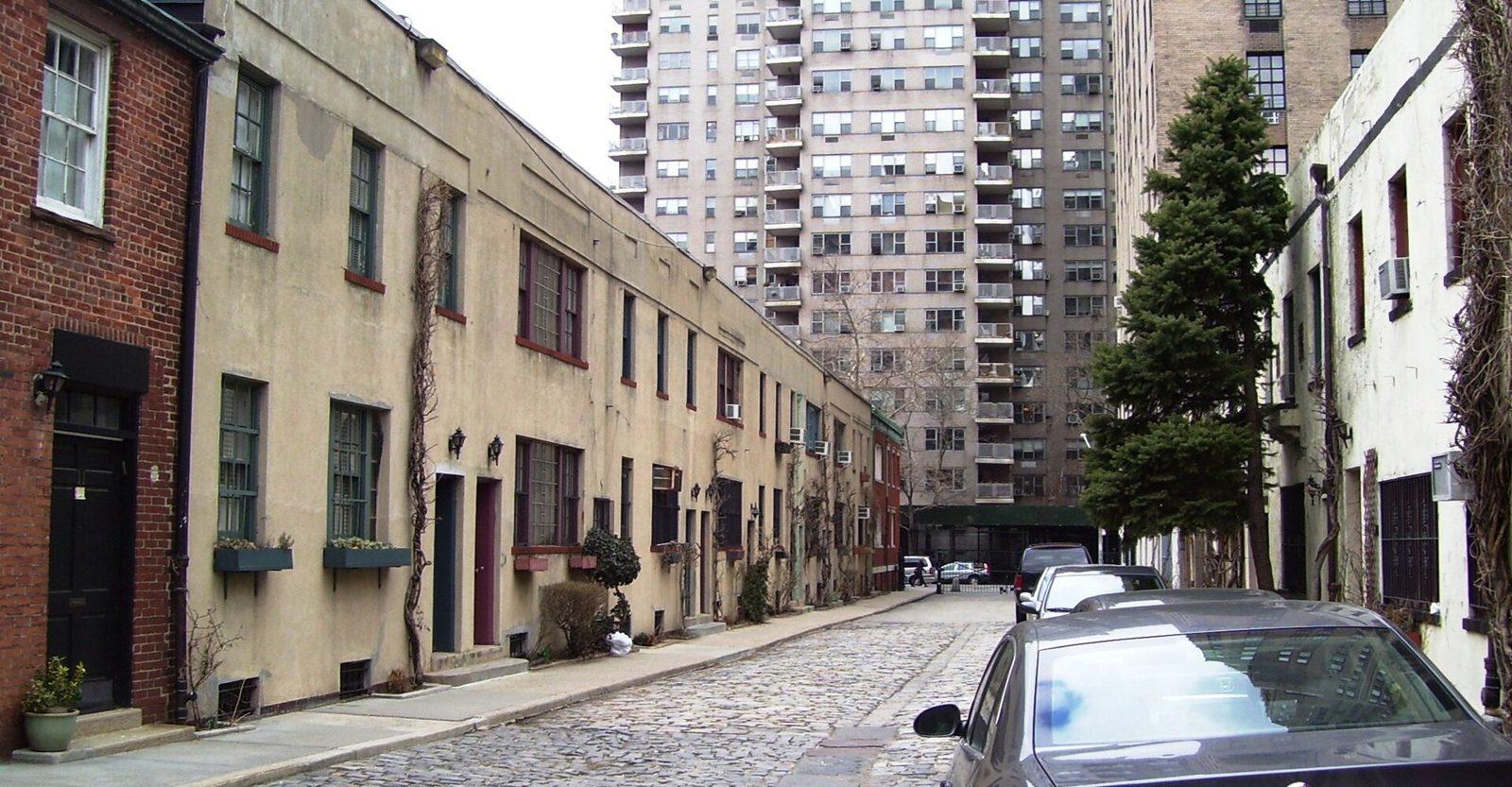
Between Fifth and Sixth Avenues, pre-war and mid-century co-ops line tree-shaded streets near Jefferson Market Garden.
East of Fifth Avenue, post-war doorman co-ops and converted buildings such as the Cast Iron Building on East 11th Street.
West of Seventh Avenue, smaller co-ops and walk-ups on quiet residential streets toward the Hudson River.
South of Washington Square, around Bleecker and MacDougal Streets, with walk-up co-ops and a few larger buildings close to NYU.
Names buyers know
Which Greenwich Village co-op buildings do buyers know?
Some co-ops come up again and again when buyers search the Village. CityRealty has tracked several of them among the neighborhood's most viewed buildings:
2 Fifth Avenue
A large post-war co-op on Washington Square, with park views from many apartments and full staff.
24 Fifth Avenue
A full-service co-op on lower Fifth Avenue, steps north of Washington Square Arch.
Butterfield House, 37 West 12th Street
A mid-century co-op known for its modern design and garden setting on a pre-war block.
Georgetown Plaza, 60 East 8th Street
A post-war doorman co-op near Astor Place and NYU.
69 West 9th Street
A full-service co-op across from Jefferson Market Garden, with a garage and a laundry room.
Mark Twain Apartments, 100 West 12th Street
A co-op on a leafy block west of Sixth Avenue, popular with buyers who want a quieter street.
These buildings show the range from park-facing towers to smaller pre-war buildings on side streets, and each has its own board rules and costs.
Greenwich Village Co-ops
Pre-war, mid-century, or post-war?
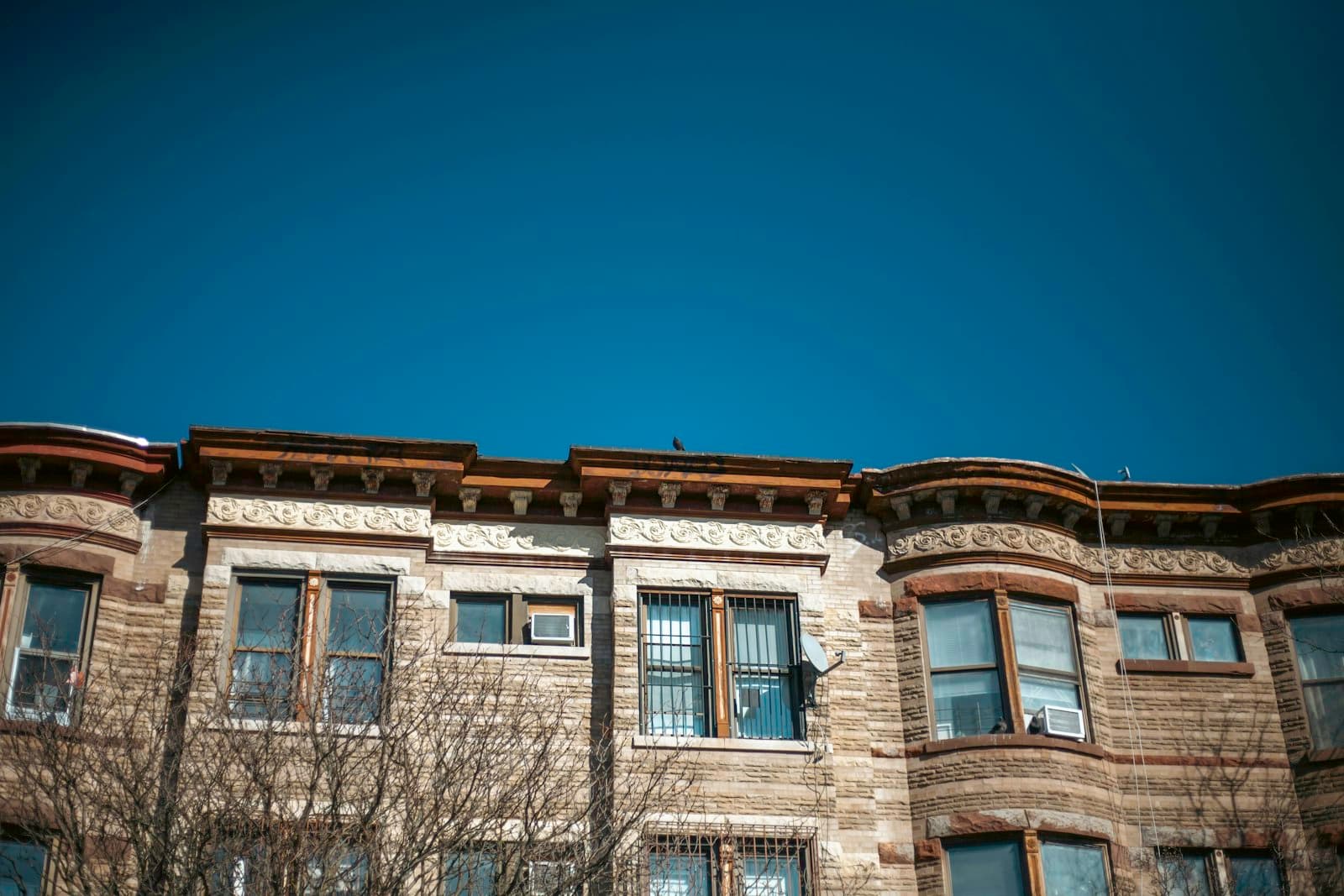
Pre-war co-ops in the Village usually date from the 1920s and offer high ceilings and separate rooms, but they can have older systems and fewer apartments sharing costs. Mid-century buildings, such as Butterfield House, often have larger windows and simpler layouts. The big post-war buildings from the 1950s and 1960s, such as 2 Fifth Avenue, offer doormen, elevators, more light, and more apartments to choose from, often at a lower price per square foot. Decide which matters most to you before you tour.
How much do Greenwich Village co-ops cost?
Co-ops are the most affordable route into the Village. According to its Greenwich Village co-op page, Milton Coste reports a median co-op asking price of $1,300,000, with prices across the neighborhood up 10.5 percent from a year earlier.
By the square foot, Village co-ops typically trade between about $1,200 and $1,800, compared with about $2,000 for condos, as agents told Brick Underground. At the entry level, studios in large co-ops such as 60 East 9th Street, a 214-unit elevator building, have been listed under $500,000, while two- and three-bedroom co-ops near the park can run several million.
Greenwich Village Co-ops
- $1.3MMedian asking price for a Greenwich Village co-op
- $1,200–$1,800Typical co-op price per square foot in the Village
- 70–80%Financing cap set by most co-ops
- 15–30%Typical co-op discount to equivalent condos
Sources: Milton Coste Greenwich Village co-op data (2026); Brick Underground on Village prices per square foot.
Maintenance
Compare it per square foot across buildings; staffing and building debt make a big difference.
Assessments
Temporary charges for facade, roof, or elevator work are common in older buildings.
Flip tax
Many co-ops charge a transfer fee when you sell, usually paid by the seller.
Mansion tax
One percent on homes of $1 million or more, set by the state tax department.
Fees
Board application, credit check, and move-in fees charged by the managing agent.
Greenwich Village Co-ops
What can you buy at each price?
Price bands in the Village are narrow, as agents explained to Brick Underground. Below $1 million, most Village buyers find studios and one-bedrooms in large post-war co-ops or walk-ups in the South Village. Between $1 million and $2.5 million, two-bedroom co-ops on the side streets and some park-adjacent one-bedrooms come into reach. Above that, larger pre-war and post-war apartments near Washington Square and on lower Fifth Avenue dominate, and full-floor or combined apartments trade at the very top.
Offer to keys
What are the steps to buy a Greenwich Village co-op?
Expect two to four months from an accepted offer to closing, mostly because of the board review. A typical purchase runs in this order.
Ask for the building's requirements early
Minimum down payment, savings after closing, and sublet and pied-à-terre rules.
Make your offer
Michael checks recent sales in the building and similar Village co-ops before you bid.
Bring in a real estate attorney
They review the contract, financial statements, minutes, and house rules.
Sign and put down the deposit
Usually 10 percent, held in escrow by the seller's attorney.
Secure the loan
If the building allows financing, the lender approves both you and the building.
Assemble the board package
Tax returns, bank and brokerage statements, letters of reference, and an employment letter, in the building's format.
Meet the board
A conversation to confirm your package and introduce you to the building.
Close
Sign the stock certificate and lease documents, and move in.
Our co-op buying guide explains the city-wide rules.
How strict are Village boards?
It depends on the building. Large post-war co-ops near NYU and University Place often have clear, published requirements and handle many applications a year. Small pre-war buildings on the side streets may have fewer sales, more personal interviews, and stricter views on subletting. Boards everywhere look at your income, your debts, and what you will have left after closing. Michael asks the managing agent for each building's expectations so you only bid where your application is strong.
Greenwich Village Co-ops
Who it suits
Who should buy a co-op in Greenwich Village?
A Village co-op suits buyers who plan to live in the apartment, have steady finances, and want the neighborhood at a lower price than a condo. These buyers choose co-ops most often:
First-time buyers
Studios and one-bedrooms in big post-war co-ops are the most accessible way into the Village.
Families near the park
Larger apartments on lower Fifth Avenue and the side streets put Washington Square Park on your doorstep.
Long-term owners
Buyers planning to stay for years benefit most from lower prices and stable, owner-occupied buildings.
Academics and professionals
Steady income and a wish to be near NYU, The New School, and Union Square fit the board profile.
Buyers who value community
Smaller co-ops often know their neighbors, which many residents see as part of Village life.
If you plan to rent the apartment, buy through an LLC, or use it only part time, a condo will usually fit better; see Greenwich Village condos.
From inside the board
What should you check in a Greenwich Village co-op building?
A co-op purchase makes you a part-owner of the building's finances. As a sitting condo board president, Michael reviews five areas with his buyers before they apply:
Reserves and operating results
A building that runs at a loss or has thin reserves is likely to raise maintenance or assess owners.
The underlying mortgage
Its size and maturity date matter, because refinancing at a higher rate raises everyone's payment.
Facade and capital work
Older buildings near Washington Square face Local Law 11 facade inspections and roof or elevator projects.
Board minutes
Look for leaks, disputes, lawsuits, and planned projects before they show up in your bill.
House rules
Check sublet limits, pied-à-terre policy, pets, renovation windows, and the flip tax.
These checks help you separate a well-run building from one with expensive surprises ahead.
A walk through Greenwich Village Co-ops
Village co-ops, in light.
The buildings, blocks, and rooms that define Greenwich Village Co-ops — captured on Michael's walks home.
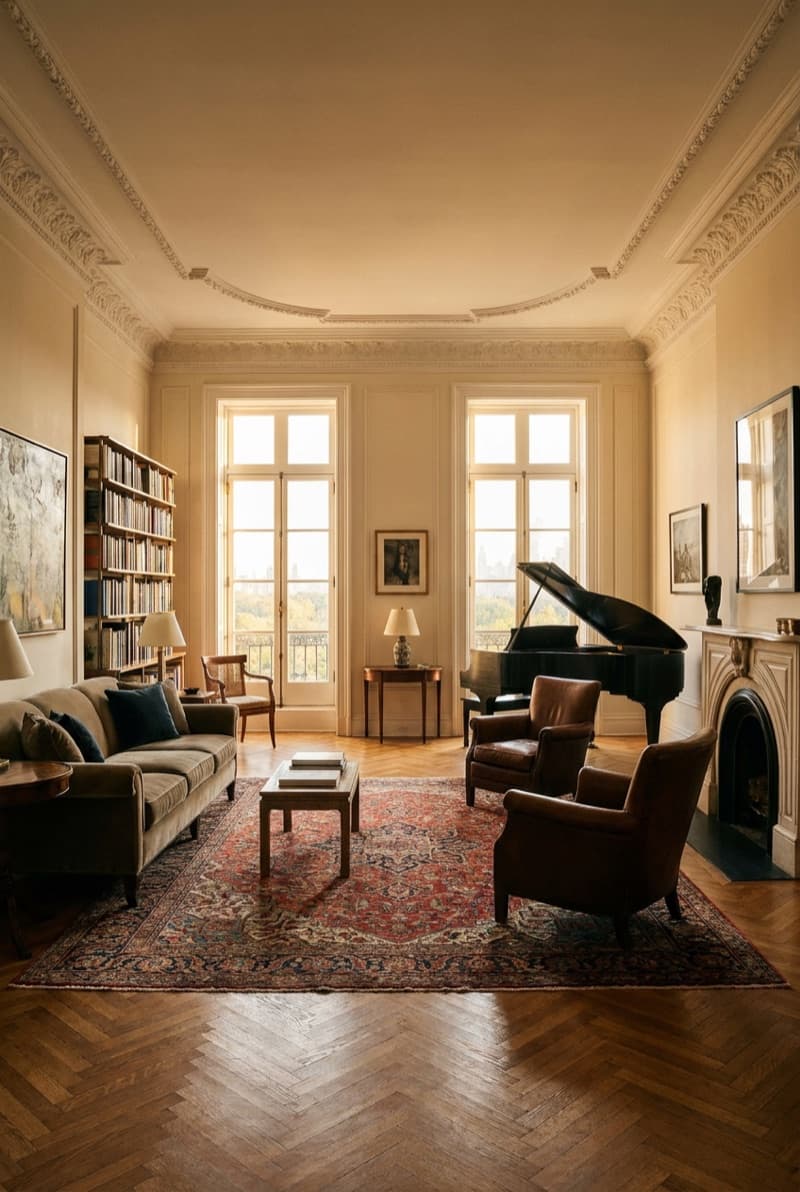
Living and dining room of a pre-war classic seven co-op
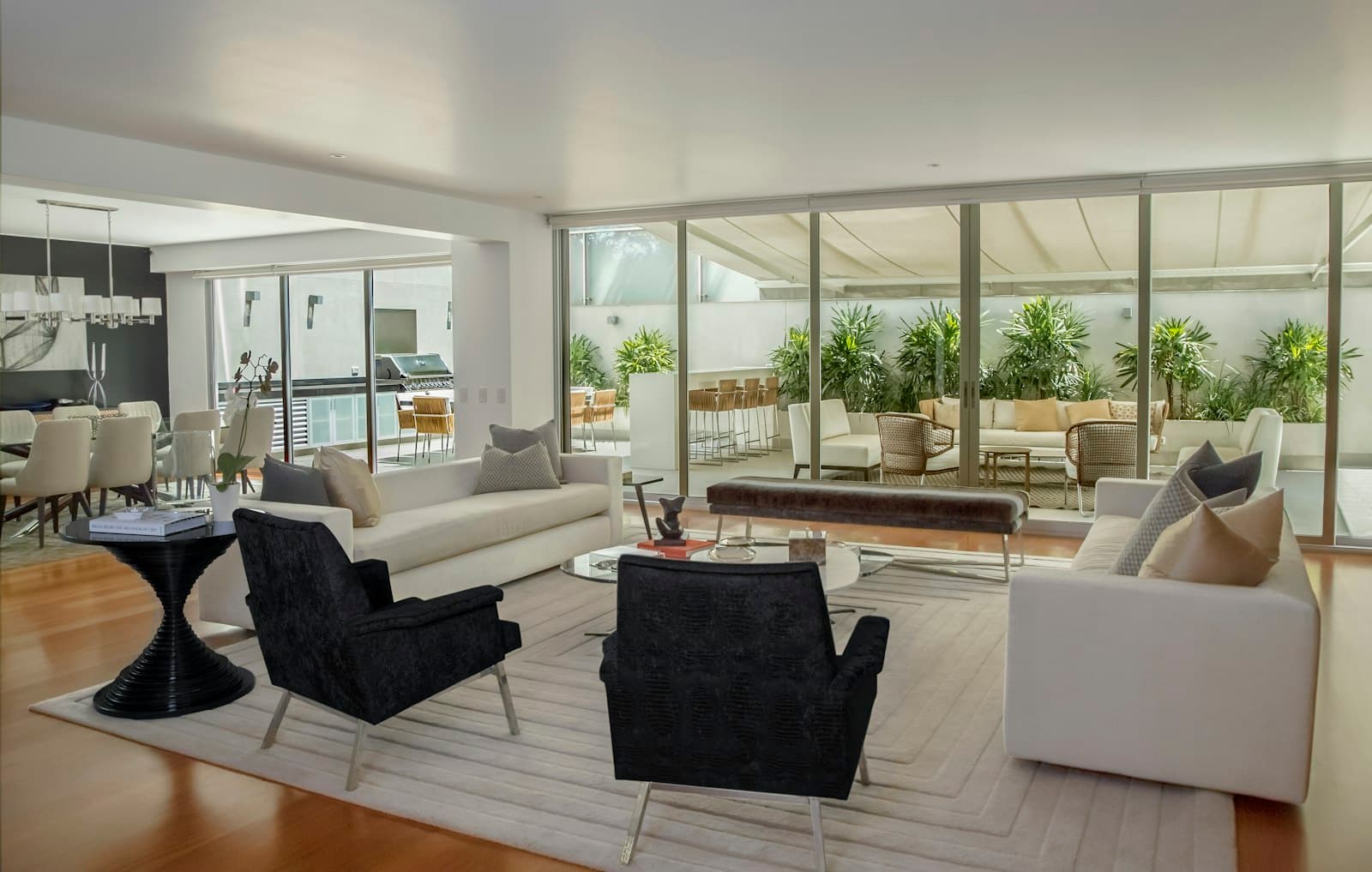
A living room with a large window and abundant natural light
A pair of armchairs in a quiet sitting room
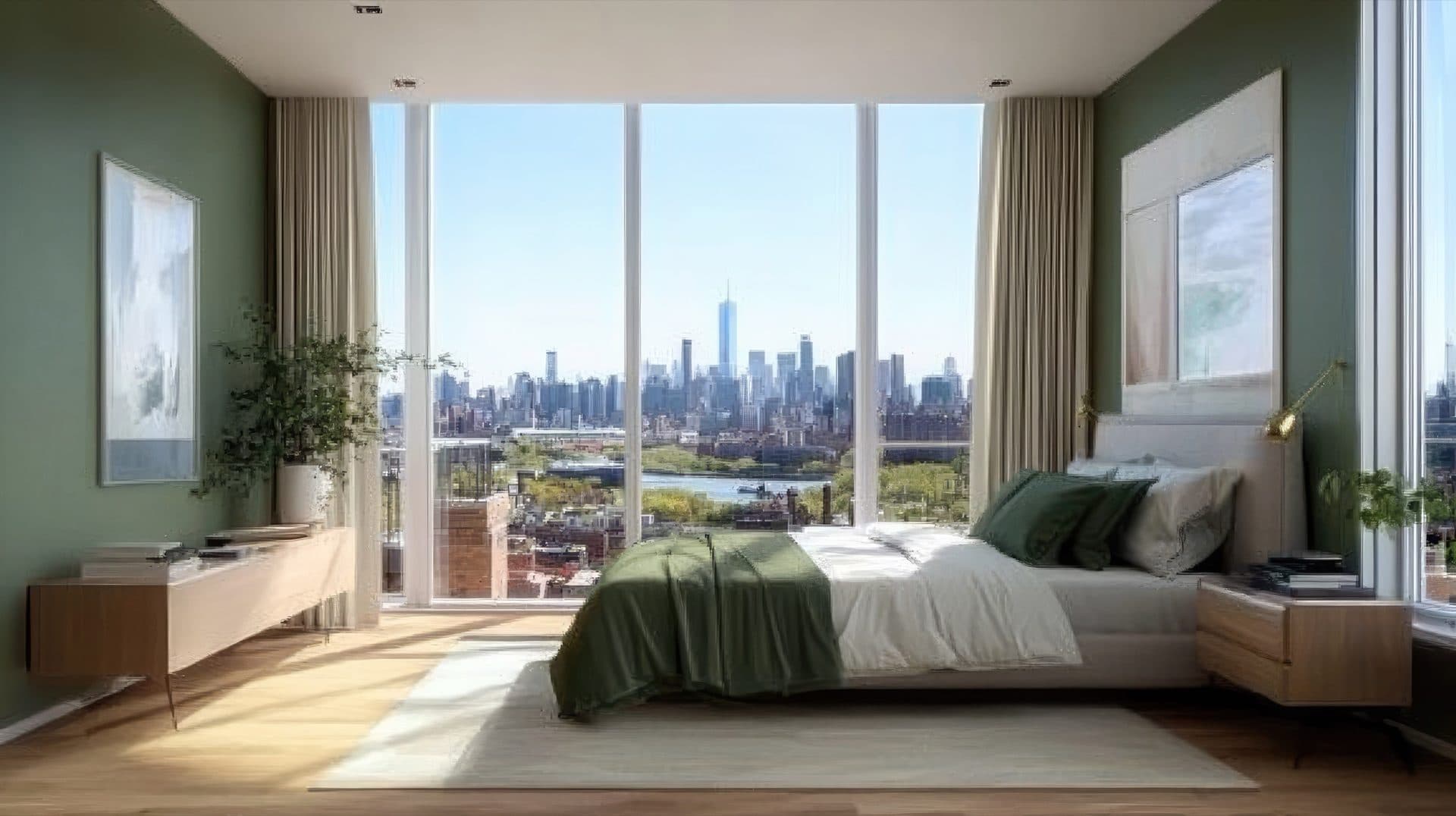
A light-filled Manhattan bedroom with floor-to-ceiling windows

A neatly made bed beneath a framed painting
“A Village co-op is a small company you join. I read its books before you sign, the way my own board reads ours.”
— Michael J. Carroll
Answers
Greenwich Village Co-ops, answered
- Many co-ops allow financing of 70 to 80 percent, so expect 20 to 30 percent down. Some buildings ask for more.
- Usually only for limited periods with board approval. Rules vary, so check the house rules before you buy.
- Yes, mostly studios and one-bedrooms in larger post-war buildings and walk-ups south of Washington Square.
- A building with co-op apartments governed by lighter, condo-like rules, such as 12 West 9th Street near Washington Square.
- Typically two to four months from accepted offer to closing, depending on the board and financing.
A private consultation
Prepare your Village co-op application with a board president
Tell Michael your budget, the size you need, and your timing, and he will shortlist Village co-ops whose requirements fit you, go through their financials and minutes with you, and help you build a board package that is ready to approve. He works from the Brown Harris Stevens West Side office at 1934 Broadway and represents buyers across Manhattan.

What happens next
- 01
Michael reads your note personally
No team inbox. He sees the form himself.
- 02
You'll hear back, usually the same day
By phone or email — whichever you prefer.
- 03
A no-pressure first conversation
Whether you're ready this week or thinking it through.
10+
Years at BHS
Top 1%
Nationwide
$500K–$25M+
Transaction range
Tell Michael about your search
A few quick questions.
Your details stay between you and Michael. No spam. No list.