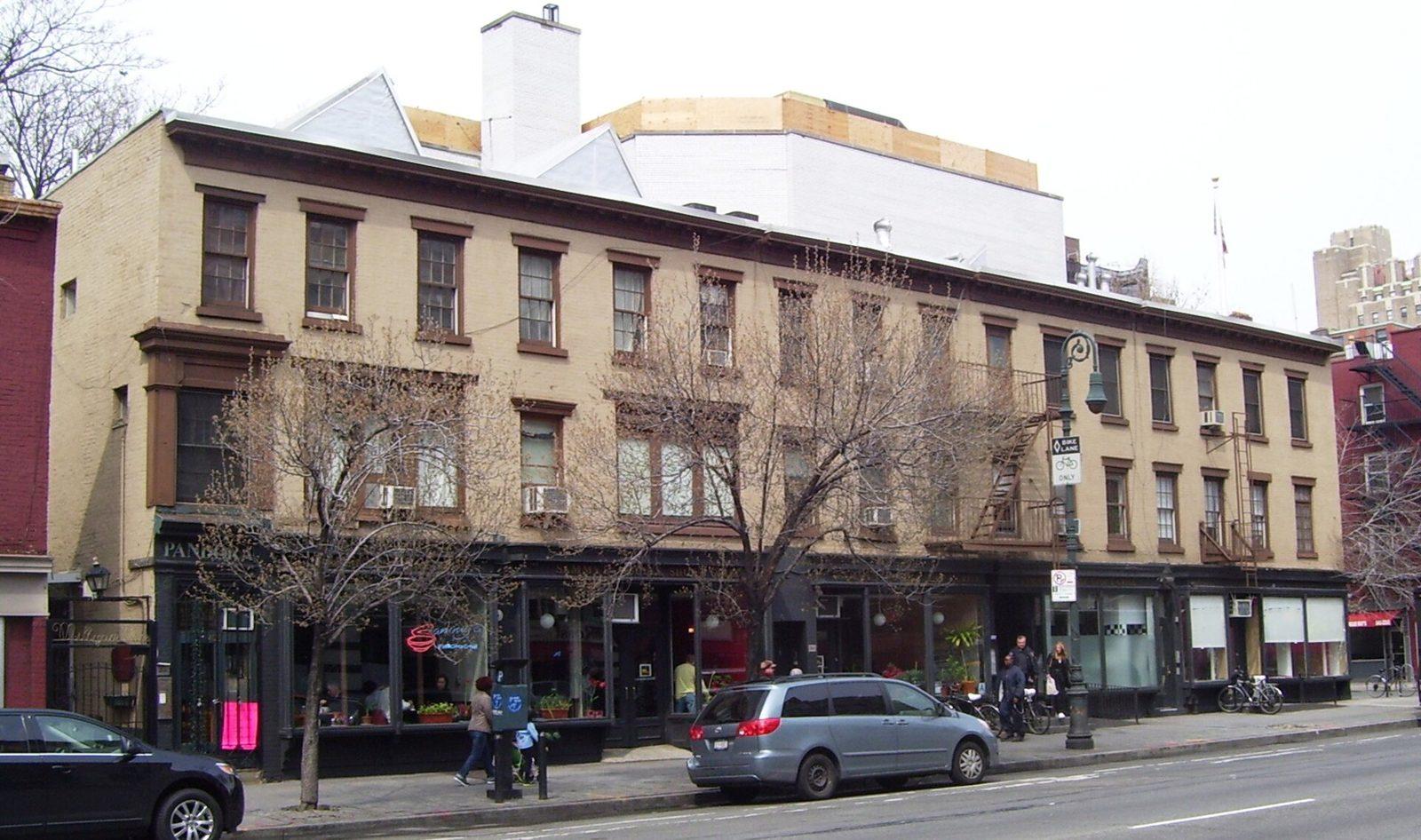
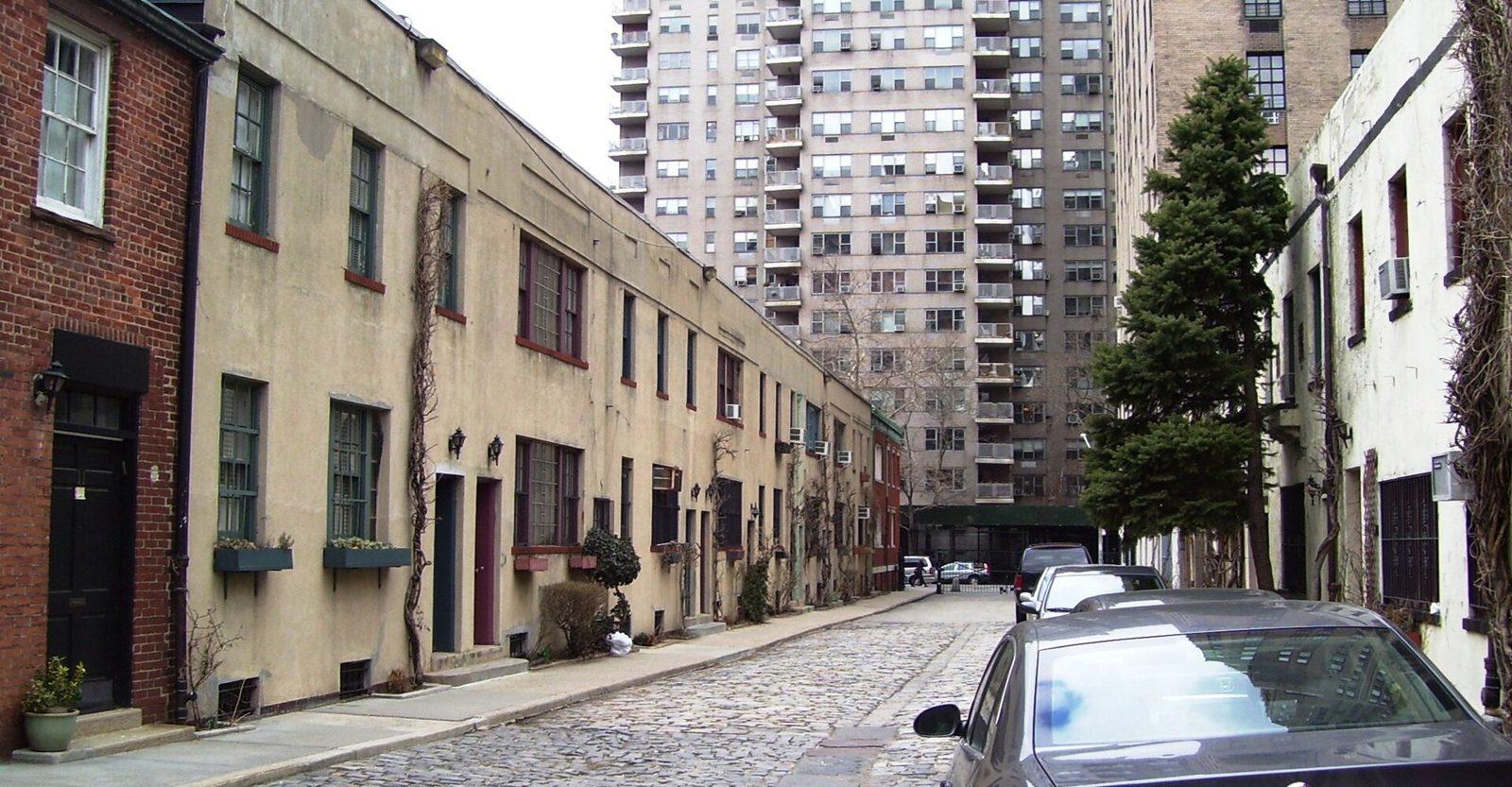
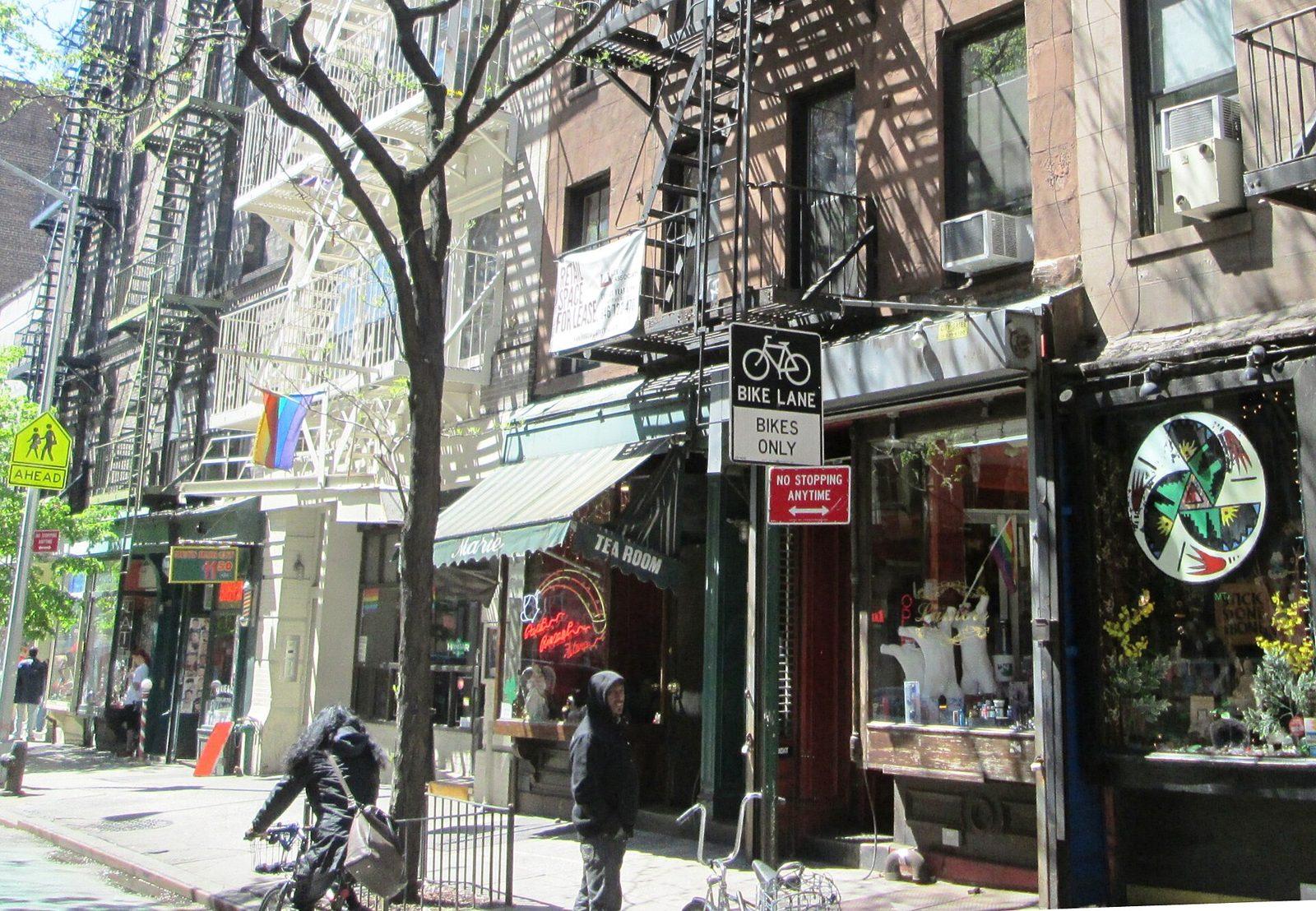
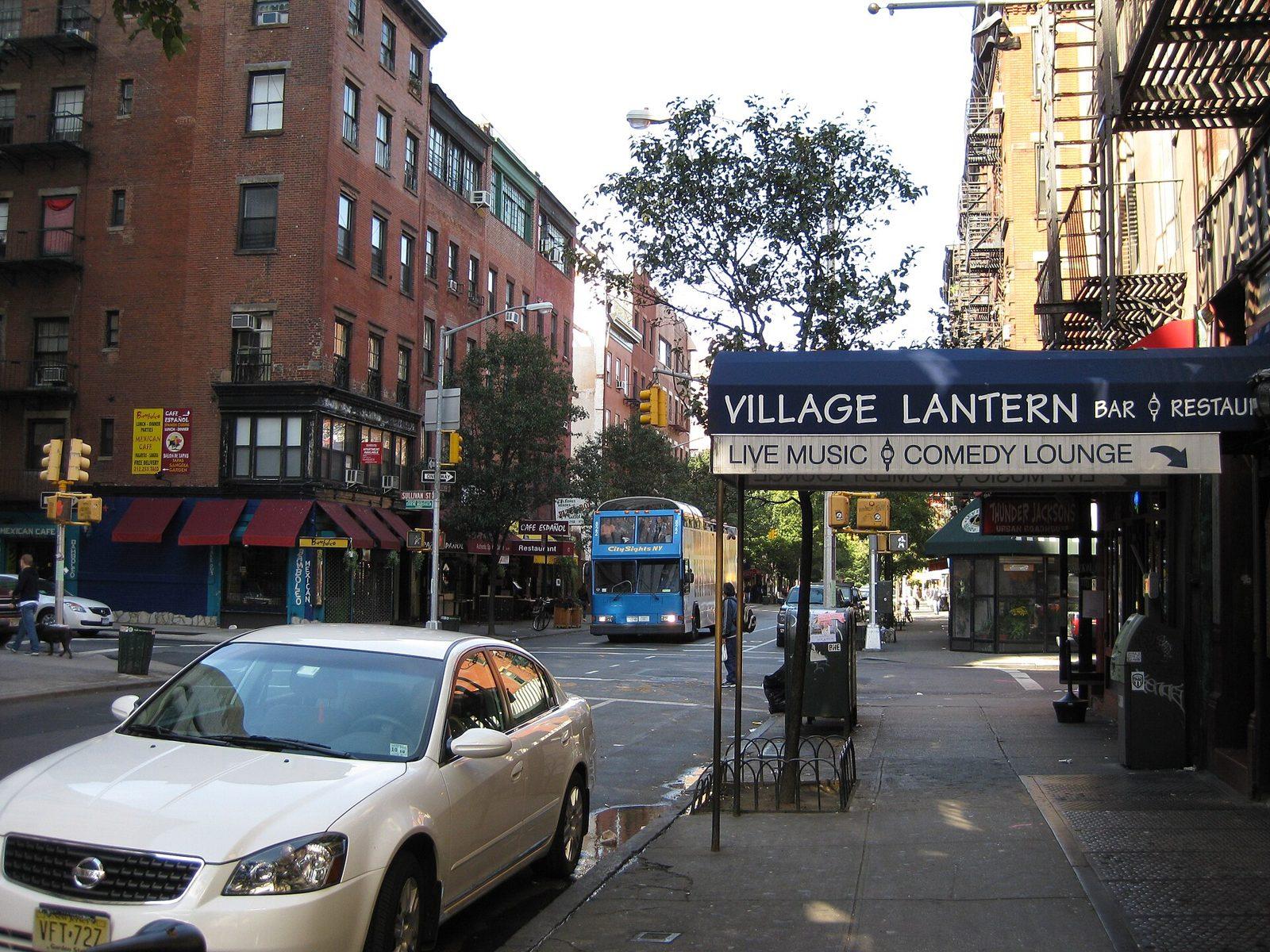
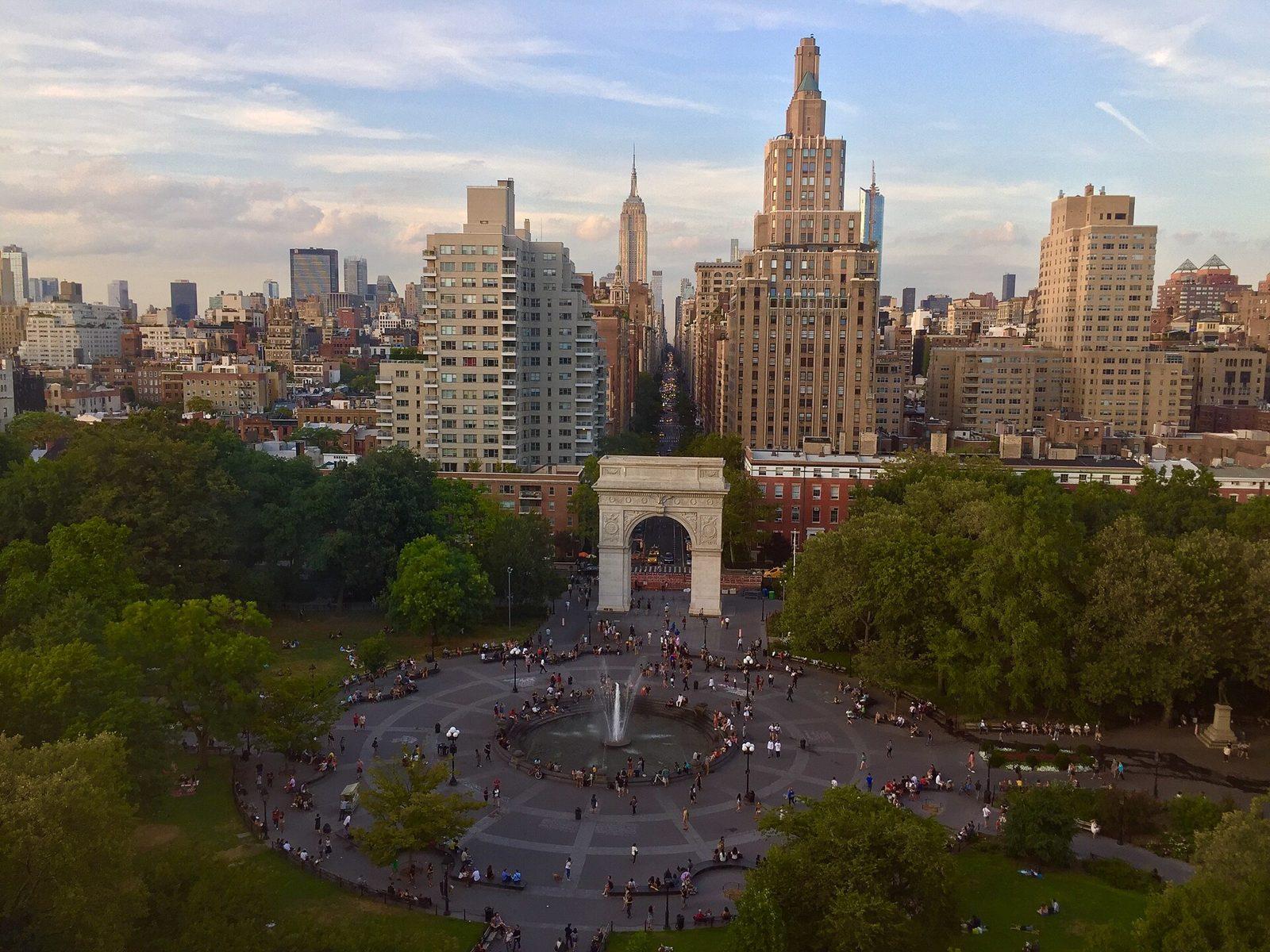
On lower Fifth Avenue between Washington Square and 14th Street, known as the Gold Coast, and on the side streets near the park.
Greenwich Village · Pre-war
Pre-War Apartments in Greenwich Village.
Greenwich Village's finest pre-war apartments line lower Fifth Avenue between Washington Square and 14th Street, a stretch known as the Gold Coast, with more on the side streets near the park. Built mostly in the 1920s by architects such as Emery Roth and Rosario Candela, they offer high ceilings, solid walls, and gracious layouts. Almost all are co-ops that require board approval, and a building's age drives much of its cost.
Greenwich Village Pre-War Apartments
What should you know before buying a pre-war apartment in Greenwich Village?
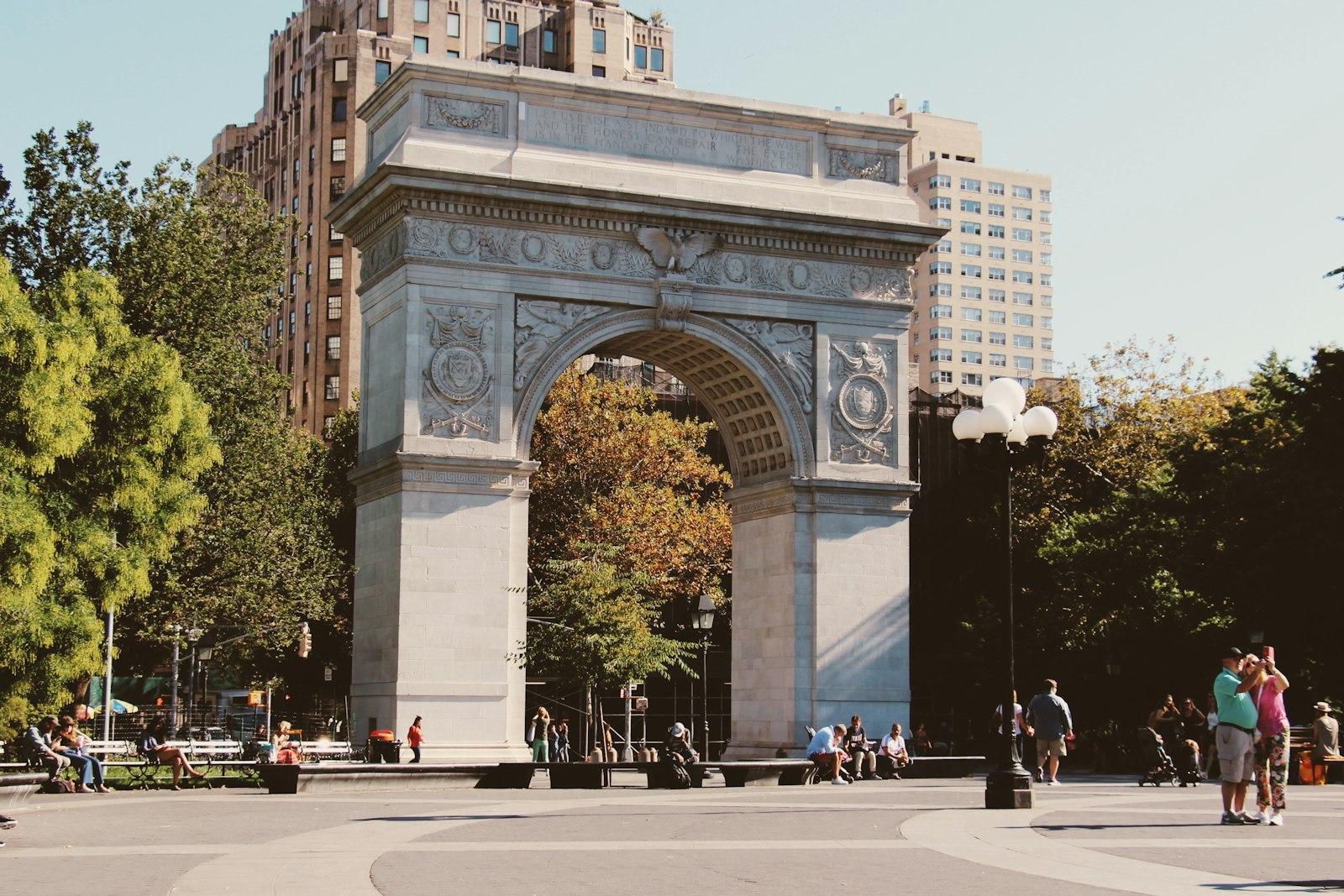
A pre-war apartment on lower Fifth Avenue is one of the most classic homes in Manhattan: a limestone lobby, a doorman, tall windows, and Washington Square Park a block away. Michael J. Carroll, a Brown Harris Stevens agent based on the West Side, represents buyers throughout Manhattan, the Village included. As the president of his own condominium board, he weighs a pre-war building by what keeps it standing: facade reports, reserves, boilers, and the projects ahead.
Below: the traits of a Village pre-war home, the streets where these buildings stand, the lower Fifth addresses that define the market, today's prices, the purchase steps, the buyers they fit, and the building checks to make first. For the co-op process in detail, read Greenwich Village co-ops.
At a glance
Pre-war Greenwich Village in five facts
The Gold Coast of lower Fifth Avenue holds the Village's best-known pre-war apartment buildings.
Most pre-war buildings here date from the 1920s and were designed by architects such as Emery Roth and Rosario Candela.
Recent listings show pre-war apartments from under $500,000 to about $8 million, depending on size and building.
Nearly all are co-ops; 25 Fifth Avenue is a rare pre-war condominium on lower Fifth.
Facade, roof, and systems work in older buildings affects maintenance and assessments.
Greenwich Village Pre-War Apartments
What makes a Greenwich Village apartment pre-war?
A pre-war apartment sits in a building finished before World War II. In the Village, most of the grand pre-war apartment houses went up in the 1920s, when elevator buildings began replacing the mansions on lower Fifth Avenue.
Milton Coste lists about 42 pre-war apartments for sale in the Village at a time, a small pool that rewards buyers who act quickly on the right building.
Built before the war
What that means when you shop
What buyers look for:
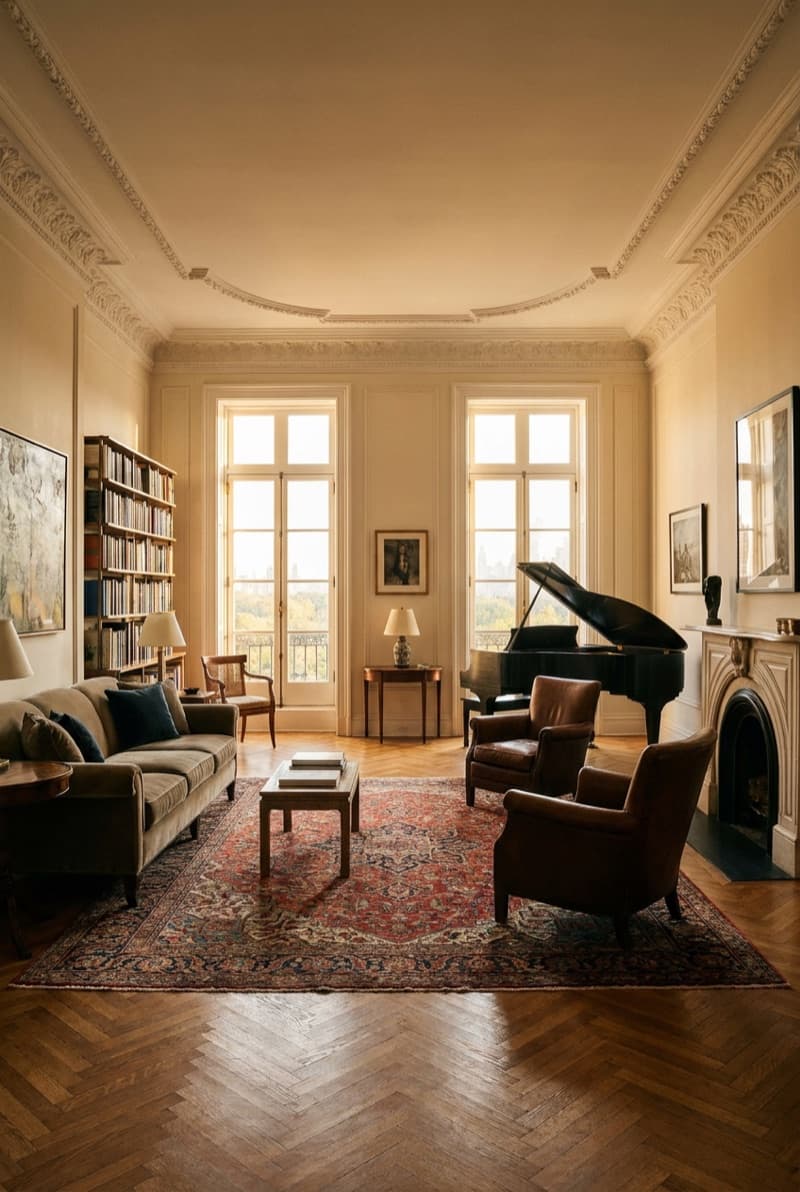
High ceilings and tall windows
Often nine to ten feet or more, bringing more light into rooms than in many later buildings.
Gracious layouts
Entry galleries, separate dining rooms, and bedrooms set apart from living space.
Solid construction
Masonry and plaster walls that keep sound between neighbors to a minimum.
Original details
Moldings, fireplaces, casement windows, and parquet or herringbone floors.
Distinctive facades
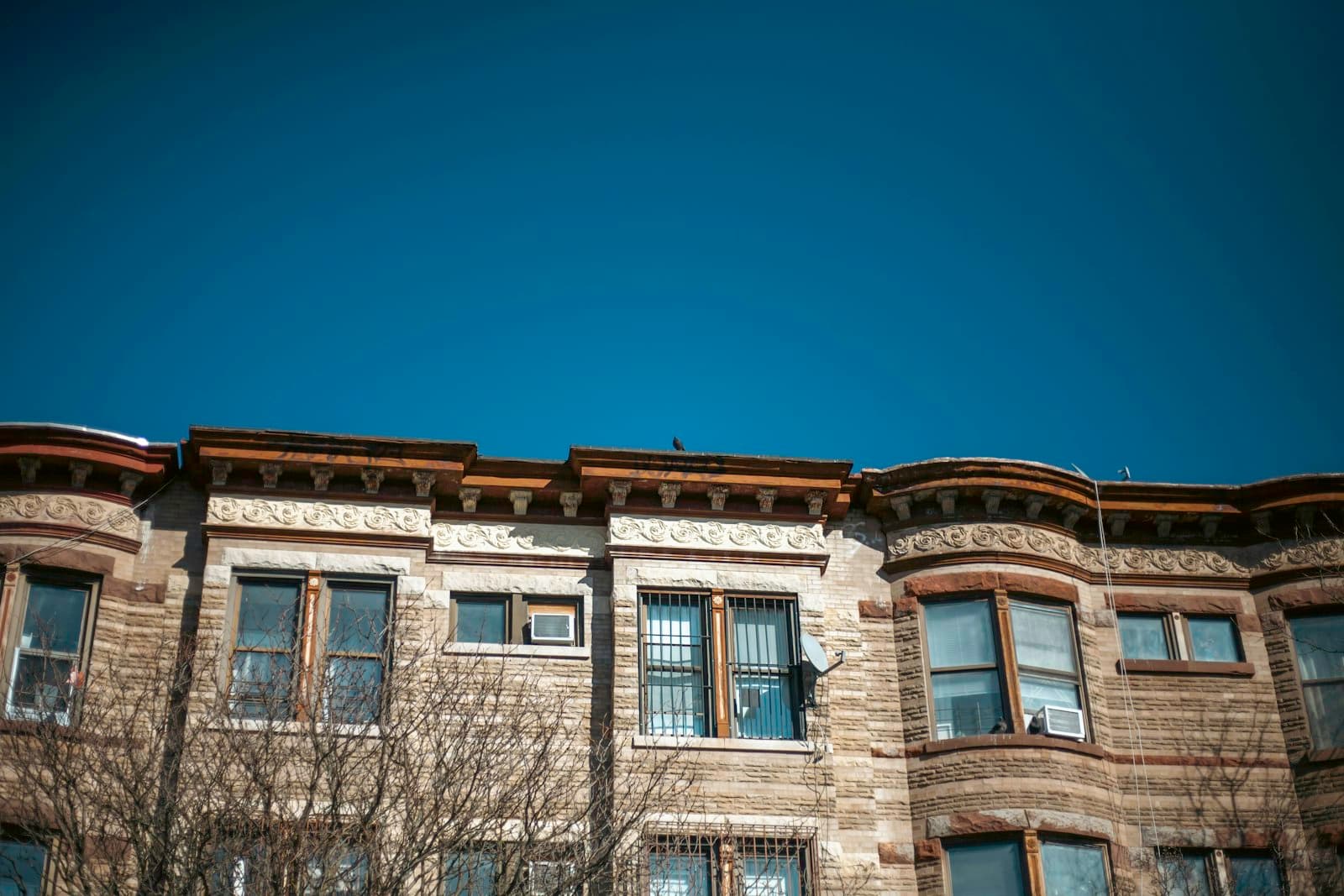
Limestone bases, buff or brown brick, and terra cotta trim, as at 24 Fifth Avenue.
Where they stand
Where are the pre-war buildings in Greenwich Village?
Pre-war apartment houses are concentrated near Washington Square and along lower Fifth Avenue, with smaller buildings on the side streets. Five areas hold most of them.
Fifth Avenue from Washington Square to 14th Street, lined with 1920s co-ops, as CityRealty describes.
Between Fifth and Sixth Avenues, mid-size pre-war buildings on tree-lined blocks near Jefferson Market Garden.
Around the north side of the park and Washington Mews, where pre-war apartments mix with historic row houses.
West of Seventh Avenue, modest elevator buildings and walk-ups from the same era, usually with fewer units and gentler prices.
Older tenement buildings and walk-ups south of Washington Square, offering pre-war detail at the lower end of the market.
The Gold Coast
Which pre-war buildings define Greenwich Village?
Lower Fifth Avenue has a concentration of pre-war buildings by some of the city's best-known architects. CityRealty profiles the stretch, including:
24 Fifth Avenue
An Emery Roth design from 1925 on the former site of the Brevoort mansion, with a limestone base and terra cotta details.
1 Fifth Avenue
An Art Deco tower with chamfered corners and setbacks that create large private terraces, a block from Washington Square Arch.
39 Fifth Avenue
An early Bing & Bing building designed by Emery Roth, with terra cotta detailing on its lower floors.
41 Fifth Avenue
A rare downtown building by Rosario Candela, with an ornate limestone base and brown brick above.
43 Fifth Avenue
A Beaux-Arts co-op with a limestone base, bay windows, and a mansard roof.
51 Fifth Avenue
A building by theater architect Thomas Lamb, later used for exterior shots of the sitcom "Mad About You."
Most of these are co-ops. The exception is 25 Fifth Avenue, which CityRealty describes as the only pre-war condominium on lower Fifth Avenue, converted in 2000.
Greenwich Village Pre-War Apartments
Who designed the Village's pre-war buildings?
Emery Roth, best known for the San Remo and the Beresford uptown, designed several buildings on lower Fifth Avenue, including 24 and 39 Fifth Avenue. Rosario Candela, famous for his Park and Fifth Avenue co-ops, left a rare downtown example at 41 Fifth Avenue. Their names add value in listings, and their layouts tend to be well planned, with clear separation between public and private rooms.
What do pre-war apartments cost in Greenwich Village?
Prices depend on the building, size, and condition. On lower Fifth Avenue, CityRealty has shown availabilities at 1 Fifth Avenue from $1.4 million to $7.9 million, and studios at 24 Fifth Avenue around $425,000 to $450,000, at an average of about $1,200 per square foot.
Across the Village, co-ops typically trade between about $1,200 and $1,800 per square foot, agents told Brick Underground, and pre-war apartments in top buildings near the park sit toward the upper end.
Greenwich Village Pre-War Apartments
- 42Pre-war apartments typically listed in Greenwich Village
- 1925Year Emery Roth's 24 Fifth Avenue was built
- $1.4M–$7.9MRange of availabilities shown at 1 Fifth Avenue
- 2000Year 25 Fifth Avenue became lower Fifth's only pre-war condo
Sources: Milton Coste Greenwich Village pre-war listings (2026); CityRealty profile of lower Fifth Avenue.
Budget for
The costs on top of the price
Renovation
Original kitchens, bathrooms, and wiring often need updating, under the building's alteration rules.
Monthly maintenance
Doormen, supers, and porters in Gold Coast buildings are paid through your monthly charge.
Assessments
Facade, roof, and window projects are common in buildings nearly a century old.
Mansion tax
New York's state tax department charges it from 1 percent once a price reaches $1 million.
Closing fees
Legal, bank, and managing-agent charges, itemized in our closing costs guide.
Greenwich Village Pre-War Apartments
Original or renovated?
Original apartments usually cost less, but the renovation can cost more than the discount. Ask an architect to price the work, read the co-op's renovation rules, and budget for several months of construction. Paying more for a finished apartment can make sense, provided the building and the city formally closed out the permits.
Offer to keys
How does buying a pre-war Greenwich Village apartment work?
Almost every pre-war home in the Village is a co-op, so the purchase runs on the board's timetable, usually two to four months from accepted offer to keys.
Learn the building's rules first
Each Gold Coast building sets its own down payment, post-closing savings, and loan limits.
Look closely on the tour
Check window frames, radiators, outlets, and ceilings for signs of old leaks.
Bid with evidence
Michael sets your offer against recent sales in the same building and its lower Fifth neighbors.
Retain an attorney
They read the building's statements, recent minutes, and renovation policy for you.
Contract and escrow
The deposit, commonly 10 percent, sits with the seller's attorney until closing.
Line up the loan
Where financing is permitted, the bank vets the co-op as well as you.
Board package, then interview
Your finances go to the board, and members meet you before approving the sale.
Keys, then plans
After closing, any renovation goes through the building's approval process.
The city-wide co-op steps are in our co-op buying guide.
How do renovation rules work in Village co-ops?
Before a pre-war co-op lets you start work, it will ask you to sign its renovation contract with the building. That document fixes working hours, the insurance your contractors must carry, the deposit you leave with the building, and who signs off on plans. Many Gold Coast buildings only allow heavy work in summer, and some will not let you place a new kitchen or bathroom above a neighbor's bedroom. If renovation is part of your plan, ask for this document during due diligence.
Greenwich Village Pre-War Apartments
Who it suits
Who is a pre-war Greenwich Village apartment right for?
These apartments reward buyers who care more about proportion and craftsmanship than about gyms and rooftop lounges. They suit:
Admirers of 1920s design
Limestone lobbies, plaster moldings, and buildings by names such as Emery Roth and Rosario Candela.
Park people
On the Gold Coast, Washington Square is one block from your lobby.
Families who want rooms with doors
Galleries and dining rooms keep bedrooms apart from entertaining space.
Buyers ready for a project
An untouched apartment can be shaped exactly to your taste, at your pace.
Owners staying put
Those planning a long stay recover renovation costs in years of living well.
Prefer move-in-ready with modern systems? Compare Greenwich Village condos.
From inside the board
What should you check in a pre-war Greenwich Village building?
A century-old building on lower Fifth Avenue needs constant care, and the board decides who pays for it and when. Drawing on his own term as a condo board president, Michael reviews these points with buyers:
The facade cycle
Buildings over six stories, such as 1 Fifth Avenue, must have their facades examined under Local Law 11; stone and terra cotta repairs add up quickly.
Window and roof history
Find out when each was last replaced, and whether a building-wide project is coming.
Boiler and power
An aging boiler or limited electrical service can mean a large project, and may cap how much air conditioning you can add.
The reserve balance
A healthy reserve lets the building fund work from savings instead of special charges.
Recent minutes
They show leaks, contractor disputes, and upcoming projects long before your maintenance changes.
For an older building, these answers often matter more than the kitchen.
A walk through Greenwich Village Pre-War Apartments
Pre-war Village, in light.
The buildings, blocks, and rooms that define Greenwich Village Pre-War Apartments — captured on Michael's walks home.
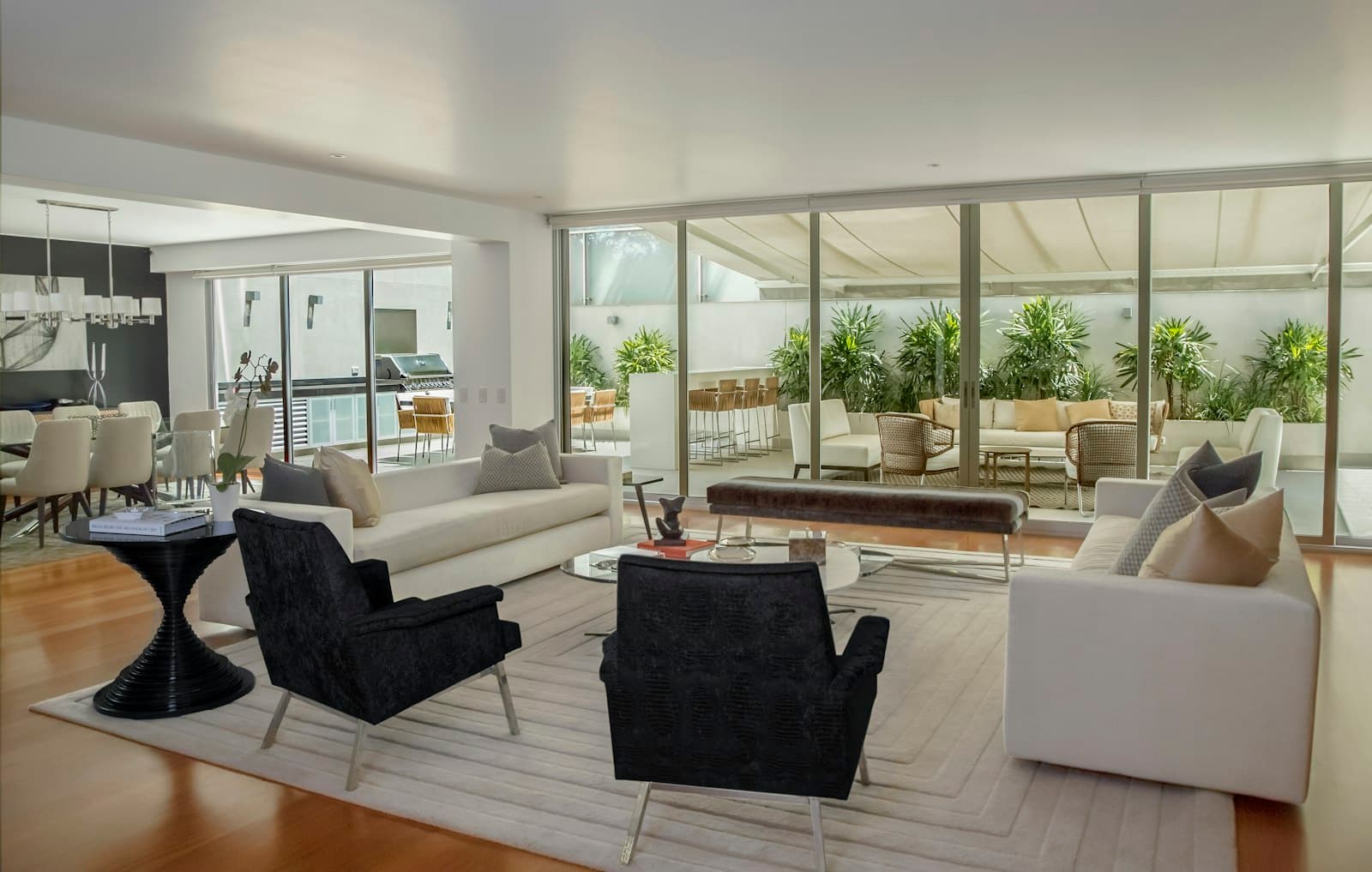
A pair of armchairs in a quiet sitting room
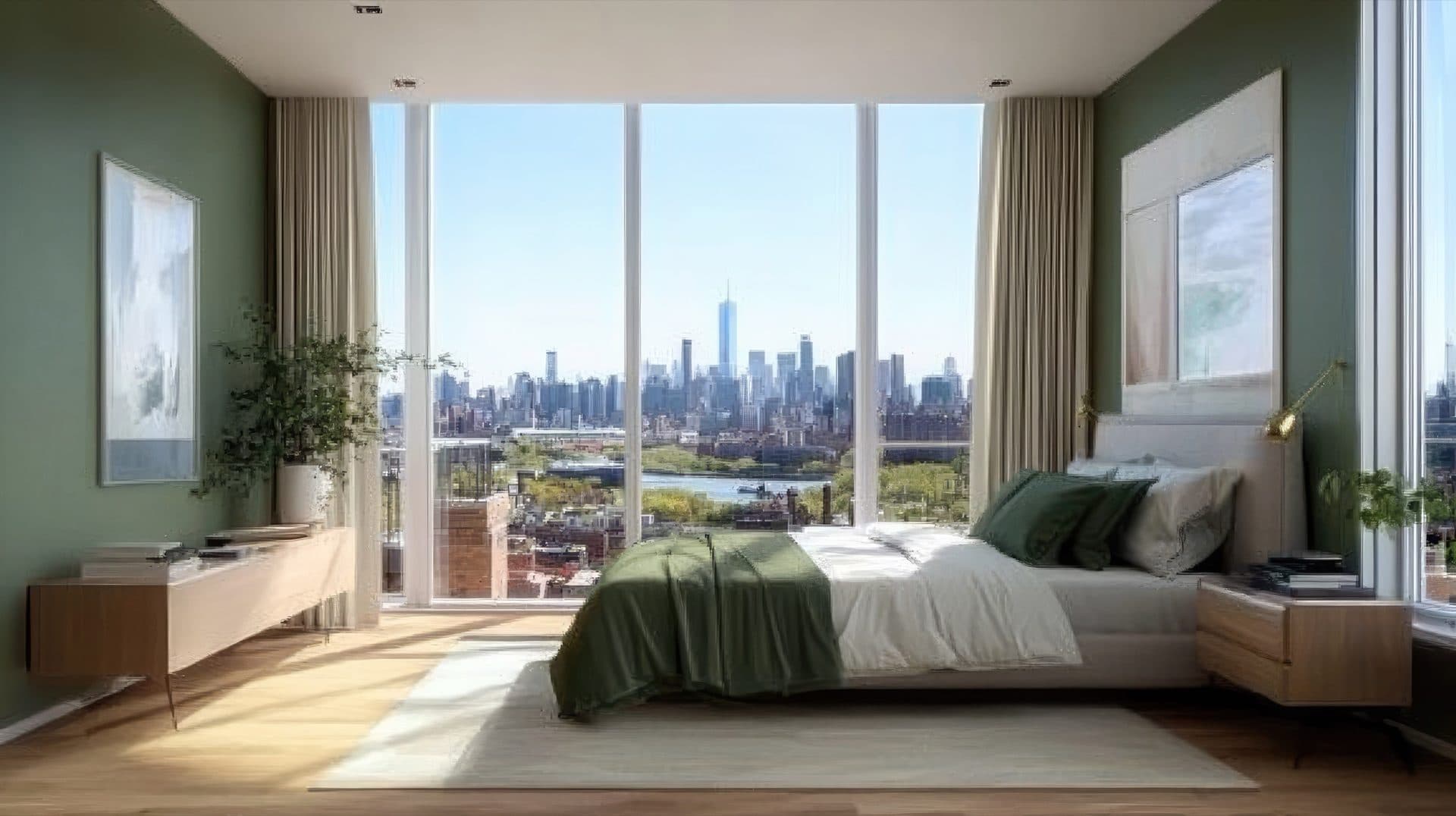
A light-filled Manhattan bedroom with floor-to-ceiling windows
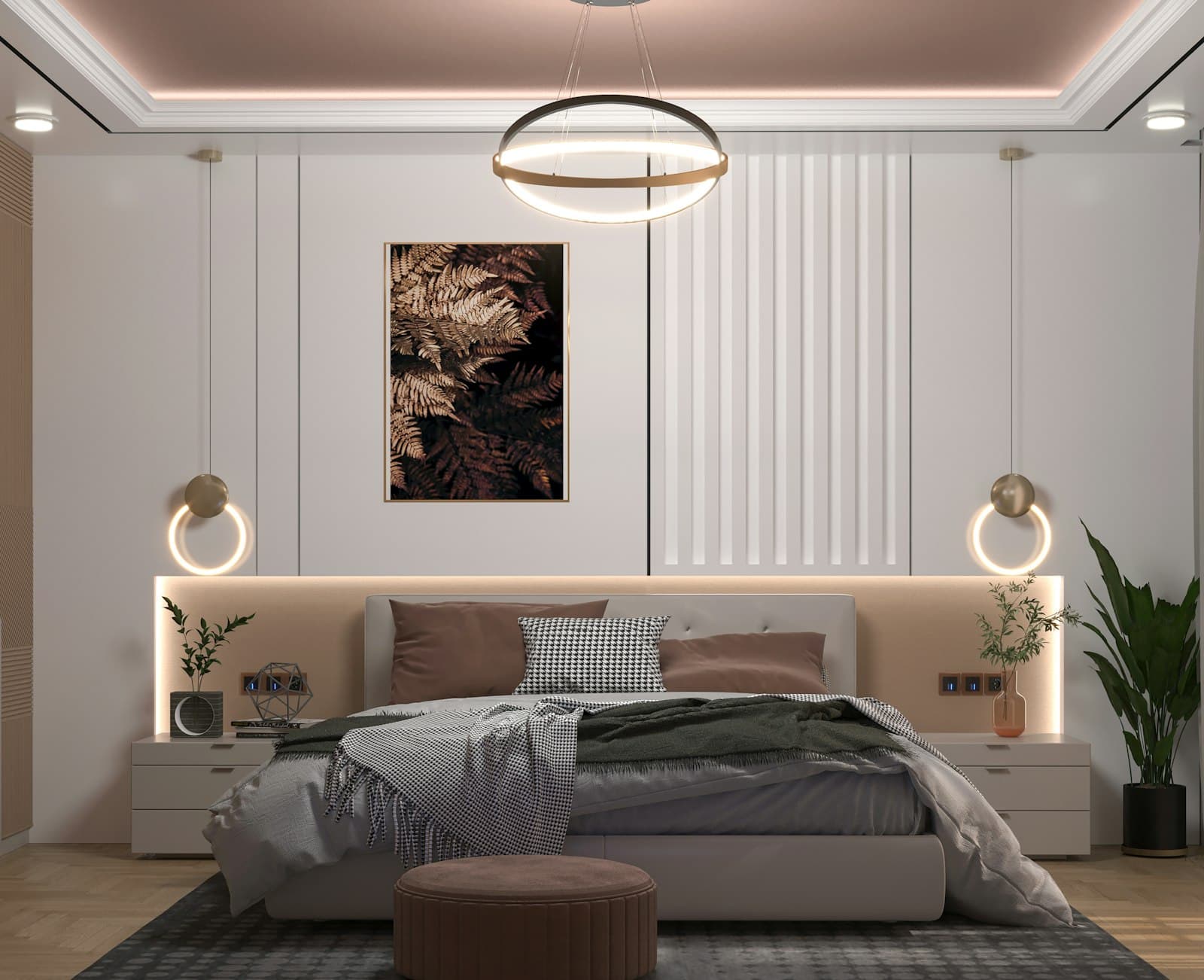
A neatly made bed beneath a framed painting
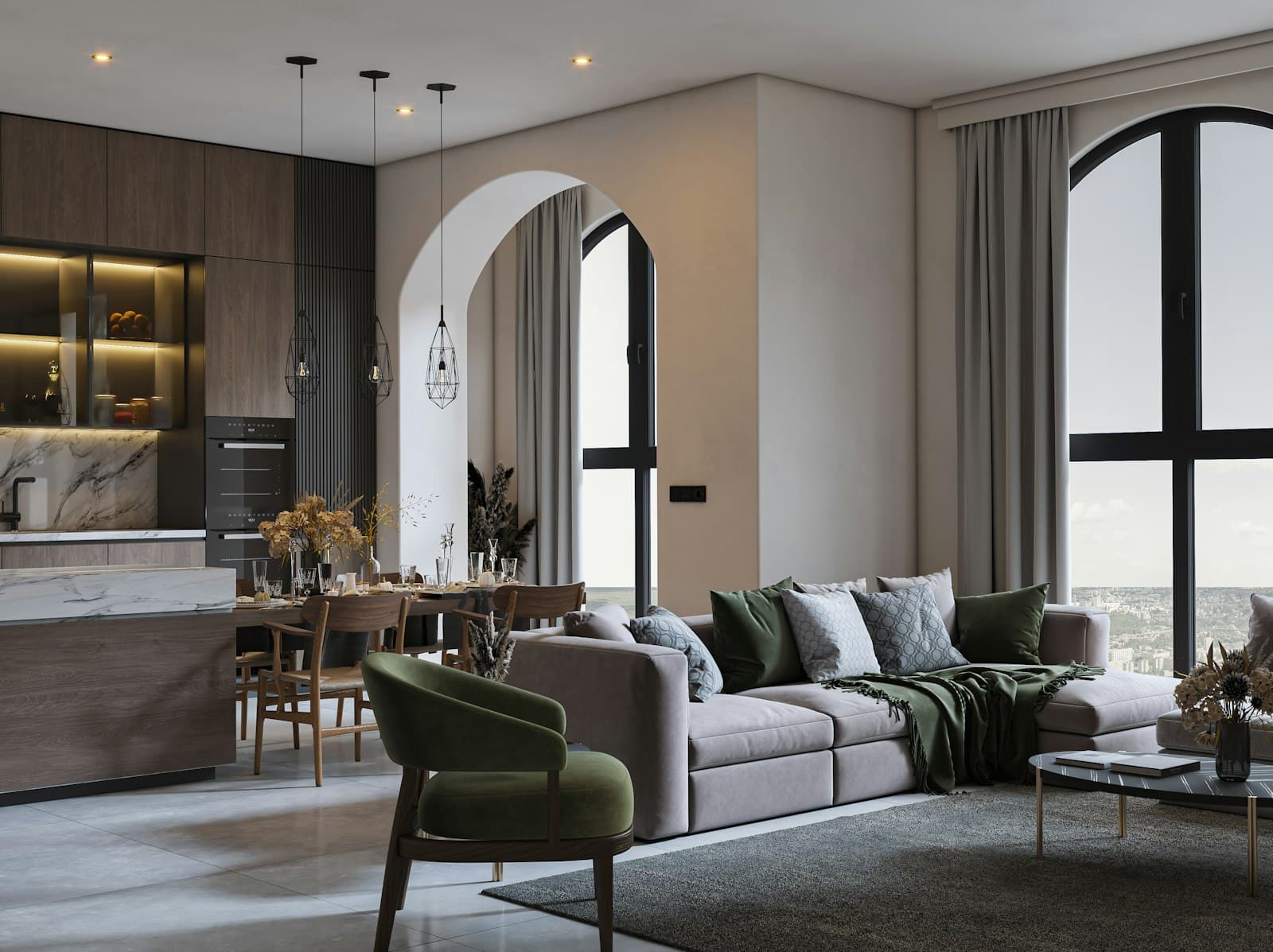
A living room with a large window and abundant natural light
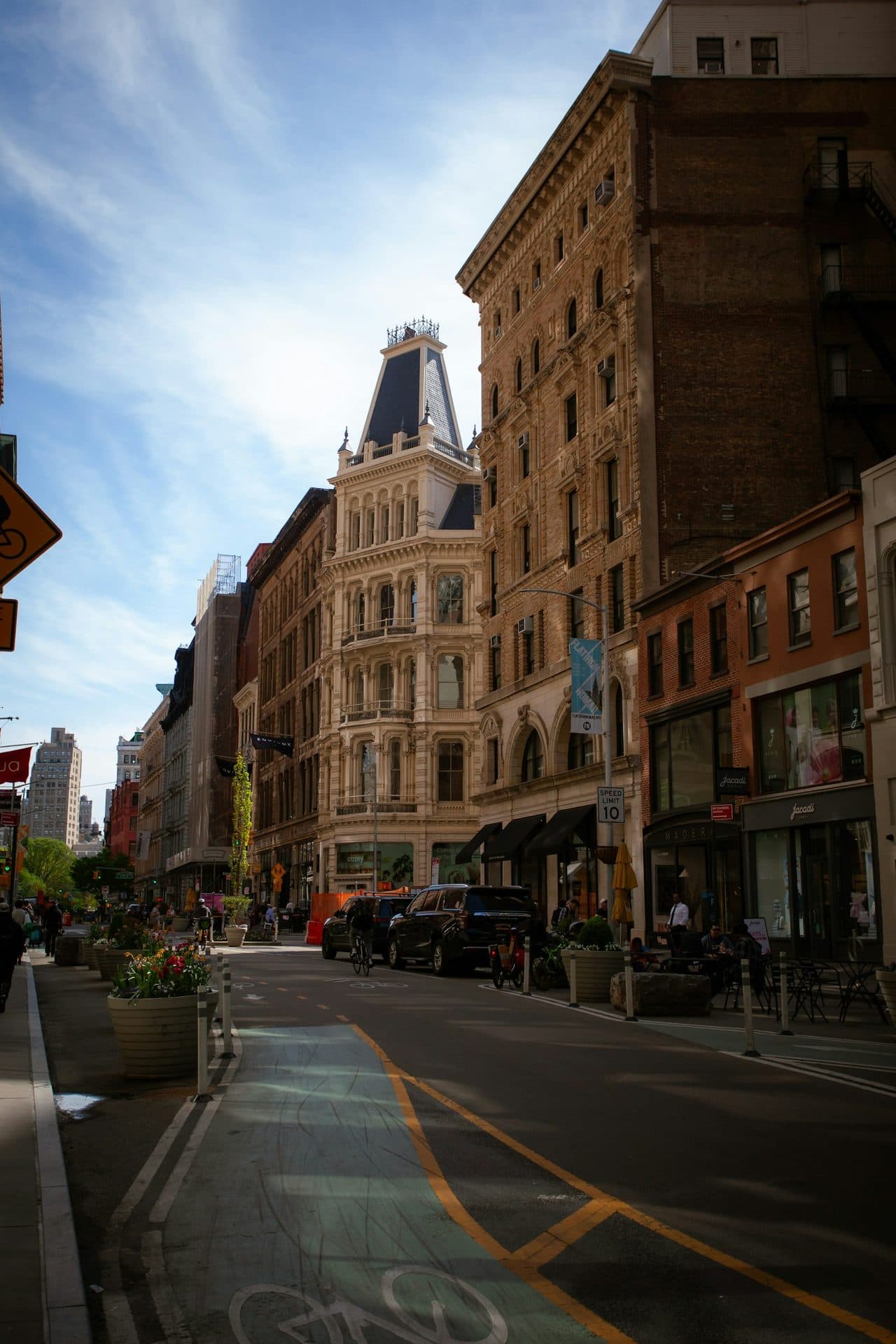
A city street lined with historic apartment buildings
“On lower Fifth, the buildings are nearly a century old. I read their facade reports and reserves before you fall for the moldings.”
— Michael J. Carroll
Answers
Greenwich Village Pre-War Apartments, answered
- Almost all are. 25 Fifth Avenue is a rare pre-war condominium on lower Fifth, converted in 2000.
- Architects including Emery Roth, Rosario Candela, and Thomas Lamb, as well as developers such as Bing & Bing.
- Seldom. Owners typically rely on window or sleeve units, and a few boards approve discreet ductless systems.
- Only a few dozen at a time, around 42 in recent listings, so the right apartment can go quickly.
- Usually. Their heavy masonry and plaster partitions block noise better than most new construction.
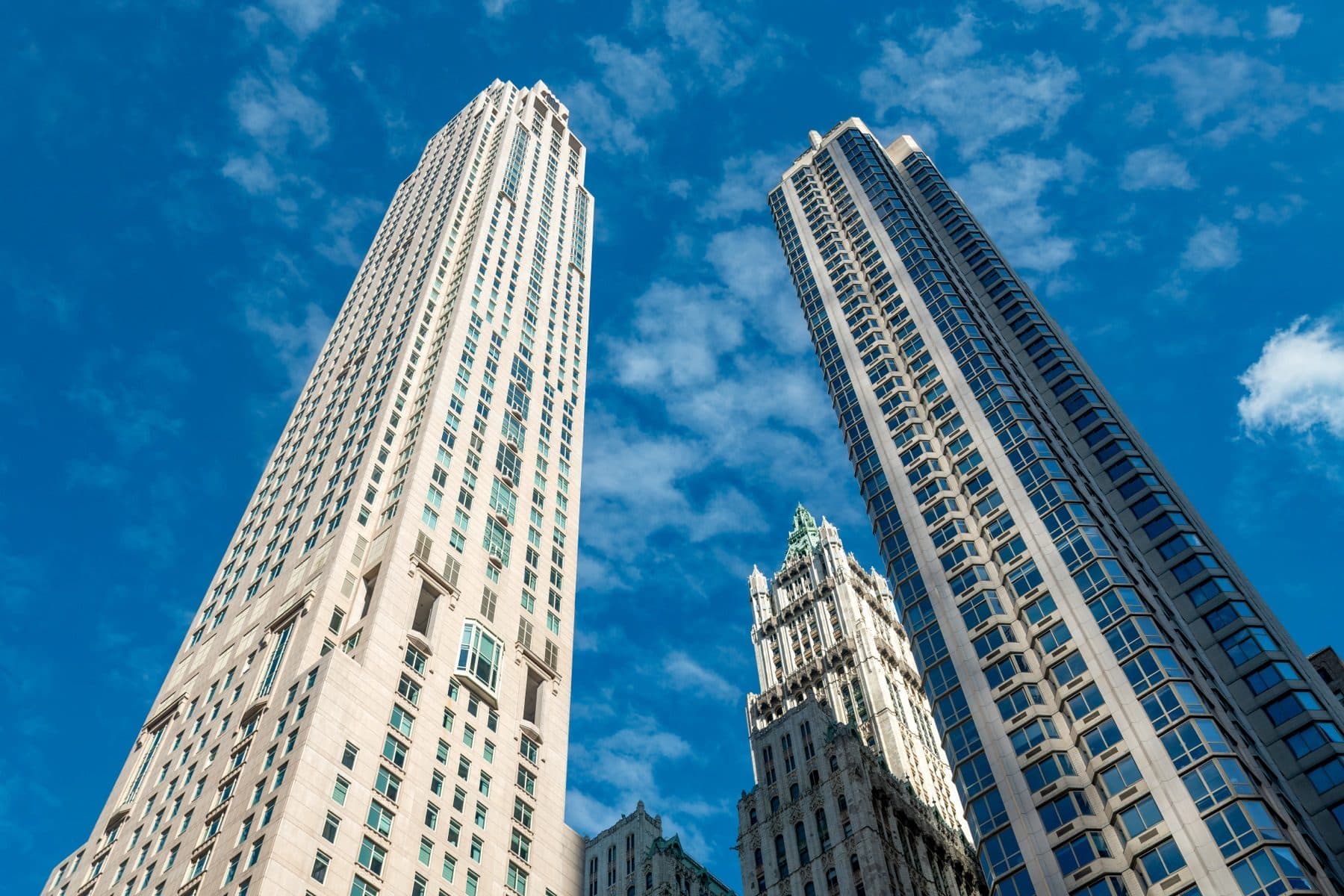
A private consultation
Find a pre-war Village home with a board president's eye
Share your budget, the space you want, and when you hope to move, and Michael will narrow the Gold Coast and side-street buildings to those that fit, walk through their books and planned projects with you, and get you ready for the board interview. His office is Brown Harris Stevens on the West Side, at 1934 Broadway, and he works with buyers all over Manhattan.

What happens next
- 01
Michael reads your note personally
No team inbox. He sees the form himself.
- 02
You'll hear back, usually the same day
By phone or email — whichever you prefer.
- 03
A no-pressure first conversation
Whether you're ready this week or thinking it through.
10+
Years at BHS
Top 1%
Nationwide
$500K–$25M+
Transaction range
Tell Michael about your search
A few quick questions.
Your details stay between you and Michael. No spam. No list.