Fewer than condos. Most Tribeca co-ops are small loft buildings that converted before the condo boom.
Tribeca · Co-ops
Tribeca Co-ops: A Buyer's Guide.
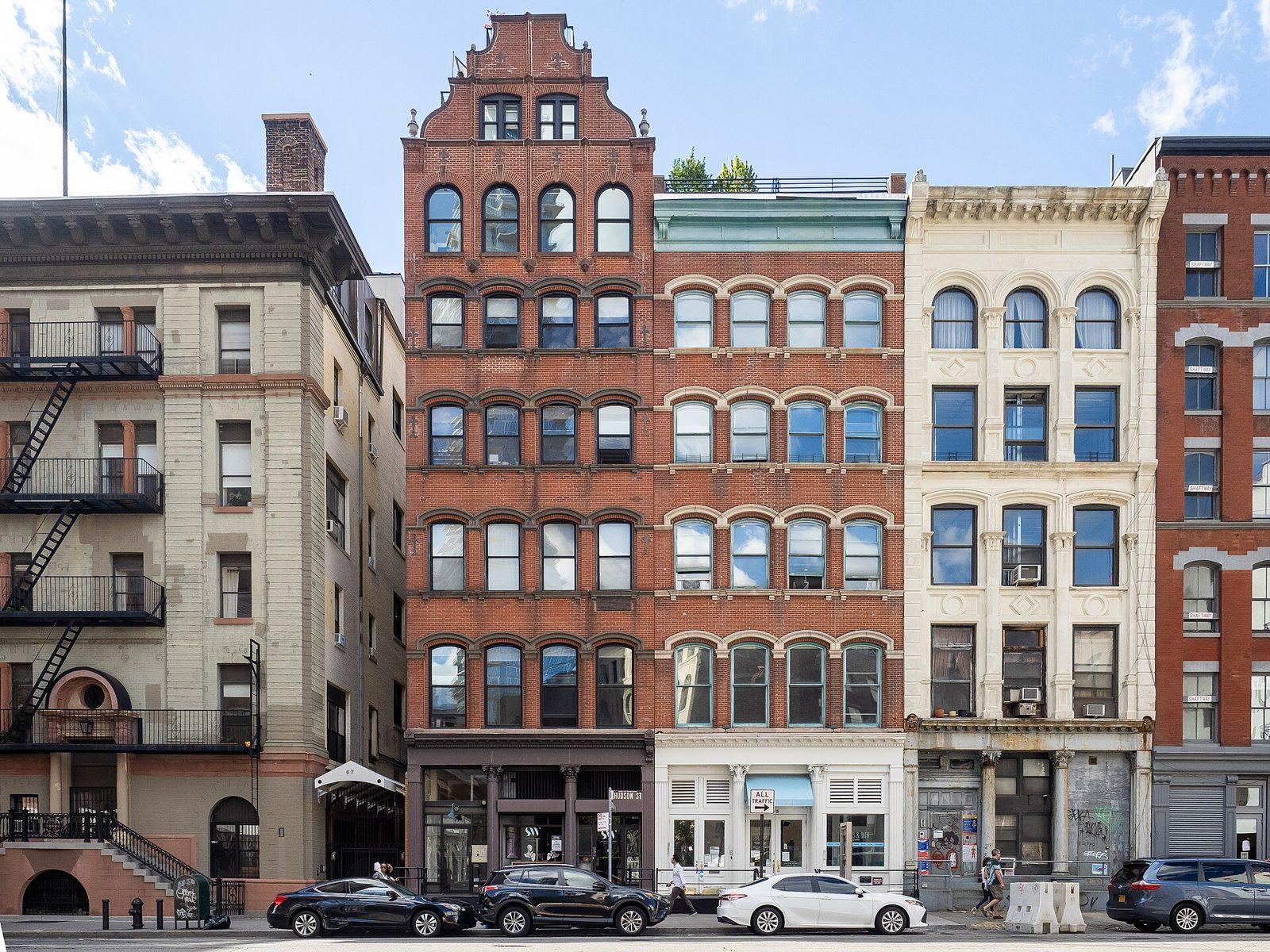
Tribeca co-ops are mostly small loft buildings converted from warehouses, often with five to twenty apartments, no doorman, and one home per floor. They make up a smaller share of the market than condos, and the median co-op asks about $4 million, reflecting large floor-through layouts. Buyers need board approval, and many of these buildings are run by the owners themselves, so the building's finances and condition need careful review.
Tribeca Co-ops
What should you know before buying a co-op in Tribeca?
A Tribeca co-op often means a whole floor of a nineteenth-century warehouse, shared with a few neighbors who own and run the building together. Michael J. Carroll, a Brown Harris Stevens agent, represents buyers across Manhattan, including Tribeca, from the firm's West Side office. As the president of his own condominium board, he knows what it takes for a small group of owners to manage a building, and what to look for when you are about to join them.
This guide covers how Tribeca co-ops differ from co-ops elsewhere, where they are, the buildings that show the type, what they cost, how the purchase works, who a Tribeca co-op suits, and the building checks that matter most. For the full market, see Tribeca apartments.
At a glance
Tribeca co-ops in five facts
Most Tribeca co-ops are converted loft buildings with only a handful of apartments.
The median Tribeca co-op asks about $3.98 million, because many are full-floor lofts.
Many small co-ops are self-managed, with no doorman and shared responsibility for repairs.
Expect board approval, minimum down payments often around 20 percent, and limits on subletting.
Older systems, freight elevators, and facade work can bring assessments in small buildings.
Tribeca Co-ops
How are Tribeca co-ops different?
Uptown co-ops are often large doorman buildings with hundreds of apartments. In Tribeca, most co-ops are the opposite: small warehouse conversions where a few owners share the building, its costs, and its decisions.
Because so few owners share the costs, each one's share of a roof or facade project is large. That makes the building's reserves and plans just as important as the loft itself. See our condo vs. co-op guide for the legal differences.
Small buildings, big floors
What that means when you shop
What sets them apart:
Very few apartments
Buildings such as 14 Harrison Street have five homes on six floors, according to CityRealty.
Full-floor lofts
Many apartments take an entire floor, with windows at both ends and thousands of square feet.
No doorman
Small loft co-ops usually rely on intercoms, keyed elevators, and the owners themselves.
Self-management
Some buildings are run directly by the shareholders rather than a large managing agent.
Older conversions
Many became co-ops in the early decades of loft living, so systems may be original or partly upgraded.
Where co-ops are
Where are the co-ops in Tribeca?
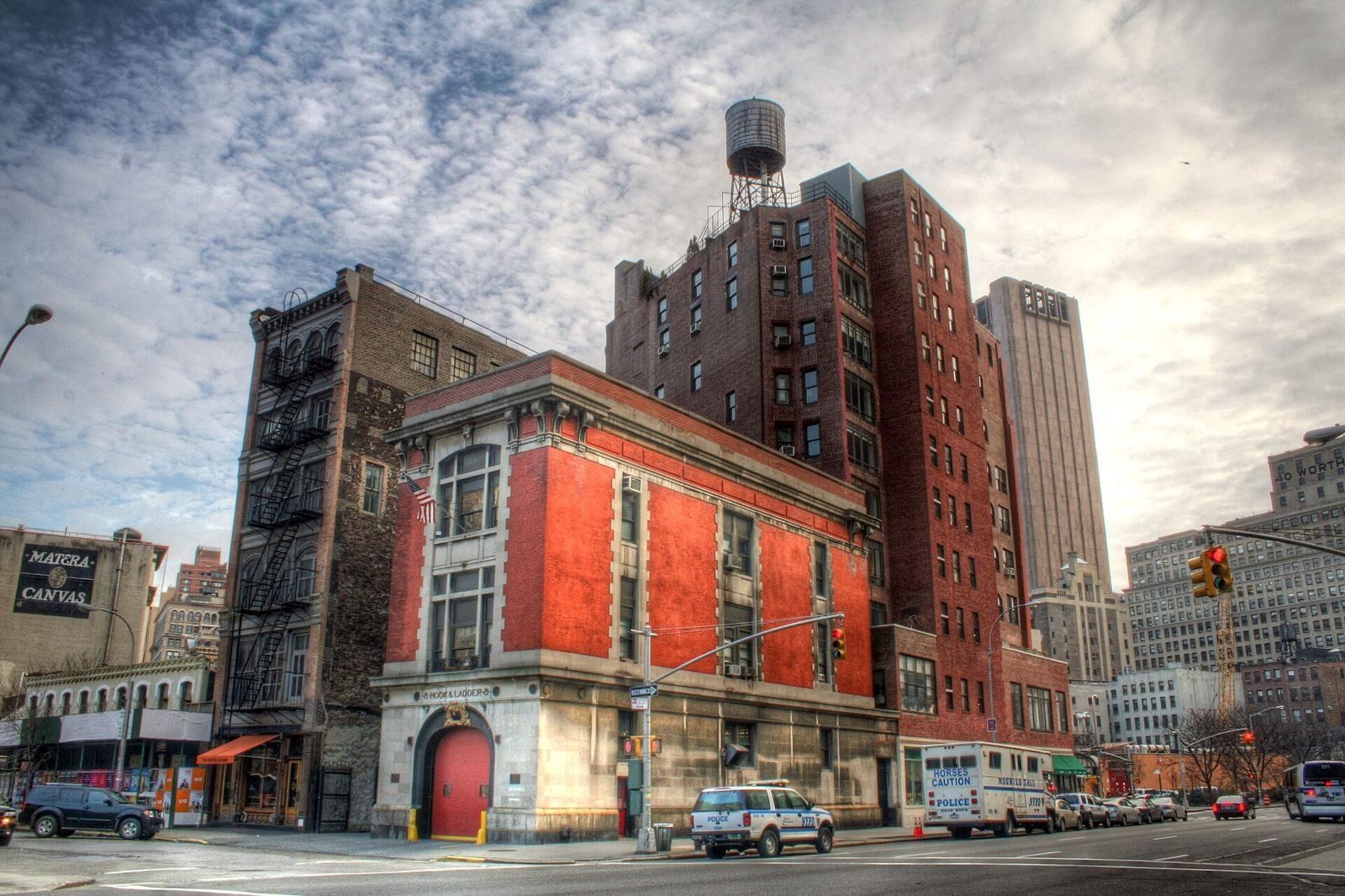
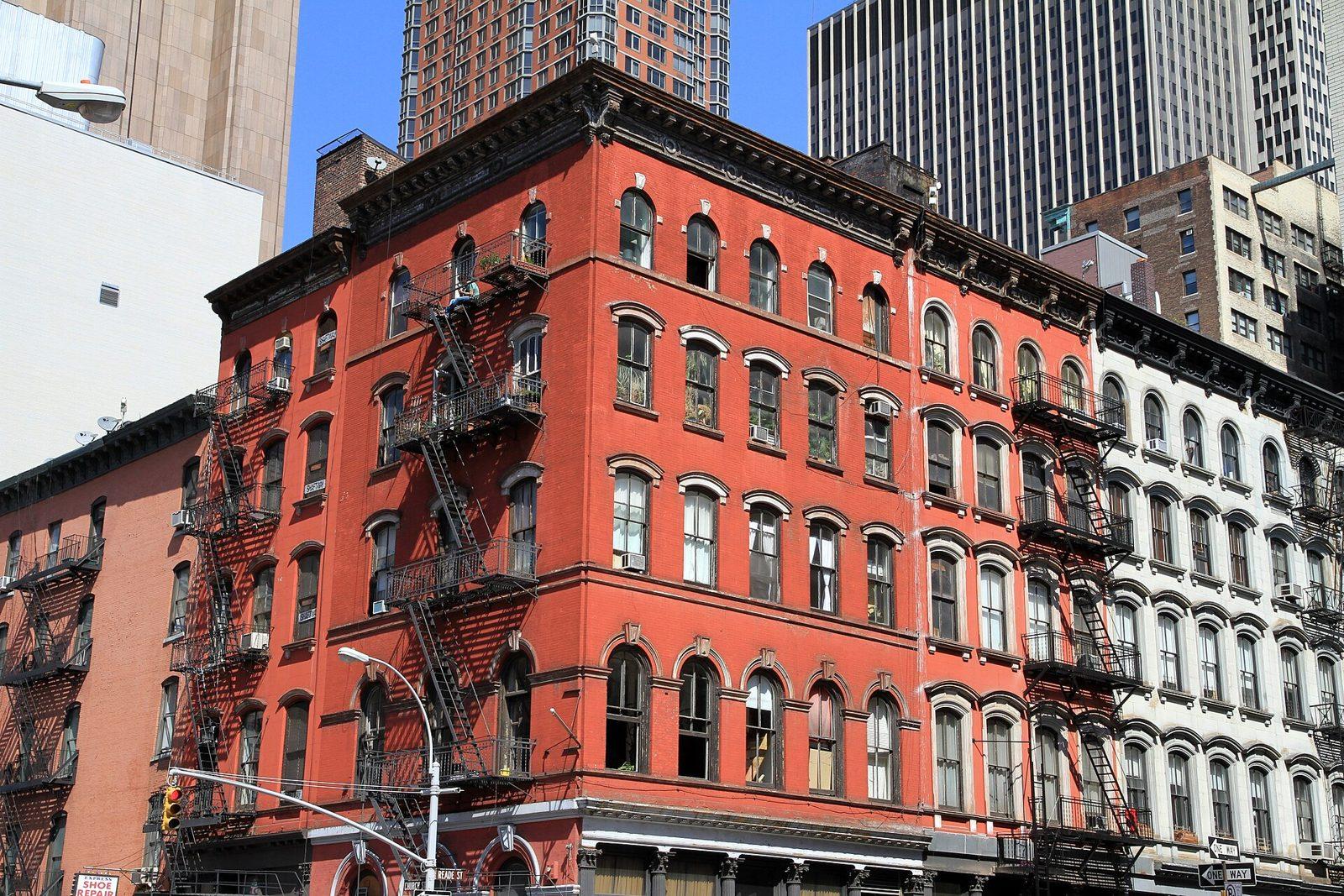
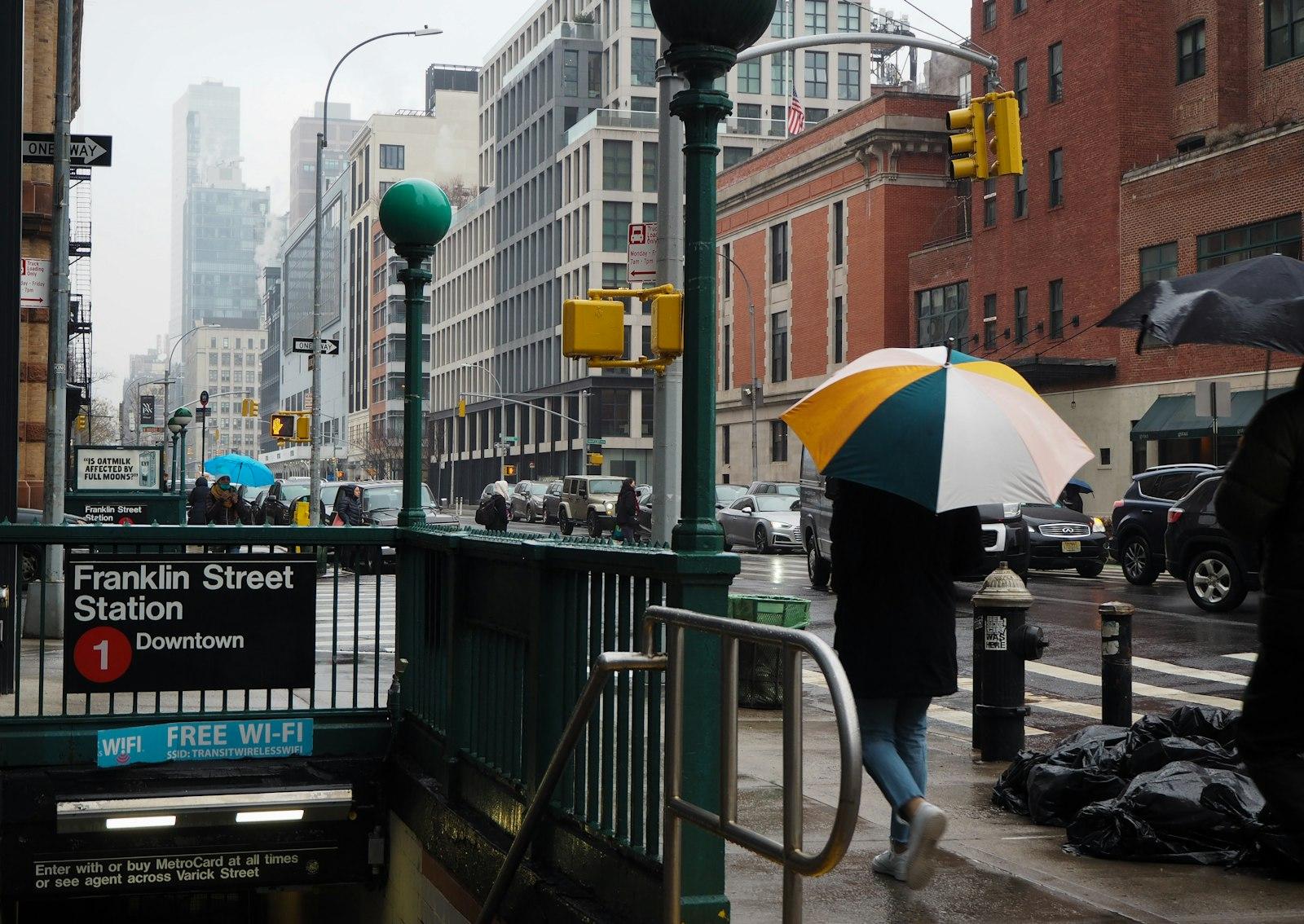
Co-op lofts are scattered across Tribeca's historic blocks, mostly in buildings that converted before the condo wave. Five areas hold most of them.
The Franklin and Harrison Street blocks
Cobblestone streets in central and western Tribeca with small co-op lofts in buildings from the 1860s to the 1910s.
Warehouse blocks around Hudson and Varick Streets, with loft co-ops close to SoHo.
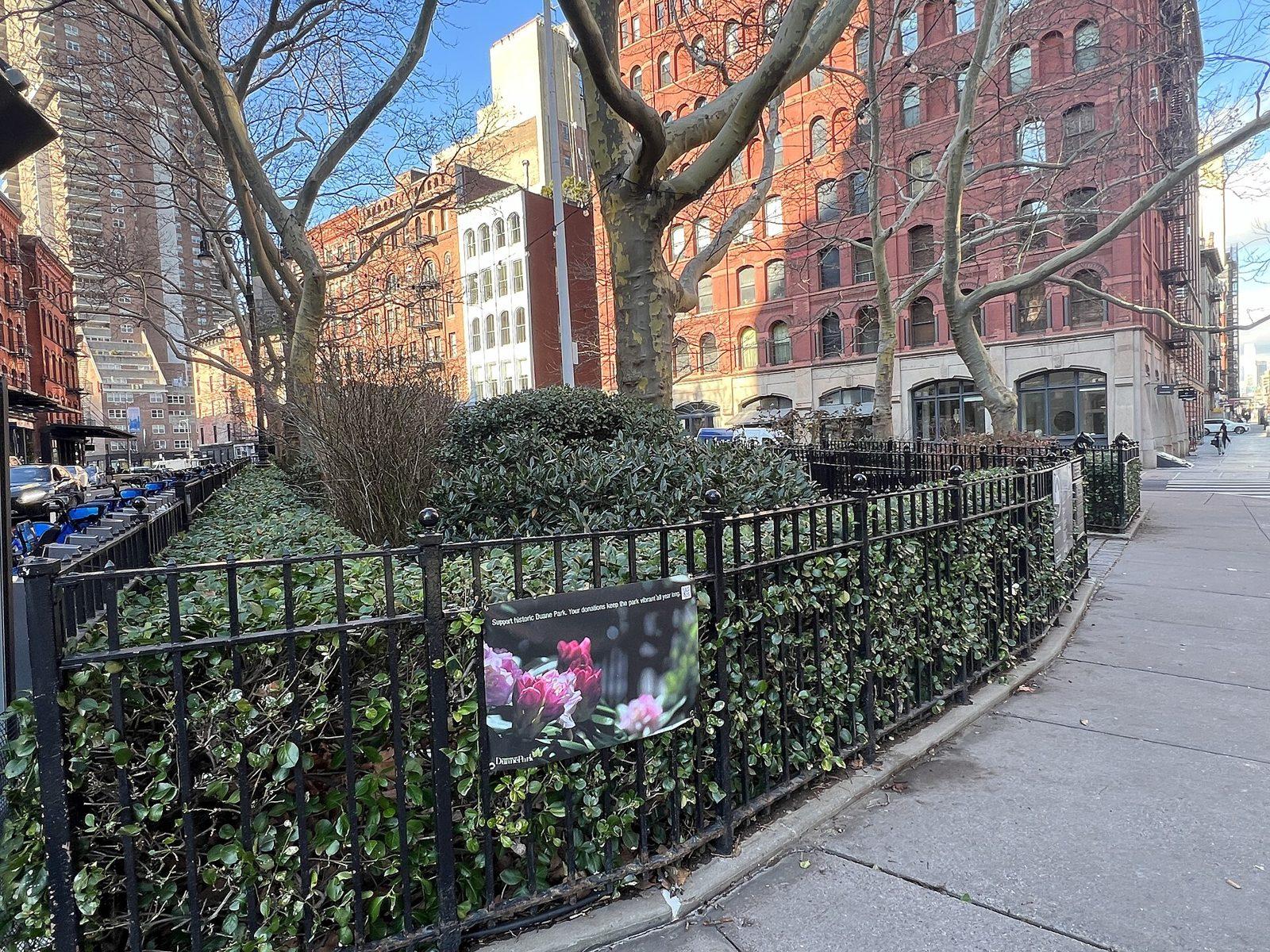
Buildings near Duane Park, including older co-op conversions on quiet side streets.
Loft buildings near Church Street and Broadway, close to the subway and City Hall.
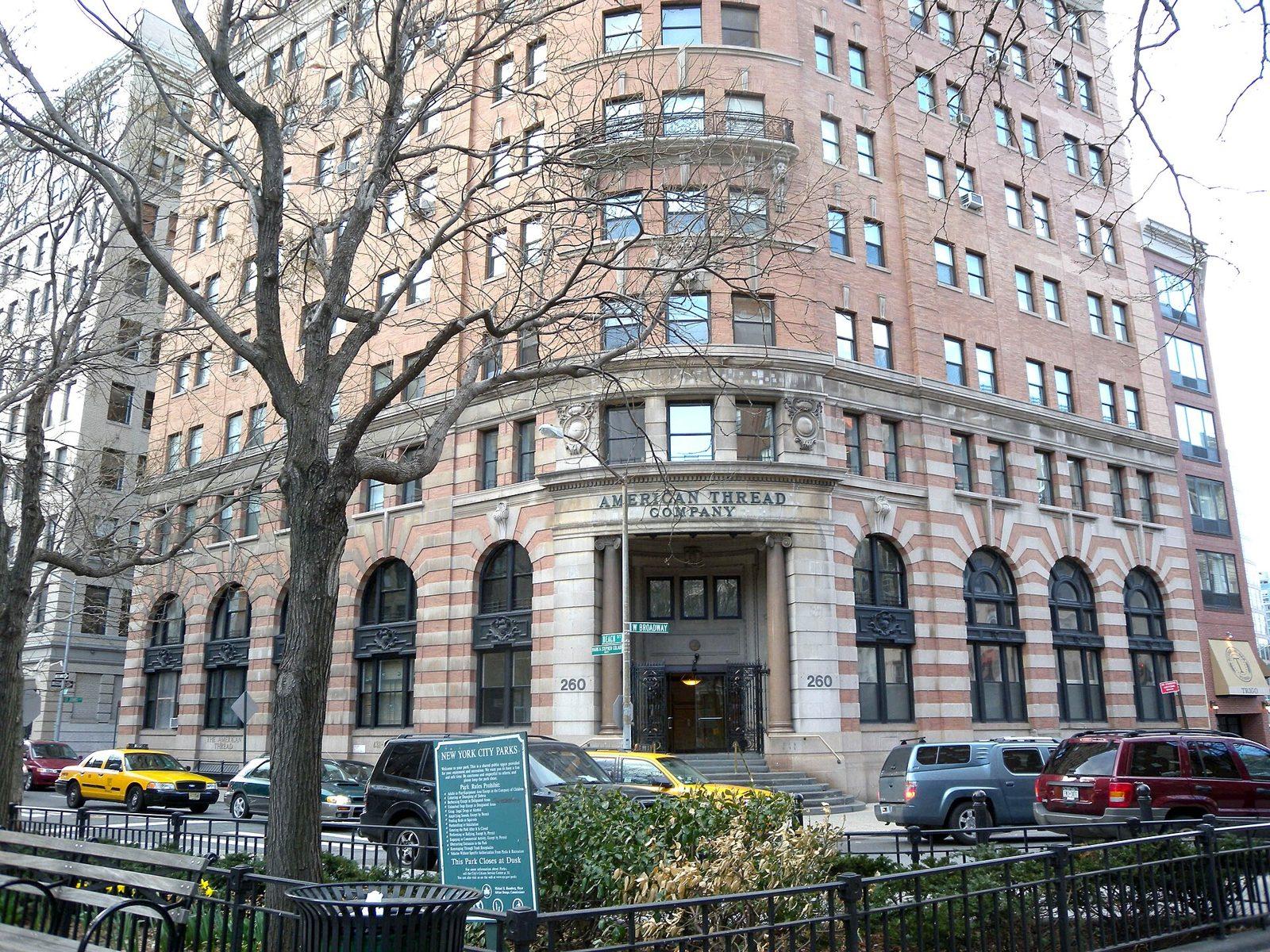
Large former commercial buildings along West Broadway, some converted to co-ops and others to condos.
Typical buildings
Which Tribeca co-op buildings show what to expect?
Tribeca co-ops are small and private, so few have famous names. These examples show the typical building:
14 Harrison Street
A six-story 1915 co-op with five apartments on a quiet cobblestone block between Hudson and Greenwich Streets, with no doorman and a 20 percent minimum down payment, per CityRealty.
108–110 Franklin Street
Built in 1861 as two buildings sharing a wall, now a co-op whose lofts keep that wall as a row of brick archways, as 6sqft describes.
144 Franklin Street
A self-managed 1915 co-op with eight apartments on seven floors, an elevator, and a 25 percent minimum down payment; it allows subletting for up to two years with board approval, per CityRealty.
These buildings share the features buyers value most in a Tribeca co-op: few neighbors, large floors, original structure, and quiet blocks.
Tribeca Co-ops
Loft co-op or loft condo?
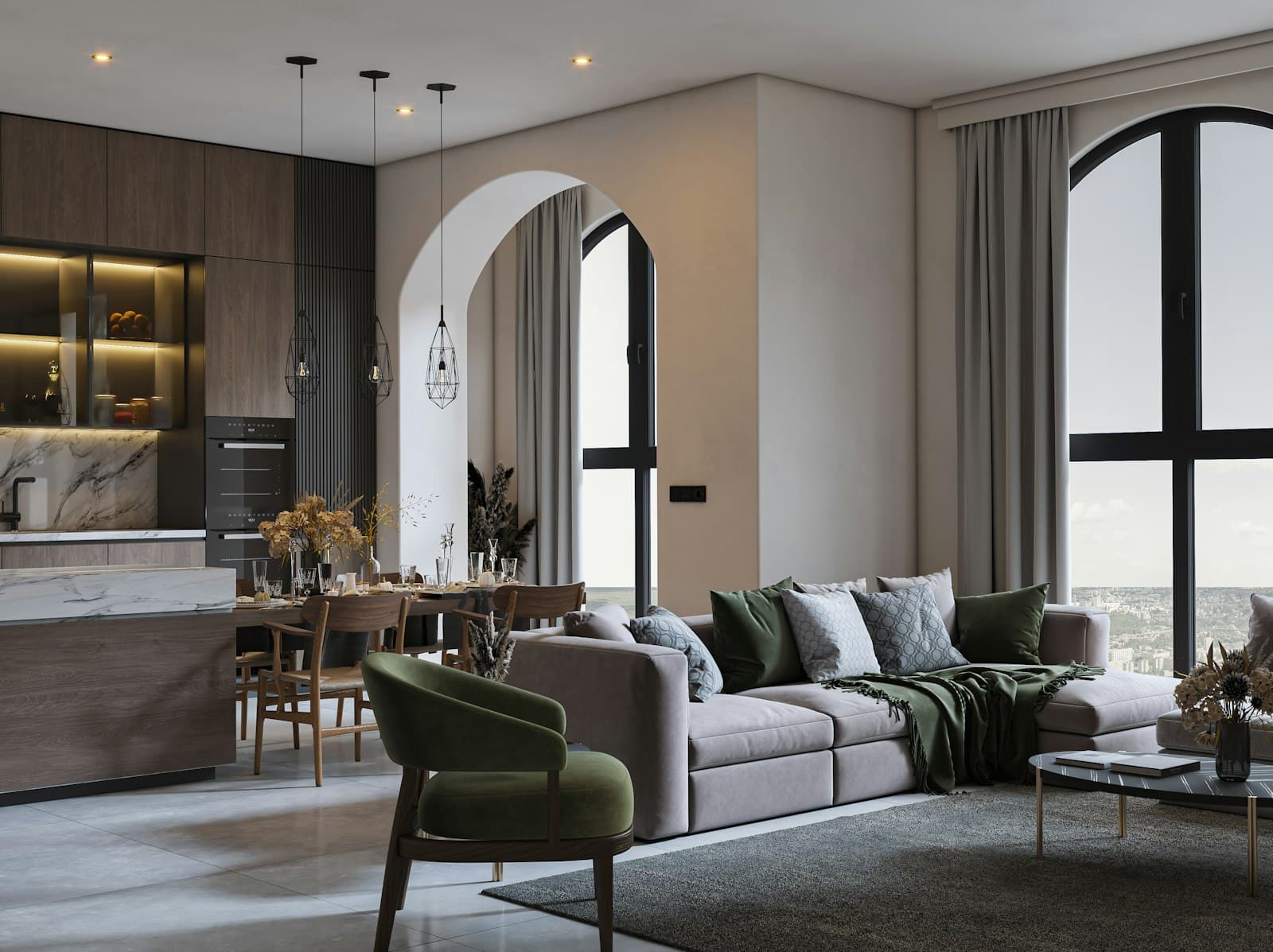
The apartments can look alike, but the ownership is not. A loft co-op usually costs less for similar space and keeps a close community of owners, but it requires board approval and often limits subletting. A loft condo, common in later conversions, allows renting, easier financing, and ownership through a company, at a higher price. If you plan to live in the loft for years and want to know your neighbors, a co-op can be a good fit.
What do Tribeca co-ops cost?
Tribeca co-ops are expensive by co-op standards because many are large full-floor lofts. On its Tribeca co-op page, Milton Coste lists a median co-op asking price of $3,975,000 and notes that co-ops typically sell 15 to 30 percent below equivalent condos.
Prices vary with size, light, and condition. A raw full-floor loft needing new mechanicals may trade well below a renovated one in the same building, and penthouse lofts with roof rights command a premium. Across Tribeca, the median sale price for all homes is about $3.91 million, per Milton Coste.
Tribeca Co-ops
- $3.98MMedian asking price for a Tribeca co-op
- 15–30%Typical co-op discount to equivalent condos
- 5Apartments at 14 Harrison Street, a typical loft co-op
- 20%Minimum down payment at 14 Harrison Street
Sources: Milton Coste Tribeca co-op data (2026); CityRealty building profile of 14 Harrison Street.
Maintenance
Small buildings without doormen can have modest maintenance, but every repair is shared by few owners.
Assessments
Roofs, facades, freight elevators, and boilers in old warehouses bring periodic charges.
Renovation
Many lofts need updated wiring, heating and cooling, and windows.
Mansion tax
One percent on homes of $1 million or more, as the state tax department lists.
Flip tax and fees
Some co-ops charge a transfer fee on sale, plus application and move-in fees.
Tribeca Co-ops
What adds value to a Tribeca co-op loft?
Several features move price more than square footage. Light on two or more sides, high ceilings, a working passenger elevator, legal bedrooms with windows, roof rights, and a quiet cobblestone block all add value. Raw space, a freight-only elevator, or a loft facing a light well reduces it. Michael compares these details against recent co-op and condo loft sales before you bid.
Offer to keys
How do you buy a Tribeca co-op?
Buying a Tribeca co-op follows the usual co-op path, but small buildings can move differently: boards meet less often, and owners may know the seller personally. Expect two to four months.
Ask what the building requires
Down payment, savings after closing, and any rules on subletting or renovations.
Visit at different times
Small buildings without doormen feel different at night and on weekends.
Make an offer
Michael uses recent co-op and condo loft sales to set a fair price.
Engage a real estate attorney
They read the financial statements, minutes, and proprietary lease.
Sign and fund the deposit
Typically 10 percent, held in escrow.
Arrange financing if permitted
Lenders review small co-ops closely, so confirm early that loans are allowed.
Prepare the board package
Financial statements, tax returns, and references in the building's format.
Meet the owners
In a five-unit building, the interview may include most of your future neighbors.
Close
Sign the stock and lease documents and take the keys.
The city-wide co-op process is covered in our co-op buying guide.
Can you get a mortgage on a small Tribeca co-op?
Often, but not always easily. Lenders look at the whole building, and small co-ops with few units, self-management, or any owner behind on maintenance can be harder to finance. Some buildings allow only limited financing. Ask your lender to review the building early, and have a plan in case the bank declines the building rather than you.
Tribeca Co-ops
Who it suits
Who is a Tribeca co-op right for?
A Tribeca co-op suits buyers who want a large loft at a lower price than a condo and are happy to share a building with a few committed neighbors. These buyers choose them most:
Families wanting full floors
Large loft co-ops give space for children, guests, and work.
Buyers seeking value
Co-op lofts often cost less than similar condo lofts nearby.
Long-term owners
Buyers planning to stay benefit most from the stability of an owner-run building.
Buyers who like community
In a five-unit co-op, neighbors know each other and run the building together.
Hands-on owners
Buyers comfortable taking part in building decisions and repairs.
If you want to rent your home, use it part time, or buy through a company, a condo usually fits better; see Tribeca condos.
From inside the board
What should you check in a small Tribeca co-op building?
In a building with only a few owners, the board is your neighbors and every decision reaches your bill. As a condo board president, Michael reviews these five points with his buyers:
Reserves
With few owners, the reserve fund must be strong enough to cover a roof or facade without a large assessment.
Recent and planned projects
Ask what was done to the roof, facade, windows, and elevator, and what is next.
How the building is managed
Self-managed buildings, such as many on Harrison Street, depend on owners' time and skill.
The certificate of occupancy
Confirm the building is legally residential and the floors are used as approved.
Owner finances
One owner falling behind on maintenance affects everyone in a small building; ask whether arrears exist.
These checks protect you from inheriting a building that looks charming but cannot afford its next repair.
A walk through Tribeca Co-ops
Tribeca co-ops, in light.
The buildings, blocks, and rooms that define Tribeca Co-ops — captured on Michael's walks home.
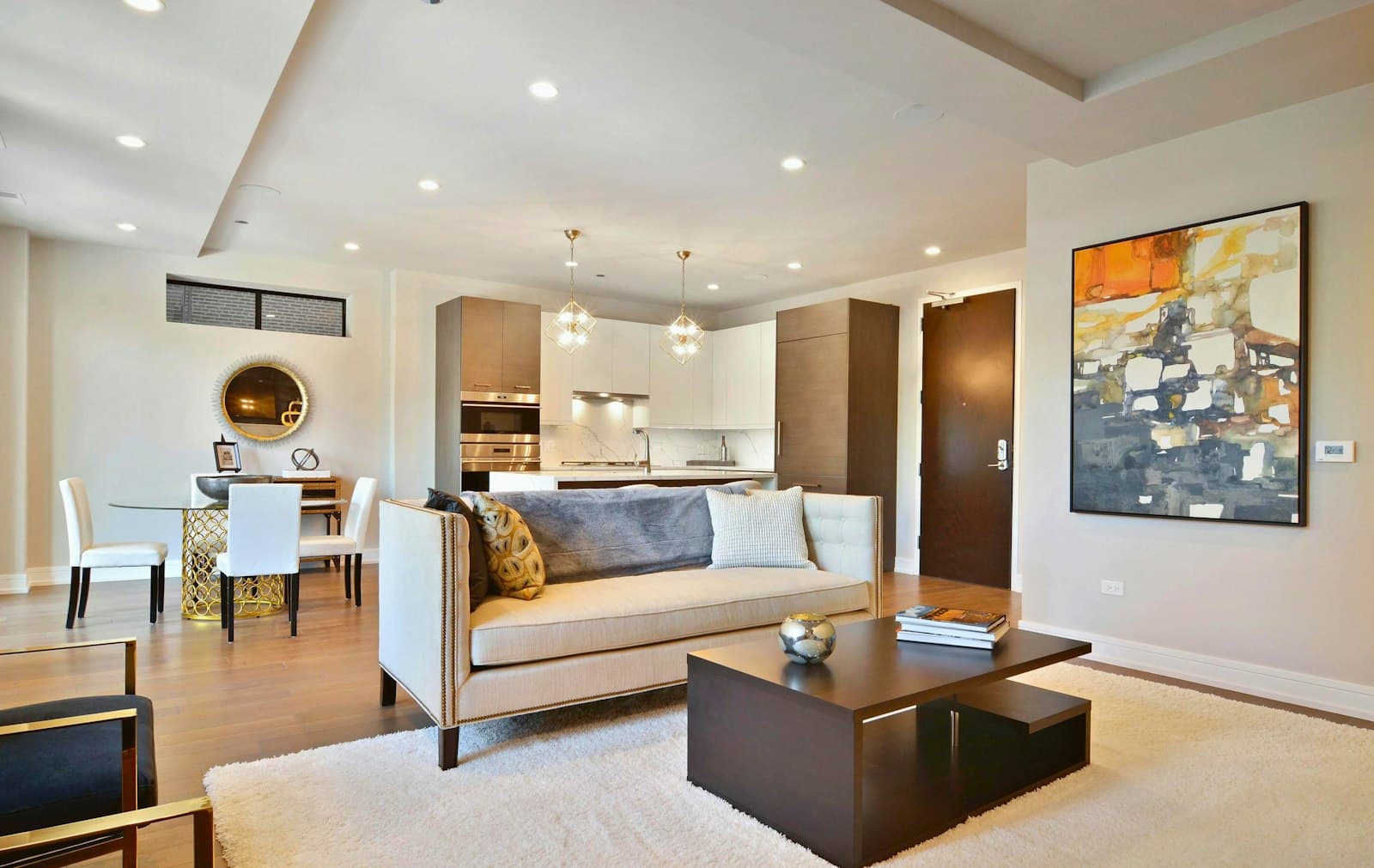
An open-plan living room and kitchen
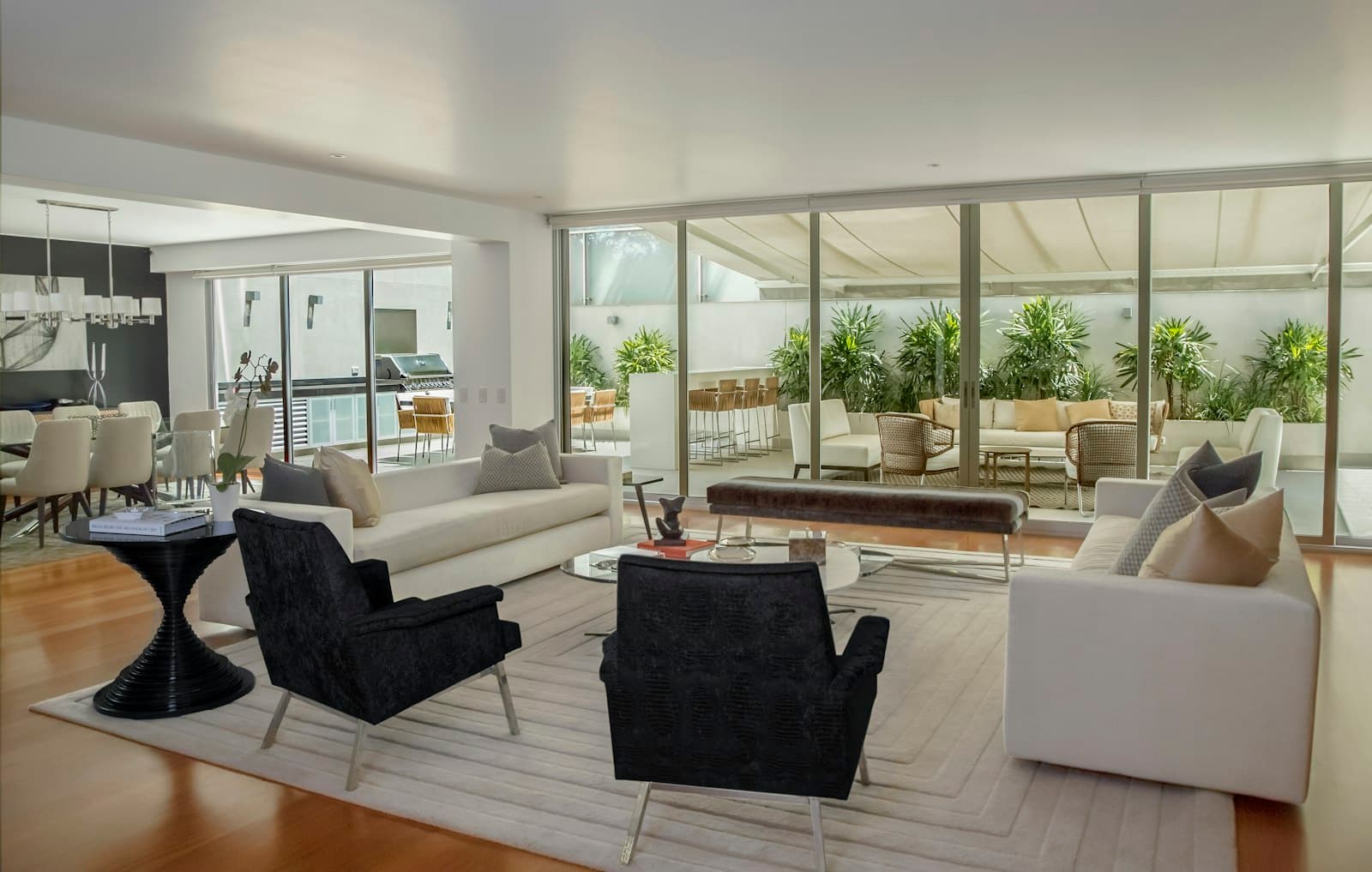
A pair of armchairs in a quiet sitting room
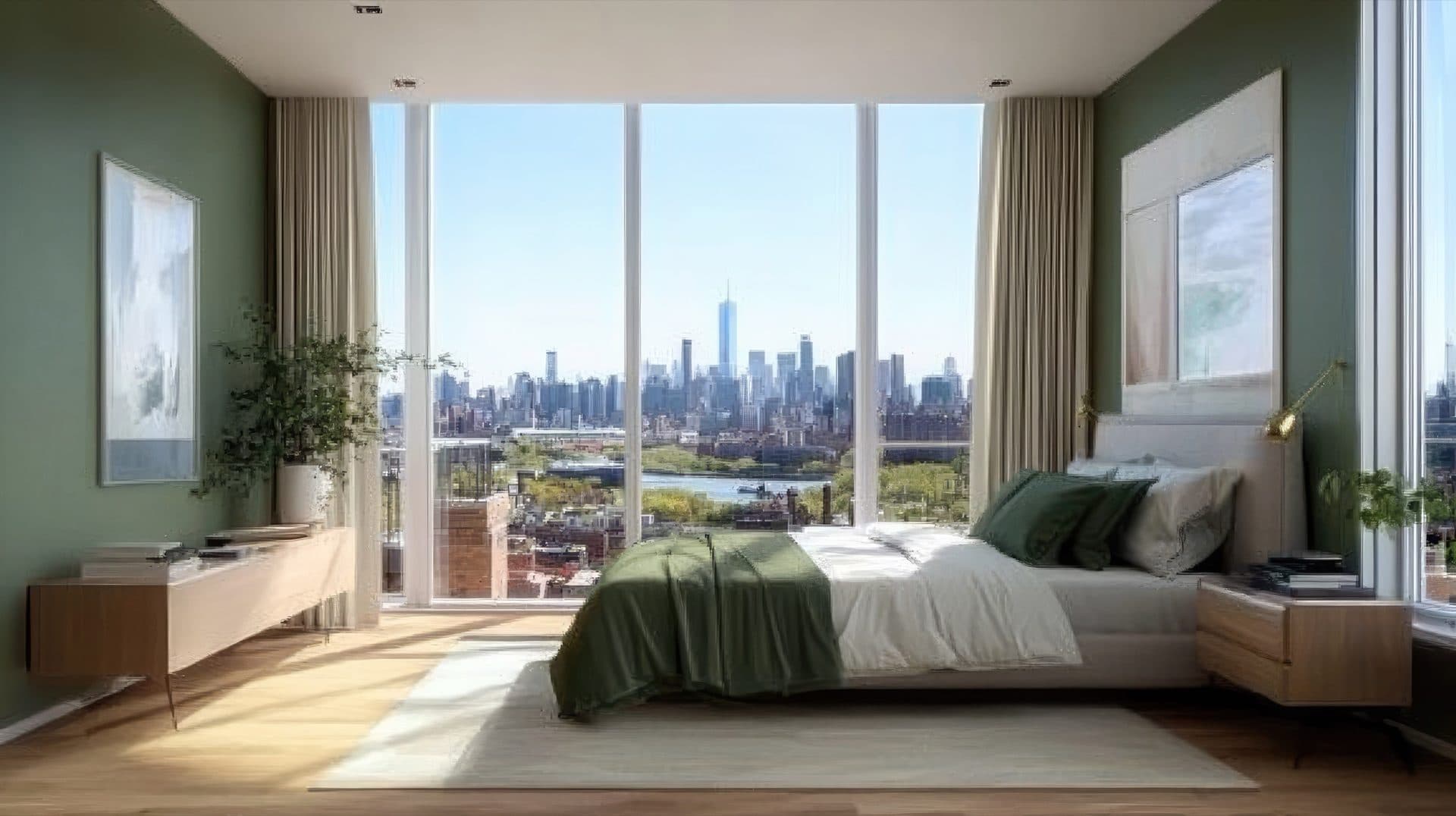
A light-filled Manhattan bedroom with floor-to-ceiling windows

A neatly made bed beneath a framed painting
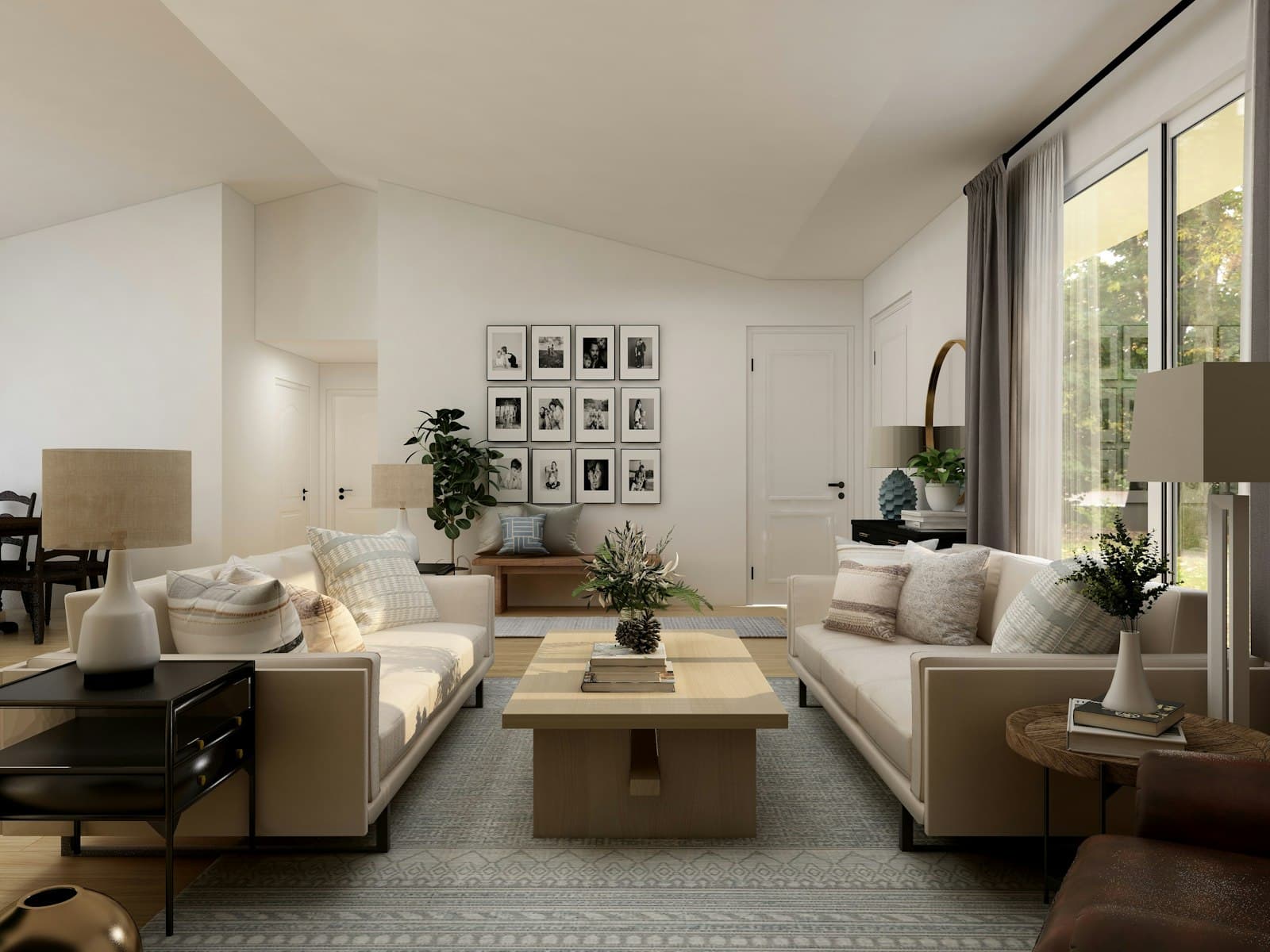
A living room with a white sofa and a potted plant
“In a five-unit loft co-op, your neighbors are the board. I read the building's books before you join them.”
— Michael J. Carroll
Answers
Tribeca Co-ops, answered
- The median co-op asks about $4 million, reflecting large full-floor lofts, though smaller and unrenovated lofts sell for less.
- Most small loft co-ops do not. They rely on intercoms, keyed elevators, and the owners themselves.
- A building run directly by its shareholders rather than a professional managing agent. It can save money but relies on owners' involvement.
- Many Tribeca co-ops ask for at least 20 percent, and some ask for more. Each building sets its own rules.
- Usually only with board approval and within the building's sublet limits. Check the rules before you buy.
A private consultation
Join the right Tribeca co-op
Tell Michael what you need and your budget, and he will find Tribeca co-op lofts that fit, go through each building's finances and repair history with you, and prepare you to meet the board. He works from the Brown Harris Stevens West Side office at 1934 Broadway and represents buyers across Manhattan.

What happens next
- 01
Michael reads your note personally
No team inbox. He sees the form himself.
- 02
You'll hear back, usually the same day
By phone or email — whichever you prefer.
- 03
A no-pressure first conversation
Whether you're ready this week or thinking it through.
10+
Years at BHS
Top 1%
Nationwide
$500K–$25M+
Transaction range
Tell Michael about your search
A few quick questions.
Your details stay between you and Michael. No spam. No list.