Median asking prices run from about $2.3 million to $3 million in recent data, with new boutique buildings at the top.
Greenwich Village · Condos
Greenwich Village Condos: A Buyer's Guide.
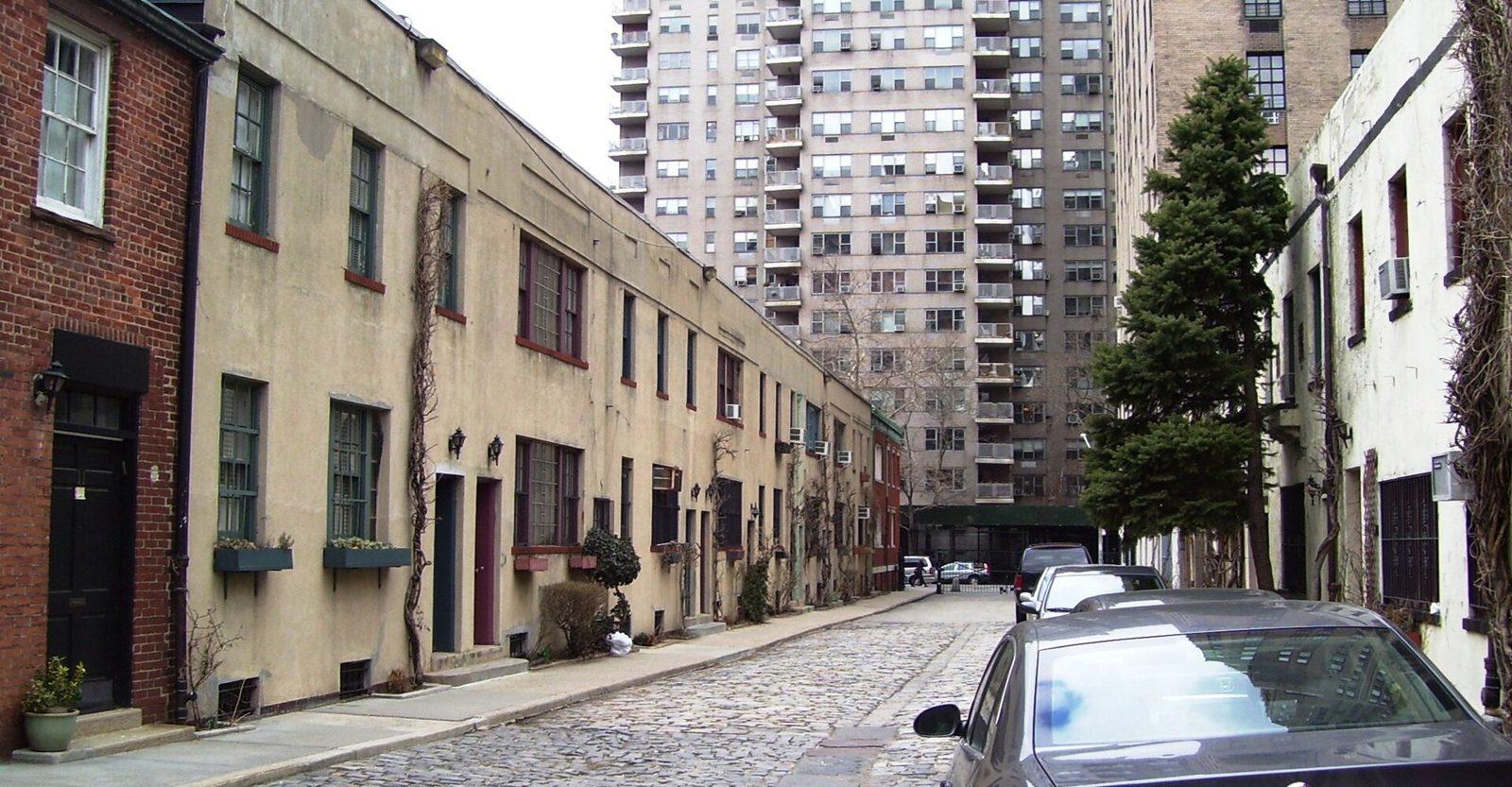
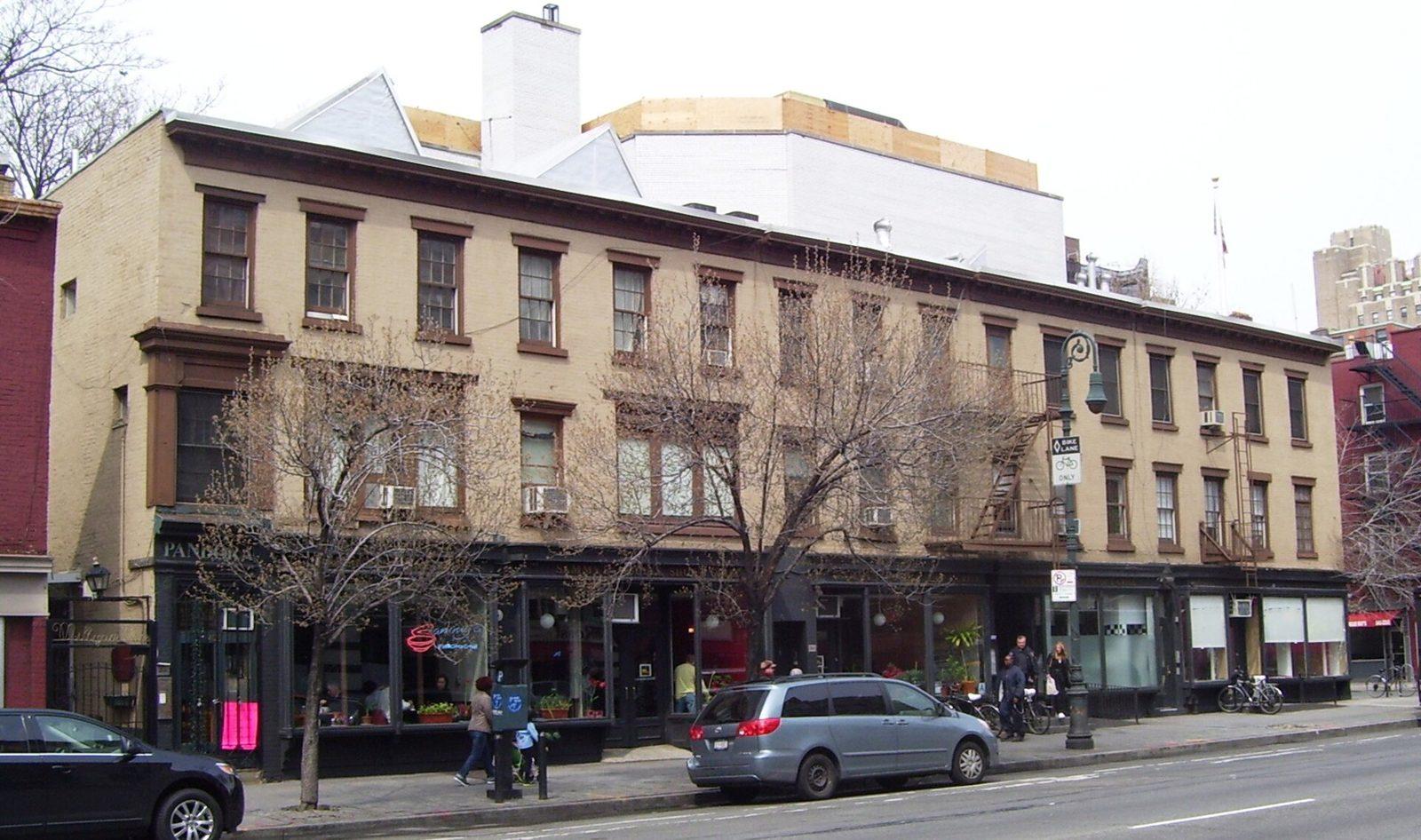
Condos are the smaller, newer, and pricier part of the Greenwich Village market. Most are boutique buildings near University Place and 12th Street, a few larger complexes in the West Village such as Greenwich Lane, and older conversions south of Washington Square. Median condo asking prices run from about $2.3 million to $3 million depending on the snapshot, roughly double the co-op median. Buyers pay the premium for freedom: no co-op interview, easier financing, and the right to rent or use the home part time.
Greenwich Village Condos
What should you know before buying a condo in Greenwich Village?
For many buyers, a Greenwich Village condo is the simplest way to own in one of Manhattan's most charming neighborhoods: no board interview, no sublet limits, and often brand-new systems behind a historic street front. Michael J. Carroll works from the Brown Harris Stevens West Side office and represents buyers across Manhattan, including the Village. As president of his own condominium board, he knows how condo budgets, reserves, and boards work from the inside, which matters most in the small buildings that dominate the Village.
This guide explains what sets Village condos apart, where they are, the buildings buyers compare, what they cost, how buying one works, who they suit, and what to check before you sign. For the neighborhood overview, see Greenwich Village apartments.
At a glance
Greenwich Village condos in five facts
Condos are a minority of Village apartments and cost roughly twice as much as co-ops at the median.
Most Village condos are small buildings with few units, so resales are rare.
Benchmark buildings include Greenwich Lane, One Jackson Square, 21 East 12th Street, and 184 Thompson Street.
Condos allow renting, entity ownership, and pied-à-terre use far more easily than Village co-ops.
Common charges, taxes, reserves, and the size of the building shape what you really pay.
Greenwich Village Condos
What sets Greenwich Village condos apart?
A condo gives you real property ownership: a deed to your apartment and a share of the common areas. In the Village, condos also tend to be newer and smaller than the co-ops around them.
Because Village condos are so small, each building's budget is shared by few owners, so one roof or facade project can affect common charges noticeably. Our condo vs. co-op guide sets out the legal differences.
Condo, not co-op
What that means when you shop
The features that define the Village condo market:
Boutique scale
Many buildings have fewer than 30 homes, and some, such as 116 University Place, have only five.
New or recently converted buildings
Most condos date from the last two decades, often on former hospital, factory, or garage sites.
Freedom of use
Condos typically allow subletting, which Milton Coste notes makes them suitable for pied-à-terre and investment purchases.
No co-op interview
Condo boards usually hold only a right of first refusal, which they rarely use.
Higher prices
That freedom, and newer buildings, put condos well above co-ops at the median.
Where condos are
Where are the condos in Greenwich Village?
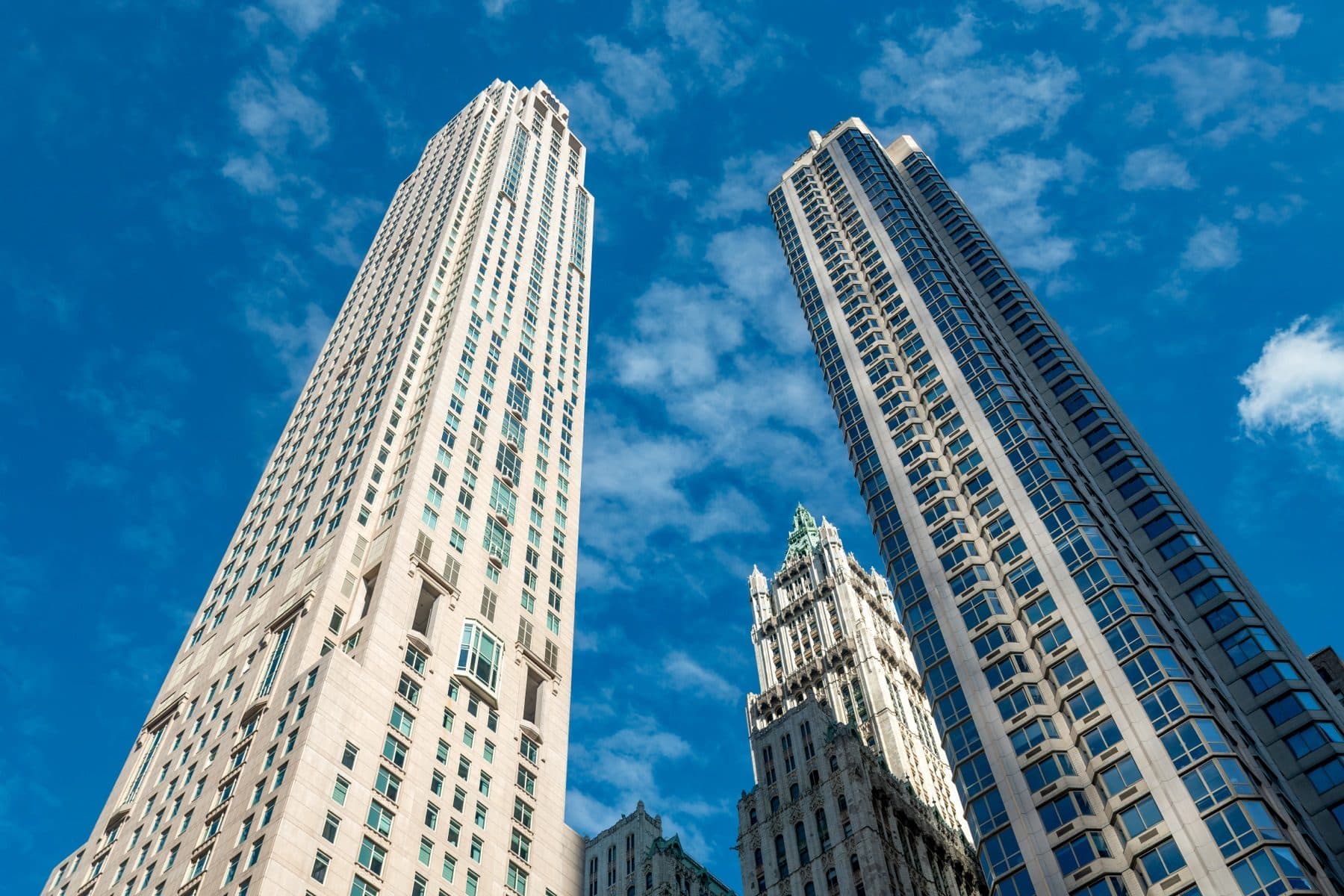
Village condos cluster where sites became available for new building or conversion. Five areas hold most of them.
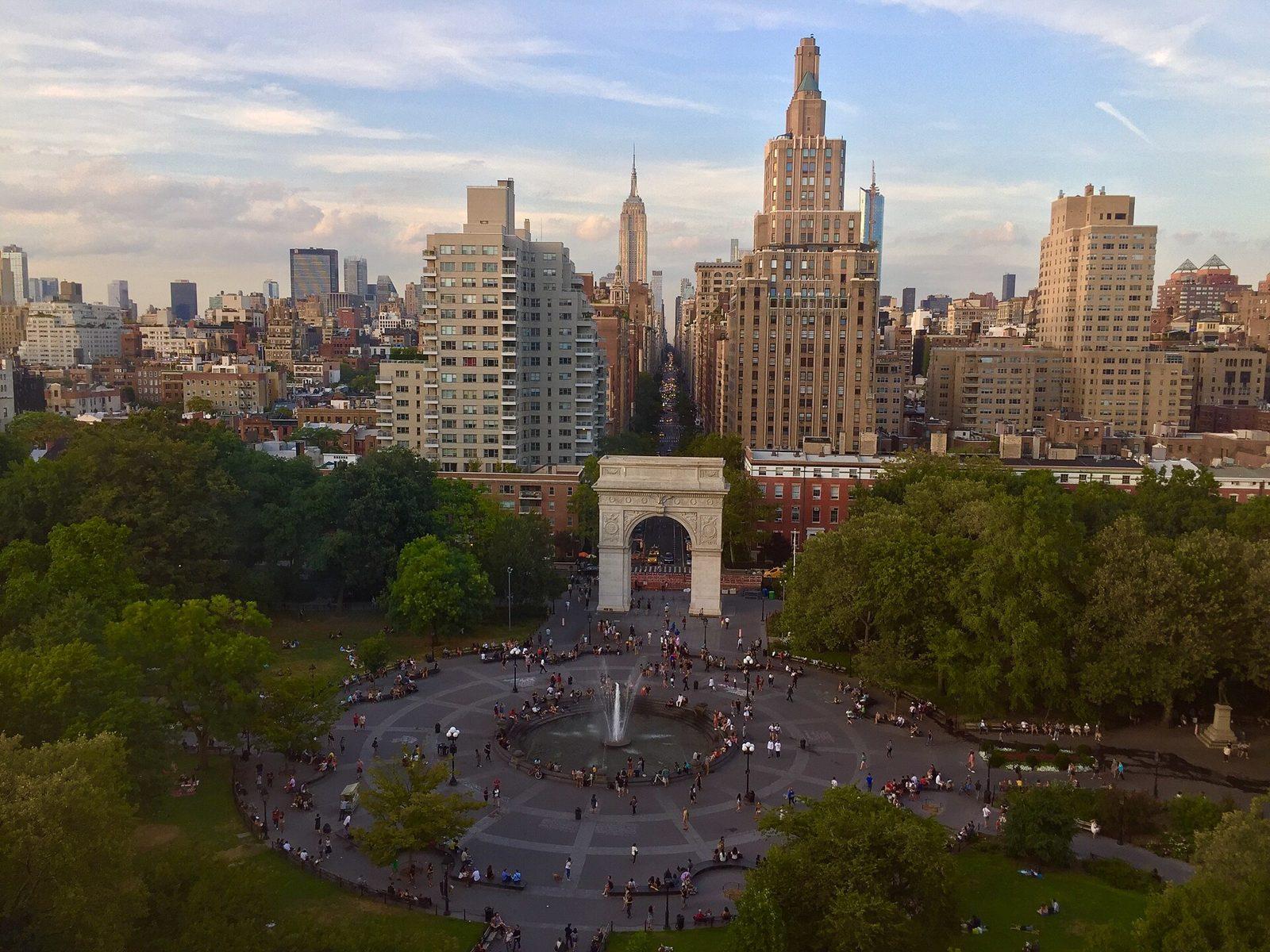
The biggest cluster of new boutique condos, between Fifth Avenue and Broadway just north of Washington Square.
A handful of condos near the park, including new buildings that rose on the few available sites.
West of Seventh Avenue, where larger projects such as Greenwich Lane replaced institutional sites, alongside smaller conversions.
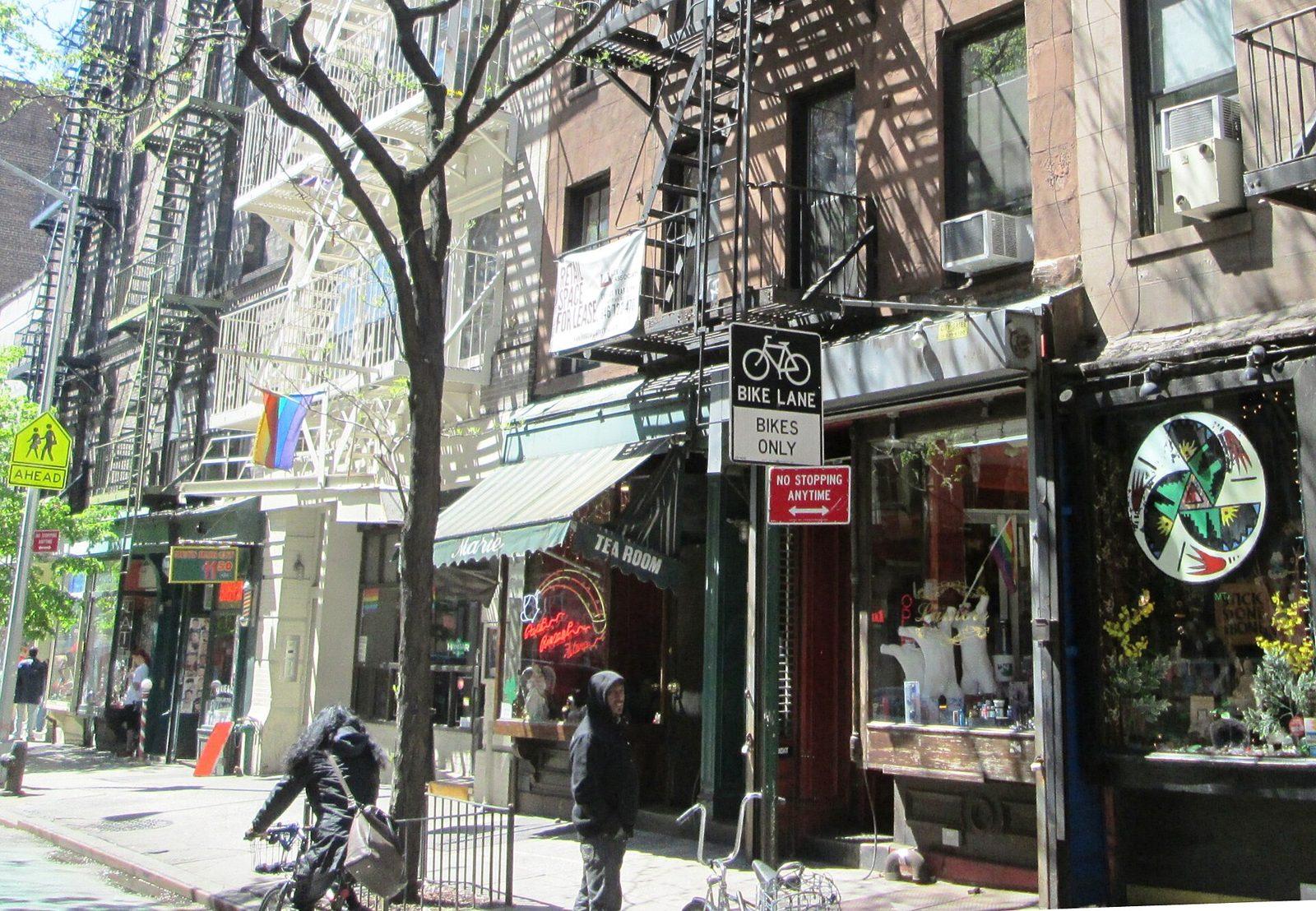
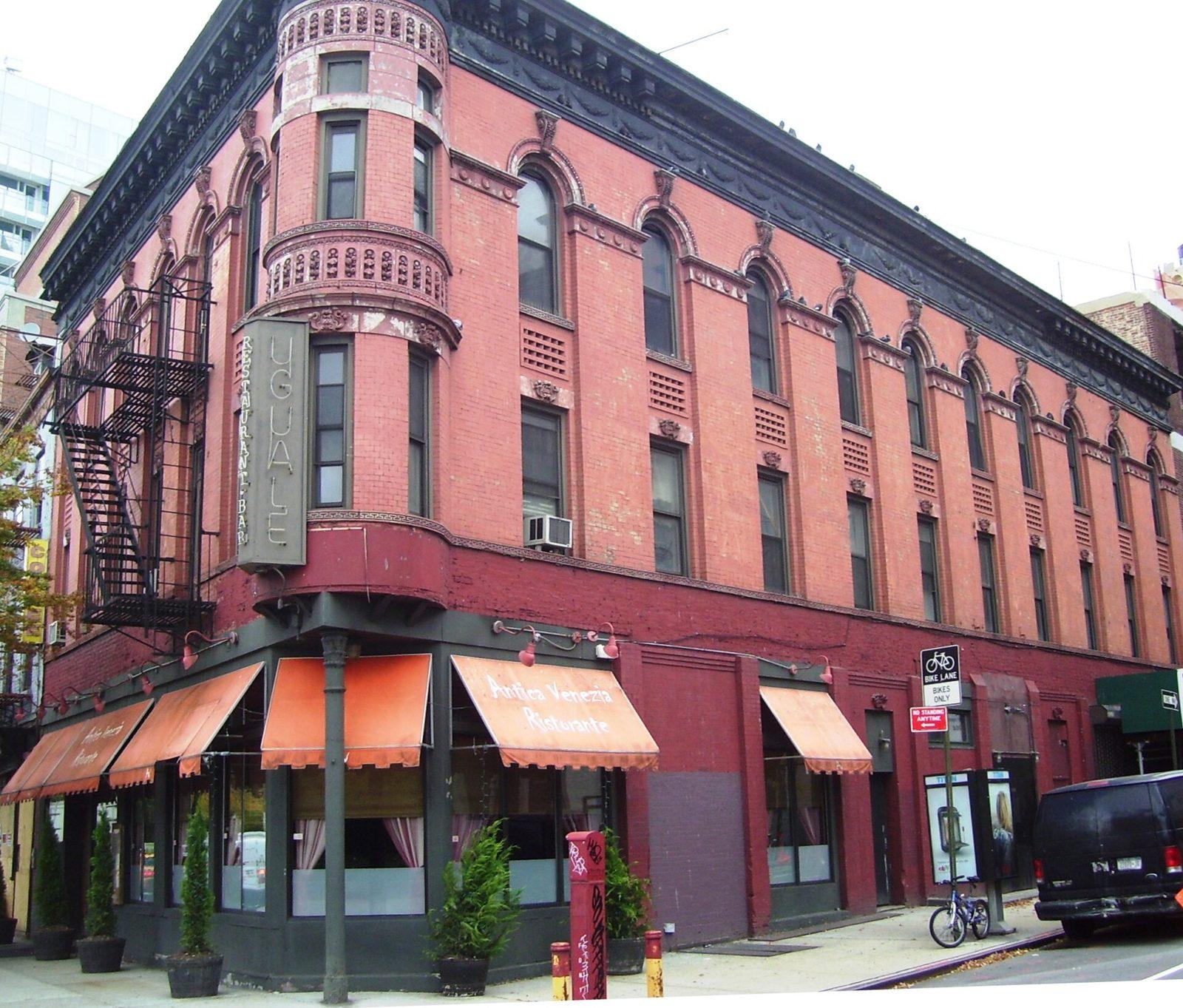
South of Washington Square, with older condos such as 184 Thompson Street and smaller conversions near Bleecker Street.
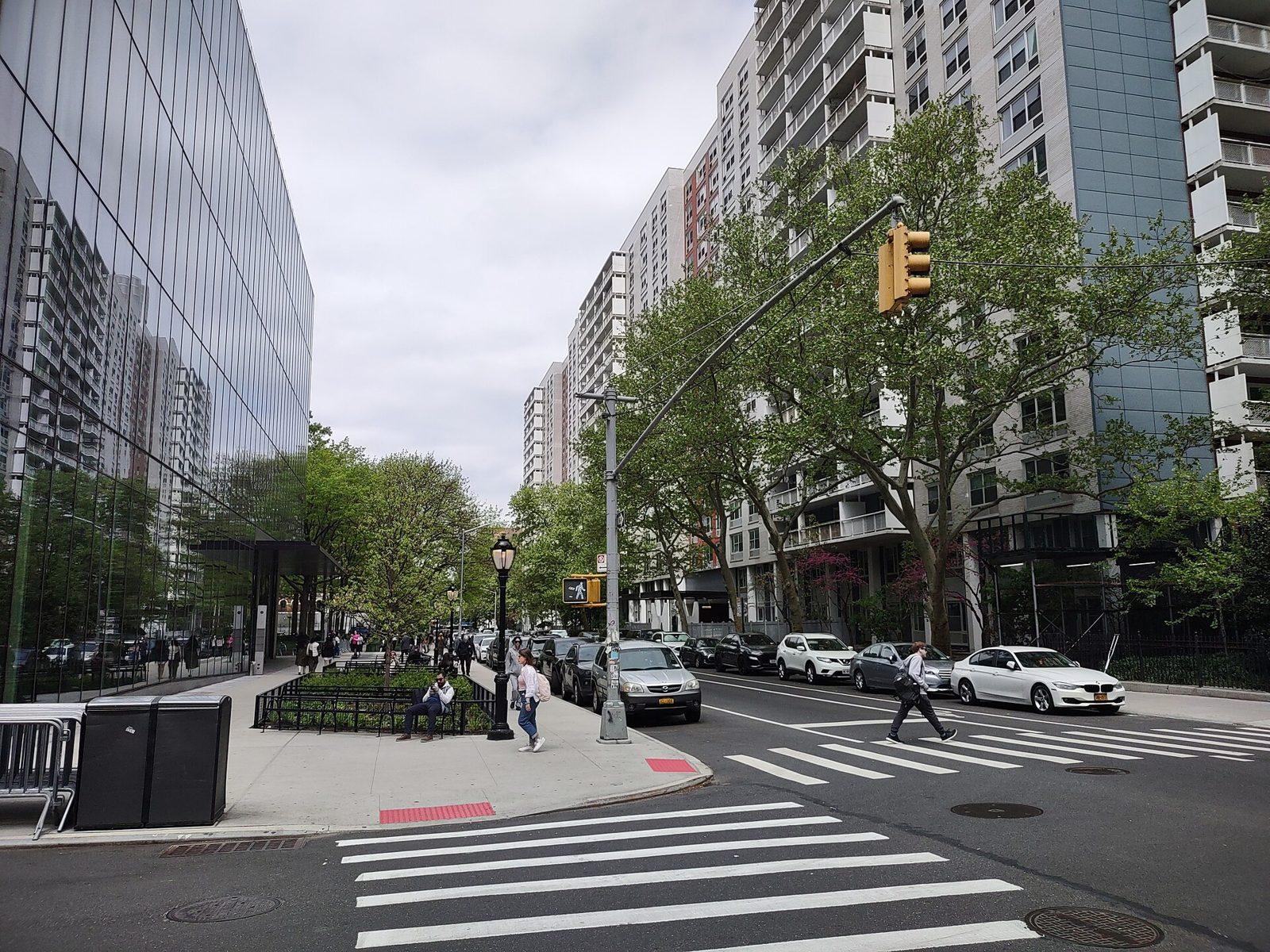
Along and near West Street, a few condos look over Hudson River Park, though many are in the far West Village.
Buildings buyers compare
Which Greenwich Village condo buildings do buyers compare?
Buyers usually compare a mix of larger complexes and boutique buildings to understand what the Village offers. These are reference points rather than a full inventory:
Greenwich Lane, 155 West 11th Street
A full-service condo development on the former St. Vincent's Hospital site, spread across several buildings with townhouses and apartments.
One Jackson Square
A glass condominium on Jackson Square in the West Village, designed by Kohn Pedersen Fox.
21 East 12th Street
A 22-story, 52-unit condo near University Place, completed in 2018, according to Brick Underground.
17 East 12th Street
Nine homes of about 4,500 square feet each, with 50-foot living rooms and libraries with fireplaces.
12 East 13th Street
An eight-unit building of loft-style homes off Fifth Avenue.
184 Thompson Street
A 145-unit condominium from 1977 in the South Village, one of the older condos in the neighborhood.
The contrast is useful: Greenwich Lane offers full service and amenities, the 12th Street boutiques offer privacy and very large homes, and older condos such as 184 Thompson Street offer lower prices with years of operating history.
Greenwich Village Condos
Boutique building or full-service complex?
Boutique condos give you few neighbors, private elevator landings, and often very large layouts, but every owner carries a bigger share of the building's costs, and resales are infrequent. Full-service complexes spread staff and amenity costs over more owners and come up for sale more often, which makes pricing easier to judge. Decide whether privacy or service matters more, then compare common charges per square foot.
What do Greenwich Village condos cost?
Village condos are among the most expensive apartments downtown. On its Greenwich Village condo page, Milton Coste lists a median condo asking price of $2,270,531, up 10.5 percent from a year earlier; its wider neighborhood data shows a median condo ask closer to $3 million, which reflects how a few large listings swing small samples.
By the square foot, Village condos average about $2,000, compared with $1,200 to $1,800 for co-ops, agents told Brick Underground. New boutique buildings near University Place often sit well above that average, while older condos in the South Village sit below it.
Greenwich Village Condos
- $2.3MMedian asking price for a Greenwich Village condo
- $2,000Average condo price per square foot in the Village
- 145Units at 184 Thompson Street, one of the larger and older Village condos
- 5Homes at 116 University Place, a typical boutique scale
Sources: Milton Coste Greenwich Village condo data (2026); Brick Underground on Village prices and buildings.
Common charges and property taxes
Condo owners pay both; small buildings can carry higher charges per square foot.
Mansion tax
One percent on homes of $1 million or more, as listed by the New York State Department of Taxation and Finance.
Title insurance and mortgage tax
Condo buyers pay for title insurance, and financed buyers pay the mortgage recording tax.
Sponsor costs in new buildings
Buying from a developer often means paying transfer taxes a resale seller would normally cover.
The pied-à-terre surcharge
Apartments the city values above $1 million that are not your main home face an annual surcharge, explained by the NYC Department of Finance.
Offer to keys
How do you buy a condo in Greenwich Village?
A resale condo usually closes 60 to 90 days after the contract is signed, faster than a co-op because there is no board interview. These are the steps.
Get a pre-approval or proof of funds
Sellers want to see it before they accept an offer.
Make an offer
Michael compares recent sales in the building and in similar Village condos.
Hire a real estate attorney
They review the contract, offering plan, budget, and minutes.
Sign and pay the deposit
Usually 10 percent, held in escrow.
File the condo application
The board reviews it for its right of first refusal, which is usually waived.
Complete financing
Your lender appraises the apartment and reviews the building's questionnaire.
Close
Sign the deed, pay closing costs, and get the keys.
New construction follows the offering plan instead; see Greenwich Village new developments. For the city-wide rules, read our guide to buying a condo.
Greenwich Village Condos
Why do small buildings complicate financing?
Lenders review the whole building, not just your apartment. In very small condos, a single owner who falls behind on charges, a high share of rented units, or a pending lawsuit can make some lenders hesitate. Ask early whether recent buyers in the building financed easily, and have your lender review the building questionnaire before you sign.
Who it suits
Who is a Greenwich Village condo right for?
Village condos suit buyers who want flexibility and newer buildings and will pay a premium for both. These buyers choose them most:
Pied-à-terre buyers
Condos allow part-time use, which most Village co-ops restrict.
International buyers
Remote closings and foreign ownership are routine in condos.
Investors
Condo owners can usually rent their apartments, so the home can earn income between uses.
Buyers using an LLC or trust
Entity ownership is standard in condos and difficult in co-ops.
Families wanting new systems
Central air, laundry, and quiet windows come built in, close to Washington Square Park.
If space for the money matters more than flexibility, compare Greenwich Village co-ops.
From inside the board
What should you check in a Greenwich Village condo building?
In a small condo, the board's decisions land directly on your monthly bill. As a condo board president, Michael asks these five questions about every Village condo his buyers consider:
How big is the reserve fund?
With only a few owners, a thin reserve means large assessments when the roof or facade needs work.
What do the minutes show?
Leaks, disputes with the developer, and planned projects appear in minutes before they reach your bill.
How many units are rented?
A high rental share can affect financing and how the building is run, especially in boutique buildings.
Is the facade sound?
Taller buildings, such as 21 East 12th Street, face Local Law 11 facade inspections every five years.
Are any assessments or rule changes coming?
Ask about planned assessments, fee increases, or new limits on short-term renting.
These checks matter most in the Village's smallest buildings, where one owner's problem or one repair can change everyone's costs.
A walk through Greenwich Village Condos
Village condos, in light.
The buildings, blocks, and rooms that define Greenwich Village Condos — captured on Michael's walks home.
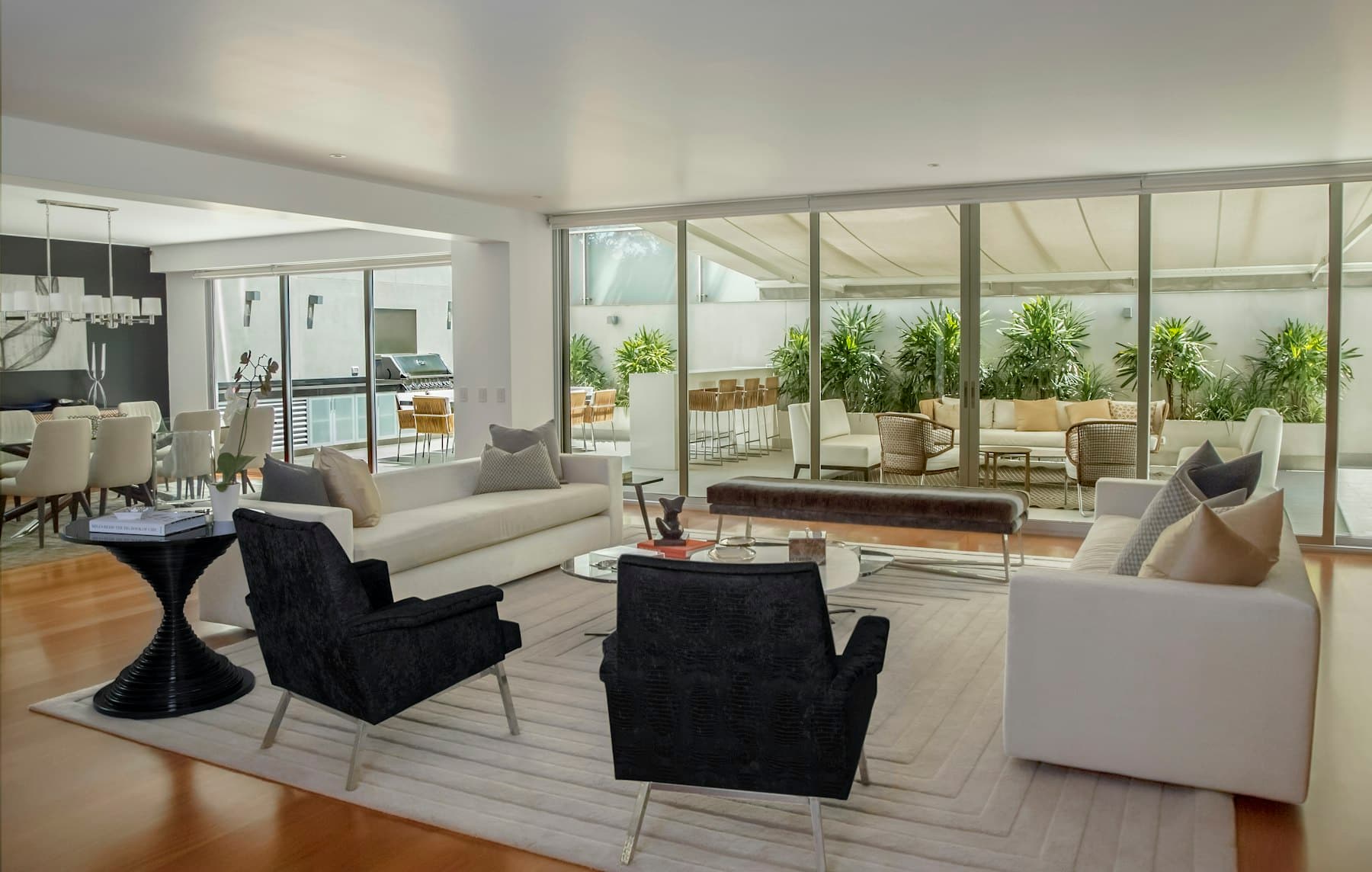
A luxury Manhattan penthouse living room with floor-to-ceiling glass
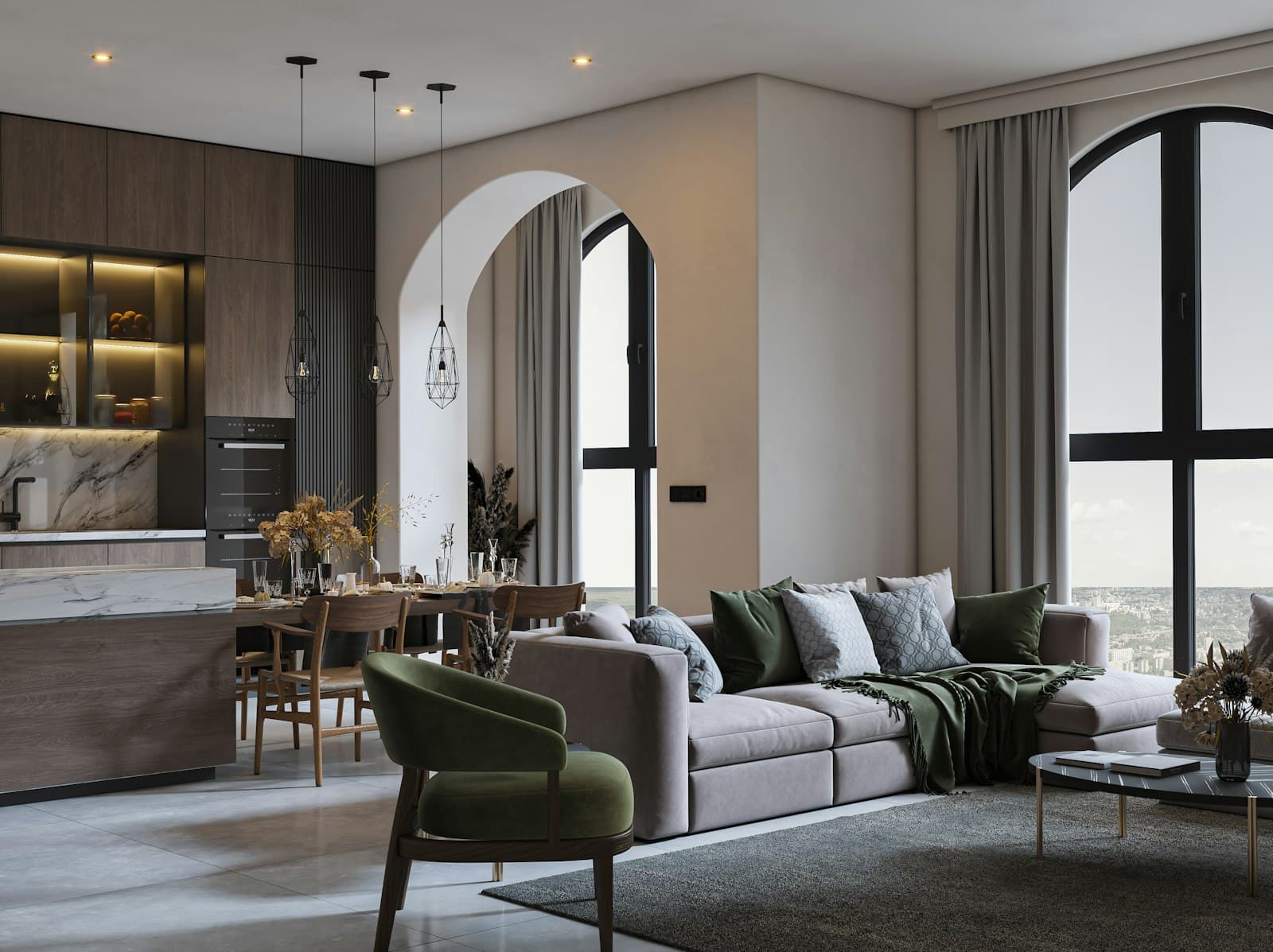
A living room with a large window and abundant natural light
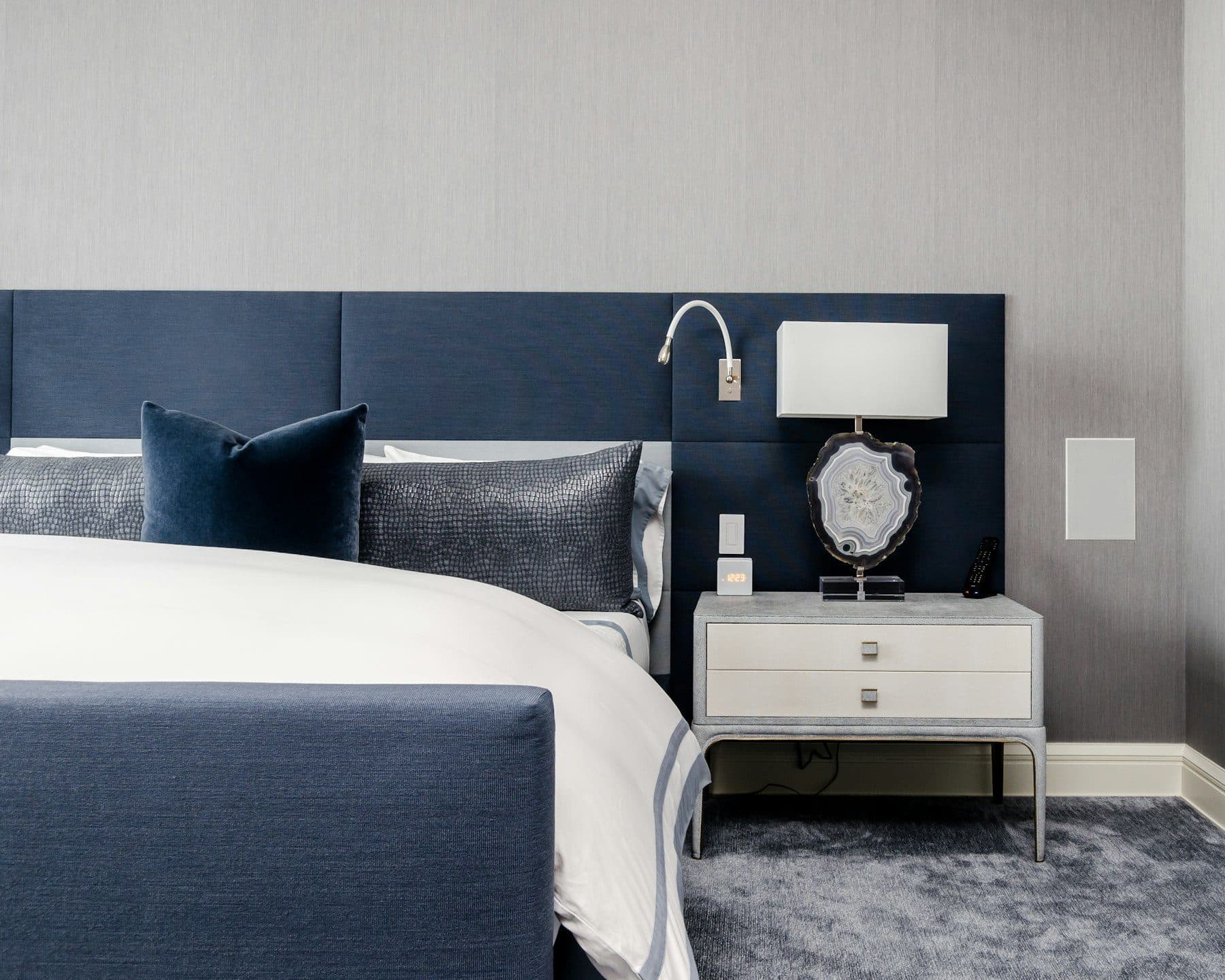
A refined navy and ivory primary bedroom with a tufted headboard

A bedroom with a round mirror above the bed
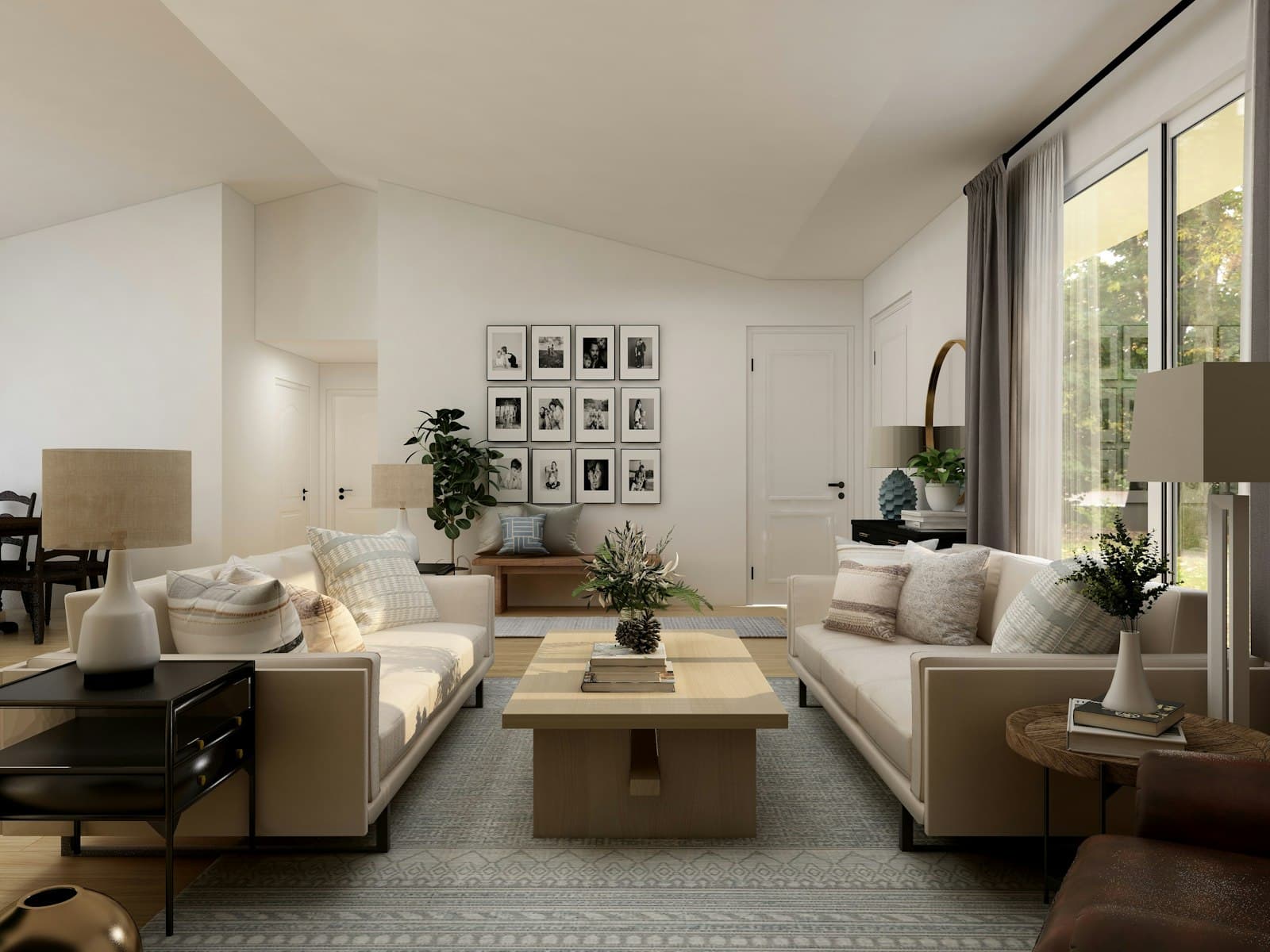
A living room with a white sofa and a potted plant
“In a small Village condo, every owner feels every repair. I check the reserves before you check the finishes.”
— Michael J. Carroll
Answers
Greenwich Village Condos, answered
- No. Co-ops dominate; condos are a smaller, newer share of the market, concentrated near University Place and in the West Village.
- Not in the co-op sense. Boards review an application but usually only hold a right of first refusal.
- Usually, yes, subject to the building's rules on lease length. Check the bylaws before you buy.
- Often, yes, because condos allow part-time use. Owners of homes valued above $1 million that are not a primary residence pay the city surcharge.
- They are scarce, mostly new, and offer freedoms that co-ops do not, in one of Manhattan's most sought-after neighborhoods.
A private consultation
Compare Village condos with a board president
Tell Michael what you need, your budget, and how you plan to use the home, and he will shortlist Village condos that fit, review their budgets and minutes with you, and flag the buildings worth a second look. He works from the Brown Harris Stevens West Side office at 1934 Broadway and represents buyers across Manhattan.

What happens next
- 01
Michael reads your note personally
No team inbox. He sees the form himself.
- 02
You'll hear back, usually the same day
By phone or email — whichever you prefer.
- 03
A no-pressure first conversation
Whether you're ready this week or thinking it through.
10+
Years at BHS
Top 1%
Nationwide
$500K–$25M+
Transaction range
Tell Michael about your search
A few quick questions.
Your details stay between you and Michael. No spam. No list.