Single-family houses generally sell for about $7 million to $25 million, with trophy houses far higher and multi-family houses lower.
Greenwich Village · Townhouses
Greenwich Village Townhouses: A Buyer's Guide.
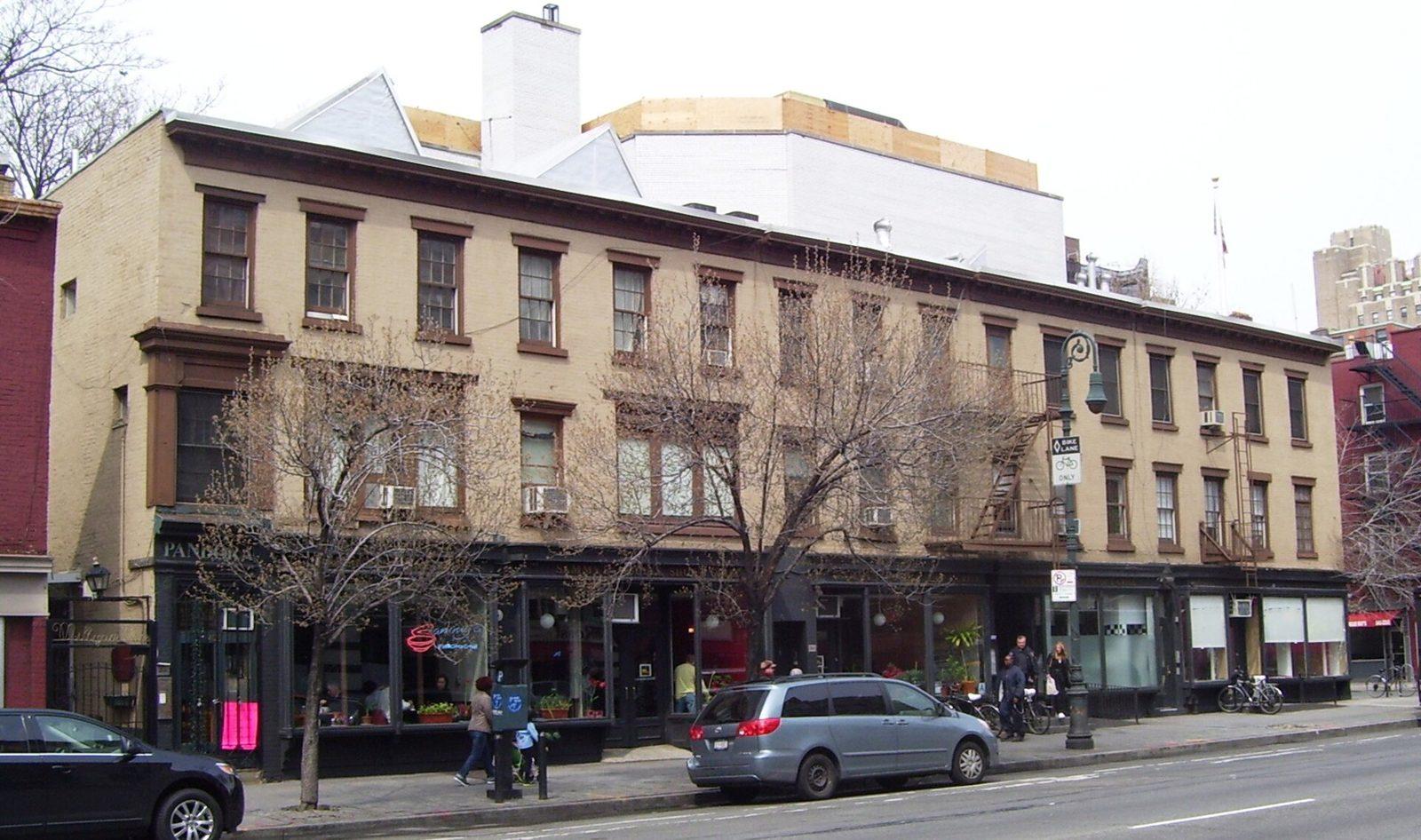
Greenwich Village has some of the most sought-after townhouses in New York, on blocks such as Perry, Bank, and West 11th Streets and around Washington Square. Single-family houses generally sell for about $7 million to $25 million, and the downtown record stands at $72.5 million for 140 West 11th Street. Almost all sit in historic districts, so exterior work needs Landmarks approval. You buy the whole building with no board, and you also take on every repair.
Greenwich Village Townhouses
What should you know before buying a townhouse in Greenwich Village?
A Greenwich Village townhouse is the classic downtown dream: a stoop, a garden behind the house, and a quiet street that has barely changed in 150 years. Michael J. Carroll works from the Brown Harris Stevens West Side office and represents buyers across Manhattan, including the Village. As president of his own condominium board, he reads a house the way a board reads a building: roof, facade, systems, and the money it will take to keep them sound.
This guide covers the types of Village townhouses, the blocks where they cluster, the houses that set the market, what they cost to buy and own, how a purchase works, who a townhouse suits, and the checks to make before you sign. For the wider neighborhood, see Greenwich Village apartments.
At a glance
Village townhouses in five facts
Village townhouses range from Federal and Greek Revival row houses to Italianate brownstones and carriage houses.
Single-family houses typically sell for $7 million to $25 million; trophy houses trade far higher.
The downtown townhouse record is $72.5 million, set at 140 West 11th Street in 2024.
Most houses sit in landmarked districts, which limits exterior changes but protects the street.
The certificate of occupancy, the structure, and the systems matter as much as the price.
Greenwich Village Townhouses
What kinds of townhouses does Greenwich Village have?
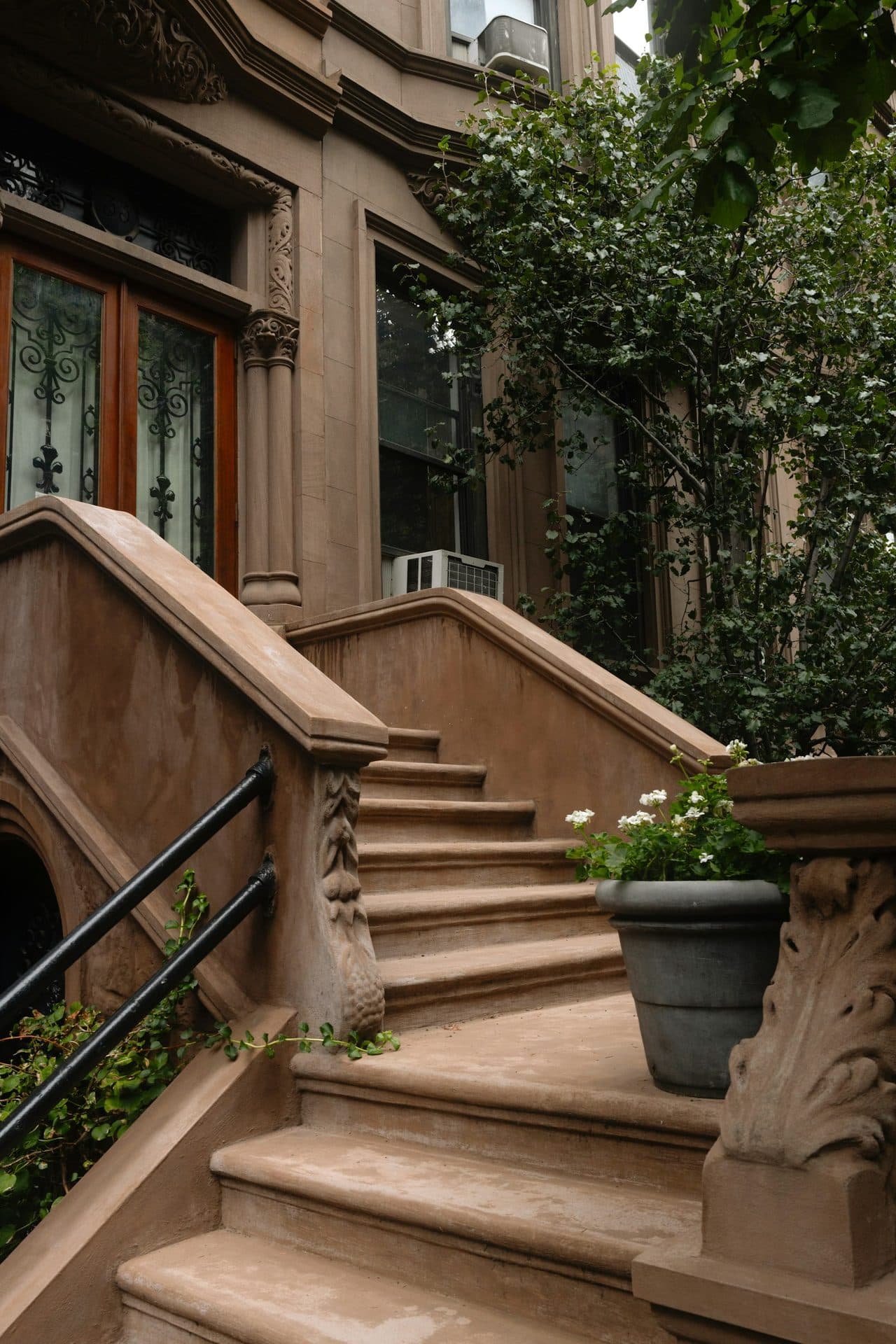
Village townhouses span more than a century of building styles, and the style tells you a lot about the house's size, layout, and likely repairs. Agents describe the neighborhood's architecture as running from Federal to Greek Revival, as Brick Underground reports.
Many houses have been divided into apartments over the years. The certificate of occupancy tells you whether a house is legally a single home or several units, which affects how you can live in it.
House, not apartment
What that means when you shop
The main types you will see:
Federal row houses
Early nineteenth-century brick houses, often narrow, with dormer windows and low ceilings on the upper floors.
Greek Revival houses
Slightly later and grander, with taller parlor floors and classical doorways, common near Washington Square.
Italianate brownstones
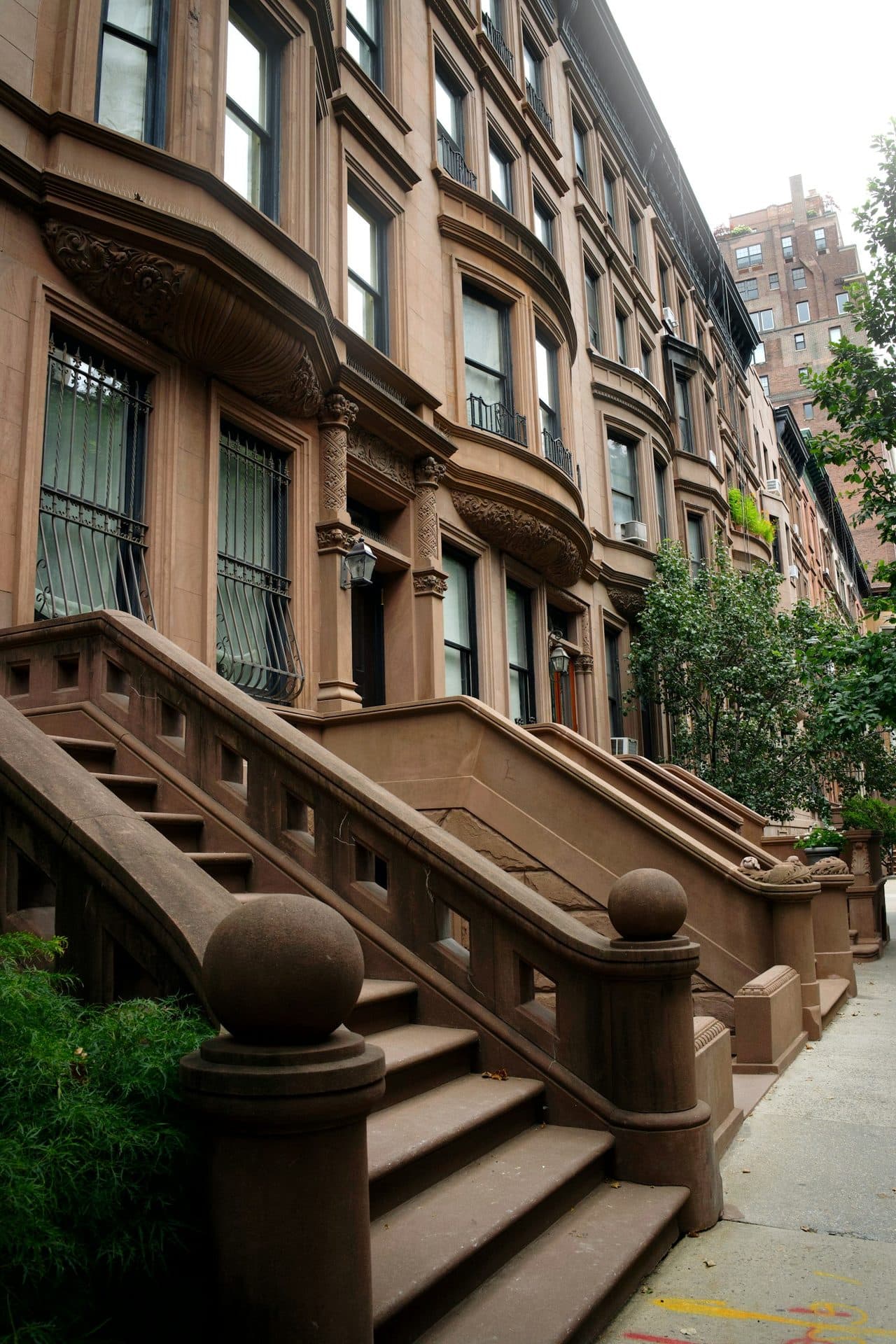
Mid-century houses with high stoops and heavy cornices on the side streets.
Carriage houses and mews
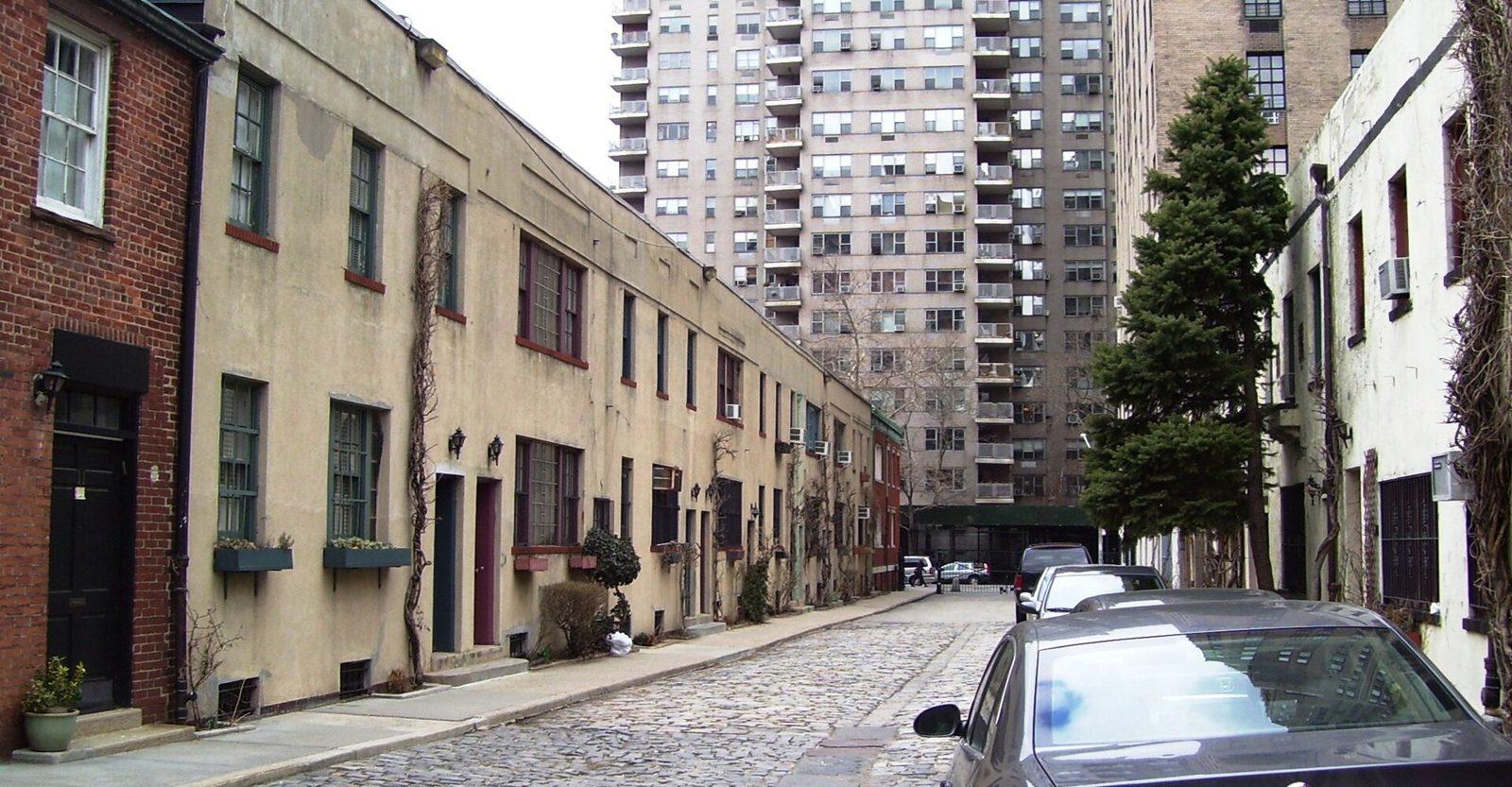
Former stables on lanes such as Washington Mews and MacDougal Alley, now unusual homes.
Combined houses
Two neighboring buildings joined into one, as at 140 West 11th Street, to create a much larger home.
The house blocks
Where are the townhouse blocks in Greenwich Village?
Townhouses fill the side streets across the Village, but a few areas have the highest concentration and the most famous blocks.
Perry, Charles, Bank, and West 11th Streets west of Seventh Avenue hold long rows of nineteenth-century houses.
Small, curving streets with modest Federal houses, among the oldest in the Village.
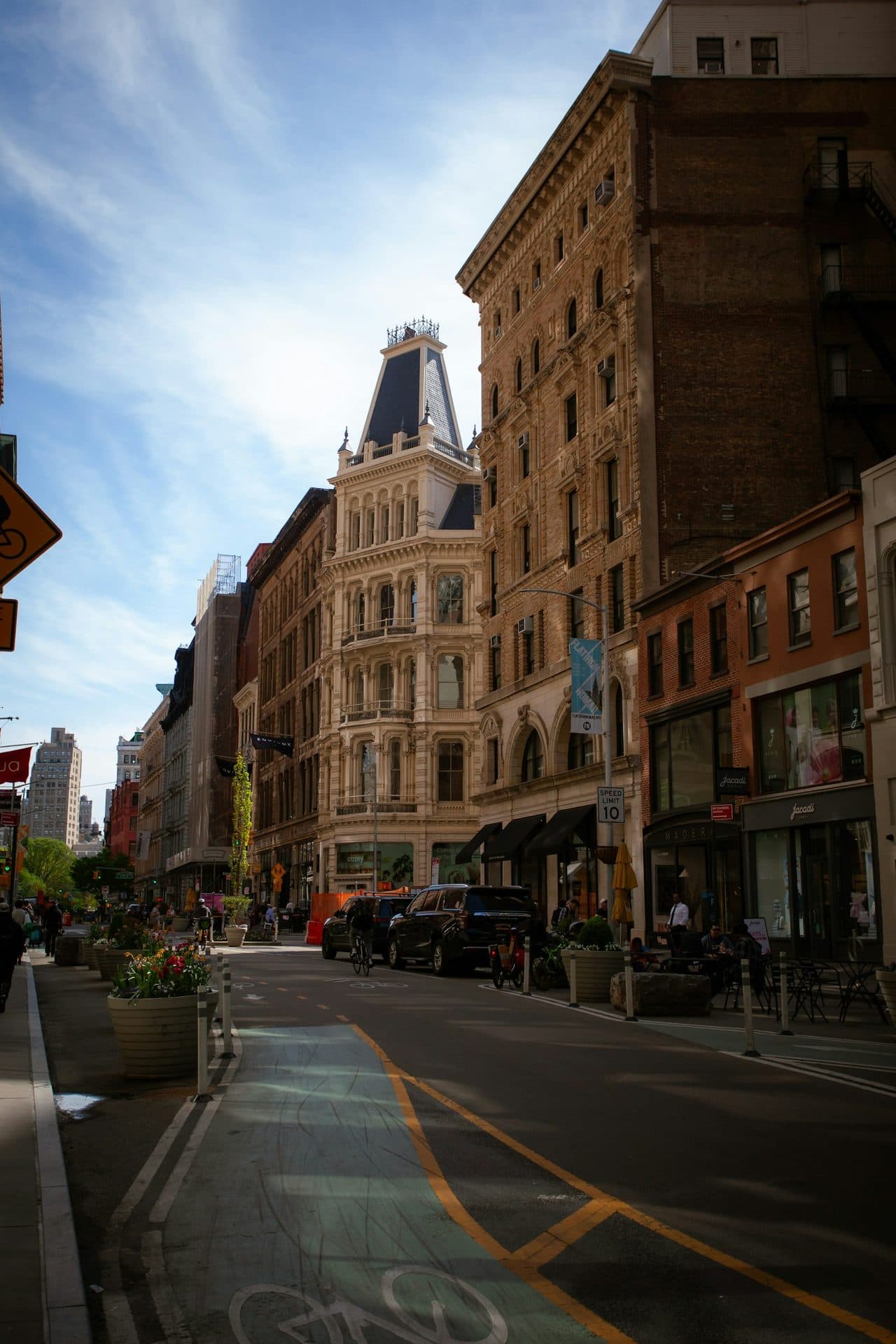
Between Fifth and Sixth Avenues, grander Greek Revival and Italianate houses close to Washington Square.
Converted stables on private lanes just north of the park, rare and highly prized.
Smaller blocks south of Washington Square, including the row of houses on Bleecker Street known as LeRoy Place.
Sales that set the market
Which Greenwich Village townhouses set the market?
A few recent sales show where the top of the Village market sits. CityRealty reports the downtown townhouse record and the deal that may break it:
140 West 11th Street
Two former walk-up buildings combined into one house, which sold for a downtown record of $72.5 million in January 2024.
105–107 Bank Street
The West Village house where John Lennon and Yoko Ono first lived in New York, in contract in 2026 at a price that could set a new downtown record of about $75 million.
141 West 11th Street
A townhouse condo at Greenwich Lane, with a private entrance, garden, and terraces, which closed for $35 million in July 2026, per CityRealty.
These are trophy sales. Most Village townhouses trade far below them, but the same qualities drive value at every level: width, light, the garden, condition, and the block.
Greenwich Village Townhouses
What is a townhouse condo?
Some new developments, such as Greenwich Lane on the former St. Vincent's Hospital site, include townhouse-style homes that are legally condominium units. You get a private entrance, multiple floors, and a garden, but the building's condo association handles some shared services and costs. It is a middle path between a full house and an apartment, with less responsibility for the structure and more privacy than a typical condo.
What do Greenwich Village townhouses cost?
Village townhouses are among the most expensive houses in Manhattan. Single-family townhouses generally command $7 million to $25 million, agents told Brick Underground, with narrow or multi-family houses below that range and trophy houses well above it.
Across Manhattan, the average townhouse sold for $10.5 million in the first half of 2026, and Leslie Garfield singles out the Village, with the Upper East Side, as a center of ultra-prime single-family deals. Within the Village, price per square foot varies with width, condition, legal use, and how much outdoor space comes with the house.
Greenwich Village Townhouses
- $7M–$25MTypical range for a single-family Greenwich Village townhouse
- $72.5MDowntown townhouse record, 140 West 11th Street (2024)
- $35MGreenwich Lane townhouse condo sale, July 2026
- $10.5MAverage Manhattan townhouse sale price, first half of 2026
Sources: Brick Underground; CityRealty (2026); Leslie Garfield mid-year 2026 report.
Budget for
The costs on top of the price
The real numbers
What does it cost to own a Village townhouse?
Owning a house means paying for everything a co-op or condo would share. Plan each year for:
Property taxes
Townhouses are taxed as one- to three-family homes, often at lower effective rates than apartments of similar value.
Insurance
A full policy for the structure, contents, and liability.
Systems and service contracts
Heating, cooling, plumbing, and any elevator need regular servicing.
Facade, roof, and stoop
Brick, brownstone, and cornices need ongoing repair, often under landmark rules.
A personal reserve
Set money aside the way a building board would, so large repairs do not come as a shock.
At purchase, add the mansion tax, which starts at 1 percent on homes of $1 million or more, along with attorney, title, and mortgage costs. See our closing costs guide.
Offer to keys
How does buying a Greenwich Village townhouse work?
There is no board to approve you, but the inspections and paperwork are more extensive than for an apartment. A typical purchase moves in this order.
Set a budget that includes renovation
Many houses need work, and landmark approvals add months.
Tour with your agent and an architect
For houses needing work, an architect's early view sets realistic costs.
Make an offer
Michael compares recent house sales on similar Village blocks, adjusting for width, condition, and legal use.
Hire a real estate attorney
They review the contract, title, and any existing leases.
Inspect the house
An engineer checks the structure, roof, facade, and systems.
Check city records
Review the certificate of occupancy, open permits, and violations with the Department of Buildings.
Sign and pay the deposit
Usually 10 percent, held in escrow.
Arrange financing and insurance
Lenders appraise the house and may require repairs.
Close
Take the deed and responsibility for the whole building.
For general guidance, see our guide to buying in New York City.
What do landmark rules mean for your plans?
Nearly all Village townhouses sit in historic districts, so changes to the front facade, windows, stoop, roof, and some rear extensions need approval from the Landmarks Preservation Commission. The commission checks that work fits the block's character, which adds time and design cost. Interior work does not need commission approval but still needs building permits. If you plan a rear addition or a rooftop room, ask an architect what the commission is likely to allow before you buy.
Greenwich Village Townhouses
Who it suits
Who is a Greenwich Village townhouse right for?
A Village townhouse suits buyers who want privacy, space, and history, and who are ready to manage a building. These buyers choose them most often:
Families needing room
Several bedrooms and a private garden are rare in Village apartments.
Buyers who want privacy
Your own front door on a quiet, tree-lined block, with no lobby or neighbors above.
Buyers avoiding co-op boards
A house sale needs no board package or interview.
Restorers and architecture lovers
Buyers who want to bring a Federal or Greek Revival house back to its original detail.
Owners wanting rental income
Multi-family houses can provide rent from upper floors while you live below.
If you would rather leave the roof and boiler to someone else, a Village condo may suit you better; see Greenwich Village condos.
From inside the board
What should you check before buying a Greenwich Village townhouse?
In a townhouse, you are the board. From his seat as a condo board president, Michael has his buyers check these five things before they sign:
The certificate of occupancy
Confirm the legal number of units matches how the house is used.
Department of Buildings records
Look for open permits, violations, or illegal work left by past owners.
Structure, facade, and stoop
Older houses on blocks such as Perry Street often need masonry, cornice, or stoop repair.
The systems
Have the boiler, wiring, plumbing, and any elevator inspected and priced for replacement.
Past landmark approvals
Confirm that earlier exterior changes were approved by the commission.
These checks set the real price of a house: the purchase price plus the work it needs in its first few years.
A walk through Greenwich Village Townhouses
Village houses, in light.
The buildings, blocks, and rooms that define Greenwich Village Townhouses — captured on Michael's walks home.
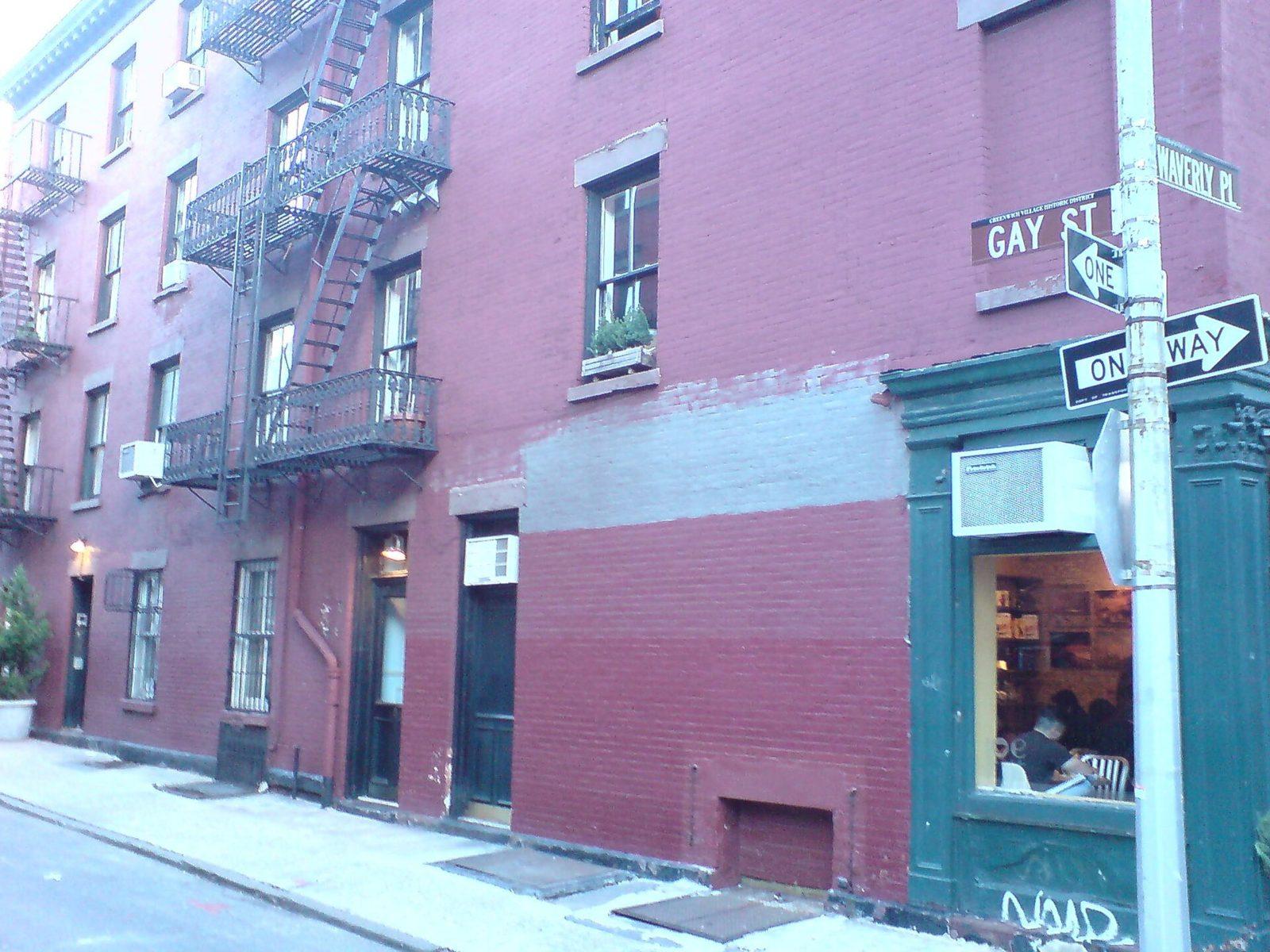
A city street lined with historic apartment buildings
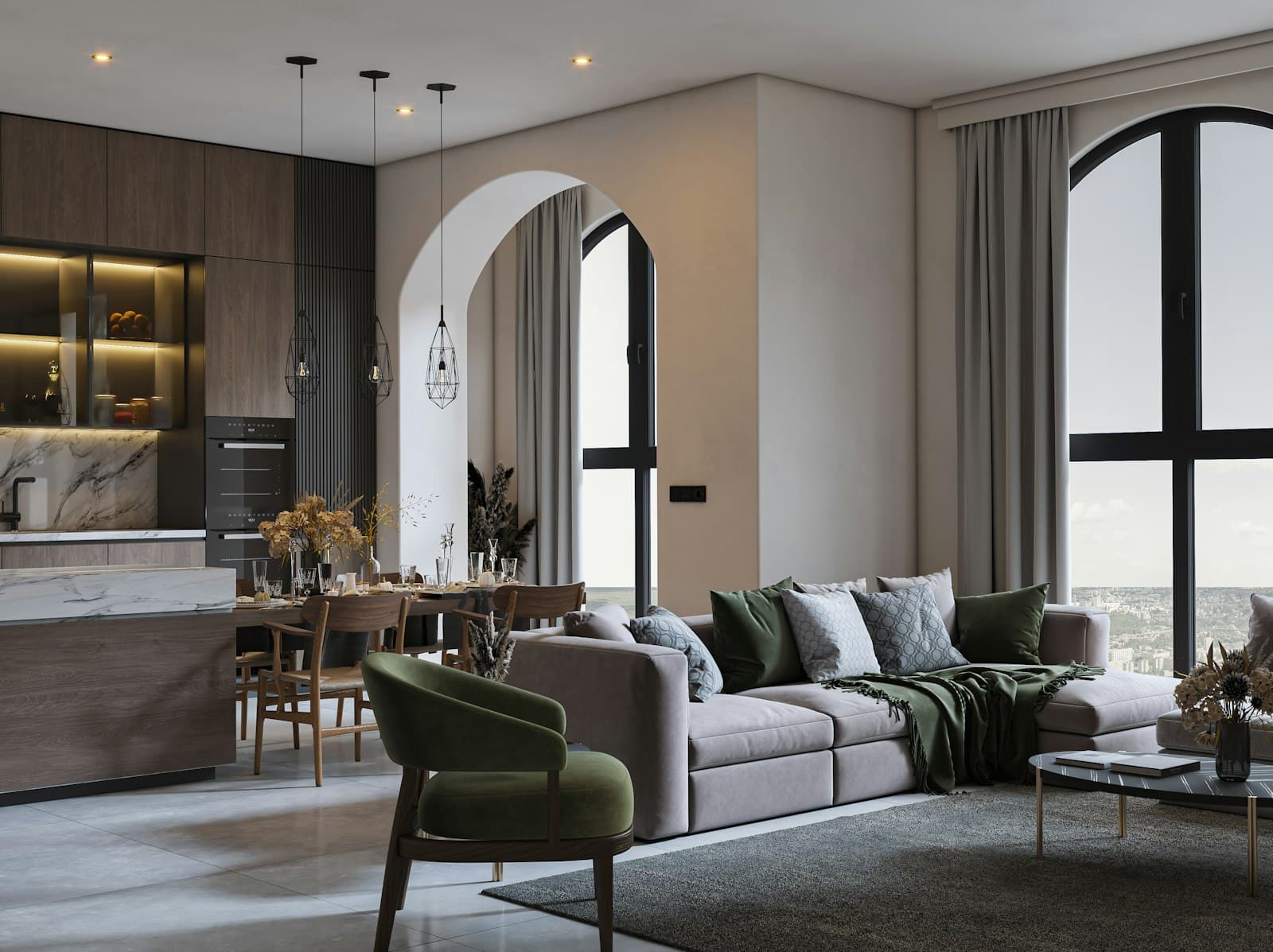
A living room with a large window and abundant natural light
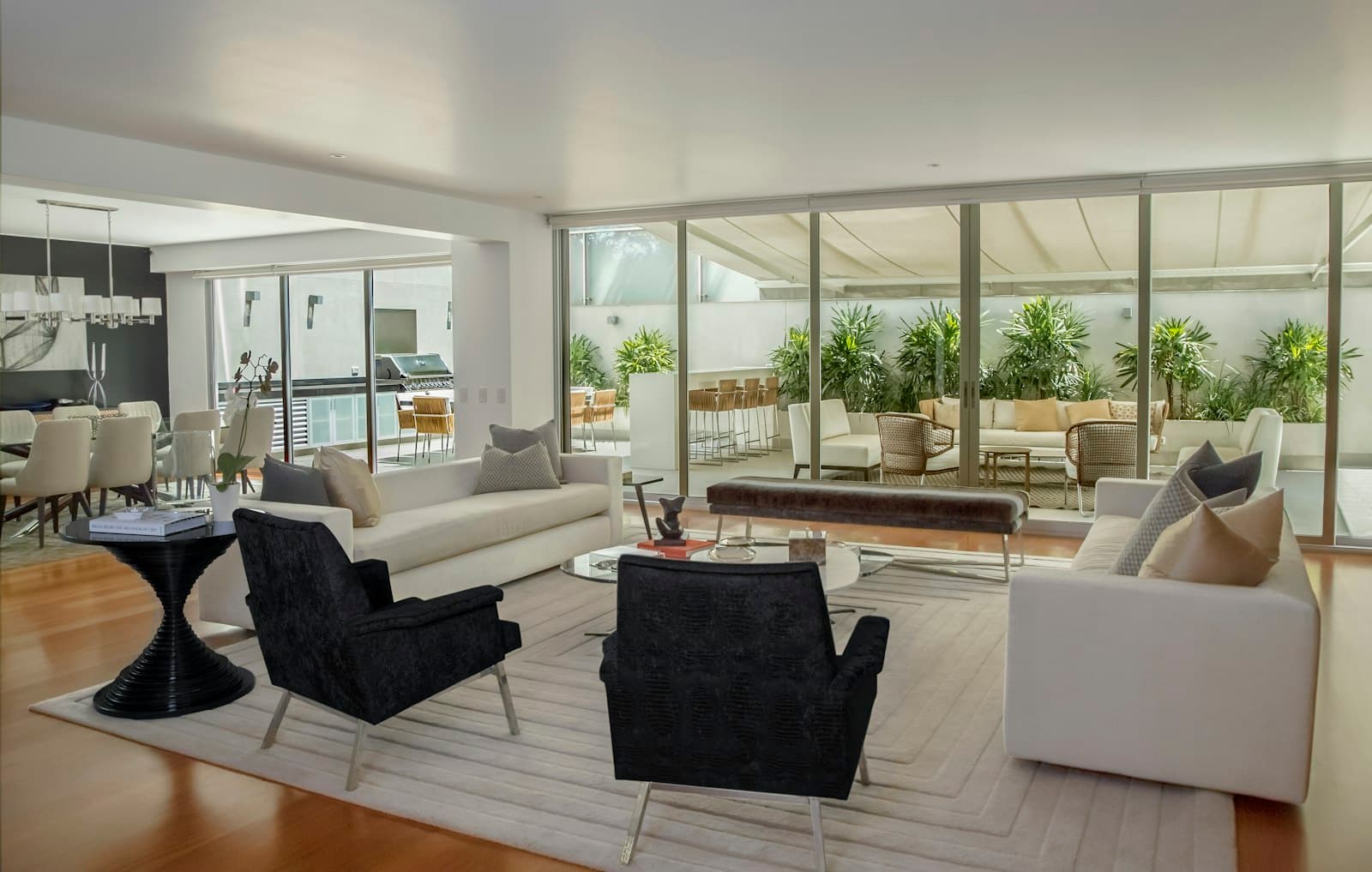
A pair of armchairs in a quiet sitting room
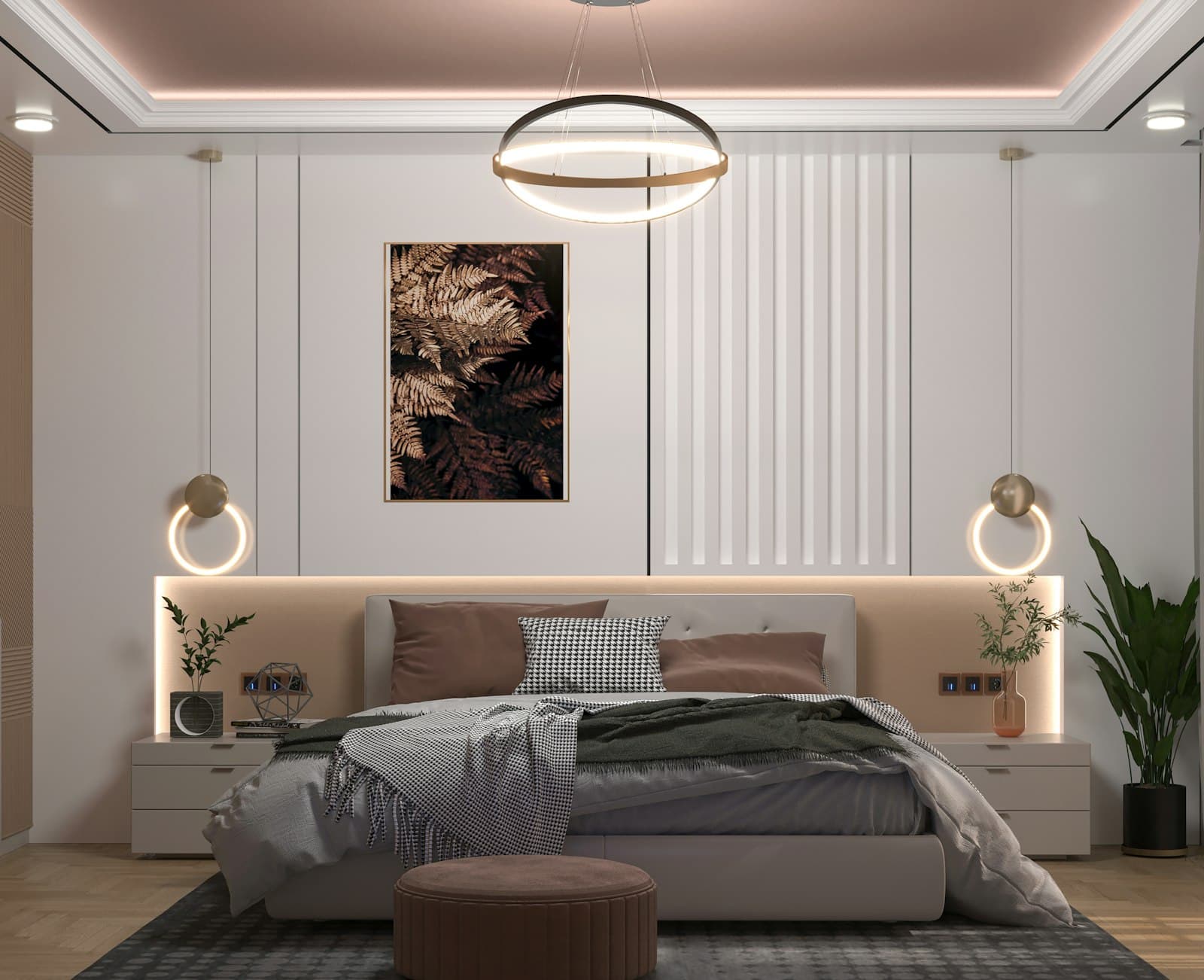
A neatly made bed beneath a framed painting
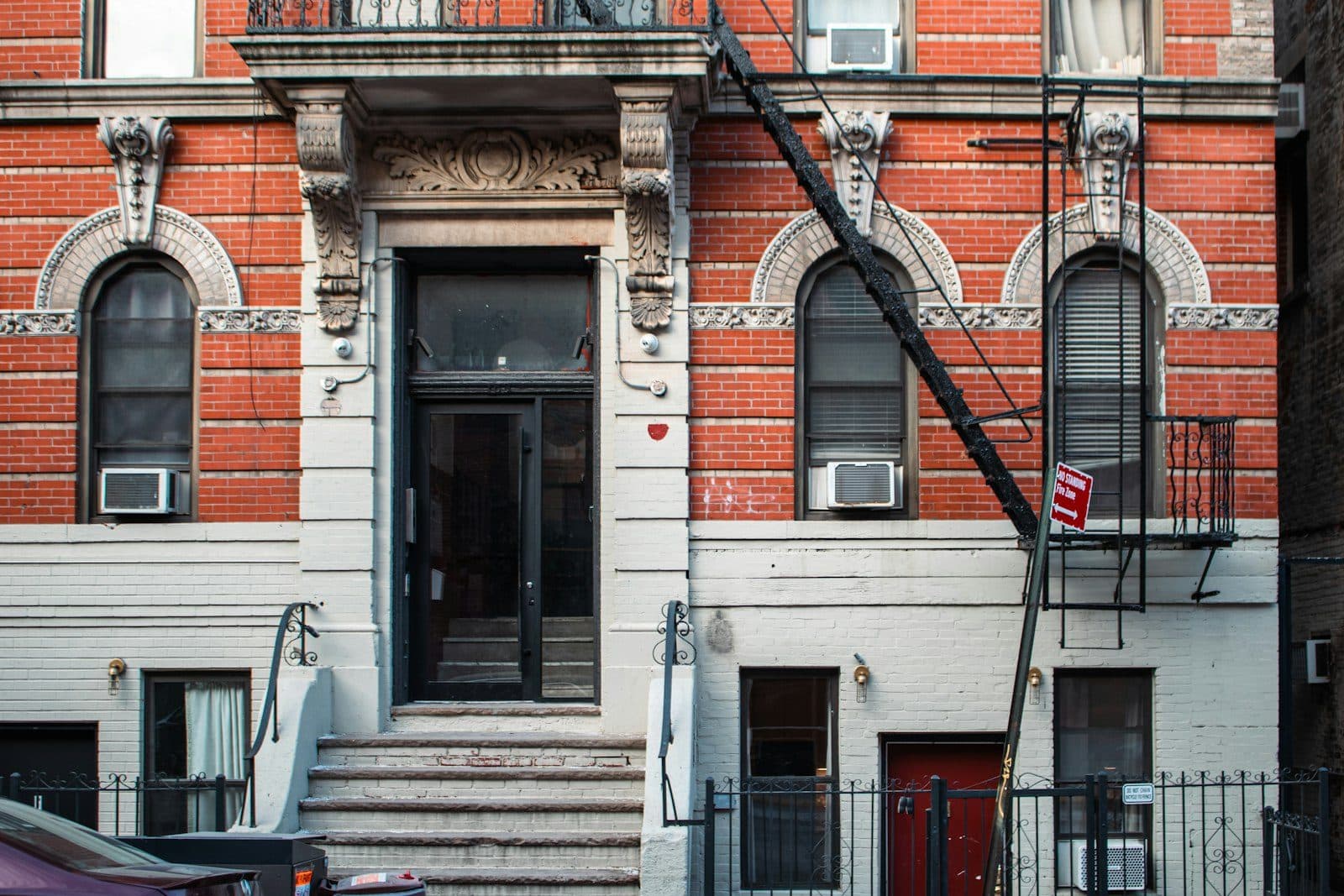
The entrance to a New York apartment building
“In a townhouse, you are the board. I check the roof, the facade and the systems the way my own board checks ours.”
— Michael J. Carroll
Answers
Greenwich Village Townhouses, answered
- 140 West 11th Street, which sold for $72.5 million in January 2024, the downtown townhouse record.
- No. Townhouses are bought outright. A townhouse condo, such as those at Greenwich Lane, has a condo association but no co-op interview.
- Yes, with approval. Exterior changes need Landmarks Preservation Commission approval, and most work needs building permits.
- Many are, but some are divided into apartments. The certificate of occupancy shows the legal number of units.
- Width, light, garden, condition, legal use, and the block. A wide house on a quiet West Village street commands a premium.
A private consultation
Find the right Greenwich Village townhouse
Tell Michael the size, budget, and timing you need, and he will compare houses on the blocks that fit, arrange inspections, and flag the landmark and repair issues that change the real price. He works from the Brown Harris Stevens West Side office at 1934 Broadway and represents buyers across Manhattan.

What happens next
- 01
Michael reads your note personally
No team inbox. He sees the form himself.
- 02
You'll hear back, usually the same day
By phone or email — whichever you prefer.
- 03
A no-pressure first conversation
Whether you're ready this week or thinking it through.
10+
Years at BHS
Top 1%
Nationwide
$500K–$25M+
Transaction range
Tell Michael about your search
A few quick questions.
Your details stay between you and Michael. No spam. No list.