About $3.9 million, at roughly $2,200 per square foot, according to recent market data.
Tribeca · Apartments for sale
Tribeca Apartments for Sale: A Buyer's Guide.
Tribeca is one of Manhattan's most expensive neighborhoods, known for converted warehouse lofts on cobblestone blocks and a small group of full-service condo towers near the Hudson River. The median sale price is about $3.9 million, at roughly $2,200 per square foot, well above the Manhattan median. Most homes are condos or loft co-ops, and much of the neighborhood is landmarked. Buyers here compare buildings one by one, because ceiling height, light, and building history vary widely.
Tribeca
What should you know before buying in Tribeca?
Tribeca turned nineteenth-century warehouses into some of the most coveted homes in New York: wide floors, tall windows, cast-iron columns, and quiet streets a few blocks from the Hudson. Michael J. Carroll, a Brown Harris Stevens agent, works from the firm's West Side office and represents buyers throughout Manhattan, Tribeca included. As president of his own condominium board, he looks beneath the exposed brick to the building's finances, its systems, and the decisions its board will make next.
This guide walks through what buying in Tribeca involves, the parts of the neighborhood, the buildings that set prices, what homes cost, the steps of a purchase, the buyers Tribeca suits, and how to judge a building's board and books. Each home type has its own guide, starting with Tribeca condos.
At a glance
Tribeca in five facts
Tribeca runs from Canal Street south to Chambers and Vesey Streets, between Broadway and the Hudson River.
Housing splits into historic loft conversions and modern full-service condominiums.
The median sale price is about $3.9 million, at about $2,218 per square foot.
Four historic districts protect much of the neighborhood's warehouse architecture.
Legal use, building systems, and monthly costs matter as much as the loft's look.
Tribeca
What do you buy when you buy in Tribeca?
In Tribeca, you are usually choosing between two very different products: an authentic loft in a converted warehouse, or a newer condominium with modern systems and services. Both are scarce, and both command premium prices.
Milton Coste counts about 141 active listings in Tribeca at a time, a modest pool for a neighborhood with such high demand.
What you will find
What that means when you shop
The home types on the market:
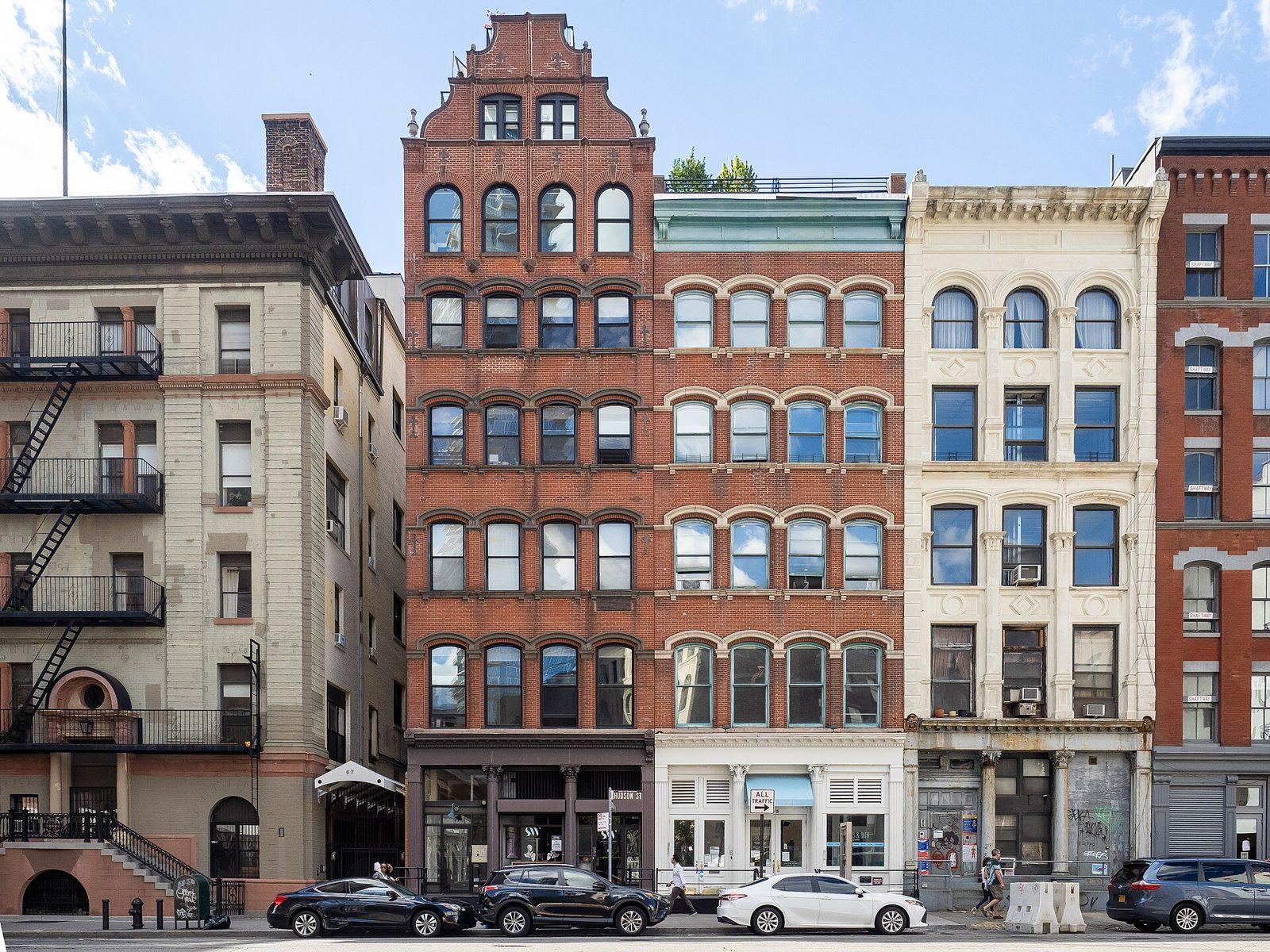
Warehouse and cast-iron lofts
Former industrial buildings with high ceilings, columns, and broad windows, often one home per floor.
Loft co-ops
Many earlier conversions became co-ops, with board approval and older systems.
Boutique condo conversions
Historic buildings turned into small condominiums, combining loft proportions with condo flexibility.
New full-service condos
Towers and mid-rises with doormen, gyms, and amenity floors, many near the waterfront.
Townhouses
A small number of Federal-era and converted houses on the side streets.
Tribeca
How did warehouses become homes?
Tribeca's name, short for the Triangle Below Canal Street, dates from the 1970s, when artists began living in empty warehouses that once served the Washington Market food trade and other industries. Over the following decades, many buildings were legally converted to apartments, first as co-ops and later as condominiums, and the neighborhood's large floor plates, timber or cast-iron structure, and big windows became its defining homes. That history explains why so many Tribeca apartments are one per floor, why freight elevators are common, and why buyers check legal residential use so carefully.
Real loft or loft-style?
Not every apartment called a loft began as one. A true Tribeca loft sits in a former warehouse or factory with its original columns, beams, and window bays. Newer buildings often offer loft-style homes, with high ceilings and big windows but modern construction and central systems. Both can be excellent homes; they simply differ in character, quirks, and maintenance. Our Tribeca lofts and pre-war guide covers the older stock in depth.
Tribeca
The parts of Tribeca
Which part of Tribeca should you look in?
Tribeca is compact, but each part has its own mix of buildings and its own pace. Five areas cover most of what is for sale.
Near Canal and Hudson Streets, cast-iron and warehouse blocks with loft conversions, restaurants, and easy access to SoHo.
Central Tribeca
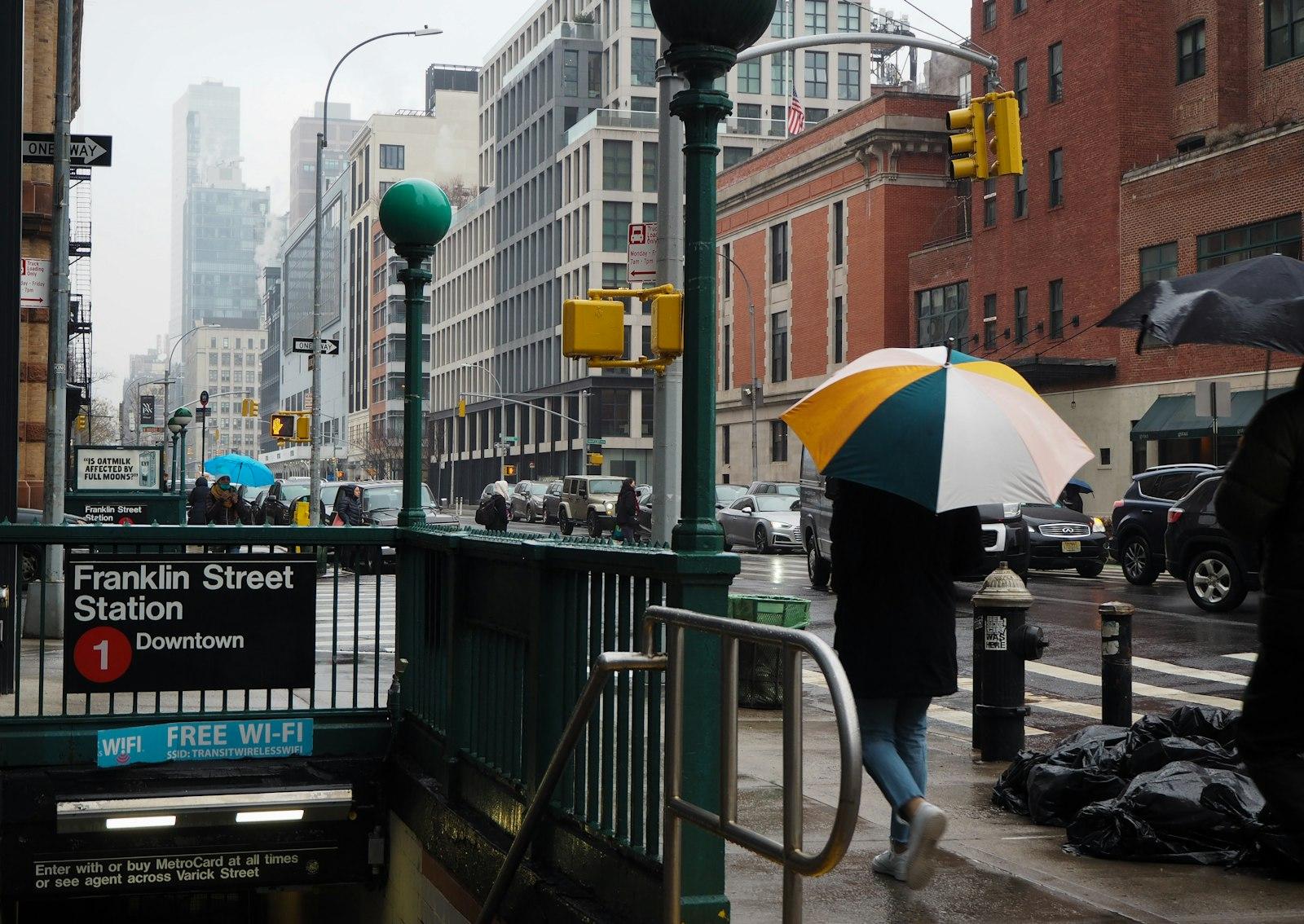
Around Franklin, North Moore, and Harrison Streets, the classic loft core, popular with families and short on large homes.
West of West Street and along Hudson River Park, newer full-service buildings with river views and larger modern layouts.
Near Chambers and Reade Streets, residential conversions close to the subway, City Hall, and the Financial District.
Small parks surrounded by historic buildings, among the most sought-after addresses for families.
How do Tribeca's historic districts affect buyers?
Four historic districts, Tribeca East, Tribeca West, Tribeca North, and Tribeca South, protect much of the neighborhood's warehouse architecture. Exterior changes in them, including window replacements and rooftop additions, need Landmarks Preservation Commission approval. For owners, that can slow renovations, but it also protects the character that makes Tribeca valuable.
Tribeca
The benchmarks
Which Tribeca buildings set the benchmarks?
A handful of buildings help buyers understand the range of the Tribeca market, from trophy towers to quiet conversions. These are reference points, not a complete inventory.
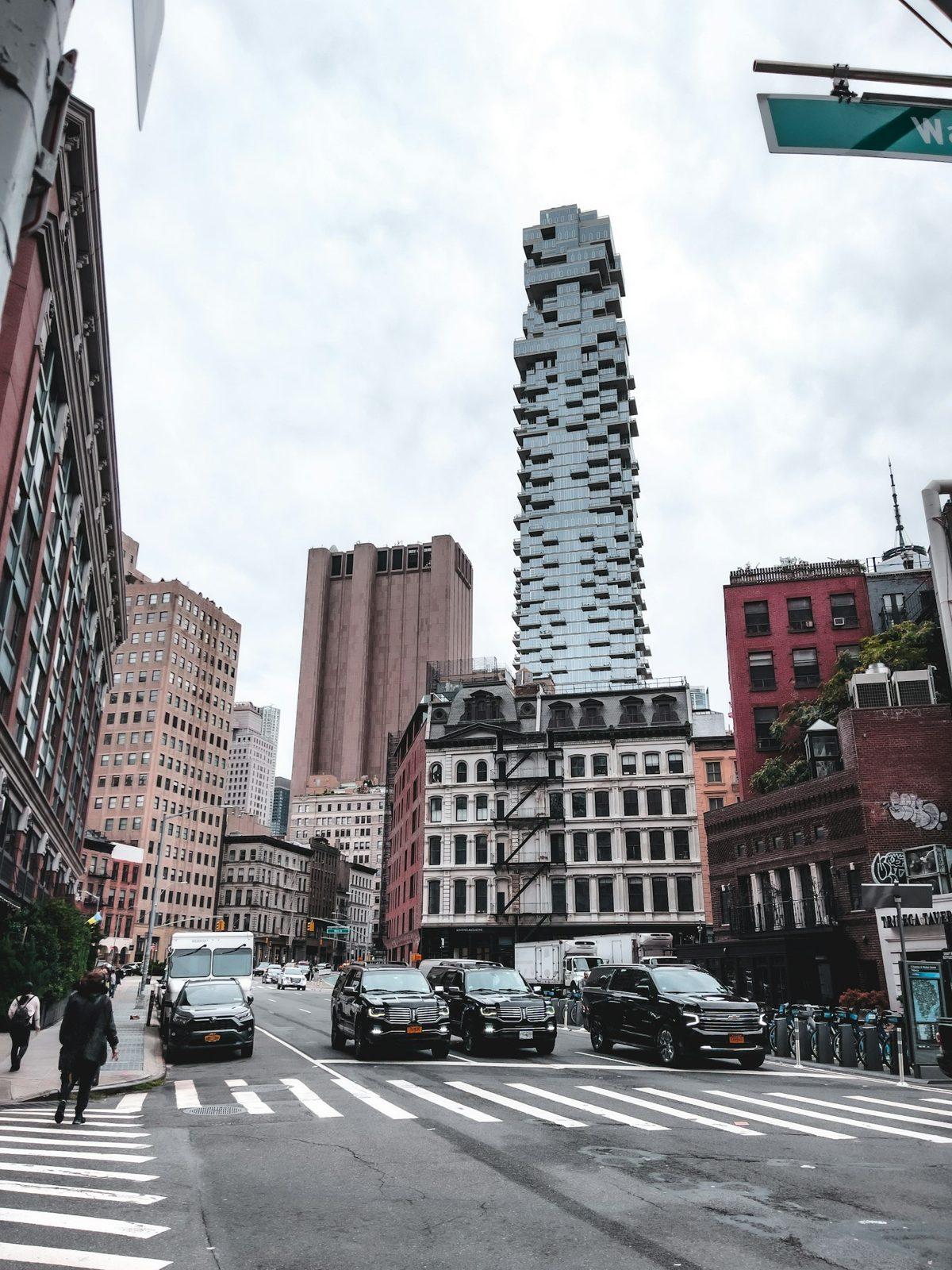
56 Leonard Street
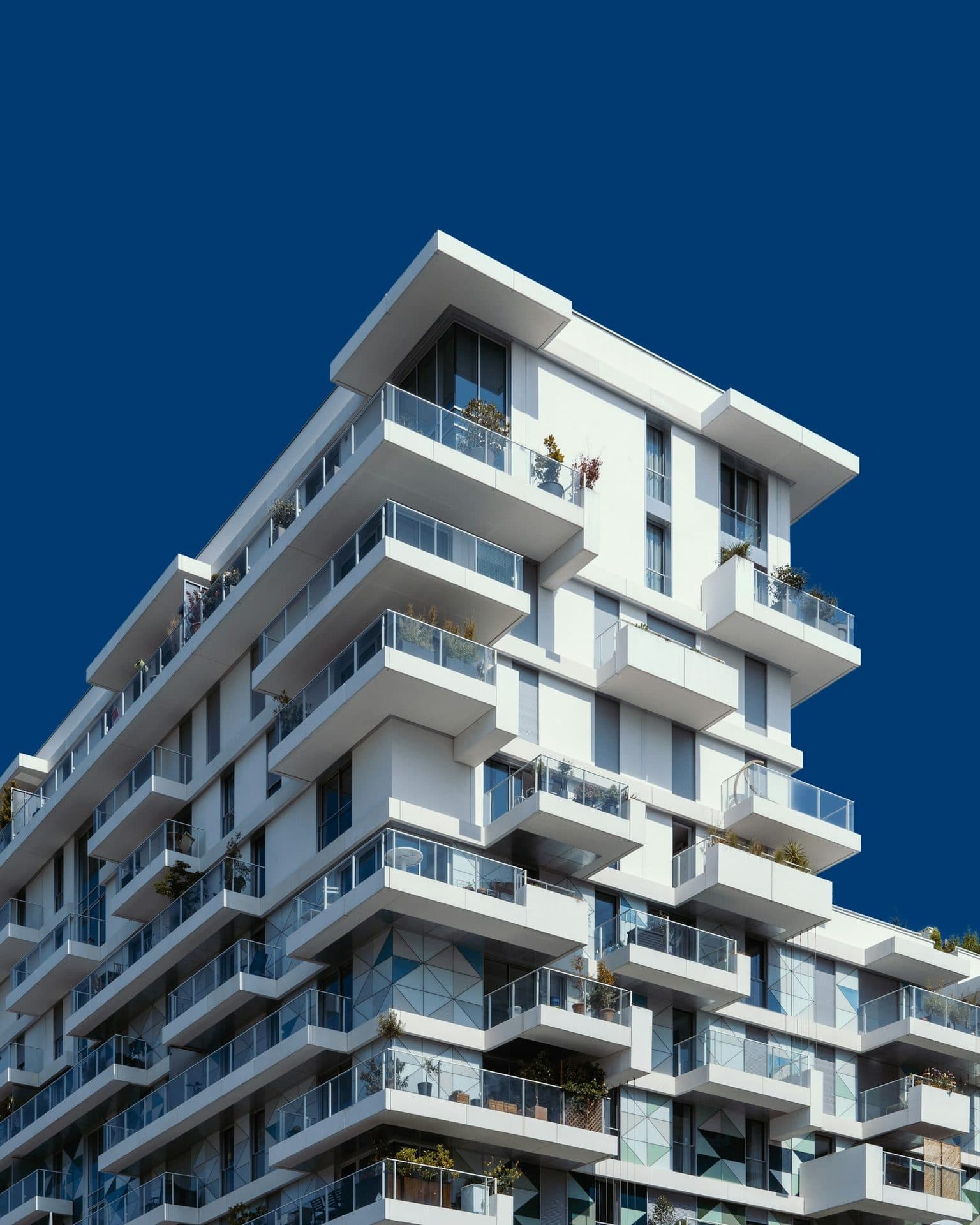
The stacked glass tower by Herzog & de Meuron, a skyline landmark and one of Tribeca's best-known condos.
443 Greenwich Street
A converted historic building around a private courtyard, known for privacy.
70 Vestry
A low-density, full-service condominium on the waterfront.
5 Franklin Place
A 19-story, 51-unit condo completed in 2015, per Milton Coste.
52 Thomas Street
A seven-story, 20-unit condominium from 2007.
295 Greenwich Street
An 11-story, 128-unit condo from 1987, one of the more accessible buildings in the neighborhood.
These names show the spread of choices: a design icon, a private courtyard conversion, a riverfront building, and older condos that offer a lower entry price.
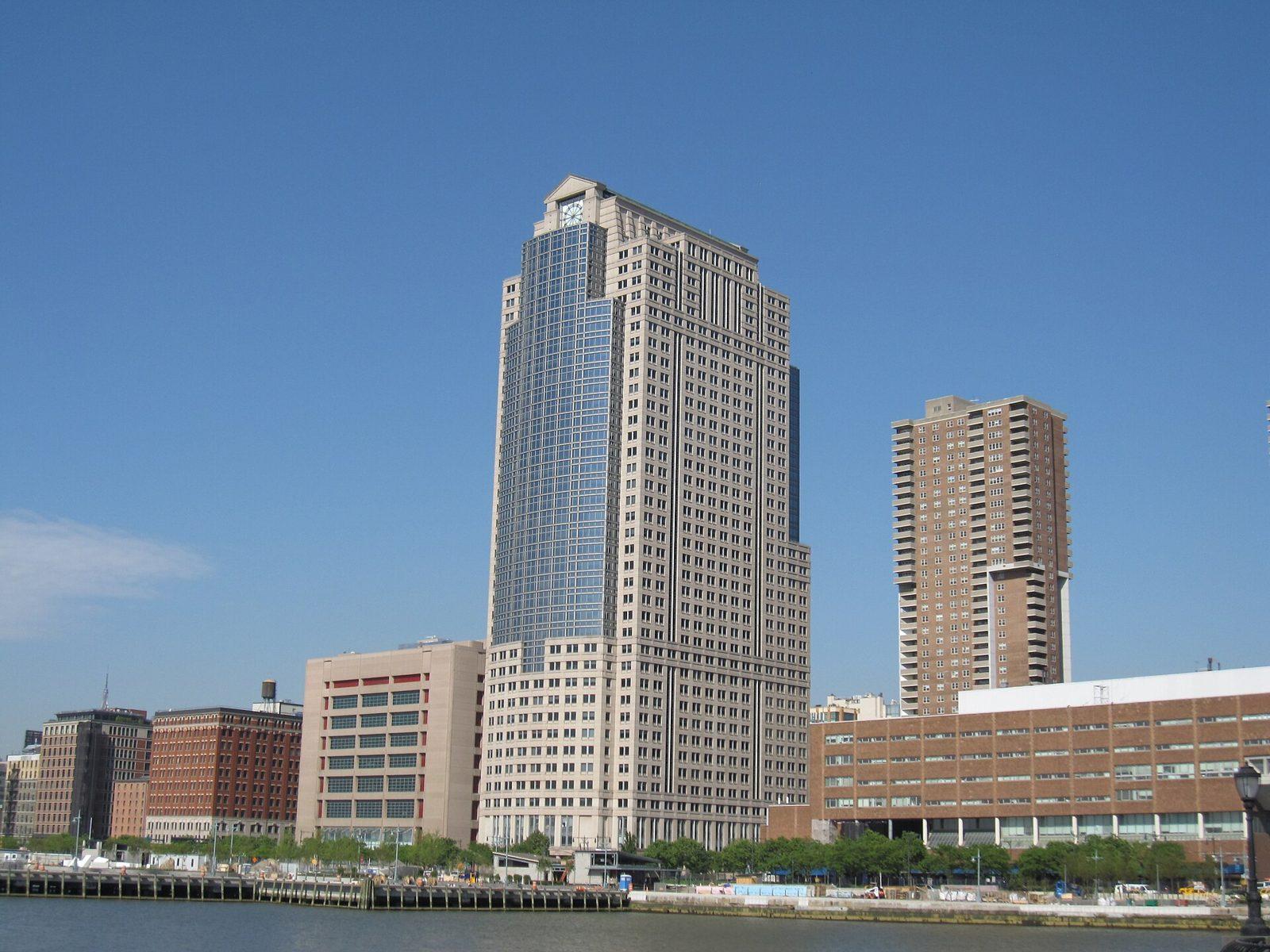
Which full-service towers anchor the southern edge?
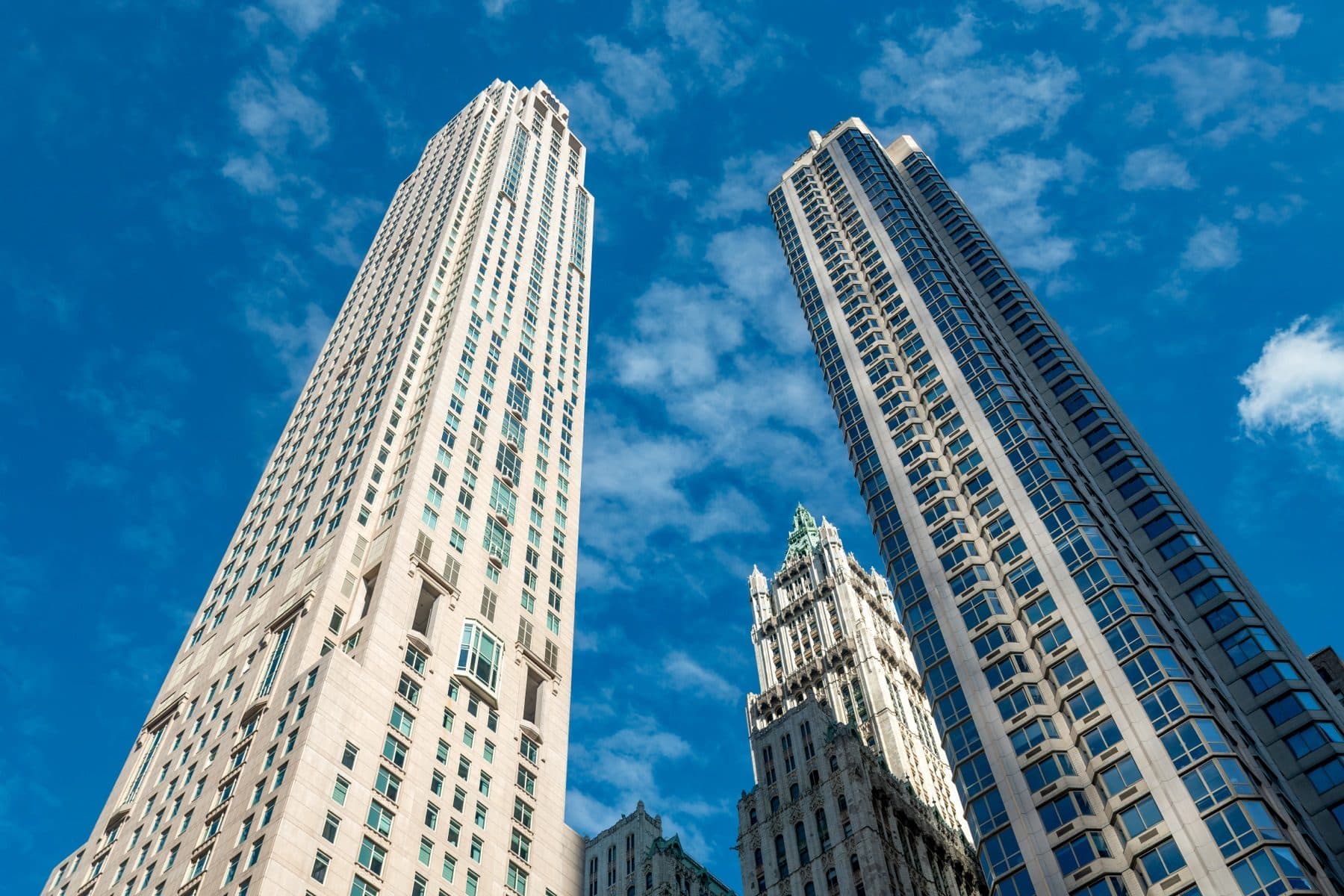
Near the World Trade Center and Brookfield Place, a group of newer towers offers a different Tribeca experience. 30 Park Place holds Four Seasons-branded residences above a hotel, and 111 Murray Street is a full-service tower at the western edge of the neighborhood, as Manhattan Miami notes in its building guide. These buildings offer views, staff, and amenities closer to a hotel than a loft, at the cost of higher monthly charges. Buyers who want Tribeca's restaurants and parks with complete service often start here.
Tribeca
Tribeca
Historic loft or waterfront condo?
Many Tribeca buyers end up choosing between these two. A historic loft offers volume, original detail, and a quiet block, but may have older systems, a freight elevator, and few services. A waterfront condo offers river light, a doorman, a gym, and modern mechanicals, but often less character and higher common charges. Seeing one of each on the same afternoon usually makes the choice clear.
What does it cost to buy in Tribeca?
Tribeca prices sit among the highest in Manhattan. Milton Coste reports a median sale price of $3.91 million, up 4.9 percent from a year earlier, at about $2,218 per square foot.
The market moves at a measured pace. Listings take a median of 68 days to reach contract, and about 24.2 percent of active listings carry a price cut, Milton Coste notes, which suggests some room to negotiate on homes that are overpriced.
Tribeca
- $3.91MMedian sale price in Tribeca
- $2,218Median price per square foot
- 68 daysMedian time from listing to signed contract
- 24.2%Share of active listings with a price cut
Source: Milton Coste Tribeca market data (2026).
Monthly costs
Condo common charges and taxes, or co-op maintenance; full-service buildings cost more.
Mansion tax
One percent on homes of $1 million or more, rising at higher prices, per the state tax department.
Sponsor costs on new buildings
Developers often pass transfer taxes on to the buyer.
Renovation
Older lofts may need new mechanicals, windows, and sound insulation.
Flood planning
Waterfront and low-lying blocks may need flood insurance; ask about the building's protections.
Tribeca
Why do two similar lofts sell at different prices?
In Tribeca, price per square foot can mislead. Ceiling height, the number and direction of windows, column placement, legal bedrooms, elevator access, and the quality of past renovations all change value. A full-floor loft with windows on three sides on Franklin Street can be worth far more than a similar-sized loft facing a light well. Michael compares the details, not just the size, before you bid. He will also tell you when a lower-priced loft is the better buy because its light and layout are stronger.
How do monthly costs differ across Tribeca buildings?
Monthly costs vary more in Tribeca than in most neighborhoods because the buildings vary so much. A small loft co-op with a part-time super and no amenities can carry modest maintenance, while a waterfront tower with a full staff, a pool, and a gym charges far more per square foot. Older condos such as 295 Greenwich Street spread costs across more than a hundred homes, while boutique buildings spread them across a handful. When you compare two homes, add the monthly charges and taxes to the price, and look at how those charges have changed over the last few years.
Tribeca
Tribeca
Will a Tribeca loft be easy to resell?
Usually, if the fundamentals are right. Lofts with legal bedrooms, good light, an elevator, and a sound building tend to resell well, because the supply of authentic lofts is fixed. Homes with awkward layouts, windows onto a light well, unapproved renovations, or a building with unresolved problems take longer and sell at a discount. Thinking about resale before you buy helps you avoid paying a premium for a loft that the next buyer will question.
Offer to keys
What are the steps to buy in Tribeca?
The process depends on whether you buy a condo, a loft co-op, or a house. Condos usually close in about two to three months; co-ops take longer because of the board.
Choose your lane
Loft or modern condo, co-op or condo, and your price range.
See buildings side by side
Compare light, ceiling height, and noise on the same day.
Check the legal basics
The certificate of occupancy and permit history show whether the loft is legally residential.
Make an offer
Michael prices it against recent sales in the building and similar buildings.
Hire a real estate attorney
They review the contract, financials, and building documents.
Sign and place the deposit
Usually 10 percent, held in escrow.
Complete financing
Lenders review the building as well as you; jumbo loans are common at Tribeca prices.
Get building approval
A condo application, or a co-op board package and interview.
Close
Sign the final papers and take possession.
For city-wide steps, see our guide to buying in New York City.
What is the Loft Law, and does it matter?
New York's Loft Law, Article 7-C of the Multiple Dwelling Law, covers certain buildings that became homes before they were fully legalized for residential use, and it shapes tenant rights and the path to compliance. Most Tribeca buildings completed that process long ago, but buyers of older lofts should confirm the building's status with their attorney, because it can affect occupancy, renovation, and financing.
Tribeca
Tribeca
What should you look for on a loft tour?
Bring a short checklist. Look up at the ceiling height and the tops of the windows, which decide how far light reaches. Count the windows and note which way they face. Find the columns and imagine furniture around them. Ask how the loft is heated and cooled, whether the windows are original, and how sound travels between floors. Finally, ride the elevator and ask who services it. These details separate a loft you will love living in from one that only photographs well.
Who it suits
Who is Tribeca right for?
Tribeca suits buyers who want space, privacy, and a quieter downtown neighborhood, and who will pay a premium for them. These buyers choose it most:
Families wanting large homes
Full-floor lofts and parks such as Washington Market Park make Tribeca popular with families.
Buyers who love character
Original columns, beams, and windows in converted warehouses.
Buyers who want full service
Waterfront condos offer doormen, gyms, and river views.
Creatives and entrepreneurs
Open plans suit home studios, offices, and entertaining.
Pied-à-terre and international buyers
Condos make up much of the market and allow flexible ownership.
If you want a lower price per square foot or more co-op choice, compare Greenwich Village apartments.
Tribeca
What is daily life like in Tribeca?
Days in Tribeca revolve around the river, the small parks, and the restaurants on Franklin and North Moore Streets. Hudson River Park and its piers sit at the western edge, and the 1, 2, 3, A, C, and E trains run nearby, putting Midtown and the Financial District within easy reach. Streets are quieter than in SoHo, with less retail traffic and more residents.
Where do families spend time?
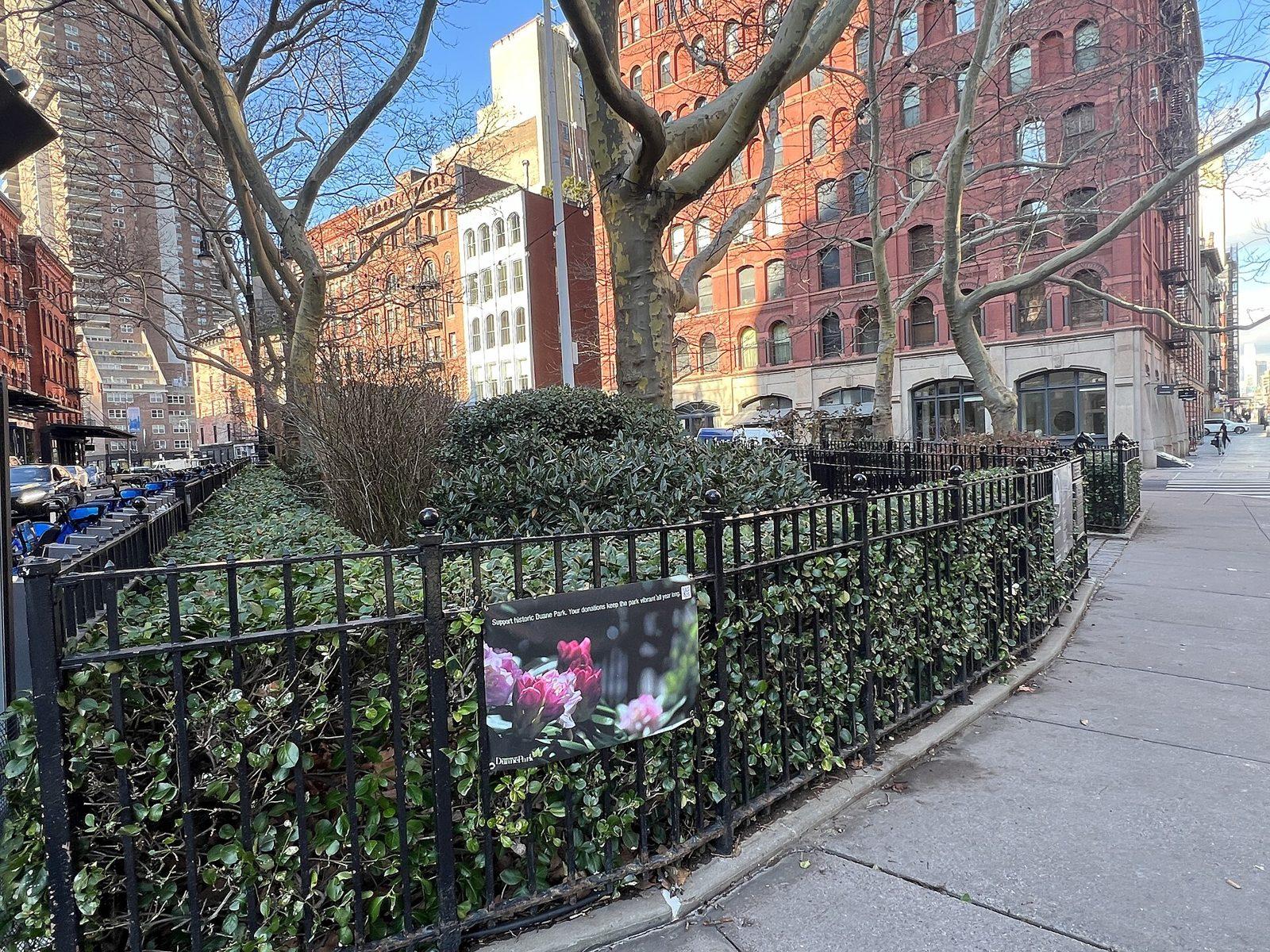
Washington Market Park, with its lawn and playground, and the small, fenced Duane Park are neighborhood favorites. Pier 25 in Hudson River Park adds sports courts, a playground, and mini golf along the river. Many buyers with children choose blocks within a few minutes of these spaces, which is one reason homes near them sell quickly.
Tribeca
From inside the board
How should you judge a Tribeca building's board and books?
In converted warehouses, the building's condition and finances drive your long-term costs. Speaking as a condo board president, Michael reviews five areas with every Tribeca buyer:
The conversion and systems
Older conversions may lack central air or sprinklers; ask what was upgraded and when.
Reserves and assessments
Old facades, roofs, and freight elevators are costly; a thin reserve means assessments.
Facade obligations
Buildings taller than six stories, such as many on Hudson Street, face Local Law 11 inspections.
Flood protection
Ask what the building did to protect its basement, boilers, and electrical rooms near the river.
Rules and minutes
Check renovation, sublet, and pet rules, and read minutes for leaks or disputes.
Two lofts that look alike can sit in buildings with very different futures, which is why these checks matter as much as the floor plan.
A walk through Tribeca
Tribeca, in light.
The buildings, blocks, and rooms that define Tribeca — captured on Michael's walks home.
A living room with a large window and abundant natural light
An open-plan living room and kitchen
A modern Manhattan condominium with cascading balconies
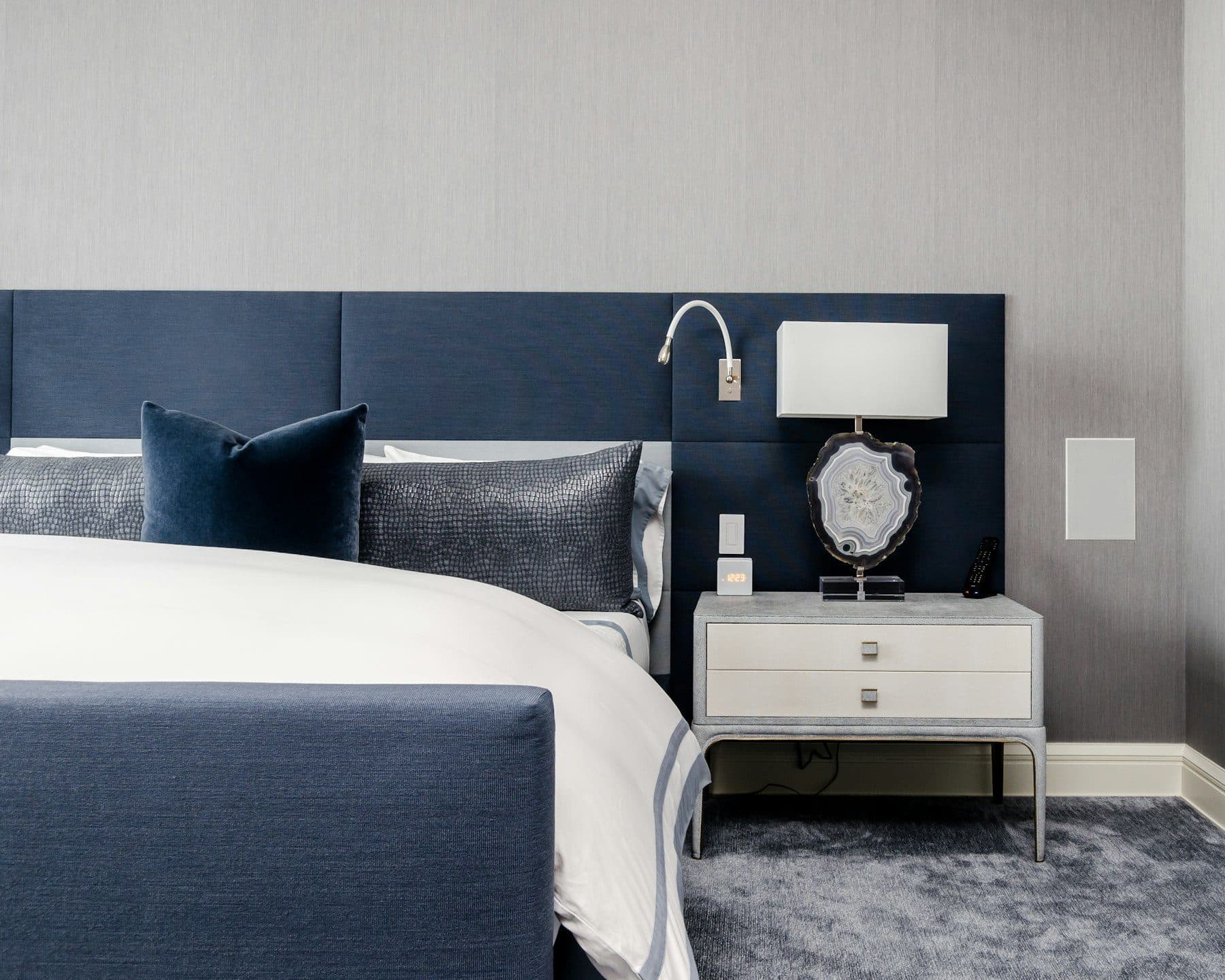
A refined navy and ivory primary bedroom with a tufted headboard
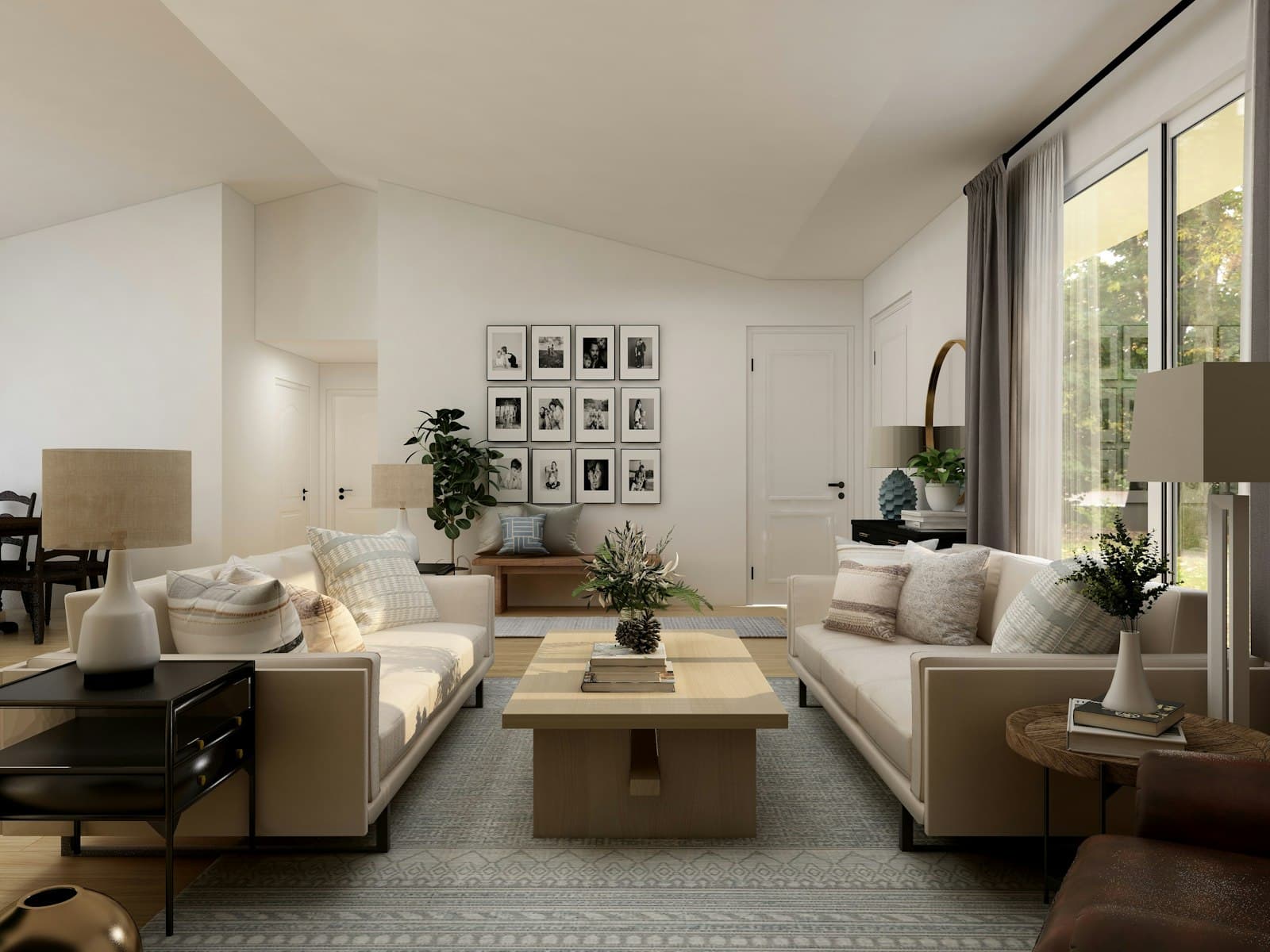
A living room with a white sofa and a potted plant
“Two Tribeca lofts can look the same and sit in very different buildings. I read the building before you fall for the brick.”
— Michael J. Carroll
Answers
Tribeca, answered
- Canal Street to the north, Chambers and Vesey Streets to the south, and Broadway to the Hudson River.
- Many are, in converted warehouses. Newer condos near the waterfront offer loft-style homes with modern systems.
- Much of it is. Four historic districts protect the warehouse architecture, so exterior changes need city approval.
- Yes. Large lofts, small parks, and Hudson River Park make it one of Manhattan's most family-friendly downtown neighborhoods.
- Most condos do. Owners of homes valued above $1 million that are not a primary residence pay the city's annual surcharge.
- A condo usually closes two to three months after the contract. Co-ops take longer because of the board review.
- On low-lying blocks near the Hudson, it can be. Check the flood zone and ask what the building did to protect its mechanical systems.
- Both. Newer buildings are mostly condos, while many older loft conversions are co-ops.
A private consultation
Find your Tribeca loft or condo
Tell Michael your budget, the space you need, and how you plan to live, and he will compare Tribeca buildings line by line, review their finances and history with you, and flag what changes the real value. He works from the Brown Harris Stevens West Side office at 1934 Broadway and represents buyers across Manhattan.

What happens next
- 01
Michael reads your note personally
No team inbox. He sees the form himself.
- 02
You'll hear back, usually the same day
By phone or email — whichever you prefer.
- 03
A no-pressure first conversation
Whether you're ready this week or thinking it through.
10+
Years at BHS
Top 1%
Nationwide
$500K–$25M+
Transaction range
Tell Michael about your search
A few quick questions.
Your details stay between you and Michael. No spam. No list.